

A Year-Round Conjugate for the Collision Sport System for Rugby and Team Sports
By Ashley Jones, Westside Barbell Certified
Rugby asks a lot of one's body. Maximal strength for the scrum and the breakdown. Explosive power to beat a defender. The fitness to do it again and again for 80 minutes. And the durability to turn up and do it all again next week. Whatever system you use has to build every one of those, all year, and keep the player on the park.
Here is the line I come back to every time I sit down to write a program:
The goal isn’t to get better at training. The goal is to get better at playing rugby.
The weight room is a tool, nothing more. The scoreboard doesn’t care what a player squats, benches, or deadlifts. It only cares whether his training made him a better rugby player. The Westside Barbell conjugate system is the best tool I’ve found for the job, and I use it in the off-season, the pre-season, and through the competitive season. This article pulls it all together: the principles, methods, exercises, weekly structures, and how I adjust the emphasis for each player.
I’m not saying it’s the only way. I’m saying it earns its place. Here’s how I run it, and why.
Why the Same Thing Stops Working
Everything starts with the Law of Accommodation. Zatsiorsky put it plainly: the response of a biological system to a constant stimulus drops off over time. The Westside blog says it more bluntly, that accommodation makes your performance stagnate or go backward. Do the same exercises under the same stress, and the training effect shrinks.
Any coach who’s kept a squad on the same program too long has seen it. The first six weeks are great, then the bar slows down, and the players get bored. You know it’s happened when you hear “same as last week, coach?” from the back of the room.
Traditional periodization deals with this in phases. Weeks 1 to 4 are strength, 5 to 8 are power, and 9 to 12 are peak. You train one quality at a time and hope the others hang on until it all comes together at the end. In a team sport, you never get that clean 12-week runway, and the qualities you aren’t training fade while you wait.
Conjugate turns that around. Every week carries max effort, dynamic effort, repeated effort, and special exercises, so every quality stays on the table. You beat accommodation by rotating the exercises quickly enough that the body can’t settle, and you choose them to fix weaknesses rather than to tick a box. Rugby players can’t afford to spend months on one quality while the others decline. They need to get stronger without losing speed, build muscle without losing movement quality, and improve work capacity without piling on fatigue.
The Three Methods
Maximal Effort (ME): the heavy stuff
ME is the heaviest work of the week. The player works up to a daily max on a variation of a main lift, such as a box squat, floor press, or rack pull, rather than the same competition lift every session. It builds absolute strength and high-threshold motor unit recruitment. It also builds something that won’t show up on a chart: confidence under a heavy bar. That matters for collisions, scrummaging, and tackling.
I run ME on a three-week wave. Week one is a 5RM, week two a 3RM, and week three a 1RM (ramp your 5s, 3s, and 1s). Then the exercise changes, and the wave starts again. Exercises rotate every three weeks while the method stays the same. That’s the trick: the loading is consistent, the movement is fresh, and the player keeps progressing without accommodating.
The variation list is long, and the players enjoy it:
| Lower body | Upper body |
|---|---|
|
Good morning: Zercher axle bar, giant cambered bar, straight bar, Simmons, safety bar Deadlift: decrement, rack pulls, trap bar, sumo, straight bar Squat: front, safety bar, Mars bar, box, giant cambered bar |
Incline press: straight bar, steel log, Swiss bar, cambered bench bar, Buffalo/Bow bar Overhead press: Swiss bar, cambered bar, steel log, Savickas, straight bar Bench press: axle bar, Buffalo bar, Swiss bar, cambered bench bar, 2 or 3 board press |
One wave might be Safety Bar Squats and Swiss Bar Bench Presses, the next Trap Bar Deadlifts and Military Presses. The old-school view says you should squat and bench the same way all year. But when you rotate the implement, you rotate the stress as well. A player who’s beaten up from six weeks of contact doesn’t need to keep grinding the same joint angles. A change of bar gives him a fresh stimulus and a bit of relief.
Prilepin’s chart is my guardrail for volume, so “max effort” doesn’t turn into “max ego”:
Swipe the table horizontally to see every column.
| % of 1RM | Reps per set | Optimal total reps | Range |
|---|---|---|---|
| 55–65% | 3–6 | 24 | 18–30 |
| 70–80% | 3–6 | 18 | 12–24 |
| 80–90% | 2–4 | 15 | 10–20 |
| 90%+ | 1–2 | 7 | 4–10 |
Editor’s note: The percentage bands above follow the adapted ranges in Ashley’s chart.
It’s simple, it’s been around a long time, and it keeps a lid on the volume that makes players tired.
Dynamic Effort (DE): strong and fast
DE is submaximal weight moved with maximal speed and intent. Think 8 sets of 3 on bench or box squats, or 8–12 sets of 2 on squats, generally at 40–60% of 1RM, often with bands or chains so the bar gets harder as the player approaches lockout. Many field sport programs skip DE, and I think it may be the biggest difference-maker there is.
Rate of force development is what enables a player to accelerate through a gap, make contact, and get up off the floor. Plenty of players are strong slowly. DE teaches them to produce force quickly rather than simply produce force. Accommodating resistance and accelerated eccentrics teach them to keep pushing through the sticking point instead of decelerating into it. Pairing dynamic lifts with jumps, medicine ball throws, or Olympic lift derivatives improves the transfer further.
Strength is your horsepower. Speed is how quickly you can use it. Rugby needs both.
A wave I like, from the work of Louie Simmons, uses velocity-based training as the check on intent:
Swipe the table horizontally to see every column.
| Week | Quality | VBT target | Band | Bar | Sets × reps |
|---|---|---|---|---|---|
| 1 | Speed-strength | >1.0 m/s | 25% | 50% | 4 × 6 |
| 2 | Strength-speed | >0.8 m/s | 60% | 25% | 4 × 4 |
| 3 | Accelerative strength | >0.6 m/s | 50% | 50% | 4 × 2 |
VBT = velocity-based training; m/s = meters per second.
If a lad is slower than the target, the weight comes off. Coaching by feel is fine, but the device tells you whether the bar is really moving. Without VBT, use the percentage waves I cover in the in-season section and coach the intent: move the weight as fast as possible.
Repeated Effort: armor plating
Louie said, “Strength training is the overcoming of weaknesses.” I’ve hung most of my accessory work on that line. The repeated effort (or repetition) method is a training approach in which players become bigger, more robust, and better able to handle work. It also strengthens connective tissue, and in a collision sport, that alone justifies it. I call my version armor plating.
After every main movement, pick 2–4 exercises, do 4–6 sets of 8–20 reps, and change them every session. They must target the weak links in the big performance lifts:
- Lower body: hamstrings, core, calves, lower back, and glutes.
- Upper body: rotator cuff, shoulders, triceps, and upper back.
When a player needs dedicated size, I run body part sessions built on a 6/12/25 structure: one heavy-ish movement for 6, a second for 12, and a third for 25, done as a tri-set. The days have names because players train harder when they like the session. If a player is smiling, he’s usually working.
| Day | Example |
|---|---|
| Legs (Quadzilla/Wowstrings) | Front squat (6), reverse lunge (12), goblet squat (25) |
| Chest (Pectoral Punishment) | Triple drop incline DB bench press (45/30/15) |
| Back (Big Back Maniac) | Pullovers (6), pulldowns to chest (12), straight arm pulldowns (25) |
| Shoulders (Boulder Shoulders) | Savickas press (6), dips (12), DB laterals (25) |
| Arms (Arm Race) | EZ bar curl superset with the Swiss bar close-grip bench press |
Rugby players don’t need bodybuilding for its own sake. They need muscle that improves performance, so every accessory exercise needs a purpose.
Choosing the Tools
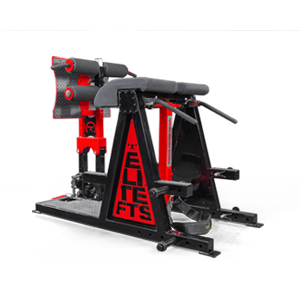
I’m a huge fan of specialty bars. After their first year of professional rugby, most players are never 100% because of one injury niggle or another, and a straight bar can be a problem. So the safety squat bar, cambered squat bar, and belt squat (athletic training platform) are my preferred lower-body tools, and the Swiss bar is my go-to for upper-body pressing.
I also like to alternate blocks. In the lower body, that’s three weeks focused on knee-dominant movements, then three weeks on hip-dominant movements. In the upper body, it’s horizontal pressing, then vertical. When one movement is the focus, the other stays in as a secondary, so strength and size don’t drop away.
Build the Engine
If conditioning is a priority, I’d rather build it into the strength program than separate it completely. Big compound circuits followed by rowing, Assault Bike intervals, loaded carries, Prowler pushes or SkiErg keep the emphasis on whole-body athleticism, and they teach players to keep expressing strength and power for 80 minutes rather than just surviving a conditioning session. Here are my favorite circuits:
The four linked circuit names open Ashley’s exercise demonstrations on YouTube.
| Circuit | What we do |
|---|---|
| Beastly × 6 | 6 reps on each of deadlift, hang power clean, front squat or lunge, push press or split jerk, bent over row, and Romanian deadlift. Followed by one of: loaded carry, wrestle, run, 750 m row, 2 km Wattbike, Assault Bike, or 250 m SkiErg. |
| Canterbury × 5 | Loaded carry or 500 m row; then 10 reps each of DB hang power clean, Hindu push-ups, KB gorilla or renegade row, and KB swing. |
| Unilateral × 4 | 4 or 8 reps on each: RDL, hang power clean, front-racked Bulgarian split squat, push press. |
| Zercher Beastly × 6 | 6 reps on each: floor pick to step up, forward lunges, squats, reverse lunges, good morning, lateral lunges. Followed by a 30 m Zercher loaded carry. |
| Body Weight × 3 | 15 reps on each: grasshoppers, Hindu push-ups, knees to feet jumps, scorpions, mountain climbers, alternate lunges, rock and rolls, push-ups, prisoner jump squats, sit-ups. |
| Six-round metabolic circuit | 300 m row, 10 burpees, KB swings, Prowler push, DB hang cleans, med ball slams. Finish with loaded carries and CARE work. |
The goal is never just to get tired. The goal is to keep producing force under fatigue.
Underneath all of it sits general physical preparedness (GPP). Louie described GPP as the foundation that supports all other training, and I agree. Sled dragging, med ball throws, jumps and sprints, loaded carries, circuits, Prowler work, and off-feet conditioning all improve a player’s ability to tolerate training and recover from it. A big engine lets a player recover between sets, between sessions, and between games.
CARE: Keep Them Available
The strongest player rarely wins the season. The healthiest one often does. Bryan Mann’s line sits in my head every day: the best ability is availability. And as Louie said, more prehab means less rehab.
CARE stands for Core Accessory Rehab Exercises. It’s an individual prehab system built around each player’s injury history, position, and needs. It picks up the weak links the main program doesn’t touch, and it’s the glue that holds the whole system together. It is non-negotiable, and it runs year-round. I finish every session with it, choosing five movements based on the individual. Consistency beats complexity.
| Area | Examples I lean on |
|---|---|
| Neck | Banded and iso neck series, plate extension and flexion, wrestler’s bridges, neck planks, and Iron Neck. Every forward needs a strong neck. |
| Shoulder and rotator cuff | Face pulls, Cuban press, incline Y-T-Is, bottom-up KB press, DB scarecrow, Plate Bus Driver |
| Core | Rollouts, Pallof press, dead bugs, hanging leg raises, Turkish get-ups, windmills, suitcase deadlifts |
| Hips and groin | Copenhagen planks, monster walks, lateral lunges, banded clams |
| Hamstrings | Nordics, reverse hypers, pull-throughs, Harrop, and Bosch hamstrings |
| Knee | Poliquin step-ups, reverse Nordics, Spanish squats, banded TKE |
| Ankle, foot and calf | Single-leg calf raises, seated calf raises, mini hurdle hops |
| Grip and elbow | Grippers, thick bar or towel chins, rope climbs, fat bar holds, Tate, presses |
| Carries | Farmer’s, suitcase, waiter’s, and sandbag or Zercher carries |
A prop with a cranky neck and a winger with a hamstring history should not be doing the same CARE work. Each player gets what he needs.
Same Framework, Different Emphasis
This is where conjugate really separates itself from the traditional models. The criticism of concurrent training is that it tries to train everything at once. It doesn’t. It prioritizes one quality while maintaining the others. Instead of abandoning strength to chase speed, or sacrificing power to build fitness, we adjust the emphasis.
Every player sits at a different point on the performance spectrum. One needs speed and explosiveness. Another needs strength and mass. A third is strong enough but can’t repeat his efforts for 80 minutes. The strength coach’s job is to work out which quality matters most for this player right now, while keeping all the others alive.
| Emphasis | Goal | Ideal for | Primary method | Secondary |
|---|---|---|---|---|
| Neural | Speed and power | Outside backs, explosive forwards, players lacking acceleration | Dynamic Effort | ME, repetition |
| Mechanical | Maximal strength | Tight five, young developing athletes, players returning from injury | Max Effort | DE, repetition |
| Structural | Hypertrophy | Underweight players, academy athletes, and anyone needing lean mass | Repetition method | ME, DE |
| Metabolic | Fitness while holding strength | Players needing conditioning, non-selected players, return-to-play | High-output circuits | ME, DE |
Strength underpins all of it. Speed athletes need strength to push force into the ground. Size-focused athletes need strength progression for meaningful overload. Conditioning athletes need strength to keep expressing force under fatigue. So ME stays in every program, whatever the primary goal. The question is never whether we train strength. It’s how much emphasis it gets.
A few years ago, I published a simple flow chart on this site to work out which type of training to prioritize for the coming block (A Simple Flow Chart for Athlete Programming). It still drives the training week format and the sets and reps I use.
The framework is the same for every player, and only the emphasis changes:
- Need strength? Increase Max Effort volume.
- Need speed? Increase Dynamic Effort exposure.
- Need size? Add repetition method finishers.
- Need conditioning? Finish with metabolic circuits.
Everything else stays remarkably consistent. Position, injury status, training age, and game demands all feed the decision.
The Year at a Glance
| Phase | Focus |
|---|---|
| Off-season (12–16 weeks) | Build maximal strength and muscle mass, develop aerobic and anaerobic conditioning, and address weaknesses and durability. |
| Pre-season (4–8 weeks) | Increase power and speed, move to rugby-specific conditioning, and maintain the strength gains. |
| In-season | Keep developing what the player needs, manage fatigue, and be ready on game day. |
All three methods are present all year. Only the priority shifts. Every three weeks, the main lifts rotate, intensity goes up, and volume gets adjusted. Off-season builds, pre-season converts that strength to power, and in-season keeps the player improving without costing him Saturday.
Off-Season Programming
The off-season is the best chance we get to develop the physical qualities rugby demands, and a 12-week off-season lets you rotate squats, deadlifts, presses, specialty bars, accommodating resistance, and Olympic lift variations without ever leaving the fundamental methods. The system evolves, and the objective stays the same. Here are the formats I use, depending on what the player needs and how much time he has.
The six-day upper/lower split
| Day | Session |
|---|---|
| Monday | ME upper |
| Tuesday | DE lower |
| Wednesday | Recovery |
| Thursday | ME lower |
| Friday | DE upper |
| Saturday | Make-up session |
Off-season days just get their normal names because there’s no single game day to hang the week on.
Option 1: three-day strength and conditioning hybrid
This suits players who need conditioning, size, and strength together.
- Monday, ME lower plus circuit: Beastly circuit (6 × 6, with a 500 m row after each round), then the ME lift (safety bar squat or trap bar deadlift, 5RM → 3RM → 1RM, rotating every three weeks), then posterior chain and unilateral accessories.
- Wednesday, DE full body: dynamic lifts paired with jumps, throws, and plyometrics. Weeks 1–2 are 4–6 reps at 40–45%, weeks 3–4 are 3–5 reps at 45%, and weeks 5–6 are 2–3 reps at 50%. The circuit option is the Unilateral circuit plus off-feet conditioning.
- Friday, ME upper plus circuit: Canterbury circuit and Prowler pushes, then the ME lift (Swiss bar bench or military press, 5RM → 3RM → 1RM), then loaded carries and CARE work.
Option 2: four-day strength and size
This suits players prioritizing max strength and hypertrophy: DE upper on Sunday, ME lower on Monday, ME upper on Wednesday, and DE lower on Friday. It has the same three-week wave loading and exercise rotation each block, an emphasis on the posterior chain and upper back, and loaded carries every session.
Conditioning
Add two or three conditioning sessions a week (rowing intervals, bike sprints, tempo runs) on top of the circuits above. Conditioning should support strength gains, not limit them.
Pre-Season
Pre-season is where we convert. My work continues, because we’re holding onto the strength we built, but DE and jump and throw work move to the front to bring speed and power up. Conditioning shifts from general to rugby-specific, so the metabolic work starts to look like the game. Same three-week waves, same rotation, different priority.
In-Season Programming
One of the biggest mistakes in a rugby season is assuming strength training becomes maintenance training. I don’t agree. Competition starting doesn’t mean development stops. The challenge isn’t holding onto strength. It’s continuing to improve the qualities that matter while managing fatigue, so the player is ready to perform every Saturday.
My philosophy in-season is very similar to the off-season, because intensity is the key driver of the program. What changes is volume. I keep intensity throughout the year because heavy weights maintain strength, but I cut volume hard because volume drives fatigue, and fatigue kills game-day performance. The program is still individualized, but now inside the confines of a playing week, and what else the player needs to work on to perform on game day.
Whether a player is a starter, a reserve, or not selected also dictates how many sessions we can fit in. Here’s a sample game week for a starter or reserve:
| Day | Plan |
|---|---|
| Saturday | Game |
| Sunday | Own recovery |
| Monday (GD+2) | AM: monitoring, team meeting, graded recovery activities based on game load PM: gym |
| Tuesday (GD+3) | AM: speed or wrestling into units PM: rugby |
| Wednesday | AM: monitoring, team meeting, gym PM: rugby, units, and conditioning top-ups |
| Thursday | Restoration and recovery |
| Friday (GD-1) | AM: team meeting into activation and Captain’s Run |
GD = game day. GD+2 is two days after the match; GD−1 is the day before the next match.
If a player isn’t playing that week, I look at programming another weight room session on Friday or Saturday.
I favor split upper and lower ME days to start the week. Depending on soreness and fatigue, they fall on Monday (GD+2) and Tuesday (GD+3), or Tuesday (GD+3) and Wednesday (GD+4). Most teams I’ve spoken to like Wednesday as a day off, so you may have to train on the day off to optimize training and recovery. The first two gym sessions are where most of the adaptation happens. Friday is not a strength workout.
Speed and power emphasis
When the goal is explosiveness, DE becomes the priority, and sessions are placed to allow recovery from the game. GD+2 is upper DE and GD+3 is lower DE, with a third session depending on selection.
- Upper DE: banded bench press, push press or jammer press, 8 × 3 at 50%, 55% and 60% across the three weeks, with 25% band tension. Follow with supplemental pressing and rowing, shoulder stability, arm work, and CARE.
- Lower DE: banded box squat (or jump squat, or trap bar jump shrug), 8 × 3 on the same 50/55/60% wave with bands. Follow with a max force movement (squat or deadlift), unilateral work, core, and CARE.
- The max force movement: week 1 is 4 × 6 at 75%, week 2 is 6/5/4/4 at 75–85%, week 3 is 5/4/3/3 at 80–90%, and week 4 is 4/3/2/2 at 85–95%.
- Principles: train bar speed, not just percentages (VBT if you have it), rotate the accommodating resistance (bands, chains, weight releasers), and coach the intent.
Strength and size emphasis
These are usually younger athletes, developing forwards, and players coming back from injury who need to rebuild tissue quality and lean mass. GD+2 is upper ME and GD+3 is lower ME.
- Upper ME: Swiss bar bench or Swiss bar military press, working to a max set of 5, then 3, then 1 over the three weeks. Follow with javelin press or close-grip bench (3, 4, 5 sets of 10, adding a set each week), superset with Yates rows or pulldowns, then JM press superset with EZ bar curls (2, 3, 4 sets of 6–12). Finish with rotator cuff and neck work.
- Lower ME: safety bar box squat or trap bar deadlift on the same 5/3/1 wave. Follow with a good morning or belt squat (3, 4, 5 sets of 10) superset with Bulgarian sprinter’s squats or split-stance RDLs, then glute-ham raise or reverse hyper (2, 3, 4 sets of 6–12). Add core, hips, hamstrings, knees, and calves.
- A lower-intensity variation: when I want less absolute intensity but the same idea, I work to a max set of 6, then 4, then 2, and the secondary lifts follow the same rule: if the main lift is a squat, the secondary is a hip hinge, and vice versa.
Even strength-focused players still need speed. For players not selected, I add a combined DE session: banded bench press, push press or jammer press for upper, and banded box squats for lower, on the same 50/55/60% wave.
My philosophy is simple: train the lower body for strength, and size will usually follow. Prioritize upper-body hypertrophy and limit excessive lower-body fatigue.
Hypertrophy emphasis
Don’t replace explosive work with bodybuilding. That’s the most common mistake with rugby hypertrophy. Keep ME and DE inside the week and increase repetition volume by adding 15–20 minutes of finishers after the primary session.
- Progress within rep ranges: 8 → 6 → 4.
- Superset body parts (back and biceps, shoulders and arms, chest and back).
- Rest under 60 seconds and train to near or full concentric failure.
- Keep sessions efficient, because fatigue is the enemy of Saturday.
- Include a short dynamic primer session at GD-1 or GD-2.
Metabolic emphasis
Not every player lacks strength, and not every player lacks power. Some just can’t express those qualities repeatedly through a match. Conditioning doesn’t mean endless running. It means improving work capacity while maintaining force production, and I structure the day from high neural demand down to lower neural demand.
- Session one: ME upper and ME lower in the same session (5/3/1 wave or 6/4/2), then the six-round circuit, then loaded carries such as farmer’s walks.
- Session two: banded bench press and banded box squats for DE, then the Beastly circuit: six reps of each movement, then straight into three minutes of hard conditioning work. That’s exactly what rugby demands.
- Keep intensity high and rest structured, and add medley events for real-world conditioning.
The sample week
Here’s a full four-session example week, with DE and ME split across upper and lower body:
| Day | Session | Loading |
|---|---|---|
| Monday DE lower |
Banded box squat, jump squat, or trap bar jump shrug. Then, a modified Olympic movement superset with a jump. Then one single-leg knee-dominant superset with one single-leg hip-dominant movement. | 8 × 3 at 50/55/60% + bands at 25% Olympic: 3 × 6 (12), 3 × 4 (8), 3 × 2 (4) Unilateral: 2 × 12, 3 × 8, 4 × 6 |
| Tuesday ME upper |
Bench or military press, with a secondary press in the other plane. Triceps and biceps superset. Shoulder/rotator cuff and neck CARE. | Max set of 6, then 4, then 2 (over 3 weeks) Secondary: 3, 4, 5 × 10 Arms: 2, 3, 4 × 6–12 |
| Thursday ME lower |
Squat or deadlift, with a secondary in the opposite pattern. Single-leg knee/hip superset. Core, hips, hamstrings, calf, and knee CARE. | Max set of 6, then 4, then 2 (over 3 weeks) Secondary: 3, 4, 5 × 10 CARE: 3 × 12–15 |
| Friday DE upper |
Banded bench press, push press, or landmine single-arm jammer. Row superset with incline or shoulder DB press. Three-way shoulder. Close-grip bench or dips superset with hammer curls. | 8 × 3 at 40/45/50% + bands at 25% Press/row: 4 × 6–10, 5–8, 2–5 Shoulders and arms: 2, 3, 4 × 12–15 |
Editor’s note: For players competing on Saturday, use the short Captain’s Run primer described below in place of the full Friday session in this template.
The Captain’s Run primer
The final gym session before the game should leave the athlete explosive rather than fatigued. It’s short (under 30 minutes), and it’s three sets only:
- One weighted power movement: cleans, snatches, pulls, hip thrusts, jump squats, push presses, or Prowler pushes.
- One plyometric: box jumps, depth jumps, hurdle hops, long jumps, or Borzov hops.
- One upper-body push or pull, plus light shoulder work. A box squat and jump combination and some band bench work also fit here.
The goal isn’t fatigue. The goal is activation. Leave the gym feeling faster than when you walked in, and leave wanting more.
Selected or not?
Selection changes the third session. If the player is selected, the third session is neural activation: jumps, throws, and light power work, or the Captain’s Run. If he isn’t selected, he gets a full-body ME day (for a speed and power player) or a full-body DE day (for a strength and size player), because he needs the stimulus, and he isn’t going to be playing on Saturday.
Final Thoughts
None of this is complicated, and it doesn’t need to be. Rotate the exercises before the accommodation stalls progress. Train max strength, speed, size, and fitness in the same week. Fix the weaknesses, protect the joints, and keep the players available. Prioritize the quality that needs the most attention, but never drop the others. And never sacrifice Saturday’s performance for Tuesday’s workout.
The best athletes aren’t the ones who excel at one thing. They’re the ones who keep every quality and push one forward at exactly the right time. The system should produce players who are strong enough to dominate contact, explosive enough to break the line, conditioned enough to repeat efforts for 80 minutes, and durable enough to stay on the field.
If you’re a coach still running the same block for 12 weeks, try one three-week rotation and see what your players think. I’d wager they’ll notice.
The weight room is a tool. The goal is performance on the field.
Equipment for This Program
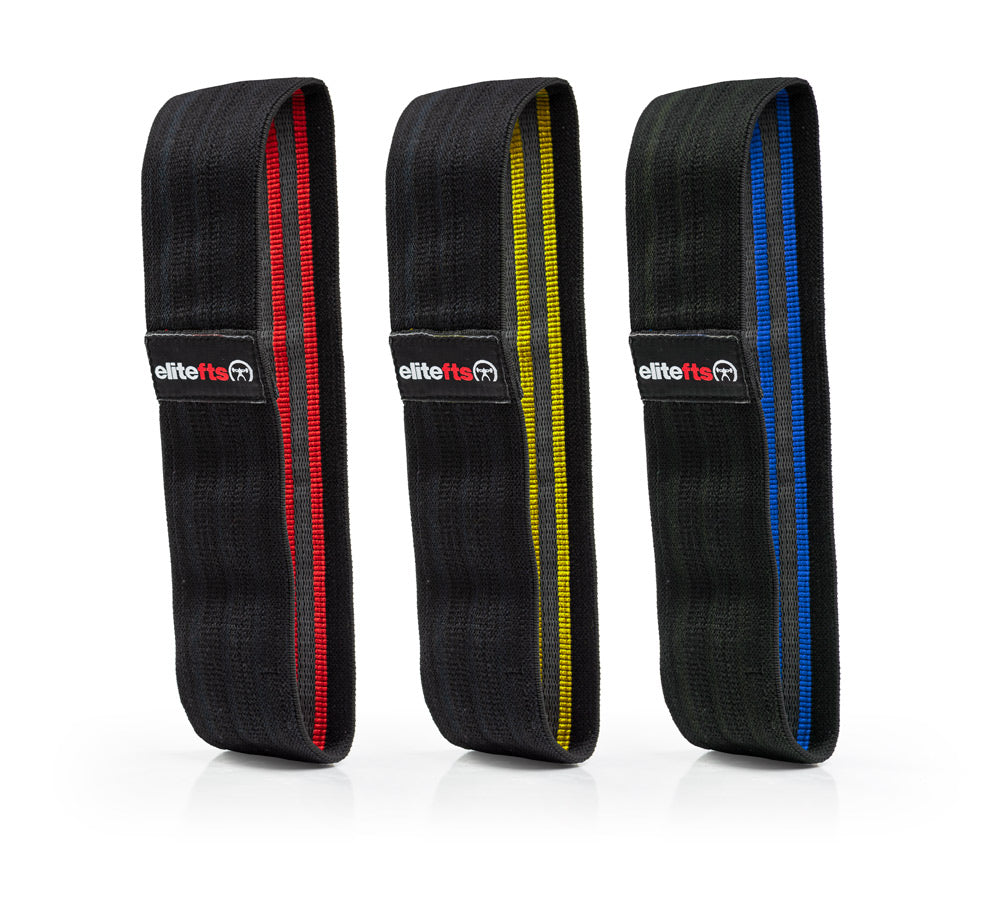
These elitefts tools fit the bar rotations, band work, and conditioning used throughout the article.

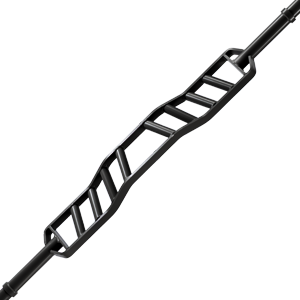
SS Yoke Bar
A specialty bar option for the safety bar squats and good mornings in Ashley’s lower-body rotations.
Shop the SS Yoke Bar →
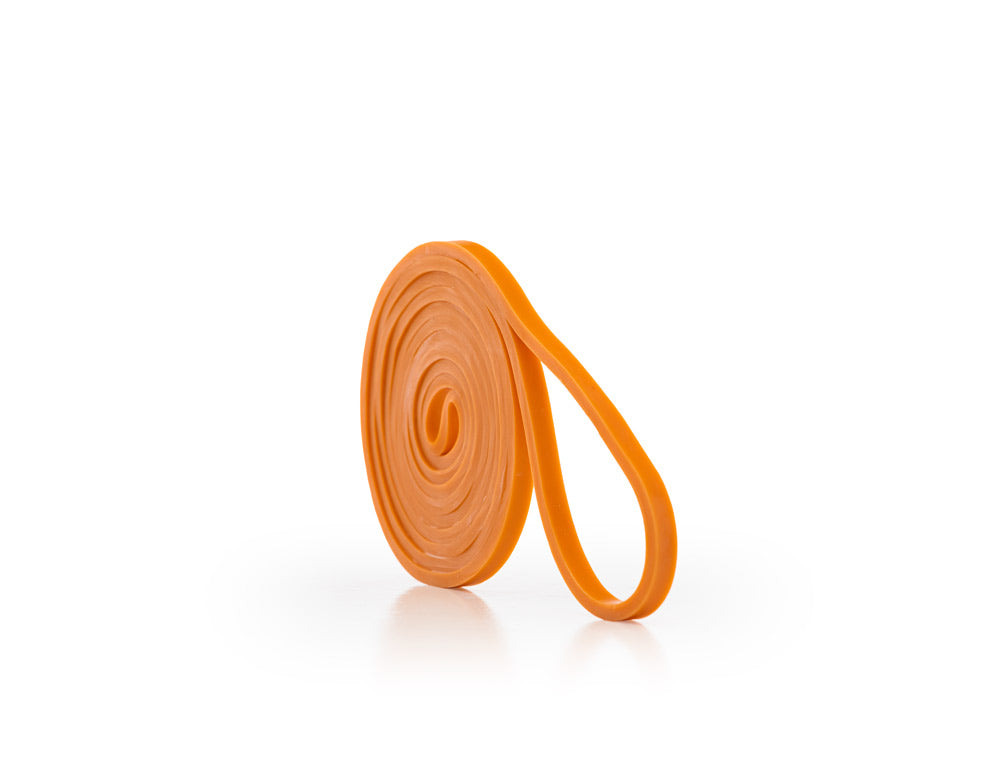
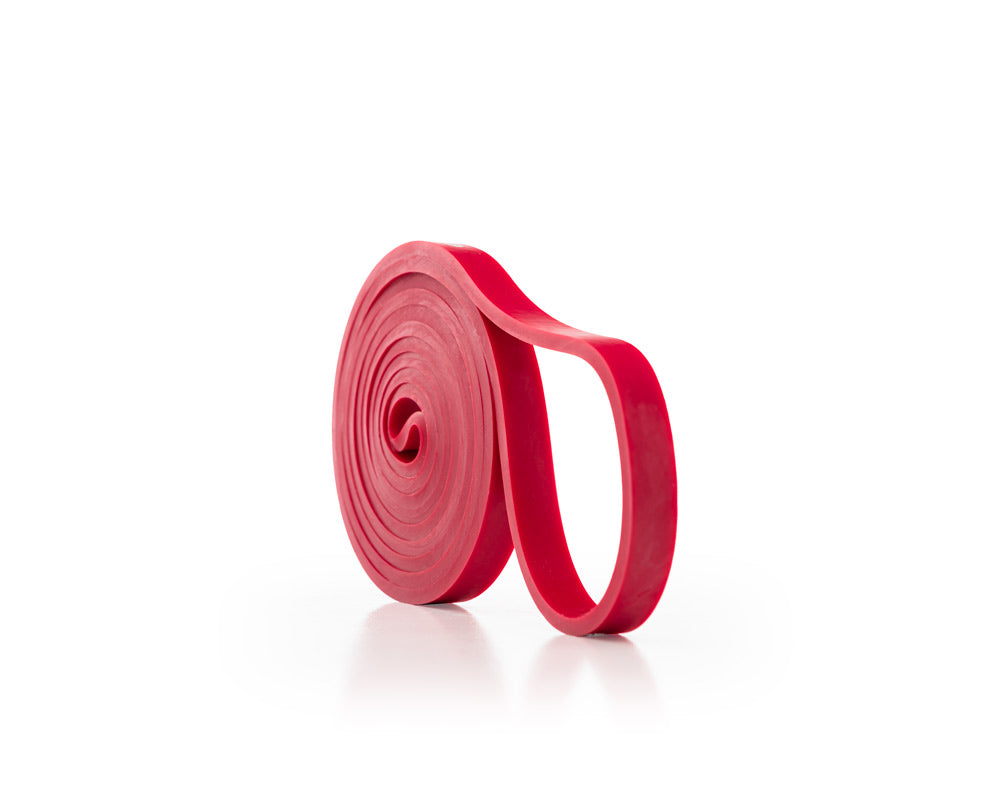
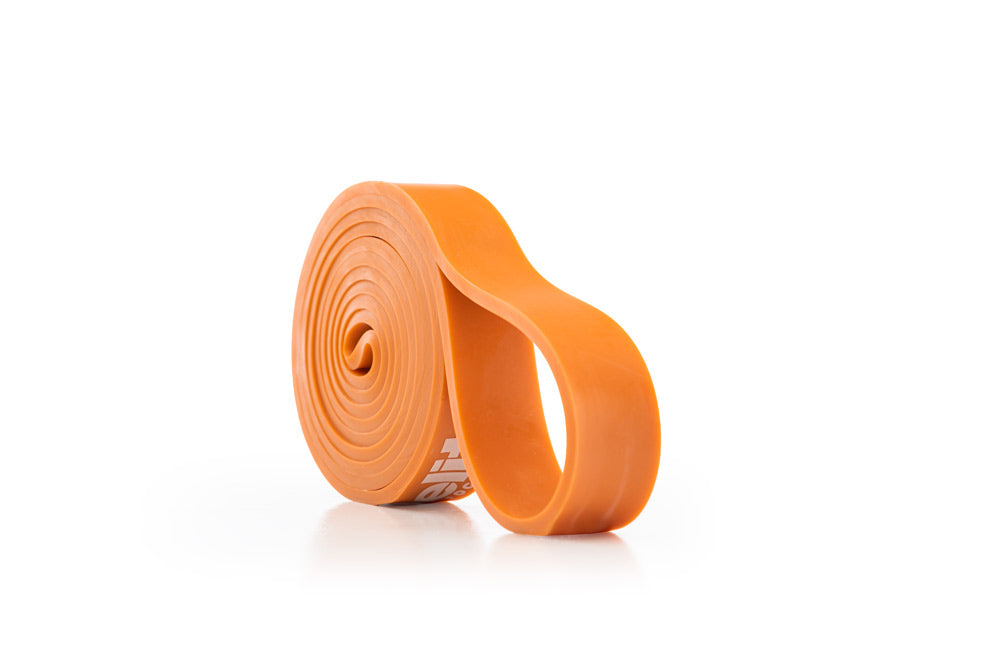
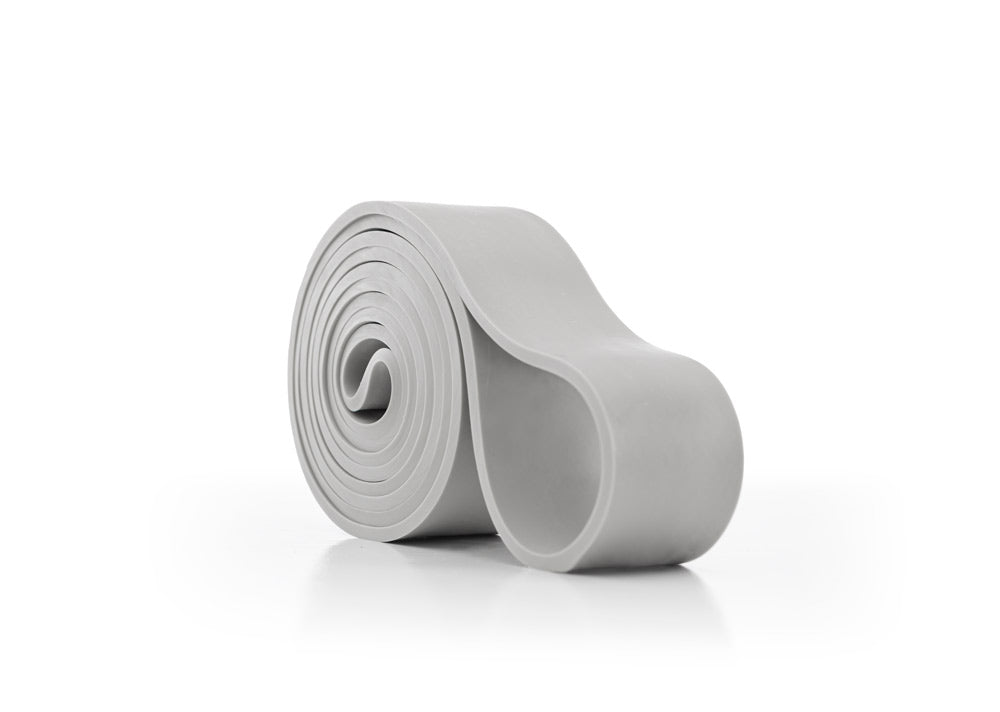
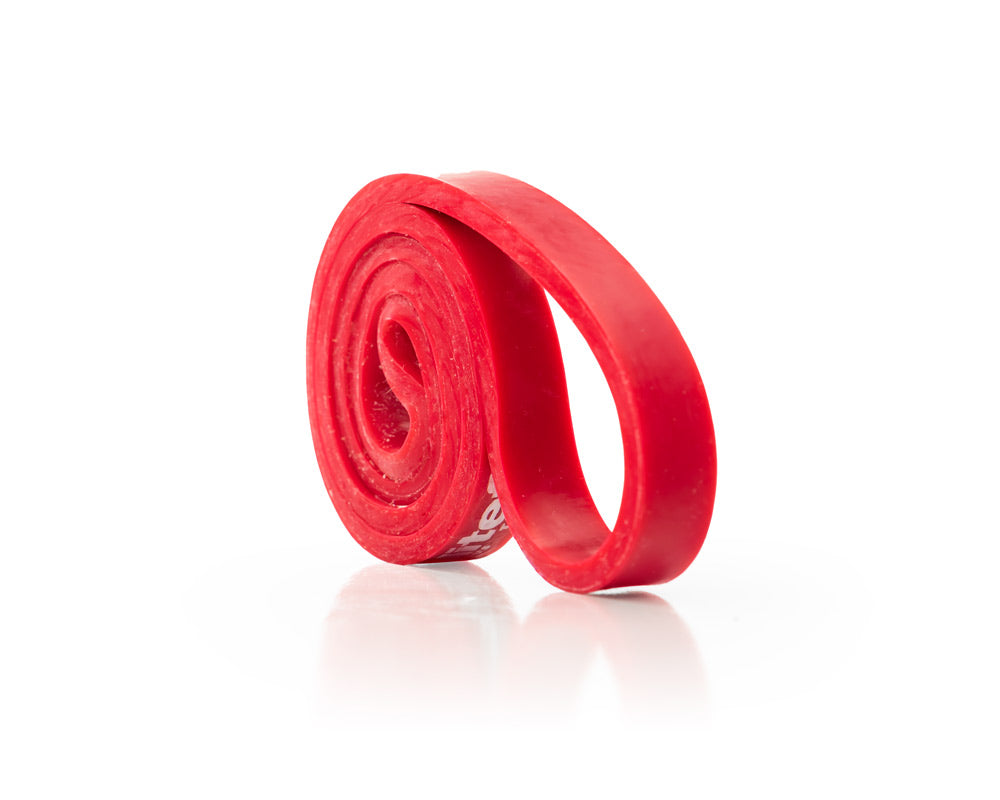
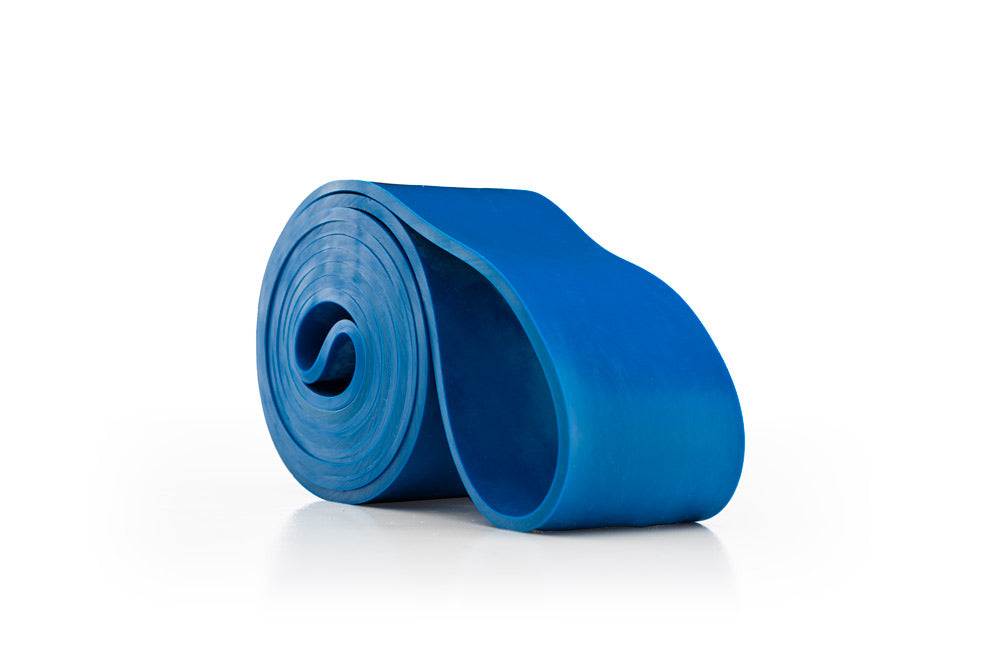
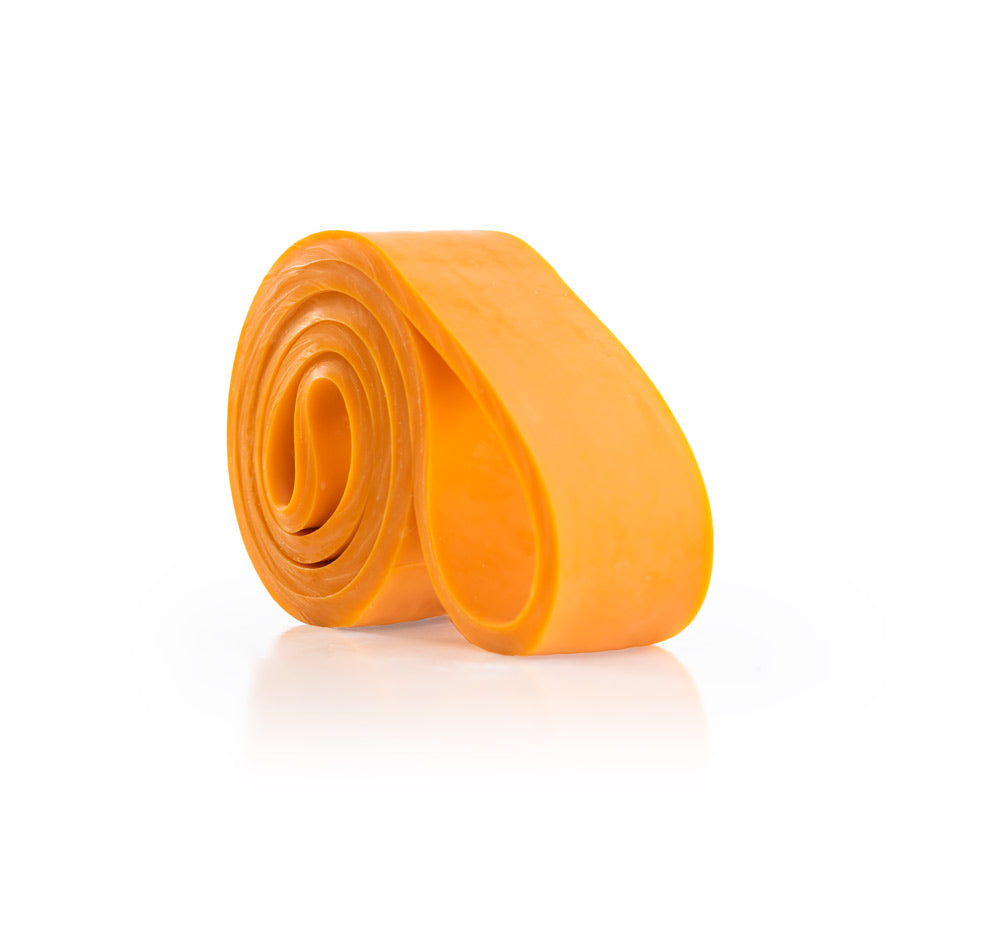
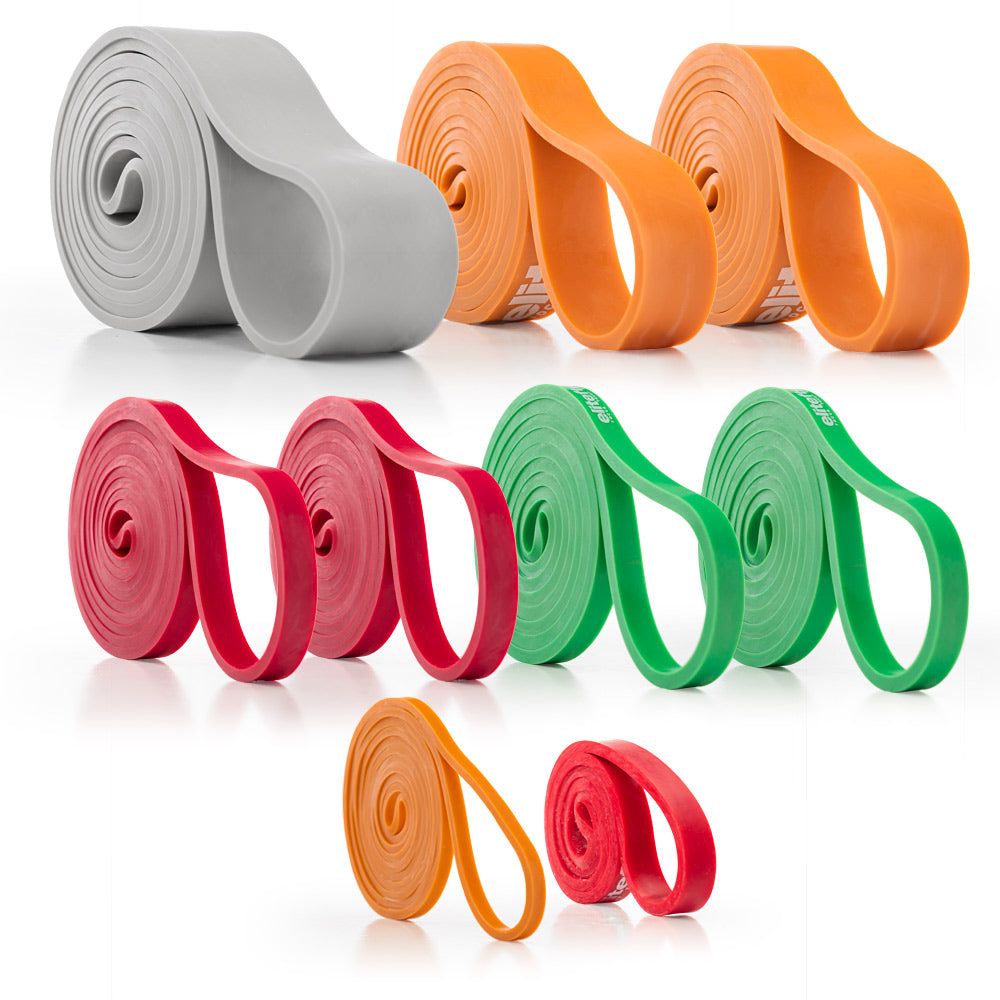
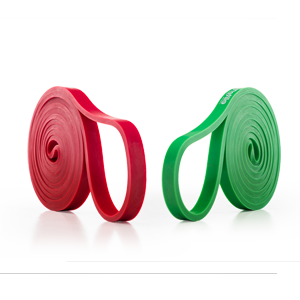
elitefts Pro Mini Resistance Band
Useful for shoulder warm-ups, light accessory work, and appropriately configured band-resisted bench work. Sold individually; select band tension to suit the athlete and setup.
Shop the Pro Mini Band →
Prowler® 2
Use it for the pushes, drags, and conditioning circuits that appear throughout the program.
Shop the Prowler 2 →