

Strength Coaching / VBT / Dynamic Effort
Bridging Velocity-Based Training and Prilepin’s Chart for Maximal Strength Development
Effort matters. Precision matters more. Here’s how to pair velocity targets with proven volume landmarks so every rep trains the strength quality you actually want.
In the pursuit of elite strength performance, the challenge is rarely effort. It is precision. Conjugate-based systems have long emphasized rotating special strengths, while Prilepin’s Chart has guided loading parameters with remarkable consistency. Velocity-Based Training (VBT) adds another layer of specificity by allowing coaches to target bar speed and, in turn, the neuromuscular quality being trained.
When you combine VBT with Prilepin’s recommendations, you get a system that does more than prescribe load and volume. It also helps ensure the intent and execution of each rep match the desired training outcome.
Understanding Velocity Zones and Special Strengths
Bar speed is more than a metric. It is a reflection of the quality being trained. Each velocity zone corresponds to a distinct strength trait:
Maximum force production.
The ability to accelerate moderate-to-heavy loads.
High force with moderate velocity.
Rapid force production.
Explosive initiation of movement.
The ability to shift between zones is critical for training along the Force-Velocity curve. Max-effort work builds the ceiling, but dynamic-effort methods determine how effectively that strength can be expressed. Although I rarely train players specifically in the Starting Strength zone, it is included here to complete the picture; other sports may find it more applicable.
Using Prilepin’s Chart to Anchor Volume
Prilepin’s Chart remains one of the most reliable tools for prescribing optimal training volume at given intensities.
| Percent of 1RM | Reps per Set | Optimal Total Reps | Range of Reps |
|---|---|---|---|
| 55% - 65% | 3-6 | 24 | 18 - 30 |
| 70% - 80% | 3-6 | 18 | 12 - 24 |
| 80% - 90% | 2-4 | 15 | 10 - 20 |
| 90%+ | 1-2 | 7 | 4 - 10 |
I primarily program in the top three intensity zones with the players I currently coach. With younger training ages, I would work in the lower three training zones and adjust as athletes develop more experience in the weight room.
When paired with VBT, these percentages become more flexible. Instead of strictly chasing a percentage of 1RM, the athlete adjusts load to stay within a target velocity zone. This is especially useful when fatigue, readiness, or accommodating resistance from bands and chains shifts the effective intensity.
A Three-Week Box Squat Wave for Team Sport Athletes
Below is a practical box squat application that rotates through three distinct strength qualities while staying within Prilepin’s optimal volume ranges. Louie emphasized a three-week pendulum wave for speed-strength using 50% in week one, 55% in week two, and 60% in week three while maintaining constant band tension. I prefer to cycle through the qualities in line with building to near-maximal loads, which I believe parallels the psyche of rugby players in training.
Speed-Strength
Target: >1.0 m/s 4 x 6 = 24 total reps 40% bar weight + 33% band tensionThis week emphasizes bar speed and explosiveness. The total volume aligns with the upper end of Prilepin’s recommendation for this intensity range, reinforcing technique and rate of force development.
Strength-Speed
Target: >0.8 m/s 4 x 4 = 16 total reps 25% bar weight + 65% band tensionHere, accommodating resistance increases significantly. Bands force the lifter to apply force throughout the full range of motion, shifting the demand toward force production at higher velocities.
Accelerative Strength
Target: >0.6 m/s 4 x 2 = 8 total reps 50% bar weight + 50% band tensionIntensity peaks in this wave. Bar speed decreases slightly, but force output rises. Volume drops accordingly, keeping the work within recoverable limits while still driving adaptation.
Why Accommodating Resistance Matters
Bands and chains are essential in this model because they change the strength curve:
- They reduce load in weaker joint positions.
- They increase load where leverage improves.
- They force continuous acceleration through the full range of motion.
This ensures that bar velocity targets are meaningful. Without accommodating resistance, lifters often decelerate near lockout, reducing the effectiveness of dynamic work.
My personal preference is to use bands for accommodating resistance because of the overspeed eccentric action and the ability to push through the entire range with acceleration. To ensure each person is training with the correct band tension, weigh each set of bands. Player height will affect resistance at lockout, and guessing the loading based on someone else can underload or overload each training session.
Integrating Wave Loading
For off-season training, where recovery resources are higher, combining multiple qualities in a single session can be highly effective. A 2 x (6, 4, 2) wave allows you to:
- Start with higher-velocity work.
- Transition into moderate loads.
- Finish with heavier, lower-rep sets.
This structure builds multiple strength qualities simultaneously while maintaining a logical progression of intensity.
Another method is to use clusters for each set when you want to work at the higher end of each intensity zone. A set of six becomes 3 + 3 with a 15-20-second intra-set rest period. A set of four becomes 2 + 2. A set of two becomes 1 + 1. The benefits of clusters have been well documented in this elitefts article on cluster training.
An additional benefit of clusters is technical consistency. With some athletes, the downward pull from bands can affect body position and potentially increase injury risk. Short intra-set breaks give the athlete a better chance to reset perfectly before the next rep.
Practical Considerations
- Adjust load, not intent: If bar speed drops below the target zone, reduce the weight.
- Track trends, not just numbers: Daily fluctuations are normal. Focus on long-term improvements.
- Match the method to the lifter: Advanced athletes benefit most from precise velocity targets, while beginners may only need the simple intent to move the bar fast.
Build the Setup
For coaches and lifters applying this model, the right setup makes the method easier to run, easier to repeat, and easier to coach.
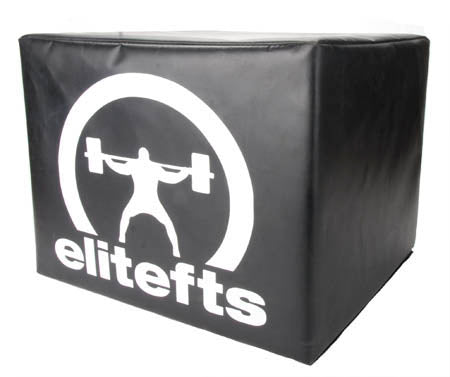
elitefts Squat Box
A lightweight, heavy-duty box option for consistent depth, box squats, step-ups, and lower-body work.
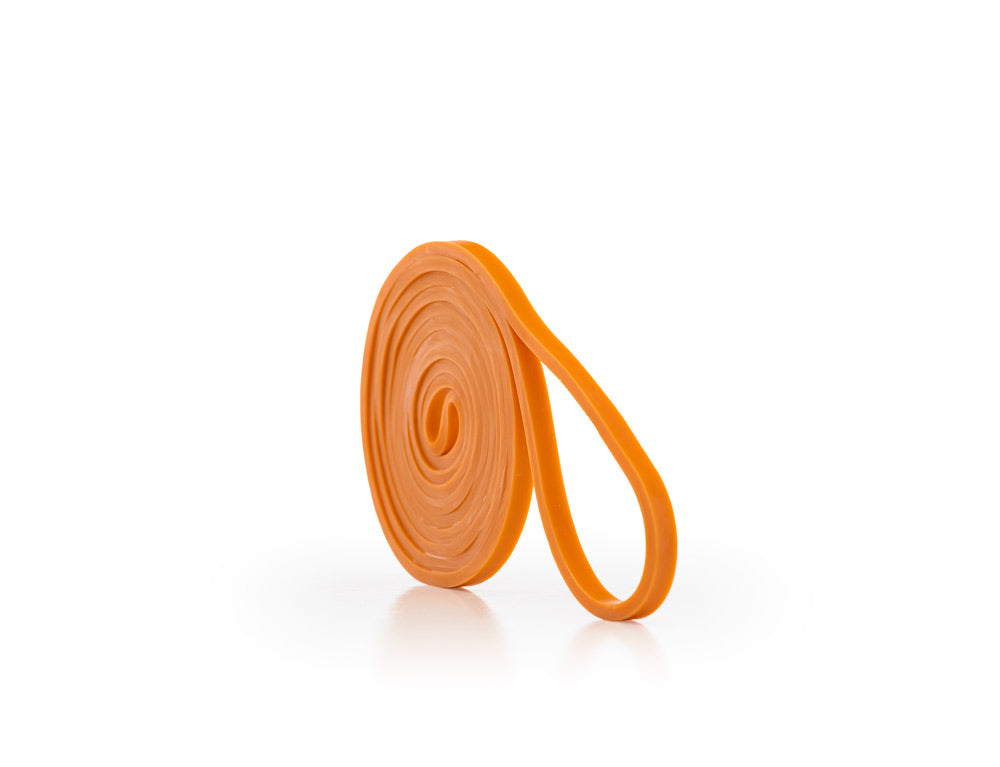
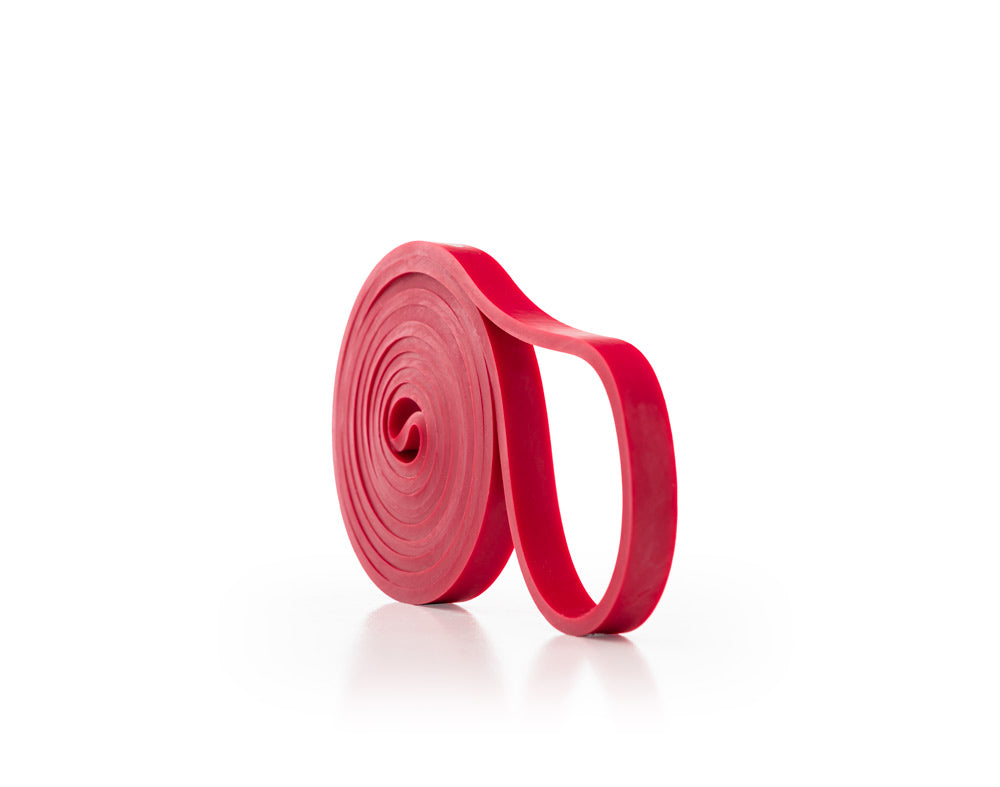
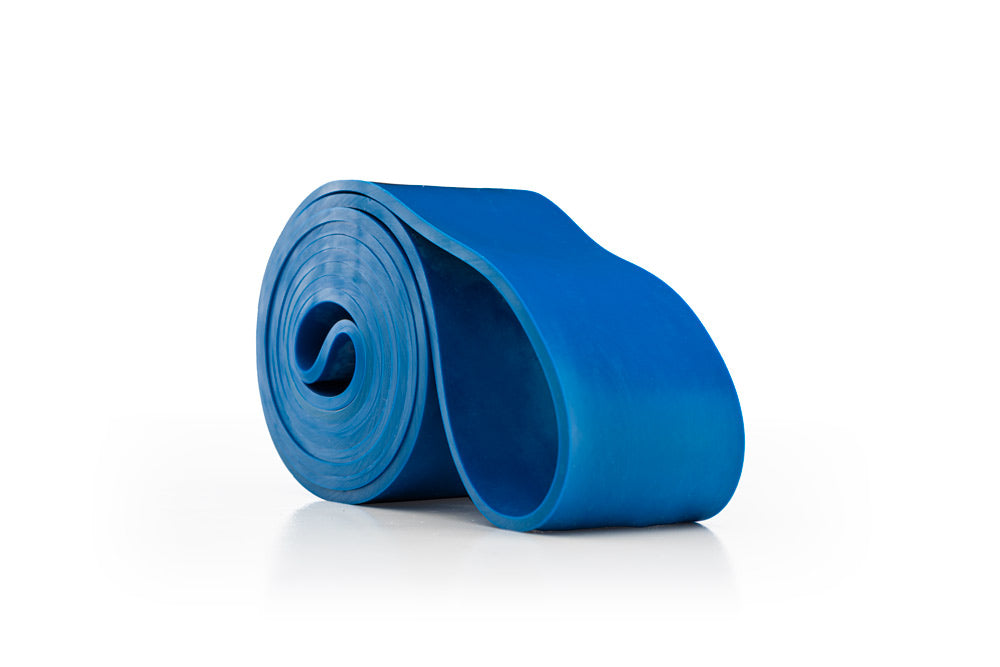
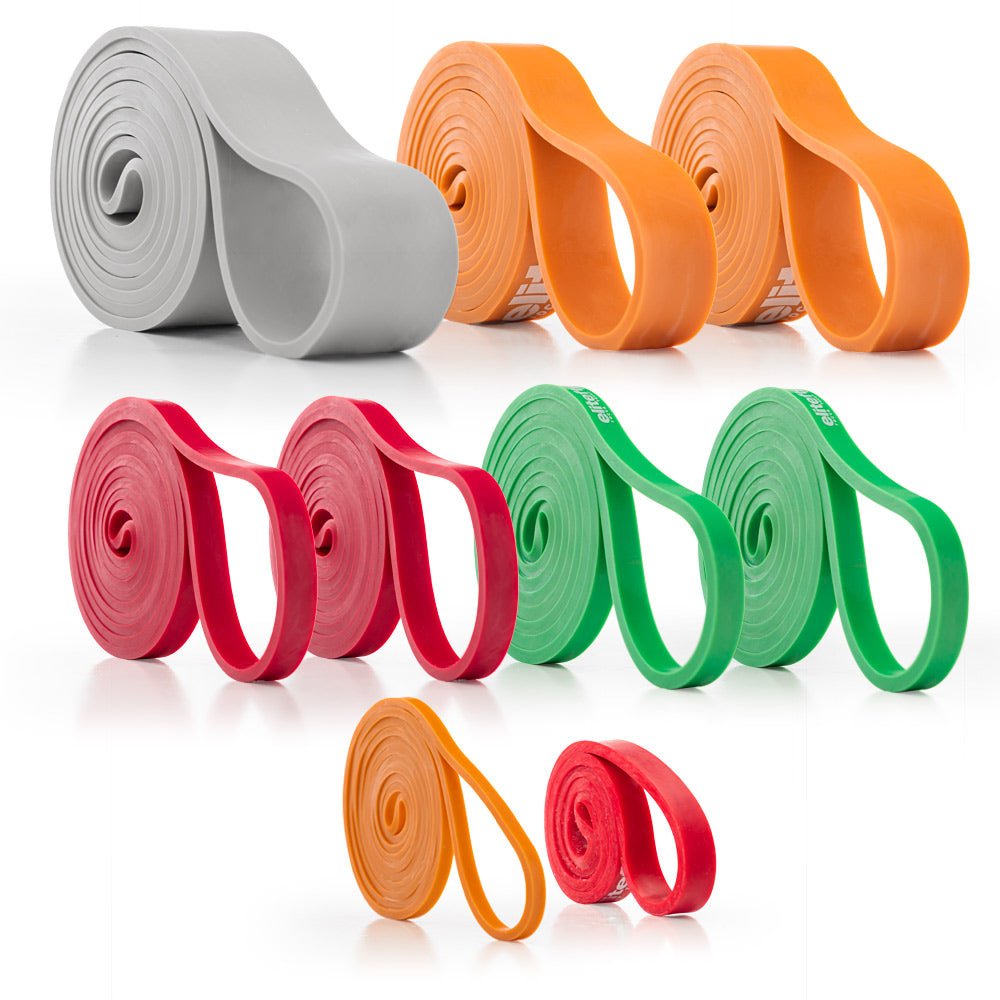
Shop Squat Boxelitefts Pro Monster Mini Resistance Band
A strong choice for dynamic effort work, banded squats, bench training, assistance lifts, and mobility drills.
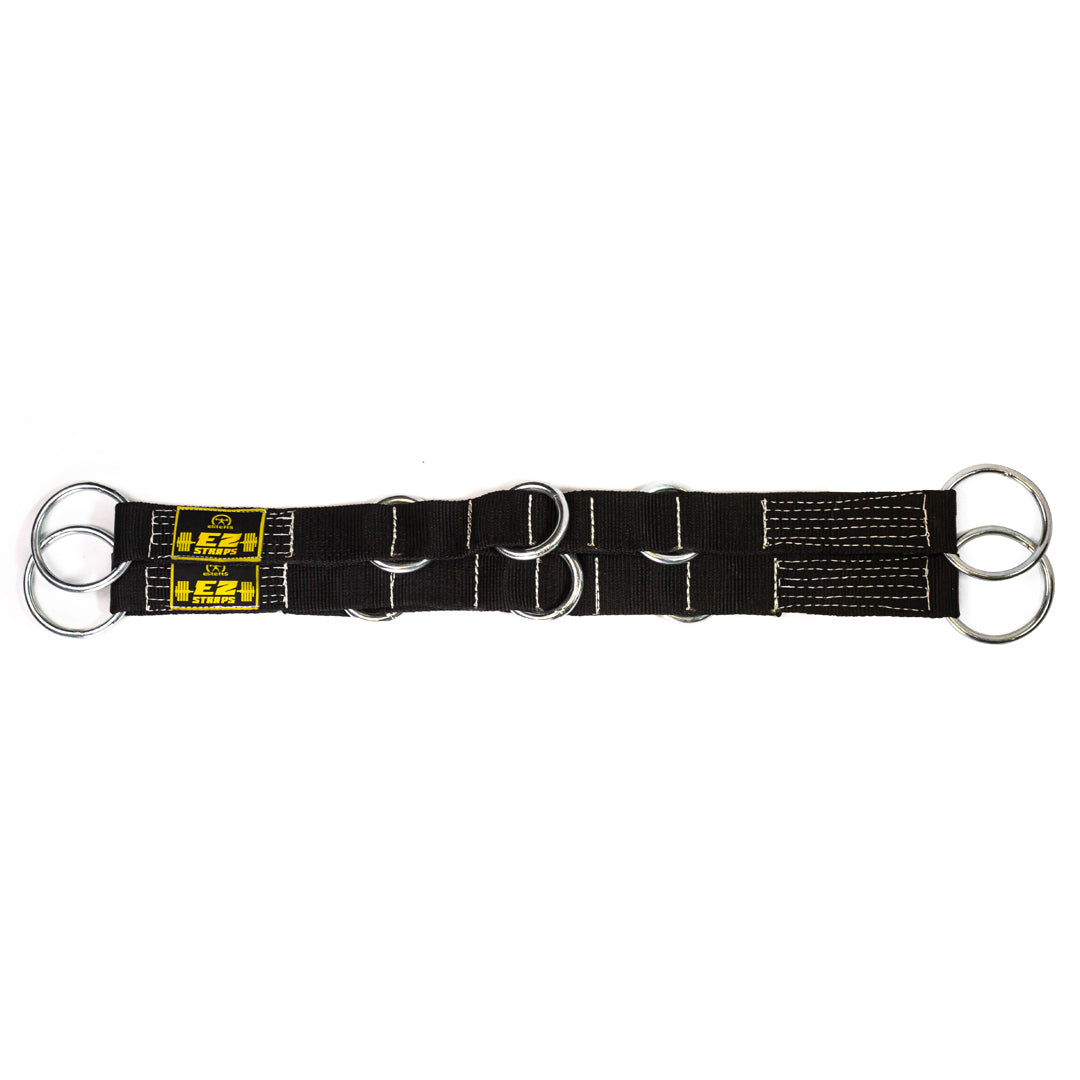
Shop Bandselitefts Pair of Chains
Five-foot galvanized chains that add progressive resistance through the range of motion for squats, pulls, and presses.
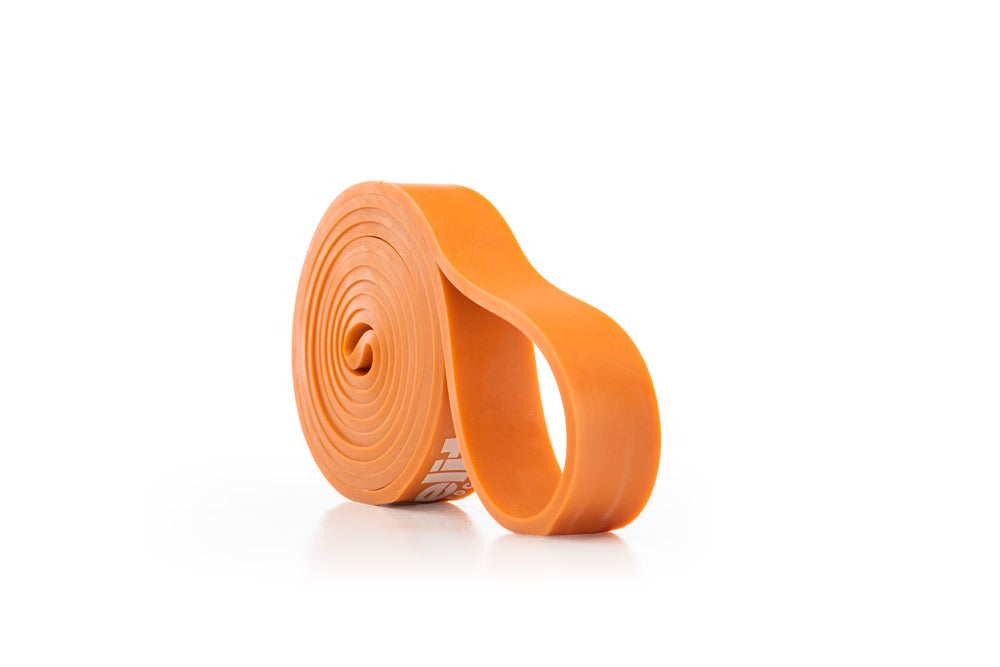
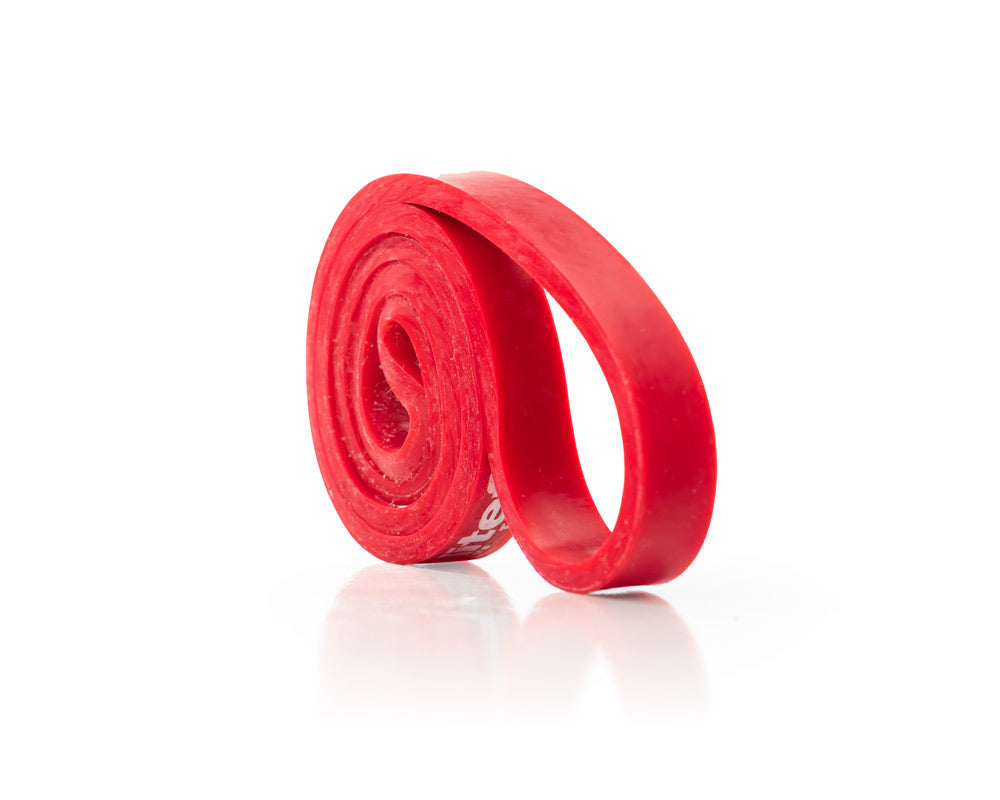
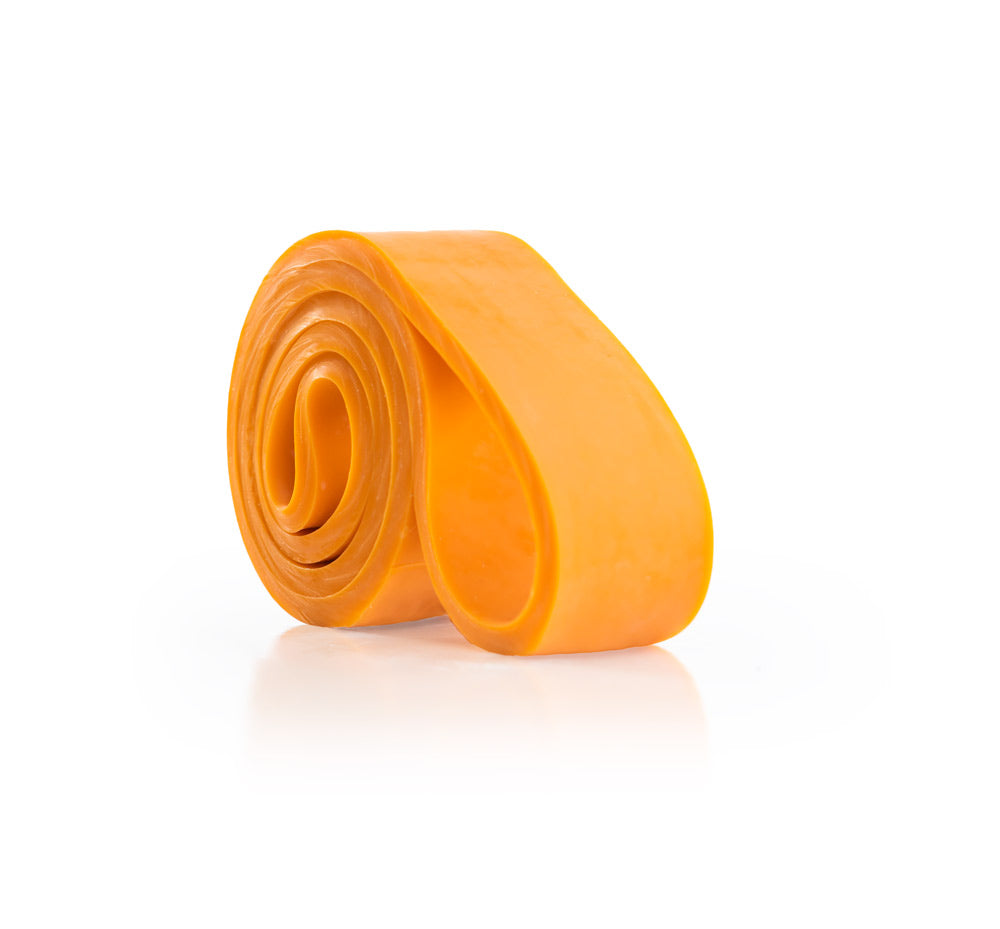
Shop Chainselitefts Band Collection
Browse resistance bands and band packs for accommodating resistance, warm-ups, assistance work, and team training setups.
Shop Band CollectionThe integration of VBT with Prilepin’s Chart offers a powerful framework for organizing training. It respects foundational principles of volume and intensity while adding a layer of autoregulation and specificity that traditional percentage-based systems lack.
For athletes, this approach reinforces what matters most: developing the right strength qualities at the right time, with measurable intent behind every rep.