


Use the Science. Train the Player. By Ashley Jones
Ashley Jones breaks down why good periodization goes beyond spreadsheets and textbook models. Use the science to build the framework, then adjust for the athlete, the season, game-day demands, and the realities of coaching a squad.
What Is Real, And What Is Not?
Most training advice you see online is one player on the field, described as if it were the whole game.
TRAINING CHAOS. NOT SYMMETRY. by Rees Odhiambo
Strength in the weight room is only part of the equation. Former NFL offensive lineman Rees Odhiambo explains how offset loading, carries, sandbags, and reactive resistance can build strength that holds up under unpredictable force.
Training the Youth Rugby Player: For Now and for the Future by Ashley Jones
Training a young rugby player is about more than getting them stronger for next season. Ashley Jones lays out a long-term approach to youth development, from maturation and movement skills to strength training, recovery, testing, and building the habits that can support a player for years to come.

You Don't Need a Periodized Program to Build Strong Athletes
Conjugate Off-Season Training for Rugby
The rugby off-season is the time to build the strength, power, size, conditioning, and durability needed to perform at the start of the season. Ashley Jones explains how the Conjugate Method can be adapted for rugby players using mechanical, neural, metabolic, and CARE-based training to build athletes who are stronger in contact, faster under fatigue, and more resilient week after week.
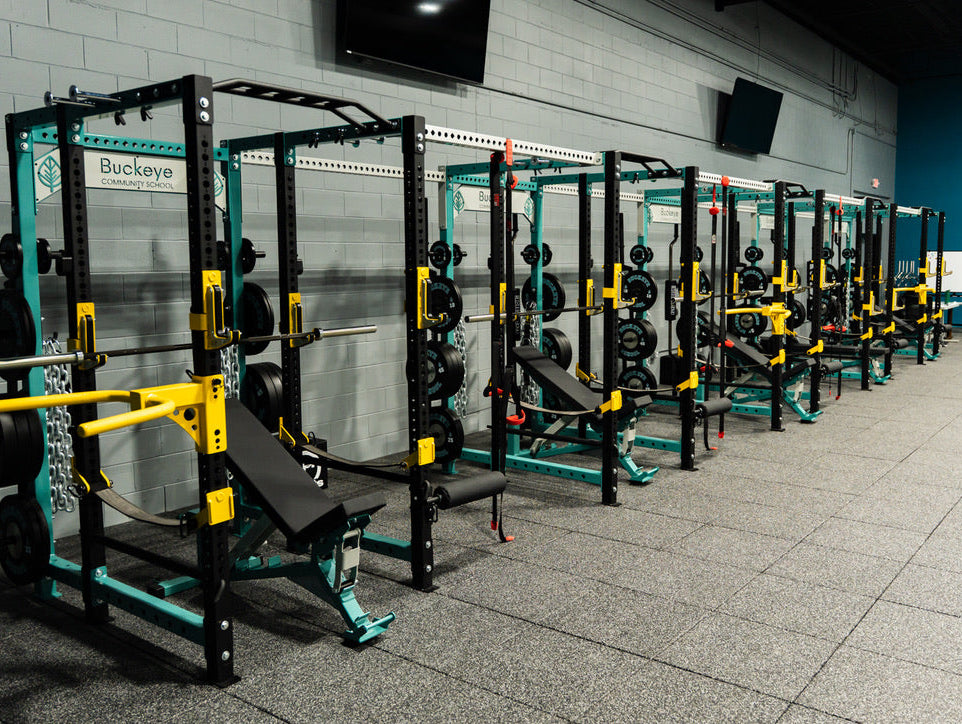
How Elite Weight Rooms Are Built: Buckeye Community School Full Gym Install

Why Olympic Lifting Still Belongs in Football | Evan Barr #445
Evan Barr explains why Olympic lifting still belongs in football when the lifts are coached as tools for force production, coordination, load absorption, and intent instead of treated like a separate sport.

Conditioning Games for Rugby: Building Fitness Through Competition
Conditioning games give rugby coaches a smarter way to build fitness without separating training from the demands of the game. These competitive formats develop aerobic and anaerobic capacity, acceleration, support play, defensive organization, tactical awareness, and decision-making under fatigue.
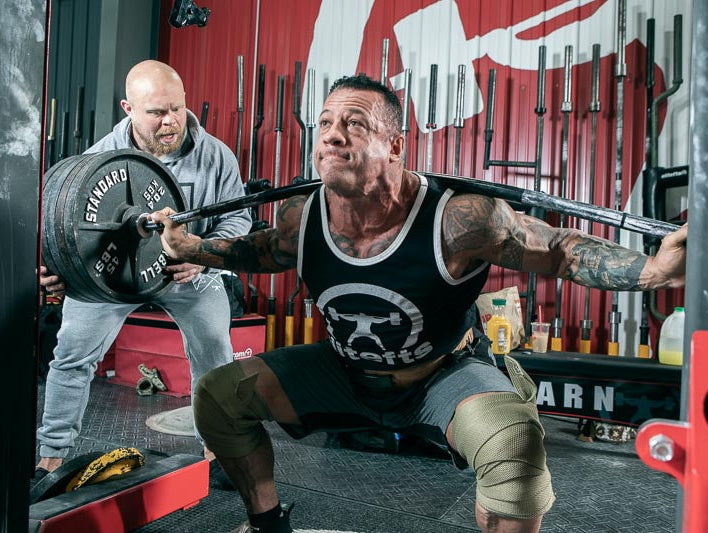
The Best Educated Guess
The honest truth about training that most coaches won't admit: it all comes down to the best educated guess for the specific person, on the specific day.
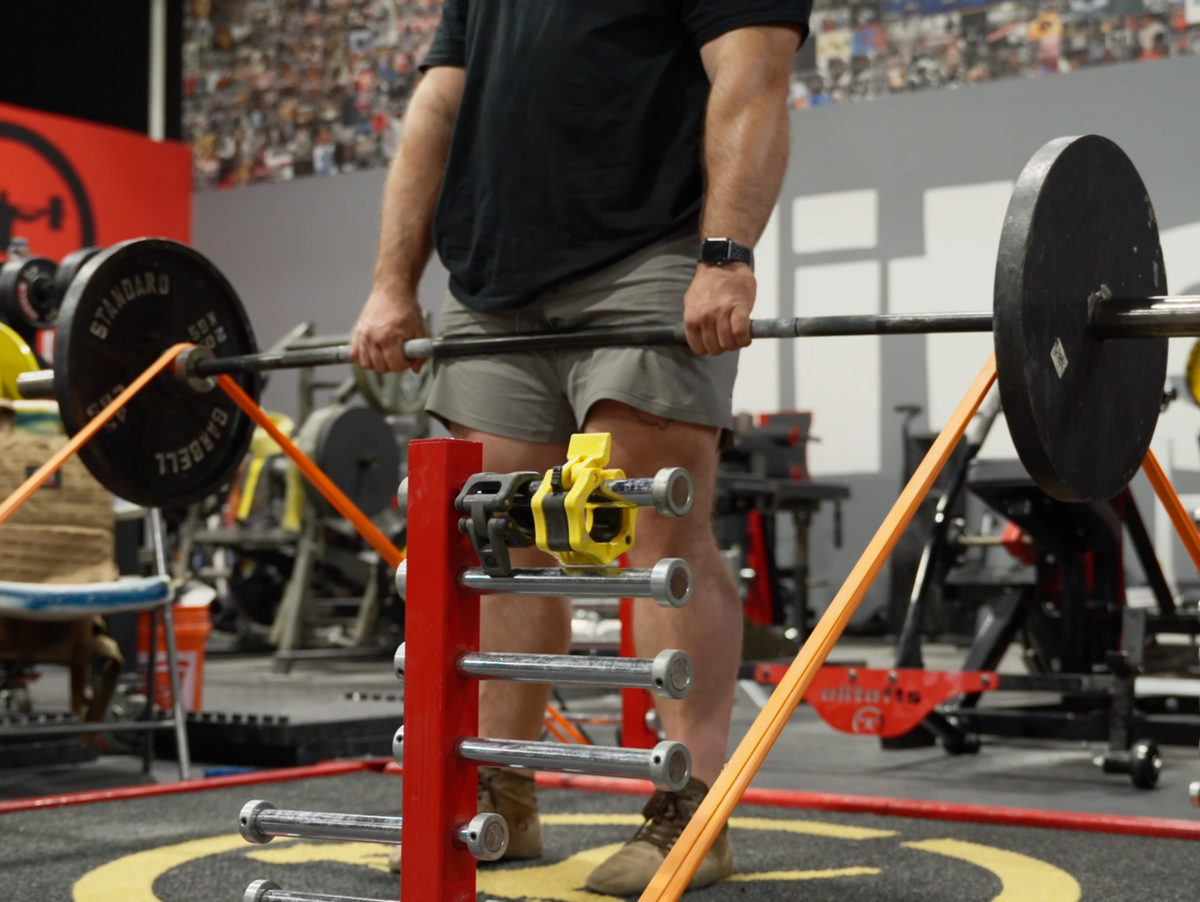
Every Way You Should Be Using Resistance Bands in Your Training
Resistance bands are one of the most versatile and underused tools in strength training. Here's every way to use them, from accommodating resistance on the main lifts to rehab, speed work, and keeping a beat-up body in the game.
Avoiding Accommodation: Stay on the Gain Train
Progress stalls when the stimulus gets stale. Ashley Jones explains how to avoid accommodation through planned variation, three-week training blocks, exercise rotation, and smarter loading strategies that help athletes stay on the gain train.
Are You Training Better Rugby Players or Better Test Takers?
Modern rugby programs are filled with GPS data, velocity trackers, testing batteries, and performance dashboards. Ashley Jones challenges coaches to look beyond the numbers and ask the question that matters most: Is the program actually helping players perform better when the game is on the line?
The Holy Grail
Individualizing training inside a team environment is one of the hardest jobs in strength and conditioning. Ashley Jones explains how his four-stage Quadrant Management System shifts decision-making from coach to player without sacrificing structure, readiness, or care.
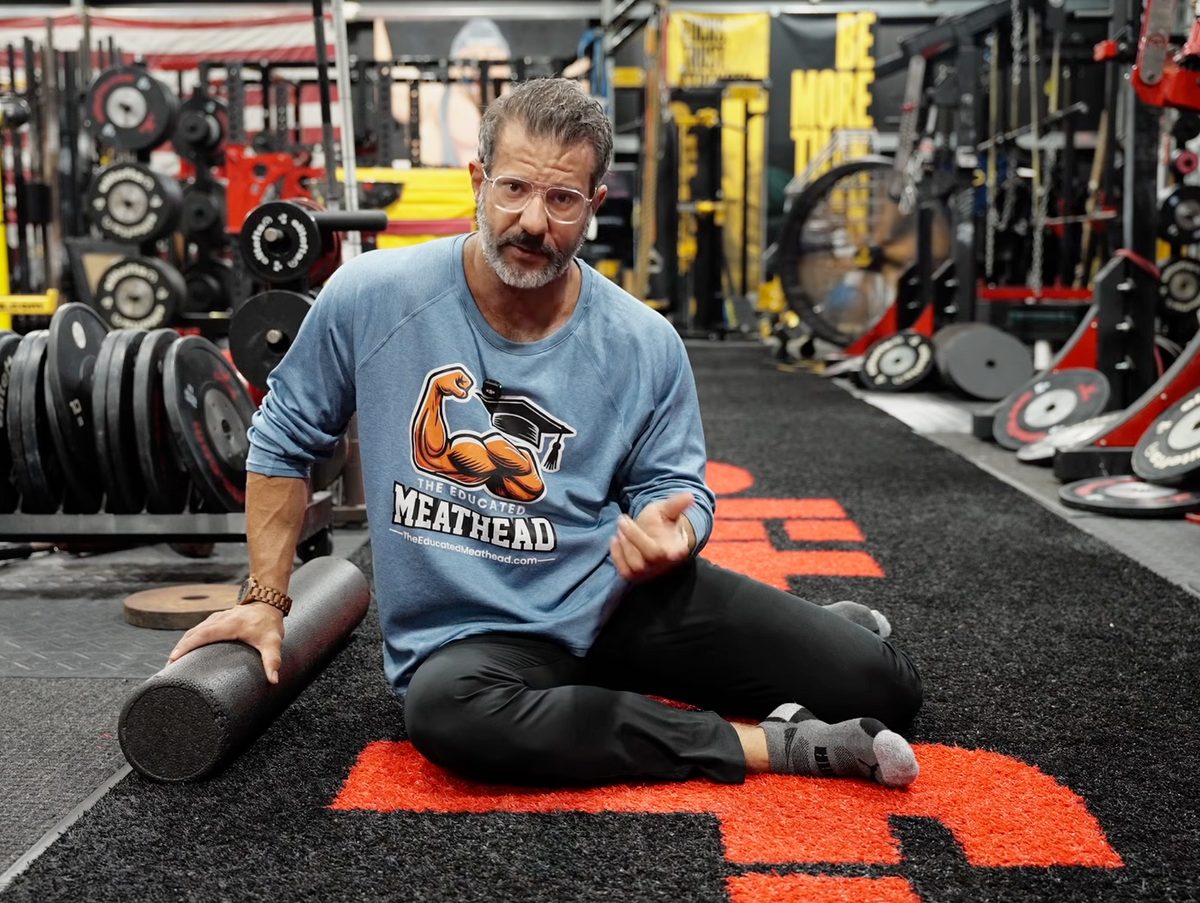
Why 500lb Benchers Struggle with Bodyweight: 4 Movement Drills for Elite Performance
A lifter who can bench 500 pounds will shake like a leaf on an unloaded shoulder drill, and that gap is costing you strength.
The Medical Lie Keeping Strength Athletes Injured l Table Talk Episode 440
Dr. Christopher "Marv" Marvin joins Dave Tate for a hard look at patient-first rehab, hypertrophy, pec-tear warning signs, bracing, blood-flow restriction, imaging, and what it really takes to keep training.
How 47 Football Players Hit 20+ MPH in One Off-Season
Fordham strength coach Mark Uptegraff took his team from nine athletes over 20 mph to 46 in a single offseason, and cut the grade-two MCL return-to-play time from 6 weeks to 11 days.
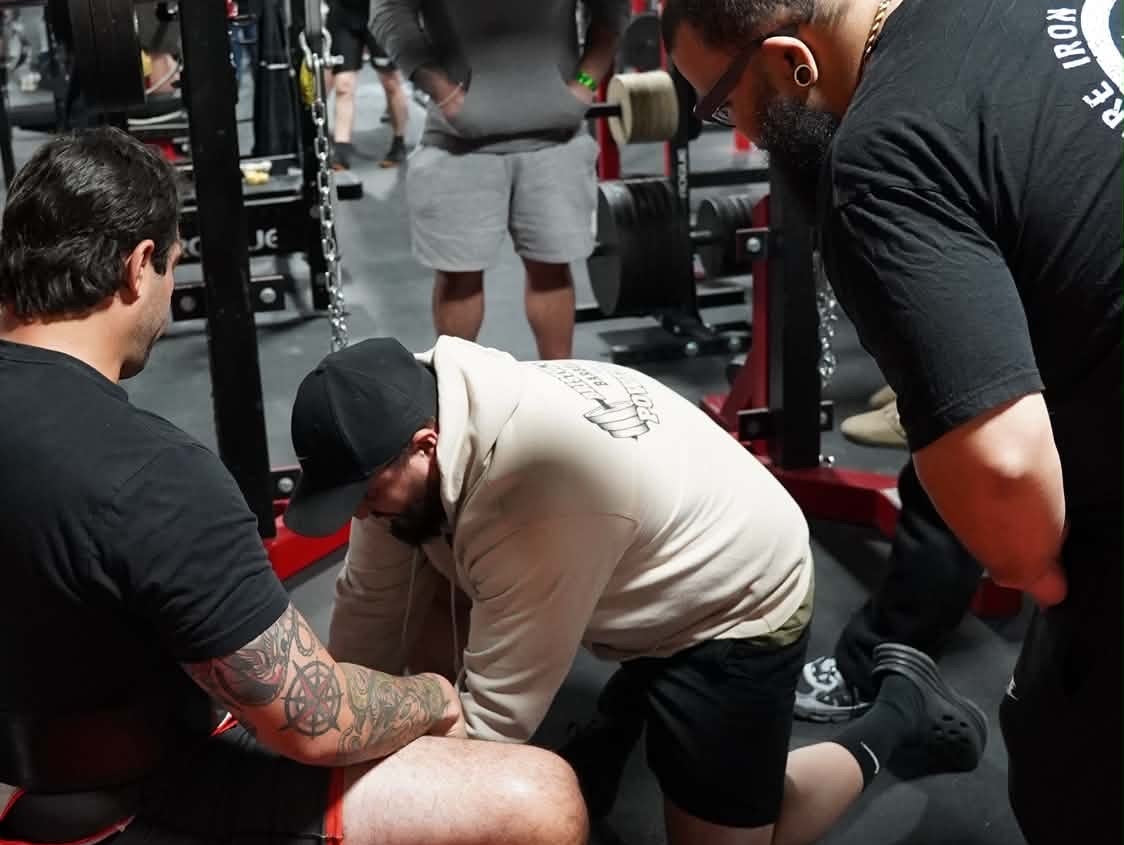
I Thought I Had Nothing Left to Say by Chad Faria
After years away from writing, Chad Faria realized he never ran out of things to say—he just stopped believing they were worth saying. From family challenges and coaching growth to an 1,800-pound total and lessons learned under pressure, he reflects on consistency, self-doubt, mentorship, and why sharing experience is simply another form of coaching.

Torn Biceps, Strongman, and the Long Game l Josh Hendrickson Table Talk #437
Strongman competitor and gym owner Josh Hendrickson sits down with Dave Tate to talk biceps rehab, training through injury, chasing a sub-20 5K, building 580 Barbell, promoting better strongman shows, and what it takes to stay in strength sports for the long haul.
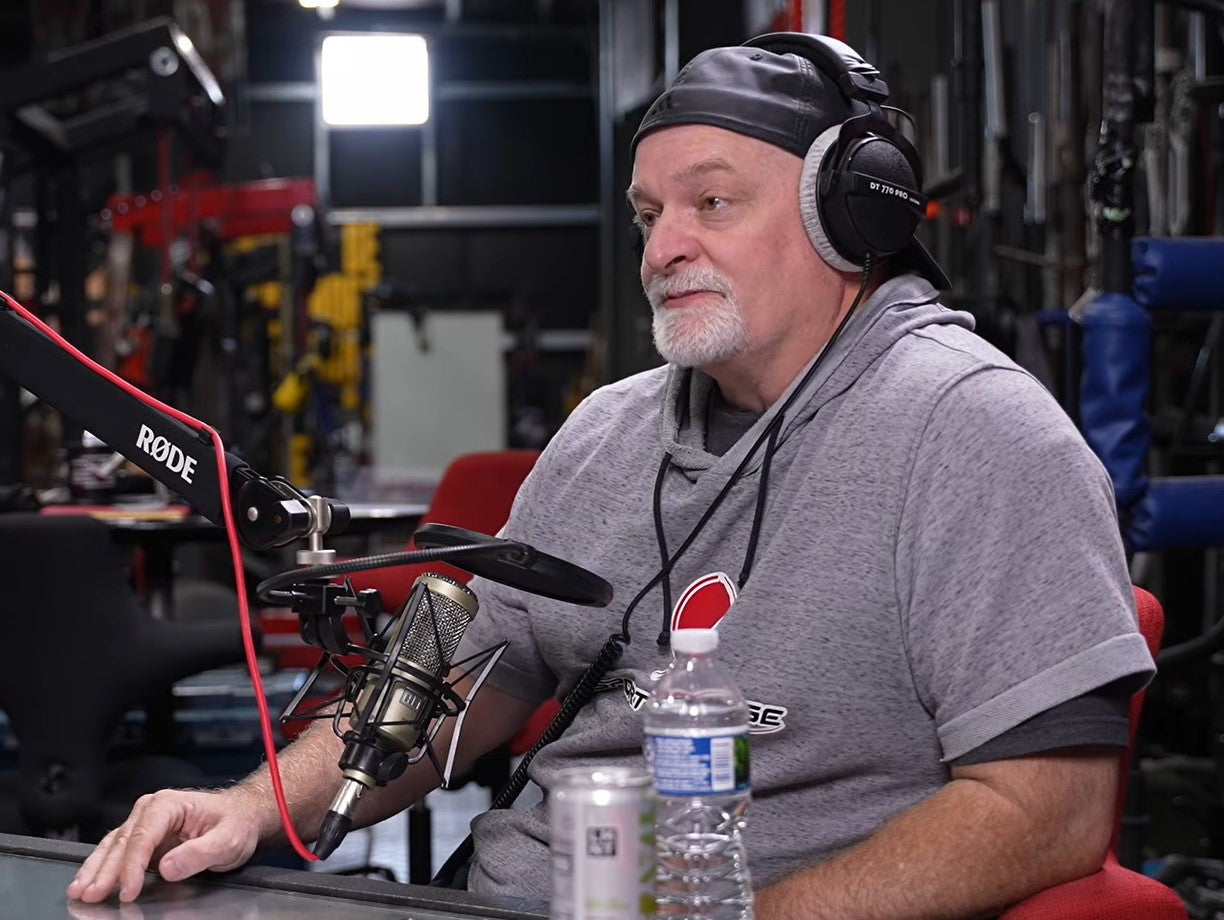
The High Stakes of Collegiate Strength and Conditioning
Former Wisconsin strength coach Brian Bott joins Dave Tate to unpack the realities of collegiate strength and conditioning—from rebuilding broken movement patterns and maintaining power deep into the season to creating a weight room culture built on accountability, resilience, and long-term athlete development.
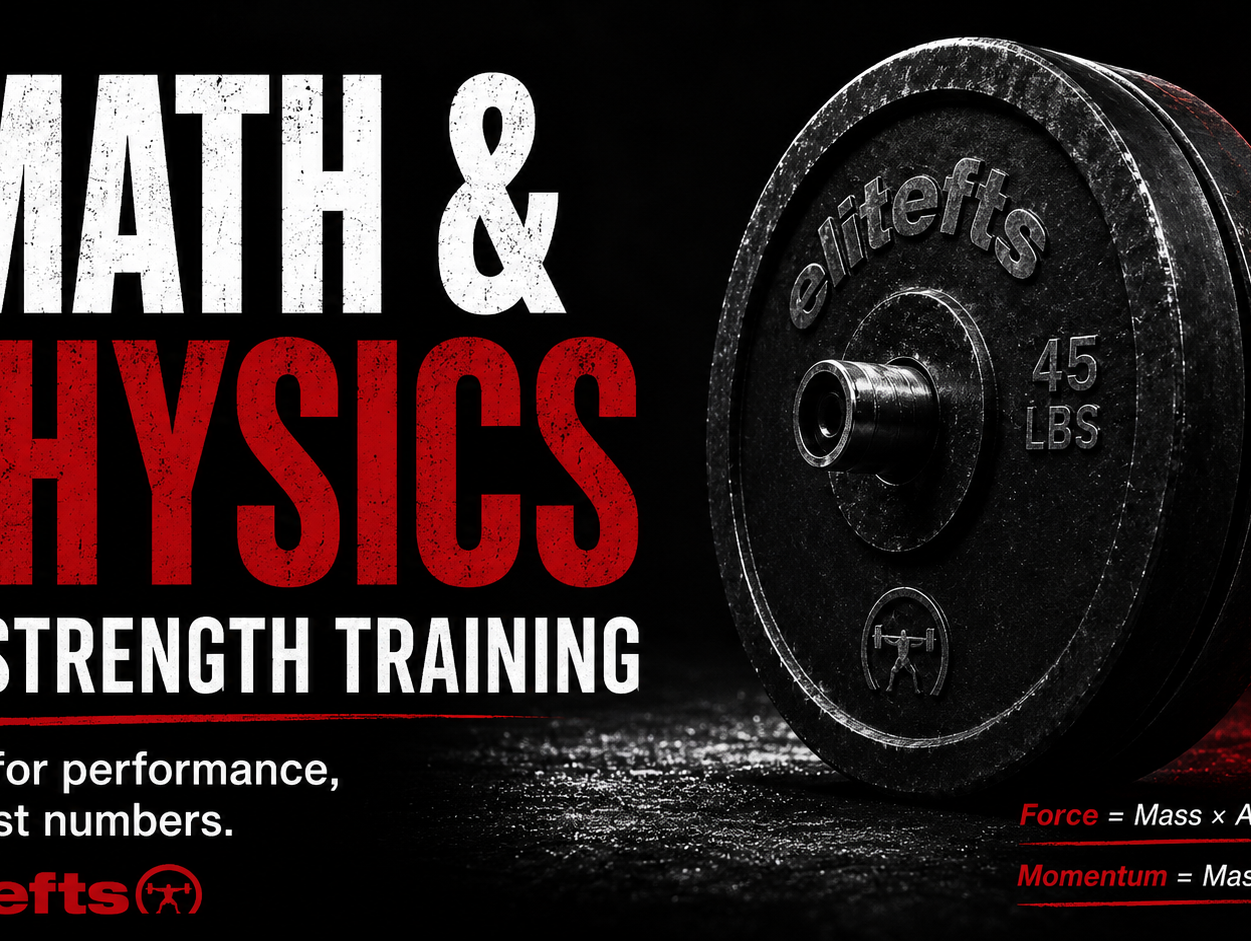
Math & Physics by Ashley Jones
The Mind, Body & Environment of Peak Athletic Performance
Elite athletes don't stumble into the zone. They build the conditions for it. This interactive framework maps the three domains of sports psychology, where they overlap, and what happens when all three align at once.
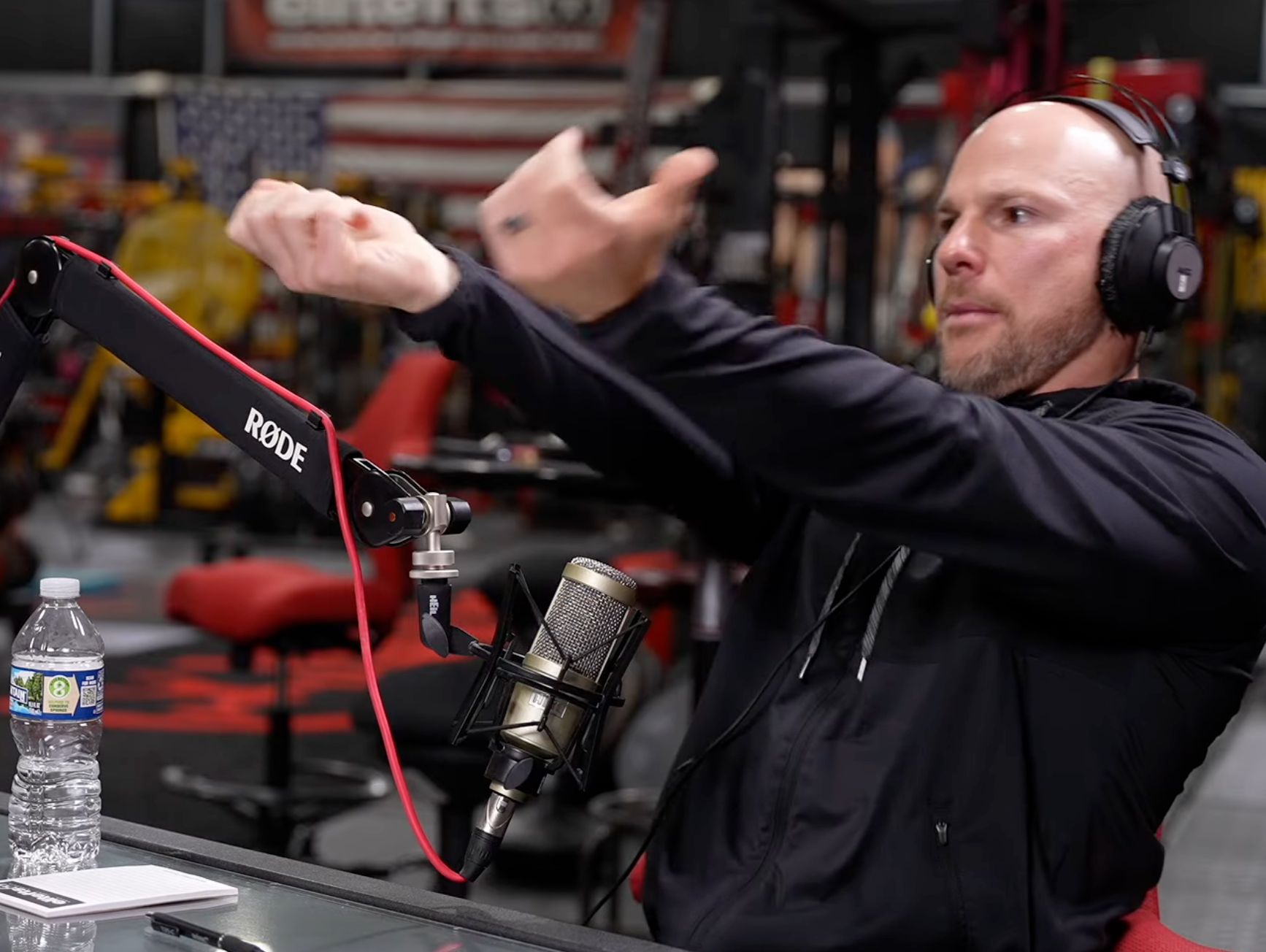
A Beginner's Guide to Safer, Stronger Shoulders
Most lifters negate the rehabilitative benefits of band pull-aparts by prioritizing heavy resistance over the necessary postural control and scapular movement required for shoulder health. To truly resolve shoulder pain, the exercise must incorporate dynamic rotation—starting in a pronated position and rotating externally 90 degrees—to allow the shoulder blades to achieve full downward rotation, depression, and retraction.
Living Above the Line
Elite performance is not built on one perfect program, exercise, or recovery method. It is built through daily choices. Ashley Jones explains what it means to live above the line, take ownership, master the basics, and build the character required for long-term success.
