
Catch the Wave: Revisiting Pavel for Strength, Power, and Size
Too much variety kills progress. Fewer exercises, heavier loads, and smarter progression keep the signal strong - and wave loading gives you a clean way to make it happen.
There is a recurring problem in program design: too much variety and not enough direction.
Lifters jump from exercise to exercise, trying to use everything available, but they never stay with anything long enough to drive real adaptation. More movements do not equal more progress. In most cases, they dilute it.
Fewer exercises. Heavier loads. Smarter structure.
Two ideas that stand the test of time - wave loading and Pavel Tsatsouline's 3-5 method - fit together seamlessly to deliver exactly that.
Strength Drives Everything
If the goal is size and power, strength has to lead.
That means working with loads that matter. Most productive strength work lives between 75 and 80 percent of your max, with reps kept between 2 and 6. The intent should always be the same: move the bar as fast as possible concentrically, control it eccentrically, and maintain technical precision.
Hypertrophy follows this kind of training. Not the other way around.
The Power of Simplicity: Pavel's 3-5 Method
Pavel's original framework is brutally simple:
Enough to train the body without turning the session into a circus.
Enough volume to practice, load, and repeat quality work.
Heavy enough to build strength, low enough to protect execution.
Flexible enough to scale around schedule, recovery, and training age.
Do not collect exercises. Build skill and output on the lifts that matter.
Adaptation needs exposure. Exposure needs consistency.
This is not minimalism for the sake of minimalism. It is targeted training. You are training movements, not collecting exercises.
Organize your sessions around fundamental patterns:
- Squat - the lower-body strength anchor.
- Push - the upper-body press pattern.
- Pull - the hinge, row, clean, snatch, or deadlift family.
You can train them in the same session or split them across the week depending on your schedule. Either way, you are covering the entire body with purpose.
Wave Loading: The Engine of Progression
Where Pavel's system provides the structure, wave loading drives progression. A simple three-week wave applied to compound lifts works extremely well:
| Week | Sets and reps | Loading target | Training intent |
|---|---|---|---|
| Week 1 | 2 waves of 6, 5, 4 | 75%, 80%, 85% | Build speed, groove the lift, finish strong. |
| Week 2 | 2 waves of 5, 4, 3 | 80%, 85%, 90% | Increase load while keeping reps crisp. |
| Week 3 | 2 waves of 4, 3, 2 | 85%, 90%, 95% | Handle heavy work without missing reps. |
Repeat the wave and add a small amount of load. If you have access to fractional plates, use them. If not, make the smallest jump you can while maintaining perfect execution.
The goal is consistent success - not missed lifts.
Alternative Wave Options
To keep progress moving without unnecessary complexity, rotate variations of the wave when the main wave starts to feel stale.
| Option | Example | Best used for |
|---|---|---|
| Up-and-down ladder | 6, 5, 4, 4, 5, 6 | Fatigue management and better second-half performance. |
| Same load, more reps | 6, 5, 4 → 5, 6, 7 | Hypertrophy bias, less experienced lifters, or size-focused phases. |
Applying 3-5 to Power Training
The 3-5 framework also applies cleanly to power development. The focus is on bar speed. Every rep should be fast and crisp. If the bar slows down, the set is done.
| Week | Explosive lift prescription | Contrast plyometric pairing | Progression focus |
|---|---|---|---|
| Week 1 | 3 x 5 @ 40-60% | 3 x 10 | Speed and rhythm. |
| Week 2 | 4 x 4 @ 50-70% | 4 x 8 | More sets, slightly heavier load. |
| Week 3 | 5 x 3 @ 60-80% | 5 x 6 | Higher intensity, lower reps, zero junk volume. |
Progress intensity by increasing height, load, or complexity - not by adding junk volume.
Building the Program
Keep the structure simple and repeatable. A three-day split might look like this:
| Day | Lift 1 | Lift 2 | Lift 3 |
|---|---|---|---|
| Monday | Power Clean | Front Squat | Push Press |
| Wednesday | Power Snatch | Back Squat | Military Press |
| Friday | Deadlift | Sprinter's Squat | Incline Bench Press |
You can also expand to a four-day movement-based split depending on your schedule. The exact exercises matter less than the intent and execution behind them.
Execution Matters
Wave loading only works if the intent is right:
Move the bar with speed.
Stay tight, own the position, and do not let the load pull you apart.
No missed reps. No breakdown under load.
Warm-up sets should prepare the nervous system, not exhaust it. Save your effort for the work sets.
Preparing for the Work
Before pushing into high-intensity waves, establish a base and a reliable max:
| Week | Work | Purpose |
|---|---|---|
| Week 1 | 4 x 6 | Build a base and reinforce technique. |
| Week 2 | 2 x 5, then 3 x 3 | Bridge volume into heavier work. |
| Week 3 | 5, 3, 1 | Build to a strong, reliable 1RM. |
This sets the stage for accurate loading and reduces the risk of stalling early.
Build the Wave: EliteFTS Product Suggestions
The program is simple, but the setup still matters. These EliteFTS categories and pieces pair naturally with heavy waves, explosive work, and smart progression.
Plates
Use smaller loading jumps when repeating waves to compound progress without forcing missed reps.
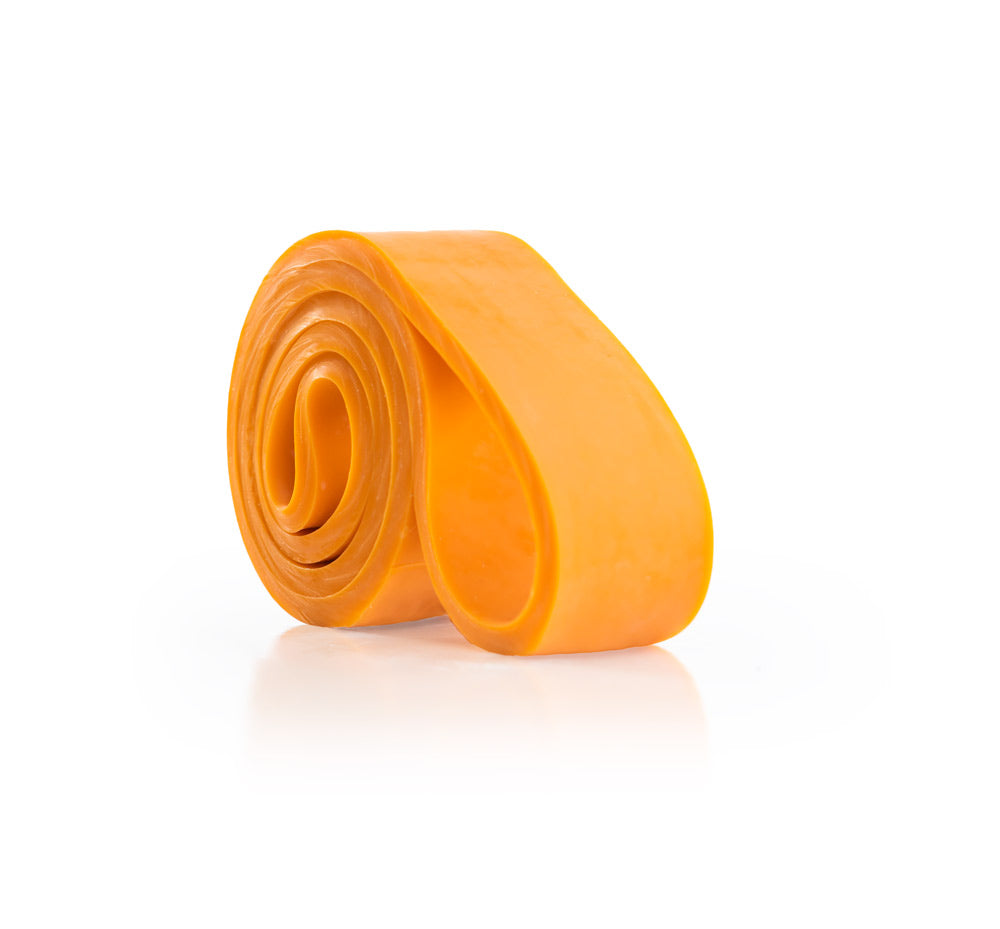
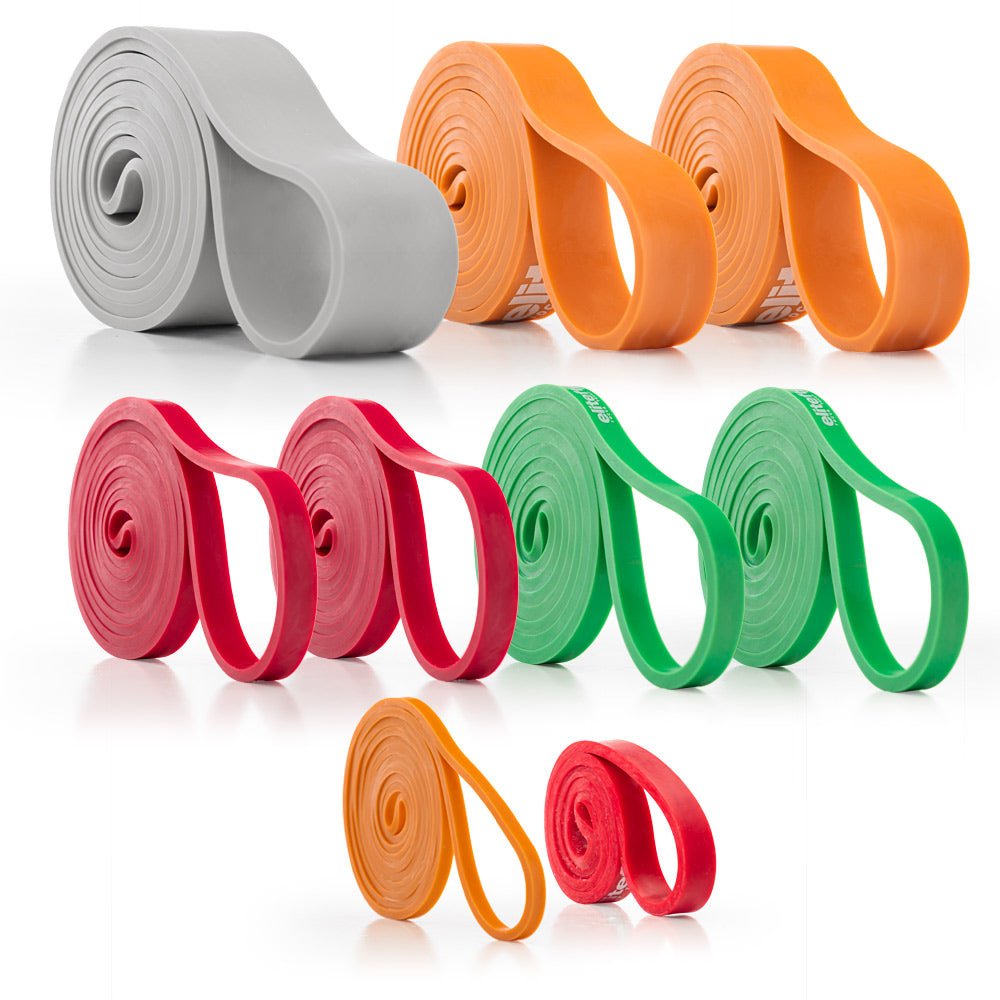
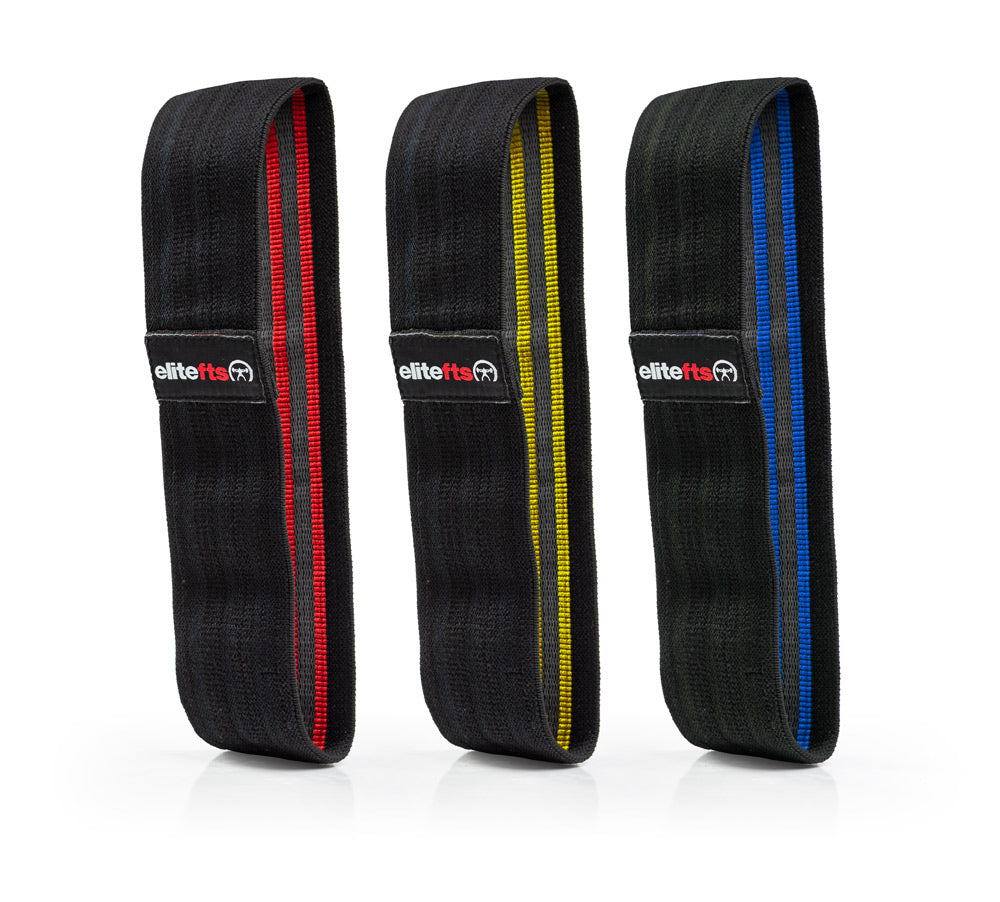
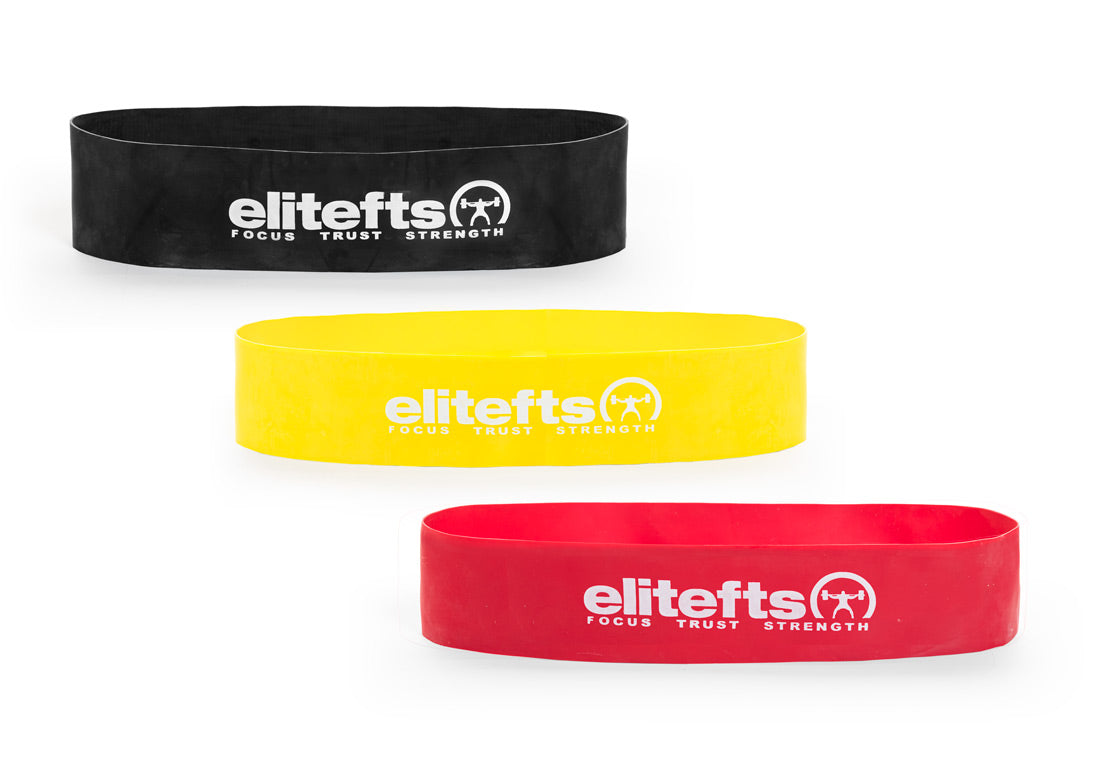
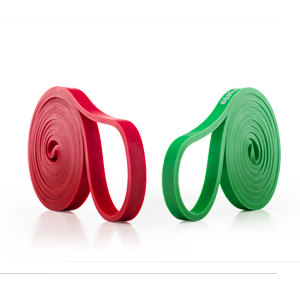
Shop platesBands
Add accommodating resistance, warm-ups, or contrast work without cluttering the plan.
Shop bandsRopes and Chains
Chains can reinforce acceleration through the lift while keeping the movement pattern familiar.
Shop ropes and chainsEliteFTS SS Yoke Bar
A shoulder-friendly squat option for lifters who need heavy lower-body work without beating up their shoulders.
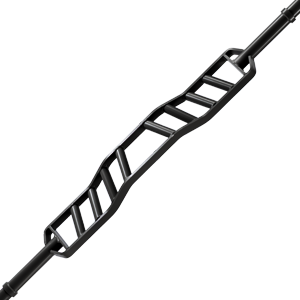
View the SS Yoke BarRackable Cambered Squat Bar
A strong choice for squat variation, core engagement, and building stability under load.
View the cambered squat barPower Racks
Wave loading rewards repeatable setup, safe spotting options, and equipment built for heavy work.
Shop power racksCoach's Note
Do not buy complexity. Build a setup that lets you train the same major patterns hard, safely, and repeatedly.
Shop bars and weights