
How I Train
Ashley Jones: How I Train
Inspired by: Bill Starr's The Strongest Shall Survive: Strength Training for Football.
The basics still work: pull something heavy, press something heavy, and squat something heavy. Then recover, rotate the movements, and do it again.
I bought my first strength and conditioning book, Bill Starr’s The Strongest Shall Survive: Strength Training for Football, at the Mr. Olympia contest at the Sydney Opera House on October 4, 1980. Over the years, I have strayed from its basic tenets a few times, but I always seem to return to the same philosophy: basics are best.
Original inspiration: Bill Starr’s The Strongest Shall Survive.
Today, my training still centers on the same big idea: Pull, Push, and Squat. Instead of Starr’s classic 5 × 5 system, I currently favor waves of 4 × 6, 4 × 4, and 4 × 2, aligned with percentage ranges from Prilepin’s Chart.
Load and Rep Guide
Use this Chart as a guardrail. The goal is not to chase fatigue for its own sake. The goal is to choose the right load, hit quality reps, and stay inside the range that lets you come back strong for the next session.
| Percent of 1RM | Reps Per Set | Optimal Total Reps | Total Rep Range |
|---|---|---|---|
| 55% - 65% | 3 - 6 | 24 | 18 - 30 |
| 70% - 80% | 3 - 6 | 18 | 12 - 24 |
| 80% - 90% | 2 - 4 | 15 | 10 - 20 |
| 90%+ | 1 - 2 | 7 | 4 - 10 |
The Three-Day Weekly Template
The week is simple on purpose. Each session hits one pull, one push, and one squat pattern. The exact exercise can change, but the structure stays stable.
| Wednesday: Workout A | Saturday: Workout B | Workout C |
|---|---|---|
|
|
|
Program D: The Reserve Gear
When barbell stress needs to come down, keep the training intent alive.
I keep a Workout D in reserve for a change of pace, a lower-stress week, or a barbell deload that still reminds me why I go to the gym in the first place.
For this option, I move to machine-based work such as belt squat, hip thrust, iso-lateral incline press, iso shoulder press, high row/pulldown, and iso-lateral or low row. The point is not to avoid hard work. The point is to manage stress while maintaining productive movement.
Why the System Works
It is simple.
Three movement families cover the major patterns without turning the program into a spreadsheet circus.
It manages recovery.
Starr used heavy, light, and medium sessions to keep progress moving while respecting recovery.
It rotates cleanly.
Using a Conjugate approach, rotate exercises every three weeks. Four three-week waves create a 12-week mesocycle.
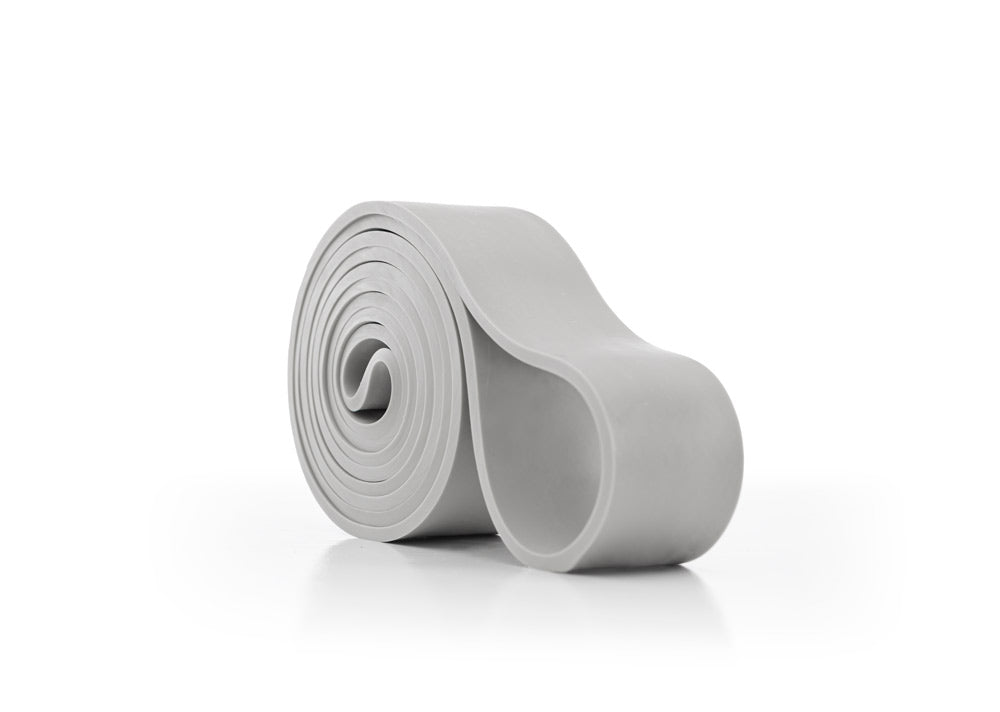
At the end of the mesocycle, either take a full week away from barbell loading or run Program D as a deload. Repeat that process four times, and you have a full year of training. You can also adjust the set-and-rep scheme after each three-month block or add bands and chains to shift from straight weight to accommodating resistance.
Shop the Template
Here are the Elitefts pieces that pair naturally with this Pull / Push / Squat framework. Use them to build movement variety, manage beat-up shoulders, and add accommodating resistance without complicating the program.
SS Yoke Bar
A shoulder-saving specialty bar for safety bar squats, good mornings, lunges, and upper-back-focused work.
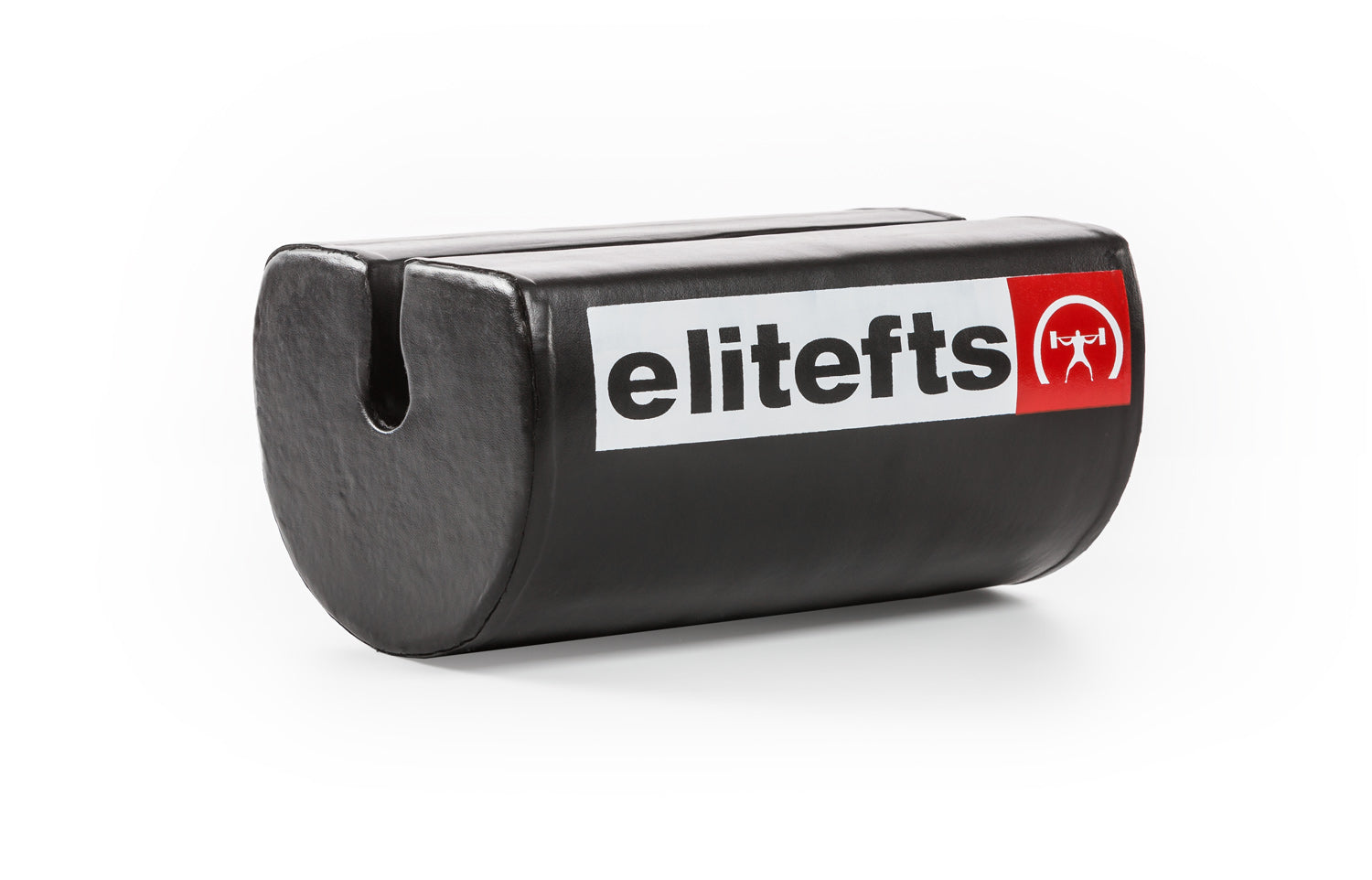
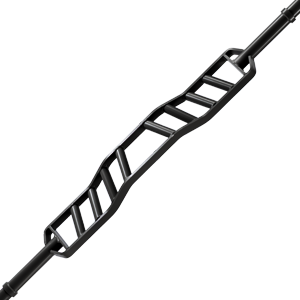
Shop SS Yoke BarAmerican Thin Press Cambered Angled Grip Bar
A cambered, angled-grip press bar for extra range, overload options, and shoulder-friendly pressing variety.
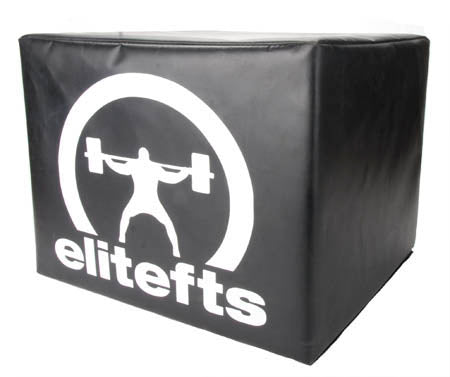
Shop Cambered Grip Barelitefts Box Squat Box.
A dedicated adjustable box for box squats, step-ups, split squats, single-leg work, and consistent squat depth.
Shop Box Squat Box: Accommodating ResistancePair of Chains
Add progressive loading to squats, presses, and pulls while keeping the bar lighter at the bottom.
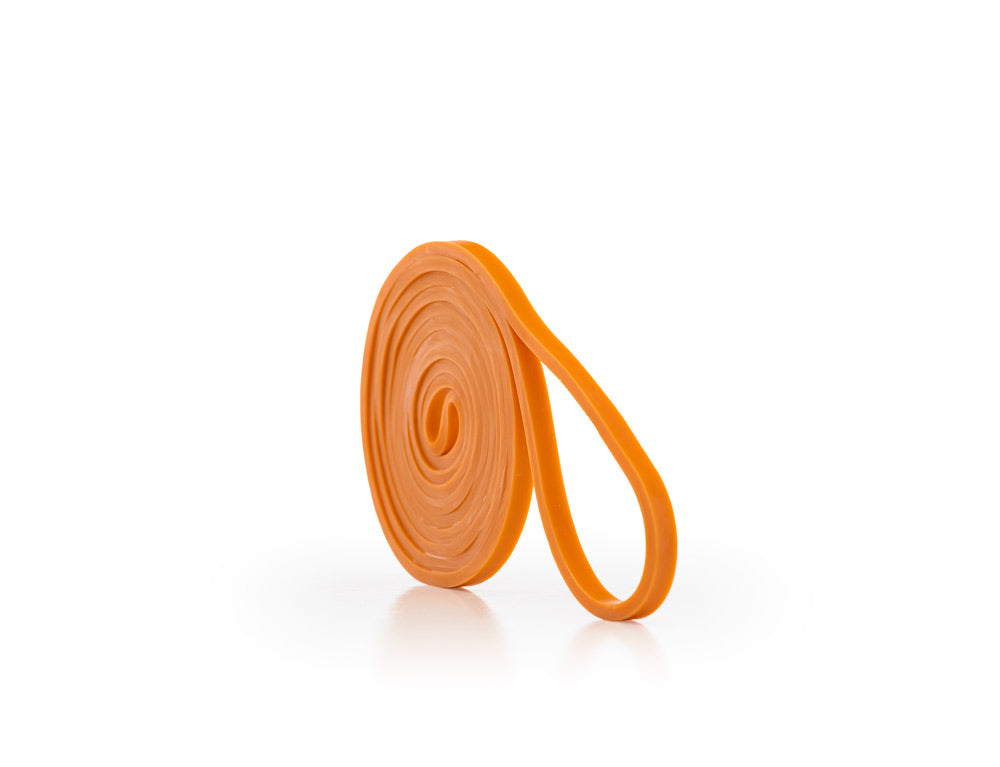
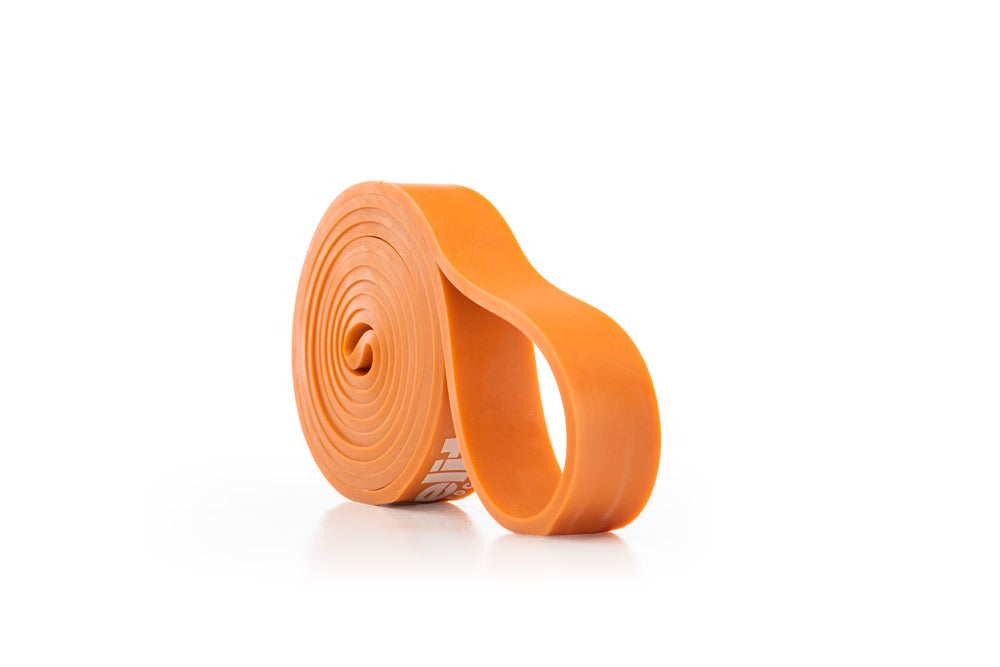
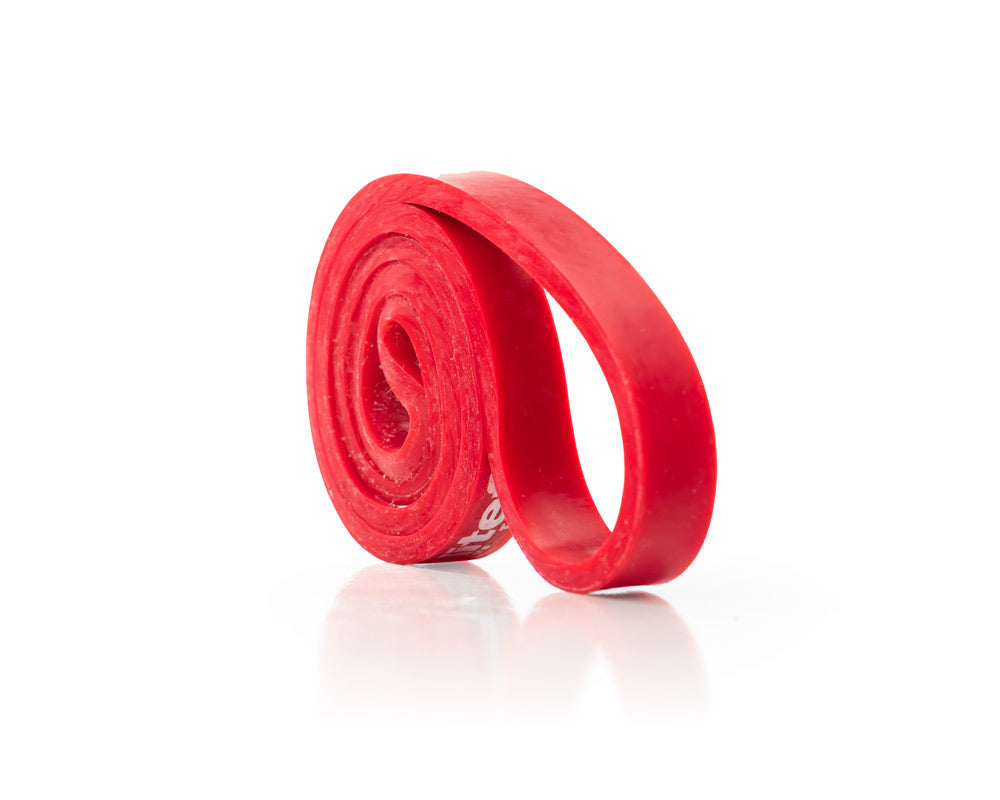
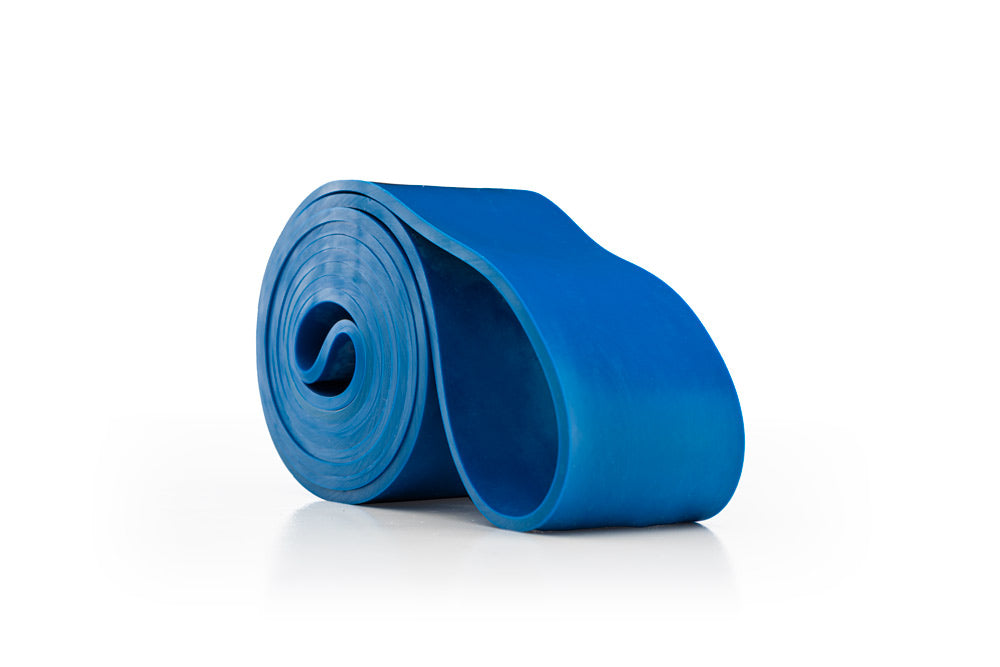
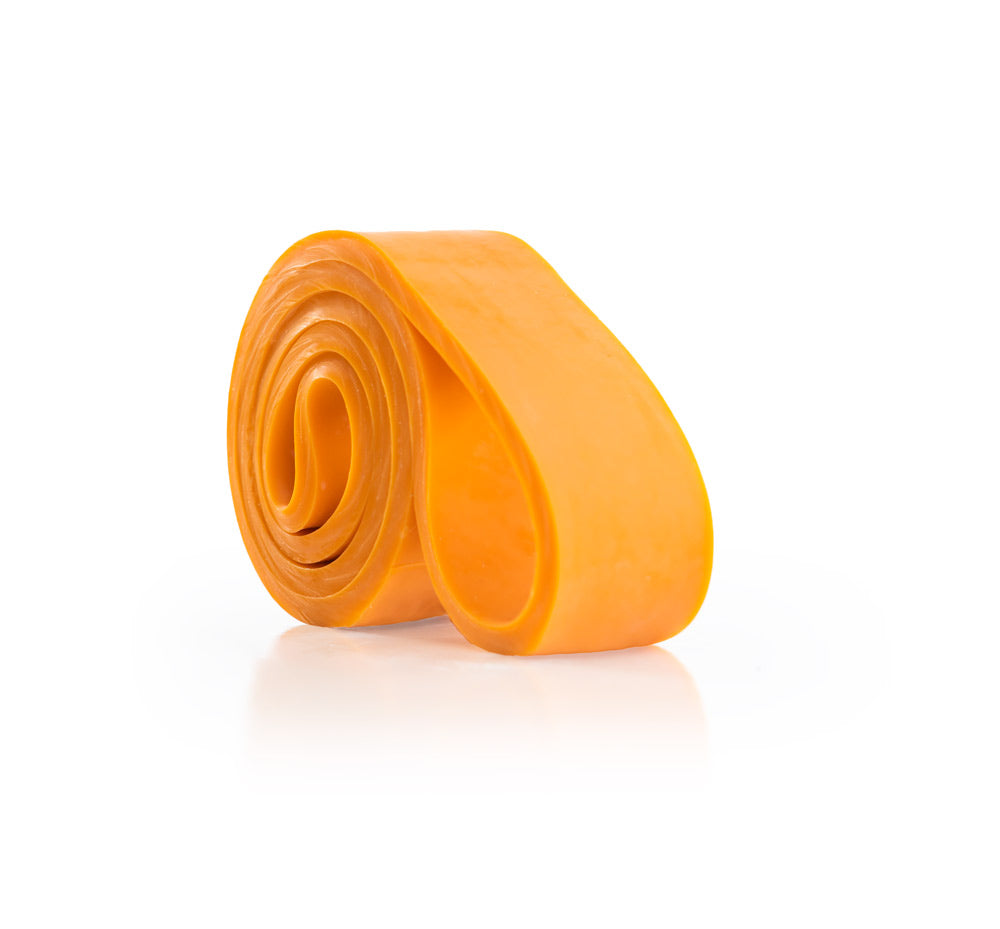
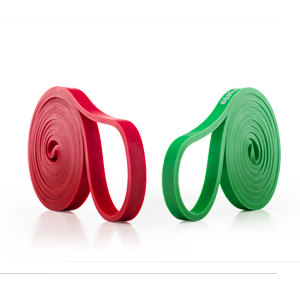
Shop Pair of ChainsPro Monster Mini Resistance Band
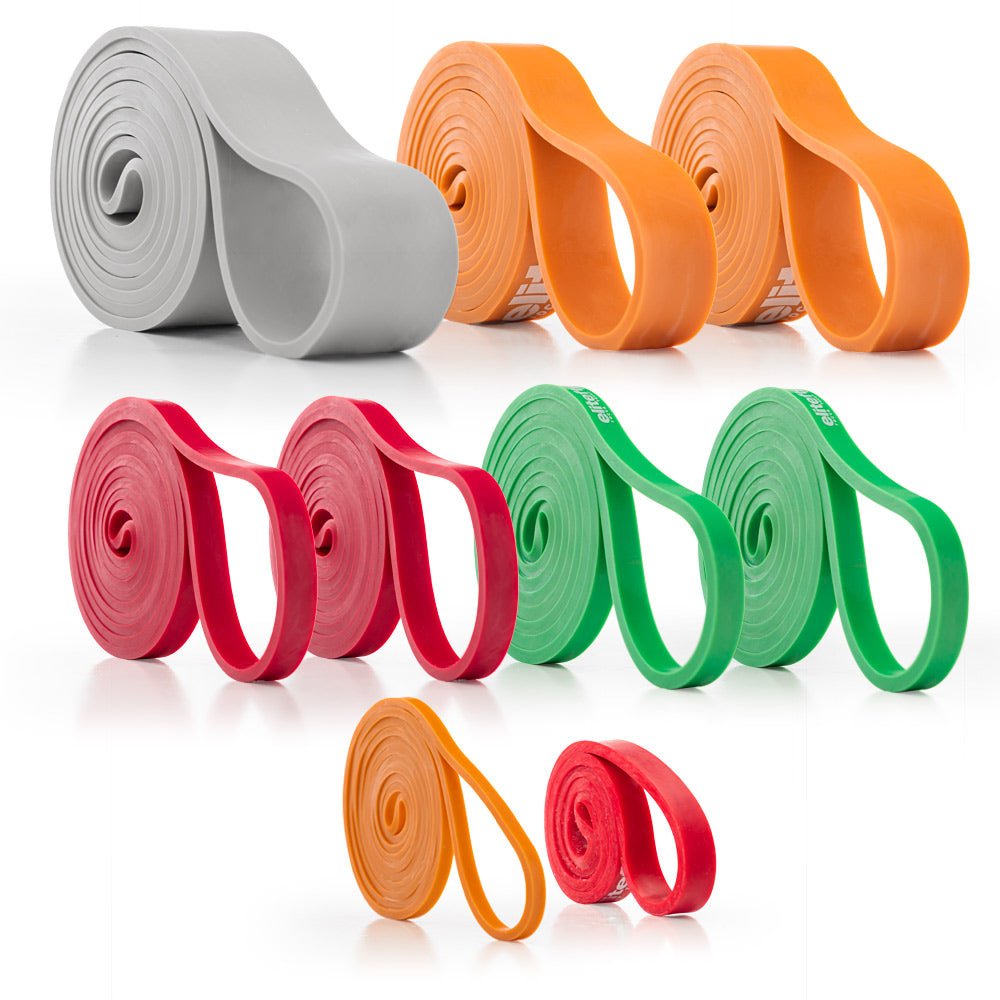
A versatile band option for dynamic-effort bench work, lower-body accessories, pull-aparts, and added resistance.
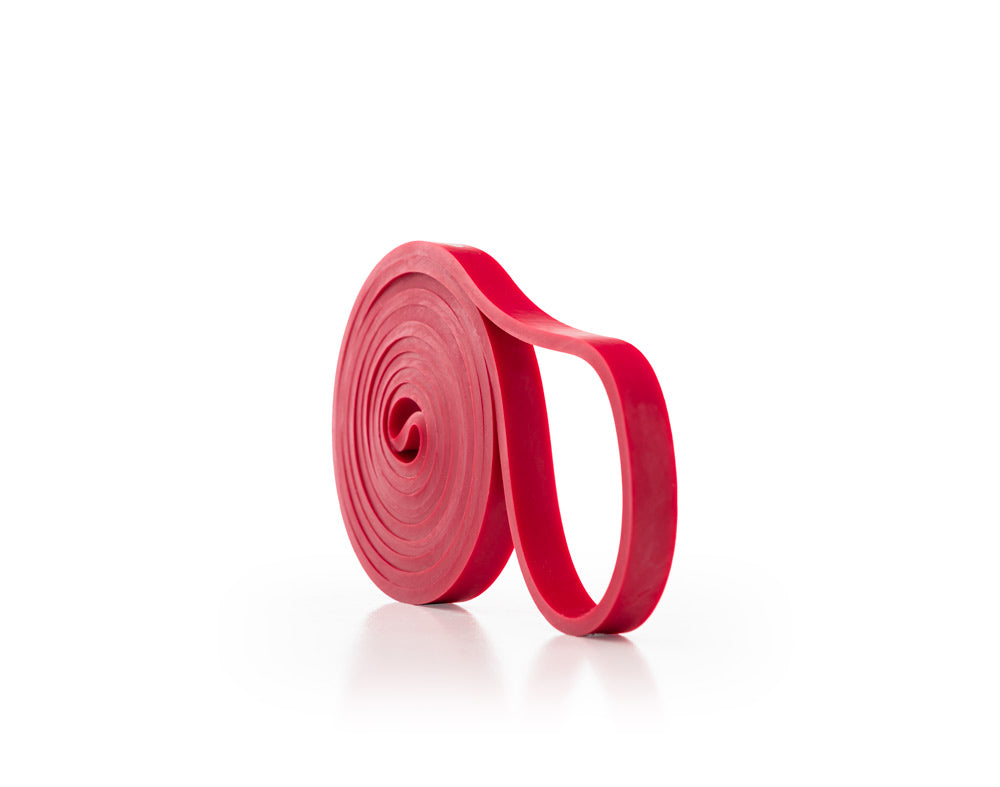
Shop Monster Mini BandPro Short Mini Resistance Band
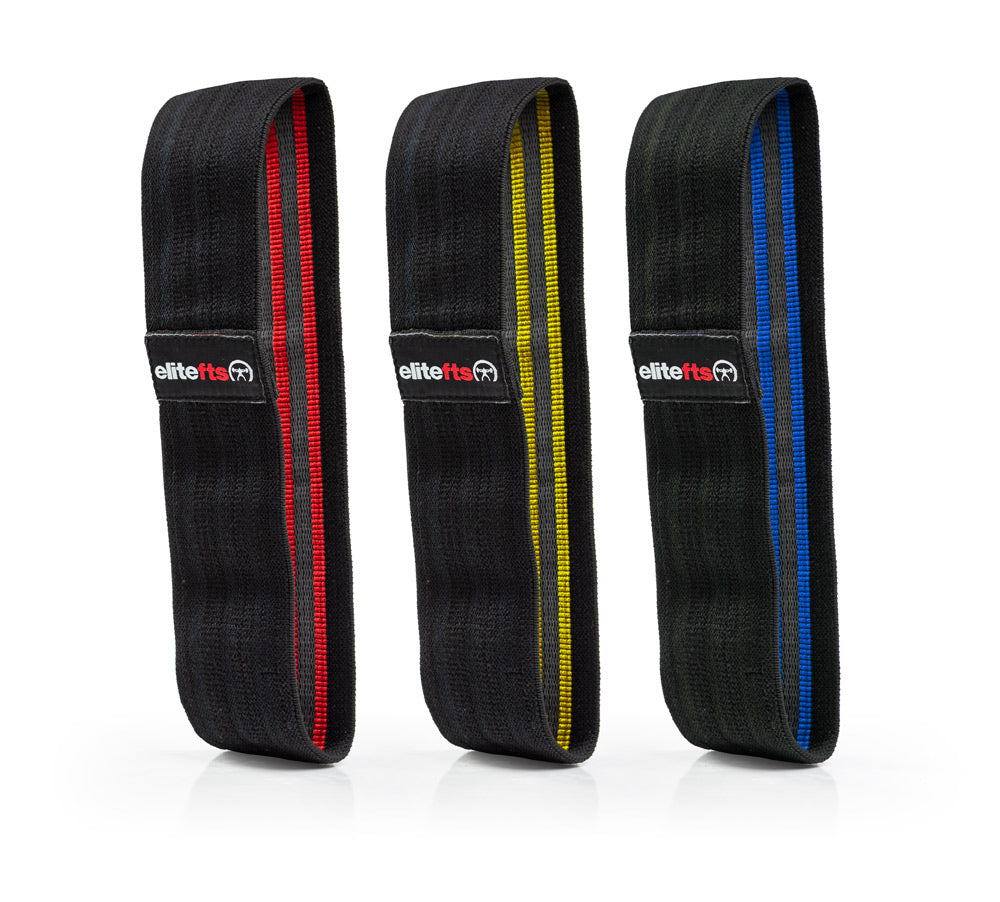
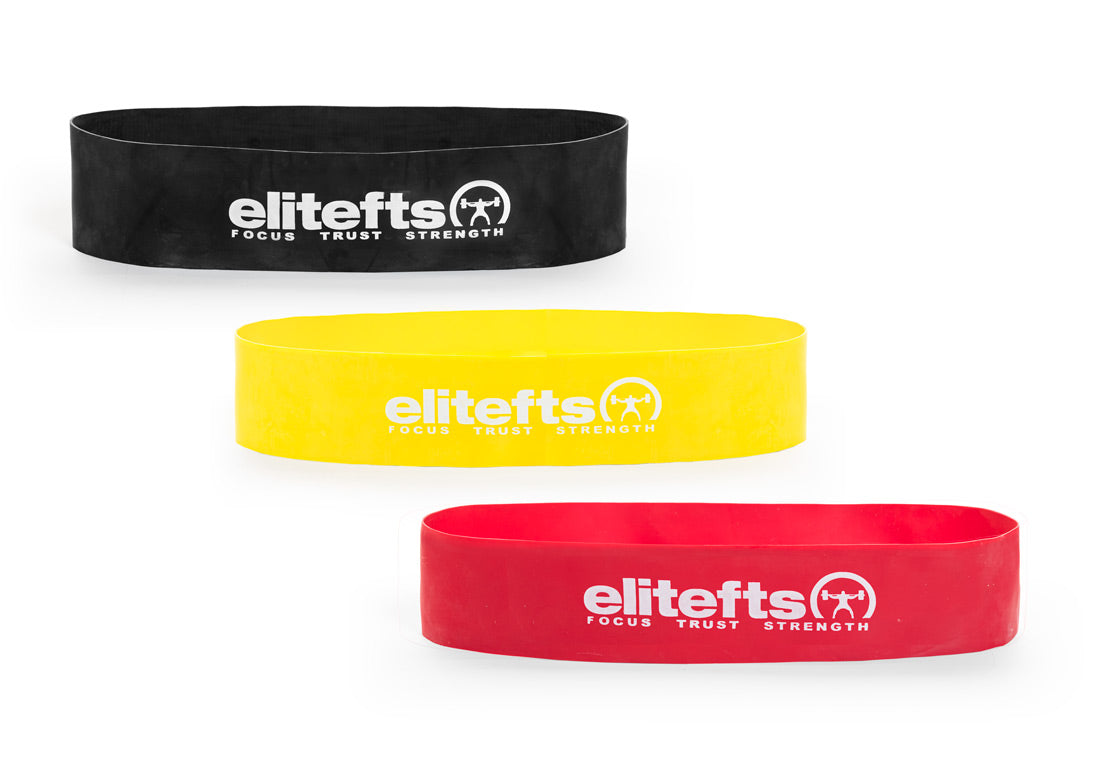
A compact band for tight-space setups, activation work, and barbell or machine accommodating resistance.
Shop Short Mini BandsAshley Jones is a strength & conditioning coach with 30+ years in professional sport across seven countries, best known for his work in rugby from club to international levels—including two Rugby World Cups with teams from both hemispheres. He was named NSCA Professional Coach of the Year (2016) and received the NSCA Boyd Epley Lifetime Achievement Award (2023). He’s also a long-time Elitefts columnist.
Remember: This is not a complicated program. That is the point. Pick one pull, one push, and one squat. Load them with intent. Rotate intelligently—Deload when needed. Keep the basics in the center, and let the variations do just enough to keep you progressing.