

In Pursuit of the Perfect Program
Ashley Jones
First, let me start by saying that there is no such thing as THE Perfect program, but that has never stopped me from searching, developing, and using a variety of programs over the years.
I started my lifting and programming journey when. I was 15 years old, and the program that Vince Basile gave me when I signed on at the American Health Spa in Brookvale, Sydney, is as valid now as it was back then. Six months of Heavy & Basic: reps were in the 6–10 range, for 4 or 5 sets, and there were no more than 4 exercises + abs per workout. Of course, we snuck in a few extra sets of arms at the end. The basics, Squat, Deadlift, Good Morning, Bench Press, Bent over Row, Incline Press, Military Press, Dips, and Chins served me well on this three days per week introduction to what I have spent the rest of my life doing.
When I started my first job in the fitness industry, I fully embraced the philosophy of Arthur Jones and Nautilus, which I enjoyed, but I always thought something was missing. Now, after 30-odd years, I would love to add an express Nautilus circuit to my Metabolic Circuit options.
After attending the 1980 Mr. Olympia contest in my hometown of Sydney, Australia, I decided to teach myself how to Power Clean and emphasize the Big Three after purchasing Bill Starr’s book, The Strongest Shall Survive, and the 5 x 5 program. Also popularized by Bill Pearl, Arnold, and Reg Park, they all knew what worked.
I have continued to use a hybrid training style over the years, drawing on Powerlifting, Olympic Lifting, and Strongman training, and have competed in Masters Olympic Lifting along the way. I have never followed the bodybuilding style; it never actually appealed to me. It is preferred by many, but not for me; I do, however, include elements of this style as finishers for my players.
Over the last 20 years, I have been most influenced by Louie Simmons and his Westside Conjugate Training methods, which I have drawn heavily on in my most recent programs for my players. I have developed my current programming style by drawing on the phrase “engineering physical performance” through three main areas of focus.
Neural: Speed & Power
Mechanical: Strength & Size
Metabolic: Fitness & Fat Loss
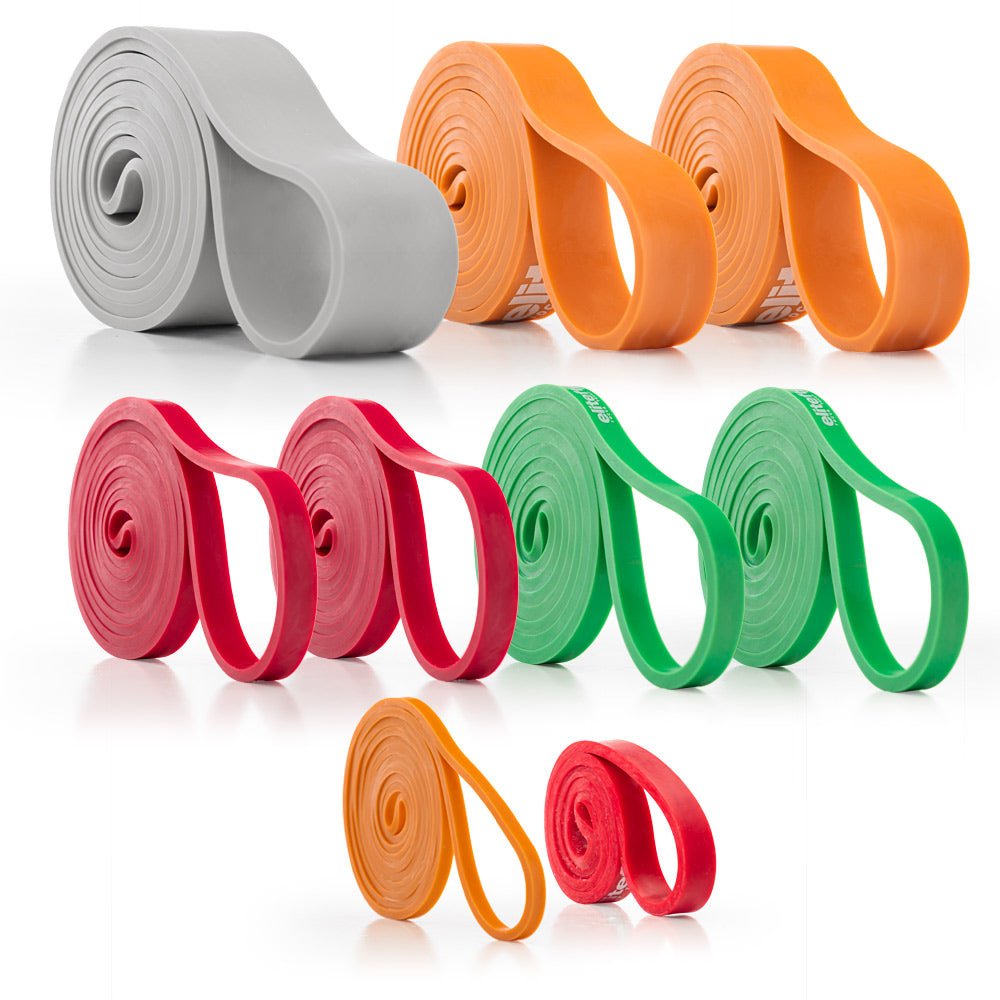
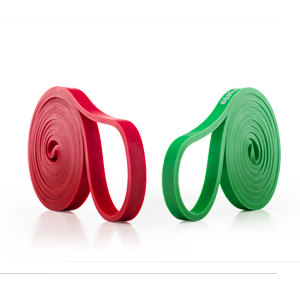
Over the last few years, I have used the French Contrast Method as part of my “toolbox,” especially when programming a hybrid program that utilizes both the Mechanical and Neural elements. This, combined with accommodating resistance using bands and a chain, and a conjugate style of periodization, is where I am currently.
This is my journey in the science and art of programming. What’s yours?
How to Program: Simple does not mean Easy.
I have written previously on this topic many times over the years, since far too many s & c coaches and personal trainers complicate the process or cram in too much in a session, creating an unreasonable burden on the player or client. You can read a few of the articles I have listed below before proceeding with this updated look at programming.
https://www.elitefts.com/education/the-joy-of-programming/
https://www.elitefts.com/education/3-day-a-week-full-body-program-for-team-sports/

Programming using the above sets & reps
Cycle 1: 3 sets, Full Body (Pull, Push & Squat) or (Squat, Hinge, UB Push, UB Pull),
2 or 3 sessions a week
Cycle 2: 4 sets, Full Body (Pull, Push & Squat) or (Squat, Hinge, UB Push, UB Pull),
2 days per week (Full Body): Monday, Thursday or Tuesday, Friday or Wednesday, Saturday
2 different workouts and can be increased to 3 different workouts as below:

Workout A: Back Squat, Back Extension, Bench Press, Bent-over Row.
Workout B: Conventional Deadlift, Lunge, Military Press, Chin-ups.
Workout C: Front Squat, Romanian Deadlift, Incline Bench Press, Shrugs.


Lower Body (1): Squat, Single Leg RDL, Glute Ham Raise, Farmer’s Walk
Lower Body (2): Deadlift, Bulgarian Sprinter’s Squat, KB Swings, Suitcase Walk
Upper Body (1): Bench Press, Bent-over Row, Seated DB Shoulder Press, Shrugs
Upper Body (2): Military Press, Chin-ups, Incline DB Press, Incline DB Row
Ensure each training session is between 60 – 90 minutes maximum, also do not skip any CARE sessions that are in each session, either used as a warm up/movement preparation, or at the conclusion of the performance workout, you could stay with the same exercises for the 4 cycles and then start back at cycle 1 with a complete new selection within the categories or you can change exercises each cycle.


OR

If six days prove to be too much to recover from, you could program three lower-body and two upper-body workouts in the first week, then in the second week, program three upper-body workouts and two lower-body workouts, effectively doing five sessions a week.

If five days prove to be too much to recover from, you could program two sessions for upper and lower each week, alternating them to ensure you are training all elements of the full program.

Continue the rotation of sessions according to the planned number of sessions each week that you feel allows you the best recovery time to optimize your training.
Speed on all Lower Body days if doing French Contrast Method sessions:

Dynamic Flexibility Movement Drills Prior to all Speed Sessions
10 reps per movement, each side if applicable
Do NOT rush through.
90/90 Internal Rotation: Hip Mobility
½ Kneeling Thoracic Wall Rotation
Ashley Jones is a strength & conditioning coach with 30+ years in professional sport across seven countries, best known for his work in rugby from club to international levels—including two Rugby World Cups with teams from both hemispheres. He was named NSCA Professional Coach of the Year (2016) and received the NSCA Boyd Epley Lifetime Achievement Award (2023). He’s also a long-time Elitefts columnist.