High Return, Lower Recovery Cost
Dips and chin-ups generally create less systemic fatigue than maximal barbell work, which makes them easier to train with meaningful volume and frequency.

Build stronger shoulders, lats, triceps, and core control with two of the most valuable bodyweight movements in strength training—while improving joint function, movement quality, and carryover to heavier lifts.
Dips and chin-ups generally create less systemic fatigue than maximal barbell work, which makes them easier to train with meaningful volume and frequency.
These movements challenge the upper body without placing a bar on the spine, making them useful when you want intensity without extra compressive loading.
Hanging and suspended positions can help many lifters feel better between heavier sessions by encouraging shoulder motion, grip work, and decompression.
The barbell is a primary tool in elite strength development, but it is not the only way to build usable power. When executed well, dips and chin-ups develop pressing strength, pulling strength, scapular control, and positional awareness that carry over beyond the gym.
Too much horizontal pressing without enough full-range shoulder motion can leave the upper body feeling locked up. Dips and chin-ups challenge the shoulder blades to move well around the rib cage, which matters for both training performance and everyday reaching and pulling tasks.
| Range of Motion | Why It Matters Day to Day |
|---|---|
| Shoulder Extension | Helps with reaching behind the body, such as grabbing a wallet or fastening a seat belt. |
| Shoulder Flexion (Overhead) | Supports overhead reaching, whether you are grabbing gear from storage or reaching a high shelf. |
| Scapular Gliding | Keeps the shoulder blade moving freely over the rib cage during reaching, climbing, and pulling. |
The dip is often blamed for shoulder pain, but the real problem is usually poor scapular control or forcing a range you do not own. The goal is to create space through the neck and shoulders, then keep the shoulder anchored as you move.
| Body Part | High-Strain Form | Optimal Strength Form |
|---|---|---|
| Neck | Scrunched up with the head disappearing into the shoulders. | Long neck—actively create space between the ears and shoulders. |
| Shoulders | Narrow, shrugged, and pinned back in a jammed position. | Wide and slightly protracted so the scapulae can glide naturally. |
| Elbows | Flared hard to the sides, reducing control and increasing joint stress. | Tucked in enough to keep the shoulders organized and the movement strong. |
Do not simply drop into the eccentric. Think about pulling the handles up toward the ceiling as you descend. That cue increases control through the upper back and biceps, so the pecs and triceps are not forced to absorb everything abruptly.
A common chin-up mistake is pulling with an exaggerated arch and flared elbows. That usually shifts the stress away from the lats and into positions that make full scapular motion harder. A better setup keeps the upper back active without overextending the torso.
The most efficient body shape for both dips and chin-ups is a slightly hollow position, sometimes called the banana shape. When the legs drift slightly ahead of the torso, and the midline stays braced, the body behaves like a single strong segment rather than a loose chain.
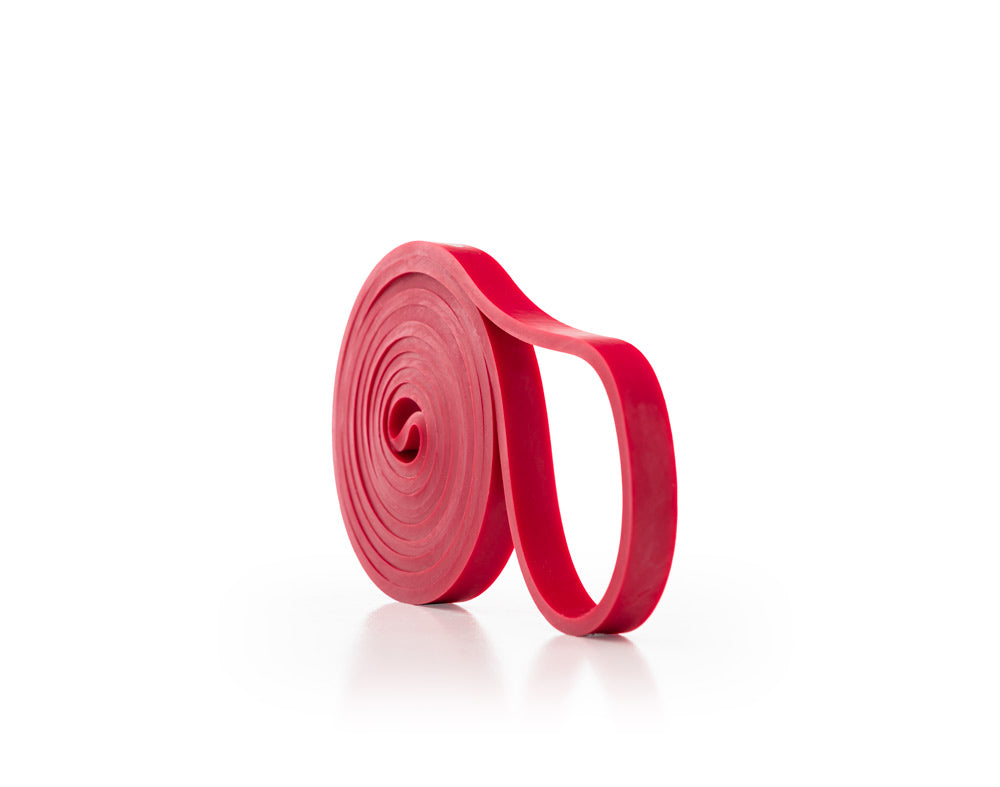
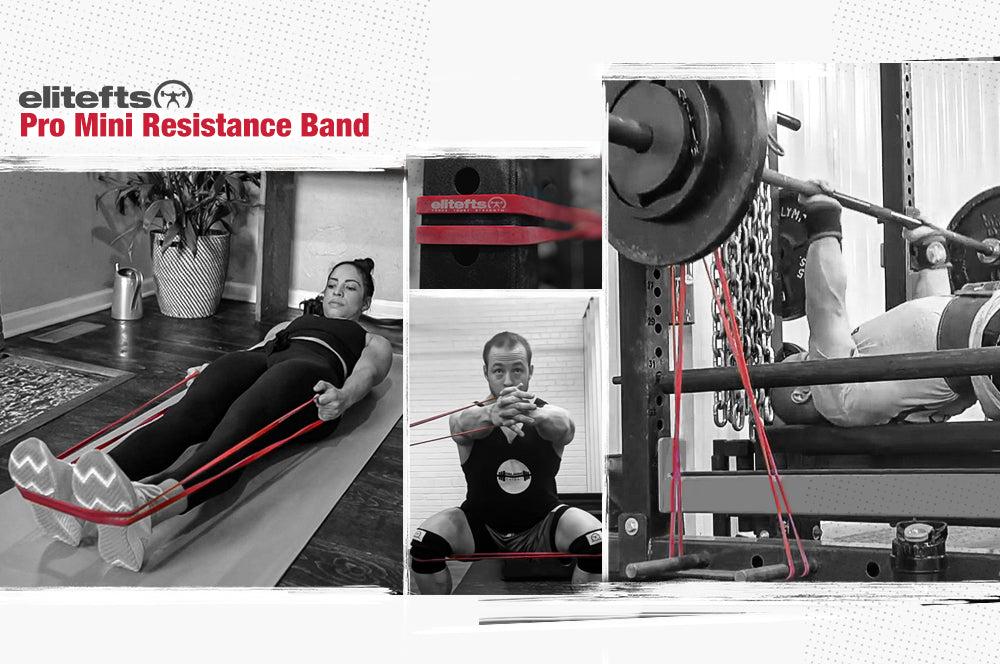
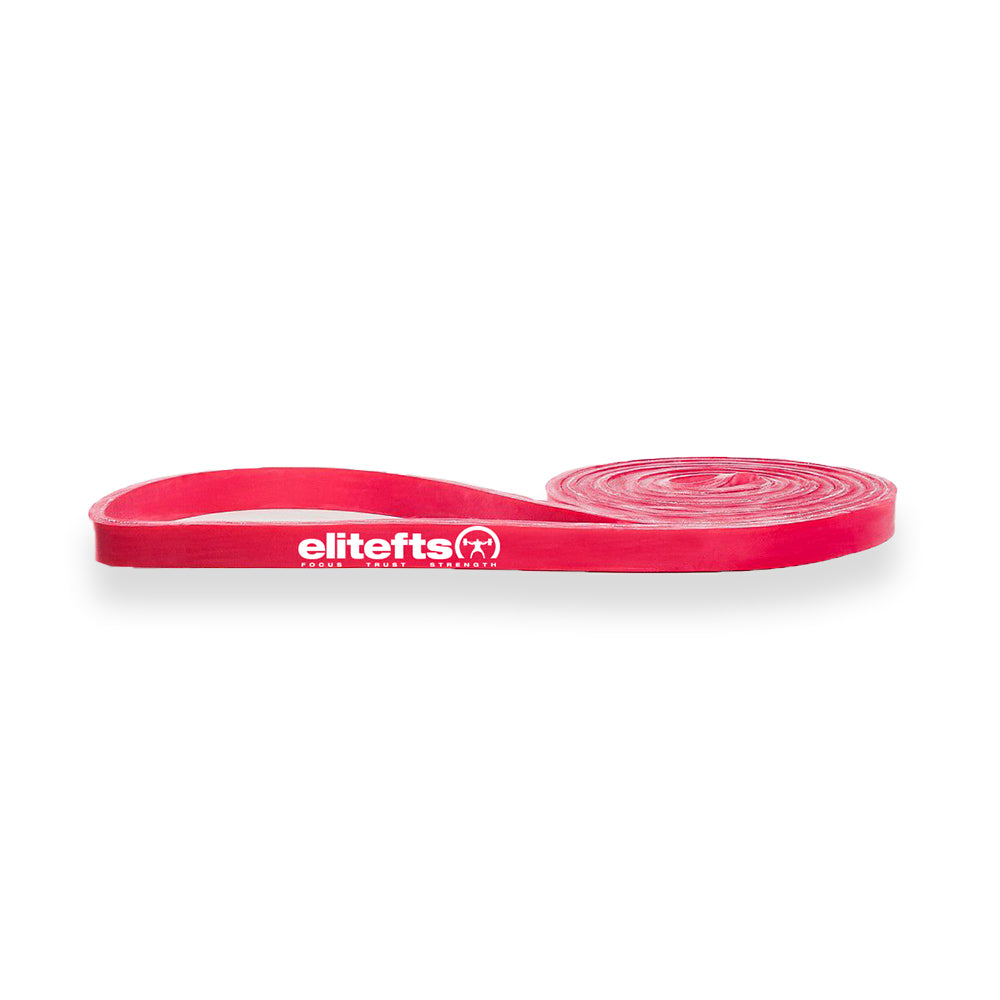
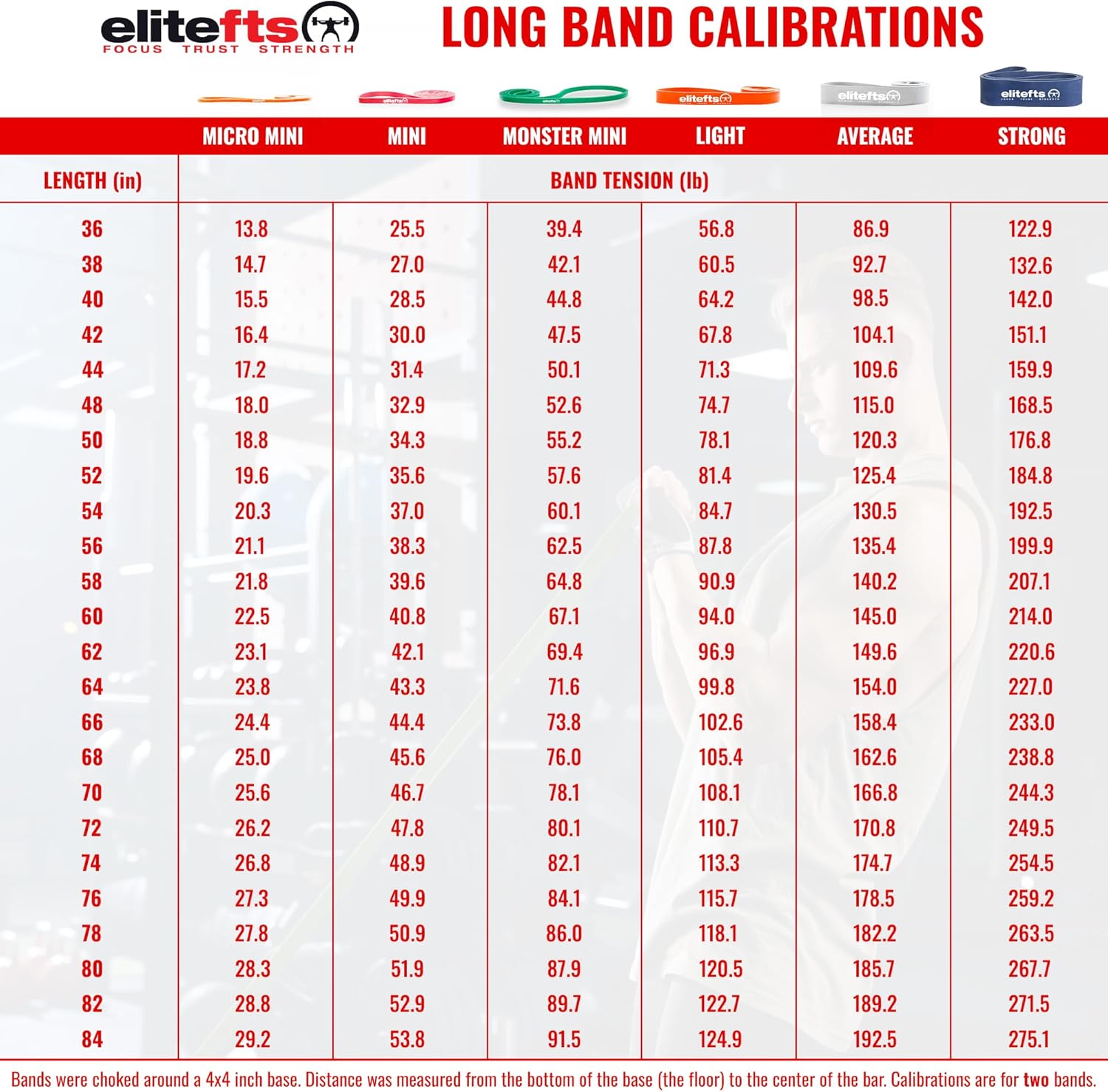
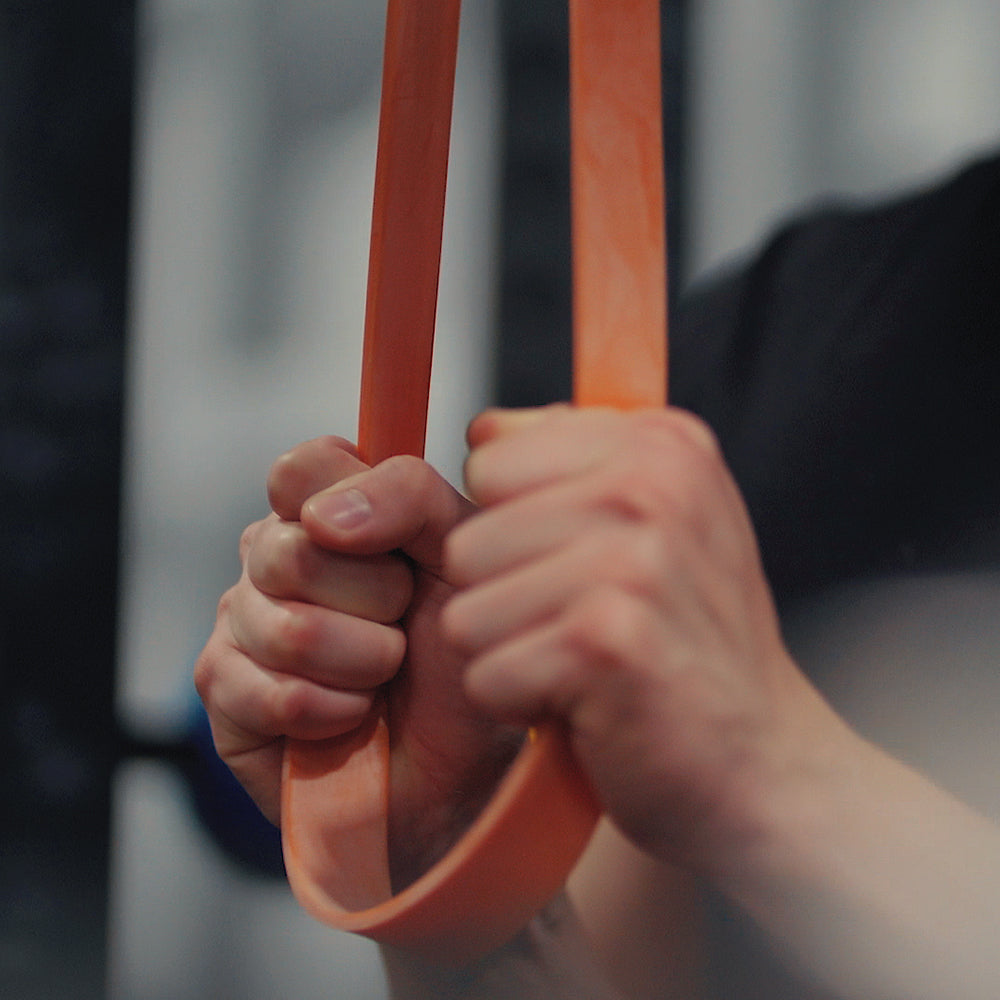
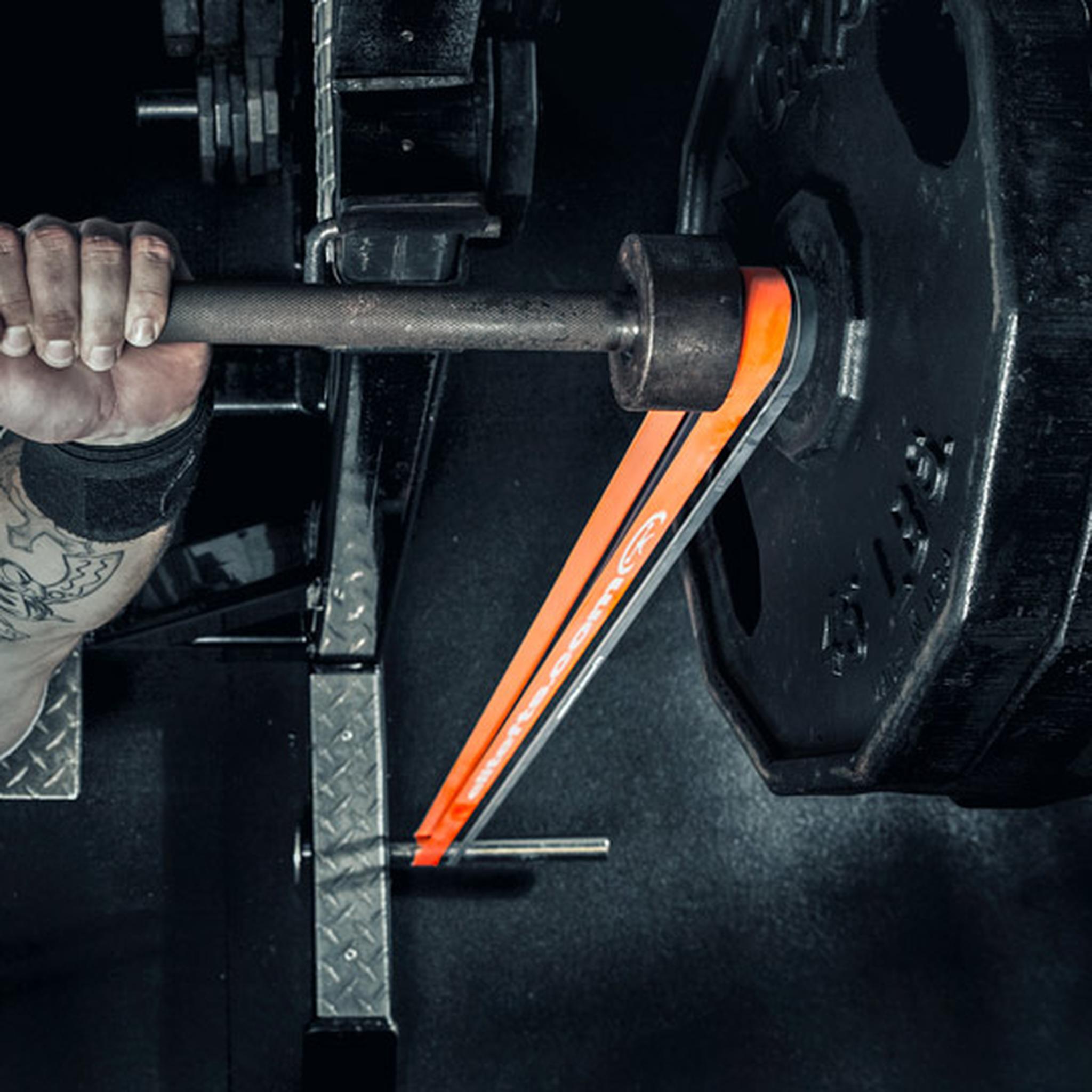
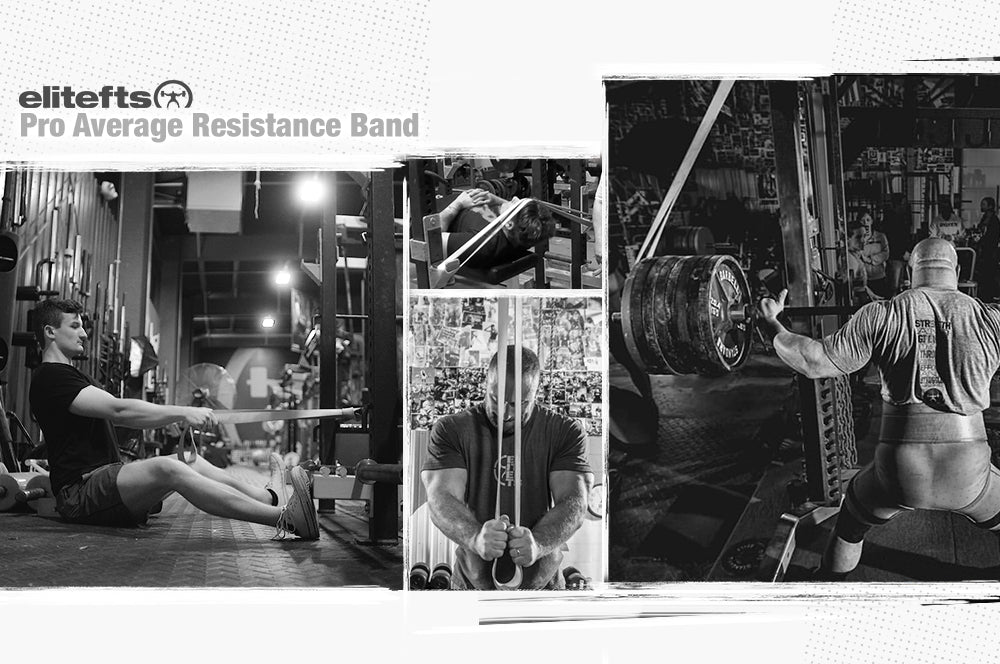
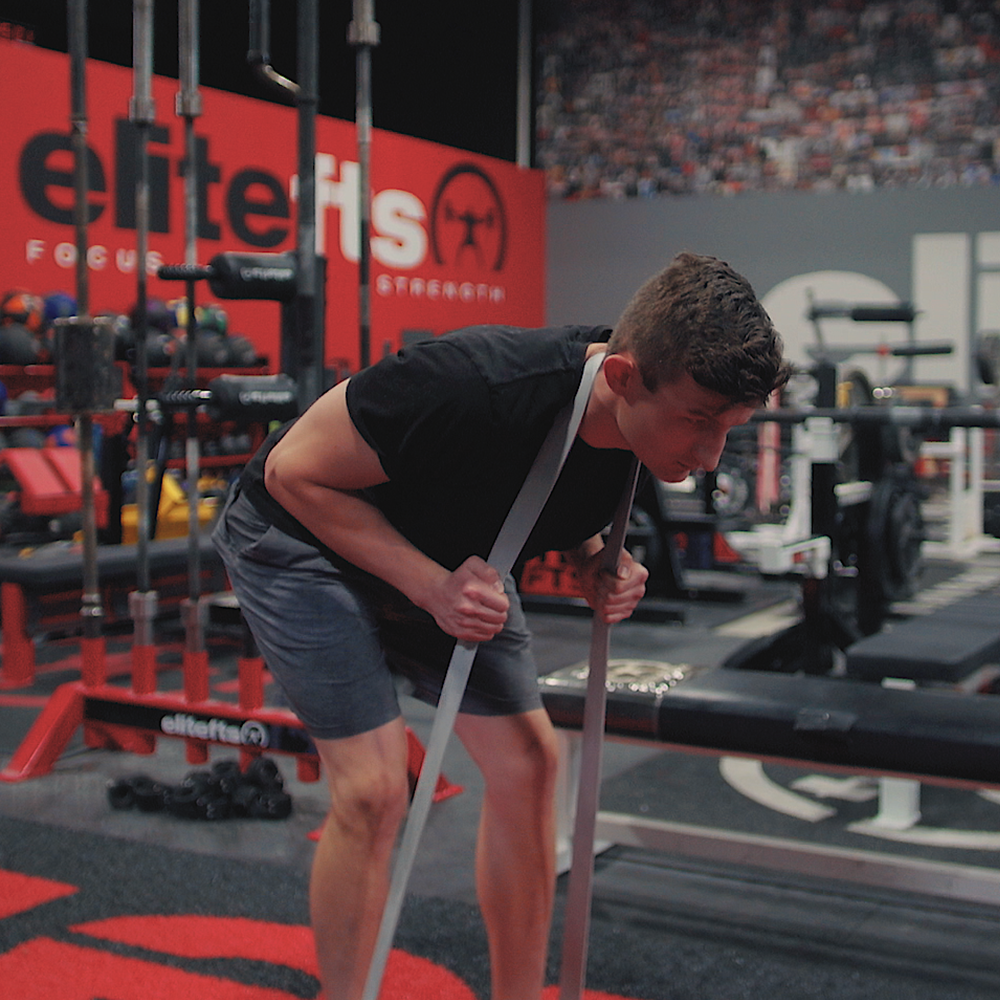
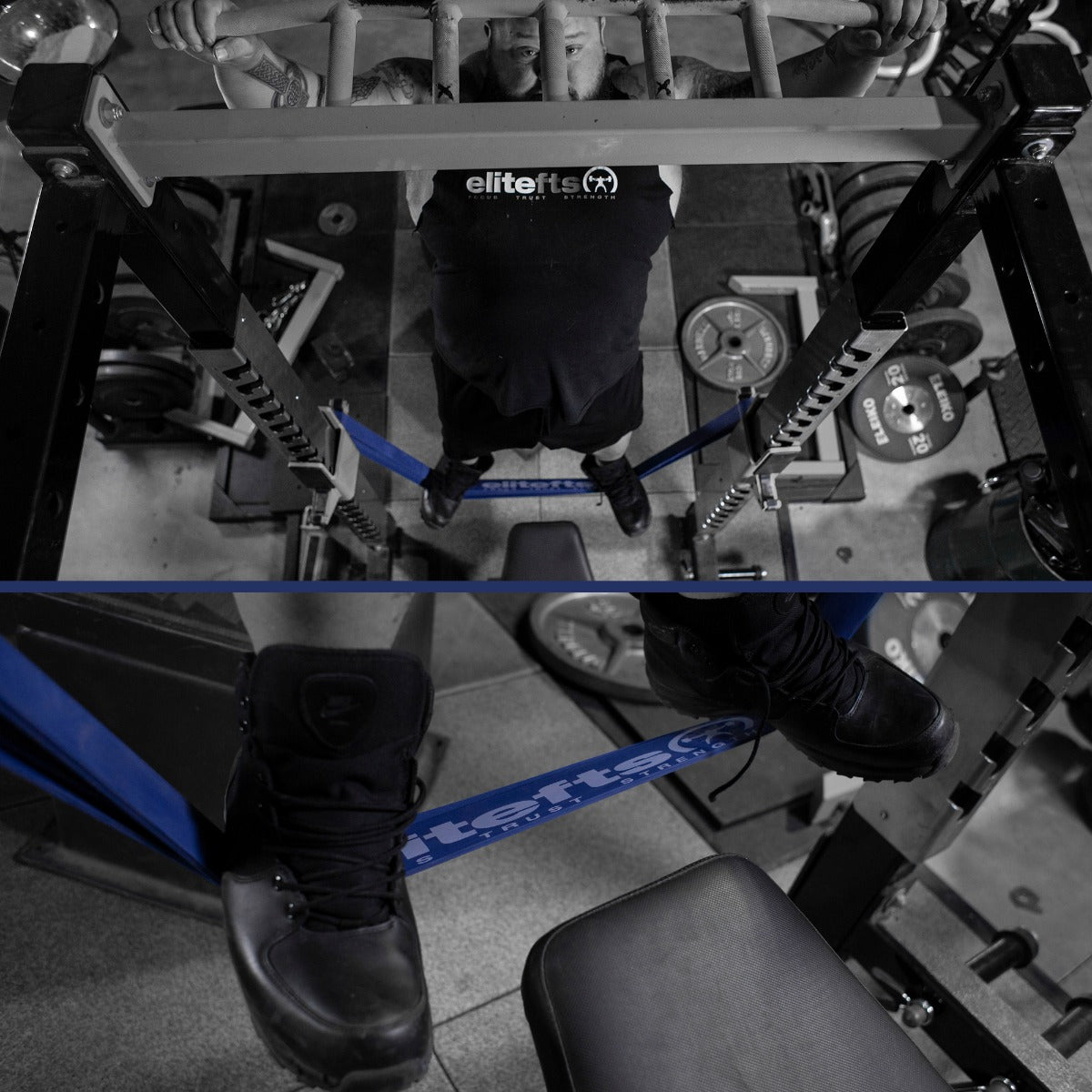
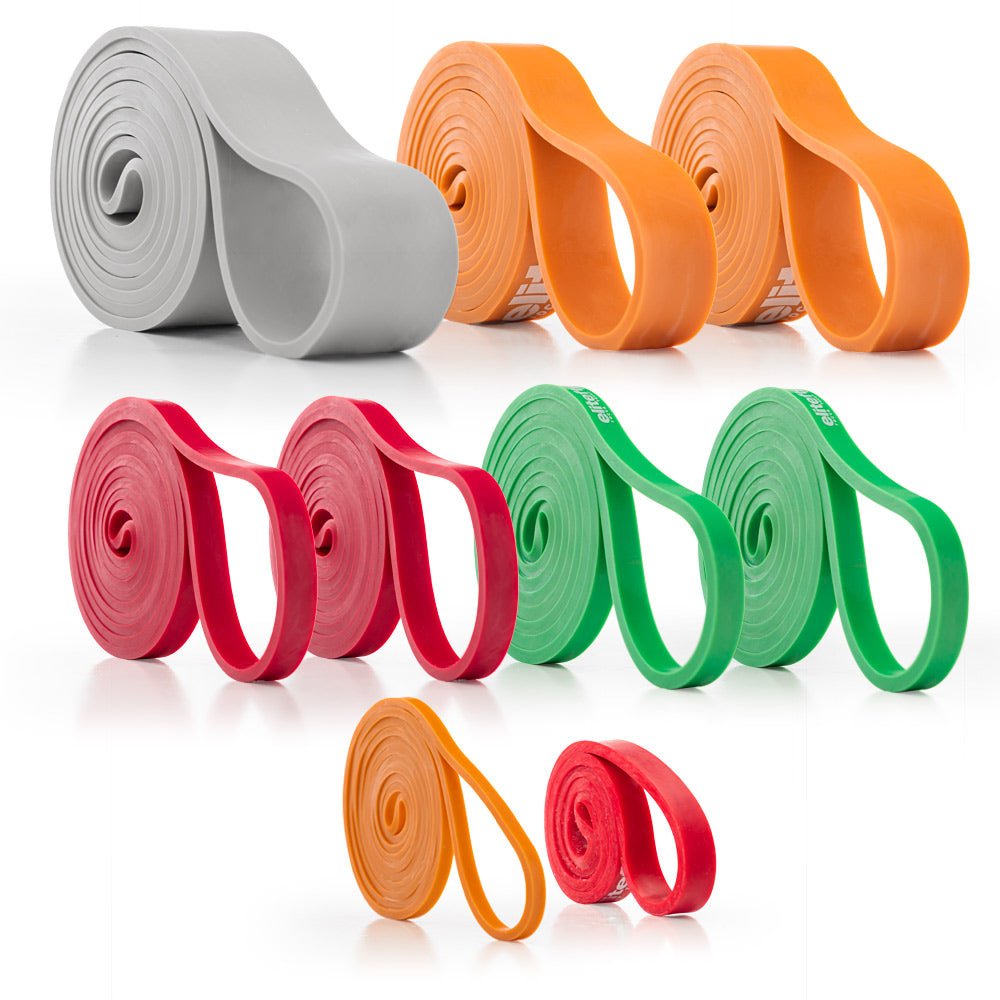
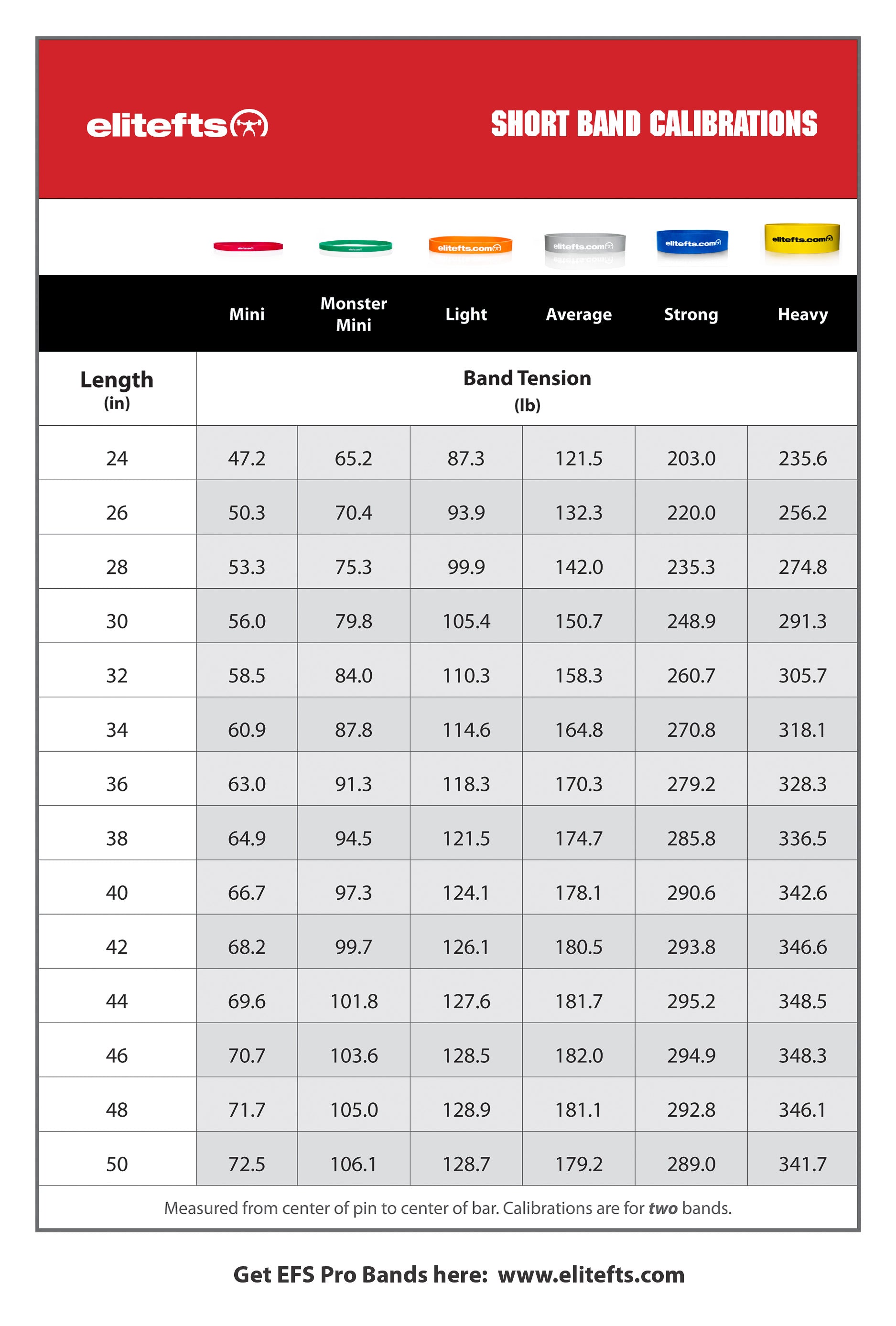
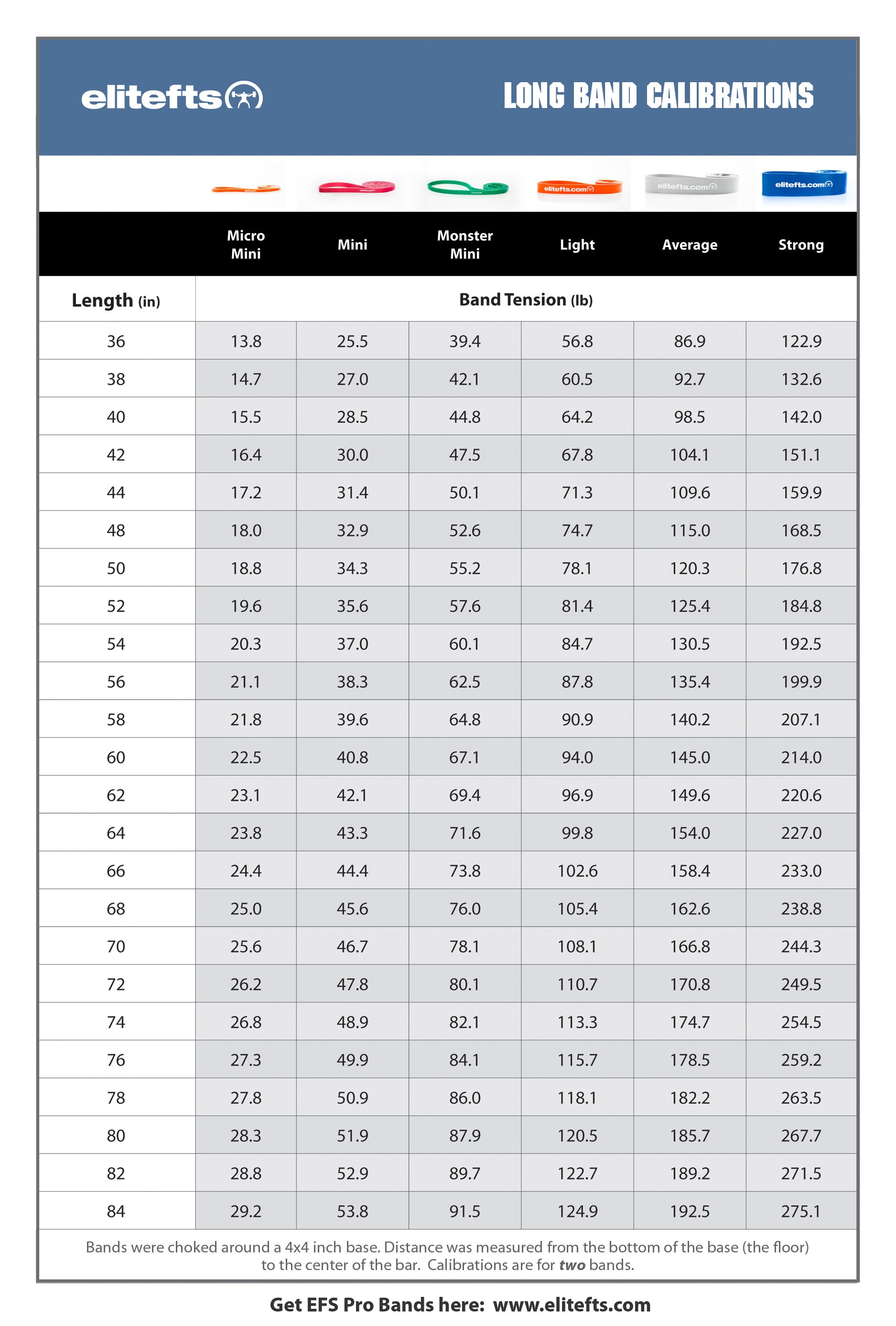
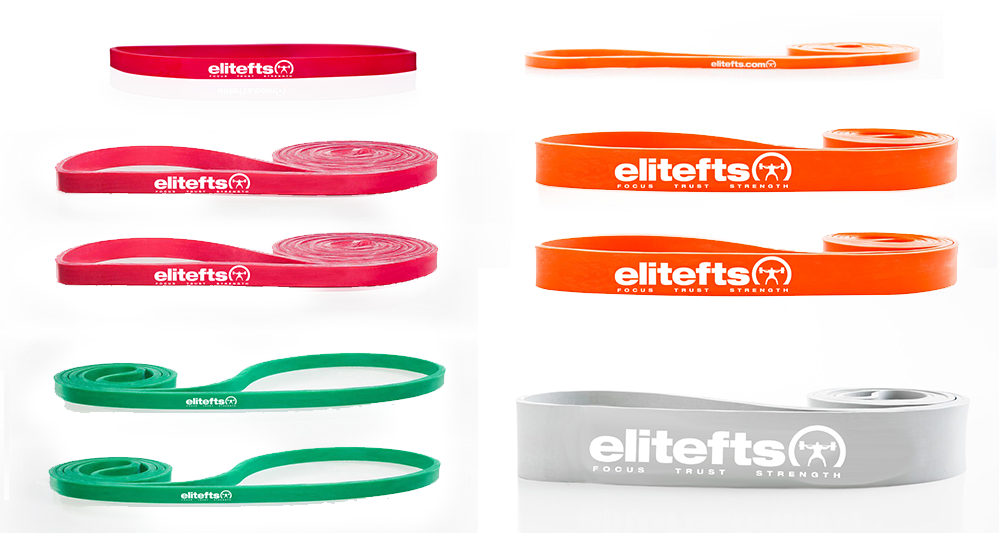
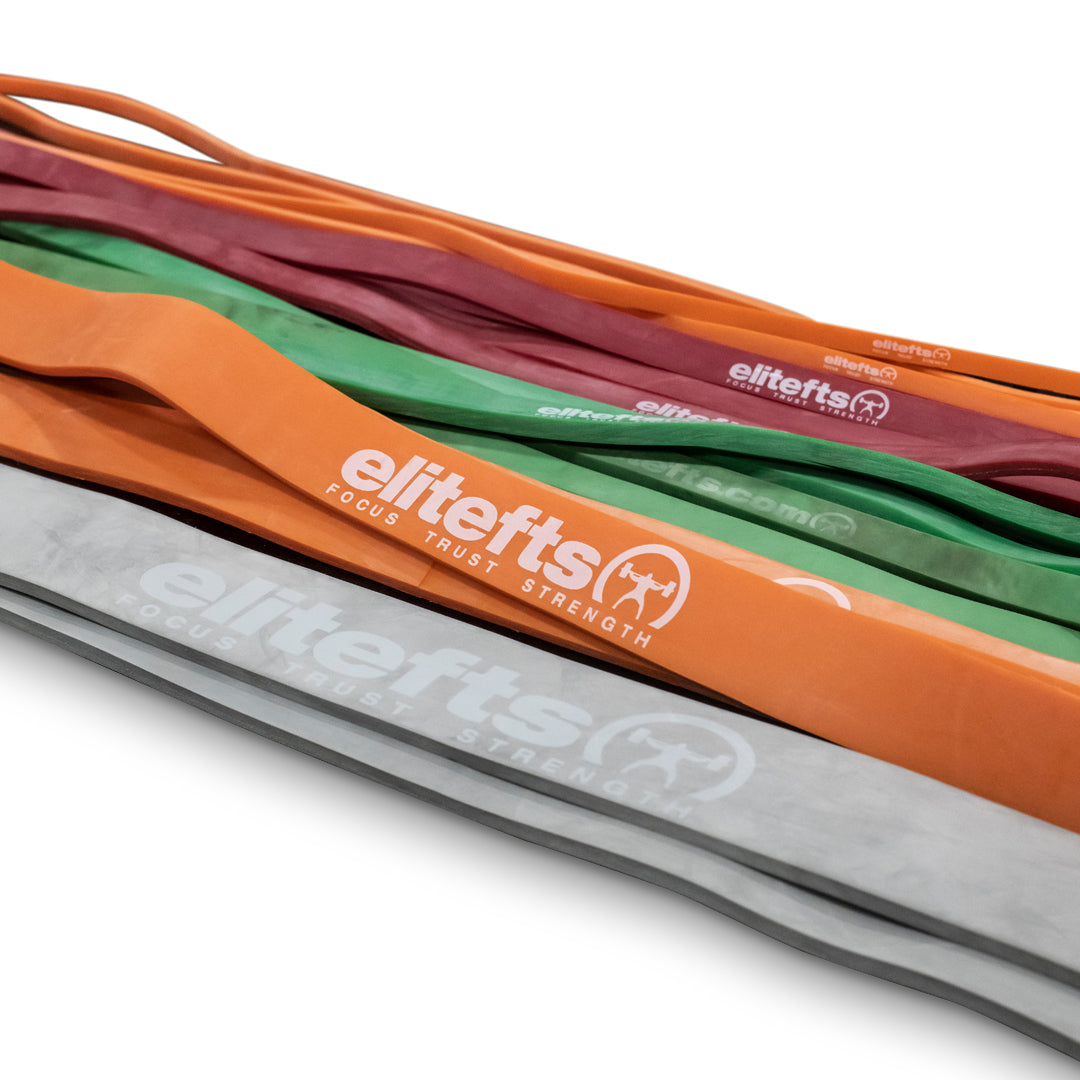
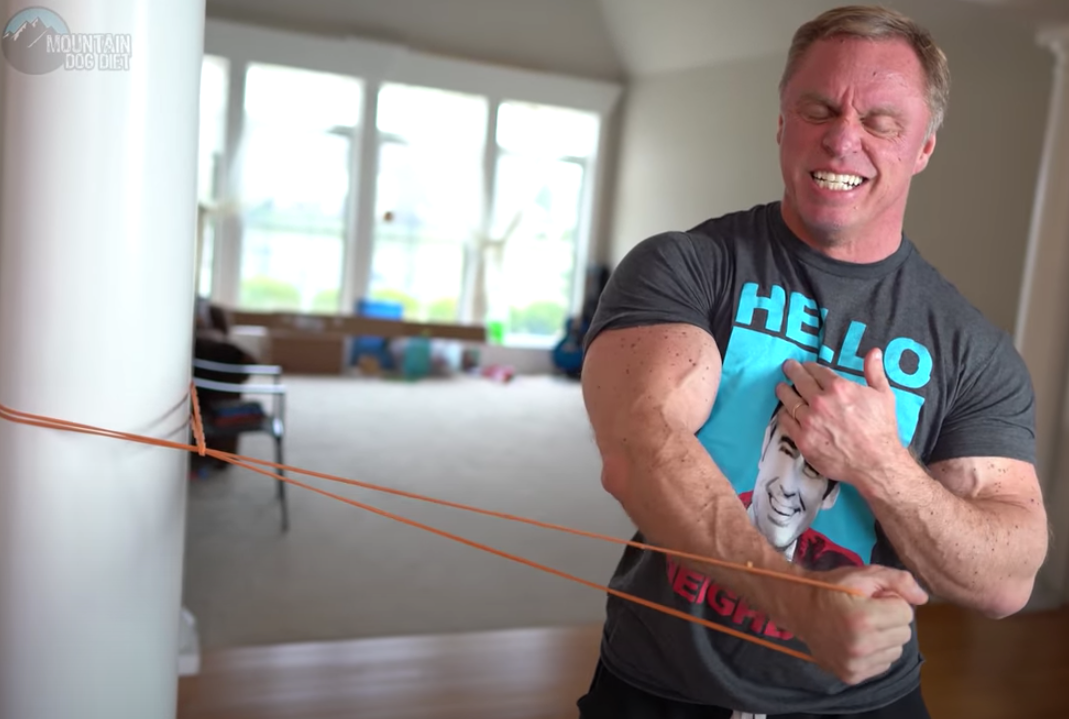
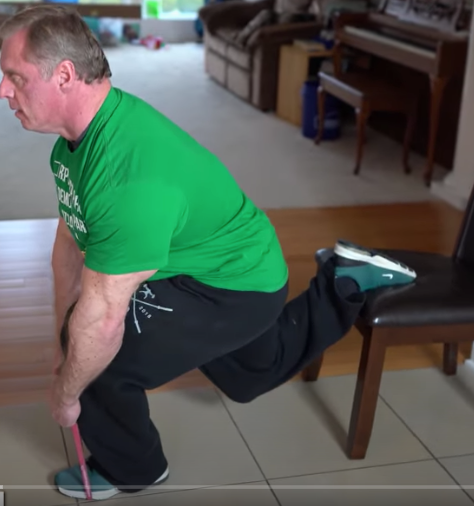
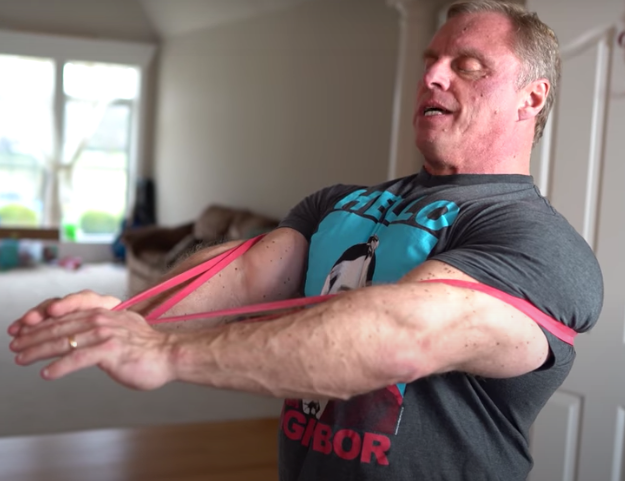
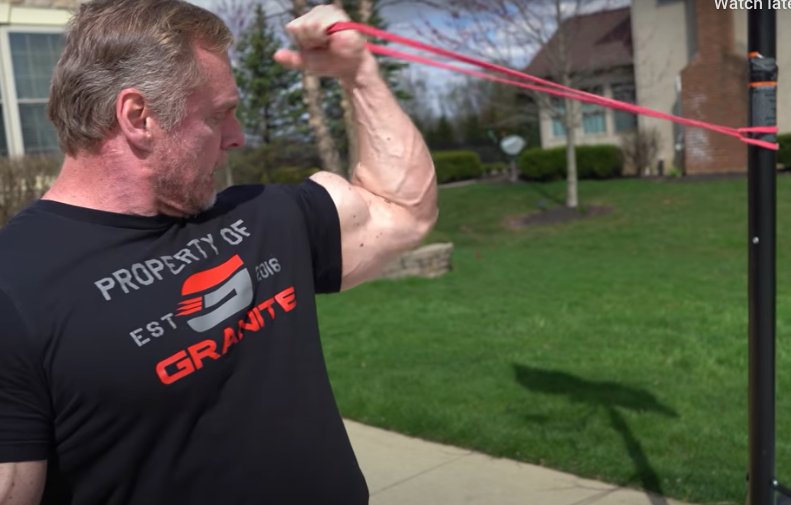
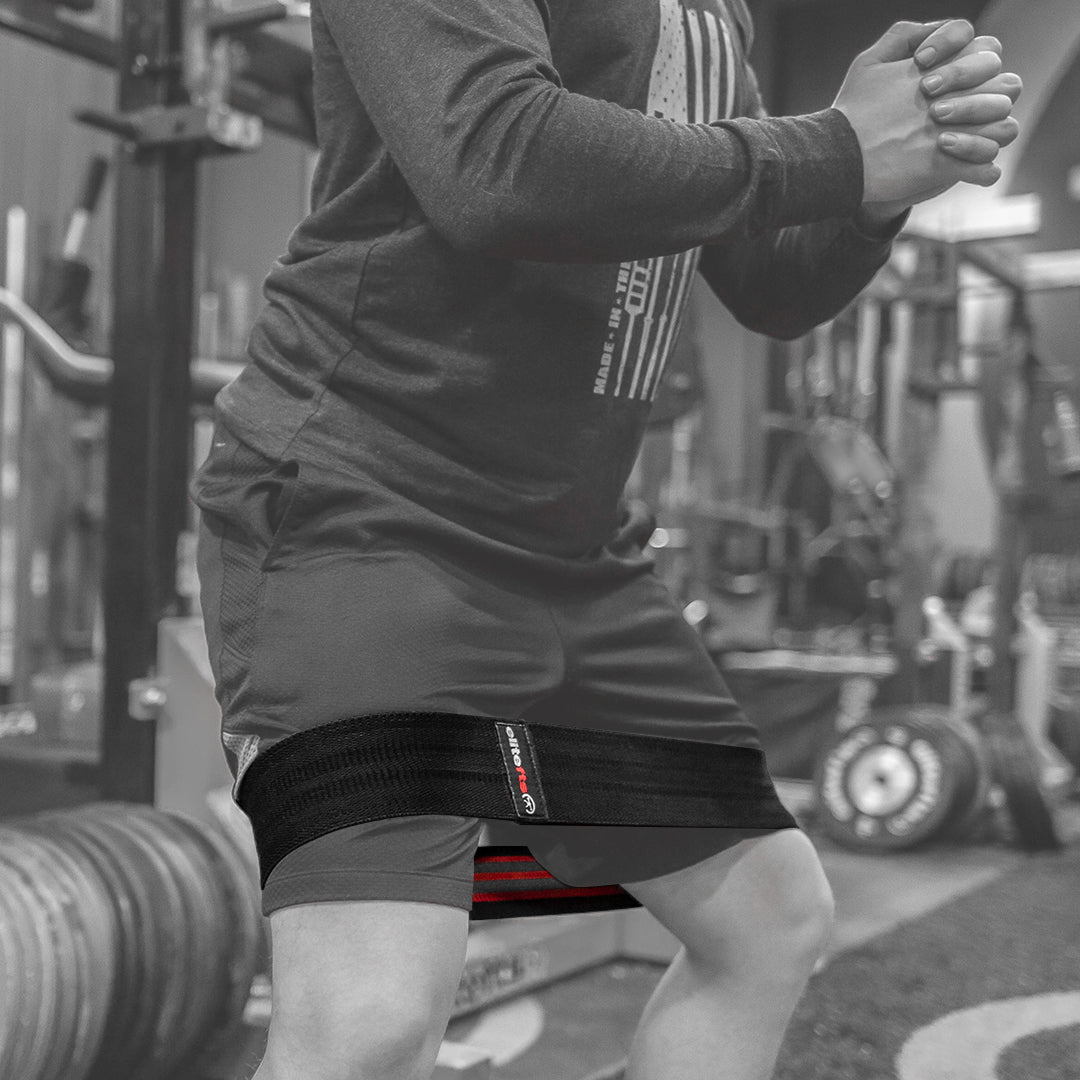
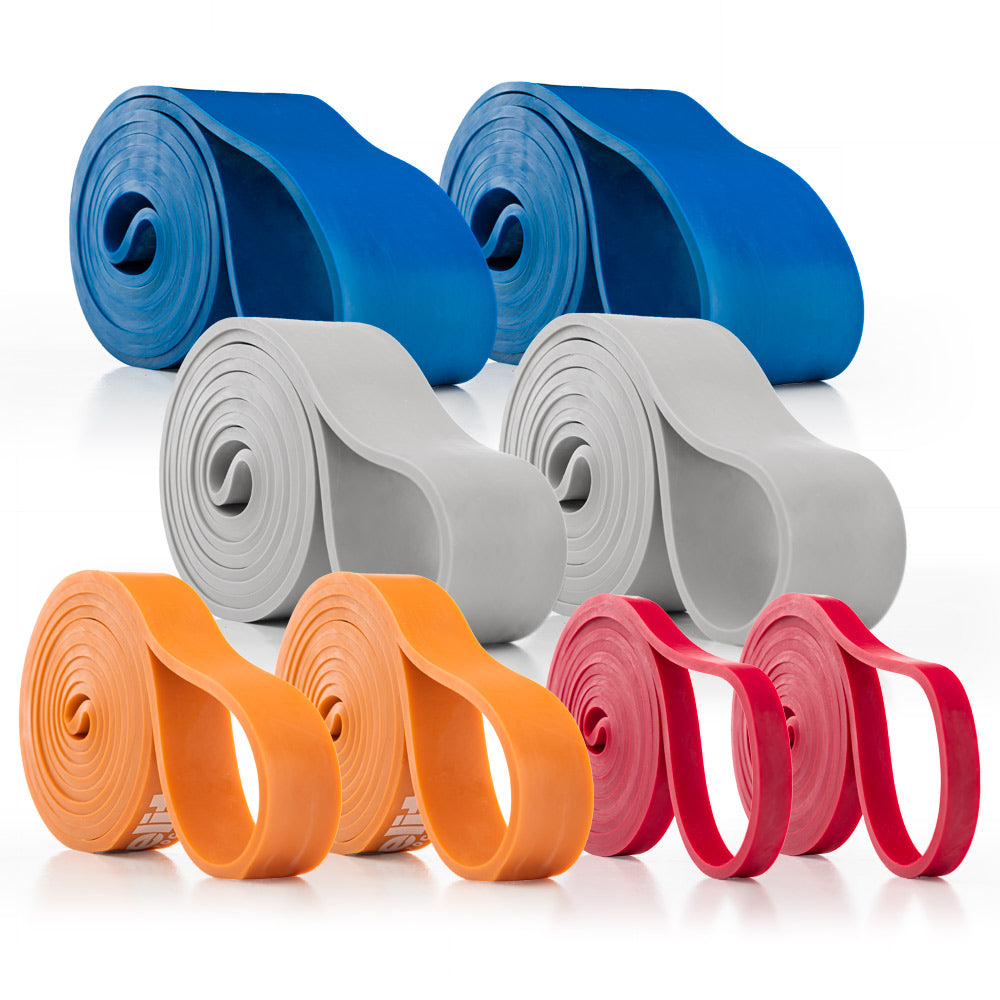
Loop a resistance band around your ankles so it pulls your feet backward. Fighting that pull teaches the exact hip flexor and abdominal tension needed to hold a clean, efficient position.
Dips and chin-ups are not just “push” and “pull” exercises. They are high-value tests of shoulder control, trunk stiffness, and position under load. When you prioritize a long neck, wide shoulders, clean scapular motion, and a tight hollow body shape, the reps become stronger, safer, and more repeatable.
Use the cues that matter most: shoulders down, ribs organized, elbows controlled, and no wasted motion.
These current Elitefts products pair naturally with the movements in this guide—whether you need a dedicated setup, an attachment, or an accessory to make chin-ups and dips more practical in your gym.
$40.00
A compact pull-up accessory that allows a freer hand path from external rotation toward neutral, which can be useful for lifters who want a more shoulder-friendly pulling option.
Shop AbMat 1/4 Rings$209.00
A compact chin-up option that turns the PowerBench 2.0 into a more versatile upper-body station without adding a separate standalone unit.
Shop the Chin-Up Attachment$988.00
A welded stand made specifically for dips, chin-ups, pull-ups, and hanging ab work—ideal when you want a dedicated bodyweight strength station.
Shop the Dip Pull Up Stand$130.00
Adds grip variety and setup flexibility for pull-up work, rows, and shoulder-friendly variations that keep bodyweight pulling fresh and repeatable.
Shop the Pull-Up SetPrices and availability can change. Use the buttons above to confirm the details on the current product page.

EliteFTS Table Talk— Where strength meets truth. Hosted byDave Tate, Table Talk cuts through the noise to bring raw, unfiltered conversations about training, coaching, business, and life under the bar. No fluff. No hype. Just decades of experience — shared to make you stronger in and out of the gym.

Support us and access premium content monthly!