

Mentoring & Getting the Job
A coach’s career is built on more than sets, reps, and certifications. It is built on people, standards, character, and the ability to keep showing up with value.
A mentor is someone who, simply by being themselves, inspires you not to become a second-rate version of them, but instead the very best version of yourself.
Over the years, I have mentored several strength and conditioning coaches. I have also been fortunate to learn from many mentors myself. Two individuals, in particular, had a profound influence on my early development.
The Mentors Who Set the Standard
My first mentor was my high school physical education teacher, Mr. Barry Cardiff. He taught me throughout all six years of high school and coached and managed my senior rugby league team. Barry is now in his 80s and still lives the healthy lifestyle he encouraged in generations of students over nearly 50 years of teaching.
He was approachable, genuine, calm, and consistently composed. He never appeared flustered or angry and always communicated clearly and thoughtfully. Barry inspired me to become a teacher and set me on the professional path I have followed ever since. To us as young students, he was a legend. In many ways, he still is today, continuing his daily fitness routine of walking to Dee Why Beach, swimming, and enjoying the outdoors.
Another major influence on my career was Dr. Garry Egger, who played a key role in bringing the NSCA to Australia. Before that, he was involved with a team of fitness professionals who developed the Fitness Leaders accreditation courses in Australia, programs that helped shape fitness education nationwide.
At the time, I was completing my master’s degree when one of my supervisors was contacted by Garry. He was looking for someone knowledgeable in weight training and comfortable speaking to groups. Dr. Frank Pyke recommended me, and I was invited to deliver an introductory lecture on weight training at a Fitness Leaders course held at the 1812 Fitness Center in St Leonards, Sydney.
I prepared thoroughly for the presentation, but about 20 minutes into the 90-minute lecture, I noticed Garry, who had been sitting at the back of the room, stand up and leave. Naturally, my mind raced. Was he disappointed? Had I done something wrong?
What I now understand: that moment was an early experience with imposter syndrome, something I have continued to wrestle with throughout my career.
When the lecture ended, Garry returned and simply said, “Well done. There was no need for me to stay. You clearly knew what you were talking about.” That moment marked the beginning of my speaking career in the fitness industry.
When the NSCA established itself in Australia, I worked closely with Garry for the next two years, helping develop and teach courses, organize national conferences, and eventually received an invitation to work at the NSCA headquarters in Lincoln, Nebraska. I completed my CSCS certification through the NSCA in 1988 and have maintained it ever since. In many ways, my entire coaching career can be traced back to that original opportunity and my association with Garry.
Lessons I Keep Passing On
Along the way, there are several lessons and expressions I have shared repeatedly with interns and young coaches.
“Who you know and what you know may get you an interview, but who you are usually gets you the job. What you do should keep you in the job.”
Networks and education open doors. Character and work ethic keep them open.“No one cares how much you know until they know how much you care.”
“Spend more time looking in the mirror rather than the window.”
That will give you a far better perspective on why you are doing what you are doing.“You have two eyes and two ears but only one mouth, so look and listen twice as much as you speak.”
Look to see. Listen to hear.“You do not have to remember the truth.”
“Success is never permanent, and failure is never fatal.”
If you are open to the lessons both can teach you, they become equally valuable.The caveat in professional sport is that, although we should always be process-driven, we are ultimately judged by outcomes.
I also love the J.J. Watt quote: “Success is never owned. It is leased, and rent is due every day.”
Integrity and character are who you are when no one else is watching. That is the real you.
And finally, one I came across recently: “Make today so awesome that yesterday gets jealous.”
Your Point of Difference
In today’s world, there is an oversupply of graduates entering the strength and conditioning profession. It is not uncommon for a single internship or entry-level role to attract more than 100 applicants.
So, what separates you from the crowd? Why should a mentor or employer choose you? I have heard this referred to as your Unique Selling Point, or USP. Recently, I spent some time asking friends and colleagues what they believed made me different, and I eventually came up with this:
“Through the development of innovative, education-focused programs and coaching, I build belief in my players and empower them to take ownership of their individualized development process, optimizing performance and growth both on and off the rugby field.”
For someone like myself, who has struggled with imposter syndrome for much of my working life, writing that was incredibly difficult. I have always preferred to undersell myself and overdeliver. Self-promotion has never come naturally to me. But in a world full of beige, sometimes you have to bring a bit of color if you want to stand out.
Expectations: It’s a Two-Way Street
Internships provide critical learning environments for developing the competencies needed to become an effective and confident strength and conditioning professional. At the core of our environment are several organizational pillars:
Organizational Pillars
- Work ethic
- Enjoyment
- Loyalty
- Integrity
- Team first
- Respect
The role of a mentor is not simply to teach sets and reps. It is to help interns develop the soft skills required to thrive in high-performance sport and to provide opportunities to practice the art of coaching in an environment built on daily excellence.
That Begins With Expectations
- Embrace a growth-oriented mindset.
- Leave your ego at home.
- Prioritize the players’ needs instead of showing them how much you know. It is not about you.
- Acknowledge areas where you need improvement and seek assistance.
- If you do not know, ask. Never assume or try to wing it.
- Integrity means doing what you say you are going to do, on time.
- Listen to understand, not simply to reply.
Feedback is another essential part of development. My expectation is that interns remain open-minded and receptive to constructive criticism. Feedback is not personal. It is a gift intended to create reflection and growth.
What Mentors Should Provide
- Opportunities to discuss programming rationale weekly.
- Ongoing education through shared resources.
- Technical coaching feedback focused on both performance and safety.
- Opportunities for interns to lead aspects of training and receive meaningful evaluation afterward.
Non-Negotiables in Our Environment
- WE before ME.
- Team first.
- Hand up, never hand out.
- Ego on a hook. It is about the players, not about you.
- In the belly, never in the back.
- Provide value rather than trying to prove worth.
- If you are on time, you are late. Arrive at least 15 minutes early.
- Look people in the eye when you shake their hand.
- Look in the mirror, not out the window.
- People-driven, metrics-guided.
- Stay humble and deliver with consistency.
- Never stop learning.
The Final Word
At the end of the day, coaching is still about people. The best mentors I had did far more than teach me programming, physiology, or lifting technique. They modeled professionalism, humility, consistency, and genuine care for others. Those lessons stay with you far longer than any certification ever will.
And if you are fortunate enough to become a mentor yourself one day, remember that your greatest impact may come not from what you say, but from who you are every single day.
“It is the greatest achievement of a teacher to enable his students to surpass him.”
- John G. Kemeny
As Damian Marsh, my first mentee, has stated: “It’s all about the buy-in you get from the people you have in the environment you help create.”
Recommended Elitefts Resources for Coaches
Keep learning, keep coaching, and keep building environments where athletes can thrive. These elitefts picks fit the theme of mentorship, leadership, programming, and hands-on coaching.
A practical read for coaches navigating internships, certifications, and the realities of the profession.
Shop now →Leadership Under the BarDave Tate’s lessons on trust, grit, discipline, coaching, and life under the bar.
Shop now →Programming Special Strength Training Practical Manual for CoachesAn advanced manual for coaches looking to deepen their training methodology and sport-performance toolbox.
Shop now →Team Training Prowlers & SledsSimple, brutally effective tools for conditioning, team culture, and building shared effort.
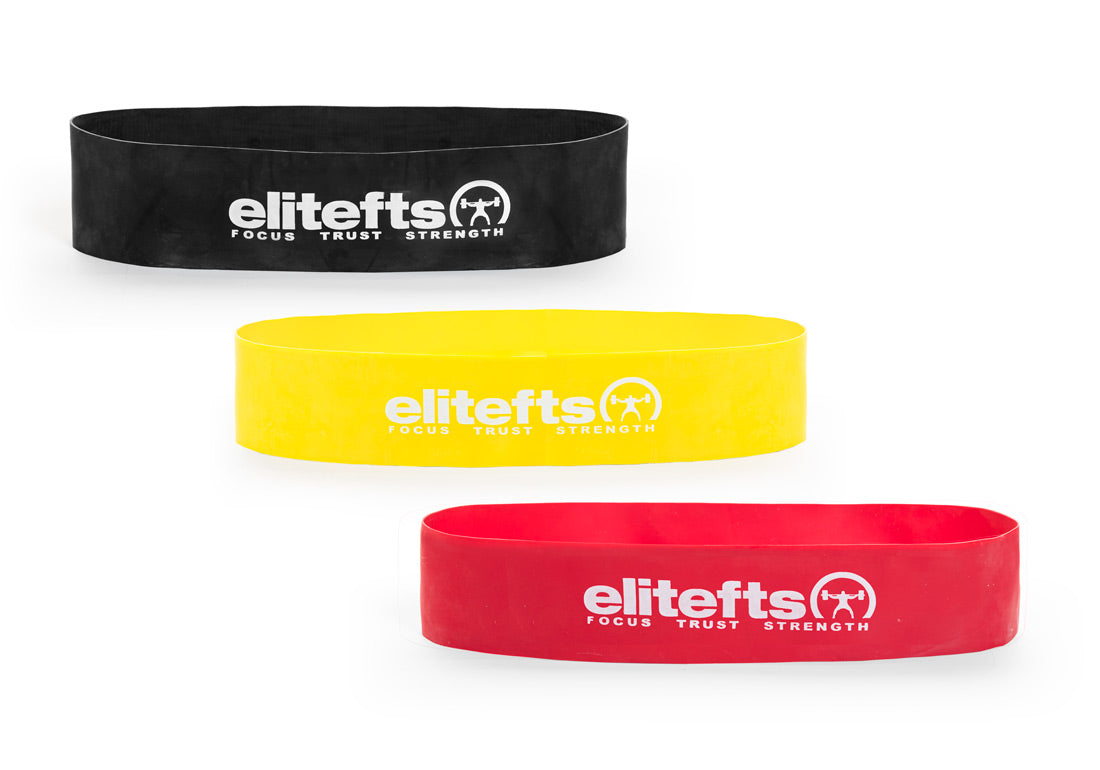
Shop now →Coaching Tools Resistance BandsVersatile options for warm-ups, accommodating resistance, mobility, accessory work, and rehab settings.
Shop now →Facility Build Home Gym & Training EssentialsRacks, bars, benches, sleds, and essentials for building a serious training environment.
Shop now →Coach the Person. Build the Standard.
Great coaching is people-driven and metrics-guided. Keep learning, keep listening, and keep delivering value before you try to prove your worth.
Read More Strength & Coaching Articles