

Dave Tate's Table Talk #455
Strength Without the Self-Destruction
Ollie Clarke built strength by pushing every lever he could find. The harder lesson was learning which levers were worth pulling.
TLTR
- Ollie Clarke went from an overweight child to an underfed teenager, then redirected that same obsession into powerlifting and strongman.
- At 18, he pushed above 300 pounds, ate toward 10,000 calories a day, gained roughly 40 to 50 pounds in two months, and says he suffered a small heart attack.
- A later back injury forced him to rebuild from the ground up. Technique, planned phases, body composition, and recovery became performance tools instead of afterthoughts.
- The long game is not softer training. It is hard training with enough control to stay available for the next session, the next contest, and the next decade.
There is a version of ambition that looks productive because the numbers keep moving. Bodyweight climbs. Gym lifts climb. The next contest gets circled. Food becomes another event to win. For Ollie Clarke, that approach worked right up until it did not.
On Table Talk episode 455, Clarke walks Dave Tate through a path that began with childhood bullying, swung through severe restriction, and then accelerated into strength sport. The same trait drove every phase: once he decided on a target, moderation stopped making sense.
Obsession Changes Clothes
Clarke first wanted to stop being the overweight kid. He lost nearly half his bodyweight and became, in his own description, a bag of bones. Even when he was visibly gaunt, he still believed he was fat. Adults intervened, but he learned how to game weigh-ins by drinking water before appointments.
When he was finally old enough to enter a gym, that fixation found a new job. He researched training and nutrition, tracked every macro, carried meals into school, and chased the routines he saw from bodybuilders and powerlifters. He planned to do a bodybuilding show, but powerlifting let him compete sooner. With only weeks to prepare, he learned the lifts from a coach, entered his first meet, and broke a British record.
By 15 or 16, he had moved from roughly 74 kilograms to 100 kilograms and competed at the World Drug-Free Powerlifting Championships. The lesson he absorbed was simple: more commitment produced more progress. The danger was assuming every problem could be solved with more.
When More Bodyweight Stopped Being Strength
Clarke wanted to become an open-weight World's Strongest Man. At 5-foot-9, that meant forcing his body toward a division built around much larger frames. He described eating clean food first and then filling the remaining target with whatever he could manage. Some days that meant eight bags of crisps. The finish line was 10,000 calories.
He pushed his bodyweight above 300 pounds. Before Junior UK's Strongest Man, he says he gained about 20 kilograms—roughly 40 to 50 pounds—in two months. He could barely walk without getting winded. Four weeks before the contest, at 18 years old and still drug-free, he says he had a small heart attack.
Then he competed anyway.
That is not a toughness prescription. It is the clearest warning in the episode. Rapid weight gain, extreme calorie targets, chest symptoms, and severe breathlessness are not programming variables to grind through. They require qualified medical care. A lifter cannot out-discipline a cardiovascular emergency.
Clarke is honest about the contradiction. He still believes gaining some body fat can help a young under-muscled athlete build size and strength. But the useful lesson is not “bulk harder.” It is to separate purposeful gain from reckless gain. A bodyweight target only earns its place if it improves the athlete's performance without destroying the athlete who has to produce it.
Technique Raises the Ceiling
Strongman rewards problem-solving. Clarke learned that brute strength can win an event, but technical efficiency keeps working when the implement gets heavier. Log press is his best example. A top athlete may muscle through a maximal attempt with ugly mechanics. That does not make the ugly rep the model.
Clarke's coaching priority is to identify the biggest technical return first, perfect it, and then refine smaller details. Better technique does two jobs at once: it reduces unnecessary injury exposure and raises the strength ceiling. The athlete can direct more of the available force into the implement instead of surviving a bad position.
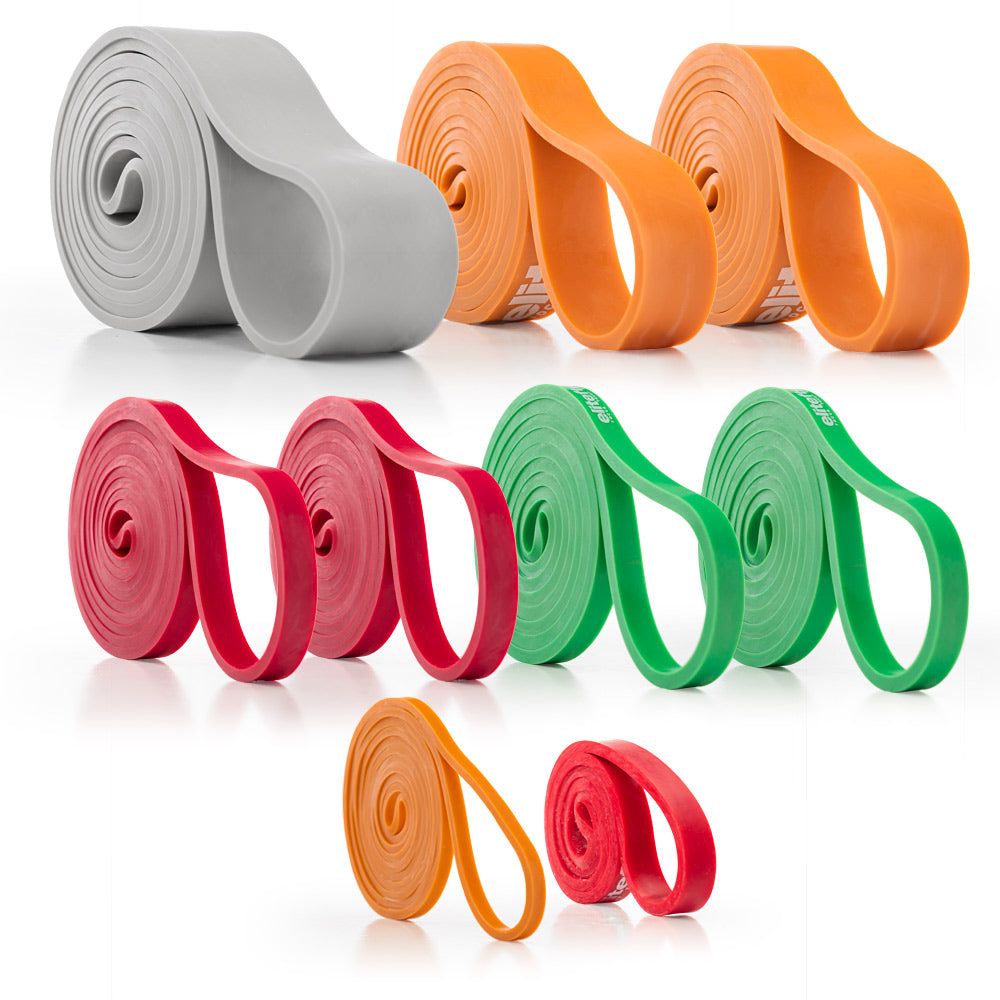
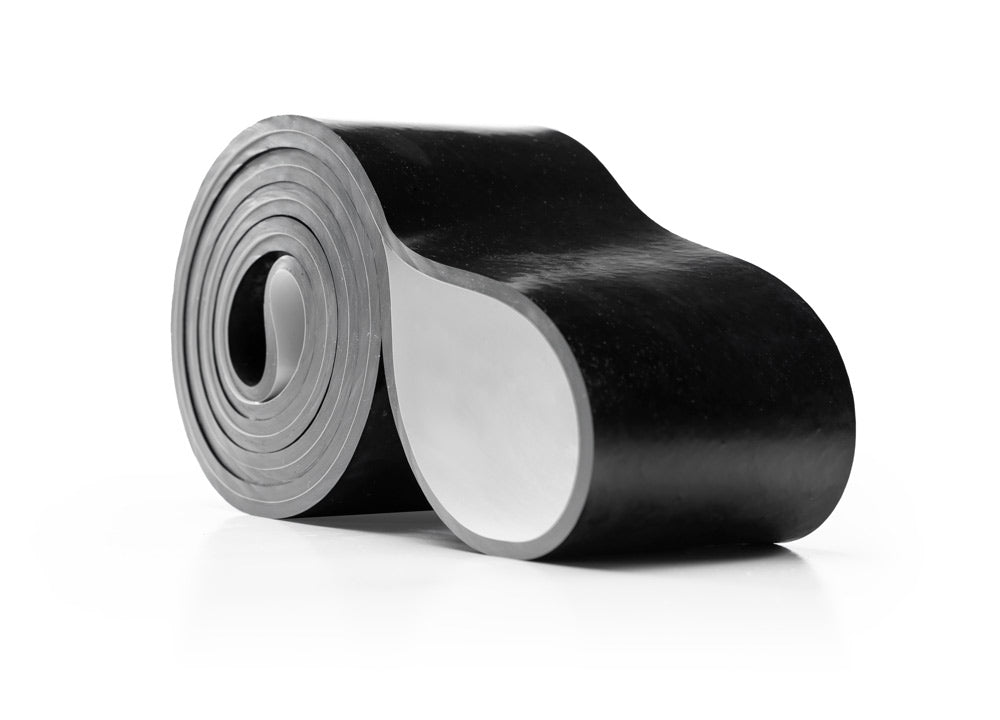
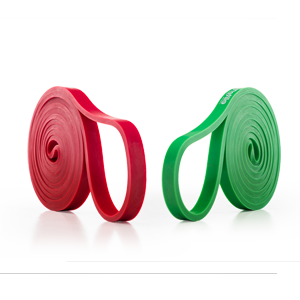
That approach applies beyond the contest lift. If you are building the general strength behind strongman, tools such as the elitefts Super Yoke and the elitefts Pro Strong Band should serve a defined adaptation. The implement is not the program. Pick the quality you need, dose it, and move on.
Build the Year, Not Just the Peak
Clarke now thinks in phases. Far from competition, he builds general strength and keeps event exposure low enough to maintain skill. Closer to the meet, specificity rises. The more advanced the athlete, the shorter that concentrated event peak may need to be. Experienced strongmen already know the implements. They do not need months of beating up the same biceps, back, and joints to prove it.
| Phase | Main job | Common mistake |
|---|---|---|
| Base | Build muscle, general strength, work capacity, and repeatable technique. | Turning every week into a contest simulation. |
| Build | Push the lifts and qualities most likely to move the total performance. | Adding complexity before the main technical problem is fixed. |
| Peak | Practice contest demands, reduce fatigue, and arrive ready. | Extending heavy event work until the athlete is hurt or flat. |
He also uses recovery days deliberately before the hardest event session. That is an advanced skill: regulation is part of the plan, not an apology after the plan fails.
The Injury That Forced a Reset
After winning and qualifying for a televised open-weight contest, Clarke hurt his back during block pulls. Imaging showed disc issues. He could no longer hide behind bodyweight or momentum. Rehab and a full diet became mandatory.
His definition of listening to the body is practical. Warm up. Use the activation work. Adjust the exercise. If the same problem keeps presenting and the top number only exists because it is printed on the program, stop trying to drive a square peg through a round hole. Give the issue days, a week, treatment, or a different progression as appropriate.
That does not mean treating every sensation like a catastrophe. Some lifters are too cautious, while others force the session no matter what. Good coaching moves the decision toward useful exposure. During his return, the back sometimes felt nervy, but it improved as he progressed the work. Later flare-ups became information rather than automatic disaster.
Choose the Class That Fits the Athlete
The reset also made an obvious fact impossible to ignore: an athlete who is 5-foot-9 does not need to keep trying to manufacture an open-weight frame. Clarke moved toward weight-class strongman. He qualified for the under-105 world championship, then eventually settled into the under-90 class and tied for first at his first European championship in that division.
He also described a cut from 103 kilograms to 89.9 kilograms in roughly a day. That is an extreme dehydration practice, not a template. Severe rapid cuts can be dangerous and should not be copied from a podcast. The better point is the one he reached later: body composition, nutrition phases, and competition strategy should reduce the amount of emergency work required at the scale.
For non-competitors, his nutrition model becomes simpler. Protein and fat remain relatively stable while carbohydrates move with training demand. For a client who has dieted hard and still needs more fat loss, he may use a short maintenance phase before another push. The exact intake is individual. The principle is to stop treating food as a daily character test and start matching it to the training phase.
Five questions before you push harder
- Is this bodyweight change improving the sport skill I actually compete in?
- Is the next technical fix worth more than another load jump?
- Am I building a base, building a lift, or peaking—and does today's work match that phase?
- Is pain changing with a controlled warm-up, or am I ignoring a signal to protect a number?
- Will this decision leave me more capable next month, or only more impressive today?
Watch Table Talk #455
Watch the full Ollie Clarke episode on elitefts YouTube.
The long game is still hard
Clarke's goal is to win World's Strongest Man under 90 kilograms. The difference now is that he does not need to win it next week. He wants to stay ready, hit the lifts that matter, coach better, and keep enough runway to take the opportunity when it is right.
That is not less ambition. It is ambition that finally learned how to survive itself.
This article summarizes Clarke's personal account in Table Talk #455 and is not medical or weight-cutting advice. Chest pain, severe breathlessness, or suspected cardiac symptoms require urgent professional evaluation.