
ELITEFTS / TRAINING & RECOVERY
Recovering From
a Bulging Disc
By Cain Morano, CSCS
Introduction
I am 51 years old and have a variety of experiences with injuries and training. If you look at my other articles on elitefts, you see I write for a specific age group. This article is for everyone with a low back injury. I want to tell my story of how I recovered from a bulging lumbar disc at L4-L5. My PT gave me some exercises that I was already familiar with because of former spine problems, but my recovery turned to self-designing my program based on results and experience while receiving guidance from the PT. This article highlights my findings.
Onset
In the summer of 2024, I started to develop nerve compression symptoms in my legs, but no back pain. I cannot pinpoint the exact cause of my injury, though. My strength, speed, and change-of-direction ability decreased significantly. My legs had a constant uncomfortable feeling. My pain was a 7 out of 10 at worst and a 3 on a good day. I got an MRI in January of 2025 and started rehabbing (with a PT) at the beginning of February. I was to act gently at first, to alleviate the pain and determine the triggers and relievers. I had to reduce sitting and increase decompression and extension exercises.
AGELESS WISDOM
If it hurts then stop doing it.
The exercise choices were focused on stability first, limited to spinal counter flexion, counter lateral flexion, counter rotation, and extension. My objectives were first to get pain free, then to move in more planes with light loading, and then finally to maintain my progress in a safe and performance friendly zone.
AGELESS WISDOM
Don’t wait to talk to a doctor.
Observations
I noticed that a lot of my mobility work was only moving things that were already moving unless I used more targeted and carefully executed (e.g., ELDOA lumbar decompression) exercises. This is not necessarily a bad thing, but I felt I might be putting more stress on structures that were already irritated. I could not tell from the sensation alone which tissues were being stressed. This became a concern with my use of an inversion table.
Inversion table hanging did not always agree with my symptoms, and I learned that feeling good during a session did not necessarily mean it was helping afterward. I found that a lower angle for a mild, slow decompression upon inversion would alleviate my pain and reduce the discomfort I felt upon standing. An aggressive angle seemed to aggravate my past conditions, so I backed off. It felt good when I was hanging nearly vertically, but when I finished, I had to raise myself up and then get on my feet slowly because the recompression was uncomfortable. That should have been a sign to change my protocol.
AGELESS WISDOM
There is a balance of ‘do the right things’ and ‘don’t do the wrong things’.
Time, consistency, and the right level of progression will produce the most effective outcomes. In the past, my surgeons and PTs were great, but my performance six months after surgery was due to the amount of attention I devoted to my recovery. I found the specific volume and frequency best for each situation. I found that low-volume (a few minutes at a time) and high-frequency (up to three times a day) sessions produced the greatest training effect for me.
AGELESS WISDOM
Recovery is related to the attention one devotes to recovering.
The Movement Patterns That Worked
Here I review the most effective and fun movement patterns I used to recover from a bulging disc. I addressed my problem from all movement planes with the idea that small, controlled movements, complemented by stability-building exercises, might be an effective strategy for me.
Sagittal Plane: Reverse Hyperextension and Supine Leg Raises
The goal was to articulate the vertebrae a tiny bit and strengthen the surrounding muscles. I found pairing reverse hypers and leg raises to be effective and enjoyable, and therefore something I was compliant with.
Reverse Hypers
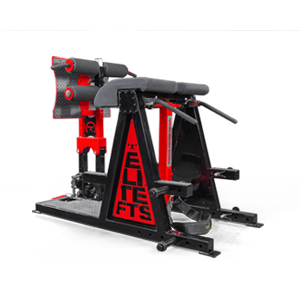
The reverse hyper machine has been a great addition to my recovery regimen. Before I bought one, I did some research. Much of the feedback I found in YouTube comments was positive about injury recovery using the reverse hyper. Those comments were personal accounts, not clinical evidence. I found some negative commentary, and some of it focused on the protocol used. Loading the swing arm beyond what one can control eccentrically, or just letting the swing arm move without control, can pull your lumbar spine into excessive flexion and may aggravate symptoms.
For my rehab, I began with an unweighted swing arm, working up to 50 pounds. I used a pause-and-squeeze at the top of each swing, with only minor lumbar extension. Then I lowered the swing in control as far as it took to flatten my lumbar spine, avoiding lumbar flexion. I later added single-leg variations of the reverse hyper, which introduce a tiny bit of rotation to the lumbar spine. I found immediate pain relief after using the reverse hyper for the first time!
AGELESS WISDOM
Injury is a matter of millimeters in dealing with joints, discs, ligaments, and nerves.
Supine Leg Raises
This is an antagonistic exercise to reverse hyperextensions. To perform these, I lay on my back with my hands tucked under my butt. I only raise my legs until I feel my back flatten against the floor, avoiding lumbar flexion. I hold my legs straight out and then either raise them both up together or alternating separately. The alternating variation creates a little bit of rotation in the pelvis and vertebrae. Pairing the leg raises and reverse hypers gave me a way to train both sides of my trunk with controlled raising and lowering, while staying within the range I could tolerate. Also, what I’ve noticed about direct ab work is it is necessary for me. I just don’t get enough directed effort using any other movements.
Transverse Plane: Banded Pallof Press and Prowler Carioca
The idea behind using these movements was to improve rotational stability with low-impact movements. Rotation was a movement pattern I treated cautiously during my recovery. For my clients and me, I found that transverse-plane training with counter-rotational movements was useful for stability and performance. In my own recovery, it also seemed to help with pain relief.
Banded Pallof Press
The banded Pallof press is a staple exercise I’ve been using for years to maintain counter-rotational stability. Key muscle groups strengthened are the transverse abdominis and obliques. Since this is a standing exercise, it also uses the glutes, hams, and spinal extensors to stabilize the body.
Prowler Carioca
I used an unweighted Prowler 2 from EliteFTS. I started doing the Prowler Carioca about a month into rehab, when I was able to move with less discomfort, and I could tell the exercises were working. My favorite movement is the lateral drag: doing the carioca with my feet while holding the leash in my lead hand, elbow bent, forearm in front of my chest. This builds rotational stability as well as counter-lateral flexion, so there is overlap with the frontal plane movements. With the Prowler, I gained the double benefit of stability training and endurance work. I started at 10 minutes and then got up to 20 minutes of an elevated heart rate at 120 to 140 bpm. Pushing the Prowler was off limits to prevent further spinal loading.
AGELESS WISDOM
Don’t do karaoke when you should do the carioca.
Frontal Plane: Loaded Carries
This is another training staple. I walk with a single kettlebell in the suitcase or rack position. I usually walk 70 yards per side per position for a total of 280 yards. About a month into rehabbing, I started with a 20-pounder. By August 2025, I was up to a 35-pounder. That’s a slow progression, but this is one movement that could really backfire because it can create stress and instability in all planes.
Conventional PT Movements and Mobility
I also used old favorites, like bird dogs, side planks, modified cobra-to-child’s-pose, hip stretches, and supine bridging/extension exercises. I did circuits with 10–20 reps per movement for two or three rounds. Last but not least, I did the mobility work.
Programming and Progress
I did rehab exercises on most days a few times a day. These were all low-volume, low-intensity sessions to begin with. I would do one or two bodyweight exercises per session in the beginning. As the discomfort in my legs wore off, I added new movements and little loads. I found that this frequency and volume worked well, especially when coupled with taking breaks from the desk job to move around. By September 2025, I was doing 70-pound KB single-arm RDLs. It was painful to lift any weight when this started, so I think this is great progress.
Maintenance
By May 2026, I could perform manual labor, like drywall installation, without any soreness or discomfort beyond the normal amount due to the ‘out-of-warranty human’ condition. That’s over a year to get back to moving somewhat normally and with the least discomfort. I have not attempted to lift anything more than 150 pounds, which is my current limit for staying free of the symptoms I associate with compression. Otherwise, I get these weird feelings in my gut, my legs, and my feet. I just don’t lift heavy if I don’t need to, and I still maintain my athleticism, endurance, and strength at a satisfactory level. I mean, this is better than pushing and hurting myself more and not being able to do anything at all forever.
AGELESS WISDOM
Just because you can, doesn’t mean you should.
Conclusion
Injuries require consistent attention over a long period of time, where you should do the things that make it better and avoid things that make it worse. For spinal injuries, I found creating stability and strengthening gradually worked best. I found the intersection of ‘movements that worked’ and ‘movements I liked, then built around those. For prevention, I have increased endurance, mobility, and baseline calisthenics volume. This is the high-leverage, low-effort check. I highly recommend building those basics underneath any other training you pursue, adapted to what you can tolerate and what your clinician recommends.
EDITOR’S EQUIPMENT PICKS
Tools mentioned in the training
These elitefts options relate to movements in Cain’s story. Match resistance and exercise selection to your own plan with your clinician; the product descriptions below do not establish that a tool treats a disc injury.
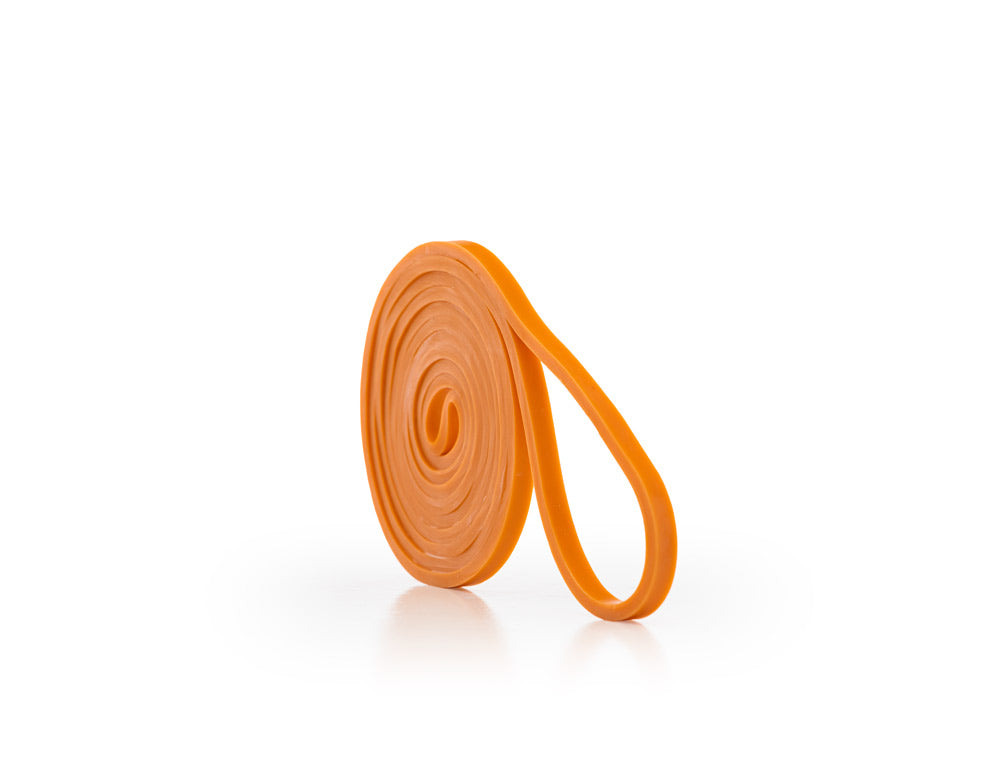
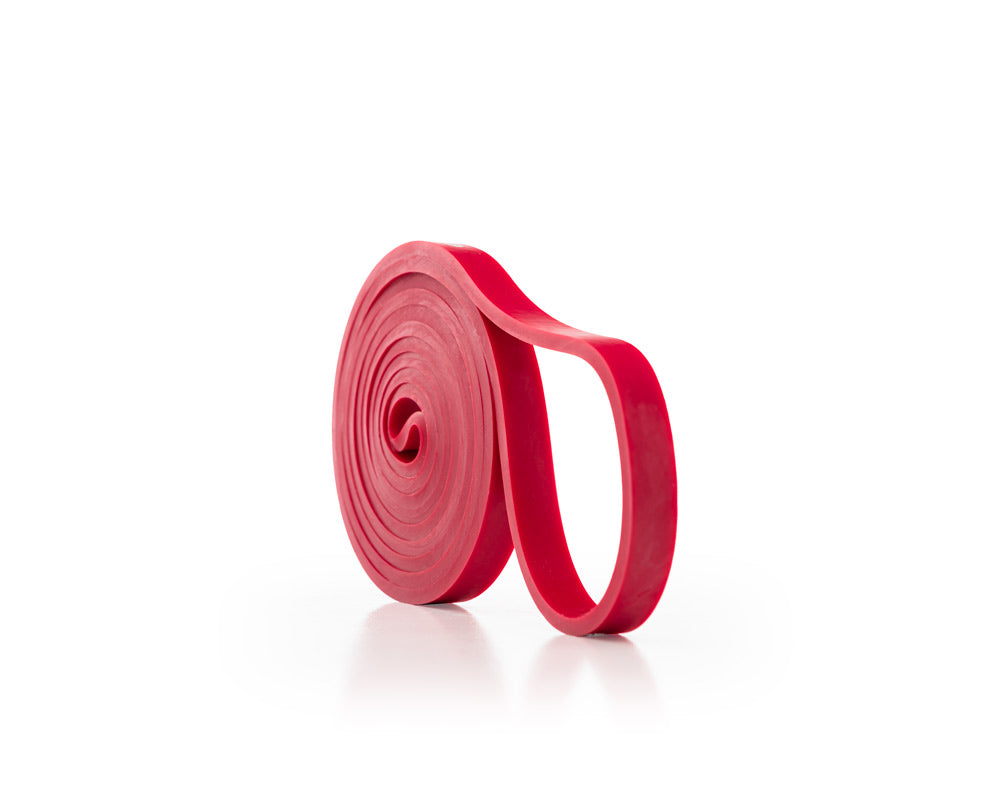
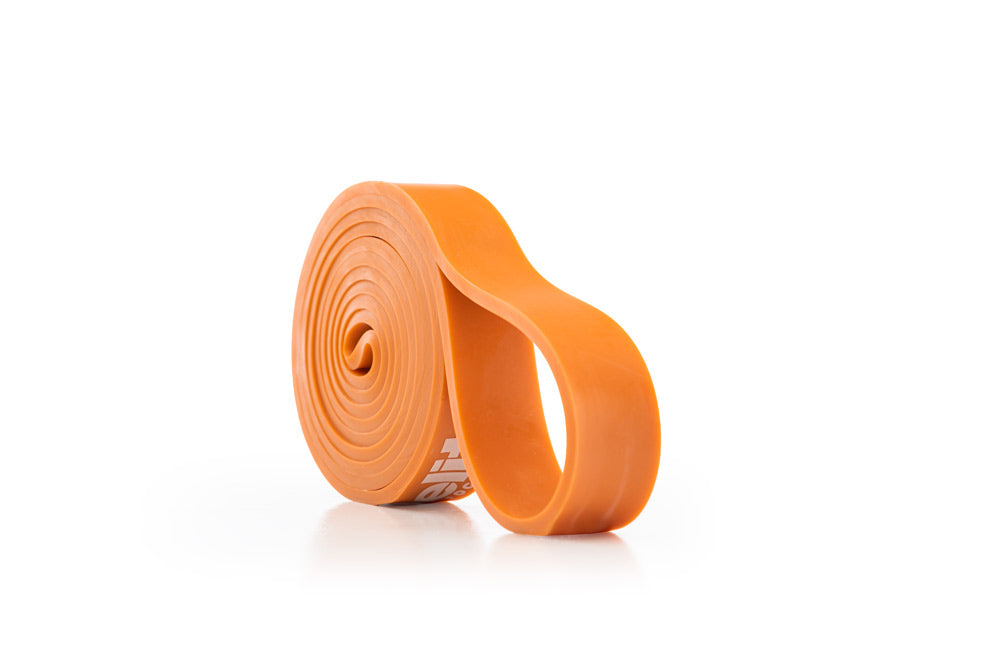
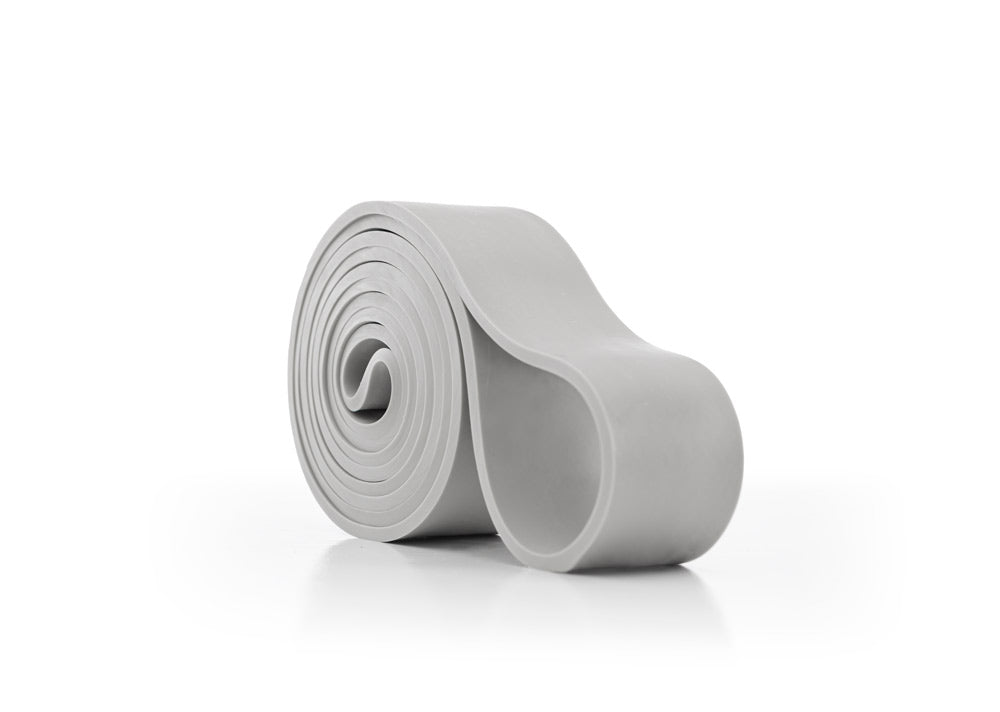
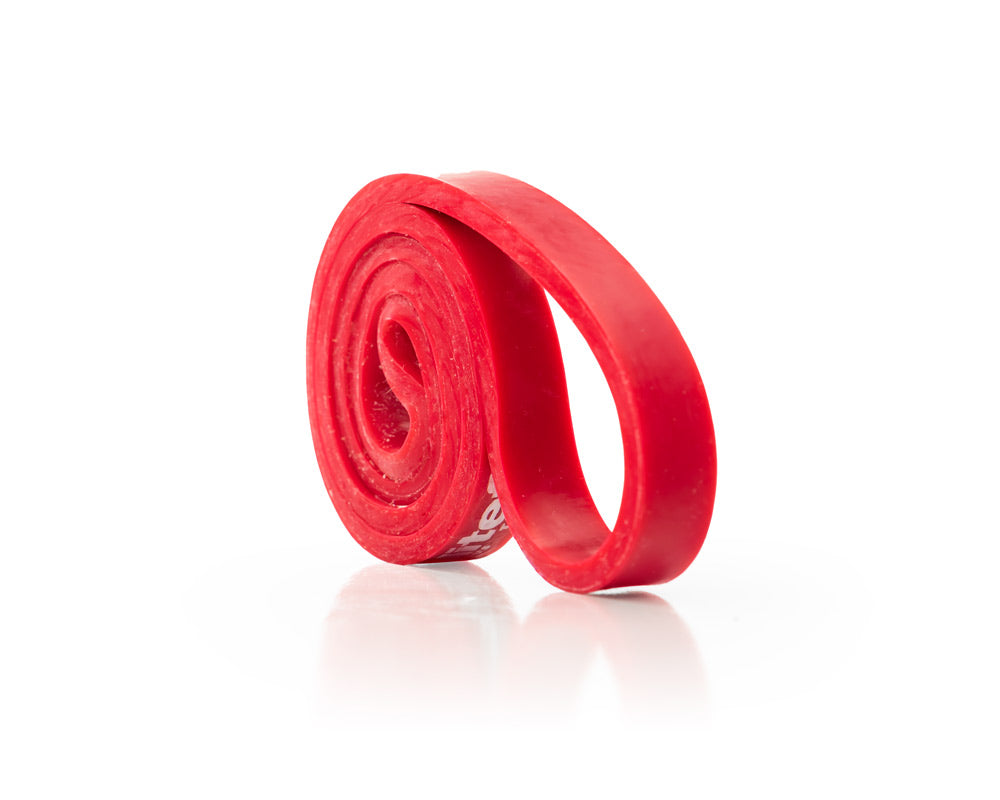
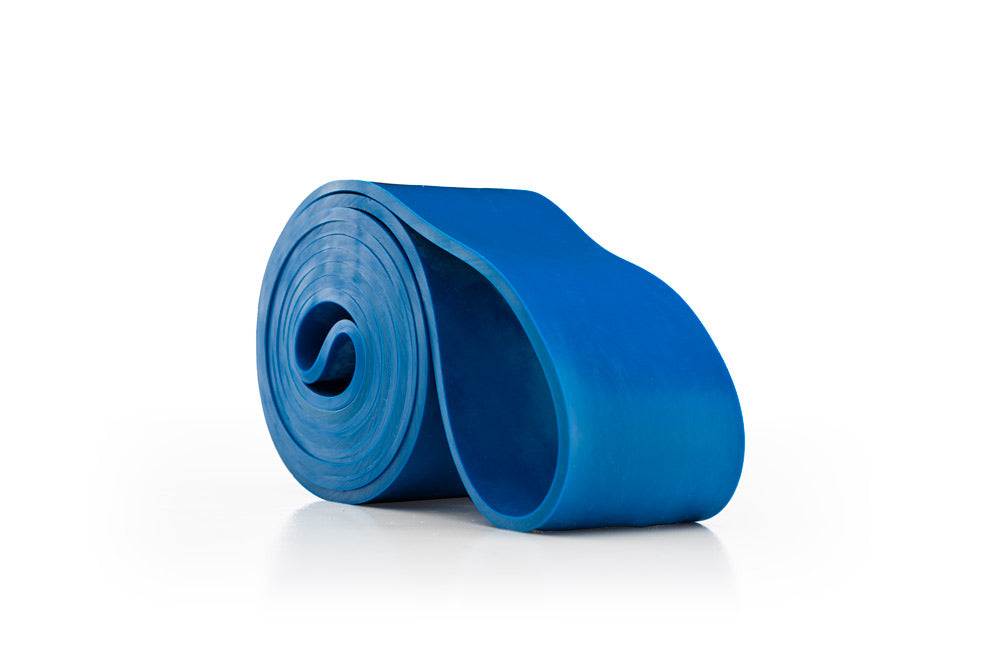
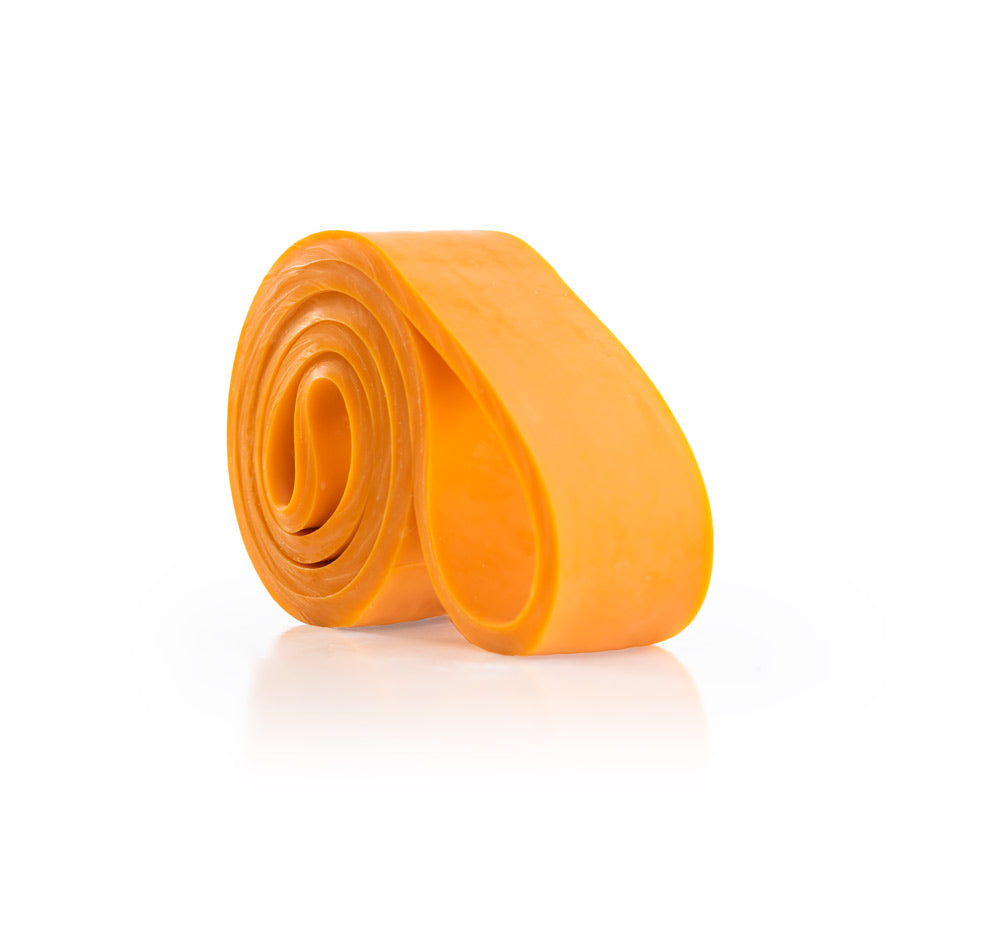
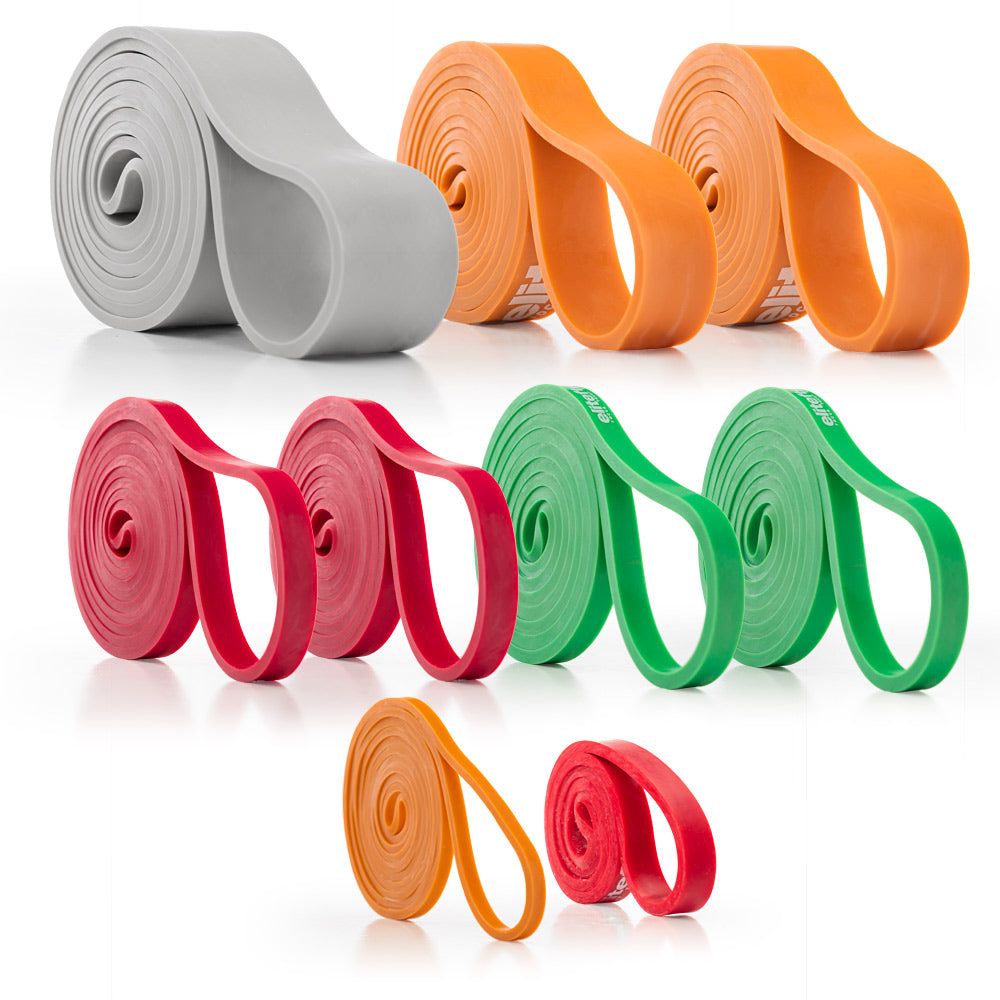
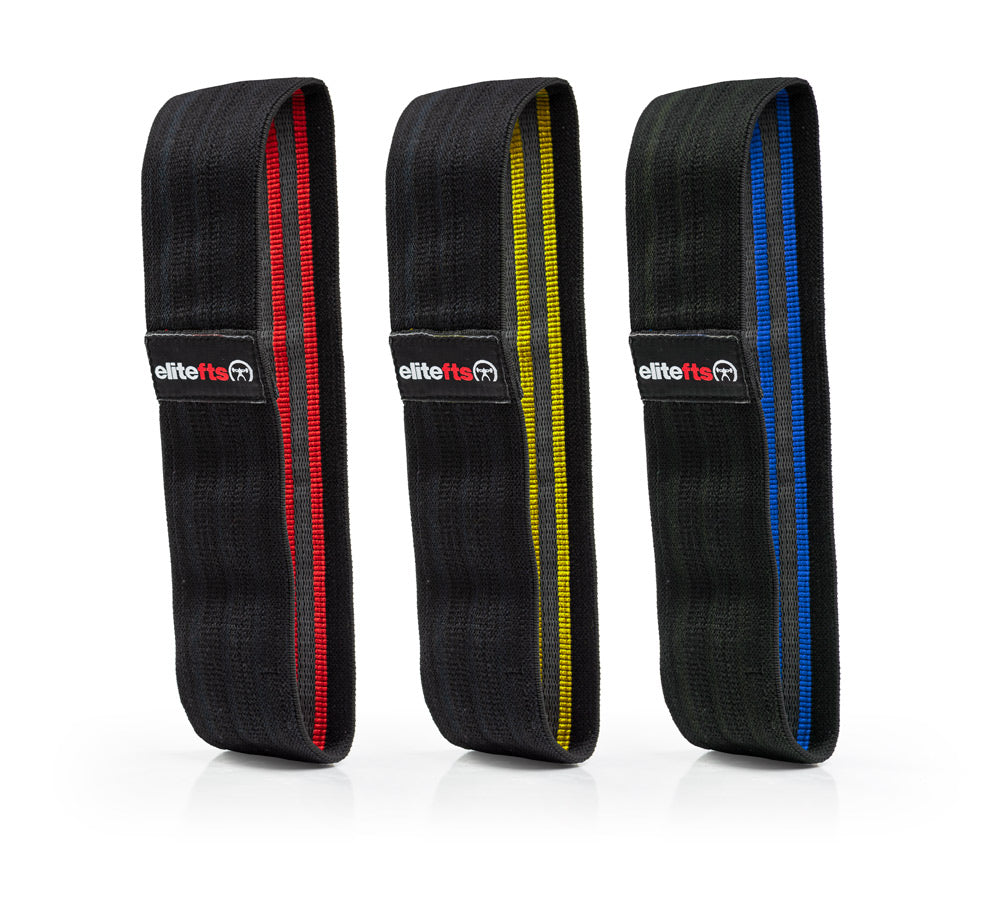
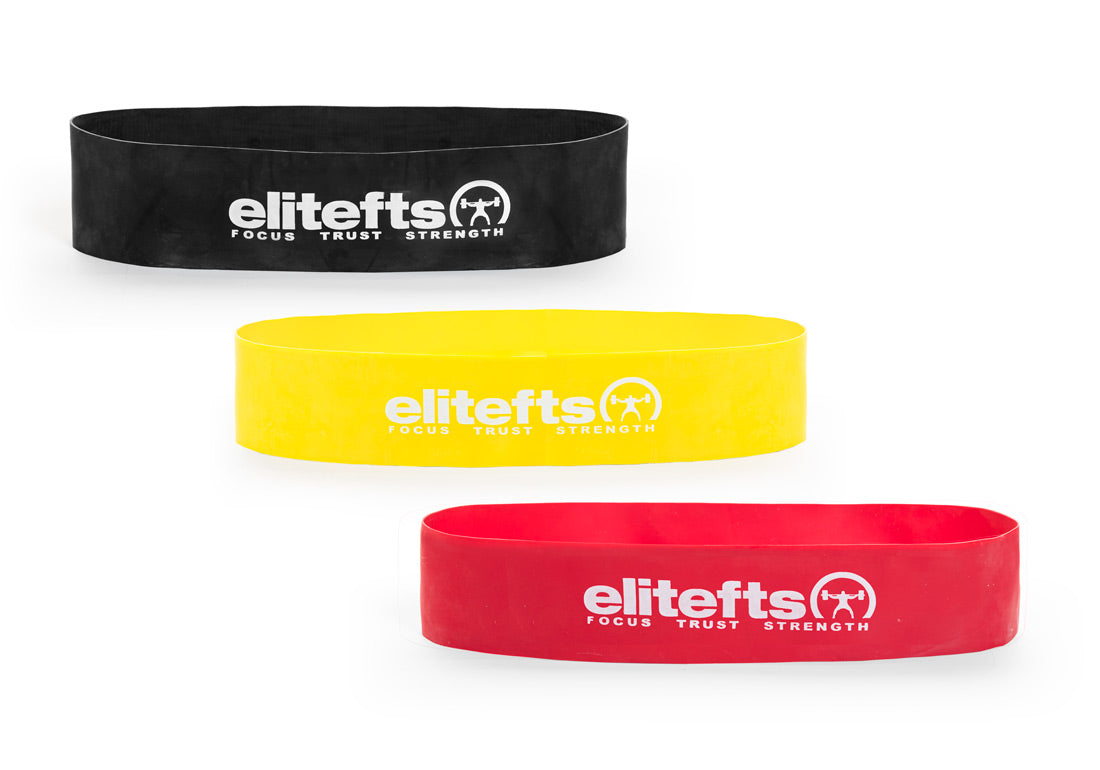
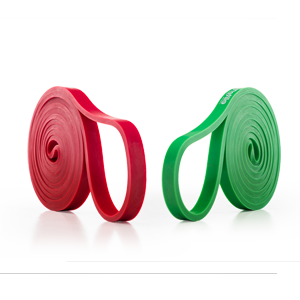
elitefts Pro Mini Resistance Band
For banded Pallof press setups. Choose tension you can control; band resistance changes with stretch.
Prowler® 2
The sled Cain used for lateral dragging. “Unweighted” means no added plates; the sled still has its own mass, and surface friction changes the effort.
VTX Cast Iron Kettlebells
For suitcase carries, rack carries, and other kettlebell work described in the article. Cain’s weights are milestones from his recovery, not starting-load targets.
ABOUT THE AUTHOR
About The Author
Cain Morano lives in Naples, Florida. He works in information security, while training in kettlebells and martial arts on the side. His background includes barbell and sport-specific training for Olympic lifting, skiing, and martial arts. He has worked at a large commercial gym, training older clients, teaching injury prevention and performance improvement using plyometric-based movements, kettlebells, and groundwork. Cain notes that his original manuscript was written and edited without AI.