

Training • Mindset • Programming
Start Strong, Stay Strong
Your problem probably isn’t effort. Its direction.
Strength training often splits into two camps: lifters who obsess over programming and those who chase the perfect mindset. The truth is, neither stands well on its own.
Structure without intent becomes robotic. Mindset without structure becomes a useless effort. That’s a system issue. The strongest athletes I’ve worked with—and observed—operate at the intersection of both. This is where performance lives.
Most lifters don’t have a programming problem. They have a focus problem. They bounce from template to template, what I call programming promiscuity, chase whatever variation is trending, and wonder why nothing sticks.
What fixes it is simple, but not easy:
Structure your training. Then bring intent to every rep.
The Framework: Organizing Strength with Purpose
The “Big Rocks” always matter. You can dress it up however you want—bands, chains, specialty bars—but the foundation hasn’t changed.
That message comes straight from the Dan John Bible of training. A well-built training plan doesn’t need to be complicated, but it does need to be intentional.
3-Day Full Body Beginner Program
| Movement | Monday | Wednesday | Friday |
|---|---|---|---|
| Squat | Back Squat | Front Squat | Bulgarian Split Squat |
| Hinge | Romanian Deadlift | Trap Bar Deadlift | Back Extension |
| Push | Bench Press | Military Press | Incline DB Press |
| Pull | Bench Pull | Chins/Pulldowns | Incline DB Row |
Progression: Week 1: 3x10 • Week 2: 4x8 • Week 3: 4x6
4-Day Upper/Lower Intermediate Program
| Day | Exercises |
|---|---|
| Monday | Front Squat, Trap Bar Deadlift, Bulgarian Split Squat, Farmer’s Walk |
| Tuesday | Bench Press, Row, Military Press, Chins/Pulldown |
| Thursday | Back Squat, Romanian Deadlift, Lunge, Prowler Push |
| Friday | Incline Bench, Seated Row, DB Shoulder Press, Shrugs |
Progression: Week 1: 10/8/6/6 • Week 2: 4x6 • Week 3: 8/6/4/4
Each day has a clear objective. Not just “train hard,” but train with direction. This approach allows for high-quality focus on key lifts, logical distribution of fatigue, and built-in variation through exercise selection over time.
Core Accessory Rehab Exercise programming fills the gaps and ensures the smaller muscles are respected as foundations for the compound movements in the main program. If you’re unfamiliar with CARE, read The CARE Programming System: Versatility in Performance.
Warm-Ups Aren’t Optional
If you’re walking into the gym, throwing a plate on the bar, and “working up,” you’re already behind. A real warm-up does three things:
- Opens up what’s tight.
- Turns on what’s asleep.
- Rehearse what you’re about to do.
The RAMP warm-up protocol developed by Dr. Ian Jeffreys is an excellent way to optimize this phase of the workout: Raise body temperature and heart rate, activate targeted muscles, mobilize specific movement patterns, and potentiate the nervous system.
Bodyweight circuits, kettlebells, empty bar complexes, dynamic movements, and bands all work. What matters is that you show up ready—not halfway through your first work set.
Train Like It Matters
Here’s where most people lose it. They go through the motions. They hit their numbers, rack the bar, check their phone, and move on. There’s no switch. No intent. No edge.
That’s why two lifters can run the same program and get completely different results. One is lifting weights. The other is training.
The Missing Piece: The Zen of the Lift
You can have the perfect plan on paper, but when you step to the bar, none of it matters if your mind isn’t where it needs to be. Think of lifting like a martial art:
- Practice (kata): your repetition, drills, and technique work.
- Execution (randori): the moment the weight tests you.
In that moment, there is only one requirement: be present. No previous misses. No future attempts. Just this lift. Respect the rep. It is the building block of each set and each program.
Respect the Bar
Experienced lifters don’t rush. They don’t approach the weight casually. There’s a ritual—sometimes subtle, sometimes obvious. This isn’t superstition. It’s preparation.
In martial arts, you bow before engagement. In lifting, your setup, breath, and focus are your version of that respect. The bar doesn’t care how strong you think you are.
Learn to Fail Correctly
One of the most overlooked skills in lifting is missing lifts safely. Just as a martial artist learns how to fall, a lifter must learn how to bail:
- Dumping a snatch.
- Dropping under a missed clean.
- Escaping a failed squat.
Done right, it keeps you training. Done wrong, it ends your progress.
The Core: Your Center of Power
Every strong movement originates from the center. Call it the core. Call it the Hara (腹). It doesn’t matter. What matters is this:
- If your center is weak, your force leaks.
- If your center is strong, everything improves.
Heavy carries, rollouts, rotational work, and bracing under load all reinforce this. Not for aesthetics—for performance.
Breath, Tension, and Intent
At the point of maximum effort, something instinctive happens: a sharp exhale, a burst of effort. This is your kiai (気合)—your expression of force.
Breathing is tied directly to bracing, timing, and power output. Bad breathing equals loose position and lost power. Good breathing equals tension, timing, and force.
Advanced Athlete Preparation Program
| Monday | Tuesday | Thursday |
|---|---|---|
| 1a: Heavy Prowler Push | 1a: Swiss Bar Push Press | 1a: Clean Pulls |
| 1b: Repeat Hurdle Jumps | 1b: Chin Ups, Neutral Grip | 1b: First Step Prowler Drive |
| 1c: Banded Front Squat 3-week loading cycle: Wk1: Speed Strength >1.0 m/s Wk2: Strength Speed >0.8 m/s Wk3: Accelerative Strength >0.6 m/s |
1c: Band-Resisted 5–10 Meter Sprint | 1d: Repeat Broad Jumps |
| 1d: Depth Jumps | 2a: Swiss Bar Bench Press | 2a: Iso Split Squat |
| 2a: Bulgarian Sprinter’s Squat | 2b: Bench Pull | 2b: Flywheel Split Squat |
| 2b: Borzov Hops | 3a: Incline DB Bench Press, Triple Drop Option | 3a: Single-Arm Rotational Landmine Hang Power Clean to Press |
| 2c: Reverse Lunge into Hop | 3b: Incline DB Row, 2-Up/1-Down Option | 3b: Rotational Bounds |
| 2d: Banded Good Morning in Split Stance | 3c: Gi Rotational Pulldown | |
| 3d: Standing Rotational Medicine Ball Throw to Wall | ||
| 4a: Hanging Leg Raise | 4a: Weighted Plank | 4a: Reverse Hypers |
| 4b: Single-Leg Back Extension | 4b: Banded Face Pulls + External Rotation | 4b: Banded Neck Series |
| 4c: Iso Neck Plank Series | 4c: Lateral Plank + Plate Push | 4c: Rollouts |
| 4d: Harop Curls | 4d: Copenhagen Planks | 4d: Side Plank + Thigh Abduction |
| 4e: Russian Twist | 4e: Chinese Back Plank | 4e: Banded Janda Sit-Ups |
|
Sets & Reps: 1’s: 4 sets 2’s: 4 sets 3’s: 3 sets 4’s: 2 sets |
Sets & Reps: 1’s: 5 sets 2’s: 4 sets 3’s: 3 sets 4’s: 2 sets |
Sets & Reps: 1’s: 4 sets 2’s: 3 sets 3’s: 3 sets 4’s: 2 sets |
Build the System: Suggested Elitefts Tools
Use the right tool for the right training job. These suggestions support the movement patterns and training methods discussed above.
SS Yoke Bar
Shoulder-friendly squatting, good morning variations, and lower-body strength work when the straight bar beats you up.
Shop SS Yoke BarRackable Trap Bar
A strong choice for trap bar deadlifts, carries, shrugs, rack pulls, and lower-back-friendly pulling.
Shop Trap BarProwler® 2
For loaded pushes, first-step drives, conditioning, and brutal intent work that leaves no place to hide.
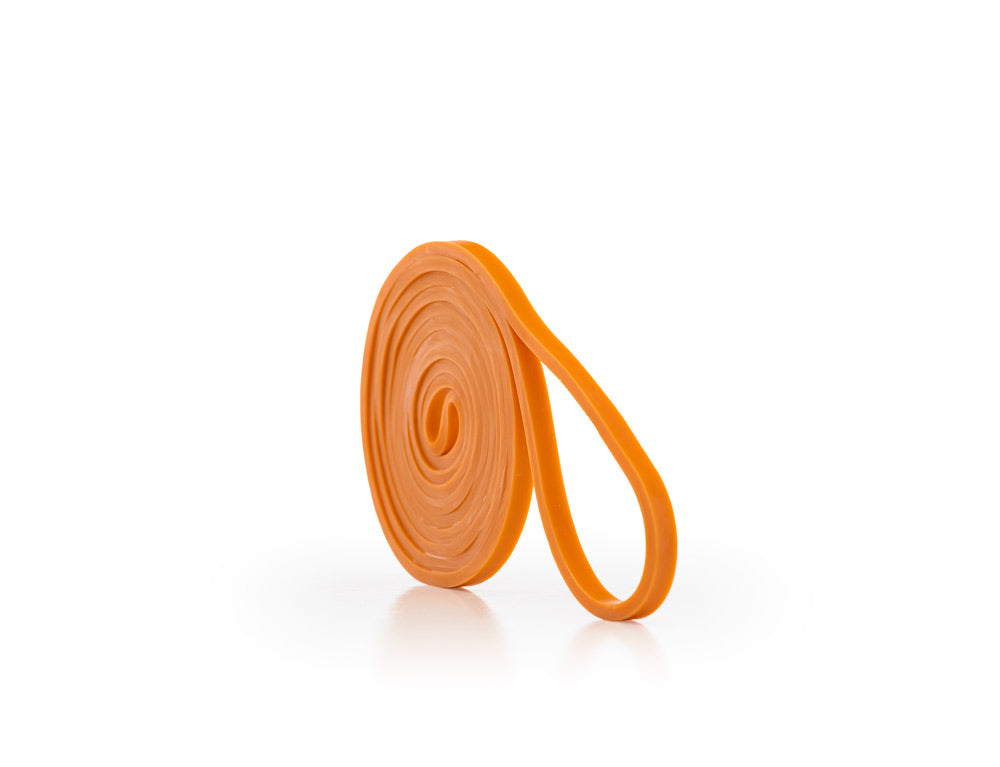
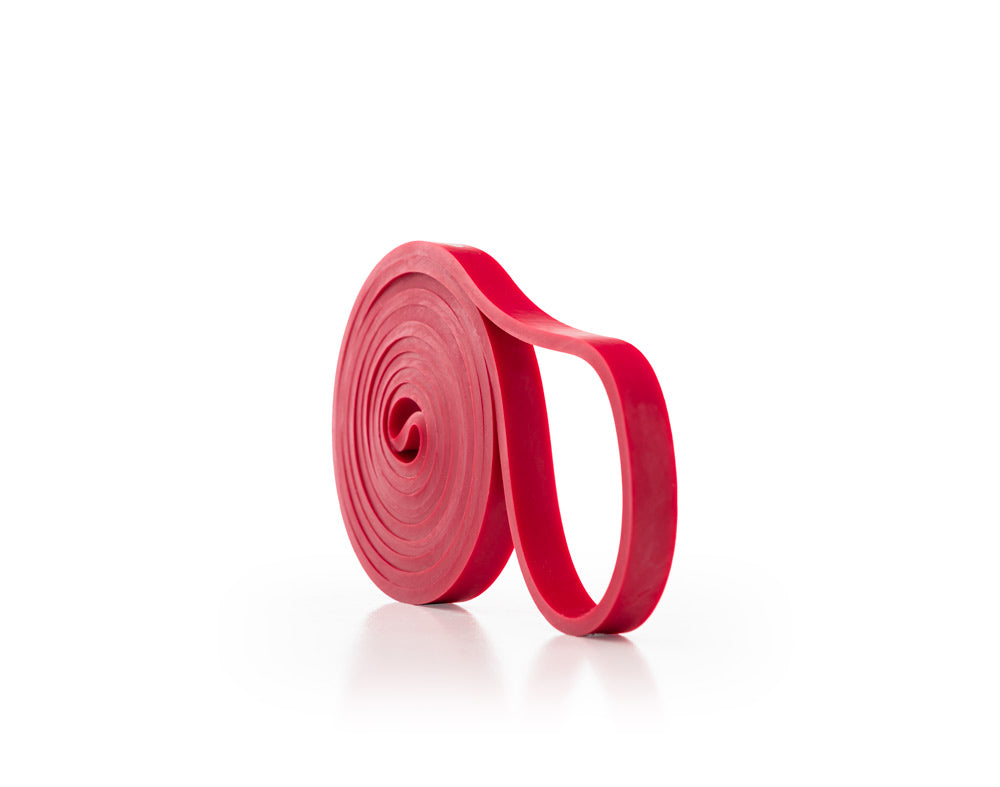
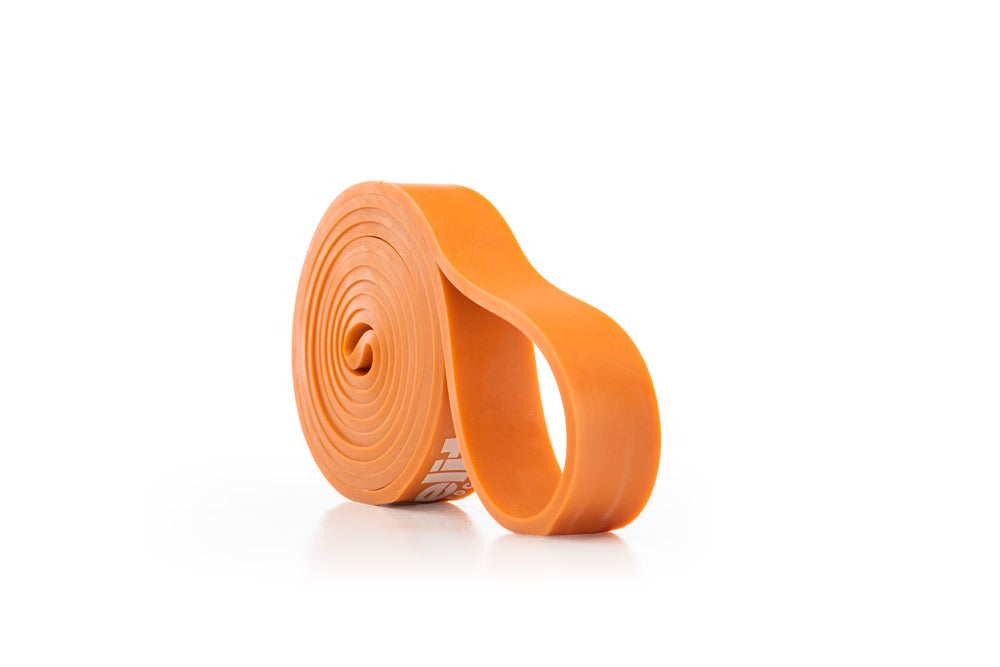
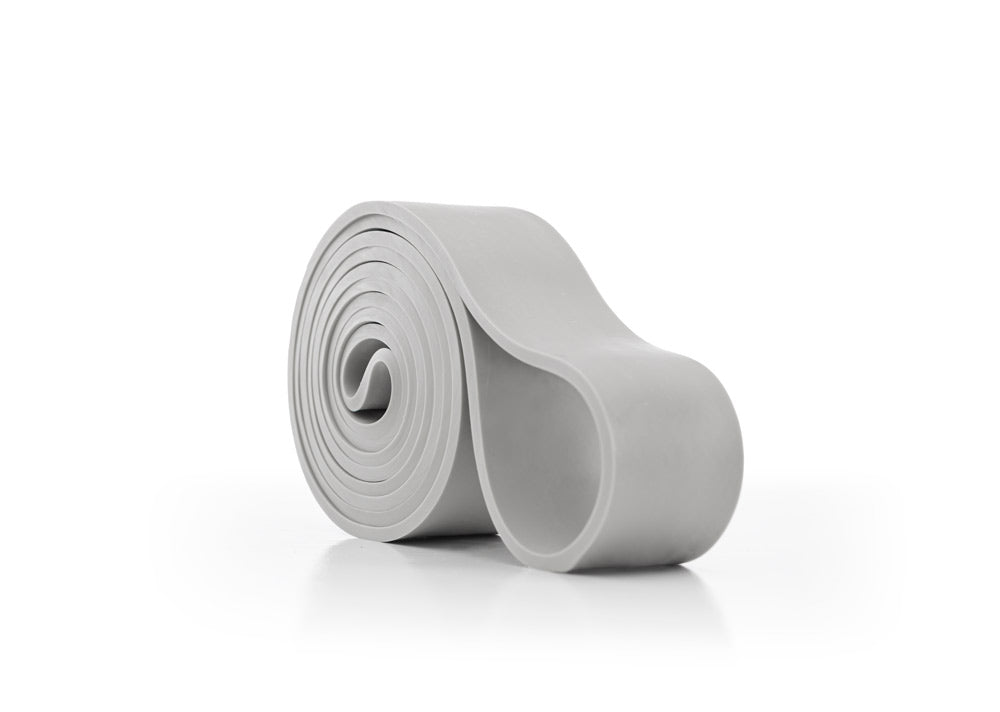
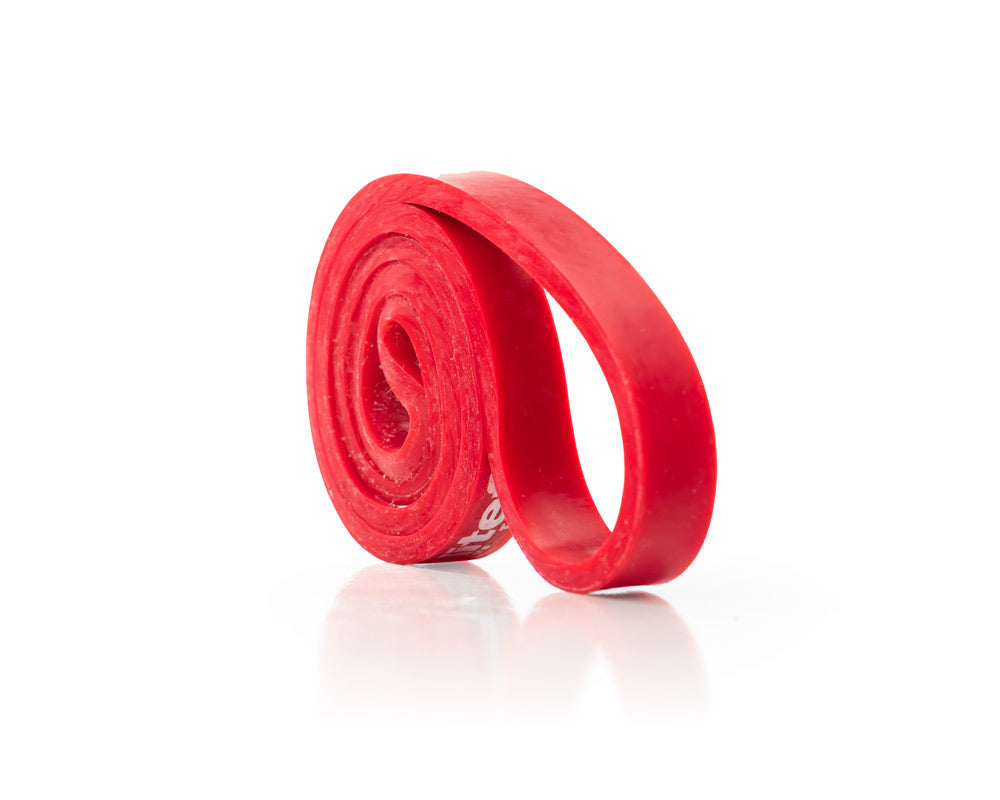
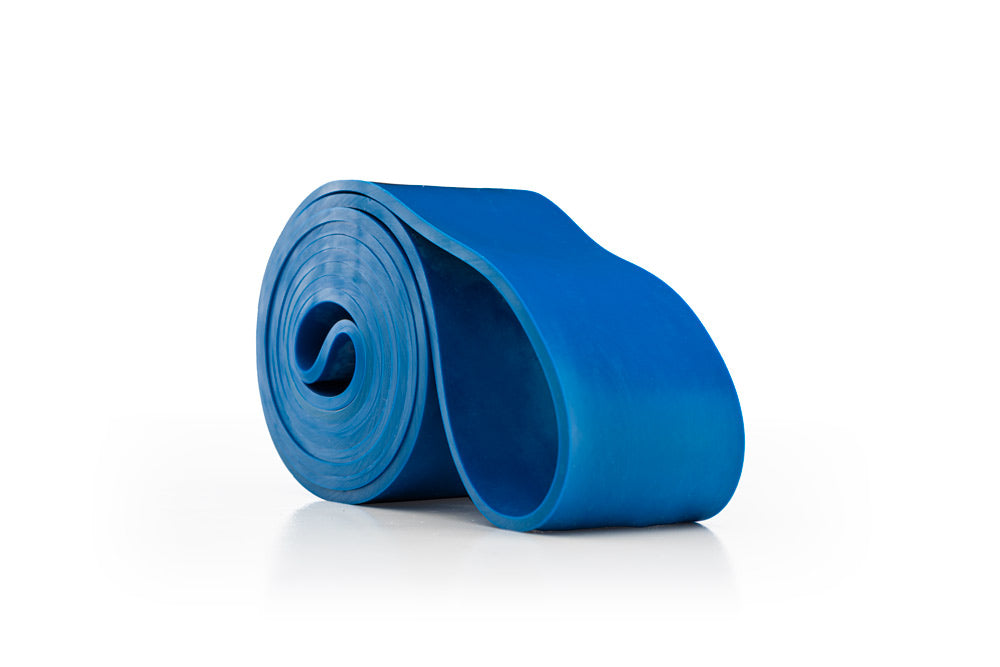
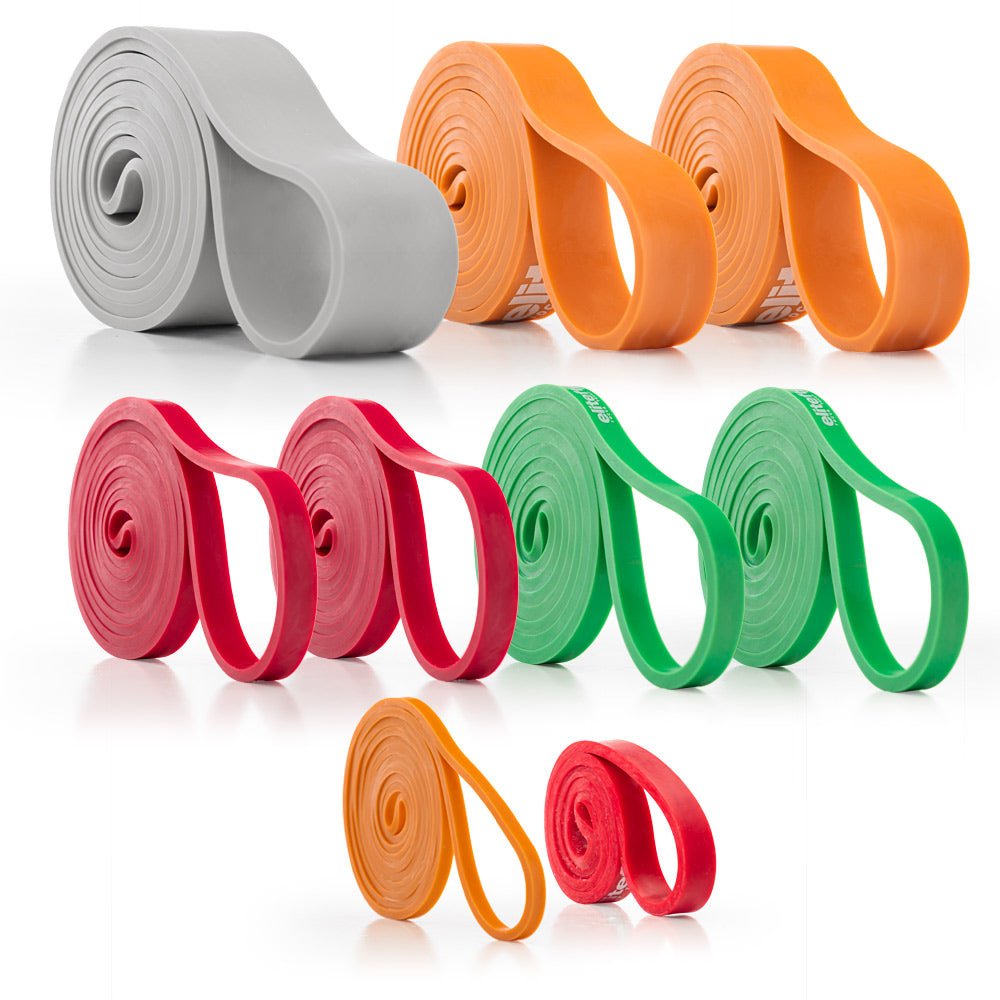
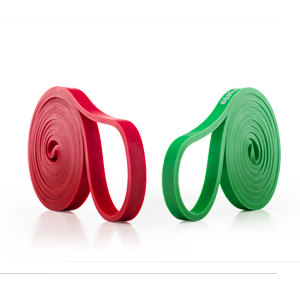
Shop ProwlerPro Resistance Band Pack
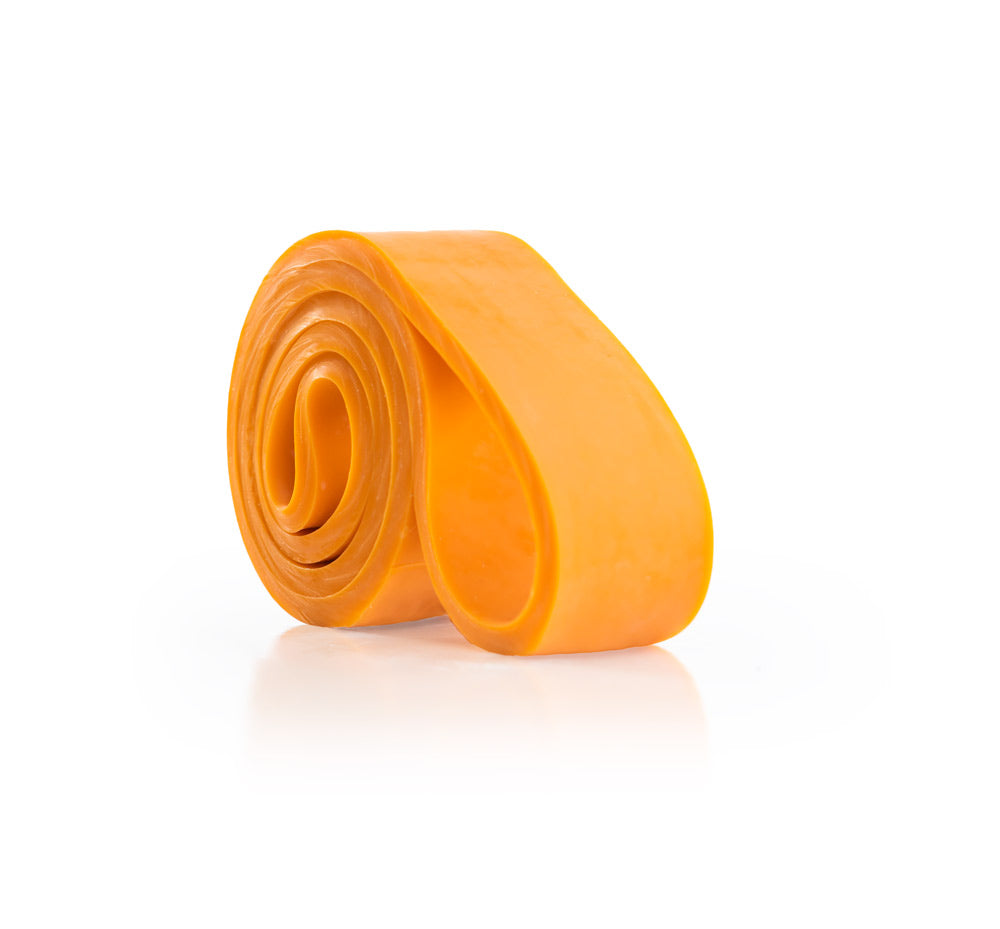
Useful for warm-ups, CARE work, dynamic effort, mobility, assisted training, and band-resisted lifts.
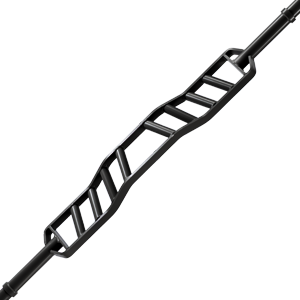
Shop BandsAmerican Thin Press Angled Grip Bar
A Swiss-style pressing option for shoulder-friendly benches, overhead pressing, and triceps work.
Shop Press BarBands Collection
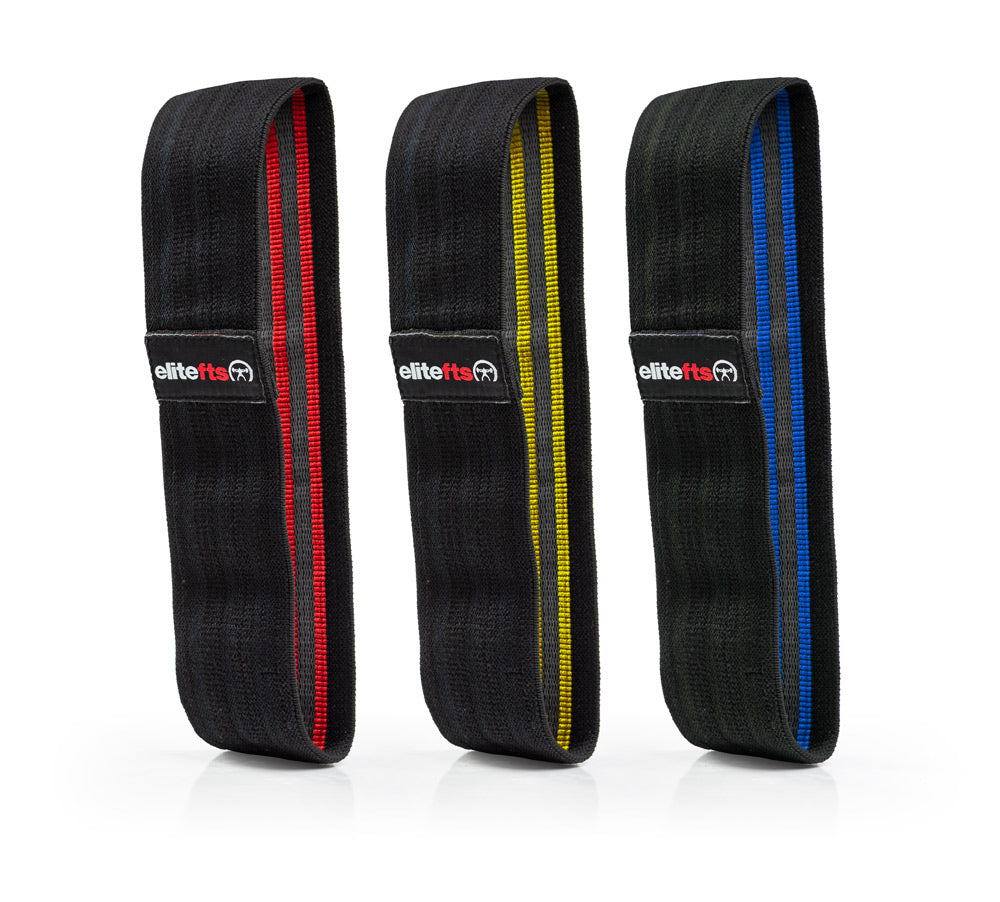
Browse mobility, rehab, strength, and accommodating-resistance options to match your training phase.
Shop BandsFinal Thought
You don’t need a revolutionary program. You need a system that makes sense, the mentality to excel at the basics, an honest look at your weaknesses, the discipline to address them, and the focus to execute when it counts.
- A system that makes sense.
- The mentality of being best at the basics.
- An honest look at your weaknesses: “Strength training is the overcoming of weaknesses.” — Louie Simmons
- The discipline to attack them.
- The focus is on executing when it counts.
- Consistent training with intent over time.
Stop chasing perfect. Start training like it matters. At the end of the day, strength isn’t built on paper. It’s built under the bar.