


Peri-Workout Nutrition
Stop Eating the Same Way for Every Workout
A static approach to a dynamic training week leaves performance on the table. The fix is not more noise, more supplements, or a magic shake. The fix is matching your fuel to the job.
The Problem: Static Eating for Dynamic Training
Most lifters treat nutrition like a template they are afraid to touch. Same meal. Same shake. Same timing. Same supplements. It does not matter if the session is max-effort lower, high-volume back, speed work, or a bodybuilding pump day—the plan never changes.
That is the mistake.
Peri-workout nutrition—the food, fluids, and supplements used before, during, and after training—should support the specific demand of the session. A heavy power day and a high-volume hypertrophy day do not ask the same thing from your body. They should not get the same fuel.
The fitness industry has created so much conflicting information around peri-workout nutrition that many lifters end up doing nothing at all. They train underfed, dehydrated, or guessing their way through the session because they do not know where to start.
A baseline plan matters. From there, you adjust the dials based on the session, the goal, and your actual performance.
What Goes Wrong When You Miss
The fastest way to lose output is dehydration. By the time you are thirsty mid-session, performance has already started to slide. Hydration is not just water, either. Electrolytes help support fluid balance and muscle function, especially during long, hot, or high-sweat sessions.
Carbohydrates are another lever. They can help preserve training output, but timing and dose matter. Too much, too close to a neurologically demanding session can leave some lifters flat. Too much fast sugar mid-session can also backfire for lifters who are prone to blood sugar swings.
When muscular glycogen drops, the muscle can feel flat. Leverage, stability, and power output can all suffer. The goal is not to fear carbs. The goal is to put them where they help the most.
Blood sugar also influences arousal. For maximal power, many lifters need to feel alert, aggressive, and neurologically ready. A massive carb-heavy meal immediately before training can push some athletes in the opposite direction: sluggish, sleepy, and flat.
The other side of the issue happens during training. If a lifter takes in a huge hit of fast carbohydrate mid-session and is sensitive to blood sugar swings, the combination of activity plus insulin response can leave them feeling like they crashed instead of being fueled.
Related reading: browse more elitefts nutrition articles for additional coaching context.
The Three Windows
Before
Pre-Workout: Prime the System
Hydrate early. Add electrolytes before the session instead of trying to fix the problem after you are already dragging. Bring in carbohydrates when the session demands volume, but do not bury a power session under a giant meal.
- Water plus electrolytes
- Fruit or modest carbohydrates when volume demands it
- Cognitive support for technical or max-effort work
During
Intra-Workout: Sustain Output
The intra-workout goal is steady performance—not a sugar bomb followed by a crash. Match the drink to the workout length, sweat rate, and volume demand.
- Electrolytes for longer sessions
- Carbohydrates, when volume is high
- Creatine and essential amino acids when they fit your plan
After
Post-Workout: Downshift and Recover
If you fueled the session well, the post-workout window becomes less frantic. The priority is recovery, relaxation, and preparing for the next training day.
- Protein and a real meal
- Carbs are higher after power sessions if you need to downshift
- Magnesium or glycine, when sleep support is the goal
Pre-Workout: Hydration, Liver Glycogen, and Cognitive Drive
Before training, you are setting the tone. You want to walk into the gym hydrated, alert, and fueled enough for the work ahead without burying your nervous system under a massive meal.
Start by getting electrolytes in before the workout begins. That gives your body time to absorb them and helps you step into the session hydrated instead of chasing hydration after performance has already dropped.
Once hydration is covered, think about glycogen. You want circulating fuel available so you don't drain muscular glycogen too early. Fruit can be useful here because fructose preferentially supports liver glycogen. In this context, that can be a benefit because the body prioritizes the liver.
For highly technical or max-effort sessions, cognitive demand is a separate issue. Choline sources such as Alpha GPC, citicoline, or CDP choline may support acetylcholine production, which is involved in motor learning and neuromuscular performance. Some lifters also use caffeine or ketones before power-based sessions, but the key is the same: support output without creating a crash.
Intra-Workout: Sustaining Output Without the Crash
During training, the mission is simple: sustain output without wrecking your stomach or your blood sugar. High-volume sessions generally justify more intra-workout carbohydrate support than low-volume power sessions.
Highly Branched Cyclic Dextrin is often used in this role because it is designed to be easy to drink during training and is commonly discussed in the context of lower osmolality and rapid gastric emptying compared with many traditional carbohydrate sources. This corrects the common mistake of describing it as “super small.” The practical point is not the marketing claim—it is whether the drink supports output without causing stomach distress or a crash.
Add a small amount of electrolytes to replace what you are sweating out. Creatine and essential amino acids can also fit here depending on your plan, especially when the session is long, high-volume, or designed to drive hypertrophy.
Post-Workout: Downregulating the Nervous System
Post-workout nutrition is historically the most hyped window, but if you fueled well before and during the session, it is often less urgent than people think.
If you train in the afternoon or evening, the big post-workout challenge may be getting out of the revved-up sympathetic state you used to train hard. You need to come down, eat dinner, relax, and eventually sleep.
Magnesium may help some lifters relax after training. Glycine is another option commonly used in evening routines. If your macros allow it, a higher-glycemic carbohydrate meal post-workout can also help push stress hormones down after a maximal power session.
Chart: Match the Fuel to the Training Stimulus
| Session Type | Neurological Demand | Volume / Glycogen Demand | Carb Strategy | Primary Goal |
|---|---|---|---|---|
|
Pure Hypertrophy Machines, cables, high reps, short rests |
Low | High | Higher carbs pre- and intra-workout | Keep muscle glycogen available and sustain repeated efforts. |
|
Max Power Plyos, max-effort strength, explosive work |
High | Low | Lower carbs before and during; move carbs post-workout if needed | Keep arousal, force output, and focus high. |
|
Powerbuilding Heavy compound work followed by volume |
Moderate to high early | Moderate to high late | Lower pre-workout carbs; introduce carbs during accessory volume | Stay sharp for heavy work, then feed the volume work. |
Three Practical Protocols
1. Pure Hypertrophy Day
High volume, low technical threat, lots of repeated contractions.
- Pre: Moderate to high carbs, electrolytes, fluids.
- Intra: Carbs plus electrolytes. Consider EAAs and creatine if they fit your plan.
- Post: Normal meal. No need to force a massive carb hit if you already pushed carbs around training.
2. Max Power Day
Low volume, high neural demand, high force output.
- Pre: Hydration, electrolytes, caffeine or cognitive support if tolerated.
- Intra: Keep it light. Water and electrolytes may be enough.
- Post: Higher-carb meal if you need to downshift and recover.
3. Powerbuilding Day
Heavy first, volume second. This is where timing matters most.
- Pre: Keep carbs lower to keep the heavy work sharp.
- Intra: Start introducing carbs after the heavy work is done.
- Post: Balanced meal based on total daily needs.
Build the Setup: elitefts Product Suggestions
Use the right tools to make the plan easier to execute. These picks match the article’s main themes: hydration, consistency, warm-up quality, grip, and tracking.
Drink LMNT
Electrolyte support before or during training, especially for longer or high-sweat sessions.
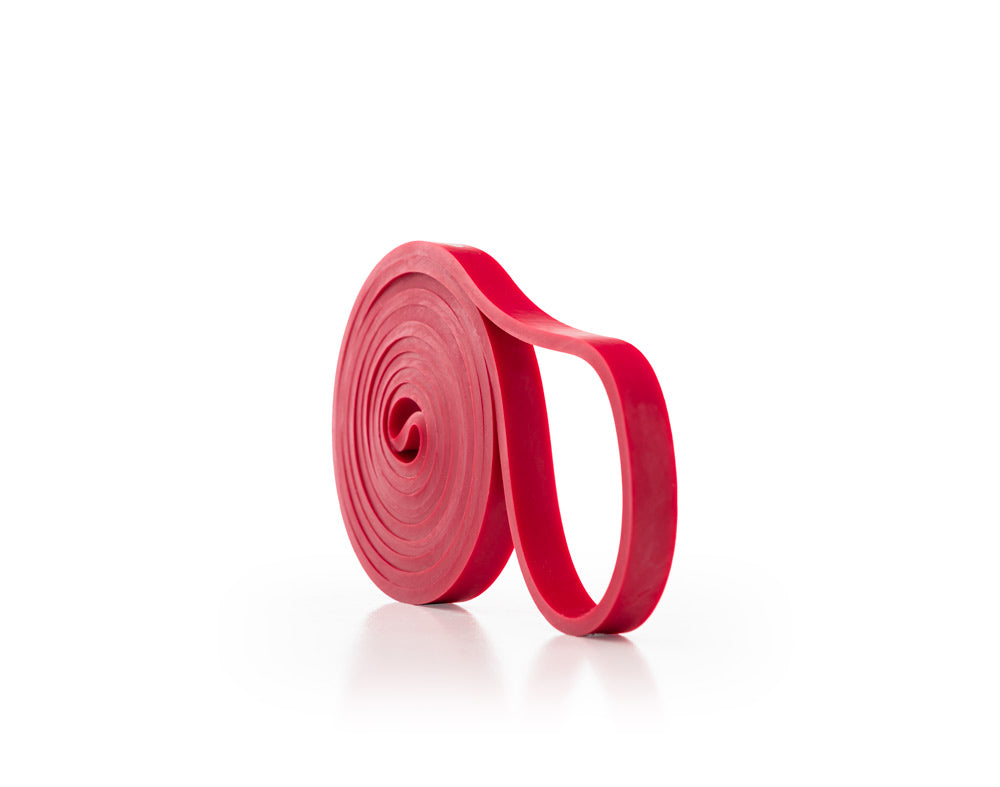
Shop / Learn Moreelitefts Pro Light Resistance Band
For dynamic warm-ups, activation work, mobility, and assistance drills.
Shop Bandelitefts Liquid Chalk
Grip support for heavy sessions where sweat and confidence under the bar matter.
Shop Chalkelitefts Training Log
Track training, fuel, performance, crashes, and recovery so the plan improves over time.
Shop LogStop eating the same way for every workout. Your fuel should follow the stimulus. Heavy, explosive, neurologically demanding work usually needs a sharper, lower-carb lead-in. High-volume hypertrophy work usually needs more carbohydrate support before and during the session. Powerbuilding sits in the middle: stay sharp early, then feed the volume.
Do the simple thing most lifters never do: track the session, adjust one lever at a time, and build the plan around performance—not habit.
Note: Nutrition tolerance is individual. Start conservatively, monitor how you feel and perform, and consult a qualified professional for medical or condition-specific guidance.