
The Band Training Playbook
The Strategic Role of Resistance Bands in Modern Athlete Development
For nearly two decades, resistance bands have been a staple in elite training environments, yet they remain one of the most underrated tools in the broader fitness landscape.
Far more than simple accessories, bands are a dynamic and strategic component of a comprehensive athletic development program. When properly understood and implemented, they offer unique advantages for building power, enhancing durability, and improving movement quality.
This guide provides a practical framework for strength and conditioning professionals to move beyond basic band exercises and integrate them strategically across every phase of training — from warm-ups and accessory work to high-intensity finishers.
Based on years of application with thousands of athletes across every sport and ability level, the core benefits of integrating resistance bands are clear:
- Low-Impact Versatility: Bands are exceptionally low-impact, making them an ideal tool for warming up the body, performing high-repetition work to strengthen tendons, and promoting overall joint health. This benefit applies universally, from five-year-old youth athletes to 75-year-old clients, ensuring that training can be both effective and sustainable.
- Portability and Accessibility: The ability to pack a set of bands in a gym bag makes them a consistent training tool regardless of the environment. Whether in a fully equipped gym, a hotel room, or a home setting, athletes can maintain their training protocols, ensuring no gaps in their development.
- Dynamic and Assisted Training: Bands introduce a unique training stimulus that static weights cannot replicate. They can be used for assistance, acting as a de facto spotter to deload a movement at its most disadvantageous angle, such as the bottom of a squat. This allows athletes, particularly those managing joint health, to train through a full range of motion with greater comfort and safety.
To leverage these advantages, a coach must first understand the foundational principles that govern the safe and effective use of these methods, beginning with equipment quality and the core methods of application.

Before programming specific exercises, it is critical to grasp the foundational concepts that ensure resistance bands enhance a program rather than detract from it. The efficacy and safety of any band-based training protocol hinge on two key factors: the quality of the equipment and a clear understanding of its primary applications.
Neglecting these principles can lead to equipment failure, injury, and suboptimal results.
Why Band Quality Is Non-Negotiable
The market is saturated with low-cost options, but investing in high-quality, professional-grade bands is a non-negotiable aspect of responsible coaching.
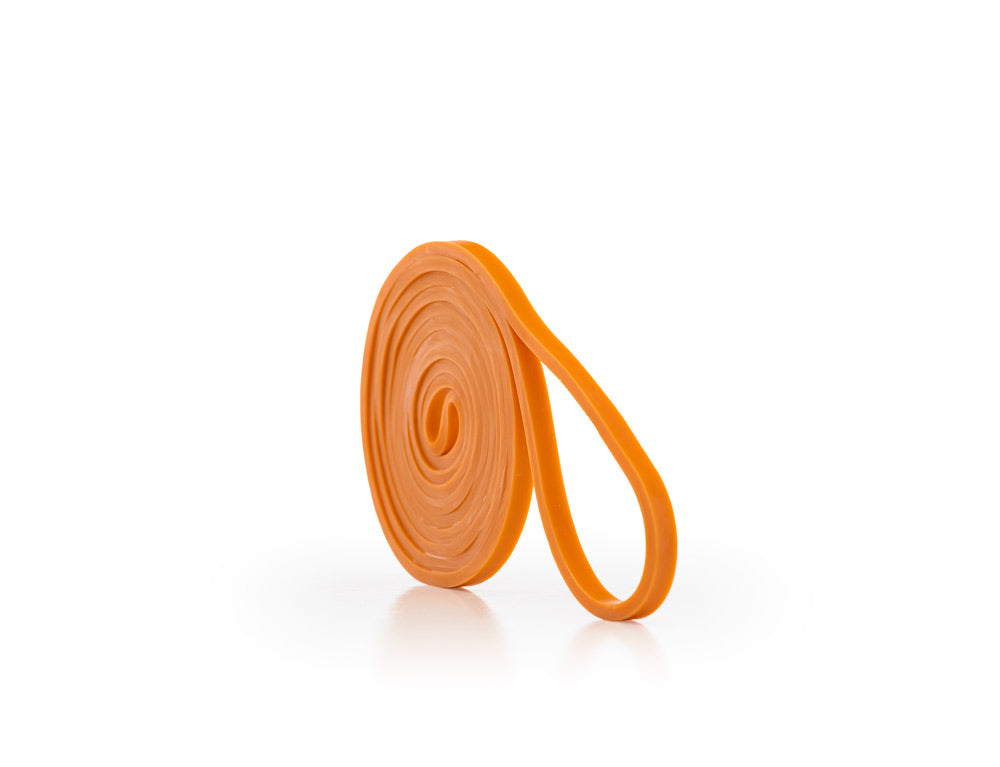
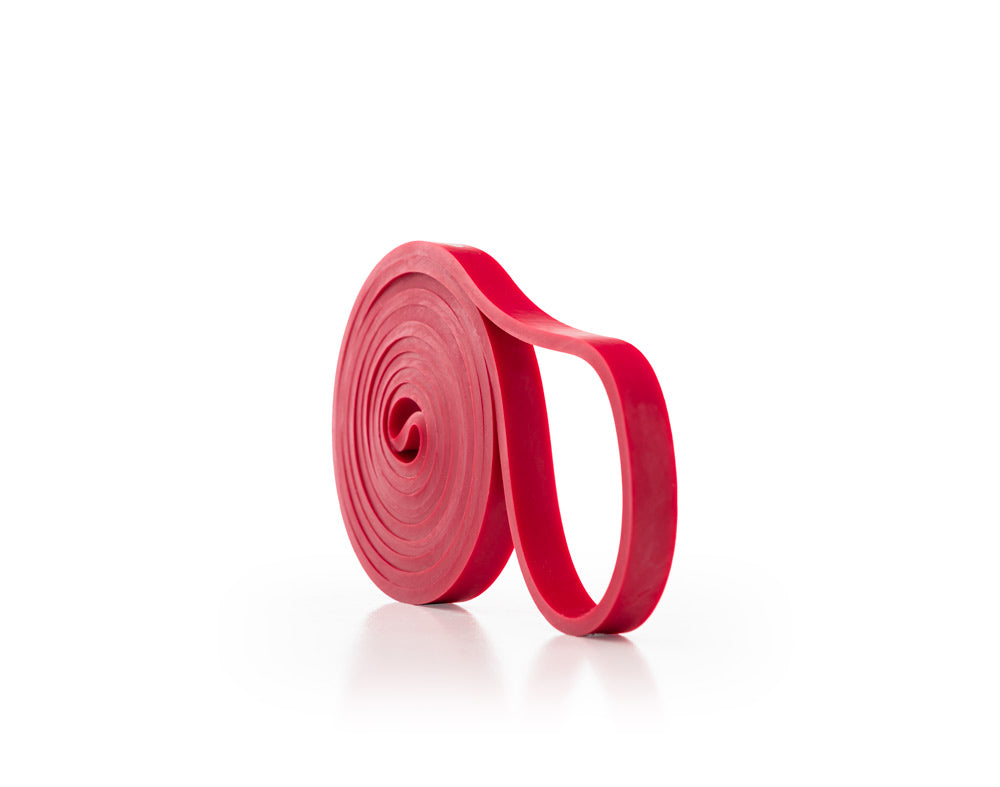
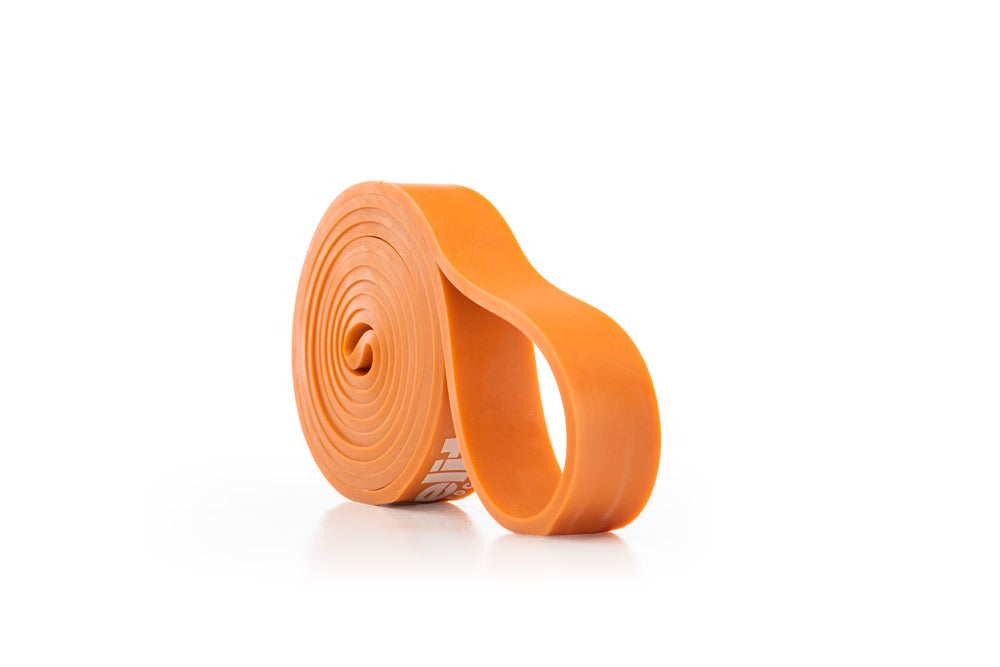
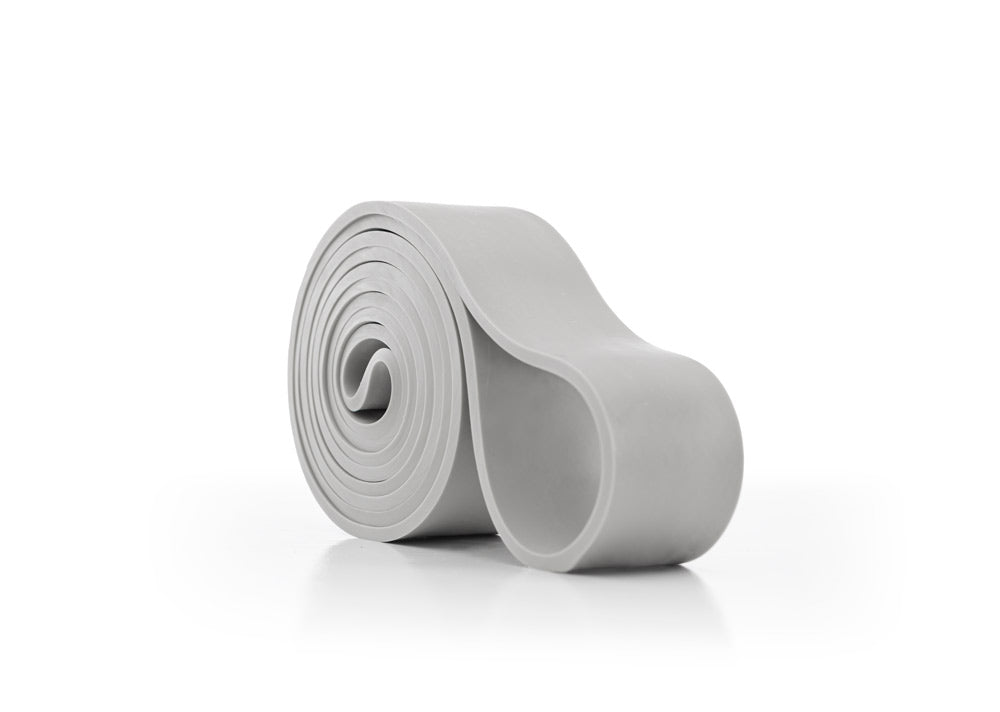
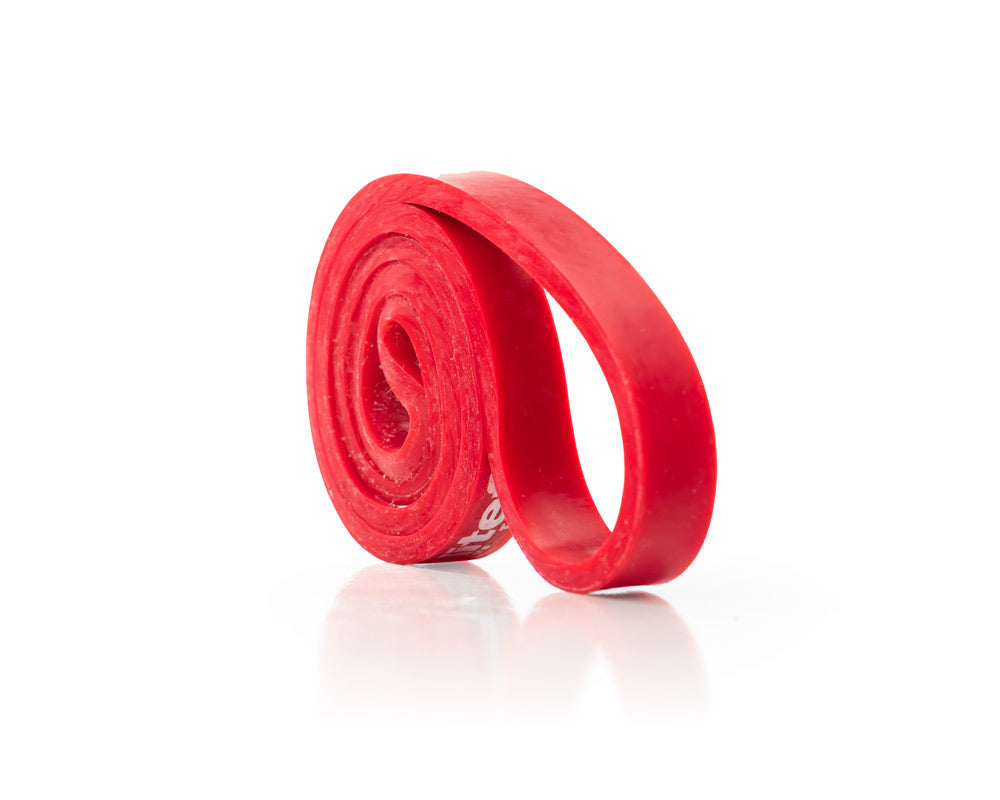
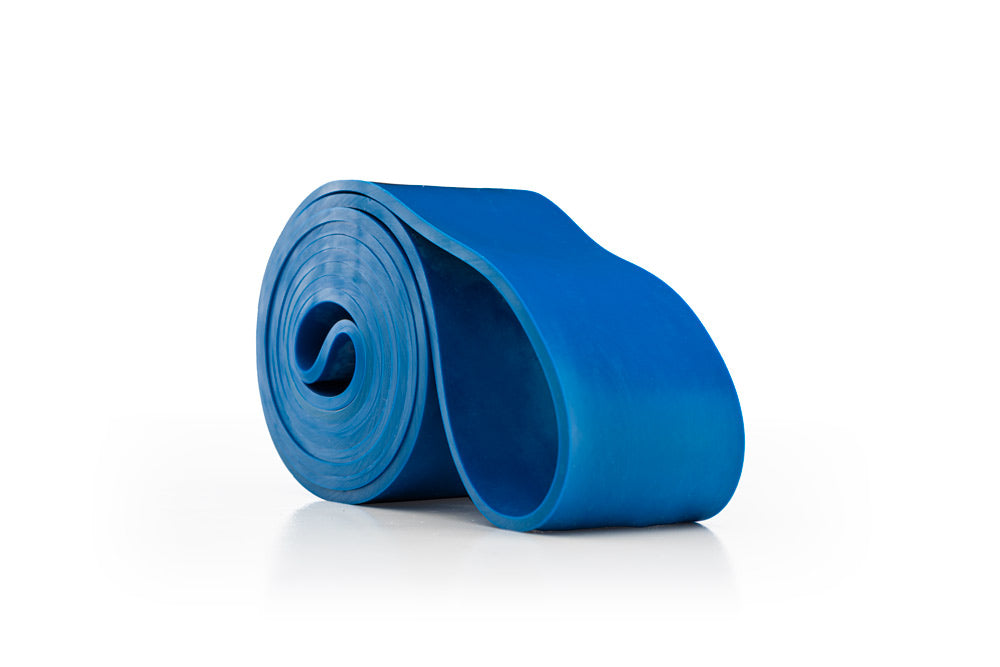
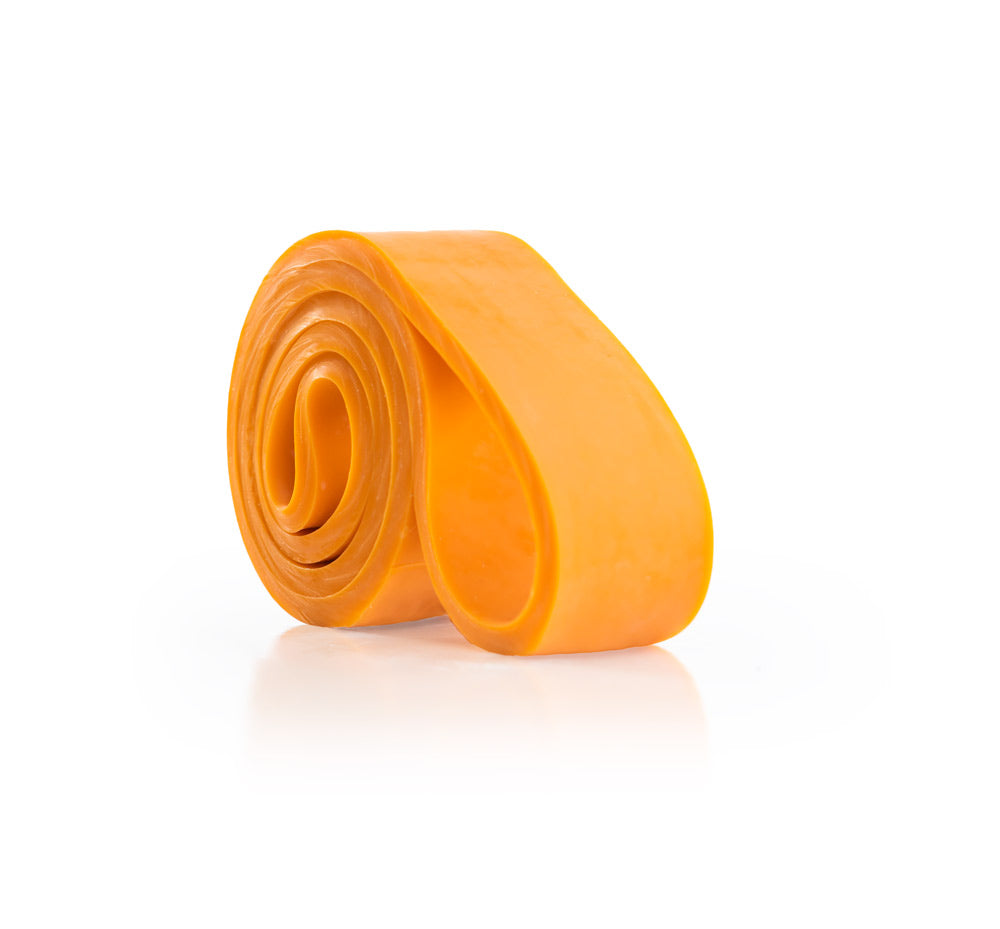
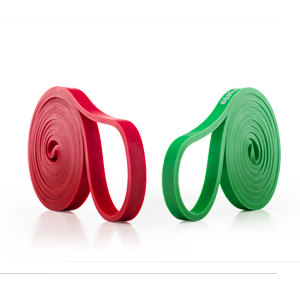
Do not buy cheap bands on Amazon. Low-quality bands fall apart quickly and, more dangerously, can lead to ruptures in the gym.
Band Quality — Non-Negotiable
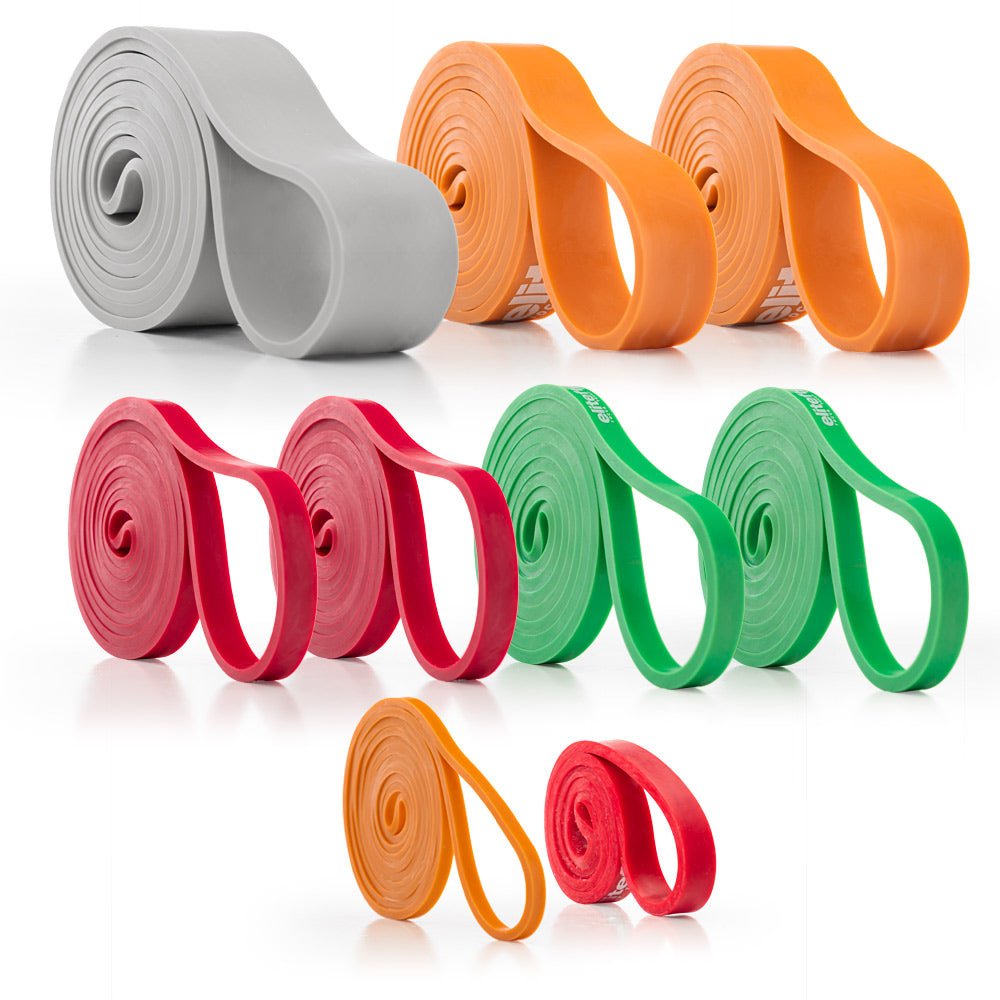
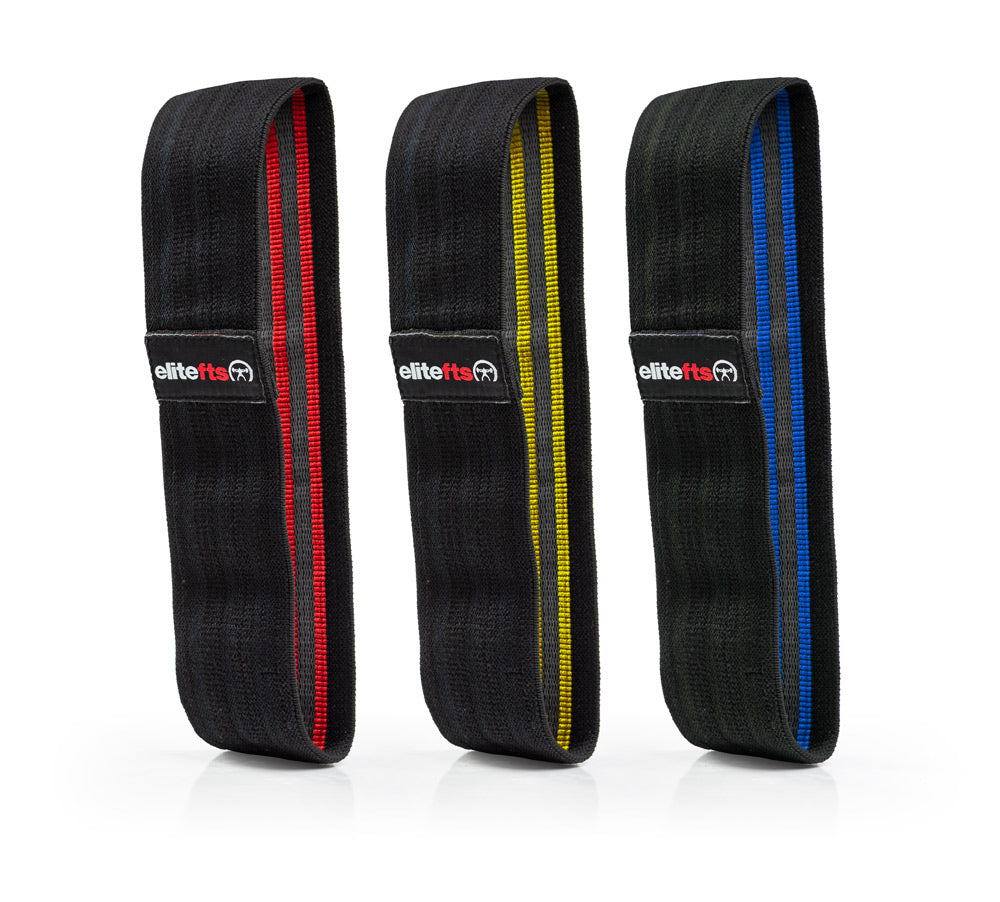
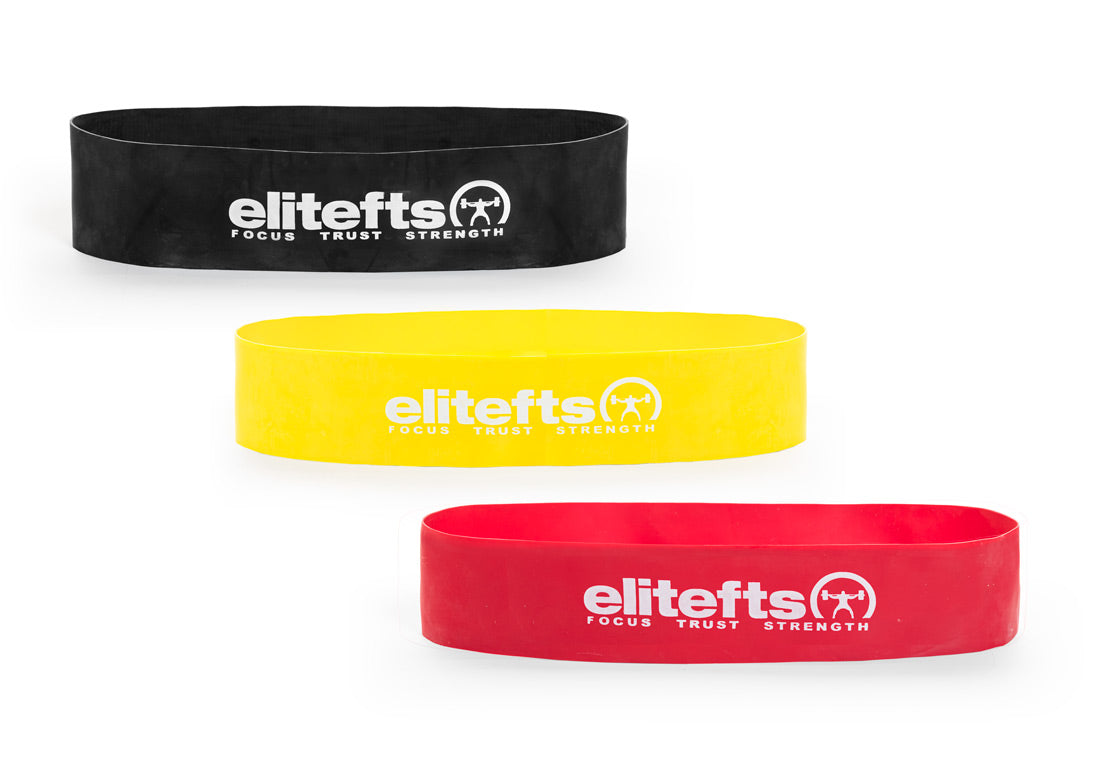
To ensure athlete safety and equipment longevity, it is essential to purchase bands from a reputable source such as elitefts, which quality-checks its products in collaboration with a high-quality manufacturer.
Core Applications in Program Design
In a systematic training program, resistance bands serve three distinct and complementary functions. Each application builds upon the last, creating a cohesive progression from preparation to performance.
- Warm-ups and Movement Preparation: Used to prime the body for performance by activating key muscle groups, increasing blood flow, and preparing the joints and connective tissues for the demands of the training session.
- Plyometrics and Power Development: Applied after the initial warm-up to get the central nervous system firing, these drills build explosive capacity and teach critical skills like force absorption and deceleration.
- Accessory Strength and Injury Prevention: Integrated into the main strength training block to target specific muscle groups, address weaknesses, fortify the posterior chain, and build the resilience needed to prevent common sports-related injuries.
Understanding these applications allows a coach to program with intent, starting with the first and most critical phase: the dynamic warm-up.
The dynamic warm-up is a critical phase for preparing the body for high-intensity work, activating key muscle groups, and mitigating injury risk. Resistance bands are an ideal tool for this purpose due to their low-impact nature and ability to provide targeted resistance through a full range of motion.
The following movements are staples for preparing both the upper and lower body for performance.
Shoulder and Scapular Activation for Overhead Athletes
A. Band Pull-Apart
- Objective: To warm up the shoulder blades and scapular complex, which is essential for throwing and overhead athletes.
-
Execution Cues:
- Hold the band with an overhand or underhand grip, hands shoulder-width apart or slightly wider.
- Keeping the arms straight, pull the band apart by squeezing the shoulder blades together.
- Control the movement as you return to the starting position.
- Coaching Notes: For throwing athletes, pitchers, quarterbacks, and volleyball players, this is a non-negotiable exercise that should be performed daily. Variations include overhand, underhand, overhead, and offset (angled) pull-aparts to target the musculature from different angles.
B. Band Shoulder Dislocate
- Objective: To open up the shoulders and chest while improving shoulder mobility.
-
Execution Cues:
- Take a wide grip on the band. The less flexible the athlete, the wider the grip should be.
- Keeping the arms straight, make a large circle, pushing the band out and away from the body.
- Continue the circle all the way around to the back, squeezing the shoulder blades together.
- Return to the start by reversing the motion.
- Coaching Notes: The band provides more give in sticking points than a rigid broomstick or dowel. A lot of crunching and popping usually means the grip is too close. Widen the grip for a smooth motion. The recommended range is 5 to 15 repetitions.

Posterior Chain and Lower Body Priming
A. Banded Good Morning
- Objective: To stretch and warm up the hamstrings, specifically priming them for the running, skipping, and dynamic movement that will follow in the session.
-
Execution Cues:
- Step inside a large band, creating a triangle shape with the feet.
- Loop the other end of the band around the back of the neck.
- With a slight bend in the knees, push the hips way back to feel a stretch in the hamstrings.
- Squeeze the glutes to return to a standing position.
- Coaching Notes: In the warm-up, this is not a primary strength exercise. The focus is on achieving a good stretch by actively pushing the hips back. A range of 10 to 20 repetitions is typical.
B. Banded Speed Squat
- Objective: To activate the lower body and introduce speed into the movement pattern.
-
Execution Cues:
- Stand on one end of the band and loop the other end over the shoulders or hold it at chest height.
- Perform squats at a rapid pace, moving up and down quickly.
- Coaching Notes: The band creates an over-speed effect, actively pulling the athlete down on the eccentric (lowering) phase of the squat. The intensity, speed, and power can be built up progressively over successive sets.
With the body properly primed, the program can now transition to developing the explosive qualities required for sport.
Shop elitefts Pro Bands

Following the warm-up, the program progresses to plyometric work to get the central nervous system firing. This phase is about more than just jumping.
The essence of sport is all about acceleration and deceleration. Train both.
Phase 2 — Plyometrics and Power
These drills serve as the critical bridge between general preparation and peak power output by training both force production and, just as importantly, force absorption.
Foundational Plyometrics
A. Resistant Pogos
- Objective: To develop lower leg stiffness and engage the anterior chain through resisted, repetitive hops.
-
Execution Cues:
- Place a band around the waist, with a partner or anchor point providing resistance from behind.
- Perform standard pogo hops, focusing on quick, springy movements off the ground.
- Maintain a slight forward lean against the band's resistance.
- Coaching Notes: The band's pull helps the athlete achieve a good athletic lean and forces the anterior chain to engage. This drill can be adapted to include resisted skips and other hip work. If a partner is unavailable, the band can be anchored to a rack or other sturdy object.
B. Lateral Bounder & Crossover
- Objective: To teach athletes how to effectively power out of a movement, decelerate, and absorb impact.
-
Execution Cues:
- With a partner holding a band around the waist, begin by standing to one side.
- Jump laterally away from the partner, landing softly and under control.
- The band will provide an over-speed pull on the return leg, forcing the athlete to absorb impact.
- Repeat the bound, focusing on both explosive power production and controlled deceleration.
- Coaching Notes: This drill trains the essence of sport: the ability to accelerate, decelerate, and absorb momentum to prevent injury and prepare for the next play. The same setup can be used for crossover steps and resisted first-step drills.

Advanced Explosive Movement: The Resistant Broad Jump
The resistant broad jump is a perfect tool for teaching explosive triple extension, the simultaneous extension of the hips, knees, and ankles, without the high technical skill barrier of Olympic weightlifting. It has a lower impact demand and requires far less training skill, making it ideal for group settings.
- Objective: To develop horizontal power and teach explosive force production and absorption.
-
Execution Cues:
- Have a partner hold a band securely around the athlete's waist.
- Begin in a tall, athletic stance. During the load-up phase, achieve a forward lean by hinging at the hips.
- Explosively drive out, extending the hips, knees, and ankles fully.
- Upon landing, sit back into a smooth, controlled squat to stick the landing.
- Coaching Notes: The band provides resistance during the extension phase and helps teach the athlete to absorb impact upon landing. This combination of force production and absorption is a key fundamental for building resiliency.
After developing explosive power, the program shifts to building targeted strength and durability through accessory work.
Accessory exercises are the crucial components that build targeted strength, address individual weaknesses, and enhance sport-specific performance and durability. By incorporating resistance bands into these movements, coaches can introduce unique stimuli that translate directly to on-field speed, power, and resilience.
Single-Leg Strength and Power
A. Band Resistant Bulgarian Split Squat
- Objective: To develop single-leg strength and power while emphasizing force absorption.
-
Execution Cues:
- Place the back foot on a bench and the front foot forward in a split squat stance.
- Loop a resistance band under the front foot and around the back of the neck.
- Lower into the split squat, maintaining an upright torso and stable position.
- Drive up explosively through the front foot.
- Coaching Notes: Unlike static weight from dumbbells, the band actively pulls the athlete down, enhancing the force absorption demand. This makes it a great transition piece when moving an athlete's program from heavy grinding strength work to a new phase focused on developing speed, pop, and explosiveness.
Posterior Chain Fortification
A. Assisted Nordic Glute Ham
- Objective: To strengthen the hamstrings and glutes eccentrically, a key factor in sprint performance and lower back health.
-
Execution Cues:
- The athlete kneels while a partner secures their heels to the ground.
- A band is slung around one of the athlete's shoulders and held by the partner.
- The athlete lowers their torso toward the ground with control, resisting with their hamstrings for as long as possible.
- The band provides assistance, allowing the athlete to control the descent and helping pull them back up.
- Coaching Notes: This is a fundamental exercise key to sports performance. Very few athletes can do an unassisted Nordic curl, so the band makes it scalable. The athlete's goal is to resist as much as possible on the way down until they feel they almost can't hold it anymore. At that point, the band takes over for a smooth transition to the bottom. If an athlete is struggling, add another band or use a heavier one.
Very few athletes can do an unassisted Nordic curl. The band makes it scalable for everyone.
Assisted Nordic Glute Ham
B. Hamstring Flutter
- Objective: To target the high hamstring where the glute and hamstring intersect, a common area for strains in sprinters and field sport athletes.
-
Execution Cues:
- Lie on your back and place the heels (near the Achilles tendon) over a suspended band.
- Lift the glutes high off the ground, keeping the arms out to the sides for stability.
- Punch the legs out in a quick, alternating flutter motion.
- Coaching Notes: This is a challenging and more advanced variation. Coaches should start athletes with a more straightforward progression, such as single-leg pickups or stick leg walks, to ensure they can maintain control and a high hip position before advancing to the full flutter.
Sport-Specific Power Application
A. High Knee Stomp
- Objective: To develop power and stability in a position specific to sprinting and field sports.
-
Execution Cues:
- Loop a band under one foot and hold the ends in each hand at shoulder height.
- Get into a stable position with the knee of the working leg up nice and high.
- Powerfully stomp the foot down and immediately drive it back up.
- Coaching Notes: This exercise engages the core while working the glute and hamstring of the stance leg. It is excellent for teaching athletes to maintain a stable, powerful position and can function as a dynamic warm-up or an accessory power movement.
B. Assisted Jumps
- Objective: To create an over-speed jumping stimulus that forces maximum explosive output and trains high-velocity force absorption.
-
Execution Cues:
- Anchor two bands to the top of a power rack, rings, Triphasic bars, or the ceiling.
- Hold onto the bands and load into a squat position.
- Explode upward as high as possible. The bands will act as a slingshot, adding momentum.
- Upon landing, immediately absorb the increased impact and control the descent.
- Coaching Notes: This drill forces the body into a highly explosive movement and then requires the athlete to absorb that impact, building a key athletic quality. The setup is versatile and can be adapted to most gym environments.
From activating the body in a dynamic warm-up to developing elite-level explosive power and building targeted, resilient strength, resistance bands prove their worth at every stage of athletic development.
They are not merely an alternative to traditional weights but a distinct tool that offers unique benefits for improving safety, accessibility, and performance outcomes. By moving beyond simplistic applications and integrating these methods strategically, strength and conditioning coaches can build more explosive, resilient, and better-prepared athletes.
Watch: Band Training in Action