

The Evolution of Strength
Elite strength is not just about getting stronger forever. It is about learning how to display strength better, manage fatigue harder, build tissue smarter, and stay in the game long enough to make the margins matter.
Full Video Breakdown
Use this as the visual companion to the article.
As powerlifters move through their careers, they eventually run into a hard truth: the easy strength has an expiration date. A 23-year-old lifter can often get away with brute force, rapid recovery, and biological resilience. A lifter moving into the late twenties and thirties is playing a different game.
The margin for error shrinks. Life responsibilities grow. Recovery has to be earned. Programming, technique, and fatigue management stop being optional details and become the difference between another total and another stalled training cycle.
That evolution is clear in the career arc of elite powerlifter Sean Noriega, who has spent more than 13 years competing at a high level and roughly a decade coaching. When a lifter reaches what looks like a genetic or physical ceiling, the answer is not always “get stronger.” Sometimes the higher-return play is learning how to display the strength already there.
Phase 1: The All-In Mentality
Noriega’s origin in strength started with high school baseball, where lifting was first introduced as a supplement to sport. The trap bar deadlift and front squat came naturally, and the weight room quickly turned into a full-blown obsession.
During 110-degree Florida summer baseball tournaments, he would sneak away to Gold’s Gym after multiple games just to get a leg day in. That is not balanced. It is not polished. But it is the kind of early obsession that often gets a lifter through the door.
His formal entry into powerlifting came after a teammate exposed him to Westside Barbell and conjugate principles. An unsanctioned IPA meet, with Dave Hoff serving as head referee, hooked him immediately. Later, the 2014–2015 fitness YouTube boom and Jonny Candito’s Junior Worlds path showed a clearer route into tested, raw international competition.
At MIT, despite a demanding mechanical engineering schedule, Noriega found a serious training crew in the campus rec center. That environment mattered. Experienced lifters who competed for the love of the sport gave him a standard to chase before he fully understood how important that standard would become.
Phase 2: Programming Stops Being a Template
Beginner gains eventually end. Once that happens, effort alone stops being enough. Noriega became one of the first lifters in his group to hire an online coach, Joey Flexx, and the two experimented aggressively with training frequency, intensity, and structure.
One experiment worked spectacularly: benching to a heavy single almost every day. In a matter of months, his bench moved from 303 pounds to 353 pounds. But when the same high-frequency idea was pushed hard across all three lifts for the 2016 Arnold Sports Festival, the outcome was far less productive.
The takeaway is not “max every lift every day.” The takeaway is that an athlete has an upper limit for recoverable work, and the job of the coach is to find the productive edge without constantly falling off it.
Modern elite programming has moved away from rigid weekly templates and toward adaptive planning based on individual fatigue patterns. Instead of blindly working backward from meet day, the better approach is to build from the day out: train the qualities that matter while keeping the lifter fresh enough to execute the main lifts consistently.
Phase 3: RPE Has to Mean Something
Daily singles and Rate of Perceived Exertion can be powerful tools when they are used correctly. A submaximal practice single before the main work can anchor the day, show readiness, and provide technical feedback without burying the lifter.
The problem is that RPE can become useless when it is treated as a vague feeling instead of a repeatable performance metric. Lifters who base their work entirely on what they wish their max was that day often overshoot, miss lifts, and wreck the block.
RPE works best when it is connected to observable execution: bar speed, warm-up jumps, technical consistency, and known percentage ranges. A lifter who jumps 10–12 percent from a final warm-up to a working set should expect a predictable increase in effort. Ignoring that reality is not autoregulation. It is guessing.
Phase 4: Technique Can Be the Hidden Weak Link
In raw, tested powerlifting, lifters cannot rely on supportive gear to solve technical problems. That makes leverage, bracing, positioning, and repeatability the equalizer.
Noriega’s five-year squat plateau is the perfect example. After squatting 300 kilograms as a junior, he failed to break 285 kilograms in competition for years. The obvious assumption would be that he needed to brace harder or engage his lats more. In reality, the issue was the opposite: he was over-bracing.
After a meniscus injury on a belt squat, he developed a fear of the knee giving out. That fear created a long, aggressive brace before descent—sometimes up to five seconds. The extra time under tension made him shake, lose control of bar whip, and shift his center of mass. The fix was not more intensity. It was trust, timing, a slightly narrower stance, and a calmer descent.
Accessory work matters here too. Many lighter-class lifters are not weak because they lack another peaking trick. They are weak because they need more muscle. If the recipe needs four eggs and you only have two, adding more flour will not fix it.
When a lifter stops coasting through accessories and starts pushing hypertrophy work hard—turning an easy set of 10 into a true set of 20-plus when appropriate—the added tissue often unlocks progress on the competition lifts.
Phase 5: The Meathead Bell Curve
Individualized programming matters, but the psychological environment matters just as much. Many elite lifters become hyper-disciplined, isolated, and convinced that removing social friction will make them better. Sometimes it does. Often, it removes the exact pressure they need.
A serious training crew holds you to a standard that motivation cannot. Commercial gym lifting can become slow, scattered, and overly comfortable. A focused group creates obligation. Someone is there to call out the lazy set, load the next plate, and keep the session from turning into a negotiation with your feelings.
Phase 6: When the Weight Class Has to Change
The competitive landscape in tested powerlifting has shifted, especially after the split between USA Powerlifting and the IPF-affiliated Powerlifting America. Powerlifting America is currently listed as the official United States affiliate of the International Powerlifting Federation, while USA Powerlifting continues to run its own national and international competition structure.
Noriega spent years at the top of the 83-kilogram class. That required brutal dietary consistency, especially as more muscle accumulated over time. Same-day weigh-ins become harder to recover from as a lifter gets bigger, stronger, and older.
At some point, the next jump requires a bigger frame. Moving from 83 kilograms to 93 kilograms is not simply “eat more and see what happens.” The smart move is a transitional block built around hypertrophy, work capacity, and base-building before trying to peak a new body.
Many athletes fail during a move up because they keep running the same peaking-style programs while adding calories. The early numbers pop, then progress stalls because the tissue base was never built. A year away from constant heavy singles can be the most aggressive decision an advanced lifter makes.
Quick Takeaways for Serious Lifters
- Do not confuse more intensity with better training. Frequency only works when you can recover from it.
- Use RPE as a performance language, not a mood ring.
- If a lift has stalled for years, audit technique before assuming the answer is more strain.
- Push accessories like they matter, because for many lifters, hypertrophy is the missing ingredient.
- Train around people who raise your standard when your motivation drops.
- If you move up a weight class, build the body first. Peak it later.
Training Tools That Match the Article
These product suggestions are tied directly to the themes above: bracing, knee confidence, productive variation, hypertrophy, overload, and long-term training durability.
elitefts Premium 6.5mm P2 Single Prong Powerlifting Belt
A broken-in feel with real support for lifters learning to brace hard without turning every setup into a max-effort panic ritual.
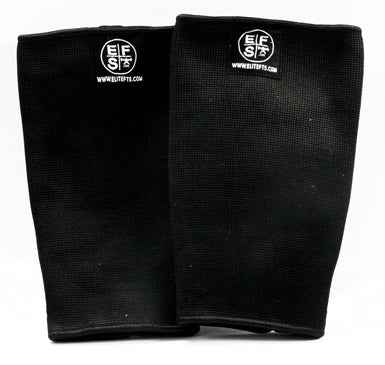
Shop Beltelitefts Heavy Knee Sleeve
Useful for squat days, higher-volume lower-body work, and lifters who want warmth and support while keeping training moving.
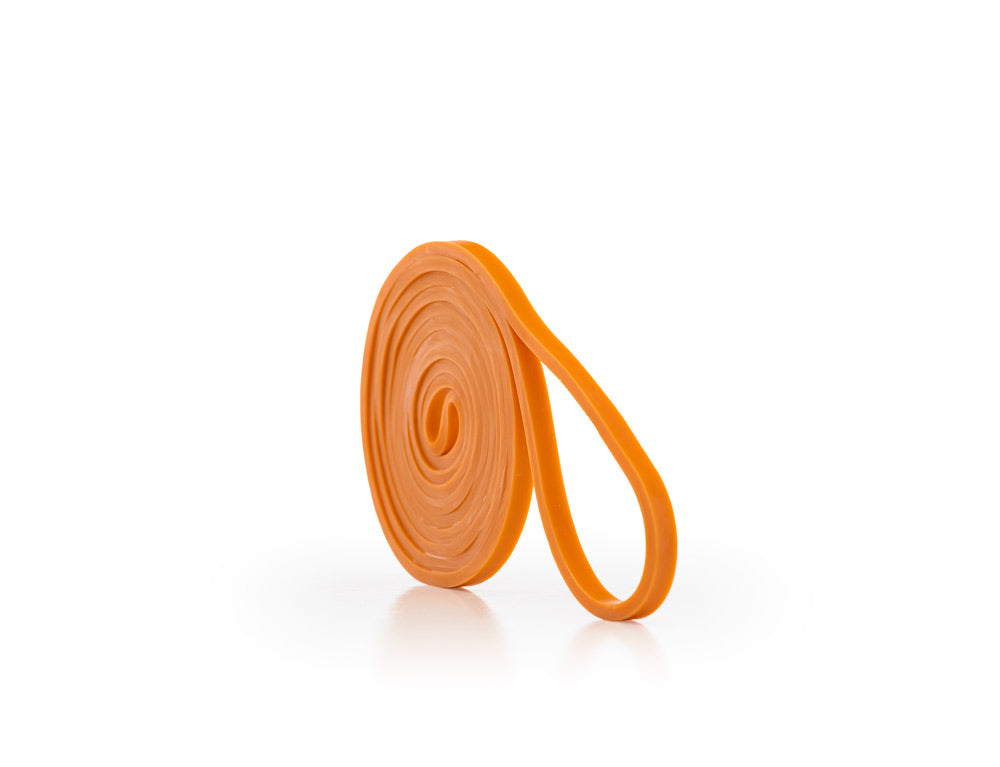
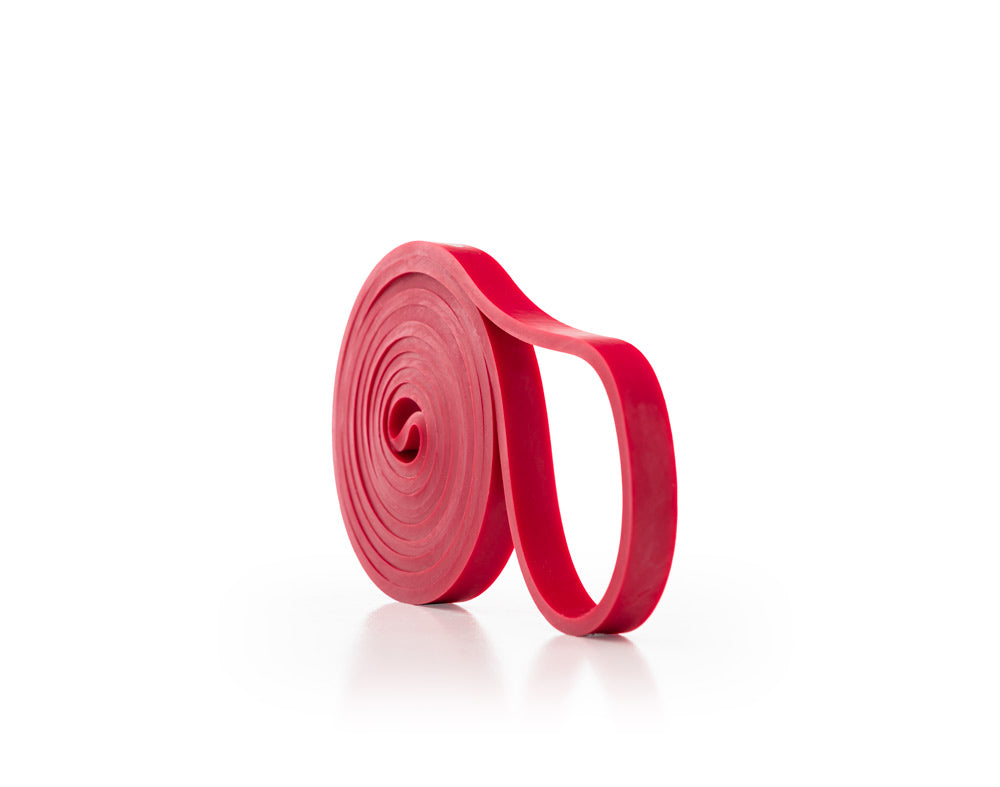
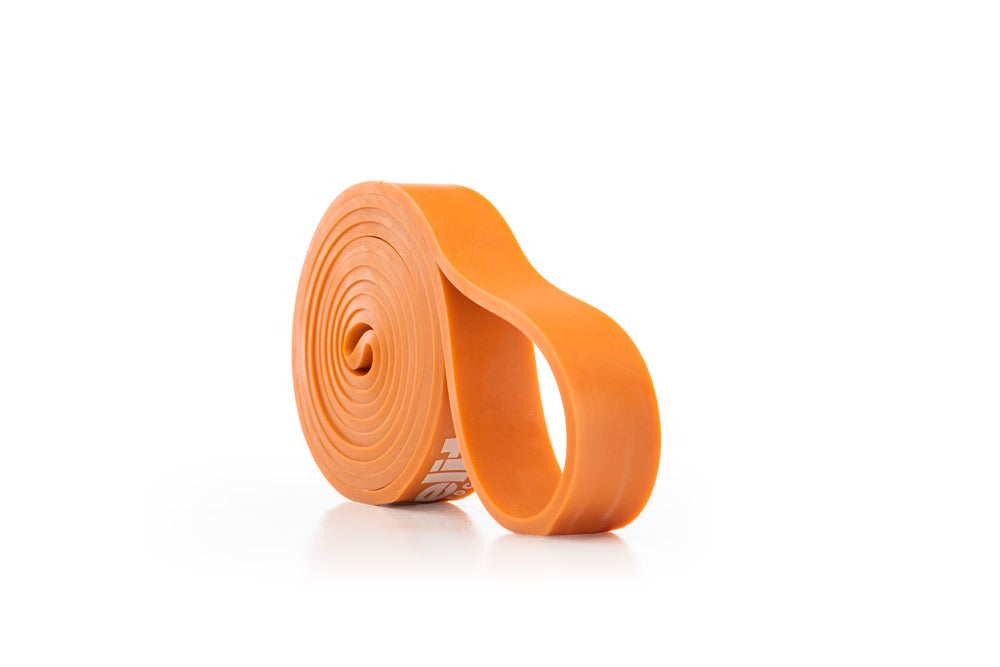
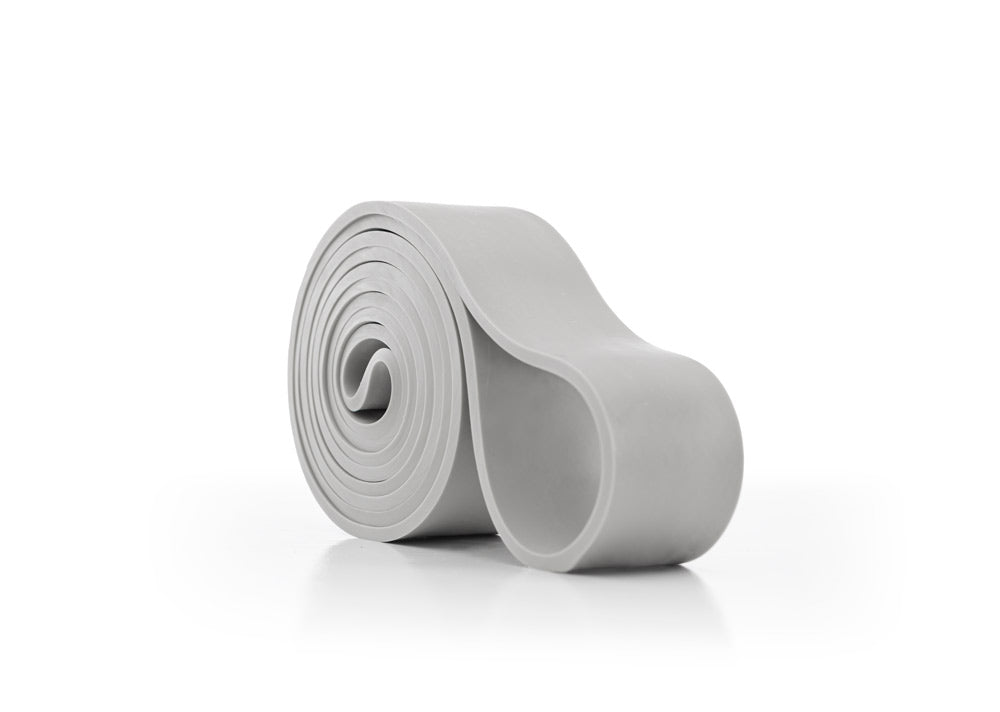
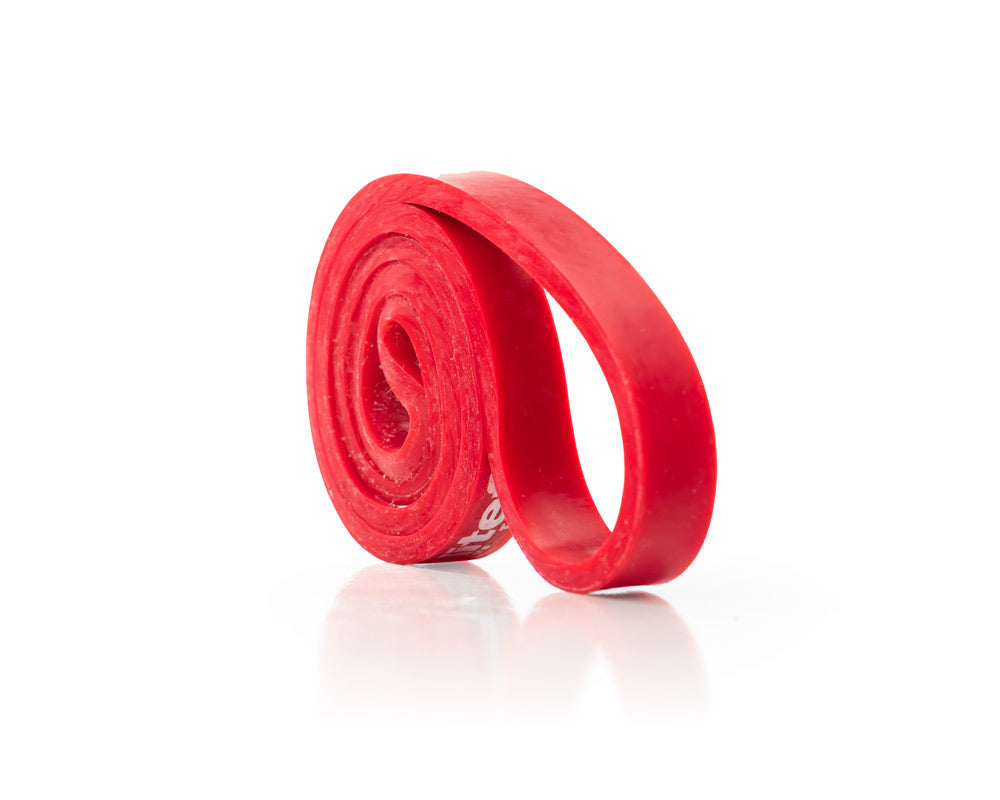
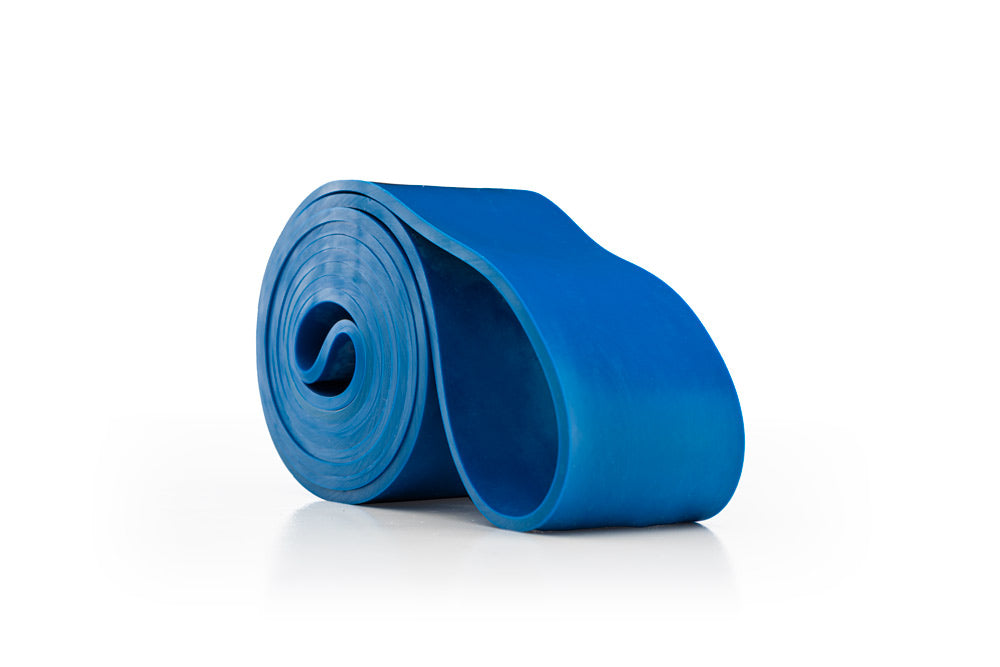
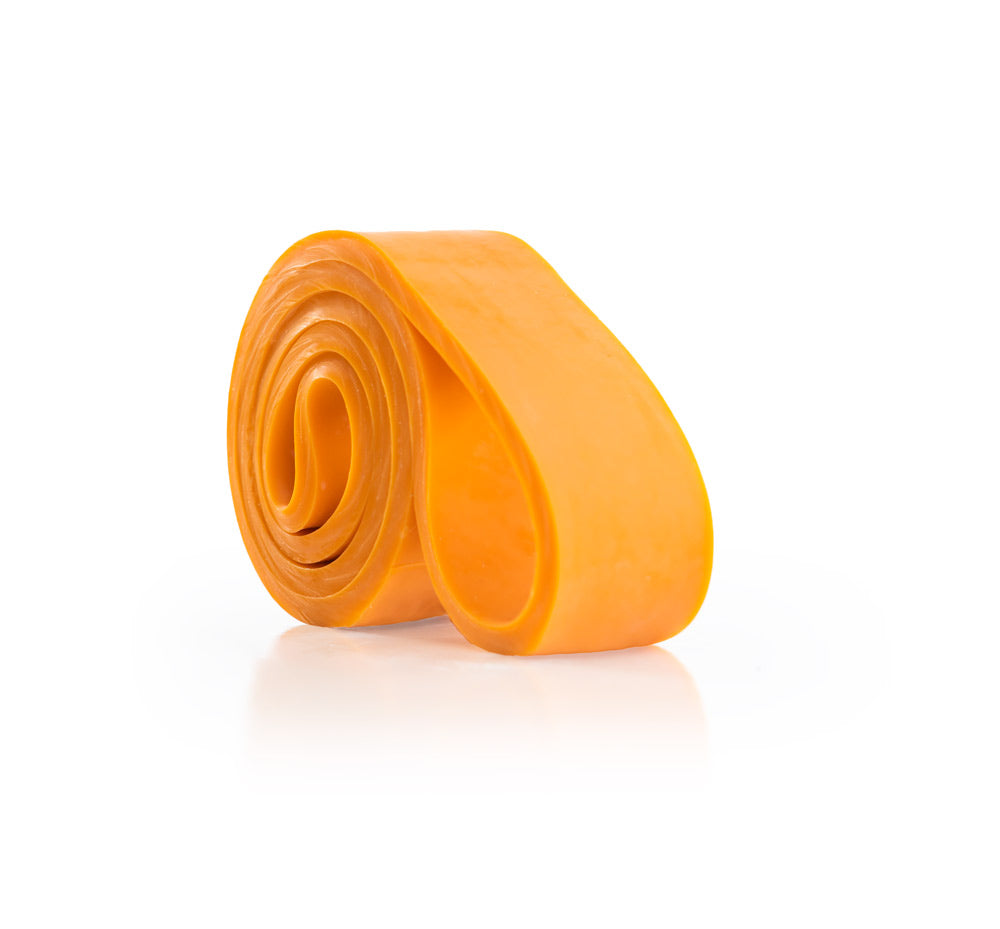
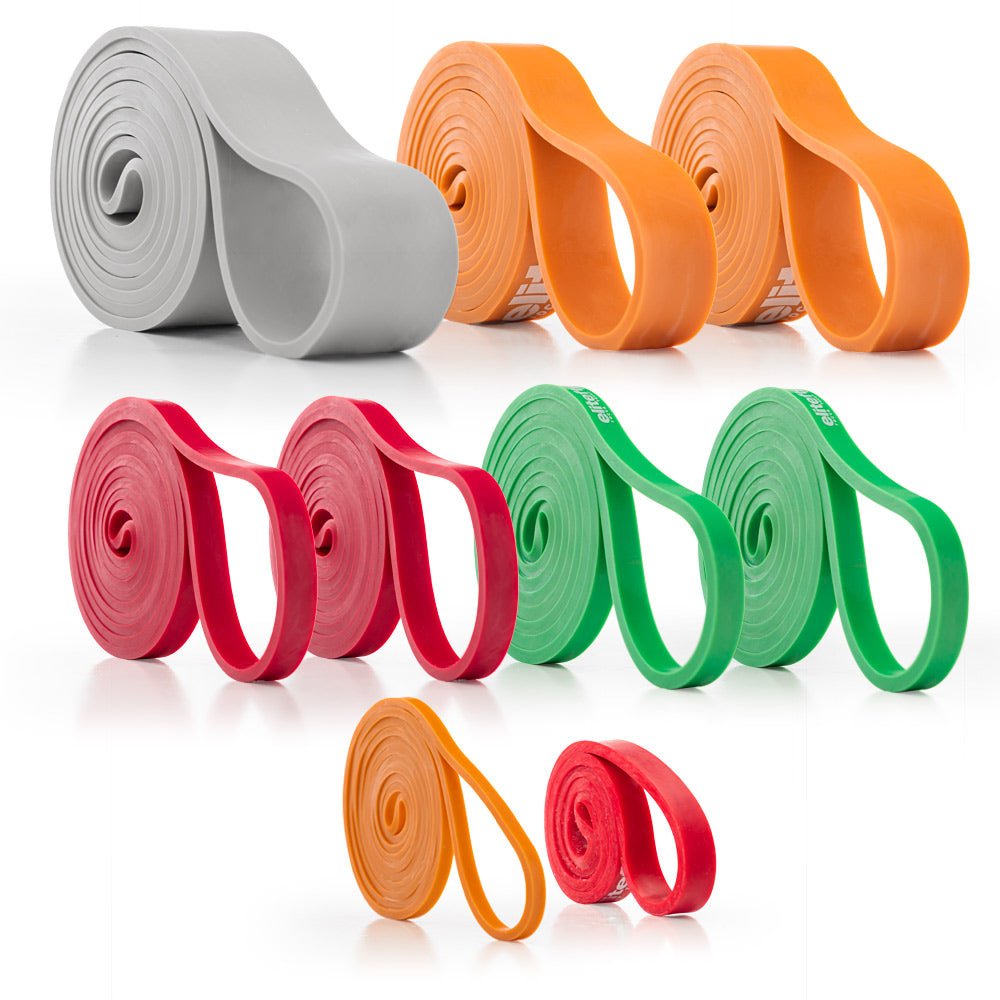
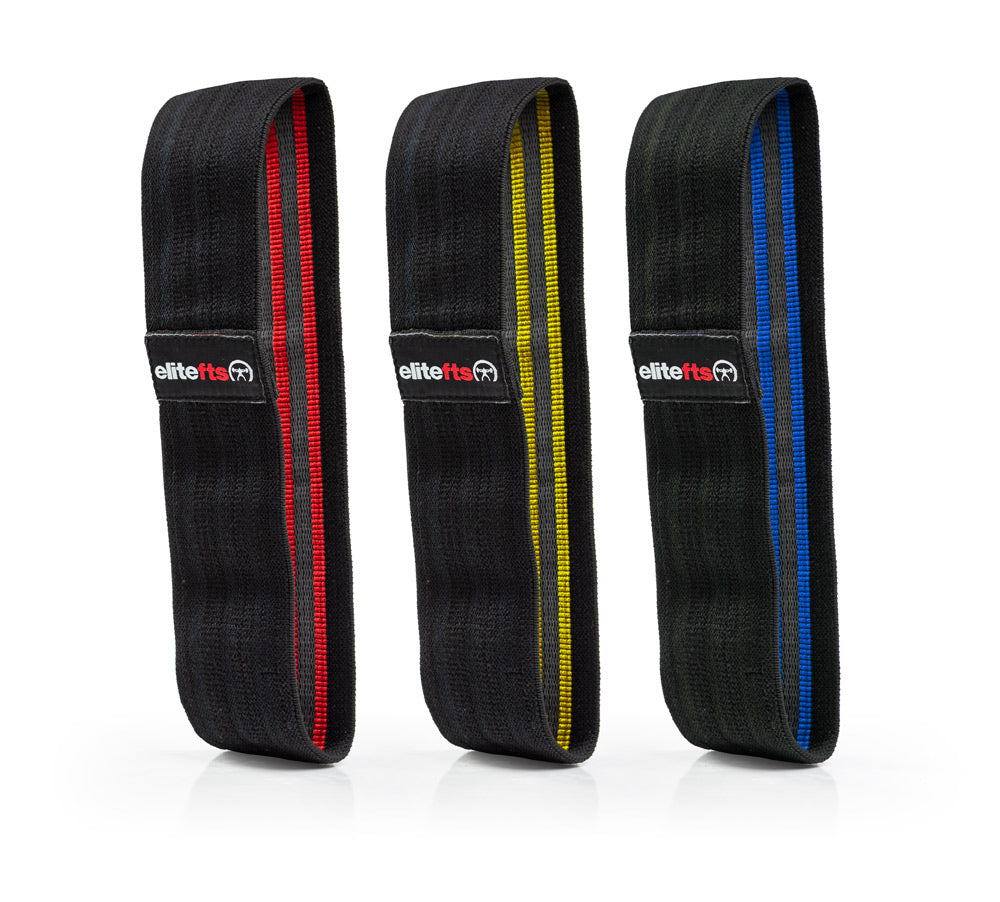
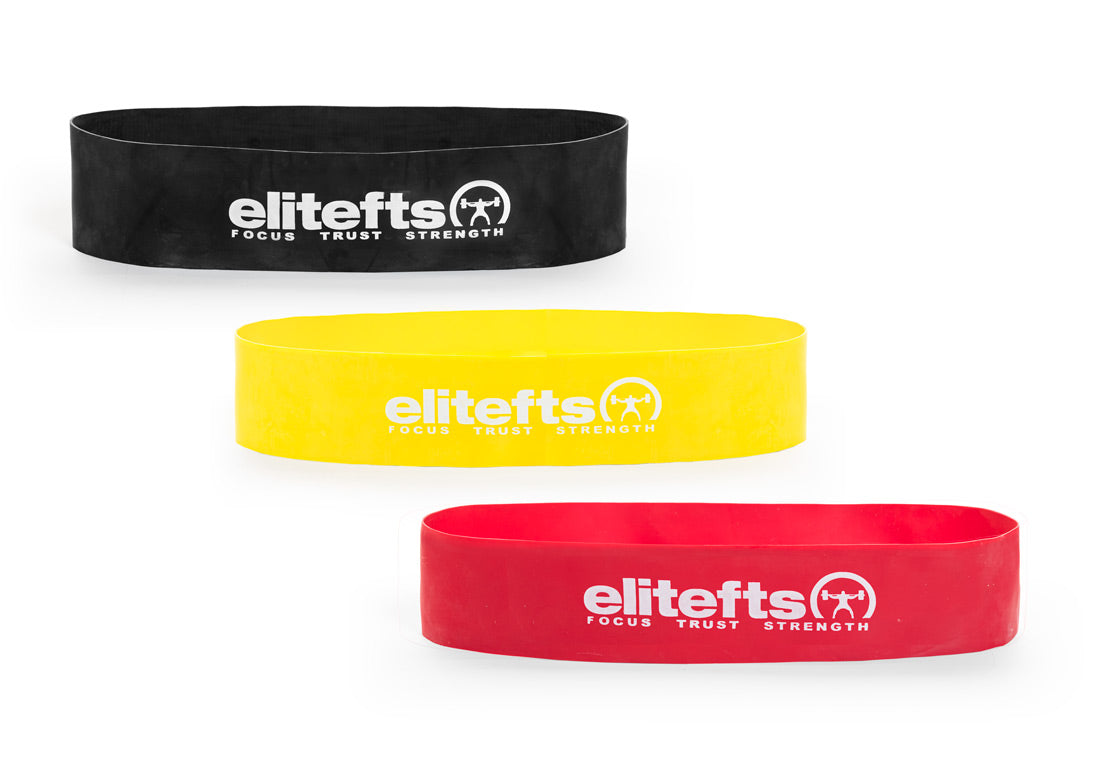
Shop Sleeveselitefts Pro Strong Resistance Band
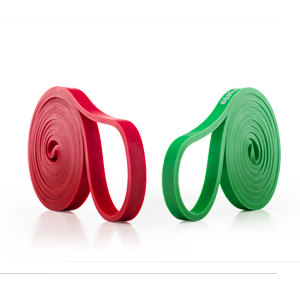
A simple way to build speed, overload lockouts, add warm-up work, and keep accessories brutally productive.
Shop BandsEliteFTS Rackable Cambered Squat Bar
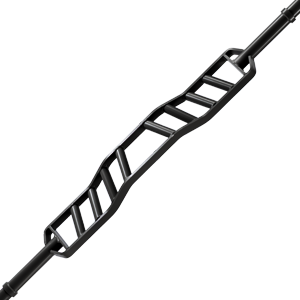
Great for building squat stability, core control, upper-back strength, and productive variation when straight-bar work is beating you up.
Shop Barelitefts Monster Hack Squat
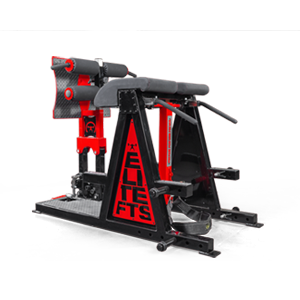
For the lifter or facility that needs a heavy-duty lower-body machine to drive quad growth without turning every session into a technical squat test.
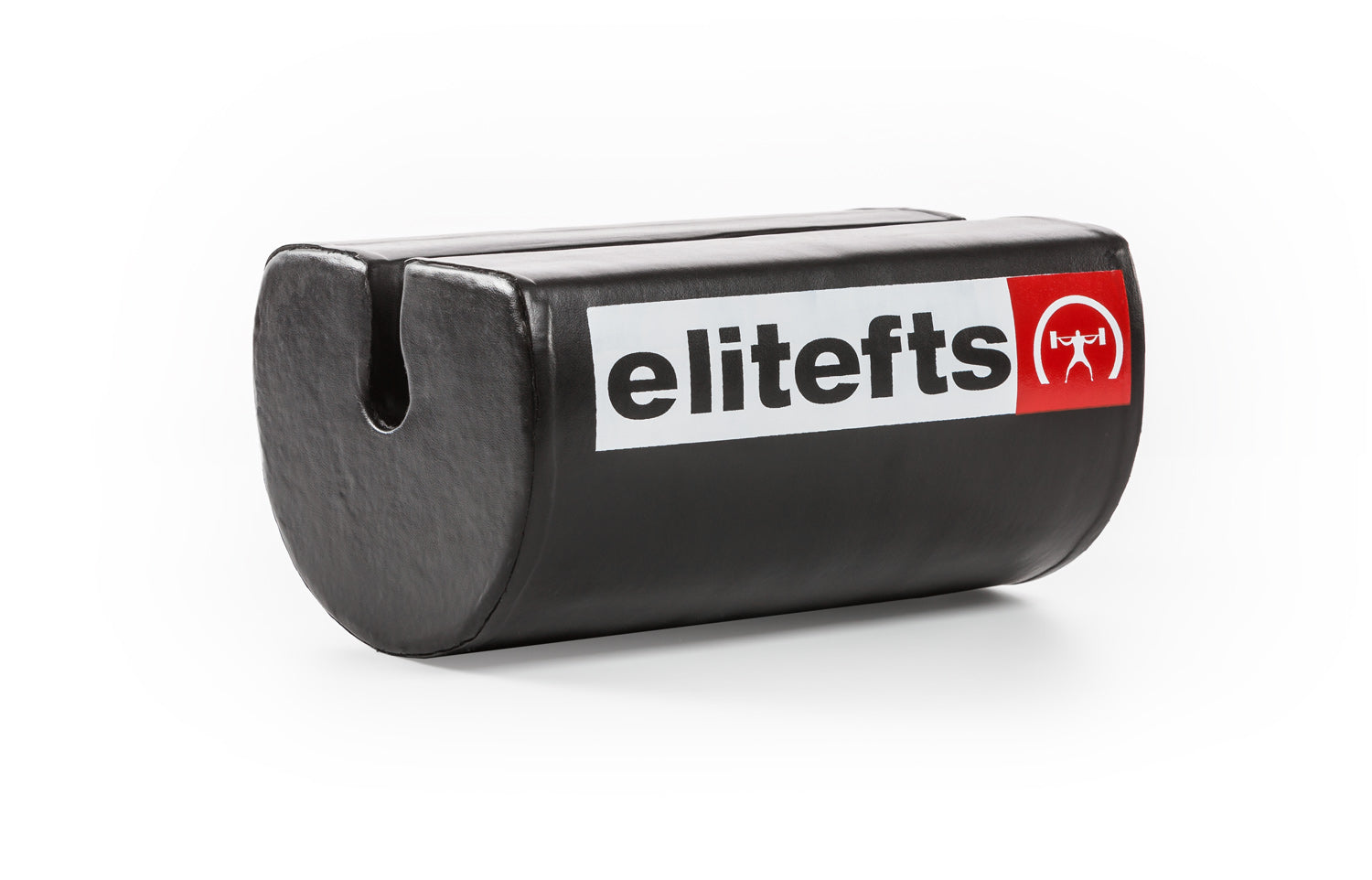
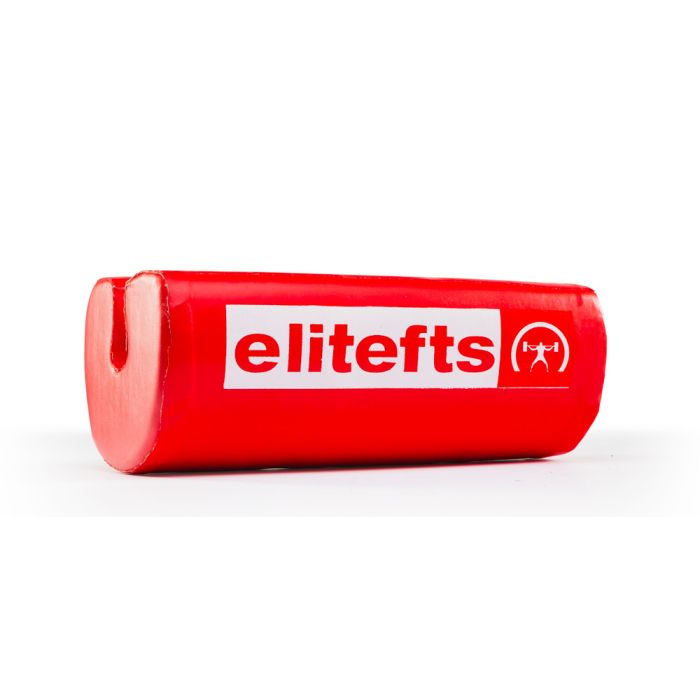
Shop Hack Squatelitefts Shoulder Saver Pad Red
A practical overload tool for pressing volume, shoulder management, and training the bench without always living at full range.
Shop PadConclusion: Strength Is Earned in the Margins
The lifespan of an elite powerlifter is defined by adaptation. Brute force and linear progress eventually give way to a more demanding game: fatigue management, technical precision, accurate effort, and the willingness to rebuild what no longer works.
That may mean fixing an over-braced squat, pushing hypertrophy work to true effort, finding a better training crew, or spending a year building enough tissue to survive a heavier class. The beginner’s biological advantage may expire. The ability to creatively display strength does not.