

Dr. Ian Butcher: Build the Base. Fix the Pattern. Do the Work.
Real-World Wellness, Not Internet Wellness
Dr. Ian Butcher operates in the "real world" of wellness, managing four distinct businesses centered around an overarching theme of holistic health. Rather than focusing on building a massive digital footprint or sensationalizing fitness trends on social media, he remains heavily involved in the day-to-day, hands-on application of training, nutrition, and chiropractic care. His entrepreneurial portfolio includes a sports chiropractic clinic in Athens, Ohio, a highly automated training facility named Doc's Gym, a nutrition consulting business, and a local meal-prepping service called Butcher Bites.
His schedule is rigorously segmented to manage these diverse endeavors. Mondays are exclusively dedicated to Butcher Bites, an operation that produces between 500 and 800 meals per week. This business prioritizes hyper-local Ohio sourcing, offering high-quality food at prices comparable to fast food. Beyond just meal prep, the kitchen serves as a community incubator; it provides work experience and food safety certifications to prison cooks and domestic violence survivors, and serves as a preceptor site for Ohio University dietetics interns. Tuesday through Thursday, Dr. Butcher focuses on his chiropractic clinic, while Fridays are dedicated to nutrition consulting and desk work, which he admits is his least favorite task. His weekends are spent doing personal training, a pursuit that doesn't drive major revenue but has reignited his personal joy for training by allowing him to help others hit personal records.
How the workweek is actually split
The Path to Chiropractic Medicine
Dr. Butcher’s journey into the medical field began with a fascination for health and human anatomy during his high school years. As a multi-sport athlete who was smaller than his peers, he began reading bodybuilding magazines at Barnes & Noble and realized the importance of nutrition and training for adding mass. Initially, he intended to attend the osteopathic medical school at Ohio University. However, his mother, who worked at the university, warned him that the curriculum was shifting to mirror the MD board exams, meaning doctors were no longer heavily discussing holistic pillars like stretching, strengthening, and nutrition with their patients.
To test the waters of the medical field, he shadowed an emergency room doctor for five years, observing the environment from his high school years through his undergraduate studies. As he prepared for the MCAT, he experienced a crisis of conscience; he realized his mother was right. The ER doctor was constrained by time quotas and essentially matched symptoms to medications without ever addressing a patient's sleep quality or digestion. Refusing to settle for a career he wouldn't love, Dr. Butcher shadowed various specialists—eye doctors, physical therapists, and athletic trainers—until he met a sports chiropractor at an alumni basketball tournament. He observed that this chiropractor lived comfortably, had a manageable schedule, and genuinely helped patients who were limping in and walking out. Dr. Butcher researched the highest chiropractic board scores in the country and enrolled at New York Chiropractic College, an isolated "education island" that forced him to focus entirely on his studies.
Clinical Practice and Patient Care
In his chiropractic practice, Dr. Butcher is a "patterns guy" who actively searches for the root cause of physical ailments rather than offering blanket adjustments. He avoids applying the standard "flying seven" full-spine adjustments to every patient, opting instead to be highly problem-specific. He blocks out 90 minutes for new patients because he is often their last resort after they have exhausted other medical avenues. He believes that patients usually possess the answer to their pain; it is simply his job to ask the right questions to uncover the temporal or movement patterns causing it. For example, he frequently discovers that back pain is tied to environmental variables, such as a new desk that is too high, sleeping on one's stomach, or using a mattress that has begun to sag over time.
Dr. Butcher places a massive emphasis on physical touch during diagnosis. He notes that patients often use the word "hip" to describe pain in their lower back, SI joint, or bursa, while anatomists consider the hip to be the groin. By physically touching the patient and having them point to the exact location of the pain, he can assess the texture, tone, and temperature of the tissue to reach an accurate diagnosis. He prefers hands-on, diversified adjustments over using a drop table, and he treats muscular issues with soft tissue modalities like dry needling. He is heavily skeptical of passing fads like cupping or kinesiology tape, noting that their sudden popularity in professional sports is often driven by corporate sponsorships rather than clinical efficacy.
Furthermore, Dr. Butcher operates completely outside of the traditional insurance system. Early in his career, he struggled to get into the insurance network because his rural market was saturated with male chiropractors. He eventually gained entry by credentialing his clinic through his wife, as there were no female chiropractors within a 30-mile radius. However, he quickly found the insurance rules to be miserable and highly restrictive, constantly dictating what care he could provide. By transitioning to a highly affordable, self-pay model, he gained the freedom to treat multiple problem areas in a single visit without generating mystery bills for his patients. To mitigate liability regarding non-mechanical issues—such as missing a cancer lesion on an X-ray—he relies on external imaging clinics where dedicated professionals review the scans all day, providing a vital second set of eyes.
Nutrition and Bodybuilding Philosophy
Dr. Butcher’s entry into bodybuilding occurred during his undergraduate years when his best friend tricked him into a rigorous prep under the guidance of coach Jason Theobald. Though he found the emaciating ten-week diet miserable, his work ethic and refusal to let people down forced him to see it through to the stage. Realizing he wanted a larger physique, he took six years off from competing to focus entirely on powerbuilding, eventually reaching a heavy and uncomfortable 265 pounds.
As a nutritionist, his approach to adding muscle involves building a client's food intake up progressively over a series of weeks. He aims to keep athletes slightly hungry, as this maintains their insulin sensitivity and promotes a better metabolic response. Once a client begins to lose their appetite, he pulls their food intake back to clean up their system, allowing them to drop a little weight until they get hungry again, at which point the climbing process resumes. When taking on a brand-new client, he always starts by mirroring what the client claims they are currently eating. He notes that clients rarely account for all their calories—often forgetting the handful of M&Ms or the extra syrups in their Starbucks coffee—so simply holding them accountable to their stated baseline usually causes them to lean out immediately. When clients hit sticking points, he manipulates variables slowly; he might enact a giant macro shift by dropping carbs and heavily increasing fats, or vice versa, to see how the individual body responds. He stresses that natural athletes must not drop their fat intake too low for extended periods, as it negatively impacts their sex hormones.
Build food intake without forcing the system
- Mirror baselineStart with what the client says they eat.
- Track honestlyAccount for the forgotten extras.
- Climb slowlyAdd food over weeks, not panic days.
- Watch appetiteKeep the athlete slightly hungry.
- Pull backClean up digestion and restore hunger.
Training Methodologies and "Majoring in the Minors"
Dr. Butcher is deeply critical of how modern trainees, influenced by social media, approach their workouts. He observes a rampant trend of beginners "majoring in the minors"—hyper-focusing on minute details and advanced scientific nuances that are vastly beyond their current skill set. He firmly believes that for the first five to seven years of training, individuals should strictly adhere to the "big three" compound movements to build a fundamental base of size and strength.
According to Dr. Butcher, beginners have not yet "earned the right" to utilize advanced techniques like slow eccentric tempos or specific muscle isolations, simply because they do not even possess the neurological pathways to properly contract the target muscle. He argues that true intensity is a learned skill; a beginner's perception of pushing to a "level 10" effort is likely only a "level 6" for a seasoned veteran. Concepts like "autoregulation" and leaving "reps in reserve" are useless to novices because they have never pushed their bodies to the absolute brink of failure to know what that edge actually feels like. He even defends slightly sloppy form toward the end of a heavy set—much like the ballistic styles of legendary bodybuilders Branch Warren and Johnnie Jackson—because the resulting eccentric tissue damage is highly valuable for growth.
Stop majoring in the minors
Views on Recovery and Modalities
When it comes to recovery, Dr. Butcher believes athletes are vastly overcomplicating the process. He frequently encounters young lifters who believe their workouts are ruined if they forget their pre-workout pump supplements or who obsess over cold plunges and saunas. He argues that athletes must master the "big picture items" first: restful sleep, proper hydration, and daily movement. He points out the irony that modern "restoration methods" literally contain the word "rest," yet athletes will stack eight different exhausting modalities on top of their training rather than simply taking a nap or going to sleep. He highlights LeBron James’s strict adherence to a daily two-hour nap as the ultimate testament to true athletic recovery.
Furthermore, drawing on past mentorship from Supertraining author Dr. Mel Siff, Dr. Butcher explains that the human body adapts to recovery modalities exactly like it adapts to physical training. If an athlete uses hot/cold contrast therapy constantly during the off-season, the body will adapt to the stimulus, rendering the modality useless during peak week when the athlete actually desperately needs it to flush out severe inflammation.
Earn the modalities by handling the basics
Empathy, Pain Management, and Injury
Recently, Dr. Butcher experienced his first major, debilitating injury: an L5-S1 disc lesion that caused radiating radiculopathy down his leg, preventing him from squatting or even lying down comfortably. This ordeal profoundly shifted his perspective, granting him a massive new level of empathy for the chronic pain his patients endure daily. Crucially, he recognized that his severe back pain was likely not caused by a mechanical failure in the gym, but by systemic stress and overreaching in his daily life.
He had been waking up at 5:00 a.m. to train clients, working full days at the chiropractic clinic, managing the opening of his new gym, and fighting off a severe case of the flu. He hypothesizes that this massive accumulation of stress compromised his body's ability to clear inflammation. Because inflammation occupies physical space in the body, it likely pressed against a pre-existing disc bulge he had harbored from years of heavy squatting, triggering the severe nerve pain. In response to this injury, he aggressively altered his lifestyle: he refused to take clients before 6:00 a.m. or after 6:00 p.m., added substantial core work to his routine, heavily ramped up his flexibility protocols, and purchased a reverse hyper machine.
Dr. Butcher also treats unique injuries specific to heavy lifters and extreme athletes. He notes that motocross riders often suffer from "arm pump"—a compartment syndrome caused by gripping the handlebars too tightly out of anxiety—which causes their forearm fascia to become so tight it requires surgical release, a procedure that can easily fail if the fascia retightens. He also addresses the severe TMJ, neck, and trap pain that powerlifters develop from clenching their jaws during max-effort lifts, which can lead to micro-fractures in the teeth and massive tension headaches. To combat this, he highly recommends custom mouthguards and utilizes dry needling in the masseter muscle to relieve the bound-up tension. Regarding lower body pain, such as plantar fasciitis, he warns against relying permanently on orthotics and cortisone shots, viewing them only as temporary crutches to relieve immediate pain. The ultimate cure requires strengthening the foot itself and releasing the tight hamstrings, calves, and Achilles tendons that pull on the fascia.
Entrepreneurial Realities and Personal Philosophy
Dr. Butcher’s unyielding work ethic stems from his upbringing in a household led by a father who owned a painting contracting business for over 40 years. He learned the realities of business and customer service implicitly at the dinner table. He recalls a profound lesson from his childhood when his family waited three hours for cold food at a local Texas Roadhouse; his father spent the entire evening kindly fielding business inquiries from locals who recognized him, teaching Dr. Butcher that a business owner in a small town must "always be on."
He holds a deep disdain for the modern "entrepreneurial internet space," which falsely peddles the idea that starting a business instantly equates to freedom and wealth. He notes that true entrepreneurship involves starting at the absolute bottom, doing miserable manual labor, and working relentless 120-hour weeks. Yet, he finds joy in the grind because he is deeply passionate about his work. He actually craves simple, brainless tasks—such as mowing the grass, splitting wood, or standing over a grill and doing dishes for four hours straight—because they offer a clear, visual metric of progress and serve as his personal form of meditation. He views his time in the gym similarly: it is a sacred hour characterized by loud music and clanging weights where no one expects him to make critical decisions, allowing his mind and body to exist solely in the present moment.
Finally, Dr. Butcher emphasizes the psychological components of elite performance, specifically noting the abilities of his cousin Tyler, a world-record-holding powerlifter. Despite an utterly chaotic and disorganized pre-meet routine, Tyler possesses an incredible ability to step onto the platform and instantly drop into a deeply focused "flow state," completely shutting out external distractions and physical pain. Dr. Butcher notes that the true hallmark of an elite athlete is not just physical strength, but the rare psychological ability to compartmentalize the chaos of life and intensely focus solely on the immediate task at hand.
Gear that matches the lesson
These clickable suggestions match the article’s core themes: big-three base building, posterior-chain strength, grip, conditioning, and simple tools that help lifters do the work before chasing hacks.
elitefts Power Bar
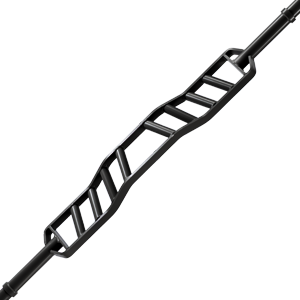
A straight-to-work power bar for squat, bench, deadlift, good mornings, rows, and the years of base-building this article keeps coming back to.
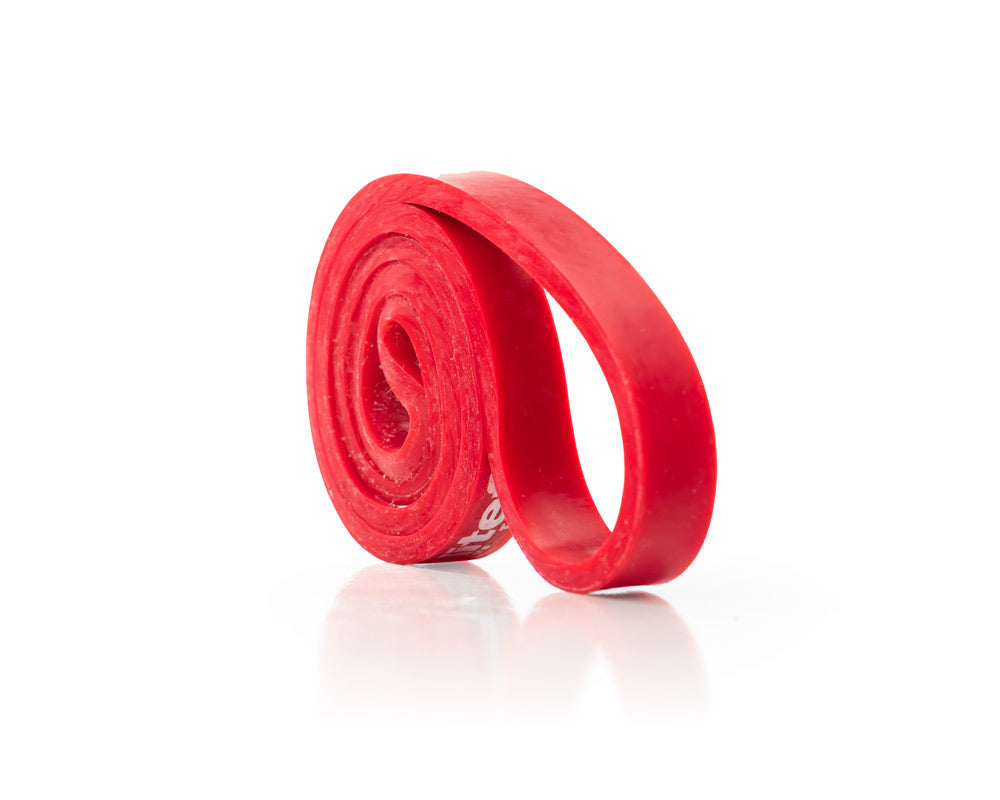
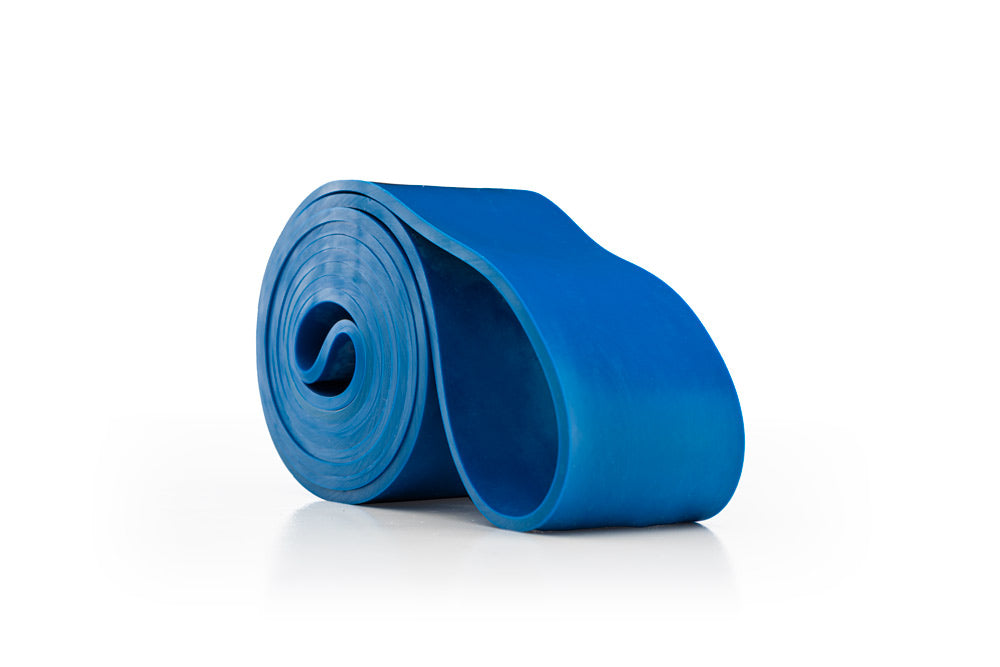
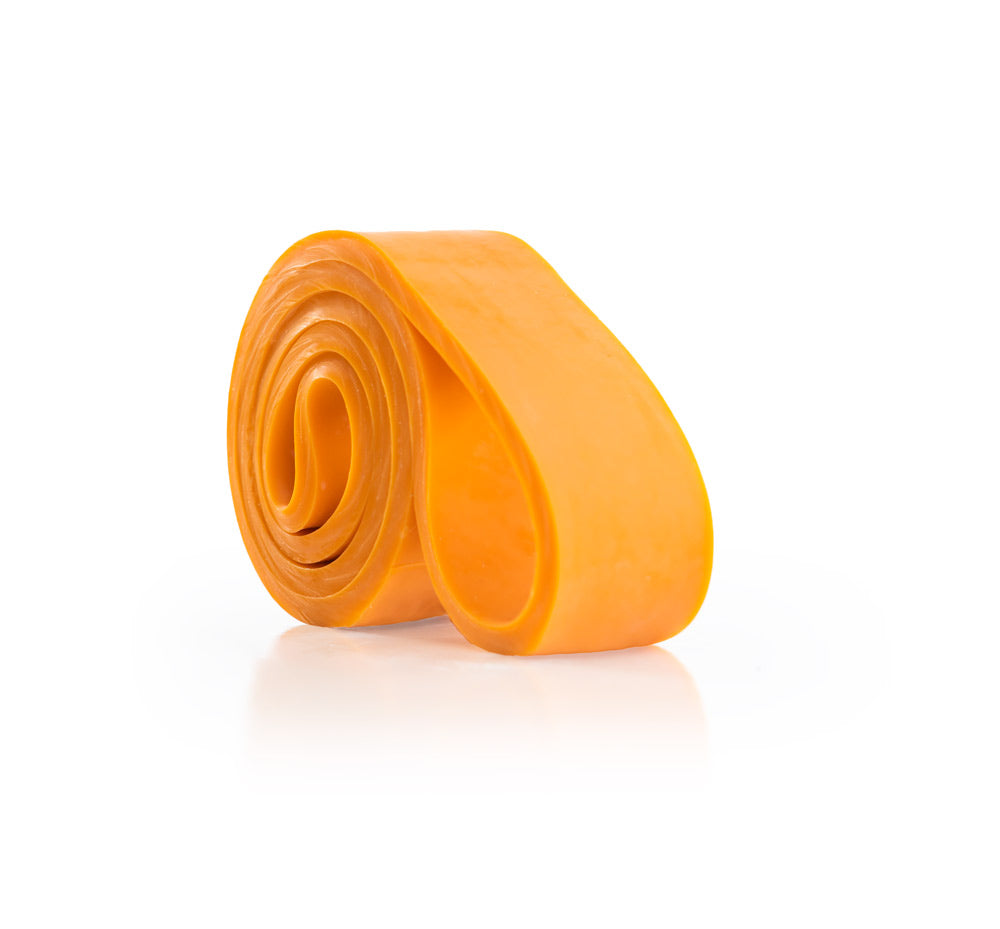
Shop the Power Barelitefts Pro Light Resistance Band
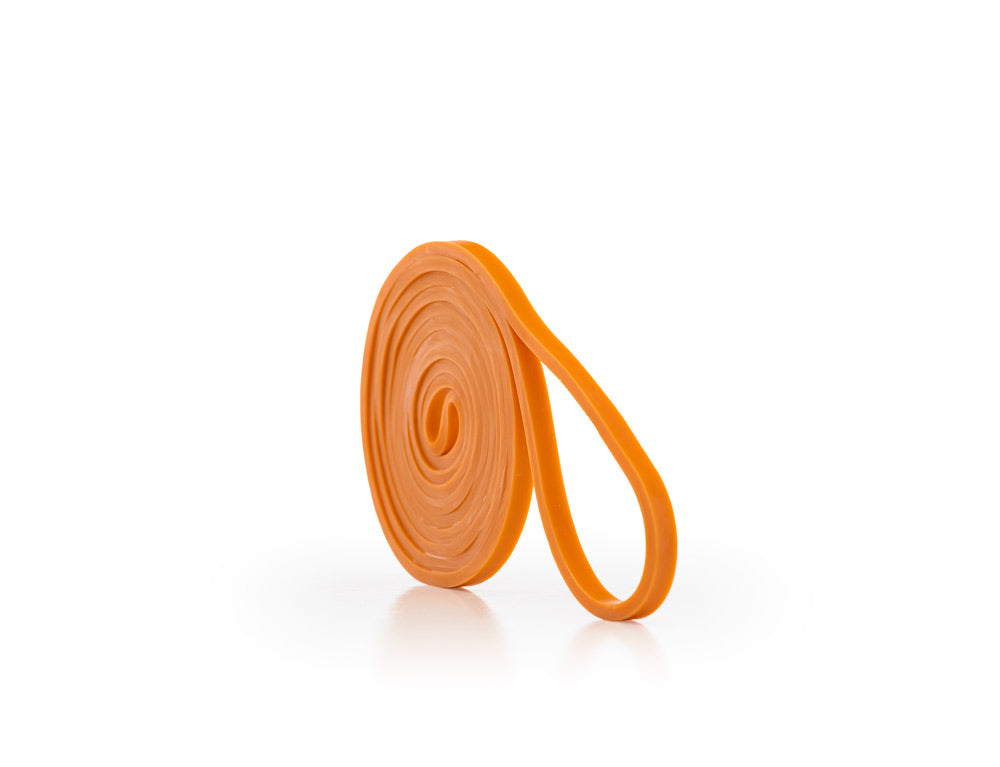
Use it for warm-ups, basic assistance work, banded pulls, mobility, and simple training that earns its keep before the fancy stuff.
Shop the Bandelitefts G3 45 Degree Back Raise
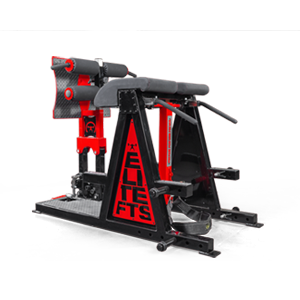
A practical tool for posterior-chain strength, trunk control, and building the backside that keeps heavy lifters durable.
Shop the Back Raiseelitefts Signature Posterior Chain Developer
For gyms that want a serious glute-ham/back-extension station to build hamstrings, glutes, spinal erectors, and long-term resilience.
Shop the PCDE-Series Prowler®
Hard, honest conditioning without turning recovery into a circus. Push, breathe, recover, repeat.
Shop the Prowlerelitefts 13mm P3 Pioneer Cut Painted Power Belt
For lifters loading the big movements seriously and needing dependable support without pretending the belt does the work for them.
Shop the BeltHeavy Grips
Grip work that fits the conversation around lifters, forearms, and the hard truth that strength leaks through weak links.
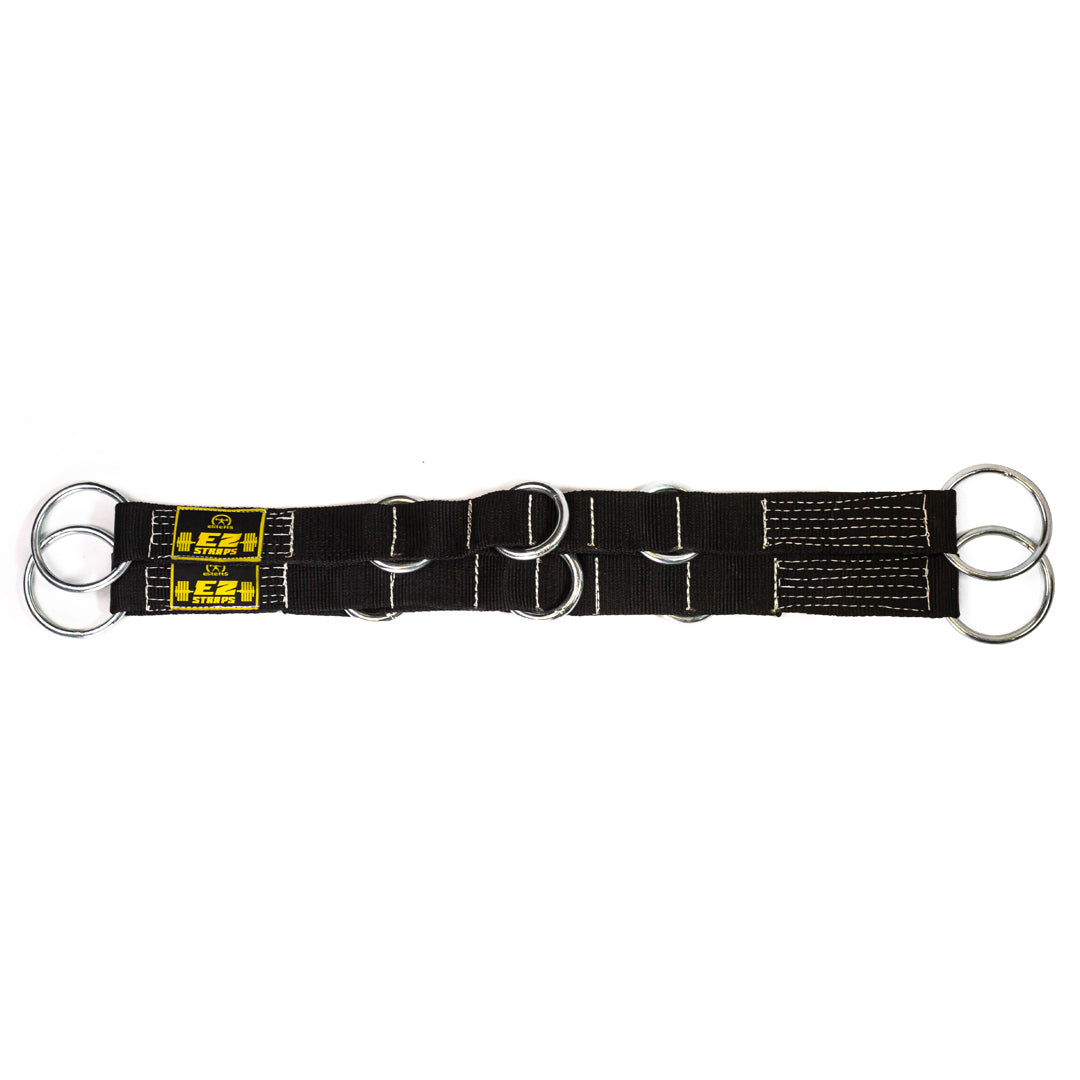
Shop Heavy GripsSpud Glute Ham Strap
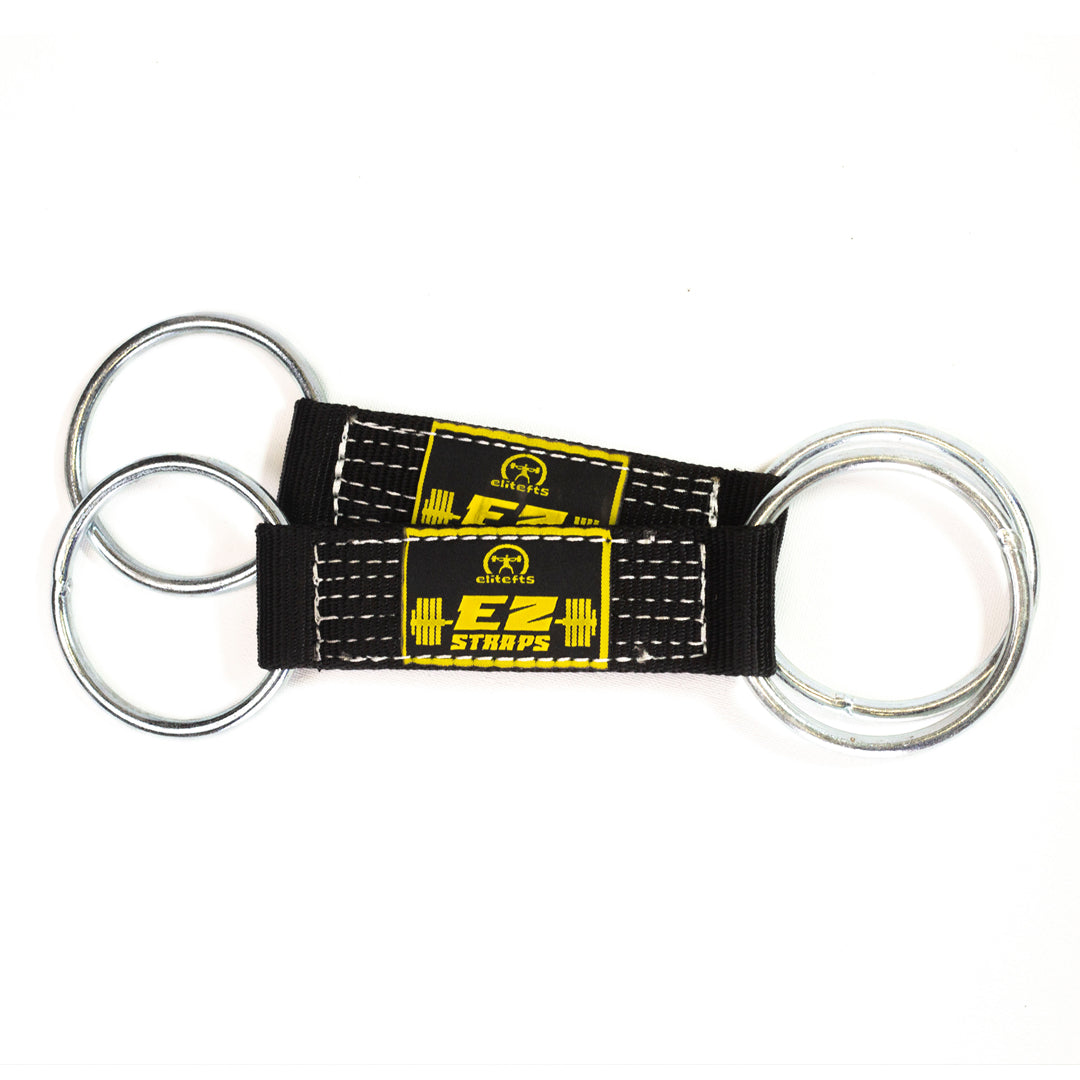
A simple way to train glutes and hamstrings when a full GHR is not in the room. No fluff, just posterior-chain work.
Shop the Strap- Beginners need fewer options, not more. Build the squat, bench, deadlift, basic nutrition habits, and real training intensity before obsessing over advanced details.
- Pain has patterns. Dr. Butcher’s clinical approach centers on asking better questions, touching the area, and finding the root cause instead of applying a generic template.
- Recovery starts with rest. Sleep, hydration, and movement sit below every modality, gadget, or trend.
- Entrepreneurship is not a lifestyle filter. The article’s business thread is blunt: ownership means service, labor, stress, responsibility, and finding joy in the grind.
- Elite performance is psychological, too. The ability to compartmentalize chaos and focus on the task in front of you is part of the difference between strong and elite.