

The Gods in Every Gym and Competition
A lifter does not need less discipline or more chaos. The lifter needs the rare ability to hold both: a plan strong enough to trust and awareness sharp enough to adjust when reality shows up under the bar.
Introduction
A powerlifting meet is circled on the calendar twelve weeks out. The program is printed, orderly, and precise, with percentages aligned to a projected peak and recovery variables accounted for in principle. Yet by week six, life asserts itself. Sleep becomes irregular, a joint begins to signal strain, and competing demands from work and family press in.
The lifter now confronts the actual problem of performance: not merely following a plan, but arriving at the platform ready. Excessive rigidity leads to breakdown in the body and psyche, whereas insufficient structure leads to drift, premature peaking, or injury. What is required is autoregulation - not compromise, but complementarity under tension between sticking to the plan and flexibility in the process.
Your personality archetypes can influence your thoughts, feelings, and behaviors when making autonomous decisions in training and at meets. In this sense, Fitzgerald's notion of the "other talent," the capacity to hold opposing states simultaneously without fragmentation, becomes immediately practical. The lifter must be structured yet flexible, controlled yet responsive, possessing both a disciplined plan and, colloquially, just enough "screw loose" to adapt when reality diverges from design and still keep one's composure.
Apollo, Dionysus, and the Athlete Under the Bar
The Birth of Tragedy account of the Apollonian and Dionysian provides a useful psychological grammar for this problem. In Jungian adaptation, as articulated by Carl Jung and developed by Jean Shinoda Bolen in Gods in Everyman, these are not merely aesthetic categories but archetypal tendencies within the psyche that organize perception, motivation, and personality.
Apollo represents the drive toward form, clarity, and ordered progression. Dionysus represents the impulse toward intensity, embodiment, and the dissolution of rigid boundaries. Fitzgerald's contribution clarifies that high-level functioning requires not the elimination of one pole, but the cultivated capacity to sustain both simultaneously, so the athlete can remain coherent while operating near the limits of control.
At-a-Glance Archetype Chart
Apollo
Form, order, progression.
- Plans the training cycle
- Protects recovery and technical discipline
- Can become rigid when overextended
Dionysus
Intensity, passion, embodiment.
- Brings conviction to heavy attempts
- Accepts discomfort and risk
- Can become reckless when unregulated
Hermes
Translation, feedback, integration.
- Turns experience into knowledge
- Connects the coach, cue, and lifter
- Keeps structure and intensity in conversation
| Training Problem | Apollo Alone | Dionysus Alone | Integrated Athlete |
|---|---|---|---|
| Fatigue | Pushes the plan even when readiness is falling. | Pushes harder because intensity feels meaningful. | Adjusts load, volume, or the day's definition of a win. |
| Meet prep | Protects the peak but may become overly cautious. | Attacks big attempts but may peak too early. | Uses structure to aim aggression at the right moment. |
| Variation | Repeats stale stimuli too long. | Program-hops when bored or frustrated. | Introduces planned variation without losing direction. |
| Coaching feedback | Wants certainty and fixed rules. | Wants freedom and expression. | Uses feedback as a translator between plan and performance. |
The Apollonian Orientation
The Apollonian orientation appears wherever the athlete seeks to structure and control experience in time and space. One sees this in the gym when a lifter becomes emotionally dysregulated because a piece of equipment or space is unavailable. It is important and practical to plan progressions, technical discipline, and the capacity to delay gratification for a later peak.
One might say that the good Apollo quietly insists that adaptation requires consistency, that consistency requires structure, and that structure protects the athlete from impulsivity and foolish mistakes. Fitzgerald's "other talent" is already implied here, insofar as the athlete must maintain composure and coherence across weeks of training, holding together a long-term vision even when short-term fluctuations invite deviation.
Yet within this insistence, there is also a limitation. The same voice that organizes can become overextended, such that the athlete begins to privilege the plan over the organism. In this way, Apollonian dominance risks producing a form of disciplined misattunement in which the lifter adheres to prescribed percentages despite clear signals of fatigue, reduced readiness, or emerging injury. The plan remains intact, but the person does not. Apollo needs his form to be flexible lest it break.
The Dionysian Orientation
In contrast, the Dionysian orientation emerges wherever the athlete encounters the necessity of intensity, passion, and conviction. It is present in maximal attempts, in the willingness to endure discomfort, and in the capacity to mobilize emotional and physiological arousal in the service of performance.
One might say that Dionysus presses the athlete toward the edge, toward moments when transformation requires more than mere compliance and demands commitment. Fitzgerald's formulation becomes especially relevant here, as the athlete must allow for a controlled loosening of constraint, a temporary suspension of over-regulation that permits maximal expression without collapse.
Yet this same force, when unregulated, becomes destabilizing. The impulse toward intensity can devolve into impulsivity, such that training becomes erratic, programs are abandoned prematurely, and signals of pain are ignored in favor of momentary expression. What begins as courage can become recklessness, and what appears as freedom can result in the fragmentation of progress. Dionysus needs to rein in his passions to execute with precision.
Autoregulation: Where the Tension Becomes Useful
The relationship between these orientations is not one of opposition to be resolved, but of tension to be maintained and integrated. Nietzsche's claim is that the highest forms of human expression arise not from the elimination of one pole, but from their dynamic interplay. Fitzgerald sharpens this claim by insisting that psychological maturity consists in the capacity to sustain such interplay without disintegration.
In training, this interplay becomes visible in the athlete's capacity to hold structure and responsiveness together. Apollo inclines the athlete to prepare, map, and stabilize, while Dionysus inclines the athlete to adapt, risk, and realize. When the athlete is overly identified with Apollo, training becomes rigid, overly cautious, and psychologically constricted; when overly identified with Dionysus, training becomes chaotic, inconsistent, and physiologically unsustainable.
The mature athlete learns to move between these orientations without collapsing into either, through effective autoregulation. When one is not in the sweet spot, autoregulation adjusts load, intensity, repetitions, attempts, and sometimes what counts as a successful training day. For a deeper elitefts training application, see John Paul Catanzaro's Autoregulation and Variable Adaptation Training.
Fatigue, Overreaching, and the Edge of Breakdown
This dialectic is especially evident in the management of fatigue and overreaching. The Apollonian tendency emphasizes the necessity of recovery, recognizing that accumulation of stress must be followed by restoration if adaptation is to occur. At the same time, the Dionysian tendency recognizes that adaptation itself requires exposure to stress that approaches the limits of capacity.
Fitzgerald's insight reframes this as a problem of tolerance: the ability to approach the edge of breakdown without crossing into it, to sustain effort at the boundary where structure is strained but not lost. The integration of these positions is evident in tactical overreaching, in which the athlete deliberately enters a period of elevated stress, understanding that it will be followed by structured recovery. Apollo determines the timing and boundaries of the exposure, while Dionysus provides the willingness to enter and engage it.
Program Adherence and Planned Variation
A similar dynamic unfolds in the relationship between program adherence and autoregulation. Apollo inclines the athlete to follow a predetermined progression, emphasizing consistency across sessions and weeks. Dionysus, however, responds to the variability of lived experience, recognizing that readiness fluctuates with sleep, stress, and prior load.
The integration of these orientations is expressed in autoregulation, wherein the athlete maintains fidelity to the program's intent while modifying execution in response to current conditions. In this way, the program remains a guide rather than a constraint, and the athlete remains responsive rather than reactive. It takes wisdom to implement knowledge and technique with the right amount of passion.
The dialectic also extends to variation and accommodation. The organism adapts to repeated stimuli, such that unchanging training eventually produces diminishing returns. Dionysus inclines the athlete toward novelty, while Apollo tempers this impulse by insisting that variation must be structured rather than arbitrary. Their complementarity is realized in planned variation, where novelty is introduced within an overarching structure and sustained without loss of direction.
The Athlete Beyond the Gym
Within a biopsychosocial framework of performance, these dynamics extend beyond the gym into the broader life of the athlete. The Apollonian impulse toward control can manifest in highly regulated nutrition, sleep, and scheduling practices that support performance. Yet when overextended, it may constrict social and familial relationships, producing stress that ultimately undermines the outcomes it seeks to secure.
Conversely, the Dionysian impulse toward flexibility and connection may preserve relational depth and psychological vitality. When unbounded, however, it may erode the consistency necessary for high-level performance. The athlete must therefore integrate biological demands, psychological states, and social relationships without allowing any single domain to dominate destructively.
Hermes: The Coach, the Cue, and the Translation
Bolen's inclusion of Hermes introduces a further dimension to this psychological ecology. Hermes functions as the mediator and translator, facilitating movement between domains that might otherwise remain disconnected.
In the training context, Hermes appears in the communicative and reflective practices that transform experience into knowledge. One may observe this in the coach who refines a cue in response to a missed lift, in training partners who coach each other, or in the athlete who reflects on prior sessions and adjusts accordingly. Hermes enables the athlete to translate between Apollonian structure and Dionysian experience, ensuring that neither remains isolated from the other.
The Barbell as a Hero's Journey
In a broader mythological frame, the athlete's development may be understood as a version of the hero's journey described by Joseph Campbell. The athlete departs from ordinary functioning, undergoes trials that test both discipline and courage, and returns with a transformed capacity for action.
Within this journey, Apollo provides the map that orients the path, Dionysus provides the ordeal that catalyzes transformation, and Hermes provides the means by which experience is integrated into wisdom. The barbell, in this sense, becomes not merely an implement of strength but a medium through which these archetypal dynamics are enacted and sustained.
Related elitefts Tools for Structured Intensity
The article's message is psychological, but the training environment still matters. These elitefts suggestions support the same structure-plus-intensity theme: planned variation, safer heavy attempts, and clearer autoregulation.
Autoregulation Strength Training Guide
Use this when the goal is better decision-making around fatigue, readiness, and plateaus.
View Guideelitefts Pair of Chains
Chains add accommodating resistance to help build strength, stability, and control through the full range of motion.
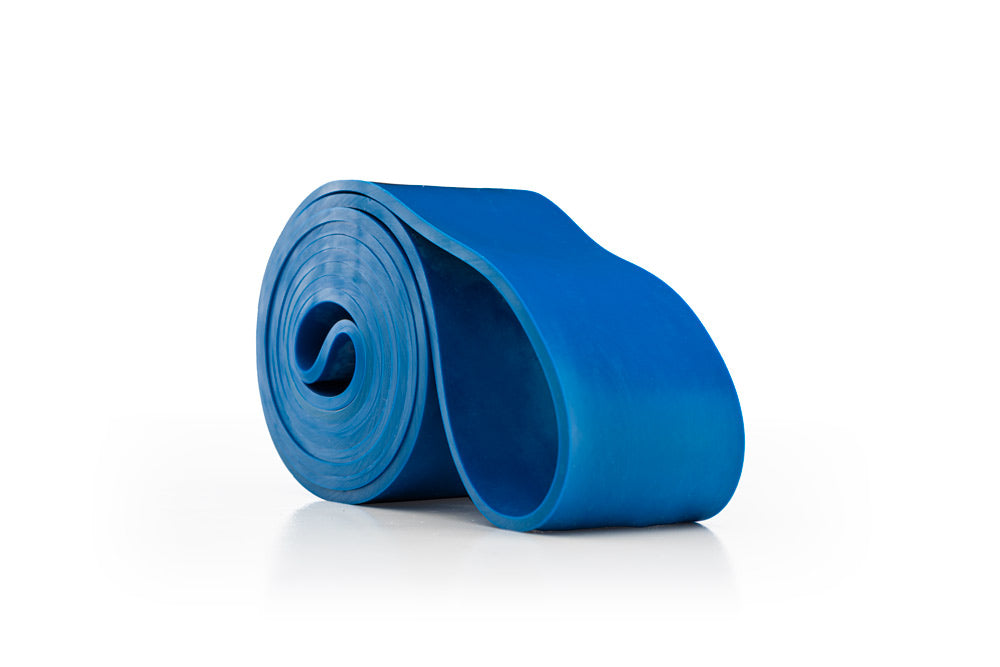
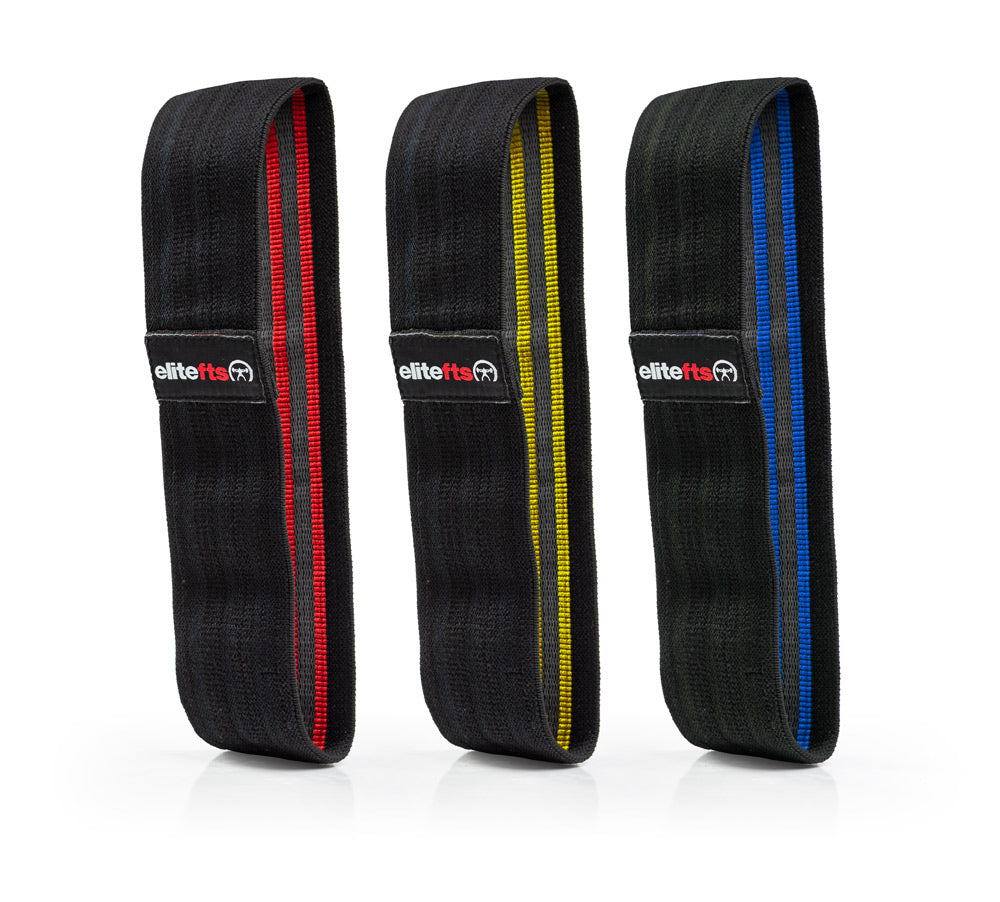
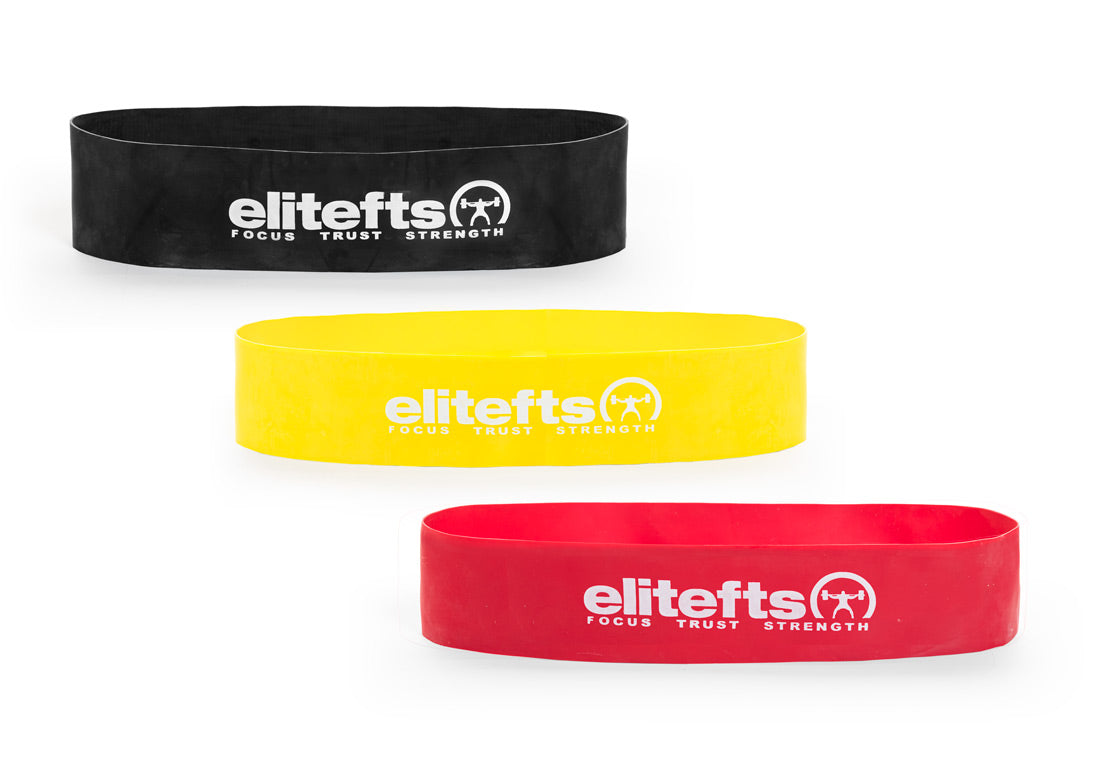
Shop Chainselitefts Pro Resistance Band Pack
A versatile band pack for warm-ups, mobility, dynamic effort work, assisted training, and joint-friendly variation.
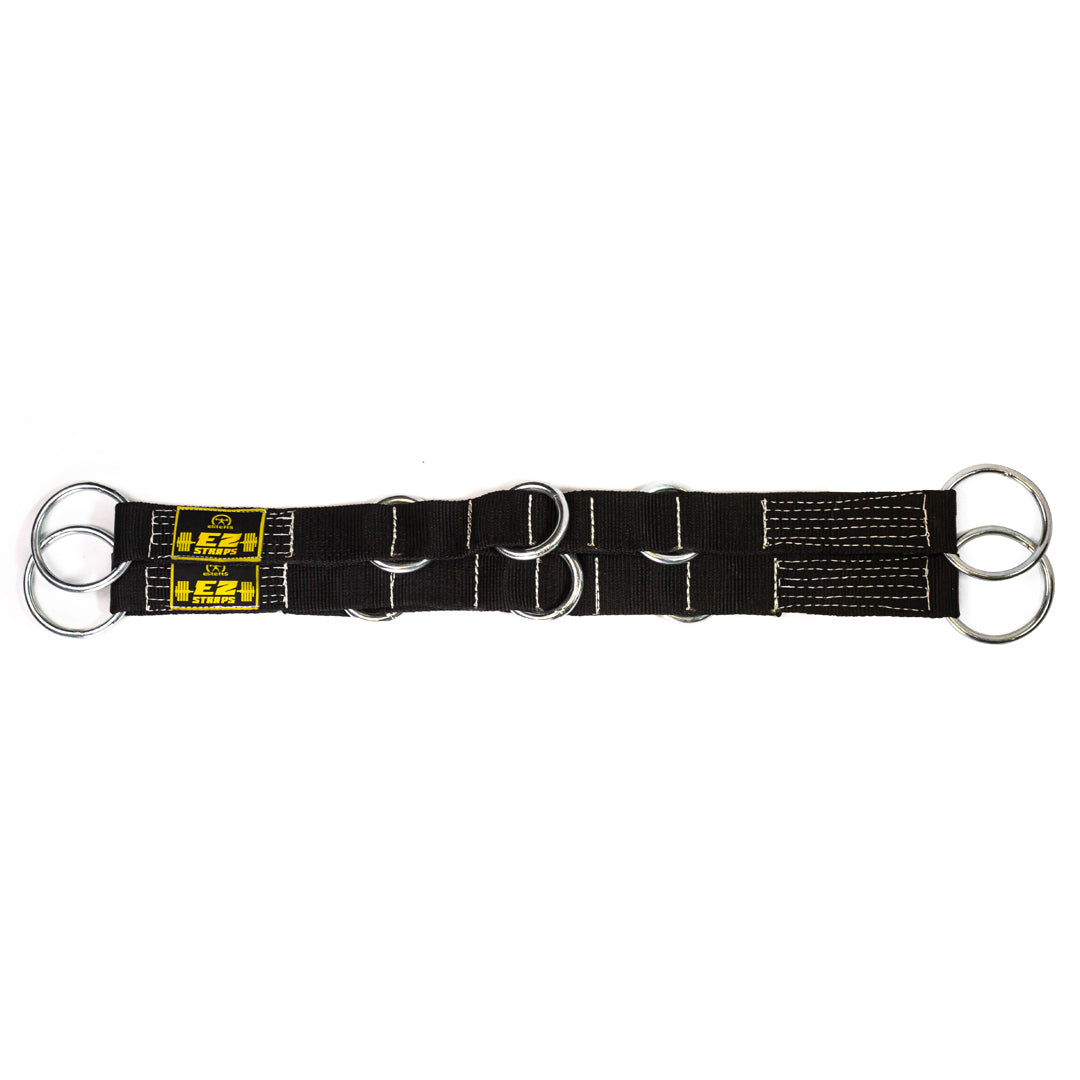
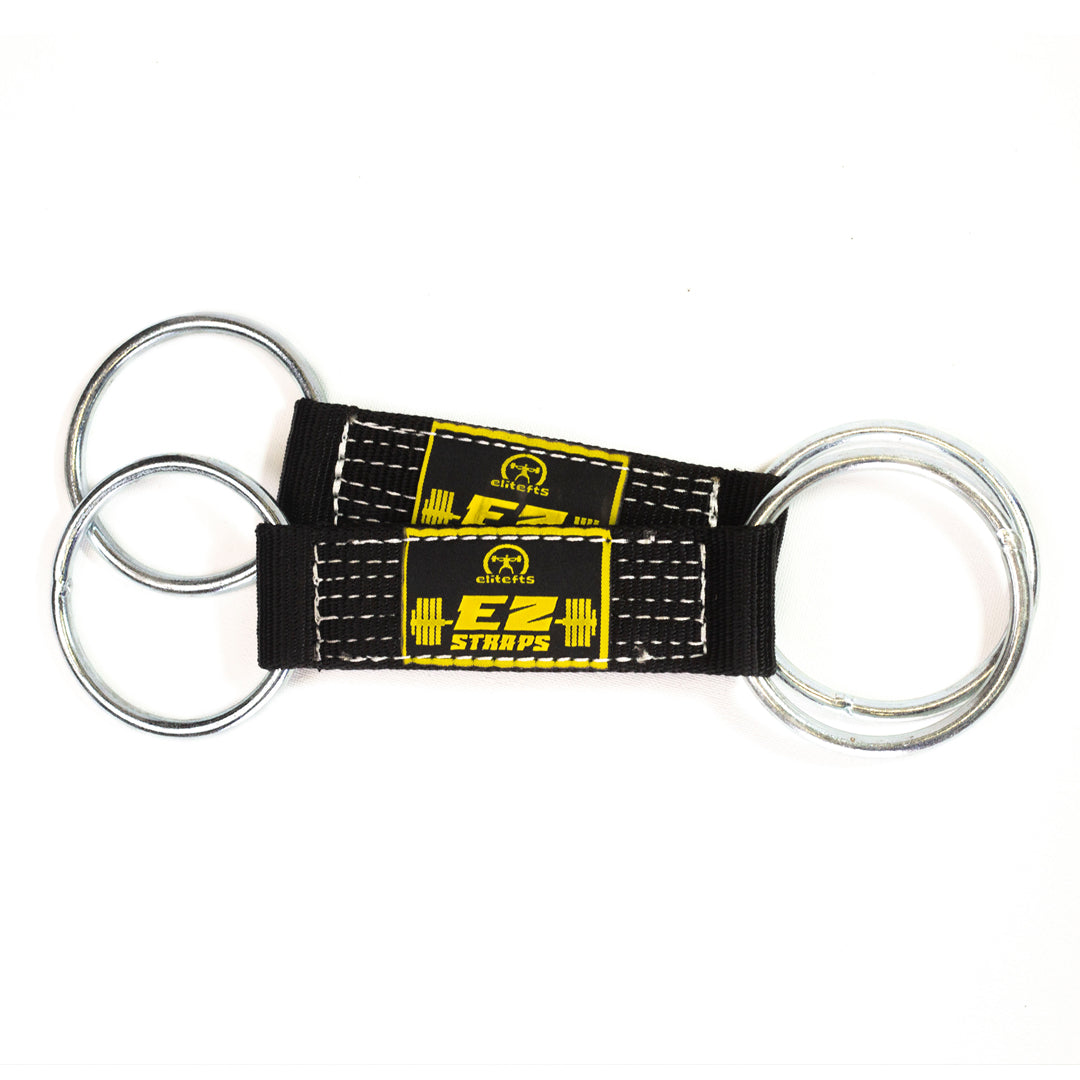
Shop BandsSpud Mono Safety Straps
For gyms using bolted-down monolifts, safety straps support heavy attempts while reducing unnecessary risk.
Shop Strapselitefts Monolift
For serious powerlifting environments, the monolift helps lifters train heavy squats without the walkout.
View MonoliftTraining Logs: Do More Than Just Track
Pair autoregulation with reflection. A useful log helps the athlete translate experience into better decisions.
Read ArticleNote: Product availability and pricing can change. The links above point directly to elitefts product or education pages.
References
- Bolen, J. S. (1989). Gods in Everyman: Archetypes That Shape Men's Lives. Harper & Row.
- Campbell, J. (2008). The Hero with a Thousand Faces (3rd ed.). New World Library. Original work published 1949.
- Catanzaro, J. P. (2018, February 18). Autoregulation and Variable Adaptation Training. elitefts.
- Fitzgerald, F. S. (2009). The Crack-Up. New Directions. Original work published 1936.
- Hacker, R. W. (2005). Achieving Excellence: A Guide for Athletes and Coaches. Peak Performance Press.
- Jung, C. G. (1969). The Archetypes and the Collective Unconscious (2nd ed., R. F. C. Hull, Trans.). Princeton University Press. Original work published 1959.
- Nietzsche, F. (2000). The Birth of Tragedy (D. Smith, Trans.). Oxford University Press. Original work published 1872.