


Use the Science.
Train the Player.
Periodization gives you the framework. Coaching means knowing when the athlete in front of you needs the plan adjusted.
By Ashley Jones
“Periodization is a map. The player is the terrain, and the terrain changes every Saturday.”
Let me start with a confession. I love science. I've got the letters after my name—not that they mean a helluva lot, as I consider coaching to be more of a trade than a profession. I've read Matveyev, Bompa, Verkhoshansky, Issurin, and Stone, and I spent years soaking up Louie Simmons and the Westside way. I'm not here to tell you the research doesn't matter. I'm here to tell you it isn't the finish line.
Periodization is a map. The player is the terrain, and the terrain changes every Saturday.
A Few Things I'd Bet My Career On
Maximal strength is the mother of all strength qualities. Schmidtbleicher, Bompa, Matveyev, Stone, and Simmons all landed on it from different directions. If your athlete is weak, that's your first problem, no matter what the fancy stuff on Instagram says.
Adaptation follows stress, and stress needs to be managed. Selye's General Adaptation Syndrome is still the backbone of it. Stress, recover, adapt. Too much stress, or not enough recovery, and you're not building a player; you're building an injury list.
The force-velocity curve is real. I tell players to surf it. Max strength sits at one end, then strength-speed, peak power, speed-strength, and max velocity. Different loads, different qualities, and you can't ignore any part of the wave.
Every periodization model you'll read about—linear, undulating, concurrent, conjugate, tactical—is really an answer to one question: How do I organize stress and recovery so the athlete peaks when it matters? Good coaches borrow from all of them.
Then the Wheels Come Off
The textbook assumes one athlete. We coach a squad of forty-plus individuals, and no two of them are the same.
A 125kg tighthead and a 78kg halfback don't need the same thing, however tidy the annual plan looks. One might be under-massed for his position. One might be strong but slow off the floor. One might be six weeks out of a hamstring injury. One might be a 34-year-old with a body full of miles who needs a very different week from the 19-year-old fresh out of the academy.
The season also doesn't read the plan. Someone gets injured, the coach changes the team, a game gets moved, a whole block gets ripped up on a Tuesday afternoon. If your programming can't bend, it will break.
Ask the Player. Ask the Coaches.
Before I write a thing, I ask questions of all the key stakeholders. What do the coaching staff need from this player? What does the player think he needs? What do the conditioning staff see as his weakest attribute? What does the medical staff consider to be key areas?
Those answers rarely match, and the gap between them is where the good coaching happens. Then I sort everything into three buckets:
Everyone needs some of all three. The art is prioritizing, so the player gets the most bang from the limited hours we have. And no silos. The player, rugby coaches, medical staff, and performance staff should be one group working from the same page.
A Simple Filter I Use
I run players through a flowchart, and I've shared a version of it with you guys on EliteFTS before. It's simple:
| EUR Result | Training Emphasis |
|---|---|
| < 1.0 | Focus on Neural (speed & power) |
| 1.0–1.2 | Balanced approach to training |
| > 1.2 | Focus on Mechanical (strength & size) |
That's communication through questions and a test. It doesn't need software, and you can run it on a whole squad in a week. It uses science to do the sorting, and then it gets out of the way so you can coach.
Keep the Loading Basic—Some Might Say Boring
I have experimented with probably every known combination of sets, reps, and loading over the last three decades. As Dave and Louie always say, everything works, but nothing works forever. I think I got what I needed at the time from many of those schemes, but the reality is I don't need fancy set-and-rep schemes.
- Strength & power: 4x6, 4x4, 4x2
- Intermediate work: five sets of five at 75%, 80%, and 85%
- Hypertrophy: 12, 10, 8, dropping the reps as the weight goes up
- Progression: three-week waves, with the third week the hardest, then reset
Then I put the athlete inside that structure and let him have a say. My Quadrant Management System (QMS) runs from me controlling everything through to the player selecting his own sets and reps. The senior guys who've trained for years often pick their own path and do it well. Some blokes prefer to be told, and that's fine too.
I've had an All Black captain explain that with everything he needs to do in the course of a week, he did not have the extra time to go through the details of designing his own program in the weight room. “I trust you,” he said, “to put together what I need to be good to go on game day, and I will let you know if we need to change anything.”
Either way, a player who understands why he's doing something works harder at it. Effort and enjoyment decide outcomes. I've never seen a spreadsheet lift a bar.
The Week Bends Around the Game
In the off-season, the week is simple. Speed, then neural, mechanical, and metabolic work, with a day of restoration in the middle. Keep it needs-based and prioritized for each player to train what they need to become better rugby players.
In-season, everything hangs in the balance on game day. Monday is GD+2, Tuesday is GD+3, and so on, with days counted either side of the game. Volume drops right down, but intensity stays up all year because volume drives fatigue, and fatigue kills game-day performance. The players who ran 20-plus minutes on Saturday get a very different Monday from the ones who didn't play.
Then there's the one nobody plans for well: the player who isn't selected. He's fit, he's keen, and he's not playing. He needs work that keeps him ready, and someone to work out why he missed out. Is it physical, technical, tactical, attitude, or just the bench balance that week? That's a coaching conversation. It's not a programming problem, and no periodization model I've ever read has a box for it.
Don't Forget the Outliers
Every player has something the textbook can't tell you. I'm talking about the odd bits that happen “on the curve”: the sled and Prowler pushes, kettlebells and unilateral dumbbell work, medicine ball throws, bands, ropes, and combat conditioning. Sometimes the tool that gets a player through a rough patch is the one nobody wrote a paper about.
I had a player who is considered a legend of the game and used to find every excuse in the world not to lift. Then we chatted about options, and I gave him the details of Matt Furey's Combat Conditioning program. He loved it and never missed another gym session that season. So the moral of the story: step outside your box and discover what someone may want in order to satisfy what you believe the player needs as well.
And please, do your CARE work. Core, accessory, rehab exercises in every program, aimed at the muscles you can't see and the joints most at risk in the game. Louie Simmons called it prehab to eliminate rehab, and after decades of this, I couldn't agree more.
Equipment That Fits the Work Ashley Describes
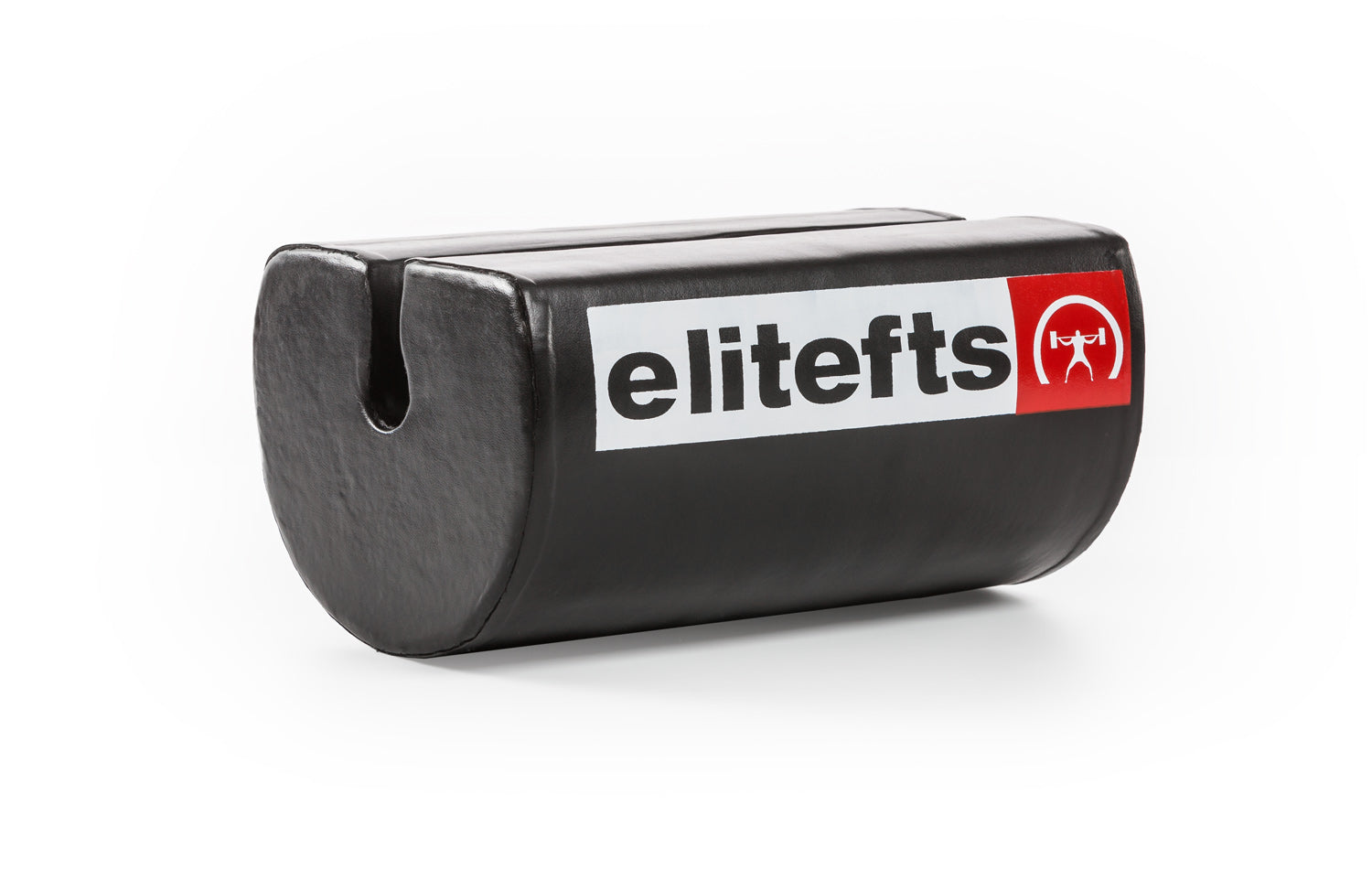
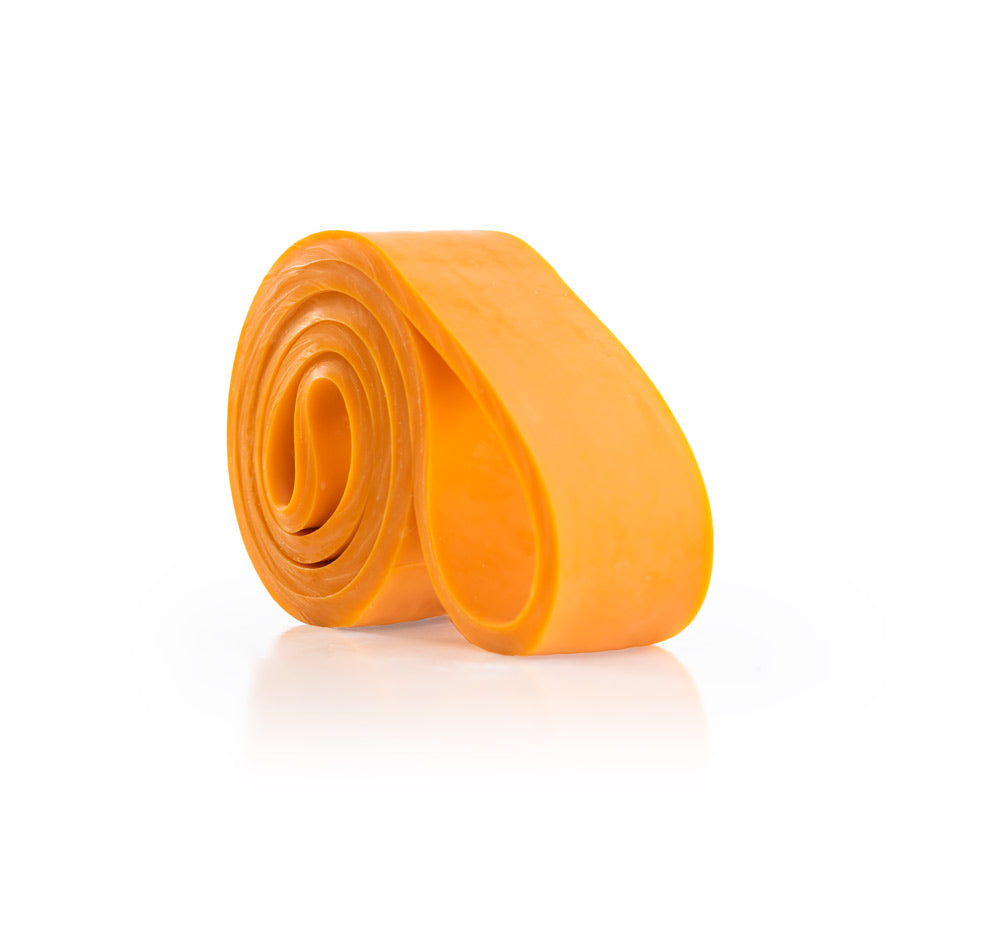
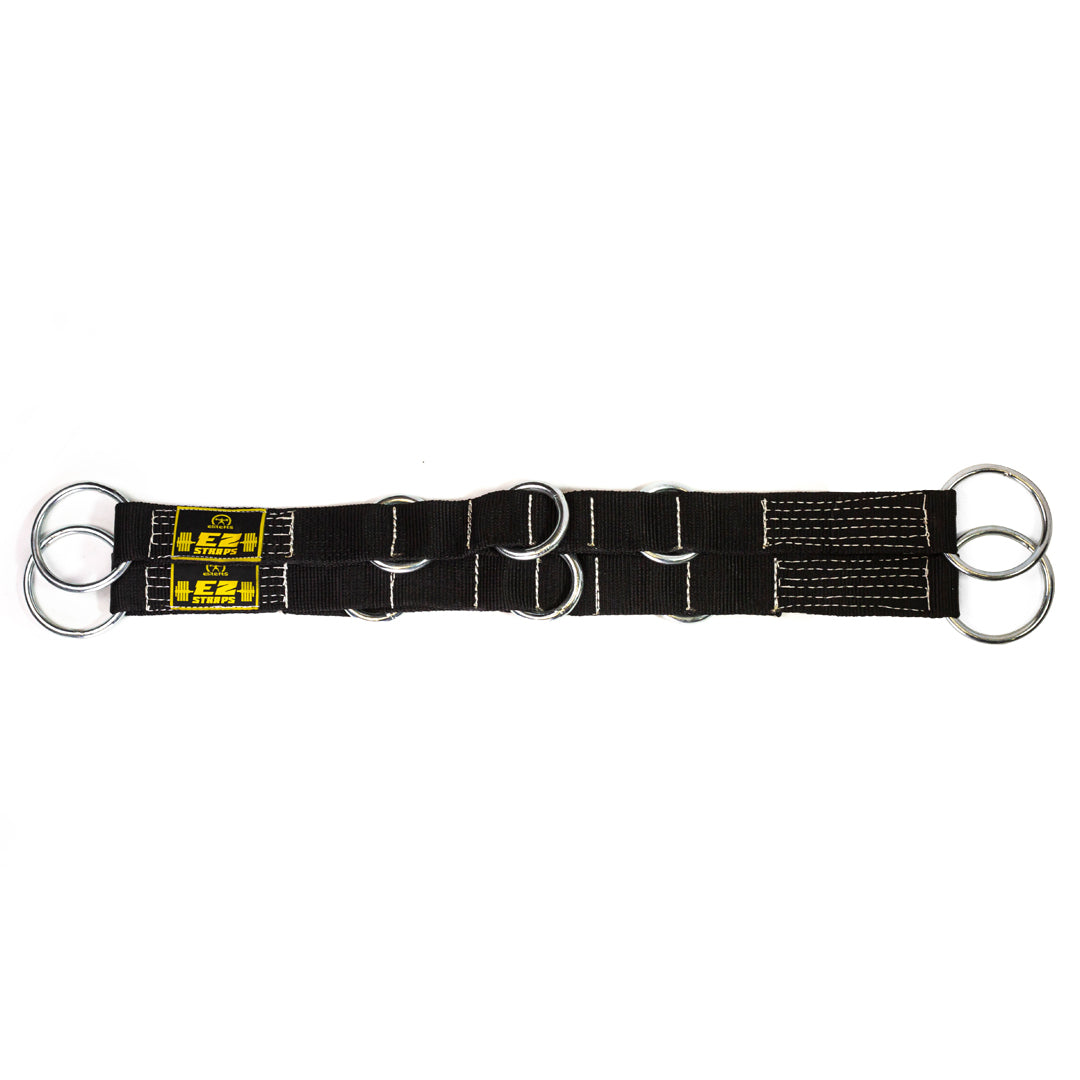
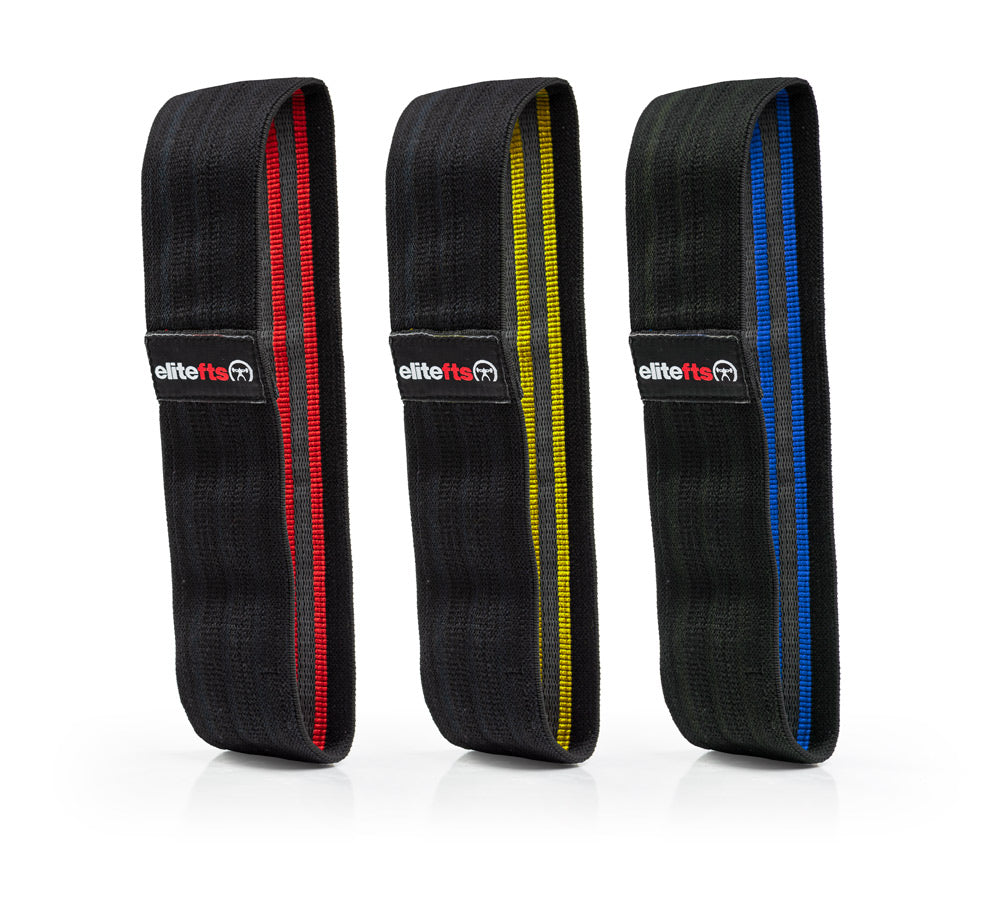
These aren't replacements for sound programming. They're practical tools for the sled, band, kettlebell, and medicine-ball work discussed above.
A simple option for conditioning, work capacity, recovery, and lower-body loading.
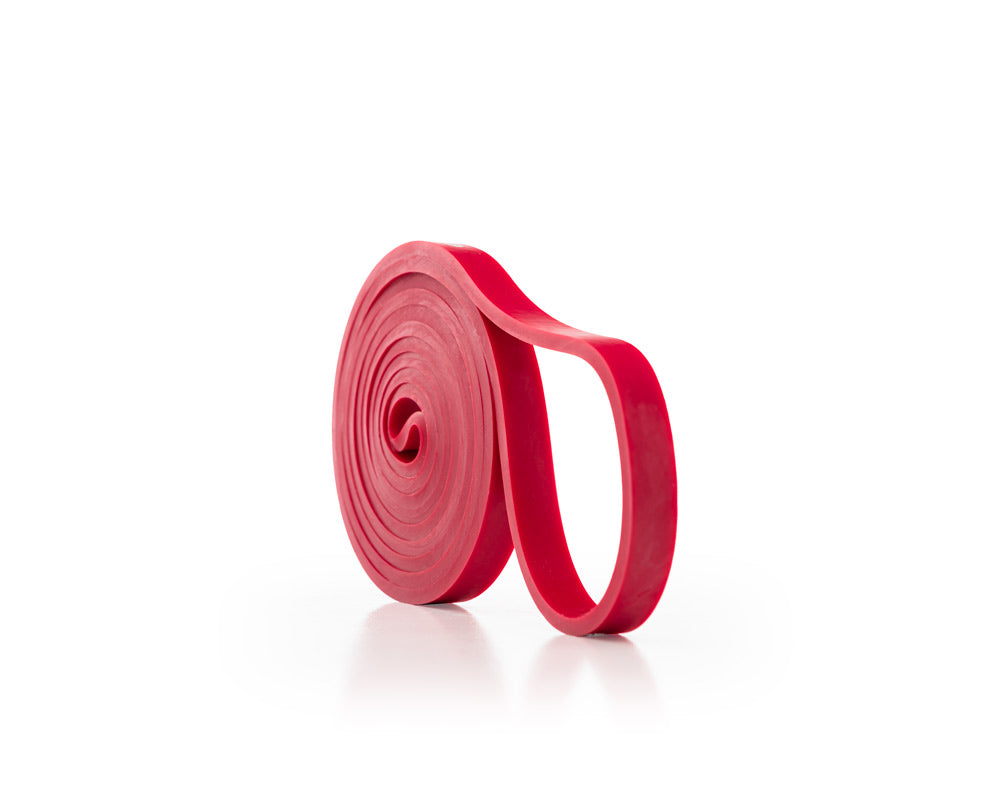
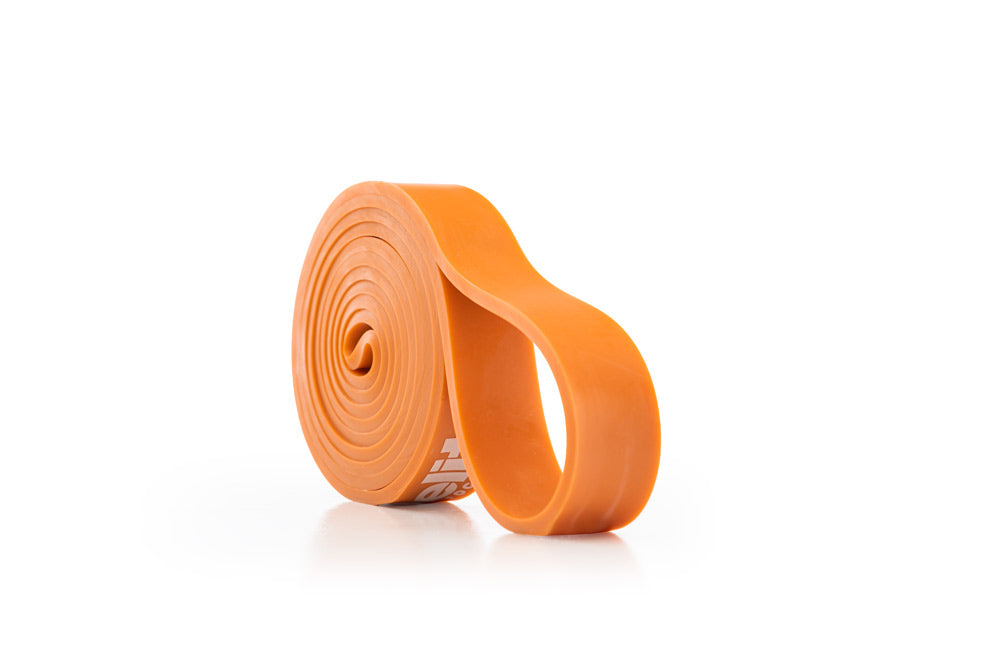
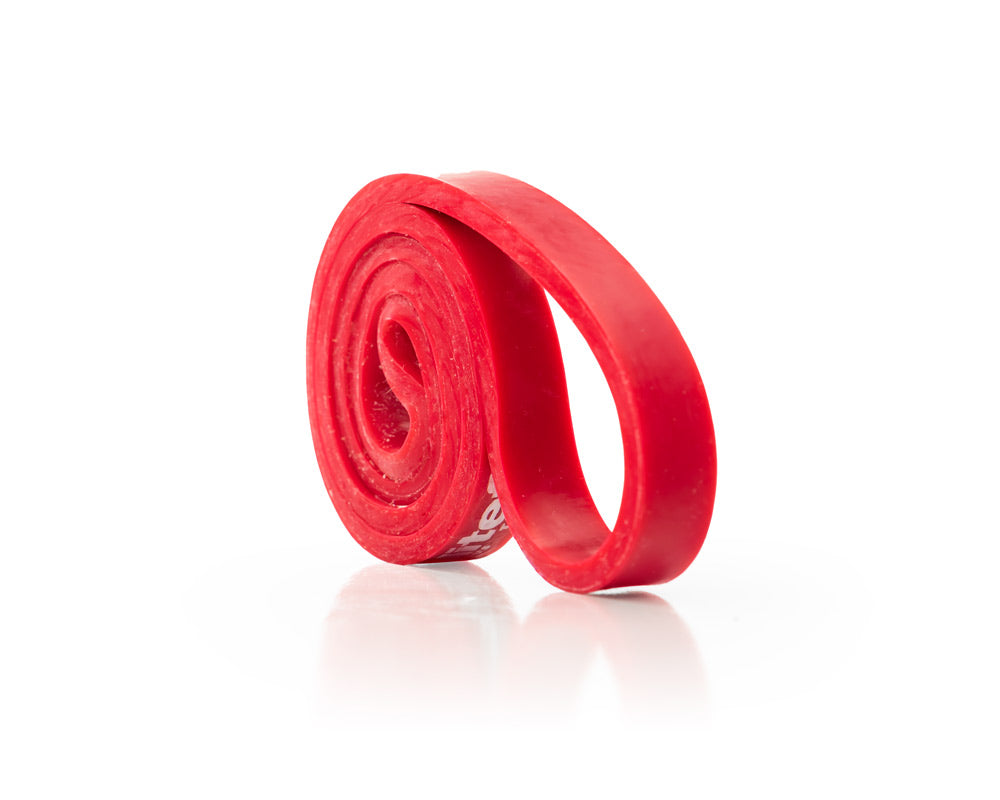
SHOP THE SLED →Useful for warm-ups, accommodating resistance, accessory work, rehab, and prehab.
SHOP BANDS →A versatile fit for unilateral strength work, dynamic movements, carries, and conditioning.
SHOP KETTLEBELLS →A practical tool for throws, trunk work, low-skill explosive training, and conditioning.
SHOP MED BALLS →Knowledge Is Not Wisdom
Science is the foundation, and I'd never suggest ignoring it. But knowledge is knowing the research, and wisdom is knowing what to do with it on a wet Tuesday when your starting lock has a sore back, and the coach wants him fresh for Saturday.
“Knowledge was knowing that a tomato was a fruit, and wisdom was not using it in a fruit salad.”
— Brian O'Driscoll, as recalled by Ashley Jones
Use the science to build the framework. Then look at the player in front of you and coach him.
Live. Learn. Pass On.
Build the framework. Read the athlete. Adjust when the terrain changes.