

How to Bench Press After a Major Pec Tear
What I Did After Rupturing Both Pecs, Losing Function, and Being Told I'd Never Bench 400 Again

How to bench press after a major pec tear is one of the questions submitted when I asked for blog ideas on my Instagram account.
The first thing I want to put out there: I'm not a doctor, not a physical therapist, and I am not qualified to give any physical therapy, rehab, or medical advice. All I can speak on is what I've done for myself in the past.
I have ruptured both pecs. I've torn my left pec tendon off the humerus and had to have it reattached. There was extensive damage to the clavicular and sternal head at both origins and insertions. The surgeons fixed what they could, but some couldn't be fixed.

By Braus, Hermann — Anatomie des Menschen: ein Lehrbuch für Studierende und Ärzte, Public Domain
The left pec injury was a total mess. It tore from the bone and tore the muscle. The right pec tore in half through the muscle belly. The tendon was still attached but frayed. The right one bled out like you see with most pec tears, with bruising all the way down to the wrist. The left one, where the tendon came out, and the pec basically exploded, didn't bruise at all. But there was a complete loss of function. I was not able to move my arm at all. Two entirely different types of pec tears.
Then there's a third type I've experienced, probably 100 times. I'll define it as a tear of scar tissue or a mild muscle pull. That's where the pec pops, there's a loss of function, and you take time off before coming back slowly. Over time, I found ways to overcome that and not miss any bench days because of it. The popping and tearing happened the most after surgery because there was so much scar tissue built up.
There are commonalities across all three. I had many pec strains before the first major tear, and with those I just ignored them. I did basic icing, took my time coming back, moved my grip in, and added more direct pec work and prehab. I did what a lot of people still recommend now. It didn't work. It paved the way to two major tears, one so bad I was told I would never bench 400 pounds again and was lucky if I regained normal function of my arm. It worked short-term, but I was always wondering when the next strain was coming.
It was after surgery that I started building the right relationships. A doctor who "got" what I was doing. An orthopedic who knew the sport, the risk, my history, and my goals. A physical therapist who also "got" what I wanted to do. I still have these same relationships over 20 years later.
As a side note: now that I am no longer competitive, their advice falls in line with what most people would get. When I try to use training as an excuse to get out of what they're asking me to do, it doesn't work anymore. These are the types of relationships you want to establish and build. They understand and will help you weigh the risk, but when the risk is too high for the goal, they will tell you how dumb you are being.
In many cases, while I was competing, they didn't like or agree with what I was proposing, but I still let them know because I knew there would be risk associated with it and wanted an expert opinion on what that risk actually was. If it was going to tear back off again, I wanted to know. I wanted them to know why it tore back off. I knew I was creating imbalances, and they helped advise how to work through and around them.

Here is what I did with the major pec tear. I followed the same protocol with my shoulder surgery and any other upper-body injury. I don't advise this. It should be discussed with your orthopedic, doctor, or physical therapist.
Immediately after surgery, the first goal was to restore the range of motion. That meant getting the sling off as soon as I possibly could. The sling was gone the first day, with the only exception being training. As soon as the incision looked clean and stopped leaking, I removed the staples.
I began with arm swings to get the muscle moving. The way I saw it, the tendon was screwed into the bone. It wasn't going anywhere. I knew I couldn't do anything until I had my range of motion back. The way I determined range of motion was the ability to grab the bench bar and hold a squat bar on my back. That's all I cared about. Today I regret that one.
That would take 7 to 10 days, sometimes 5 to 7 on a good run. It hurt like hell. Not going to lie about that.
Pre-surgery: I never really understood this question. You train the same way you always have. If you're messed up and can't move the injured areas, just do what you can.
I looked at it this way: the worst thing that can happen with surgery is death. I am not going out of this world on a de-load.
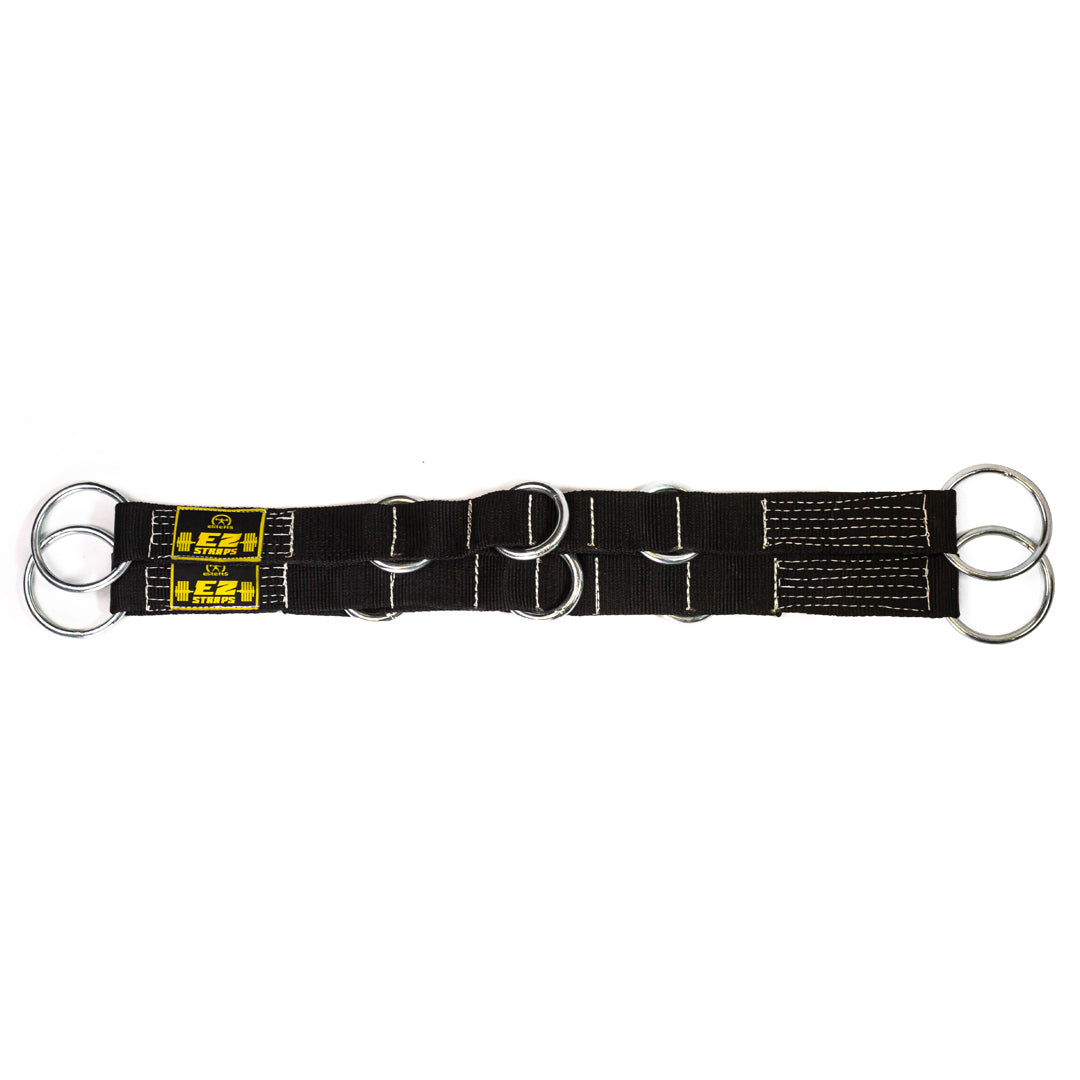
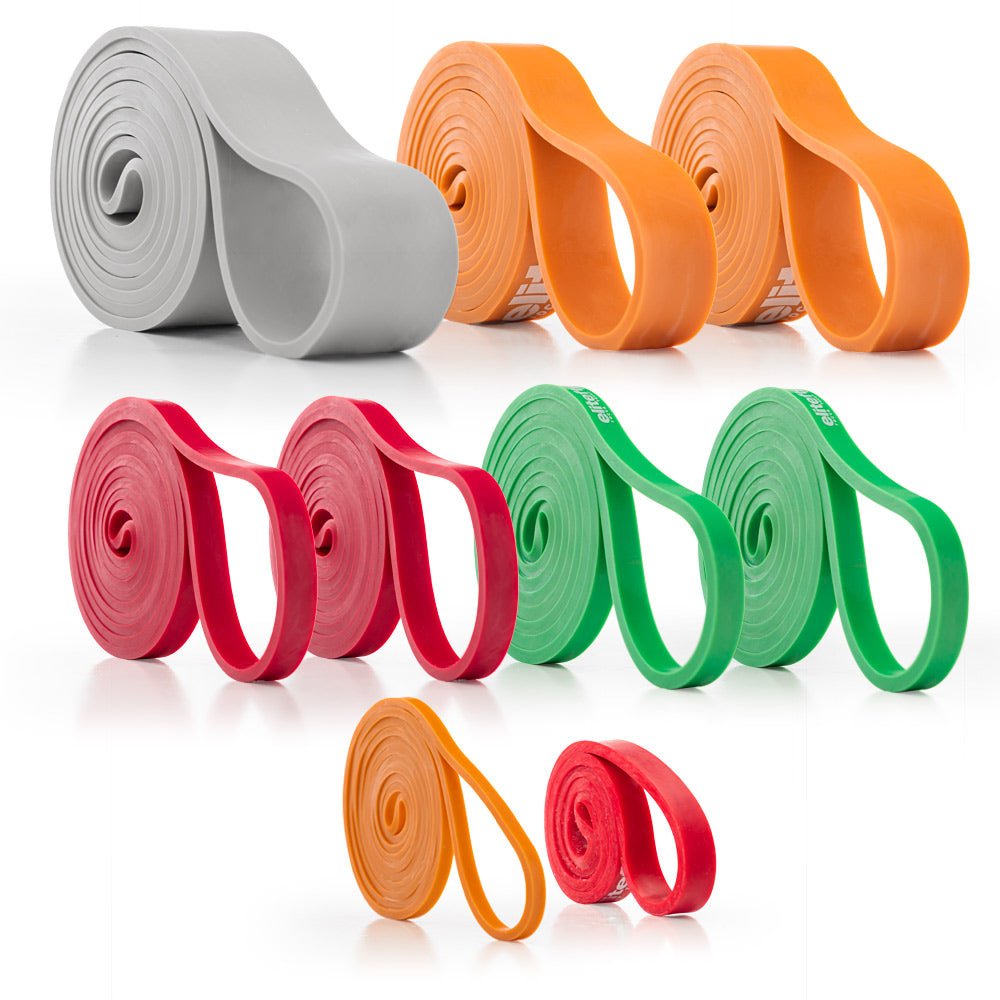
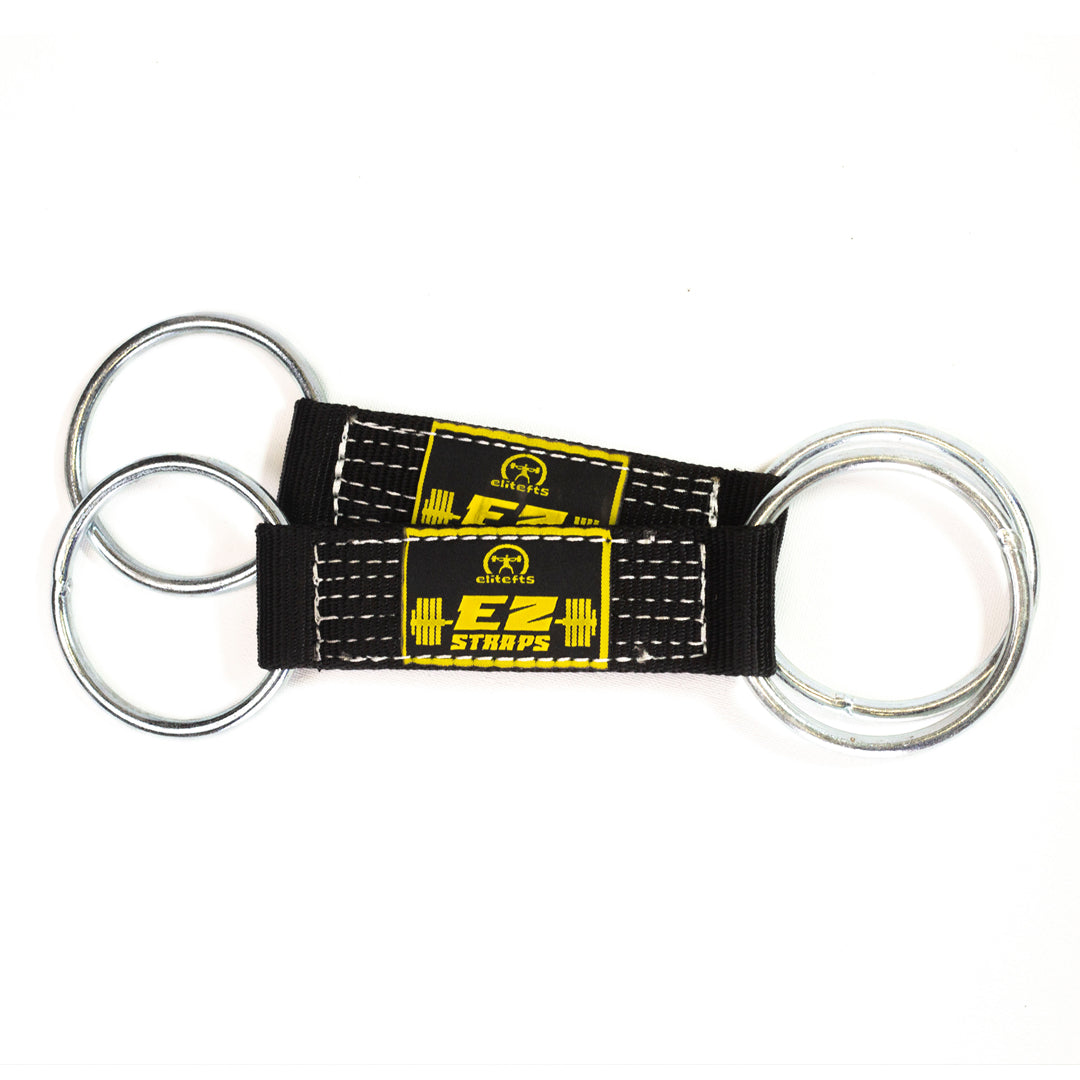
Once I had range of motion, I focused on stability. Whatever I could come up with to allow that muscle to regain its stability is what I did. Today there are bamboo bars, tsunami bars, and all kinds of tools I didn't have. I used bands, ropes, sled straps, and chains. Throughout this whole process, I always kept training my good arm as hard as possible. Dumbbell presses, front raises, side raises, pushdowns, one-arm pulldowns, one-arm rows. Whatever I could do, I did. Safety bar squats, one-arm deadlifts, suitcase deadlifts. The training never stopped, regardless of injury.
Once I could contract the muscle without a ton of pain, I started doing hundreds of muscle contractions a day. Hundreds if not thousands. You know that thing you do to make your chest bounce. I would flex, hold for a 2-count, relax, and repeat. When I couldn't hold for a 2 count, the set was over. If I had to guess, I did 40 to 50 sets a day. Each day, I added one more second to the flex until I reached a max hold of 5 seconds.
Why 5 seconds? Because that was how long my max time under tension was with max effort or dynamic effort work. The primary goal was to get it moving, contracting, getting blood in there. Getting everything to work the way it's supposed to.
When I was able to hold my arm out, I would start doing ghost bench presses. This began to re-establish the range of motion and proper movement pattern. Keep in mind all of this was happening within the first week, post surgery.
I did not change the training schedule at all. I stuck with the program I was doing. At the time, I was at Westside Barbell and expected to be there one way or another. So if I was going to be there, I might as well do the same work as everyone else, just scaled.
On max effort days, I still did max effort work. I remember the first max effort day, ten days post-surgery. I did reverse band presses off a 3-board. The bar only weighed a few pounds and somebody had to lift it out to me because I wasn't able to reach back far enough. It took everything I had just to push it up. Nerves weren't firing right. It was just messed up. But it was still max effort work.

Each week, the weight went up, and the boards came down, and I would mix the exercises based on what my range of motion could accomplish. I began on a 3-board because that was the limit of my range of motion. Then worked it down to a 1-board, then eventually all the way to my chest.
The key thing was to be able to strain. I wanted my mind to deal with straining at a very light weight, so when the weight got heavy again, I would have all the mental work behind me.
If you're going to get gun shy, let it begin with 45 pounds — not 400.— Dave Tate
Too many people come back from injuries and start smashing everything because it feels easy. They start getting closer to the weight they tore at, and they get gun-shy. You have MORE of a chance of getting hurt being scared than you do staying tight and pushing the weight the way you're supposed to. I wanted weeks of maximal straining under my belt before the weight got into the danger range. I didn't always do this with injuries before this surgery, and I know how it feels to be gun shy.
When it came to dynamic effort work, I still did it. Might have been a broomstick, but I did it.
What I found over time: I could no longer do straight barbell weight for dynamic pressing. I had to have something to decelerate the bar at the top. Personally, I got more out of chains than I ever did out of bands. I've seen people make crazy strength gains with bands, but unless I used them with chains, it was always too much joint stress for me. Chains became my go-to because they worked better for the pec damage I had.

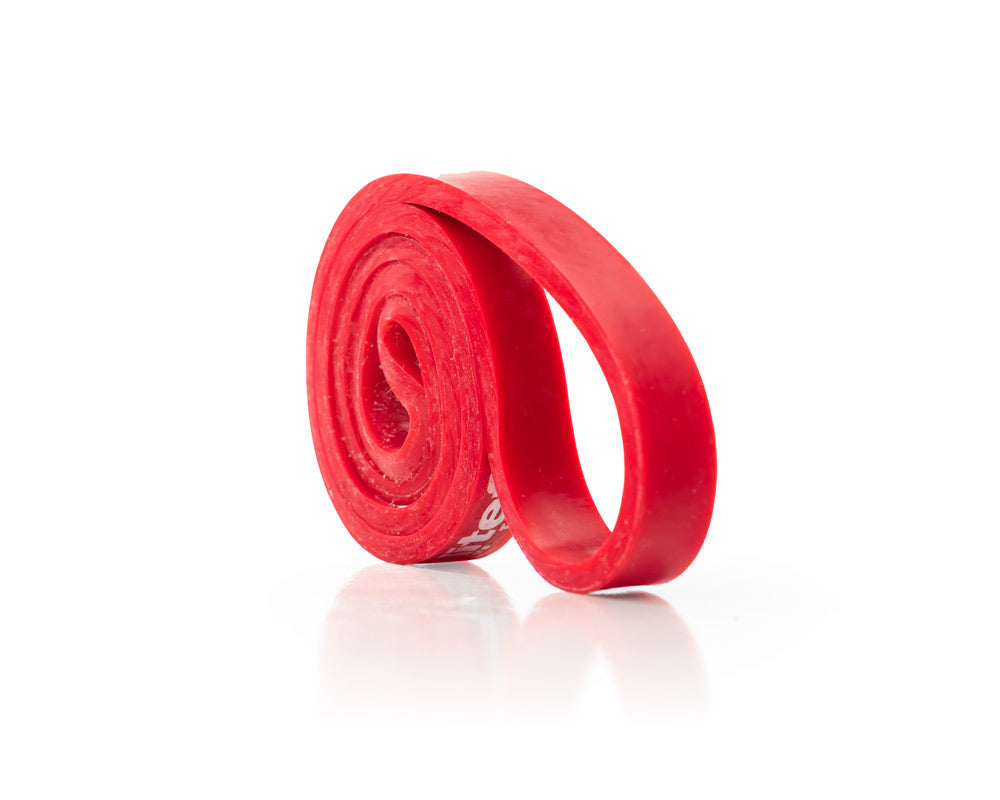
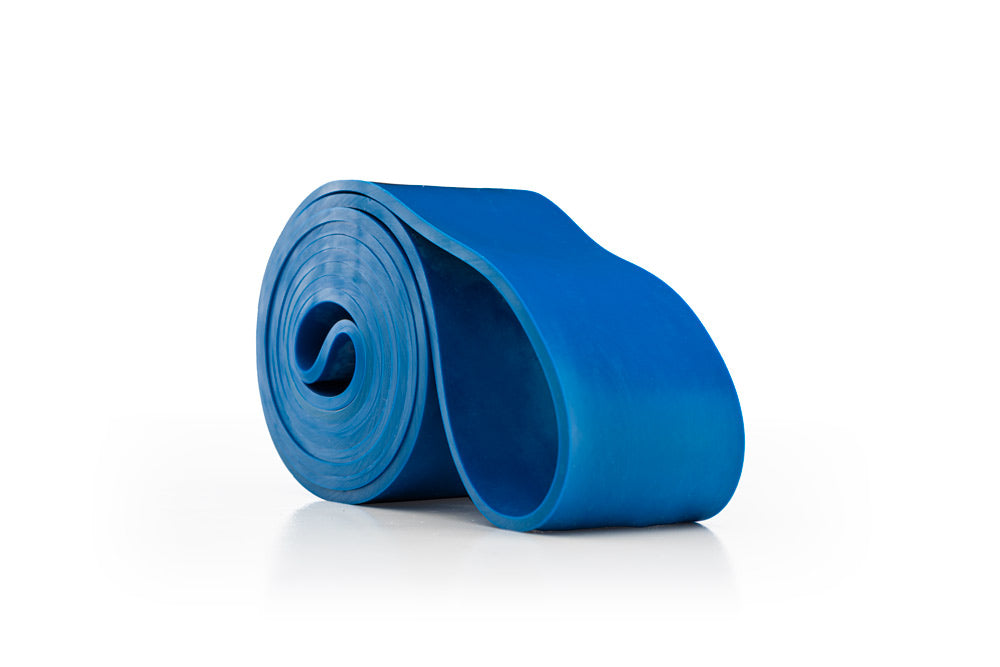
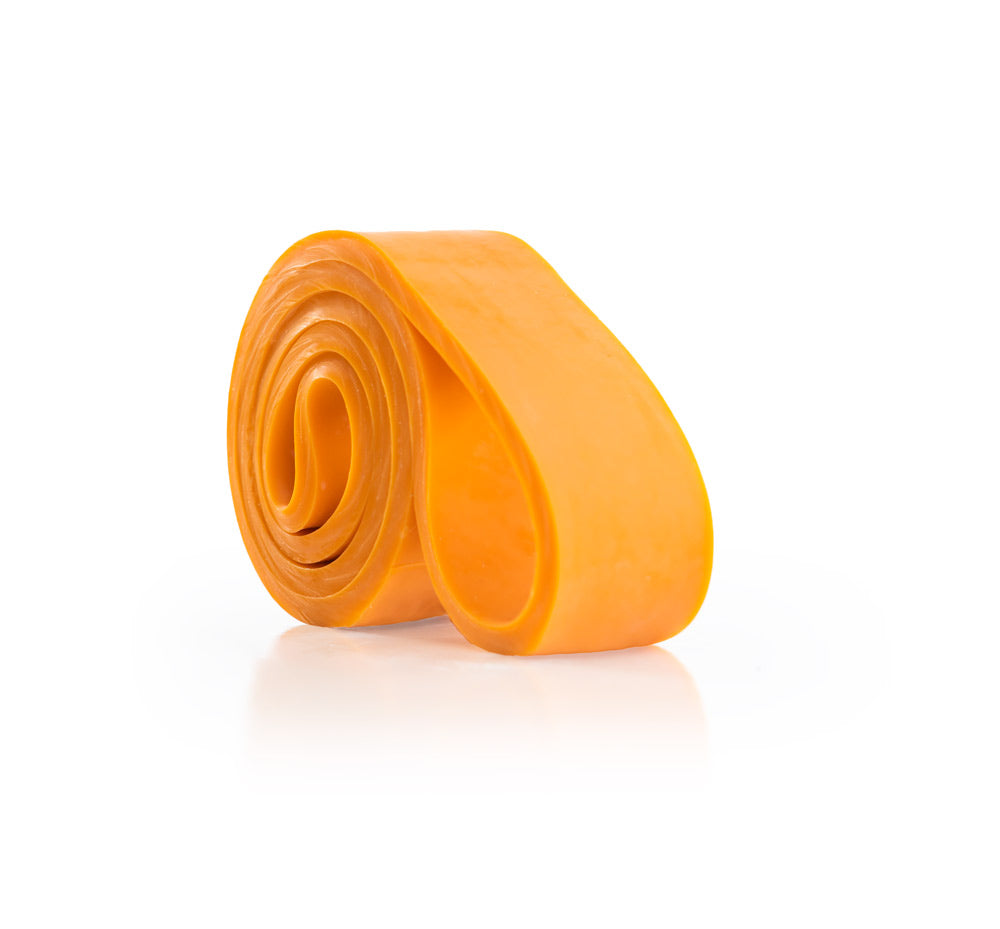
From a pec health standpoint, I added reverse band presses. I zeroed out the weight. With our rack, 95 lbs with an average band was nearly zero pounds throughout the whole lift. 135 with a strong band, pretty much zeroed out. At the end of each training session, I did 100 reps. When I was pressing those reps, I tried not to flex hard at all. As soon as I started flexing hard with my pecs or hard with my triceps, there was no way I was making it through 100 reps.
The reason I wanted to get to 100 reps: I wanted to strengthen the tendon and engorge the muscle with blood. Through the movement itself. Not how much blood could stay engorged after I finished. Movement-based blood circulation was what I was concerned with. Those reverse band presses became a mainstay.
When things were good I did this 2 to 3 times per week. If my bench was puttering along, I'd drop it to once per week. I didn't want my body to get used to any one frequency, because it was the best thing I could do to keep my pecs healthy. I also knew I rarely ever tore anything when training wasn't going well. When training was going really well is when things would go wrong. When the training was going great, I would increase the restoration work and anything I was doing to keep the muscle healthy.
I dropped all stretching. I stopped doing any type of fly or adduction movements at all. Every time I started incorporating stretching or adduction exercises into my training, I began having pec tendon or bicipital tendon problems. I eliminated them.
I eliminated any exercise I had a history of straining my pecs with. That included:
- Pin presses and dead stop presses (starting from the bottom or from the top pressing up)
- Flat dumbbell presses
- Dips
- Decline presses
Things that did help, and where I had a low injury history:
- Close-grip incline presses
- Board presses
- Floor presses
- Chain presses
I just increased the number of ways I could do those movements. That's easy to do when you can start rotating bars, chains, bands, and angles.
On off days when training was going well, I incorporated upper body sled work. Front raises, side raises, presses, extensions. When you're dragging a sled using straps for upper-body work, there is little to no eccentric contraction. It's all concentric, which pumps blood in there without much muscular breakdown. Recovery, feeder work, or both.
As the weights got heavier and the risk got higher, the day before I would bench I would do a smaller feeder session. Nothing more than using the bar or 95 lbs for 3 to 5 sets of 20 reps, a couple of sets of light triceps extensions, and maybe 1 set of reverse band presses in the 50-rep range. Nothing to wear the muscle out. Just enough to get the muscle recovered and ready for what was going to hit the next day.
Blood heals. And look for why the injury is happening in the first place. Rarely is it from the injured muscle. That's the effect, not the cause.— Dave Tate
From a passive restoration standpoint, deep massage therapy did not work for me. They would get in there and try to break down the scar tissue, and a lot of times that scar tissue was the only thing holding my pec together. Breaking it down increased the likelihood of another strain. I did have luck with saline injections and used them for recovery and after any slight strain.
Things have changed a lot since my time of ultra-high rep reverse band presses and saline injections. If I were still having issues today, I would look into some of the advice being provided by Donnie Thompson and Chris Duffin. New things are coming out all the time. Some will last, some will fade away.
The key things to remember: for a muscle to heal, it needs blood. Blood heals. And look for why the injury is happening in the first place. Rarely is this from the injured muscle. That is the effect, not the cause.
Again, this is my story, my history, and what I did. This is in no way medical or physical therapy advice.