
Table Talk Lessons
What Powerlifting Judges See (But Never Tell You)
Valerie Smith has been the lifter, the coach, the referee, the meet director, and the person who had to learn the hard way. Her biggest lesson? Sometimes the best education in powerlifting comes from sitting in the judge’s chair and watching everything.
Being a referee was probably the smartest thing Valerie Smith ever did for her lifting.
Not another program. Not another max effort day. Not another meet where everything had to go perfectly.
Judging.
Because when you sit in that chair, you are forced to watch lift after lift after lift. Good form. Bad form. Beautiful execution. Horrible decisions. Lifters who know exactly what they are doing. Lifters who are completely lost. And if you are paying attention, you start to see the sport differently.
“You’re sitting there watching beautiful form and horrible form. That’s all you’re doing—dissecting lifts.”
That is the thread running through Valerie’s story. She did not come into powerlifting through the perfect path. She did not grow up dreaming about squat commands, rack heights, federations, opener selection, or judging standards. Her road started on a farm, moved through gymnastics, passed through HR, went through CrossFit and obstacle racing, and eventually landed on the platform.
Then she bombed out of her first meet.
And, like most lifters who are built for this sport, she went looking for the next one.
From Gymnastics to the Platform
Before powerlifting, Valerie was the athletic kid. The one who loved the Presidential Physical Fitness Test. The one who could play almost anything. The one who started gymnastics at nine and became a state champion on vault at 11.
That matters because powerlifting rarely starts on the platform. The base usually comes from somewhere else. Gymnastics gave her body awareness. Farm life gave her work capacity. Coaching gymnastics gave her her first experience teaching movement. HR gave her the ability to read people, make decisions, and understand consequences.
That last part is more important than most lifters want to admit.
Valerie spent years in management and HR roles before running a gym, coaching lifters, and directing meets. She learned how to deal with people, how to listen, how to process information before reacting, and how to think beyond the first consequence of a decision.
That carries over directly to training.
The Training Lesson
Taking one extra heavy set may feel like the right decision in the moment. The first consequence is simple: you get another shot. The second consequence might be a wrecked next training session. The third might be a bad week, a missed lift, or an injury you never needed.
That is the difference between training hard and training like an adult. It is not just, “Can I do this?” It is, “What does this cost me next?”
The First Meet: Hooked, Then Humbled
Valerie came into powerlifting through the same door a lot of lifters do: someone noticed she was stronger than she realized.
She was doing CrossFit, obstacle racing, and endurance events. She was lighter, conditioned, and strong enough that the gym owner eventually asked the obvious question.
“Do you want to do a powerlifting meet?”
Her answer was basically, “Sure. What is it?”
Squat. Bench. Deadlift.
That was enough.
She trained for roughly five months, went into the meet, made it through squat and bench, and then bombed out on deadlift—the lift she thought was her thing.
The problem was not strength alone. It was everything else.
- Her opener was too heavy.
- She had trained mostly with bumper plates.
- She was not prepared for the actual meeting environment.
- She did not eat the way she needed to.
- She treated a first attempt like a record attempt.
- She likely took her opener in the warm-up room before taking it again on the platform.
That is a hard lesson. It is also one of the most valuable lessons a powerlifter can learn.
“I was one of those lifters that went into my first meet totally completely unprepared.”
She cried after the meeting. Then she went home and probably started looking for the next one. That is how this sport gets you. It beats you up, exposes you, embarrasses you, and then convinces you that redemption is worth chasing.
Chart: First Meet Mistakes and Better Choices
| Mistake | Why It Hurts | Better Move |
|---|---|---|
| Opening too heavy | Turns the first attempt into a test instead of a start. | Pick an opener you can hit on a bad day. |
| Taking your opener as a final warm-up | Adds fatigue before the platform attempt even begins. | Stop warm-ups below the opener, and make the platform the next jump. |
| Changing food or stimulants | Creates GI issues, energy crashes, anxiety, or dehydration. | Eat what you already know works. |
| Chasing records at the meet one | Creates pressure before you even understand the flow of a meeting. | Use the first meeting to learn the process. |
The “Mess Around and Learn” Years
For the first couple of years, Valerie did not have a true coach. She had people around her. She asked questions. She learned by making mistakes. She trained too heavily, too often. She did the things most lifters do before they know better.
Was it ideal?
No.
Was it useless?
Also no.
There is something to be said for learning what too much feels like, what too little looks like, and why your own bad decisions keep showing up on meet day. A coach can save you from mistakes, but mistakes also create lifters who understand why the rules exist.
By the time Valerie got a real coach, she was ready to be coached. She had already tried the wrong way. She had already missed. She had already bombed. She had already been humbled.
“I was very coachable and wanted someone to feed me the information. I was like a sponge.”
That is a powerful place to be. Not every lifter needs to be beaten into the ground before getting help, but every lifter needs to understand that coaching works better when the lifter is ready to listen.
Why Refereeing Made Her a Better Lifter
At some point, Valerie’s coach asked her to become a referee. She went through the process, took the tests, learned the rules, and started sitting in the chair.
That changed everything.
Most lifters only see their own training videos. Maybe they watch their training partners. Maybe they scroll through Instagram. But judging forces you to watch hundreds of competition attempts from the best seat in the house.
You see who was prepared. You see who had coaching. You see who does not know commands. You see who gets buried because the opener was wrong. You see who looks like they have done this a hundred times. You see who has no idea what just happened.
That is an education.
Why Every Serious Lifter Should Work a Meet
- You learn the rules without needing to be corrected on the platform.
- You see what good technique looks like across different body types.
- You understand why meet flow matters.
- You learn how judgment standards are applied in real time.
- You stop thinking the whole sport revolves around your own third attempt.
That last one matters. The longer you stay in powerlifting, the more you realize the platform is only one part of the sport. Someone has to run the meet. Someone has to judge. Someone has to spot and load. Someone has to make the day work.
Lifters do not always need to look behind the curtain, but when they do, they should be ready for what they see.
Meet Directing Is Not Just a Schedule
Valerie now runs meets, and she treats meet directing like an experience—not just a date on a calendar.
That does not mean turning the sport into a circus. It means respecting the lifter enough to make the meet organized, efficient, consistent, and worth showing up for.
A good meeting should not drag on until nine at night because nobody planned the flights correctly. It should not feel like chaos. It should not look like the platform was built in the dark. Lifters will post their lifts. The platform matters. Lighting matters. The background matters. The flow matters.
That is not vanity. That is a presentation. And in the current world of powerlifting, presentation is part of the experience.
What Good Meet Directors Understand
| Area | Why It Matters |
|---|---|
| Consistent judging | The lifters need to know the standard is the standard. |
| Efficient flight timing | Long, sloppy meets ruin performance and the spectator experience. |
| Platform setup | A clean platform helps lifters focus and makes shared content look better. |
| Feedback | The best directors actively ask what could be better. |
The Mental Game: “You Will Not Win Because I Will Not Lose”
Valerie is honest about her mindset. She does not like to lose. That can be an asset, but it can also be a trap.
The lifter who hates losing often needs to be pulled back rather than pushed forward. That lifter can turn a bad training day into a personal attack. That lifter can miss one number and carry it through the rest of the day, the next session, and the next week.
But the same mindset is also what gets the work done.
Valerie has learned to tell newer lifters that bad days happen. Some days, your body walks into the gym and refuses to cooperate. Some days, the lift you know you can make is not there. Some days you shake it off, go home, and come back better.
She can coach that. She can teach that. She can say it to someone else.
Doing it for herself is harder.
“Do as I say, not as I do.”
That is not hypocrisy. That is coaching. A good coach often teaches the very thing they are still trying to master. Teaching it over and over helps build the skill. If the default voice says, “You suck,” then the coaching voice has to be trained louder.
The First Meet Should Not Be About Records
One of Valerie’s biggest pieces of advice for new lifters is simple: use the first meet to get your feet wet.
Not to chase a state record. Not to prove you belong. Not to turn your first attempt into a social media moment.
Go learn how the day works.
- Learn how weigh-ins feel.
- Learn how warm-ups move.
- Learn how commands sound.
- Learn how long the day actually is.
- Learn how your body responds to waiting.
- Learn what food you need.
- Learn what you forgot to pack.
That is the win. The total matters, but the education matters more.
Valerie’s First Meet Rule
Treat the meet like another training day—except there are judges and people watching. Do not change everything just because it is meet day.
Meet Day Checklist for New Lifters
| Do This | Do Not Do This |
|---|---|
| Show up on time. | Walk in late and rush warm-ups. |
| Bring more food than you think you need. | Depend on whatever is near the venue. |
| Use familiar caffeine, food, gear, and warm-ups. | Try your buddy’s pre-workout or nose torque for the first time. |
| Pick openers you can make confidently. | Open with something you hope is there. |
Recommended Elitefts Gear for the Platform-Minded Lifter
Whether you are prepping for your first meet, building a serious garage setup, or trying to make your training look more like the platform, these practical tools align with the lessons in this article.
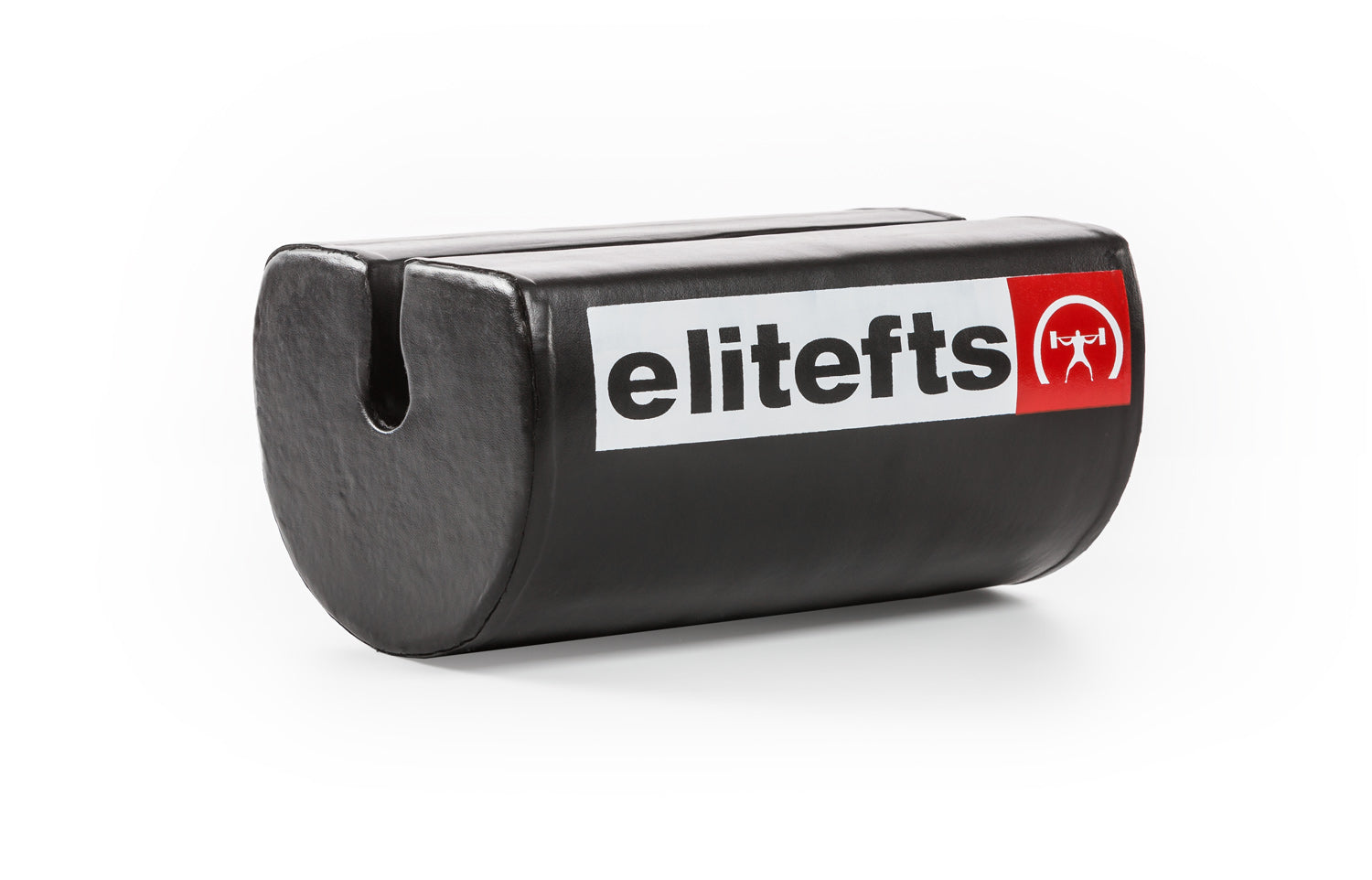
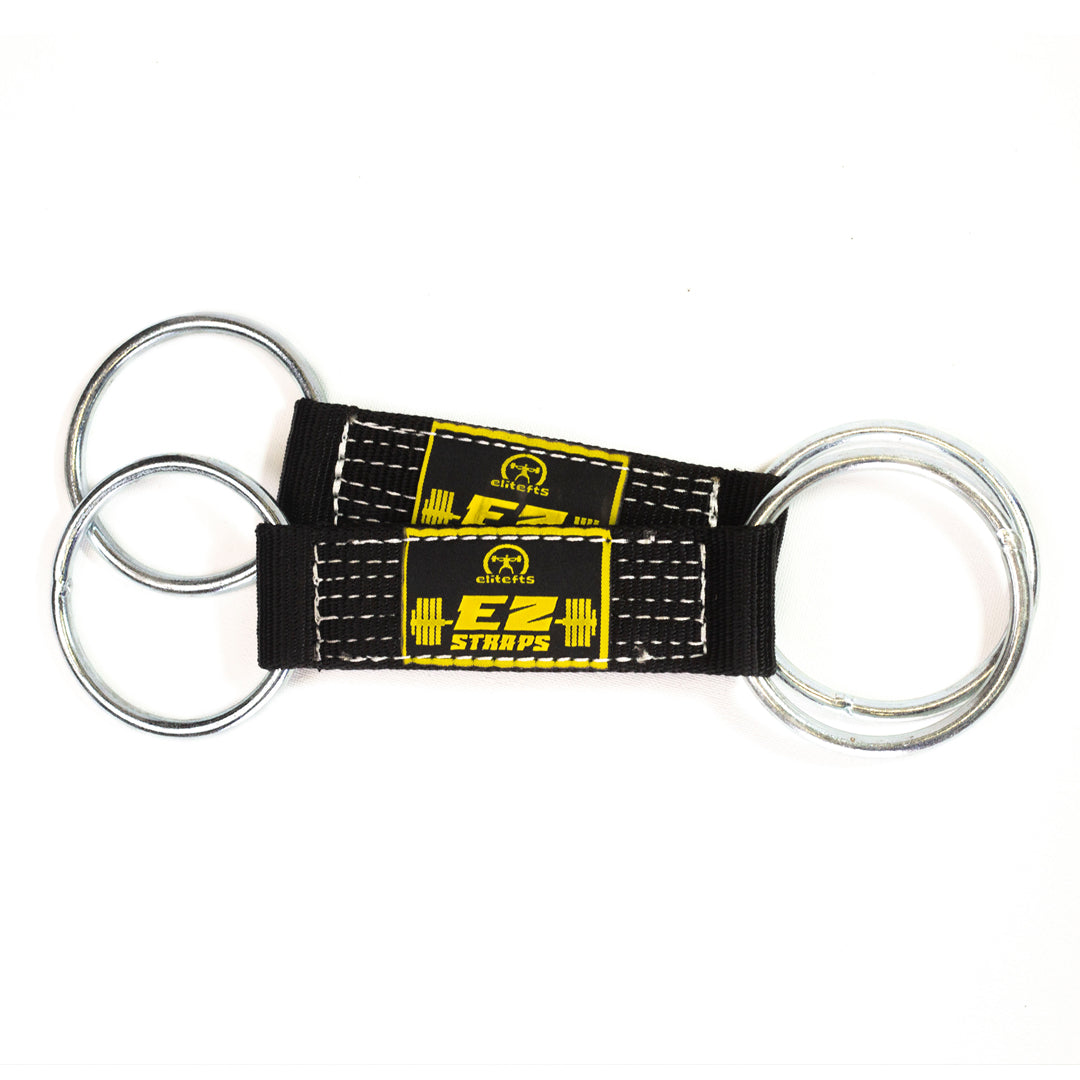
Safety Squat Bar Strap
A portable way to create a safety squat bar feel with a standard barbell.
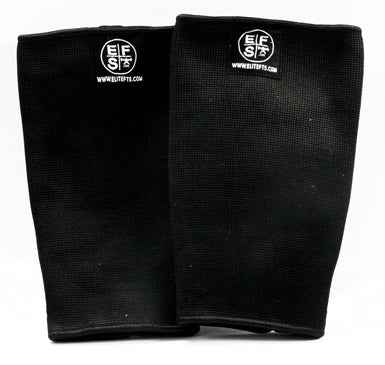
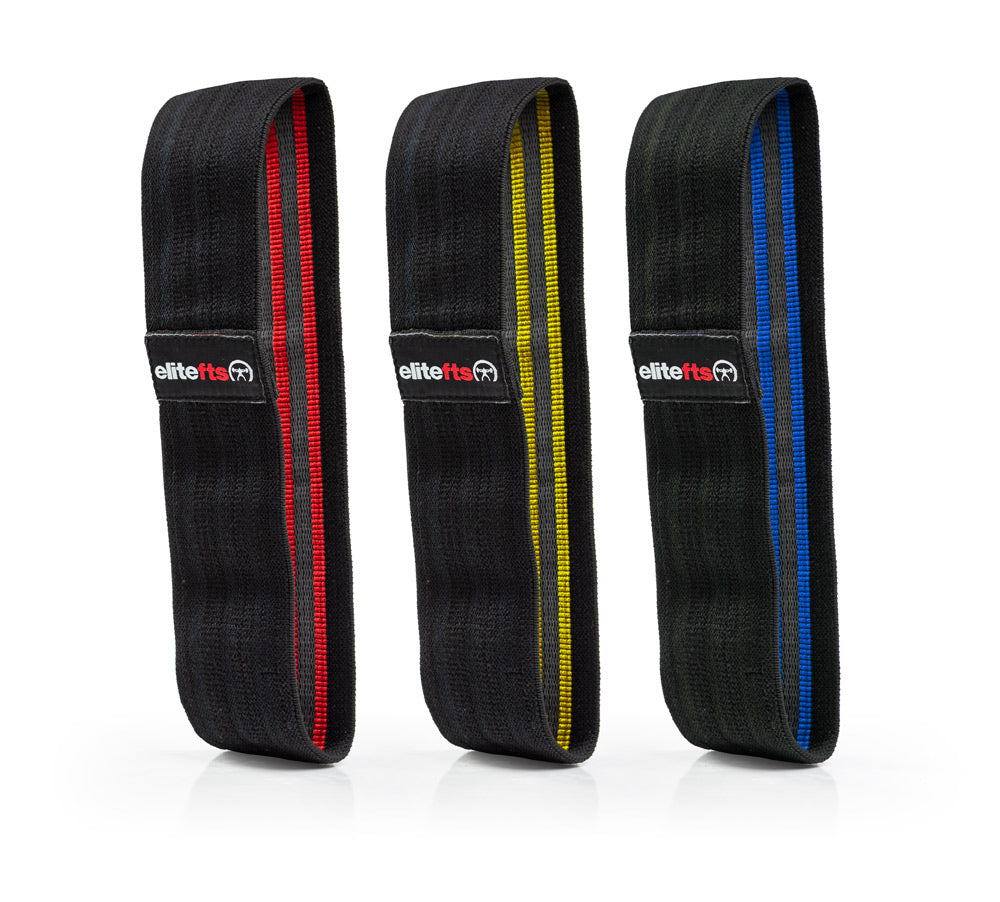
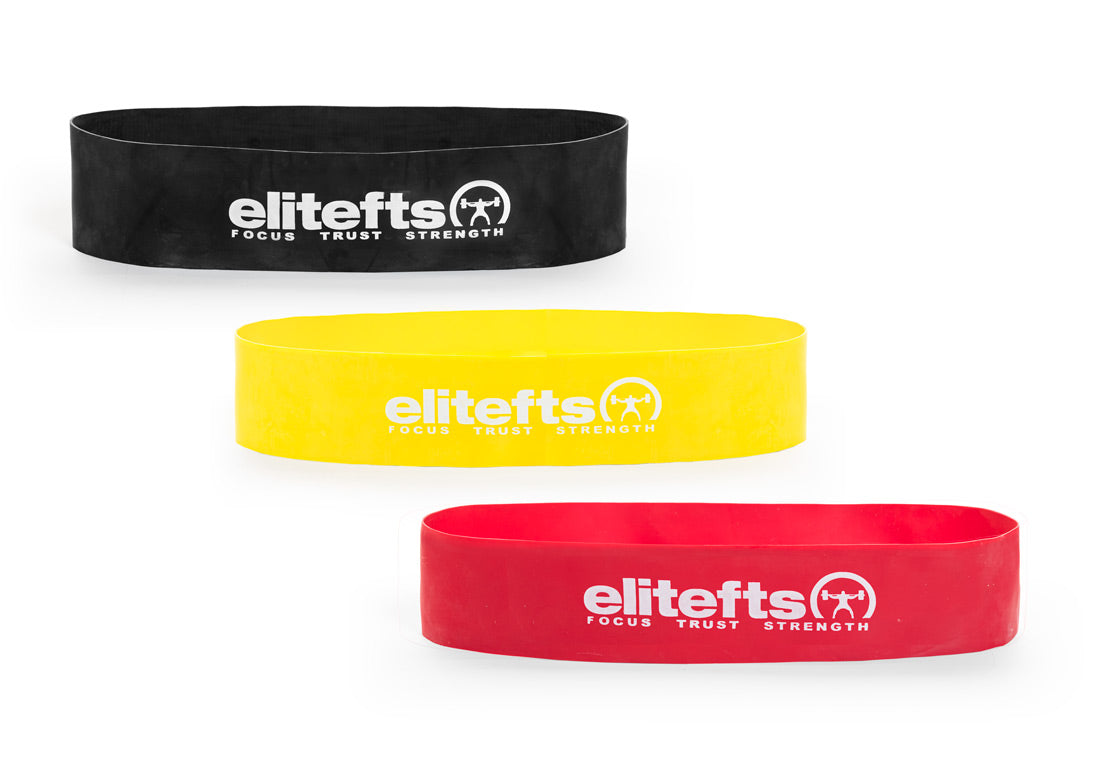
Shop SSB StrapWraps, Straps, and Sleeves
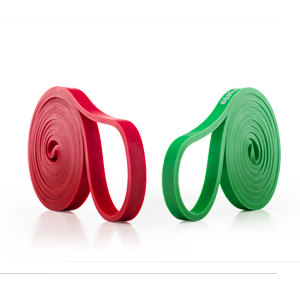
Support gear for lifters pushing heavier training and meet prep.
Shop Support GearValerie’s story is not just about records, judging, or running meets. It is about staying in the sport long enough to see it from every side.
As a lifter, you learn what pressure feels like.
As a coach, you learn how people think.
As a referee, you learn what actually passes and what only looked good from the wrong angle.
As a meet director, you learn that the sport does not happen by accident.
And as someone who has bombed, come back, won, coached, judged, and built something inside the sport, you learn that powerlifting is not just about getting stronger. It is about becoming harder to fool—by bad programming, bad attempts, bad meet prep, bad standards, and your own head.
The platform tells the truth. The judge’s chair teaches you how to see it.
Train Smarter. Compete Better. Stay in the Game Longer.
For more powerlifting education, coaching insight, and real talk from under the bar, explore more Elitefts articles and Table Talk content.
Read More Articles Listen to Table Talk