
The 25-Hour Grind
A masterclass in high-end podcast production, guest prep, AI-assisted research, live switching, post-production, publishing, and the behind-the-scenes work that keeps Table Talk moving.
Let’s have a little real talk before we get into the weeds. Most people think a podcast is just sitting down, hitting record, and talking for two hours. They are wrong.
A real show takes prep, timing, gear, judgment, and enough organisation to keep the entire workflow from getting way behind. One episode of Table Talk represents roughly 25 hours of work before it reaches YouTube, audio platforms, or the members-only feed.
The standard is simple: if it carries the elitefts name, it has to respect the guest, serve the audience, and be worth the time it took to make.
Why Most Video Podcasts Fail
See the full breakdown behind the hidden production mistakes that cost podcasts viewers — and how the Table Talk workflow is built to avoid them.
Watch on YouTubeThe Guest Funnel: Finding the Right Voices
Everything starts with the inflow. We do not pick names out of a hat. We source suggestions from the people closest to the show and from the strength community itself.
When an Instagram call blows up, the list can get massive. Those names get exported, cleaned up, condensed with AI, and organized inside TickTick. Then comes the first real filter: the vibe check.
The vibe check matters. Is this someone Dave is actually interested in speaking with? Is there a real conversation there? If the answer is no, we do not burn hours forcing it.
Booking and the Sweet Spot Strategy
Timing can make or break an episode. Last year, the show hit a 12- to 16-week delay between recording and publishing. That created a problem: by the time episodes aired, time-sensitive topics felt stale.
- The target lag: 3–4 weeks from recording to publishing.
- The booking tool: Calendly handles the initial booking workflow and intake form.
- The tracking system: booking data moves into Basecamp so nothing gets lost.
- The flex strategy: intentional dead spots stay open so the team can pivot when a high-value guest is suddenly available.
The goal is to stay current without running the show so tight that one cancellation blows up the entire calendar.
AI-Powered Deep Prep: The Dossier
Prep happens inside a tight striking window: usually 3–7 days before recording. Start too early and a reschedule turns hours of research into wasted effort. Start too late and the conversation suffers.
| Tool | Role in the Workflow |
|---|---|
| Perplexity, Gemini, and ChatGPT | Initial research, name cleanup, summary building, and data condensation. |
| Claude / Claude Co-work | The heavy lifter for building the master dossier and the show-note structure. |
| NotebookLM | Turns the research into an audio-style summary that can be reviewed during the commute. |
Large language models changed the prep process. Feeding the intake form and research into Claude Co-work can produce a full dossier and show notes in a fraction of the old manual workflow. That one step alone saves roughly 5–6 hours per episode.
After the dossier is built, Dave listens to the guest’s previous appearances at 2.5x speed. On the morning of the shoot, the research goes into NotebookLM and becomes a quick AI-generated voice brief. By the time the guest walks through the door, their history is fresh.
Day-Of Rituals and Extra Content
The recording day is about building the bridge before the cameras roll. The guest needs to feel comfortable enough to stop giving canned answers.
The Technical Command Center: Noah’s Corner
“It’s just me back here in my little corner. When I first started, I was terrified. I was so afraid to hit the wrong button and freak out. Now, it’s a one-man-army operation. Most high-end shows have a light guy, a sound guy, and an editor. Here, it’s just me hitting the cut buttons live.”
— Noah
The elitefts Gear Rack
| Category | Equipment | Purpose |
|---|---|---|
| Cameras | 3 Sony FX3s | Multi-angle studio coverage. |
| Audio | 4–5 Rode microphones | Clean guest, host, and room audio capture. |
| Lighting | 2 P90L large studio lights | Consistent studio look and cleaner video. |
| Switching | Blackmagic ATEM Mini Extreme | Live angle switching while the episode is being recorded. |
| Movement | Motorised camera slider | Adds controlled motion and visual energy. |
| Extra Content | 2 Sony A7 IVs and DJI wireless microphones | Gym-floor content, guest clips, and additional social assets. |
The philosophy is simple: edit while shooting. Live switching makes the room more demanding in the moment, but it keeps post-production from turning into a monster.
Post-Production: Slicing, Dicing, and Finding the Hook
Once the cameras stop, the show moves into a roughly four-hour editing window. Rule number one is non-negotiable: backup or die. Footage is dropped to the computer and a secondary backup drive immediately.
- The authenticity rule: the show stays raw unless there is a bathroom break, a technical issue, or something the guest truly needs removed.
- The hook: the opening moment needs to be relevant, intriguing, and algorithm-friendly without turning into cheap clickbait.
- The polish: intro, sponsor ads, pop-ups, and episode assets get added.
- The Crew version: members get the ad-free experience because their support matters.
Thumbnail Science: The Yellow Background Theory
If the thumbnail does not work, the 25-hour grind gets buried. That is why the thumbnail is treated like part of the production process, not an afterthought.
The Four-Headed Publishing Beast
Publishing is where the technical problems show up. Every episode becomes four different deliverables, and each one has to land clean.
| Version | Audience | Notes |
|---|---|---|
| Member-only video | The Crew | Ad-free video experience for supporters. |
| Member-only audio | The Crew / Supercast feed | Ad-free audio for members. |
| Public video | YouTube audience | Includes sponsor ads, pop-ups, thumbnail, and public packaging. |
| Public audio | Spotify, Apple, Libsyn, and other podcast platforms | Distributed through the audio podcast feed. |
The Spotify video sync issue was a reminder that platforms change, workflows break, and the team has to own the final result. Manual upload control keeps timestamps, video, and audio cleaner.
Watch the show on the official Table Talk podcast page, browse the elitefts YouTube channel, or support the show by joining The Crew.
The Power of Ignorance: Dave, Noah, and Tom
When the conversation gets technical, like peptides or niche training methods, Tom can step in as the subject matter expert. He is the one showing up with pages of handwritten notes.
But Dave follows the ignorance rule on purpose: do not become so deep in the guest’s niche that the conversation turns into a foreign language. If the host and guest are speaking “French,” the audience is gone.
The job of Dave and Noah is to translate. Ask the “dumb” questions. Pull the expert back down to earth. Make the episode useful for the people actually watching, listening, training, coaching, and trying to learn.
Build Your Own Stronger Setup
Table Talk is a production workflow, but the lesson carries over to training: better systems create better outcomes. These elitefts picks fit the same mindset: durable tools, clear purpose, and no fluff.
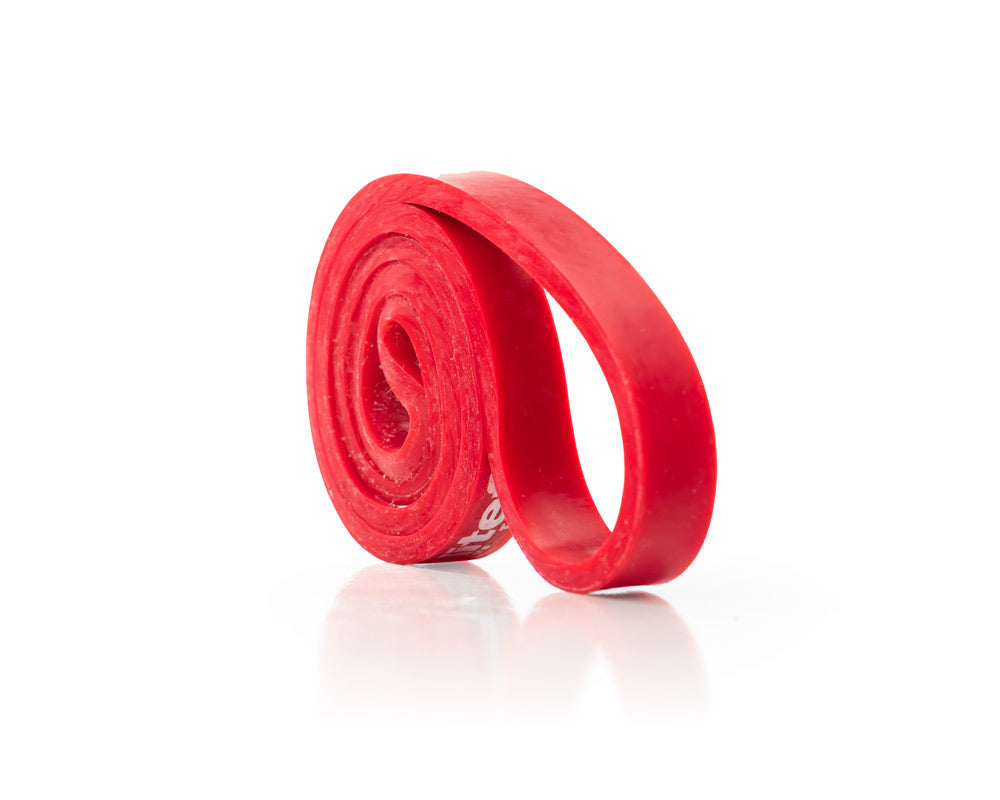
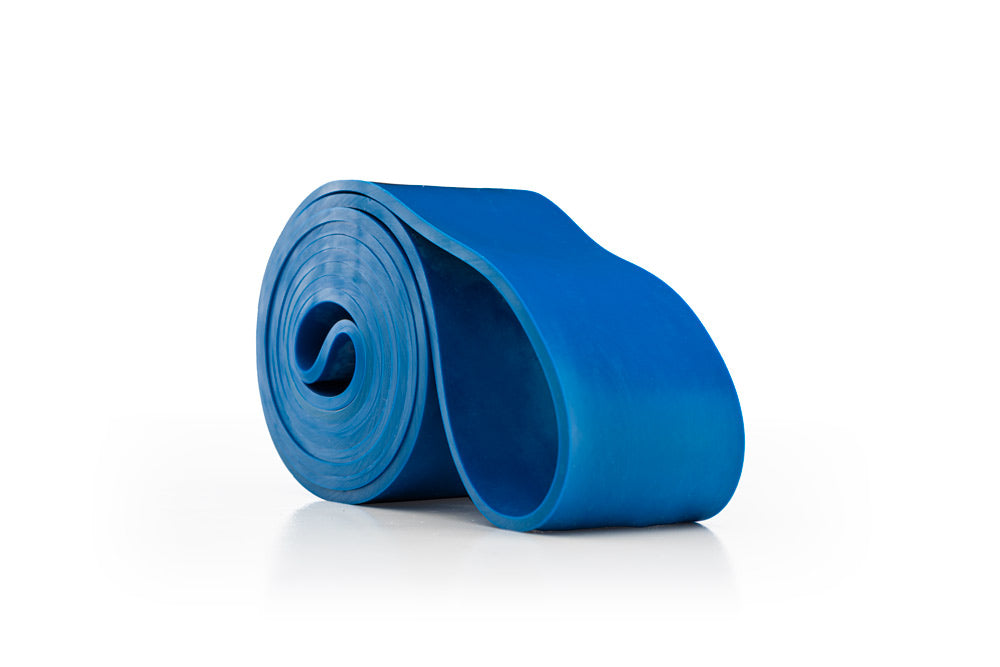
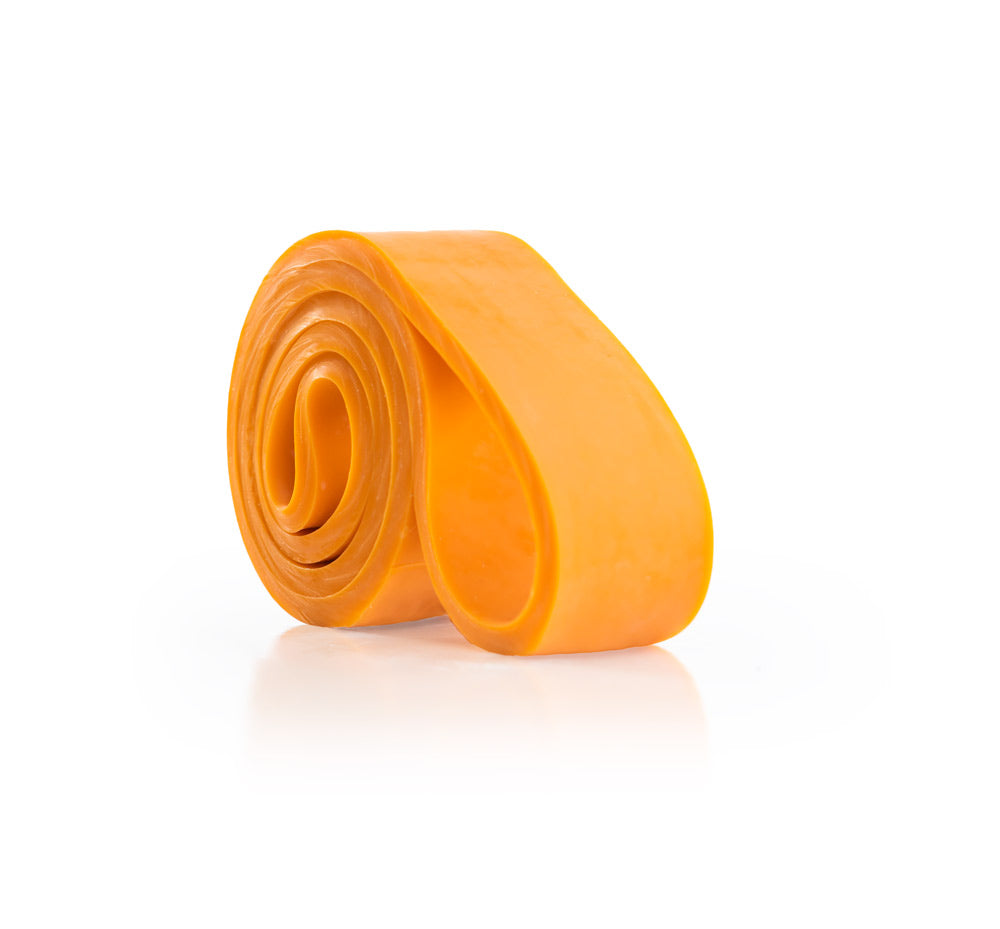
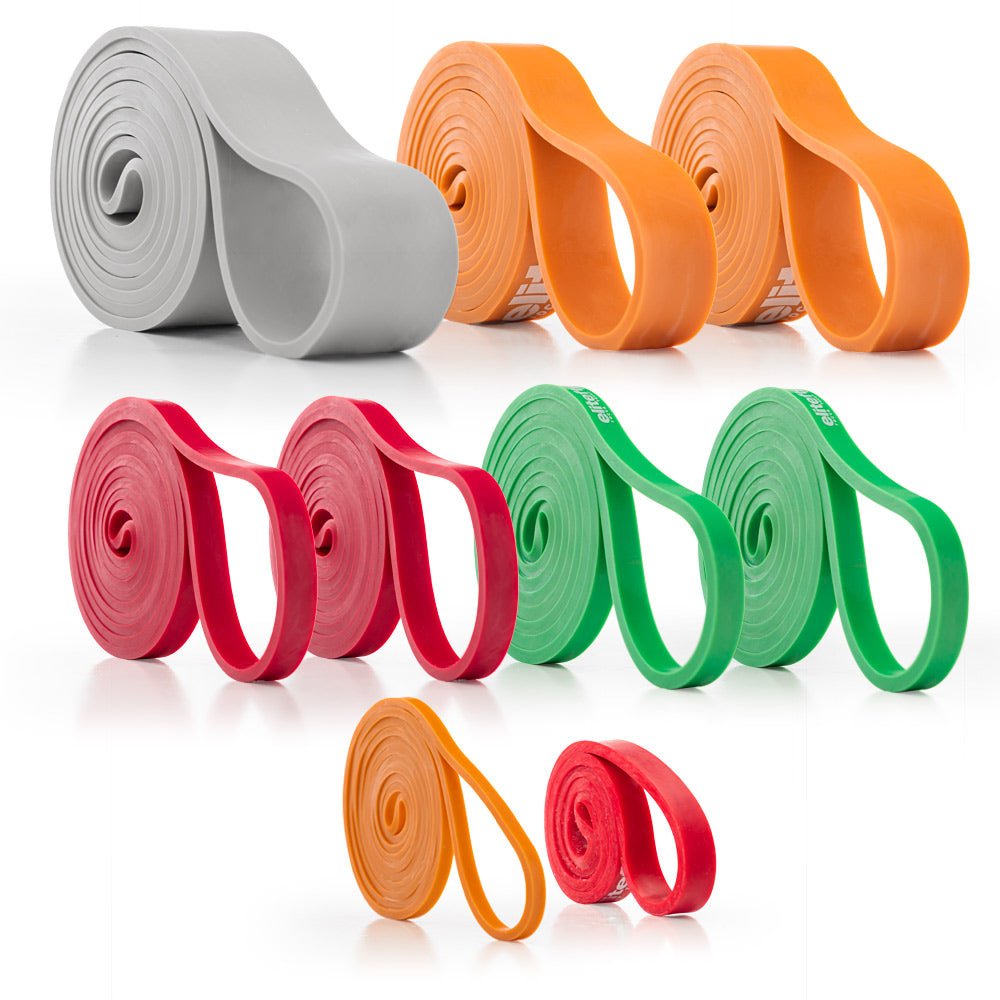
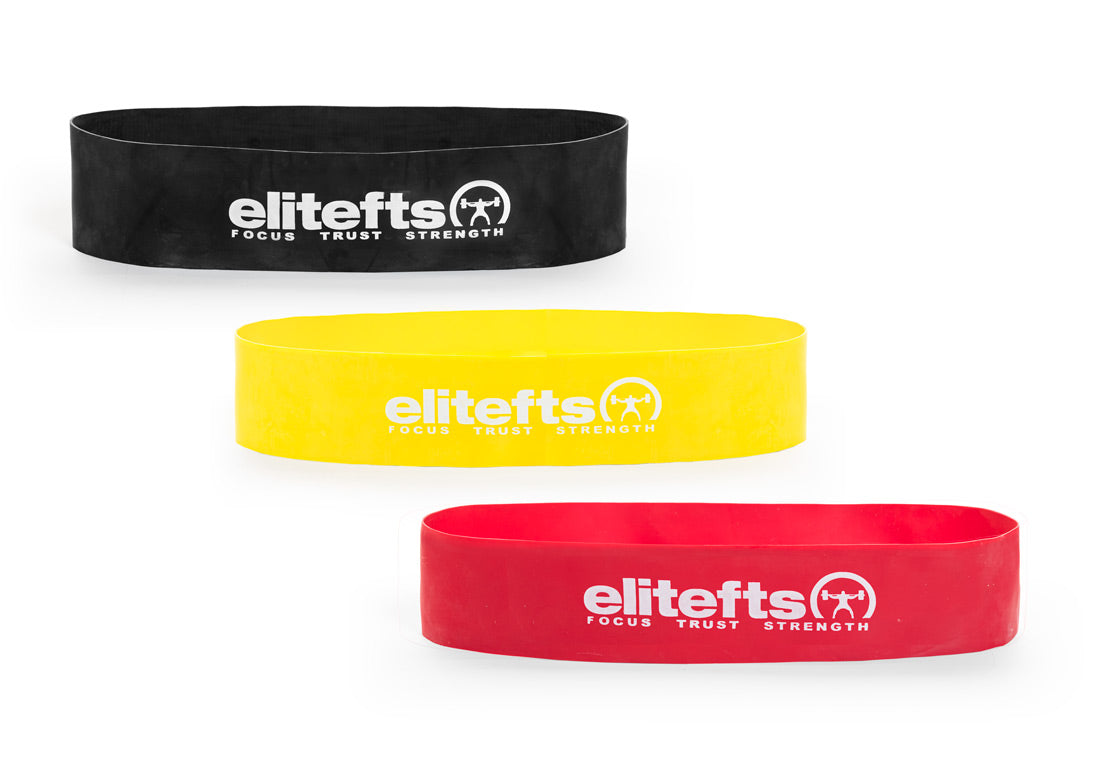
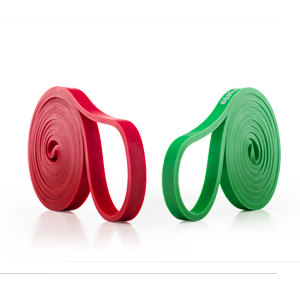
elitefts Pro Light Resistance Band
A staple for warm-ups, mobility, accommodating resistance, assistance work, rehab, and prehab.
Shop the Pro Light Bandelitefts 5/3/1 Squat Stand
A compact, heavy-duty squat stand built for lifters who need strength without wasted space.
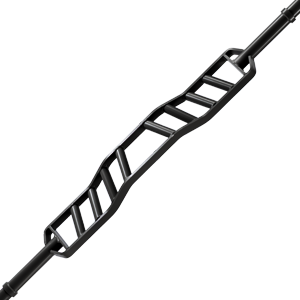
Shop the 5/3/1 Squat StandEliteFTS Rackable Cambered Squat Bar
Built to challenge stability, reduce shoulder strain, and hammer the squat pattern.
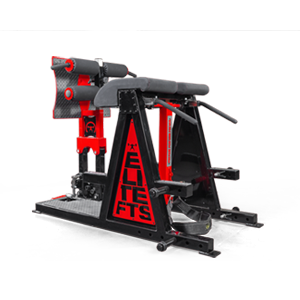
Shop the Cambered Squat Barelitefts Deluxe Belt Squat Compact
Heavy lower-body work with less spinal loading and a compact training footprint.
Shop the Deluxe Belt Squatelitefts Beginner Training Manual
A Jim Wendler eBook built around technique, purpose, methodology, and work ethic.
Shop the Training ManualWhy We Do the Work
Podcasting is hard. Mics fail. Platforms glitch. Memory cards get overwritten. Schedules change. Guests cancel. The algorithm shifts. The work still has to get done.
That is the difference between a hobby and a craft.
If you want to build a show, do not just buy a mic and hope. Learn the tools. Build the workflow. Respect the prep. Put in the reps. The people who treat podcasting like “just content” eventually get exposed. The people who treat it like a craft are the ones who last.