



You can read my
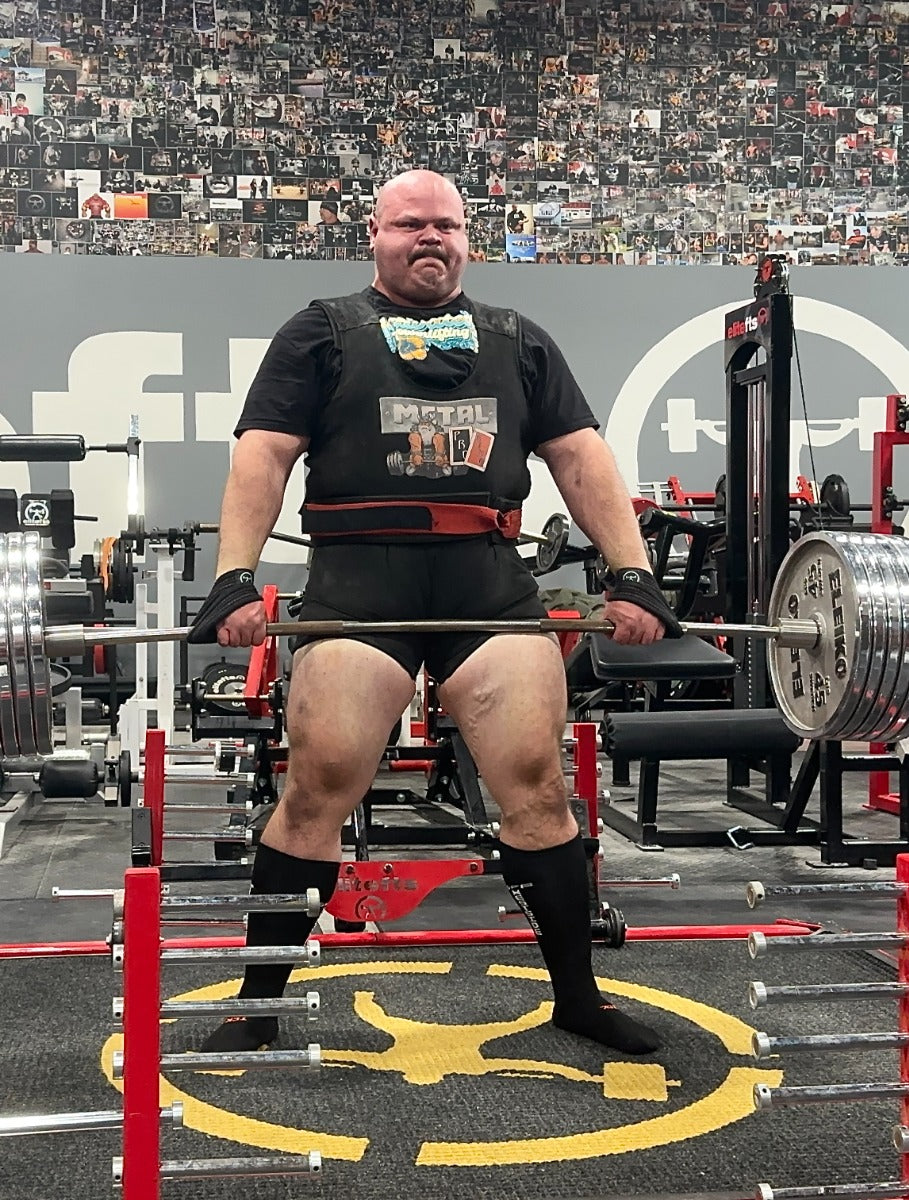
full meet report here. I try to engage a lot on social media and here on Elitefts, and so I’m aware of the Internet criticism of my lifts at Record Breakers yesterday. The knee-jerk reaction to criticism is always self-defense, but I know damn well I’m not going to change any opinions on the Internet. Fortunately, I don't need to. I really like Dave’s quote about this:
thinking about your “genetic potential” makes you weaker, finding ways to explain — in your own head or on the Internet — why other people aren’t really all that hot undermines your actual progress. Unfortunately, I believe that modern social media platforms actually encourage this type of thinking. Here’s why:
full meet report here. I try to engage a lot on social media and here on Elitefts, and so I’m aware of the Internet criticism of my lifts at Record Breakers yesterday. The knee-jerk reaction to criticism is always self-defense, but I know damn well I’m not going to change any opinions on the Internet. Fortunately, I don't need to. I really like Dave’s quote about this:
Judges - judge, lifters - lift, and critics - criticize.In other words, the Internet Gold Standard™ ain’t my problem (or any other lifter's problem), it’s yours. Here’s the thing: it’s actually a big problem if you want to get better as a lifter. In almost exactly the same way that
thinking about your “genetic potential” makes you weaker, finding ways to explain — in your own head or on the Internet — why other people aren’t really all that hot undermines your actual progress. Unfortunately, I believe that modern social media platforms actually encourage this type of thinking. Here’s why:
Validation-Seeking Behavior
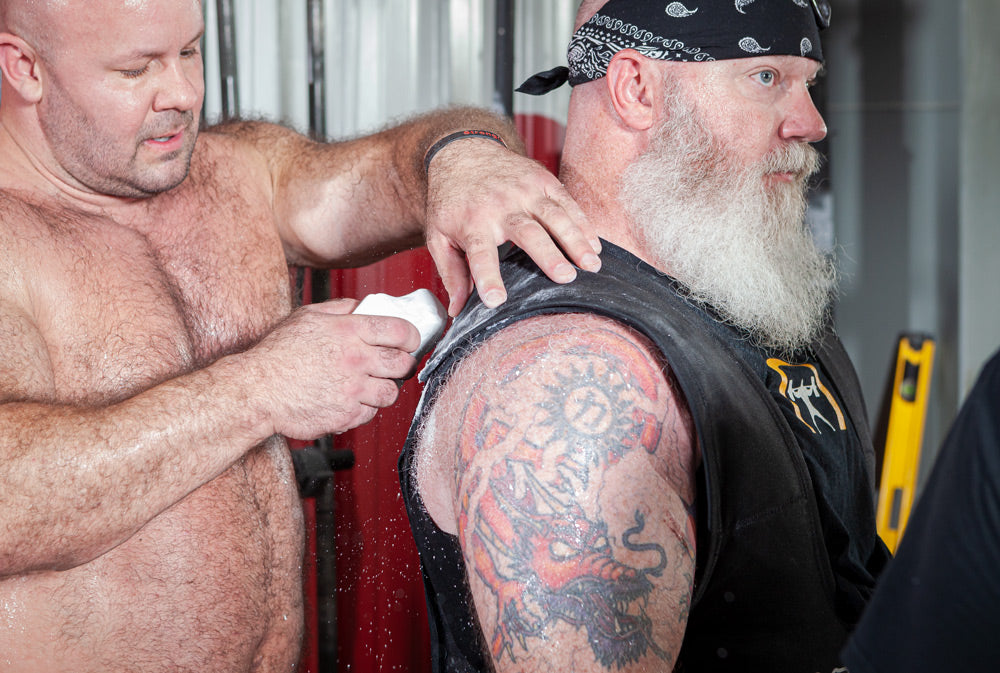
When I first starting actively using social media for more than just staying in touch with people I know in real life, I planned on just posting some of my lifts and explaining a little bit about why I train the way I do. I mean, hey — I’ve been at this a while, and I’ve had some success, and I’m in a really cool Ph.D. program that gives me a very unique perspective on strength sports. That’s worth sharing. Pretty quickly I realized that way more people paid attention to what I did when I did it with my shirt off. And as soon as I realized that, things started to get out of hand. I got caught up in the excitement of getting those sweet, sweet Internet points — followers, likes, upvotes, whatever. Doesn’t matter. Everyone loves points, any kind of points, and more is always better, right?Obviously, more is not always better. In this case, chasing Internet points meant derailing my own training, doing stupid shit in the gym instead of sticking to the (admittedly boring, but effective) plan. In other cases, it might mean you go from spending a couple of minutes a day playing Candy Crush or Farmville to shelling out hundreds or even thousands of dollars of hard-earned cash on getting the next super-secret bonus or exclusive DLC. Or it might mean your IG posts go from actual progress pictures to softcore porn you shot with your cellphone in a public restroom. Academic studies agree that most people are highly motivated to seek Internet points. The “more is better” mentality is virtually inherent to a capitalistic society, but beyond that, most social media platforms structure their points in a way that encourages association with positive feelings, like goal achievement, higher status affiliation, and solidarity within a group. There’s a reason Instagram represents points with hearts, and why Facebook doesn’t have a “dislike” button — they both want to encourage association of points with positive emotions. And yet, when people chase after points, they’re more likely to experience negative outcomes — even very serious ones, like depression. Other people might begin to equate themselves with their Internet personas – and trust me, your number of Instagram followers has zero relevance with regard to who you are as a person.