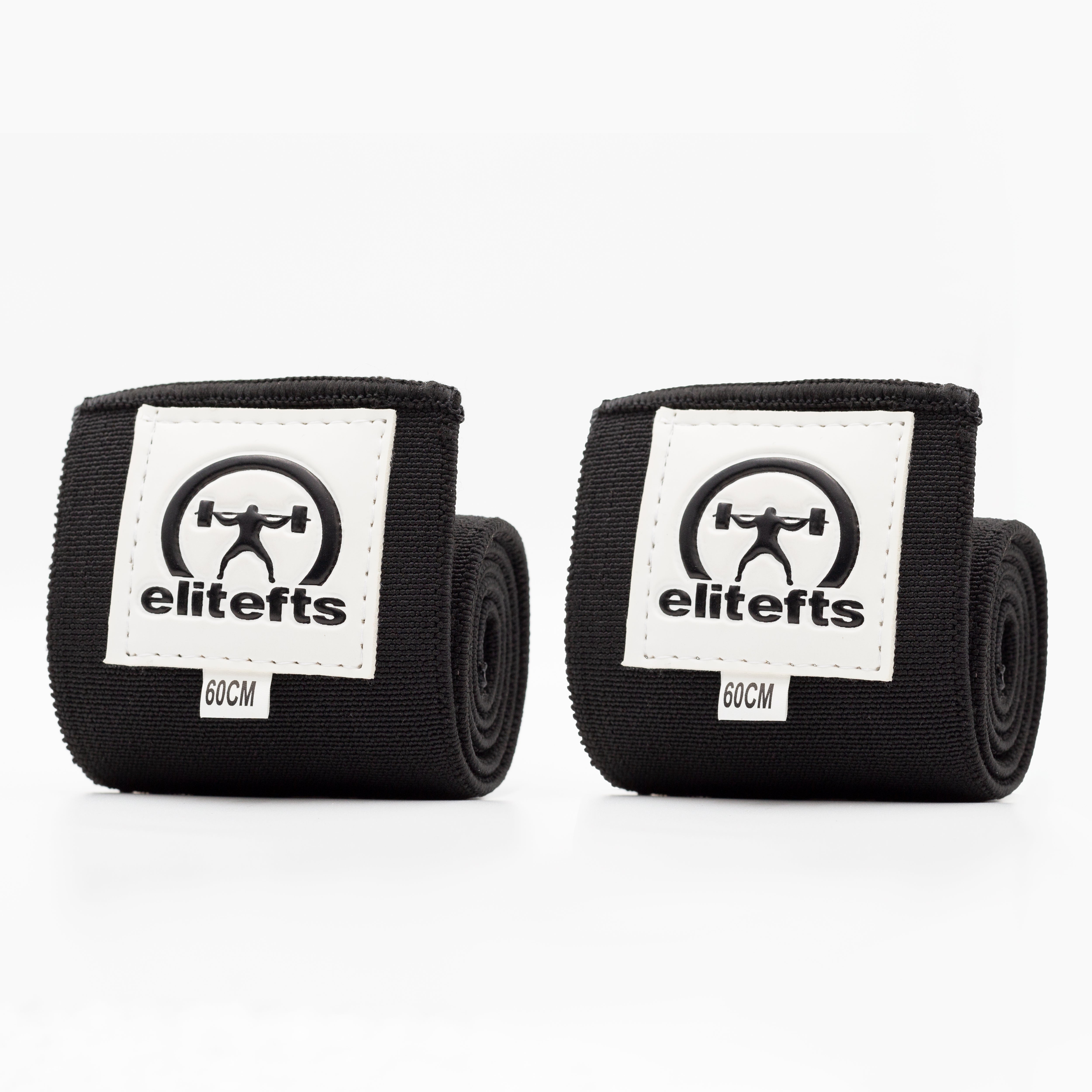

Most lifters see floss bands and knee wraps as simple tools for one job: applying compression. The tighter, the better, right? But what if you learned that the pros use these not just for support, but as highly technical instruments to correct form, improve mobility, and unlock new levels of strength?
When used with precision and knowledge, a simple wrap becomes a powerful coaching tool. This article reveals four expert-level techniques and concepts, directly from the pros, that go far beyond just wrapping something tightly. It’s time to learn the secrets most lifters get wrong.
The Counter-Intuitive Truth: How the Wrong Knee Wrap Can Worsen Your Squat
Here's the counter-intuitive truth that separates amateurs from pros: the standard 'X' wrap across the kneecap, while popular, can systematically dismantle your squat if you have a specific, common flaw. This isn't just about preference; it's about biomechanics.
Consider a lifter who struggles with their upper back rounding during a heavy squat. A well-meaning coach might apply an "X" wrap across the front of the knee, assuming it will provide maximum rebound. However, this pattern is a blocking pattern—it physically restricts forward knee travel. This is especially problematic for raw lifters, who tend to use a faster descent and rely on rebound, which requires more forward knee travel over the toe.
When this lifter descends, their knees are blocked from tracking forward. This sets off a catastrophic chain reaction: the hips shoot back to compensate, which in turn forces the upper back to round forward, leading to a missed lift.
"...because these X's block they also rebound but you have to learn how to use them... let's say this lifter already had trouble keeping their upper back tight. If they go down, they're going to hit the X, their butt's going to shoot back, and then they're going to round forward and they're going to miss their squat."
This insight is critical because it proves that a wrap pattern intended to help can, in fact, amplify a lifter's existing weaknesses.

Strategic Wrapping: Using Patterns as a Corrective Tool
Building on the previous point, elite lifters don't just avoid detrimental patterns; they use specific "X" patterns as an active corrective tool. This is a paradigm shift: stop thinking of your wraps as passive support and start treating them as an active coaching tool that provides tactile feedback to improve technique in real time.
Here's how to turn your supportive tool into a diagnostic one:
-
Fixing Knee Cave: To combat knees caving inward during a squat, place an "X" on the inside of the knee. This creates a physical block that provides a tangible cue. When the lifter's knees start to drift in, the wrap applies pressure, reminding them to push their knees out against it actively.
- Fixing a Rounded Back: For the lifter whose back rounds because their knees can't travel forward, the solution is to place the "X" behind the knee. This pattern allows the knee to track forward naturally over the toe, maintaining a more upright torso. At the same time, the material bunched up behind the joint still provides robust rebound and support out of the bottom of the squat.


Beyond Compression: The "Tack and Stretch" Power of Floss Bands
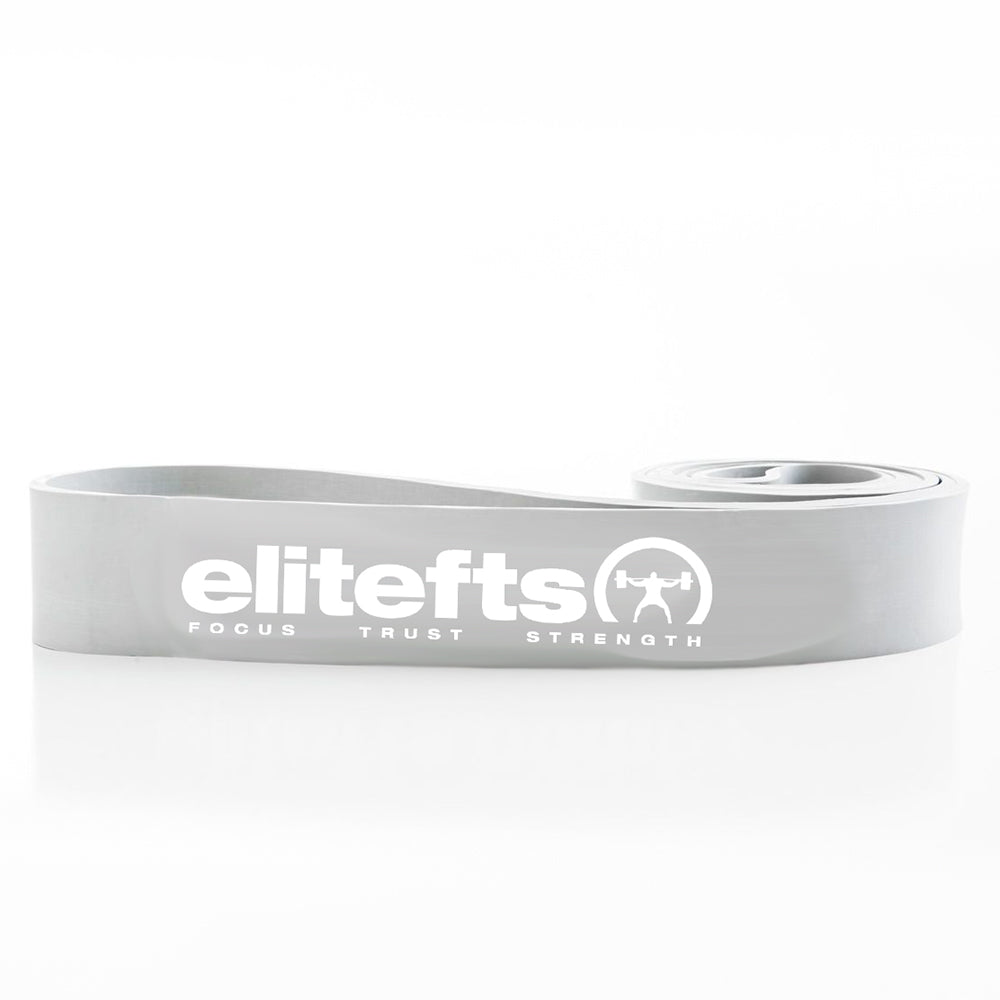
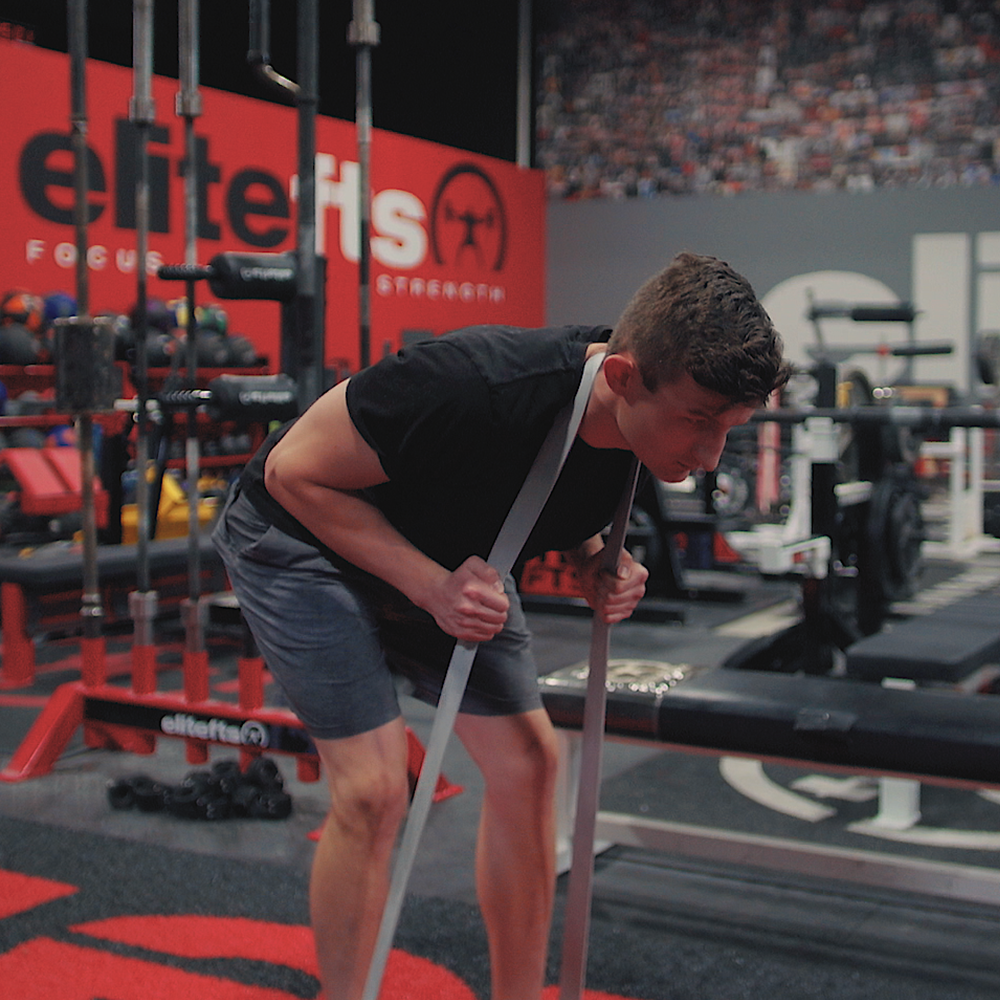
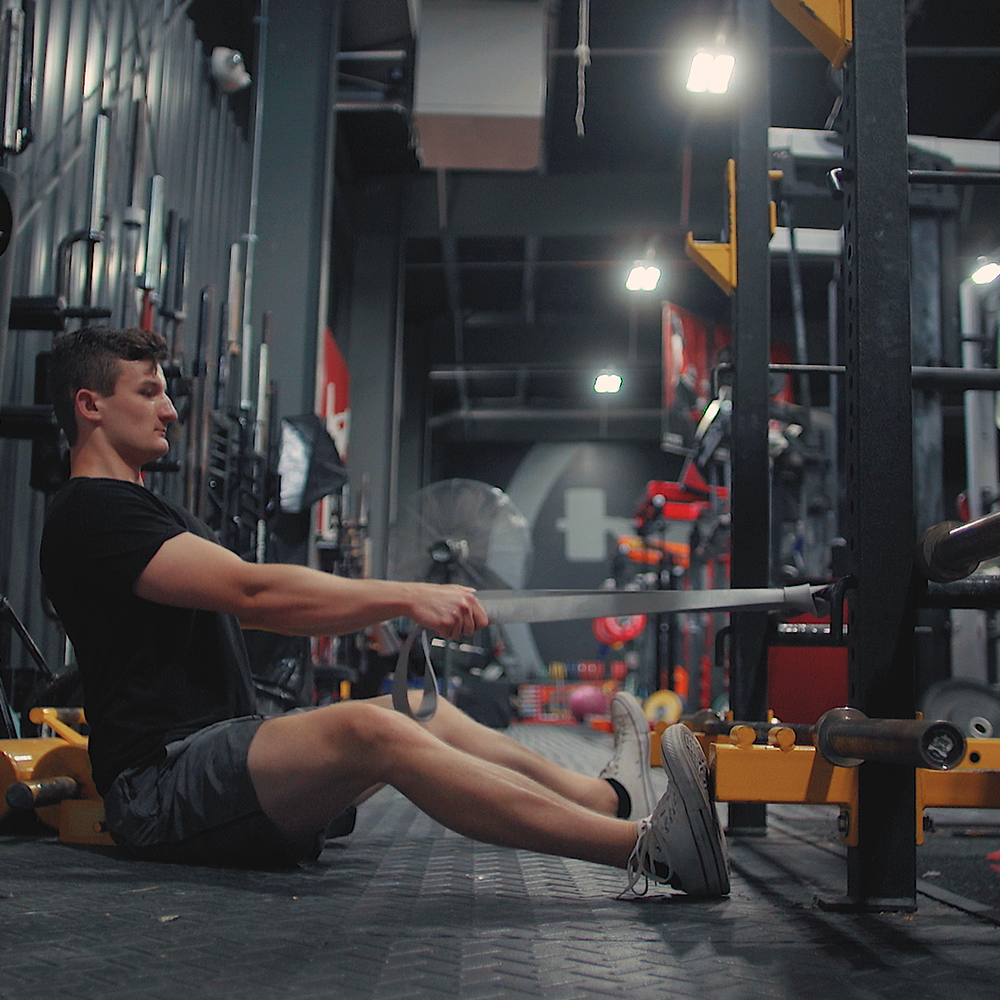
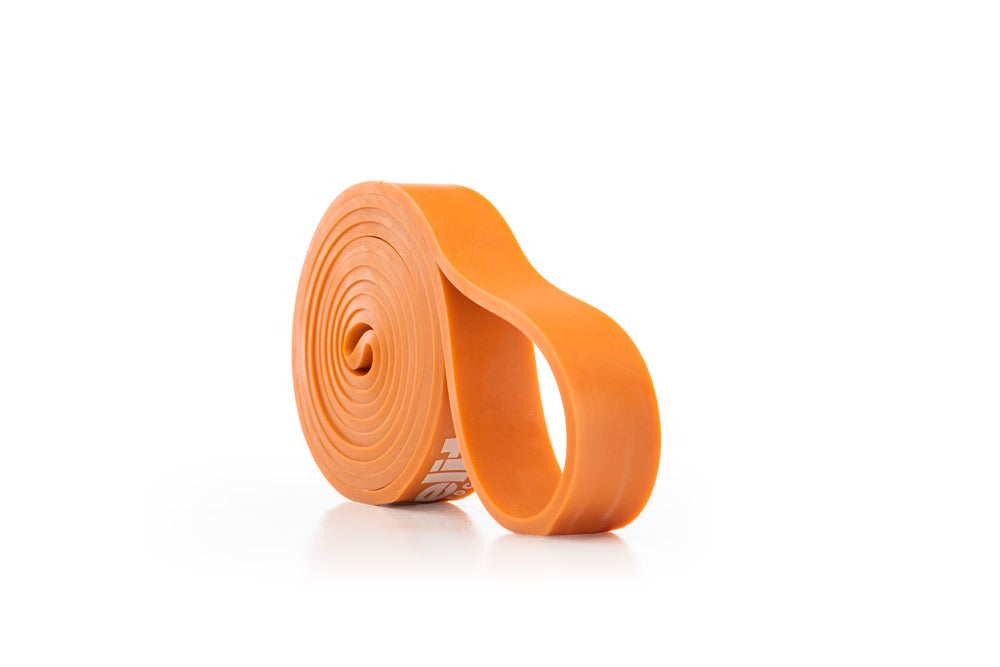
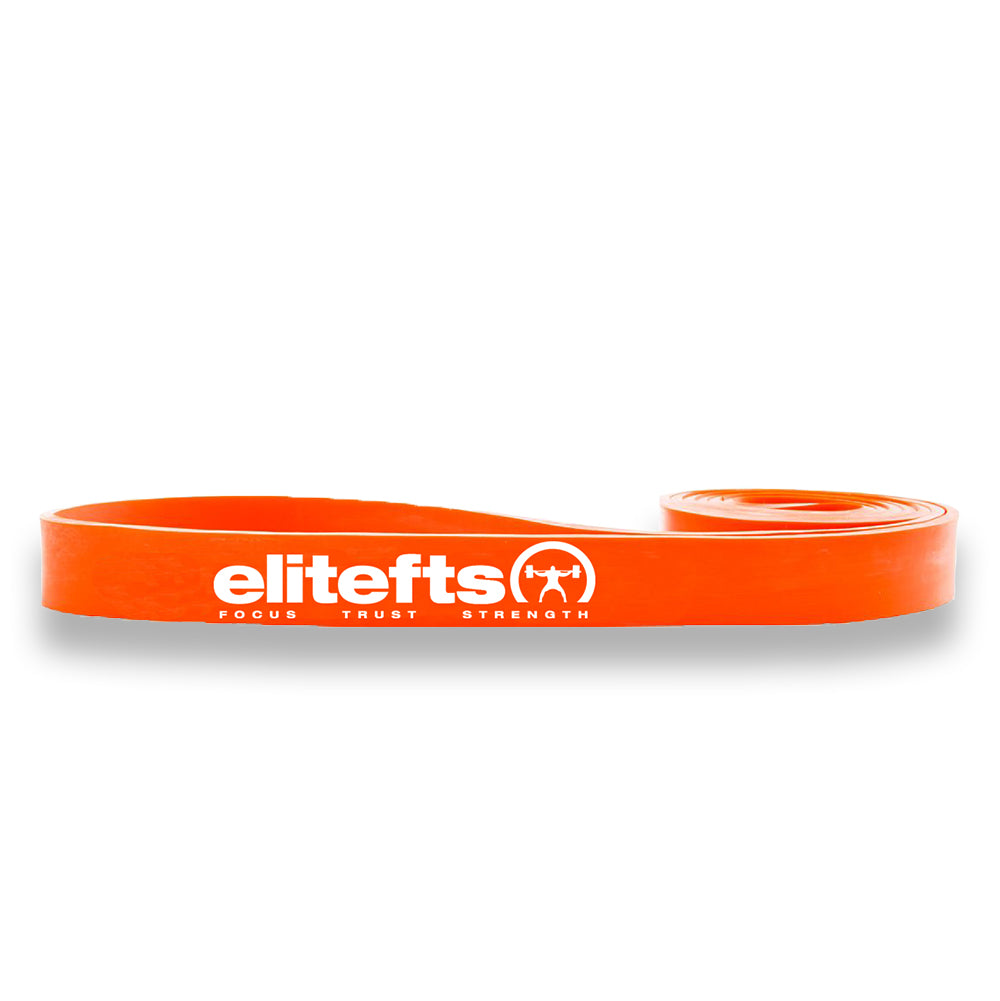
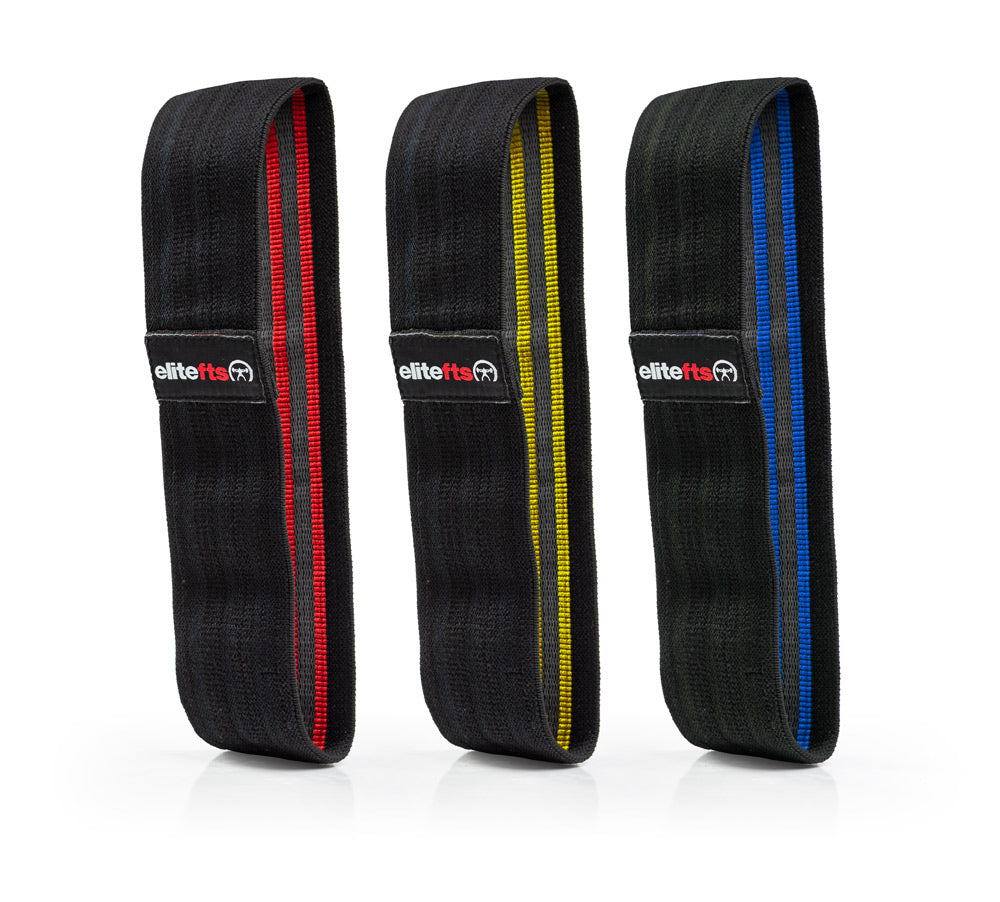
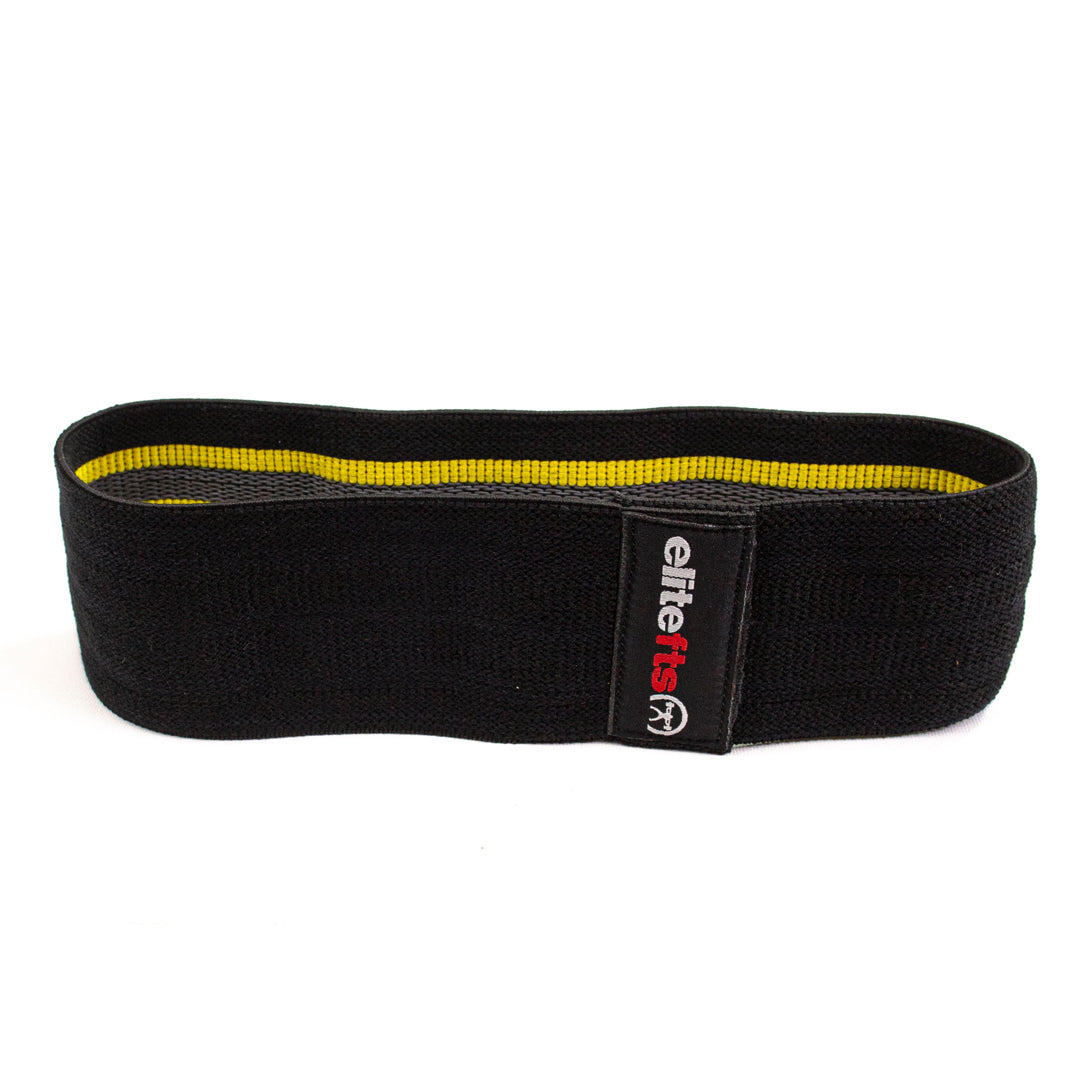
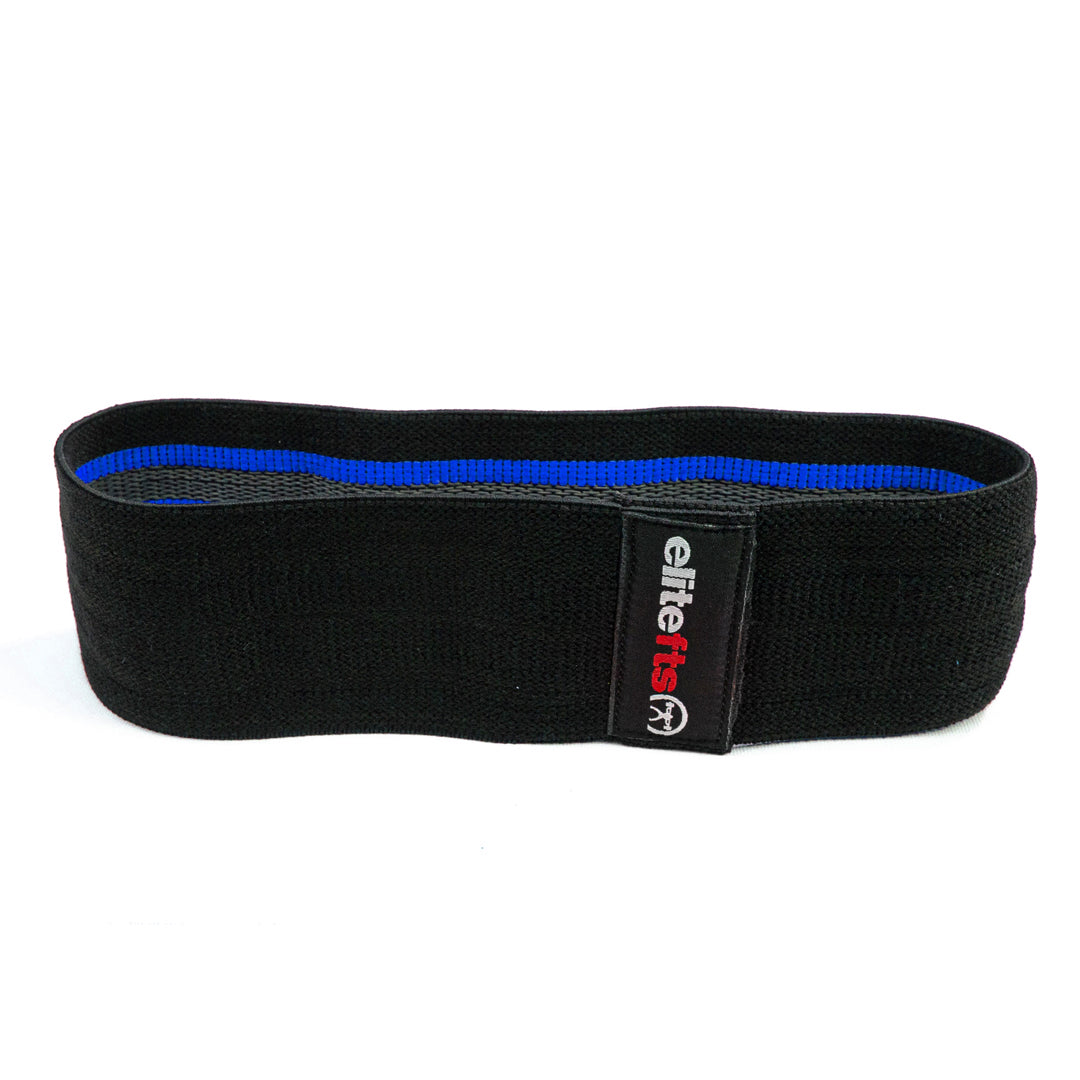
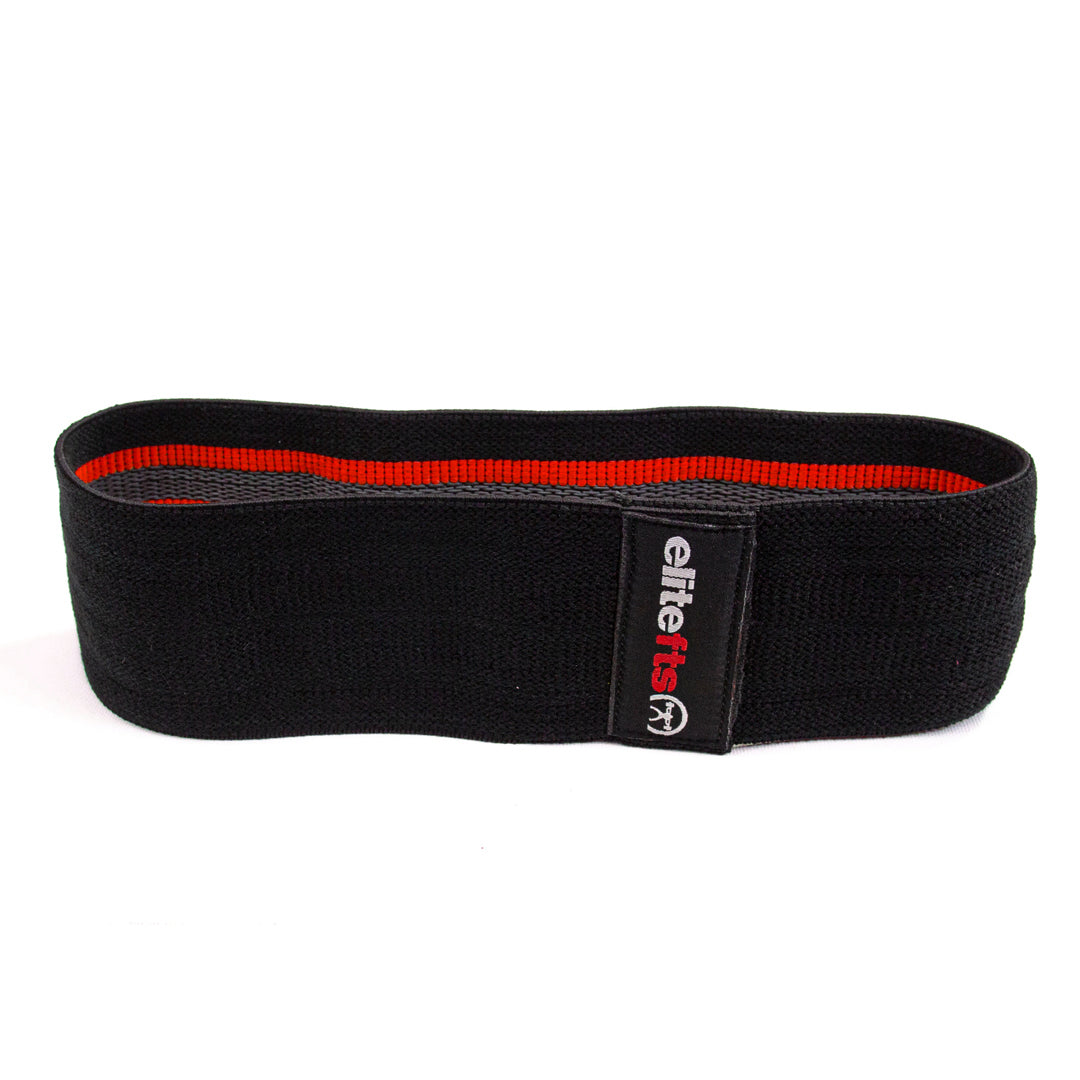
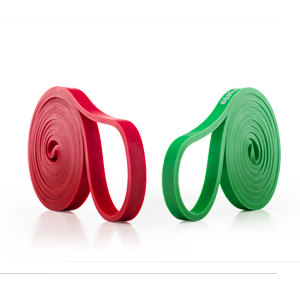
While many users focus on compression and temporary blood flow occlusion, the real magic of floss bands lies in a different mechanism: "tack and stretch."
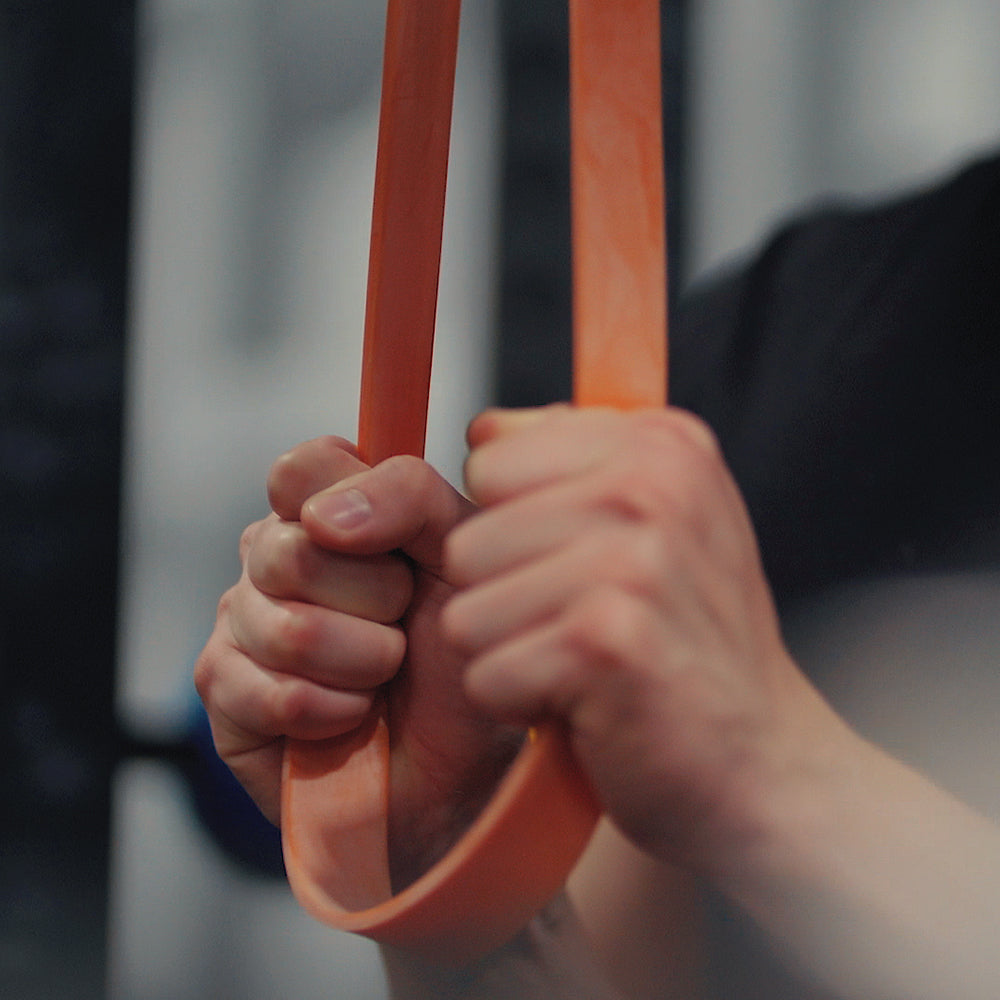
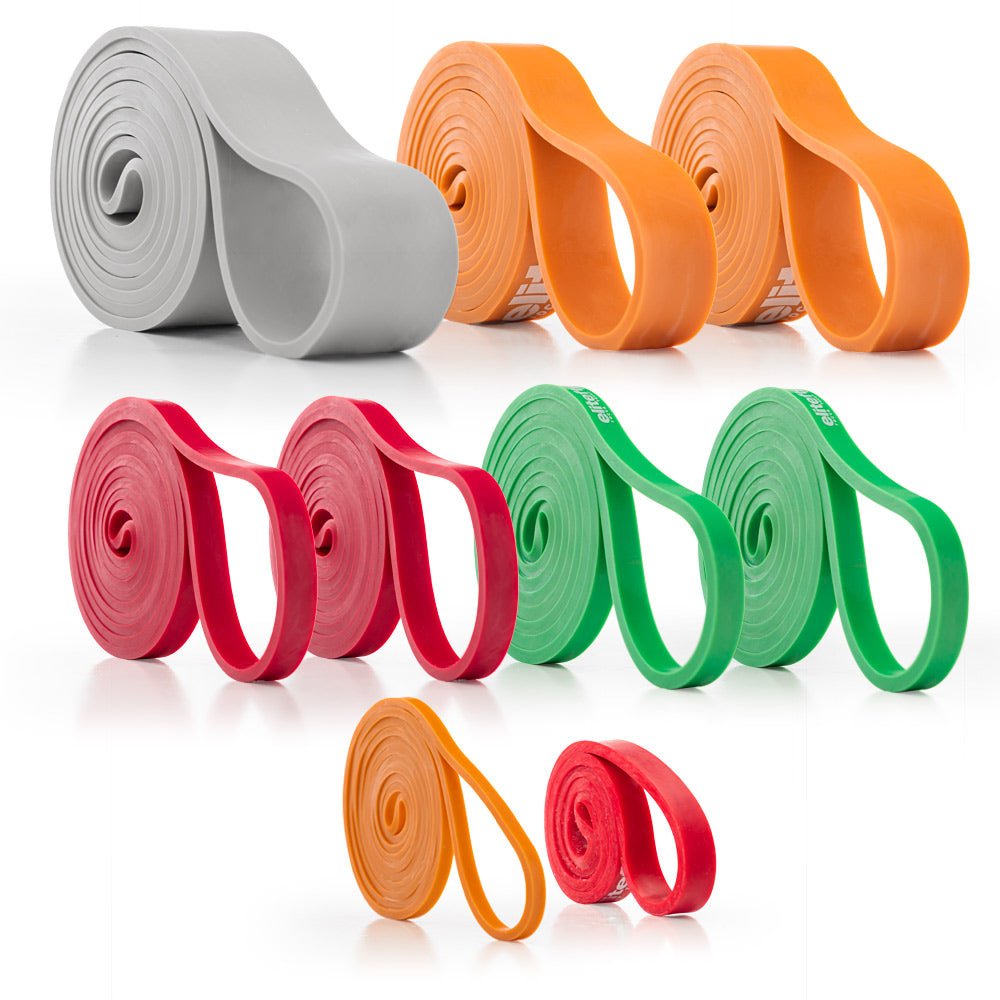
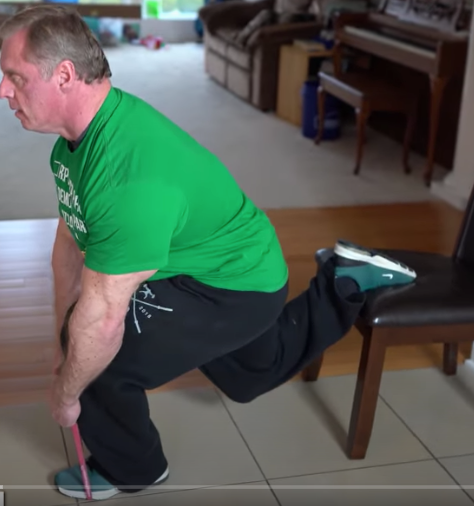
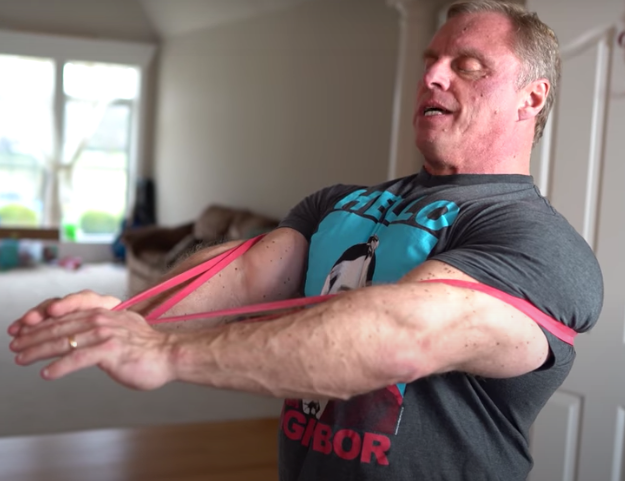
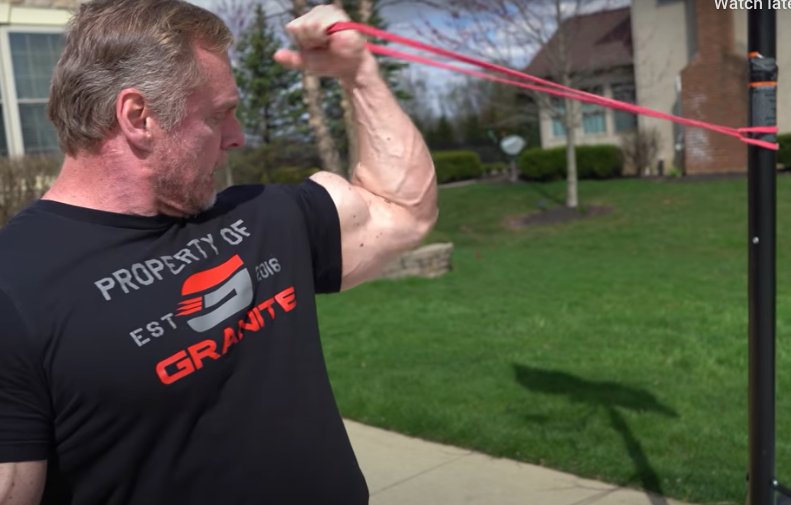
This concept is simple but highly effective across multiple joints. The tight compression of the band "tacks" down the outer layer of skin and fascia. Then, as you move the joint through a range of motion, the tissues underneath that tacked-down layer are forced to glide and move more freely against each other. This shearing action helps loosen up tissues and relieve pain in complex, often tight areas like the shoulder, elbow, and wrist. You can even use different sized bands—larger for the shoulder, medium for the elbow, and smaller for the wrist—to match the joint.
"So what's cool about this is we get a little bit of a tack and stretch type of a thing going on here where the compression of the band will kind of push on that outer layer of tissue and then we can glide the tissues underneath to start getting some relief..."
While "tack and stretch" is the primary mechanism for mobility, the well-known benefit of blood flow occlusion still plays a key role. Once the band is removed, a "nice influx of blood" rushes to the area, further promoting recovery and a feeling of relief. But understanding "tack and stretch" is the key to unlocking the full potential of flossing.
Scaling the Skill: Why Max Tightness on Rep One is a Rookie Mistake
One of the most common beginner mistakes with knee wraps is cranking them to maximum tightness from the very first warm-up set. This approach is not only unnecessary but can be counterproductive. Learning to use wraps is a skill that must be scaled with the weight on the bar.
A warm-up weight of 315 lbs might only require a simple, straight wrap with moderate tension. As the weight increases to 365 lbs, you might introduce an "X" pattern and increase the tightness. Applying a competition-level wrap to a light warm-up weight often leads to disaster. Lifters "just fall straight backwards" because the abrupt blocking power is too much to control with a submaximal load.
The pro-level approach is to find a challenging working weight you can hit consistently, and then perform multiple sets at that same weight while trying different wrapping patterns to truly feel the difference. This allows you to calibrate the tool to your body. For most people, a wrap at a "six or an eight" out of ten on the tightness scale is more than enough to get the job done.
Wrap with Purpose
You're no longer just wrapping for tightness. You now understand that an 'X' in the wrong place can ruin a lift (Secret 1), while an 'X' in the right place can fix your form (Secret 2). You know that the real power of floss is in the 'tack and stretch' (Secret 3), and that your wrap tension is a skill to be scaled, not maxed out (Secret 4). By using these tools with technique and strategy—not just brute force compression—you can transform them into powerful assets for your training.
Now that you can wrap with purpose, which strategic adjustment will you try first to break through your next plateau?