

The Plateau-Busting Secret of a Backyard Legend
Every serious lifter has been there: the frustrating plateau where the numbers on the bar refuse to budge. You grind, you add accessory work, you deload, but your one-rep max stays stubbornly put. What if the solution wasn't to add more weight to the bar, but to change your relationship with the weight you can't yet lift?
Enter the Progressive Range of Motion (PRM) method, a powerful and counterintuitive solution with a fascinating origin story. It was developed by strength legend Paul Anderson, who literally dug a hole in his garden to stand in while performing deadlifts. By progressively shoveling dirt back into the hole each week, he made the lift harder not by adding weight, but by increasing the distance he had to pull the same heavy bar.

This old-school methodology offers profound lessons that challenge modern training dogma. This article will unpack the five most impactful takeaways from this powerful approach to building raw strength.
You Don't Add Weight to the Bar—You Add Inches to the Lift
The core concept of the Progressive Range of Motion method inverts traditional progressive overload. Instead of constantly adding small amounts of weight to the bar, you begin by selecting a target weight for the end of your training cycle—typically 1-3% above your current one-rep max—and you keep that load constant.
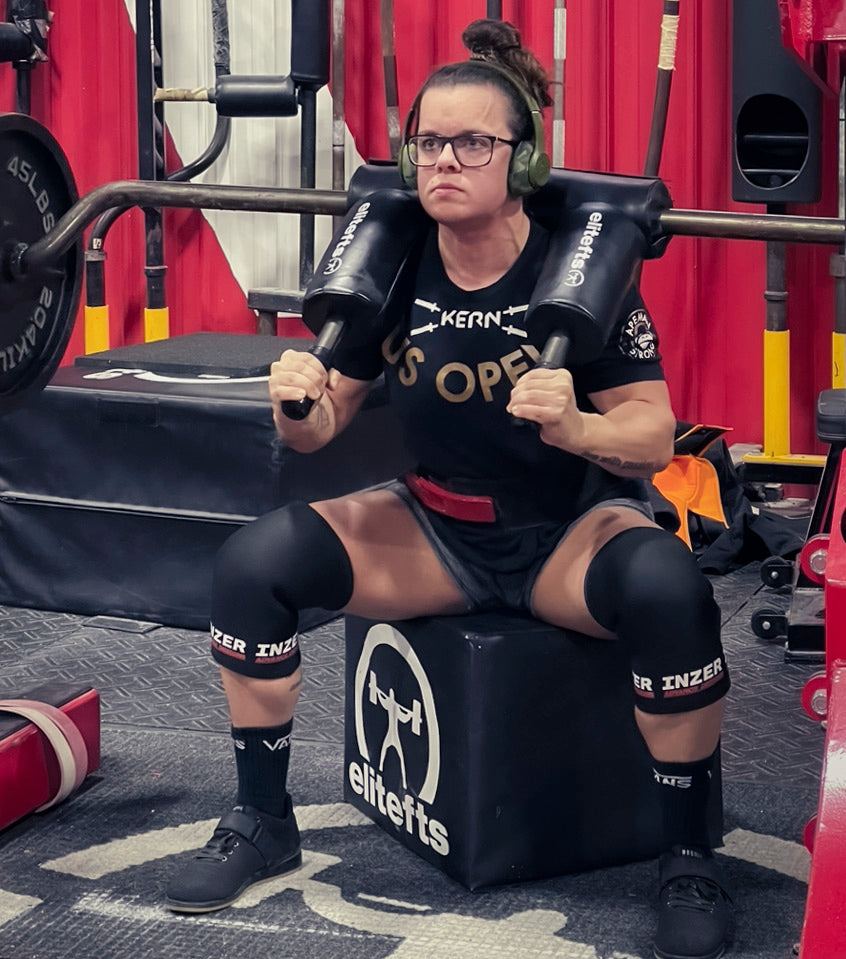
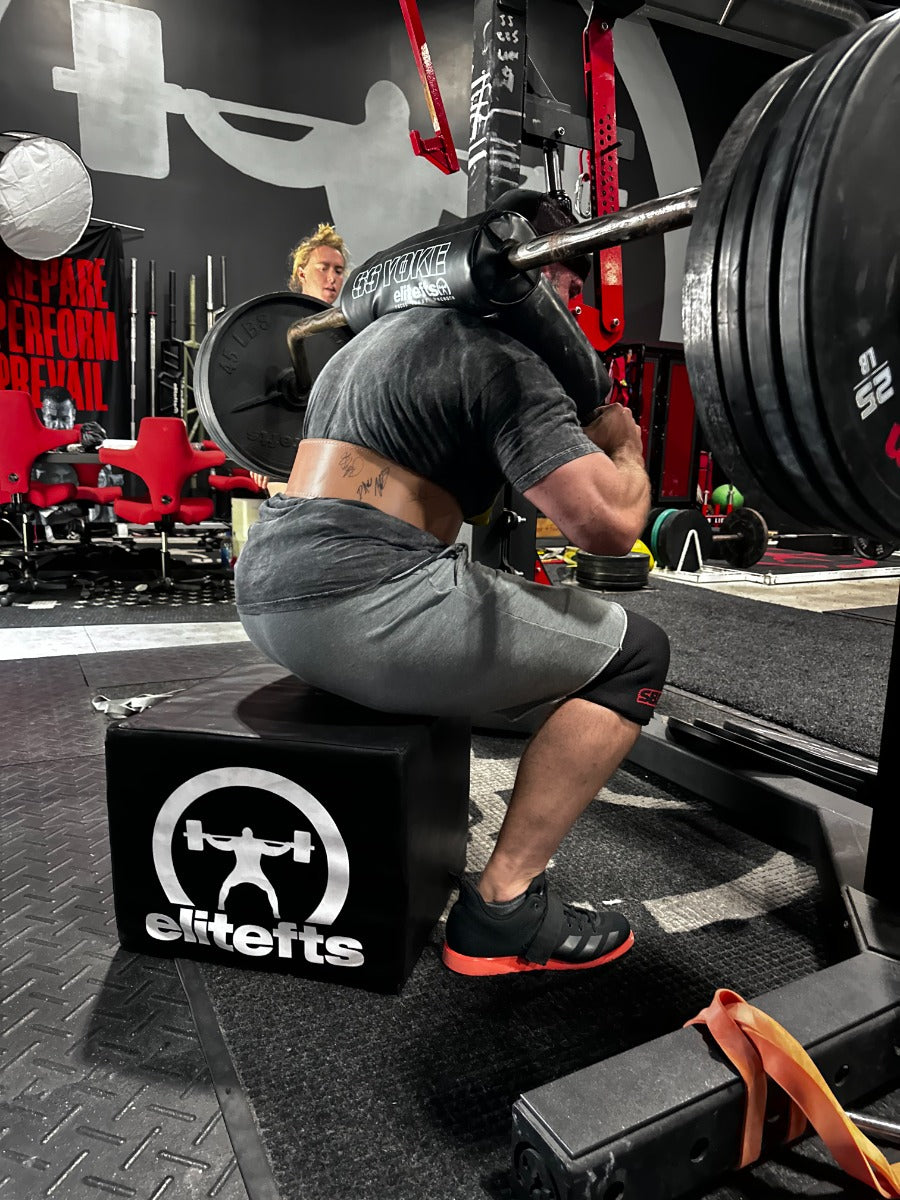
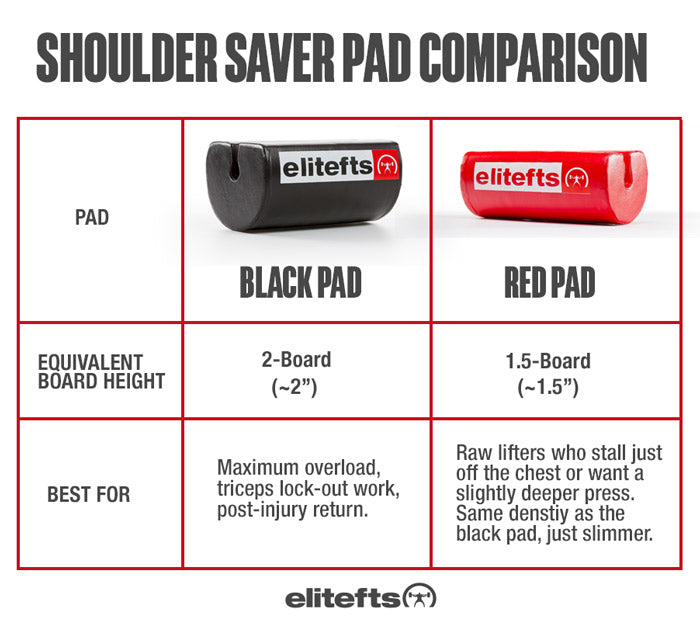
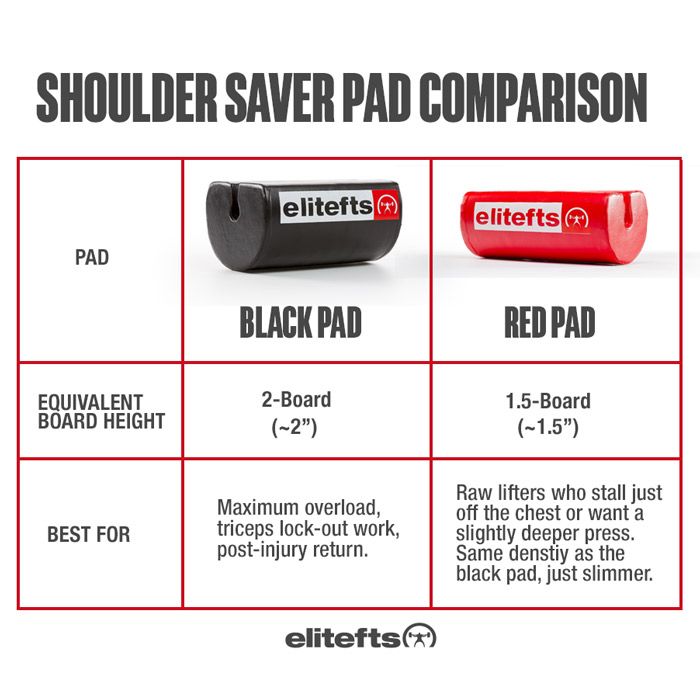
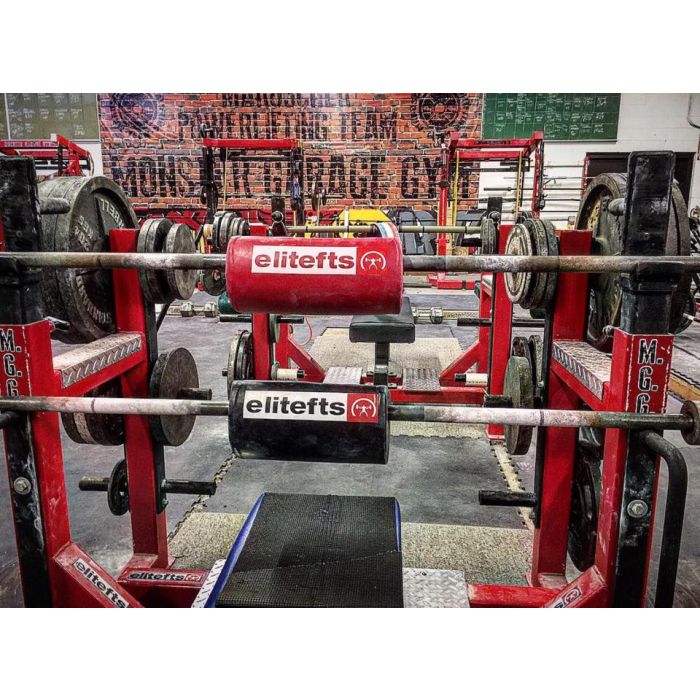
The overload stimulus doesn't come from changing the weight, but from changing the distance you move it. Week by week, you systematically increase the range of motion. This could mean squatting to a progressively lower box, performing a bench press from a lower board, or deadlifting from incrementally lower blocks. The goal is to overload the system by increasing its range of motion with a super-maximal load, a stark contrast to the conventional approach of adding more plates.
You're Stronger Than You Think (But Your Brain is Hitting the Brakes)
Your body possesses a set of neurological governors called Golgi Tendon Organs (GTOs). Think of them as "little handbrakes" located where your muscles and tendons connect. Their primary job is to protect you by preventing your muscles from contracting with 100% of their capable force, which could otherwise cause severe injury.
Your body doesn't want you to create or produce 100% of the force that you're capable of, cuz for most people, that would actually pull the muscle straight off the bone.
The PRM method systematically "desensitizes" these handbrakes. It works by repeatedly illustrating to the body that when you move a heavy load or produce a high amount of force, nothing bad happens. By consistently and safely exposing your body to super-maximal loads in a controlled manner, you teach your nervous system that producing a higher level of force is safe. This process allows you to tap into more of your existing strength potential. While a typical gym-goer might only be able to express 30-40% of their absolute strength, this training can help athletes access the 80-90% range that elite lifters typically operate in.
It Builds Mental Armor, Not Just Muscle
One of the most underrated benefits of this method is the profound psychological adaptation it creates. Handling a weight that's heavier than your current max every single week builds immense confidence. The fear and anxiety that often accompany a PR attempt dissolve. By the time you're ready to test your max in a full range of motion, the weight is no longer intimidating—it's familiar.
This was a key factor for powerlifter Naomi, who used the method to overcome the psychological barrier of lifting heavy after a severe back injury. By handling her 510 lb goal weight every other week in partial ranges, her internal monologue shifted. Instead of worrying about her body "falling apart," the feeling became, "No, I've been there. I know my body can handle this." This mental armor allows you to focus purely on performance, eliminating the hesitation that can kill a maximal attempt before it even starts.
It Forges Your Tendons Like Steel Cables
For advanced lifters, the weak link is often not muscle mass, but tendon strength. While muscles adapt relatively quickly, tendons require a particular and potent stimulus to grow stronger: super-maximal weight. The problem is that performing significant volume with such heavy loads through a full range of motion is incredibly taxing and unsustainable.
The PRM method masterfully solves this dilemma. It allows you to accumulate significant training volume with tendon-building loads, but over shorter, more manageable ranges of motion. This provides the ideal stimulus for tendon development, making them thicker and stronger. Think of your tendons as a force funnel; the stronger they are, the more efficiently they can funnel the force your muscles create into the bone to move the weight. As a crucial side benefit, the sheer time spent supporting a super-maximal load builds incredible postural strength in your upper back, abs, and overall core bracing.

The Make-or-Break Rule—Your Partials Must Perfectly Mimic Your Full Lifts
This is the single most crucial factor for the success of the entire method. The strength you build in a partial range will only carry over to your full lift if the technique is identical. You must be in the same body position with the same bar path that you would be at that specific point in a full-range attempt. If your partial technique deviates, the strength gained becomes useless.
Squat Fault: The Rock-Back
The most common mistake in a box squat is rocking back onto the box. This shifts the barbell behind your mid-foot, a mechanically inefficient position you would never be in during a free squat. The correct execution is to squat straight down as if the box isn't there, using it only as a depth gauge. A powerful cue is to imagine the box is fragile and can only support half your weight; you can't sit back and have it completely support you. Stay tense, touch it lightly, and drive back up while keeping the bar directly over your mid-foot.
Bench Fault: The Elbow Flare
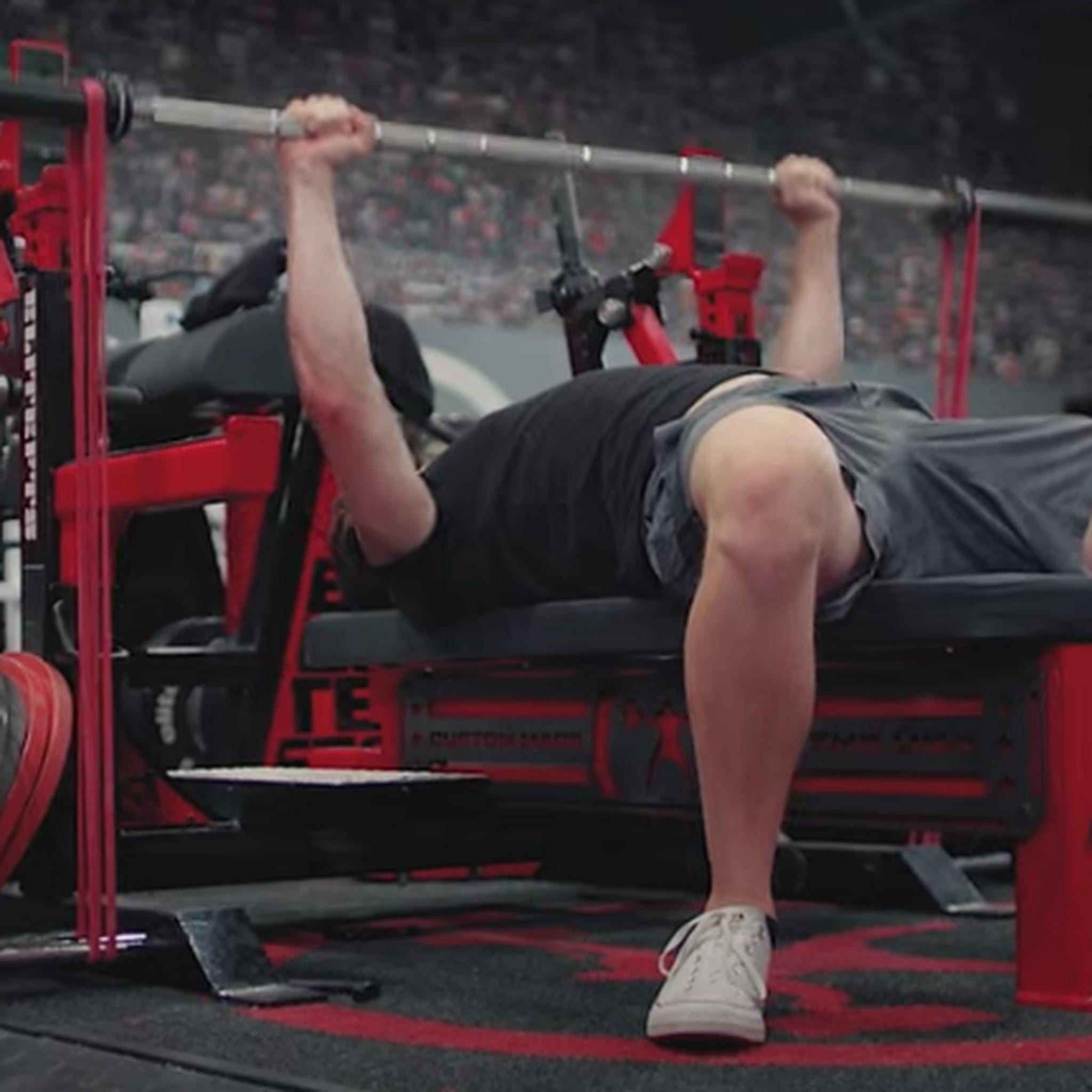
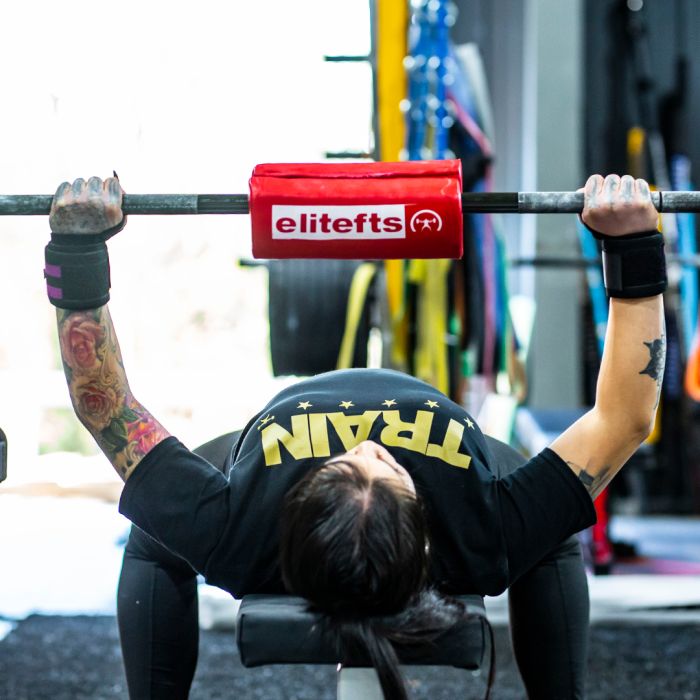
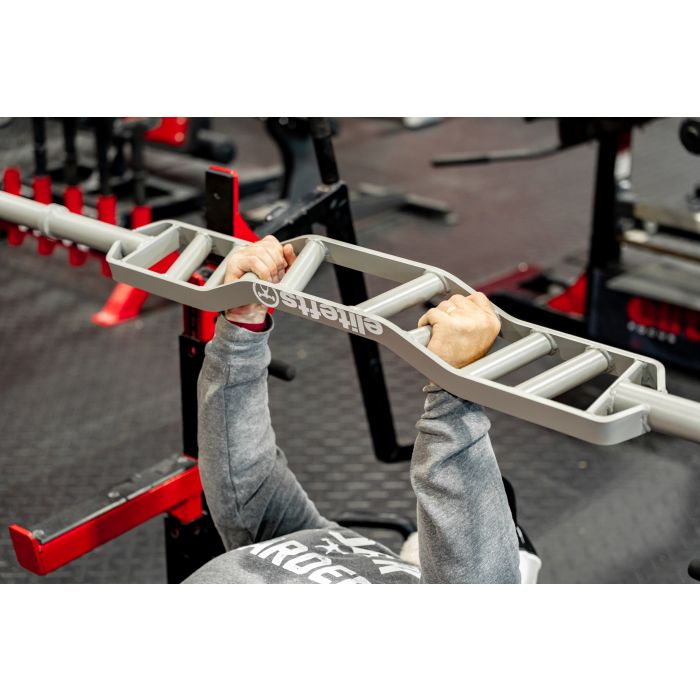
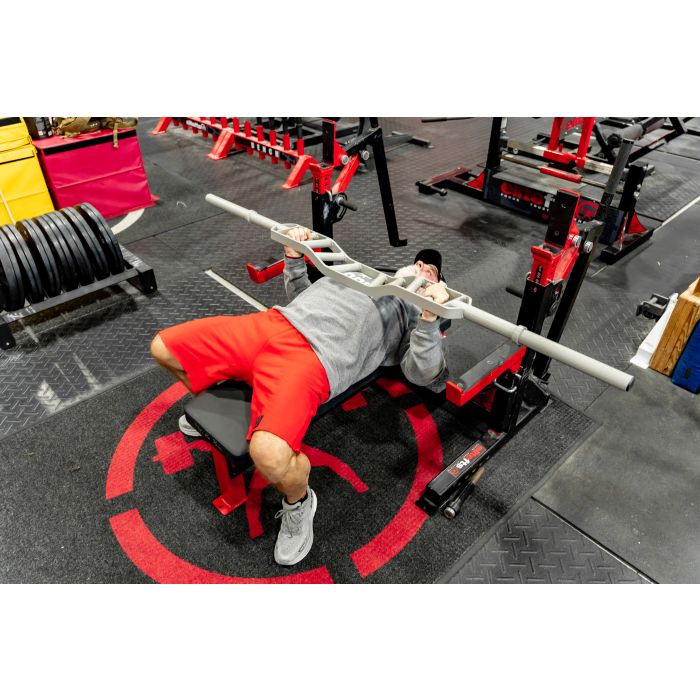
During a board press, many lifters relax at the bottom, letting the bar sink into the board. This causes their elbows to flare out and a loss of upper back tightness. The correct method is to treat the board as a target to be touched lightly. You aren't using the board as an excuse to be lazy, but as a depth gauge without entirely unloading. The elbows must stay stacked directly under the wrists, maintaining the same tight, powerful position you would want at the bottom of a full-range press.
Deadlift Fault: The Hitch
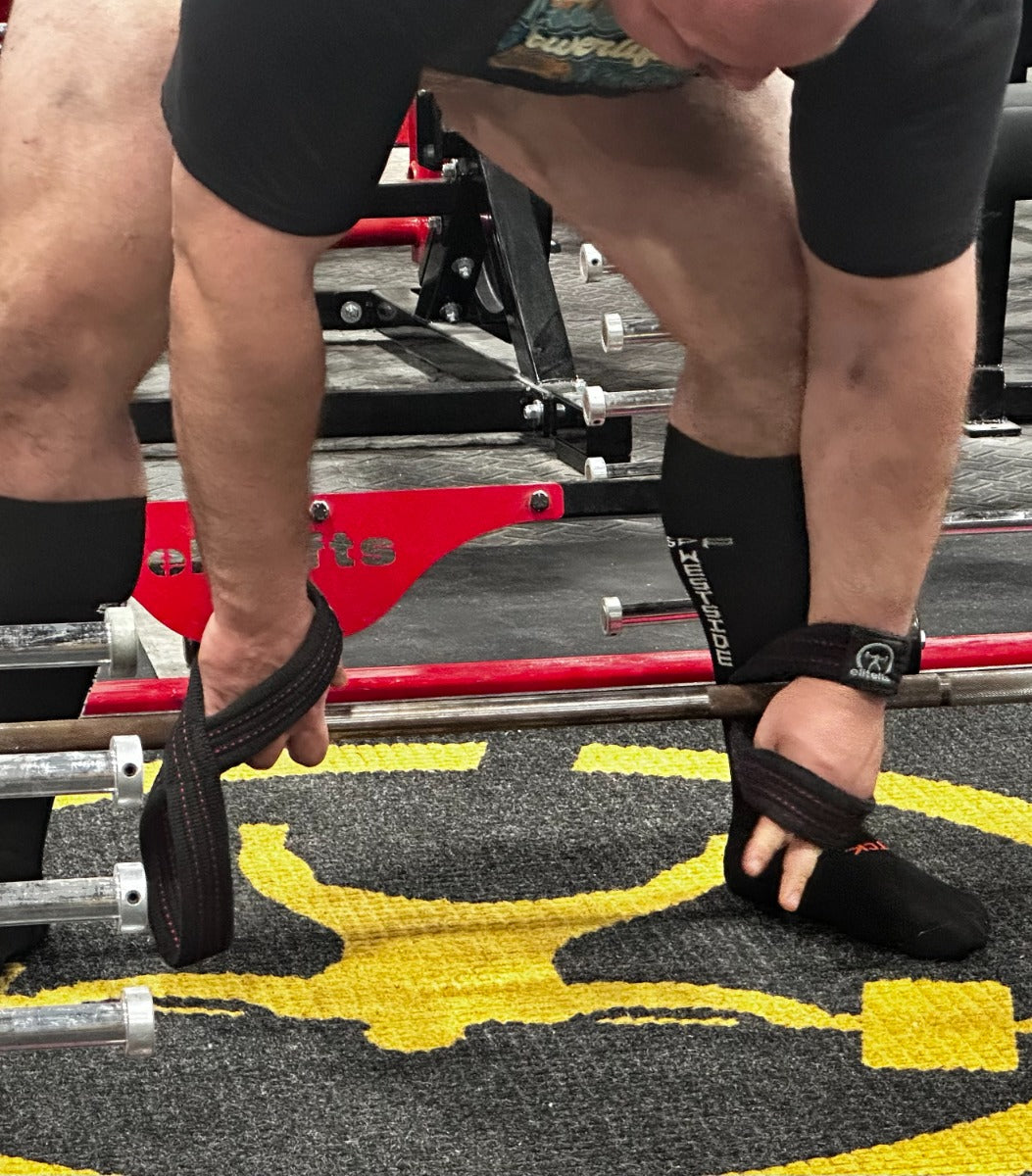
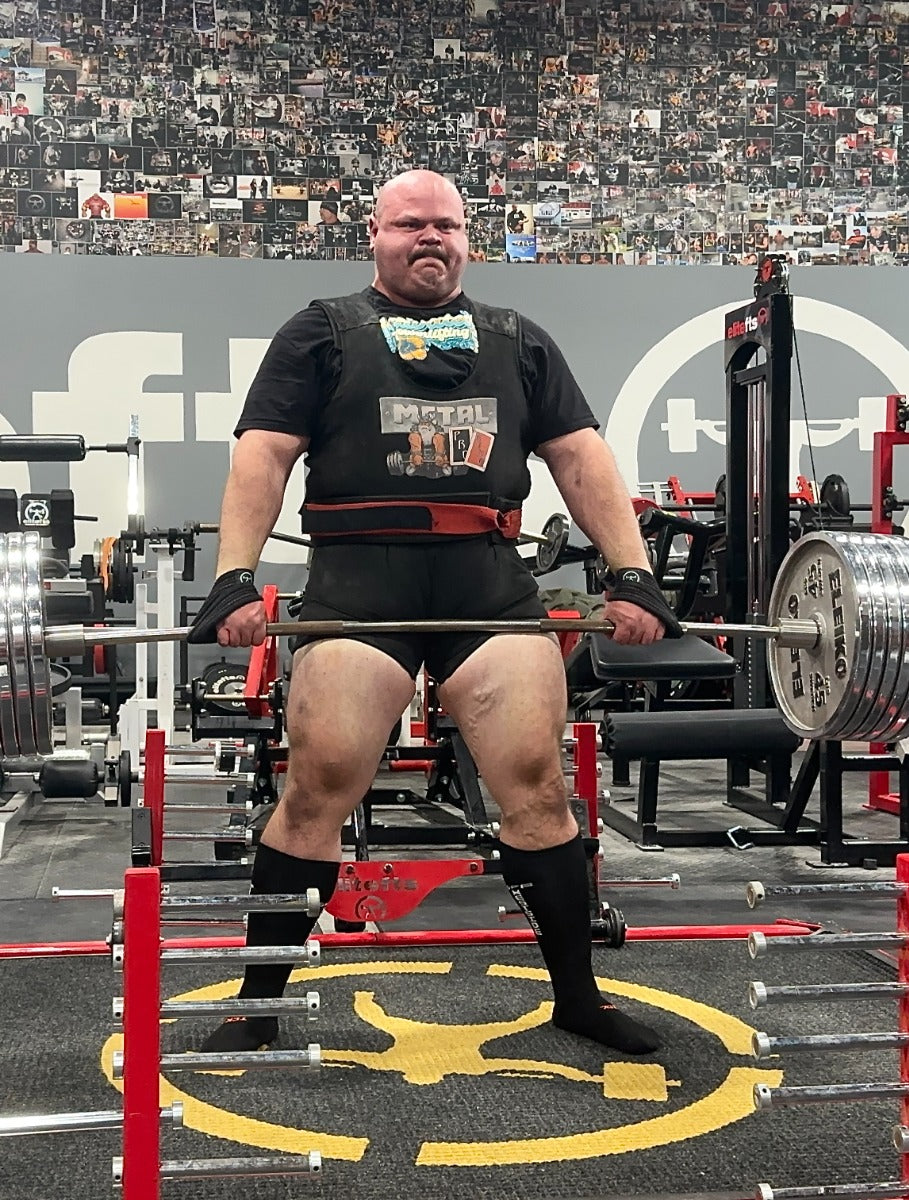
The most significant error in a partial deadlift (or block pull) is hitching. This occurs when the lifter re-bends their knees after the initial drive, wedging them back under the bar to shift the load onto the quads improperly. This turns the top half of the pull into a squat. The top portion of the deadlift is a pure hip hinge, dominated by the posterior chain. To perform it correctly, the shins should be vertical, and the movement should feel like it's almost entirely on the hamstrings and glutes, because that's what's doing the work.
This will feel like a really heavy stiff leg style deadlift but that's because it is.

Are You Overloading the Bar, or Just Your Potential?
True overload isn't just about adding more plates to the bar; it's about pushing beyond your limits. It's about challenging your body's systems in novel ways that force it to adapt. The Progressive Range of Motion method teaches us that by manipulating range of motion, we can unlock neurological, structural, and psychological strength that traditional methods might leave untapped. It forces us to reconsider the very nature of progression.
So, as you plan your next training cycle, ask yourself this: What would happen if you focused less on the weight on the bar and more on unlocking the strength your body already possesses?