
Before elitefts became a global authority in strength, it was a lineage of iron and error forged in the hardcore era of the Westside diaspora. Long before the modern showroom and high-tech racks, the foundation was laid in a backyard shed known as S1.
This "World's Strongest Gym" consisted of a single sled and a 100-pound plate gifted by Louie Simmons, equipment that mostly gathered dust while Dave Tate spent his days bleeding and chalking at Westside Barbell.
Looking back at the evolution from that shed to the current compound reveals more than just a history of steel. It offers a masterclass in scrappy, high-stakes entrepreneurship. These aren't your typical Harvard Business School case studies sanitized for a boardroom. These are lessons learned from moving heavy iron, fighting off mice, and finding the "why" behind the steel when you're too broke to pay yourself for five years.
The "Invisible Door" Strategy: Prioritizing Logistics Over Lifestyle
In the late 1990s, elitefts was a fledgling mail-order business, and the logistics of downtown Columbus were a nightmare. Dave faced constant friction: the post office was a pain in the ass to navigate with heavy sleds, and the neighborhood made it impossible to leave packages outside without them being stolen. This led to a move to London, Ohio, for a reason that would baffle most homebuyers but made perfect sense to a gym owner.
The primary selling point of the new property was that the front door was invisible from the road. This "invisible door" allowed Dave to leave sleds and supplements out for UPS pickup while he was away, training clients, or hitting max-effort sets at Westside. He prioritized his shipping lane over his living room, recognizing that a secure logistics chain was more valuable than personal convenience.
"I would have to package them up and then take them to the post office and that alone was kind of a pain in the ass especially in downtown Columbus where the post office was always busy... sleds were probably the biggest item." — Dave Tate
The High-Stakes Flip: Financing Growth on 16-Week Leads
The early days of equipment manufacturing were what Dave calls a cluster fuck, defined by instability and 16-week lead times. Without traditional financing, Dave developed a high-risk gamble to keep the brand solvent. He would take a customer's deposit for a power rack and immediately roll that cash into faster-moving inventory, like books and supplements.
The goal was a desperate sprint: sell through the smaller items and turn a profit before the manufacturer's invoice for the rack finally hit his desk four months later. This wasn't just bootstrapping. It was high-stakes financial gymnastics that leveraged the industry's slow pace to fund the brand's education and apparel sides. It was a play born of necessity, proving that when the float is all you have, you learn to move fast.
Key Takeaway
When traditional financing isn't available, understanding your cash flow cycle becomes the business. Dave used a 16-week manufacturer lag as an interest-free float to fund other product lines. Unconventional, high-risk, and exactly why elitefts survived.
Accidentally Iconic: Turning Ugly Walls into a Global Brand
The famous elitefts photo wall was never a marketing masterstroke. It was a desperate cover-up. When the gym moved into S3, an old Tractor Supply shop, the walls were covered in ugly blue insulation that looked amateur in seminars and training videos. To hide it, Dave began stapling meathead photos and training shots to plywood boards.
That aesthetic constraint forced Dave to consider brand placement in every frame of the content. He would lie on the floor or sit in various spots to make sure the brand was visible, inadvertently creating a signature look that defined an era of strength culture. Even the iconic "Someday I Will" ad was a product of chaos, requiring a playground ball in a toddler's lap just to keep the kid still for the shutter.
Innovation Born of Limitation: The Spider Bar and Table Talk
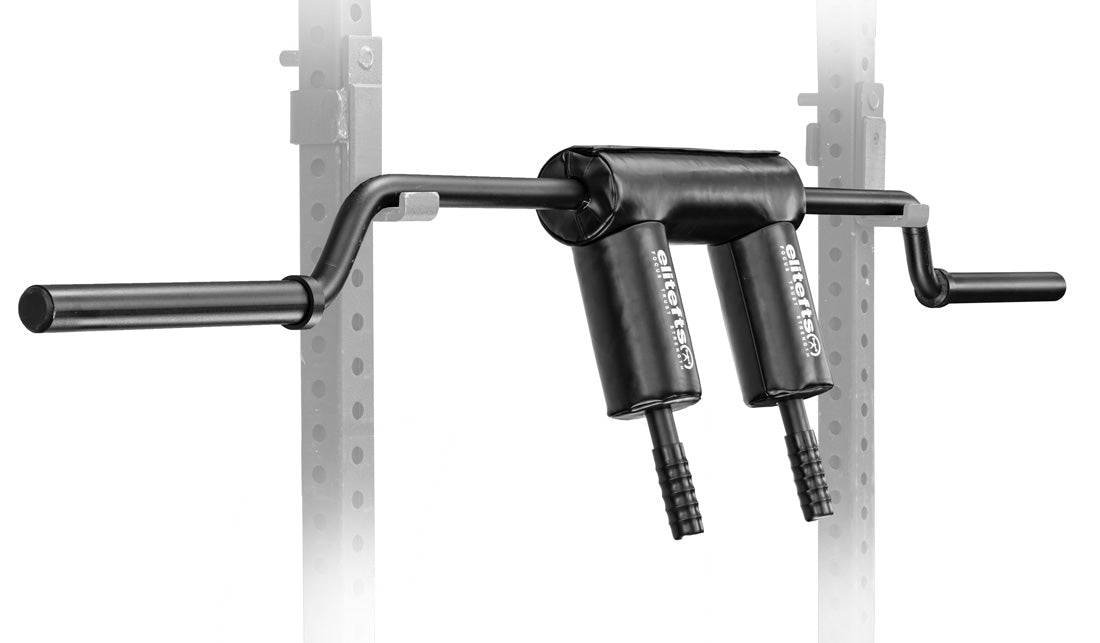
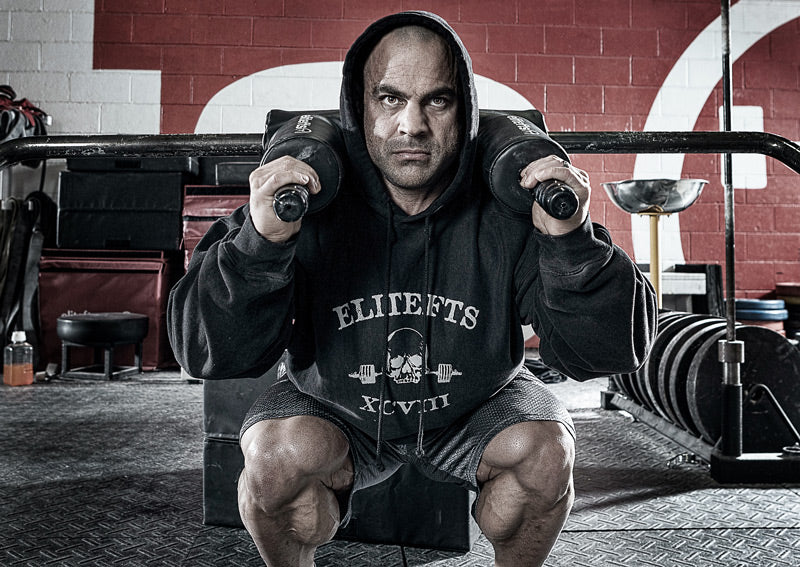
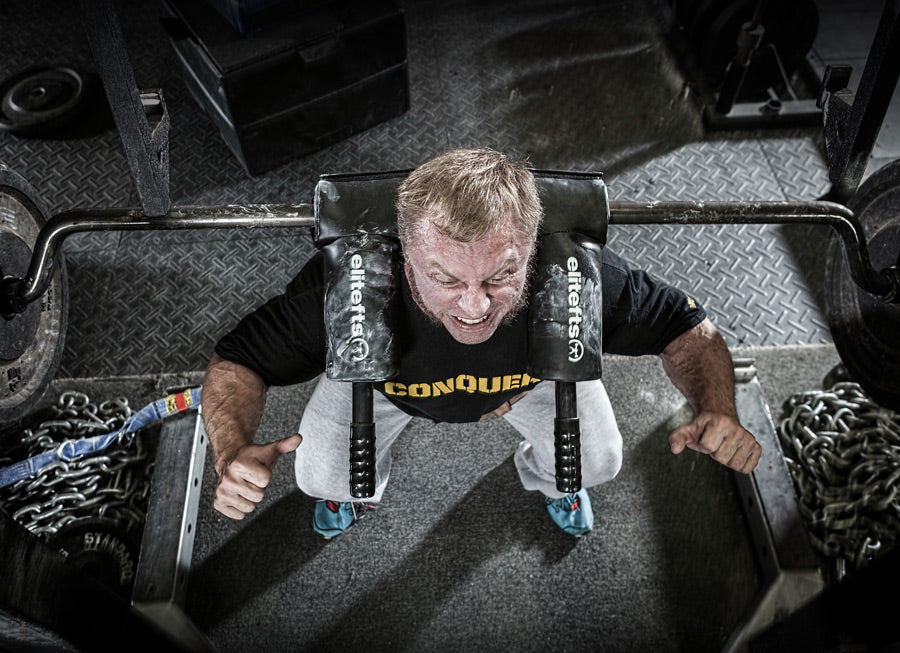
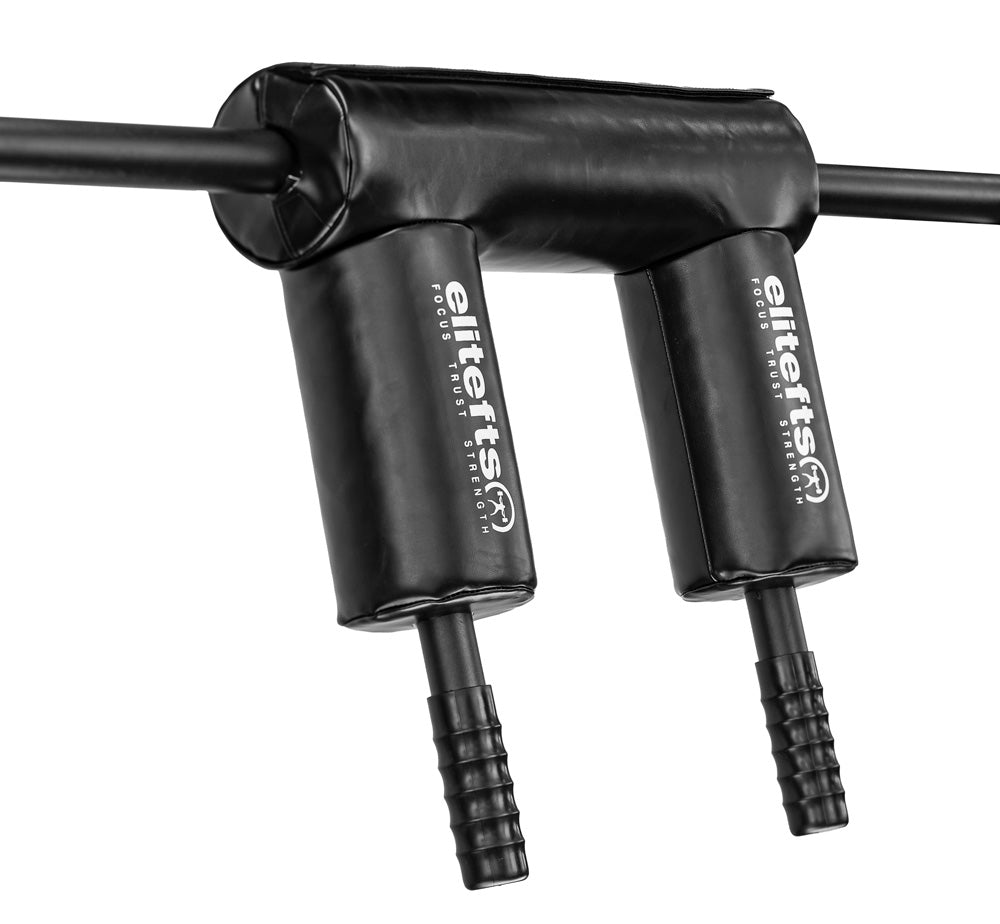
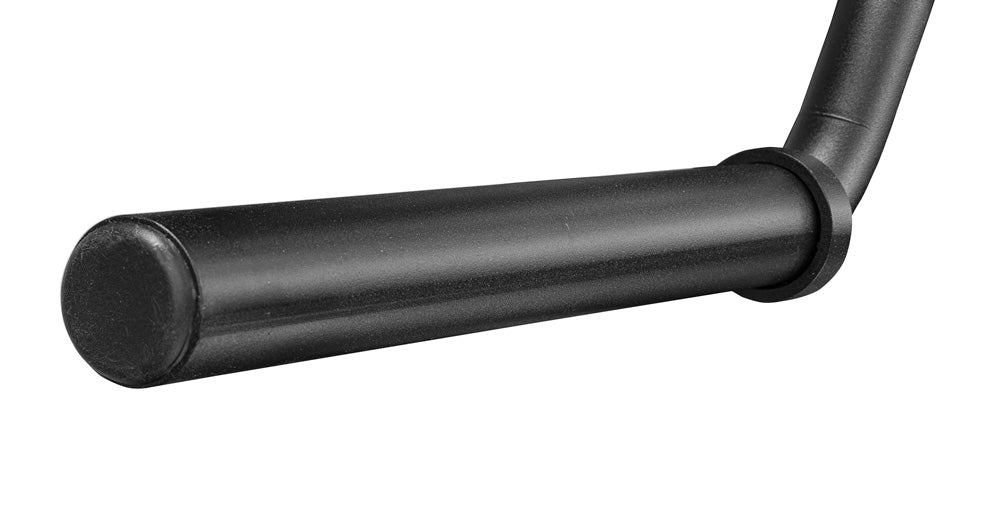
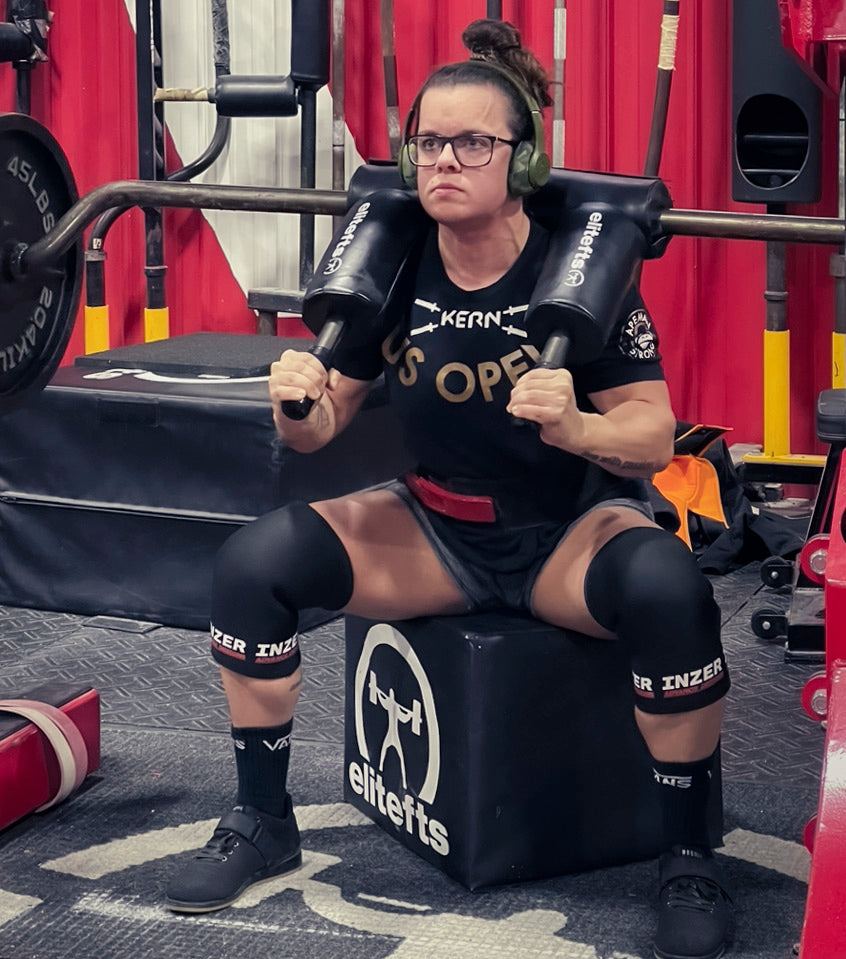
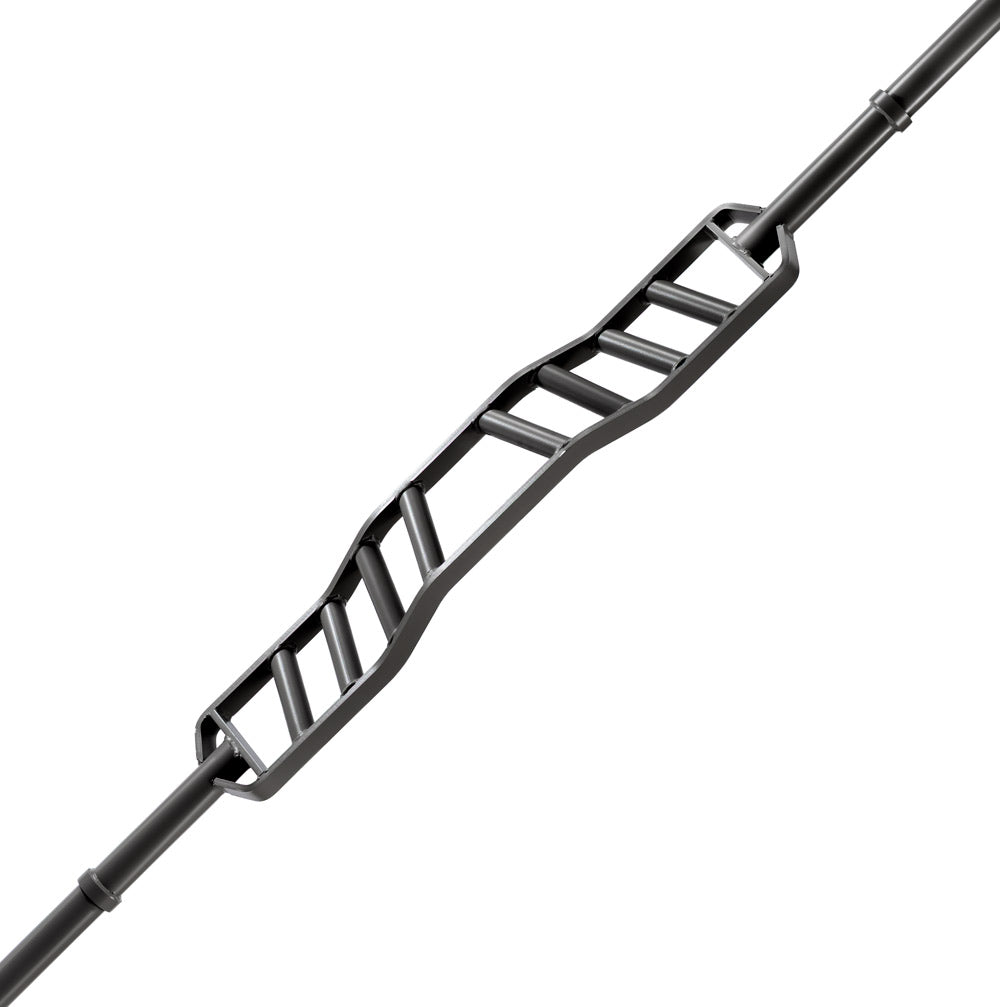
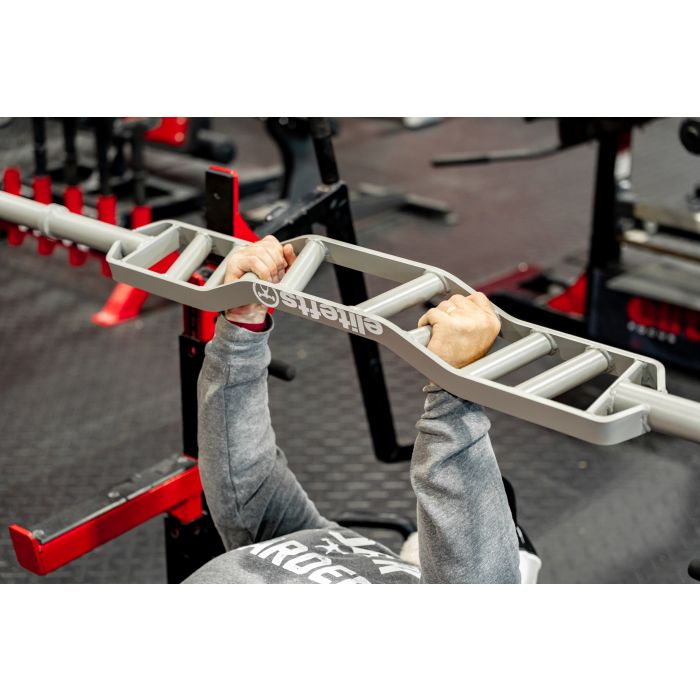
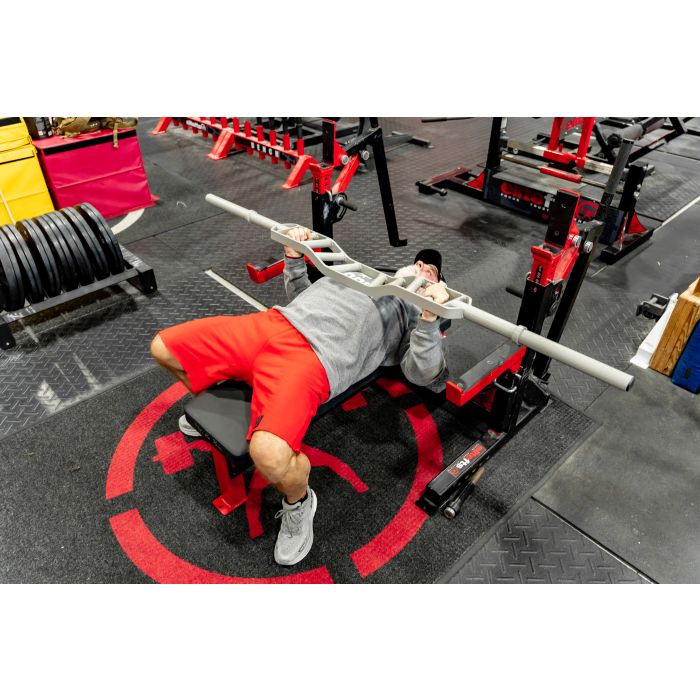
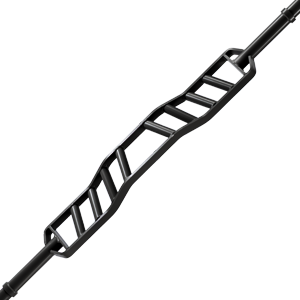
In the elitefts universe, products aren't designed in labs. They are born from physical limitations and hacks on the gym floor. The Spider Bar exists because Dave's shoulder mobility was so shot that he could no longer use a straight bar. By sticking a yoke on a rackable cambered squat bar, he solved his own problem and created a staple for the entire powerlifting community.
Even the Table Talk series, now a massive podcast, was an accidental innovation born of a cardio routine. Dave was doing so much cardio that he didn't have time to type answers for training logs or Q&As. He started printing the questions out, answering them while walking on the treadmill, and eventually moved that conversation to the now-famous podcast table. A piece of equipment built simply to give the crew a place to hang out and talk shit.
Featured Equipment
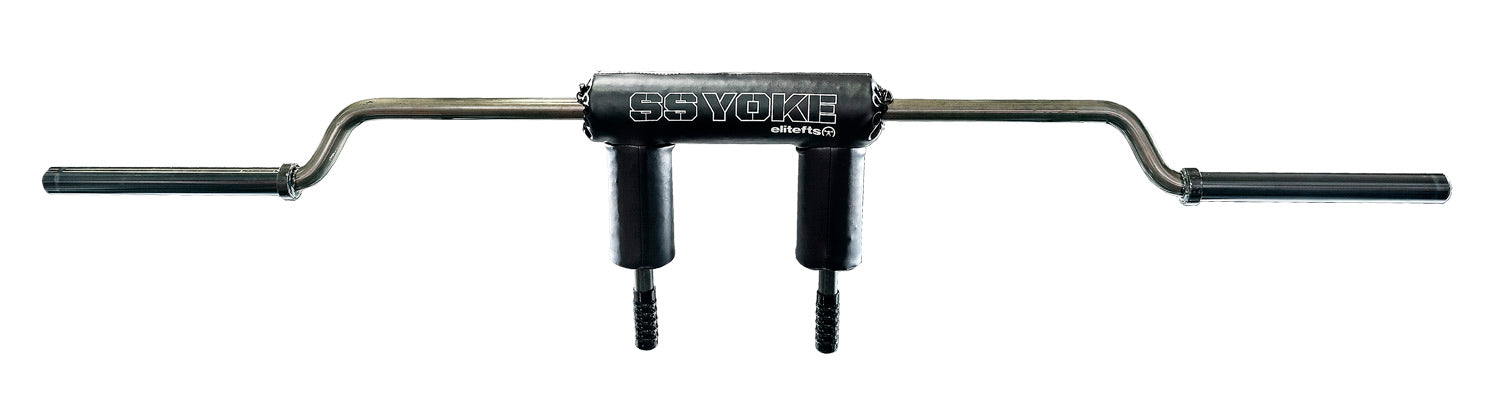
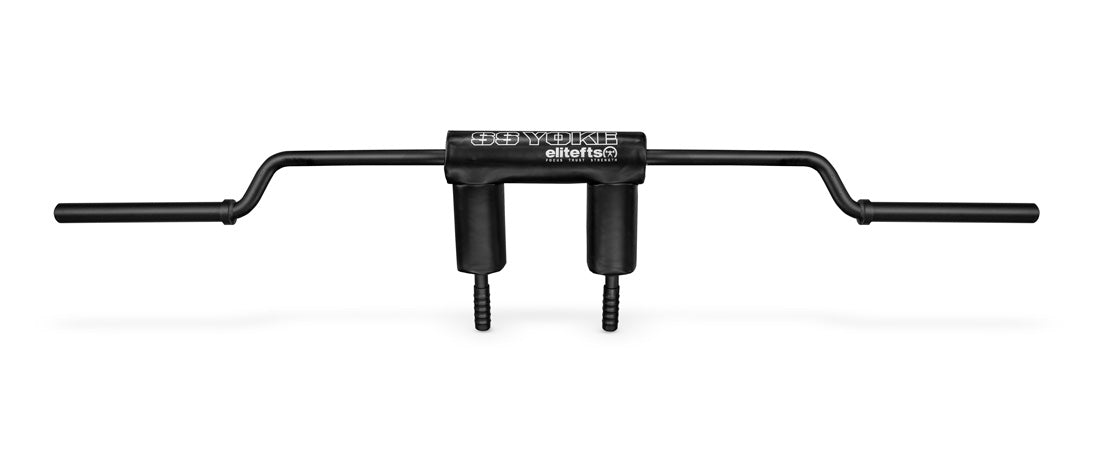
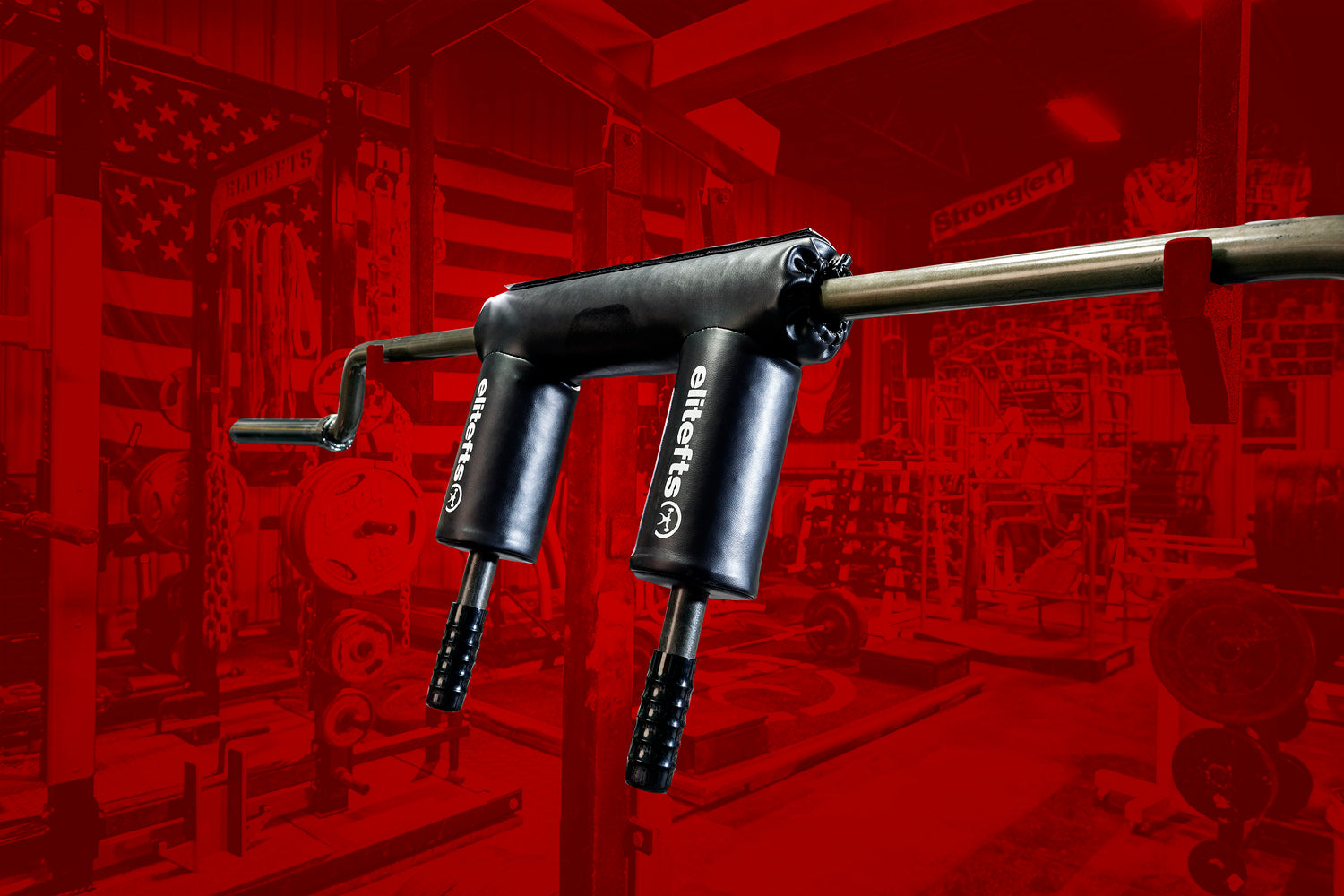
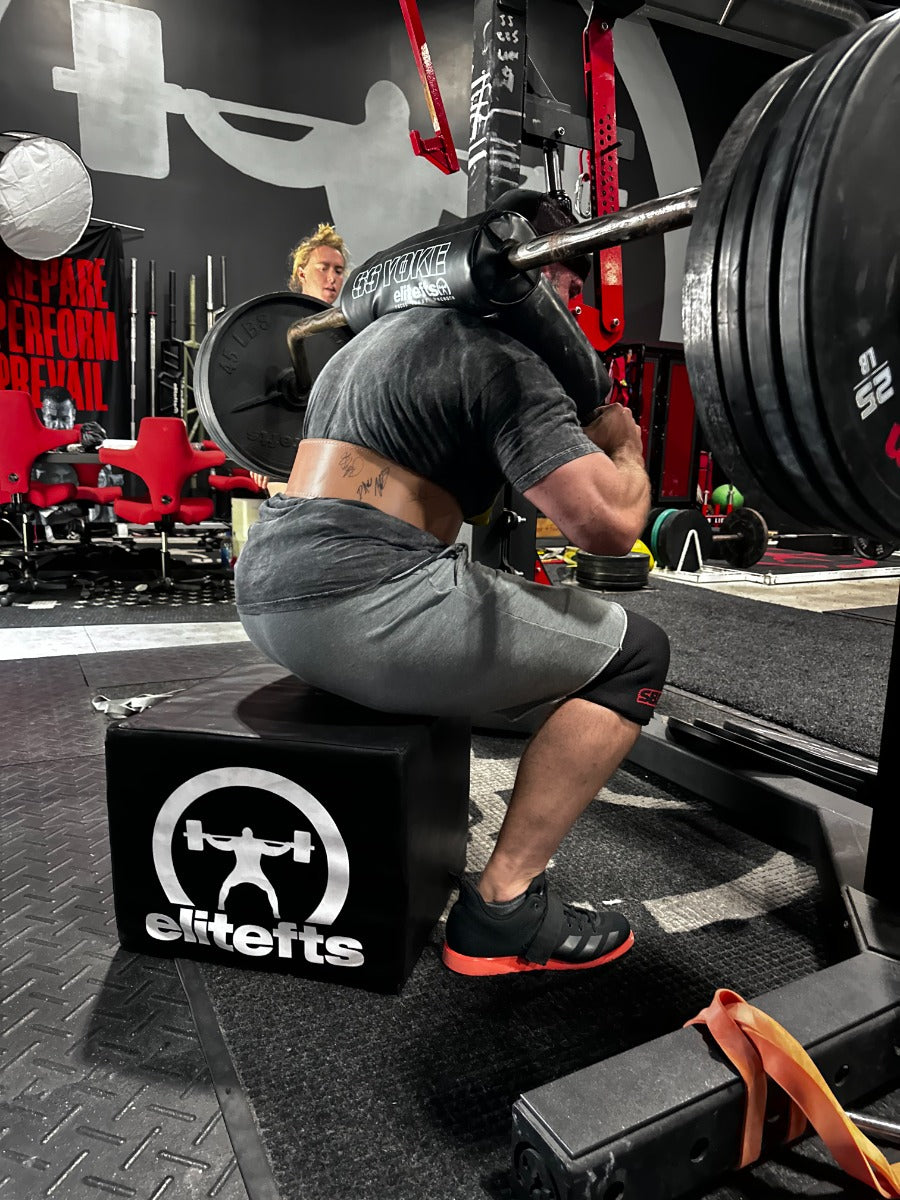
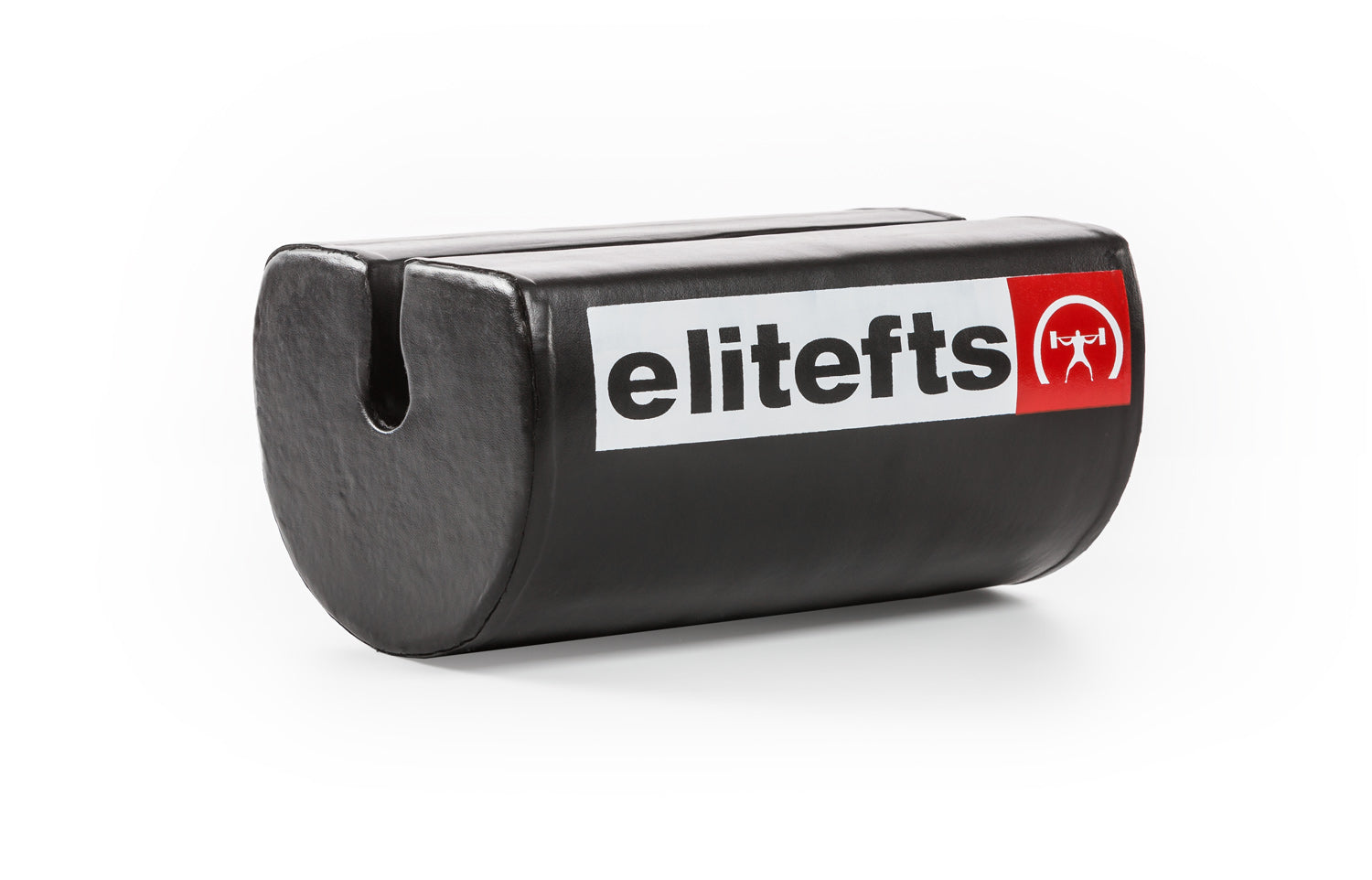
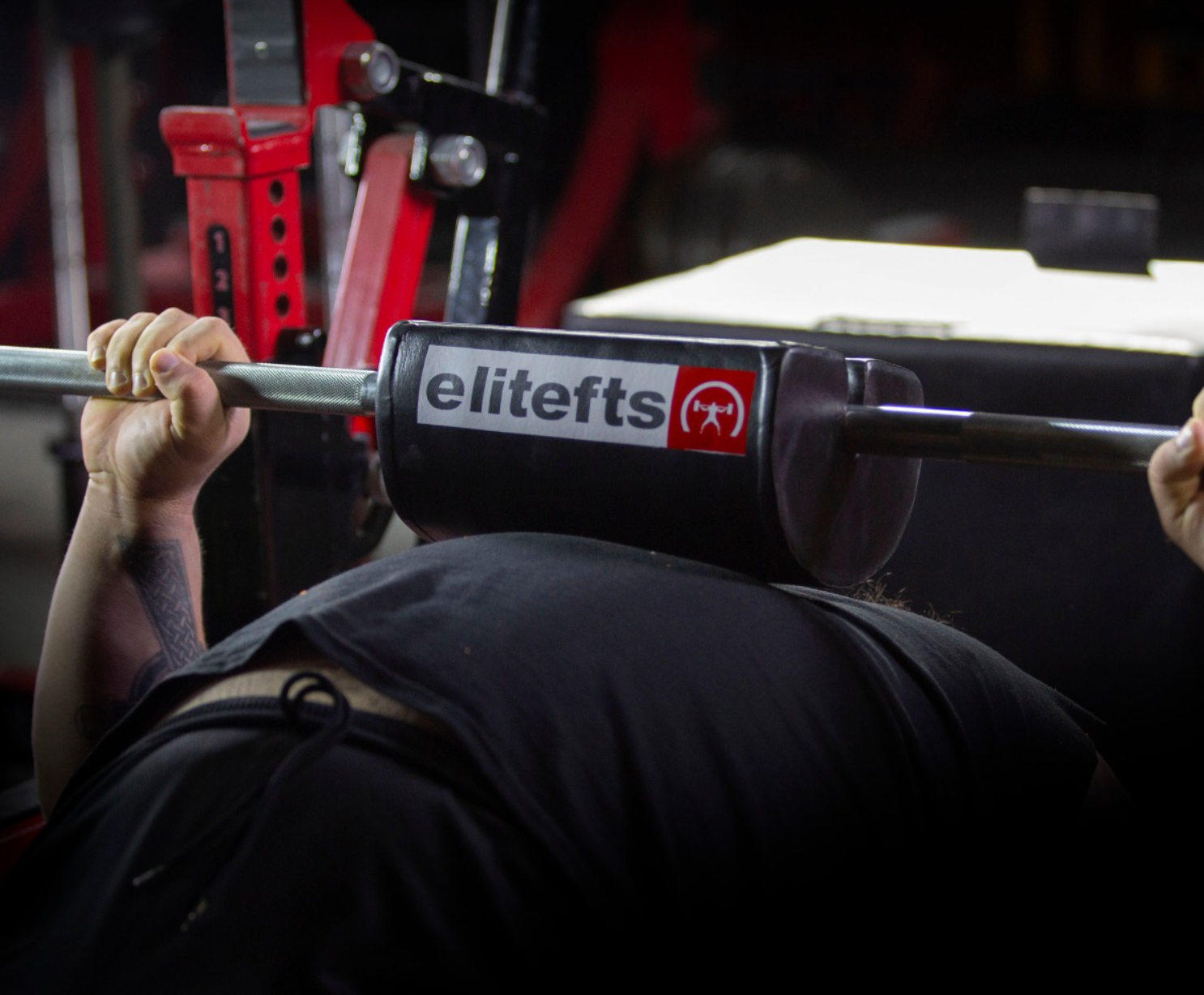
The SS Yoke Bar is the direct descendant of this kind of gym-floor problem-solving. Built for lifters who need to squat heavy but can't tolerate a straight bar, it's one of the most copied pieces of equipment in powerlifting, and elitefts still makes the standard.
The "Worst-Case Scenario" Reality Check
Not every scrappy decision resulted in a win, and Dave is the first to admit when he fell into the trap of a stupid business decision. He once ordered a fleet of orange monoliths and plate storage racks for a major meet, assuming he would break even by selling them at cost. Instead, he sold almost nothing, and the inventory sat in the warehouse for years.
The last orange monolith from that era only left the warehouse two years ago, nearly two decades after the event. Today, Dave keeps some of those original storage racks in his gym as a permanent, physical reminder of the cost of miscalculating risk.
The "worst-case scenario" is often much bleaker than your optimism allows you to see.
Respecting the Void
The journey from a backyard shed to the modern showroom is paved with the grit of the void. This was the era of S1 and S2, where there were no bathrooms, the winters were brutal, and mice were the only spectators. Lifters didn't have amenities. They had strongman stones out back to pee on, and a culture of raw intensity baked into every weld of the equipment sold today.
The evolution of elitefts shows that the most enduring brand assets often emerge when you are backed into a corner. Whether it's moving to a house with an invisible door or stapling photos over insulation, the brand's soul was forged in the cold and the dark.
What "ugly insulation" in your own training or business is waiting to be turned into something great?
Watch: The Full Story
Live, Learn, Pass On. — elitefts