

Below are four common exercises many people—even knowledgeable lifting enthusiasts—often perform incorrectly. How do I know? I used to be one of those people performing them incorrectly. I always assumed I was performing them correctly because I’ve had great coaches, I was getting good results in the gym, and I had gone over six years without injury despite training for and competing multiple times in both figure and powerlifting. In addition, having been an avid reader of articles and books by
Dave Tate, Christian Thibaudeau, Eric Cressey,
Mike Robertson,
Jim Wendler, Mike Boyle, and
Alwyn Cosgrove for years, I fancied myself quite the savvy lifter. However, after getting a little schooling from Mike Robertson last January, I learned that my suboptimal form was keeping me from reaching the next level. It was also ensuring my spot on the injured list in the future.

- Chest out. Beware, this is harder than it seems. Most of us battle with weak scapular stabilizers and tight pecs because we’re constantly sitting—at work, in the car, or playing video games and watching television. In order to keep your chest out properly, you must seat your scapulae, driving them down and together. This puts your scapulae in the correct position to do their job during the push-up, which leads us to our next point.
- Scapular retraction and protraction during the push-up. When you go into the bottom portion of the push-up, your scapulae should retract or “come together.” When you push yourself up, your scapulae should protract or “come apart.”
- Low back neutral. This is one of the biggest issues I see whenever someone is doing a push-up. Everyone thinks she’s staying nice and tight in her core, but the truth is she probably isn’t. Get a video of yourself doing push-ups from the side and you will get a much more objective perspective of what your push-up really looks like! In order to stay neutral, draw your abs in tight toward your spine throughout the entire movement. This will take any unnecessary stress off the lumbar spine and actually turns the push-up into one of the best core strengthening exercises out there.
- Glutes tight. You should be squeezing your glutes like you’re holding a $100 bill in there! Keeping your glutes tight will help stabilize your core and pelvis while performing the push-up. I know it isn’t an easy task to concentrate on keeping every area of your body tight at once, but you will gain more strength with every tight push-up you perform than you would with ten mindless ones.
- Elbows at 45 degrees and go through the full range of motion. OK, this one might be preaching to the choir, but just to cover my bases, flaring your elbows out to 90 degrees is hard on the shoulders and should be avoided. If you aren’t getting full range of motion, you’re just fooling yourself. No one else in the gym is impressed with 100 elbow twitches or the physique that comes with it.
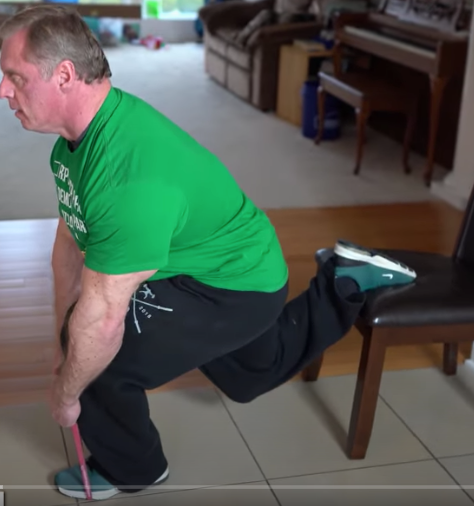
- Railroad track steps. Begin with your feet no more than shoulder width apart. With each step, imagine a straight line going forward (or backward for reverse lunges) from your foot as if you were walking on railroad tracks. Your foot and knee should stay in line with your imaginary tracks. If you have hip stability issues, you will find that your legs will want to drift inward or outward from the “tracks” to compensate for the weakness and instability. Even if it means dropping the weight, keep your form. This will force the stabilizers of the hip to strengthen, allowing for bigger squat numbers.
- Square your hips. If you had headlights coming out of your hip bones, they should be facing straight ahead. This will get your pelvis in the proper position for a lunge and also ensure that you’re getting proper hip extension and a good hip flexor stretch.
- Get tall. That means chest up, abs drawn in, and spine neutral. Pull up with your body. This will ensure good posture during the lunge and engage your abdominals more effectively. Some people tend to arch back or lean forward to get tall instead of up. To prevent this, make sure there is a straight line from the hips to the shoulders.
- Squeeze the glute of the back leg. This ensures you’re getting extension from your hip, not your lower back. It keeps your pelvis stable and in the correct position throughout the lunge.
- Drop straight down. Most people have a tendency to lunge forward because they’re quad dominant. Your shin should be vertical and perpendicular to the floor. This will force you to engage your glutes and hamstrings more, but it will give you a better hip flexor stretch and take some of the shearing force off your front knee.
- Prevent knee cave. Keep the front knee toward your pinky toe. Forcing the knee out will engage the medial glute during the movement, providing stability and strength during the lunge.
-
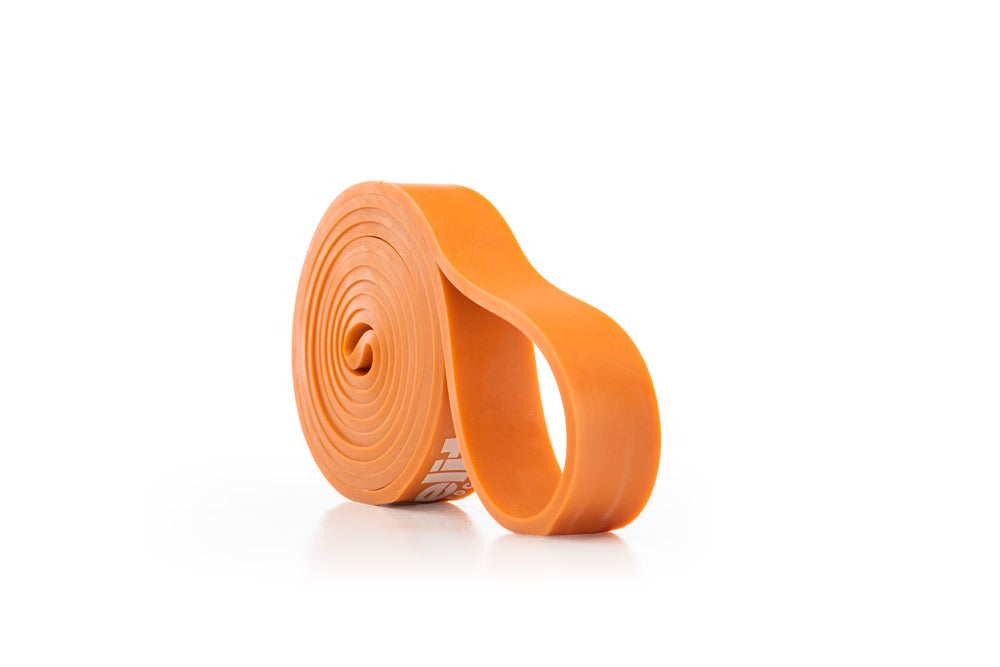
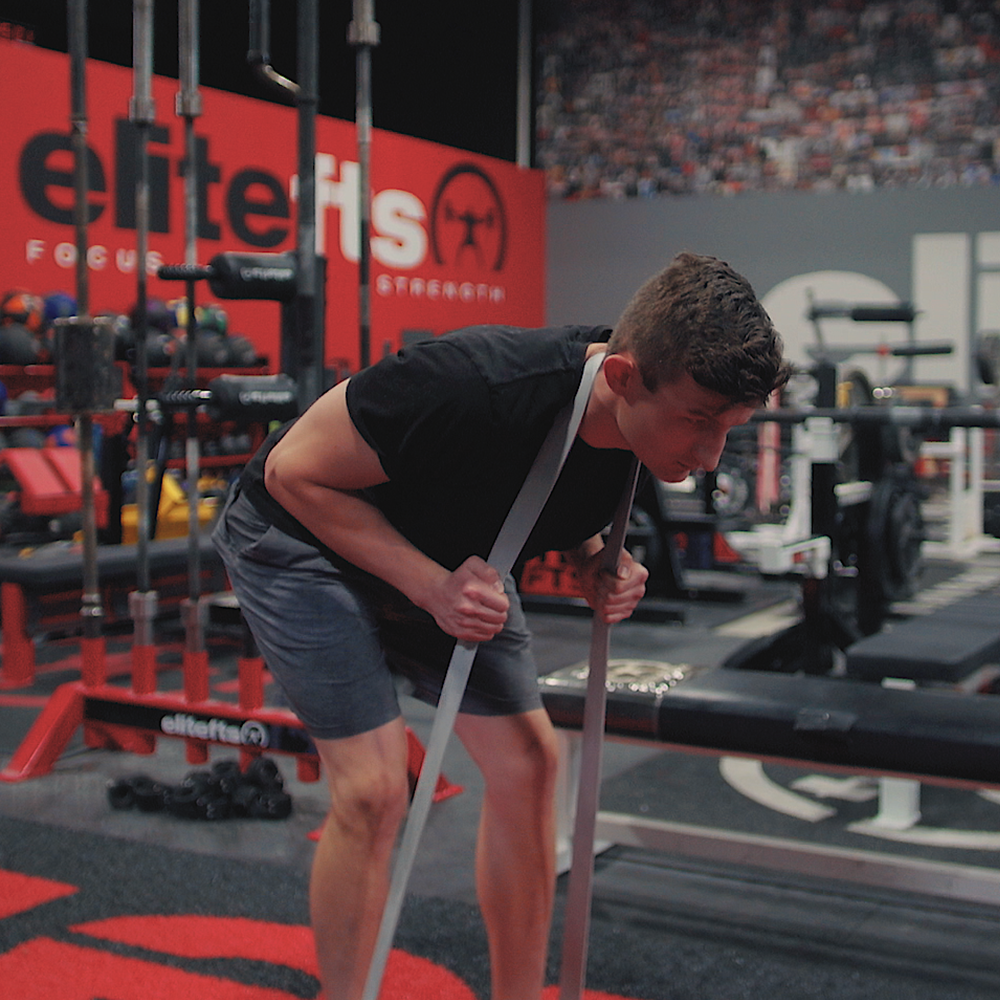
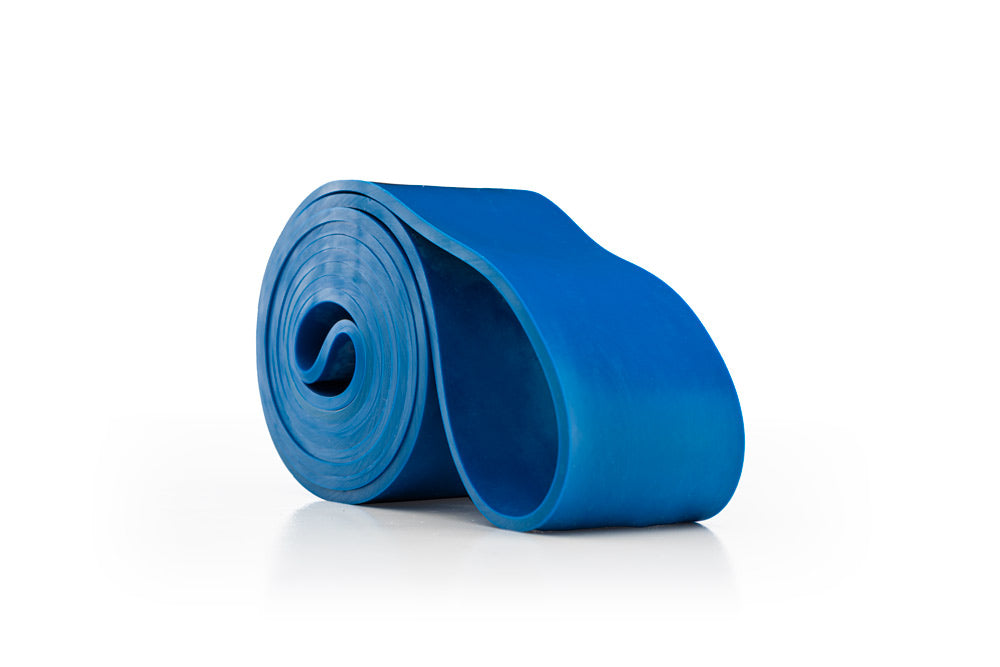
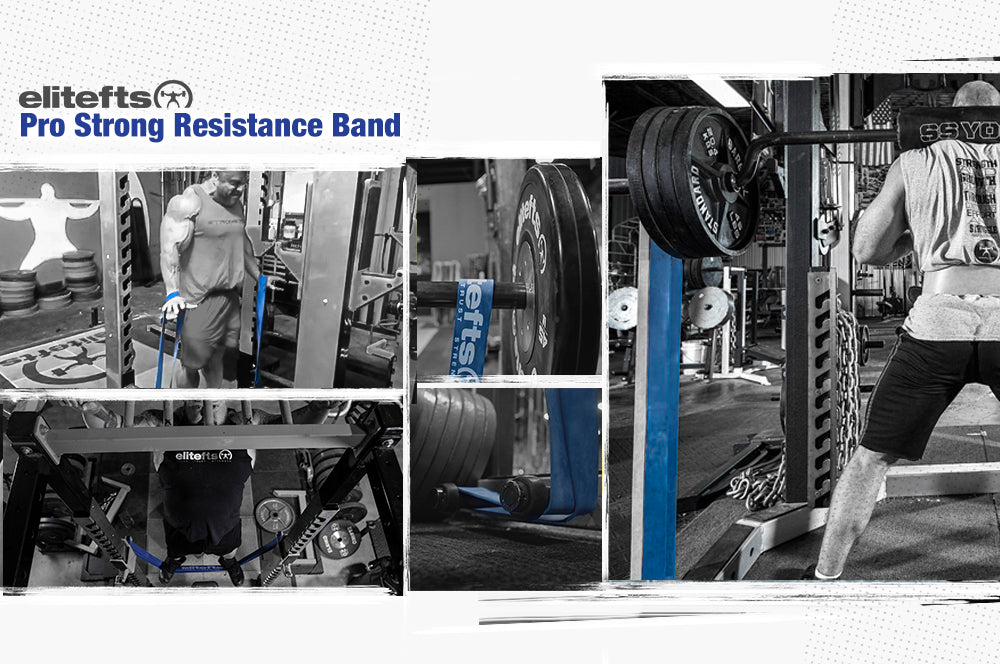
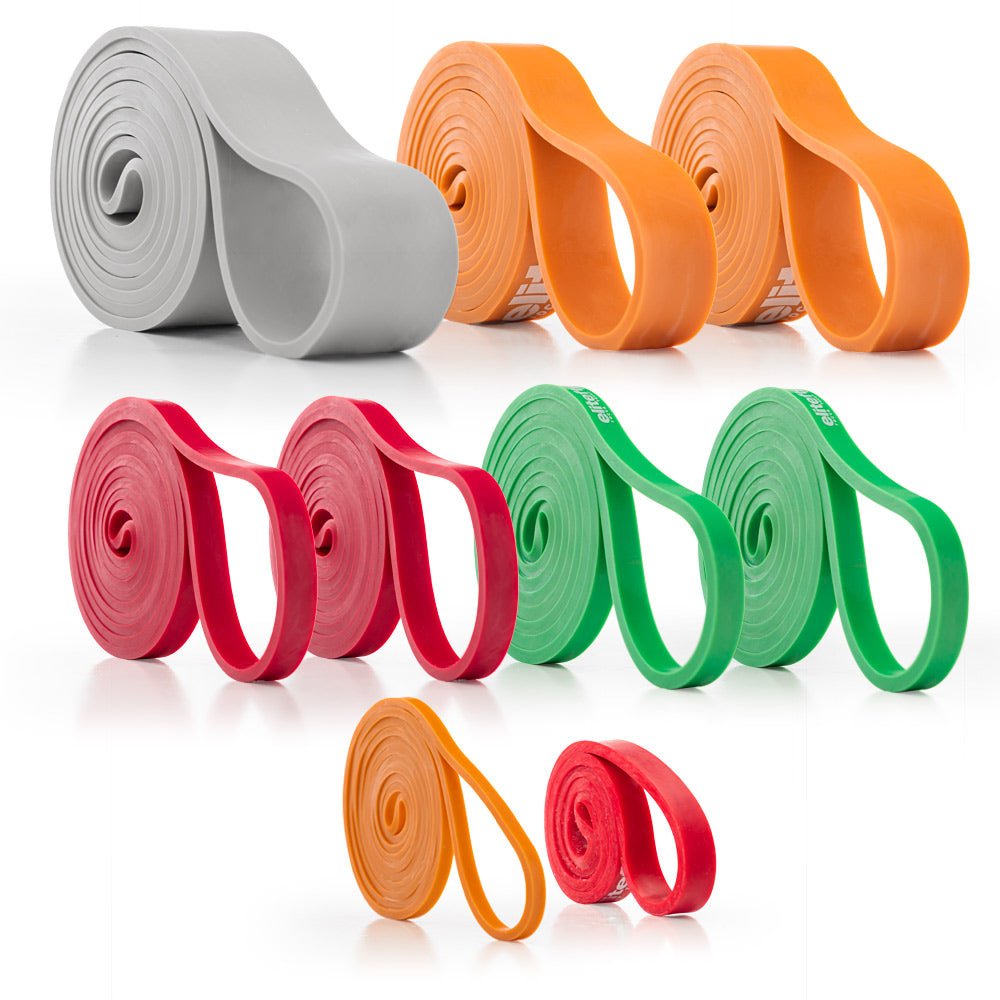
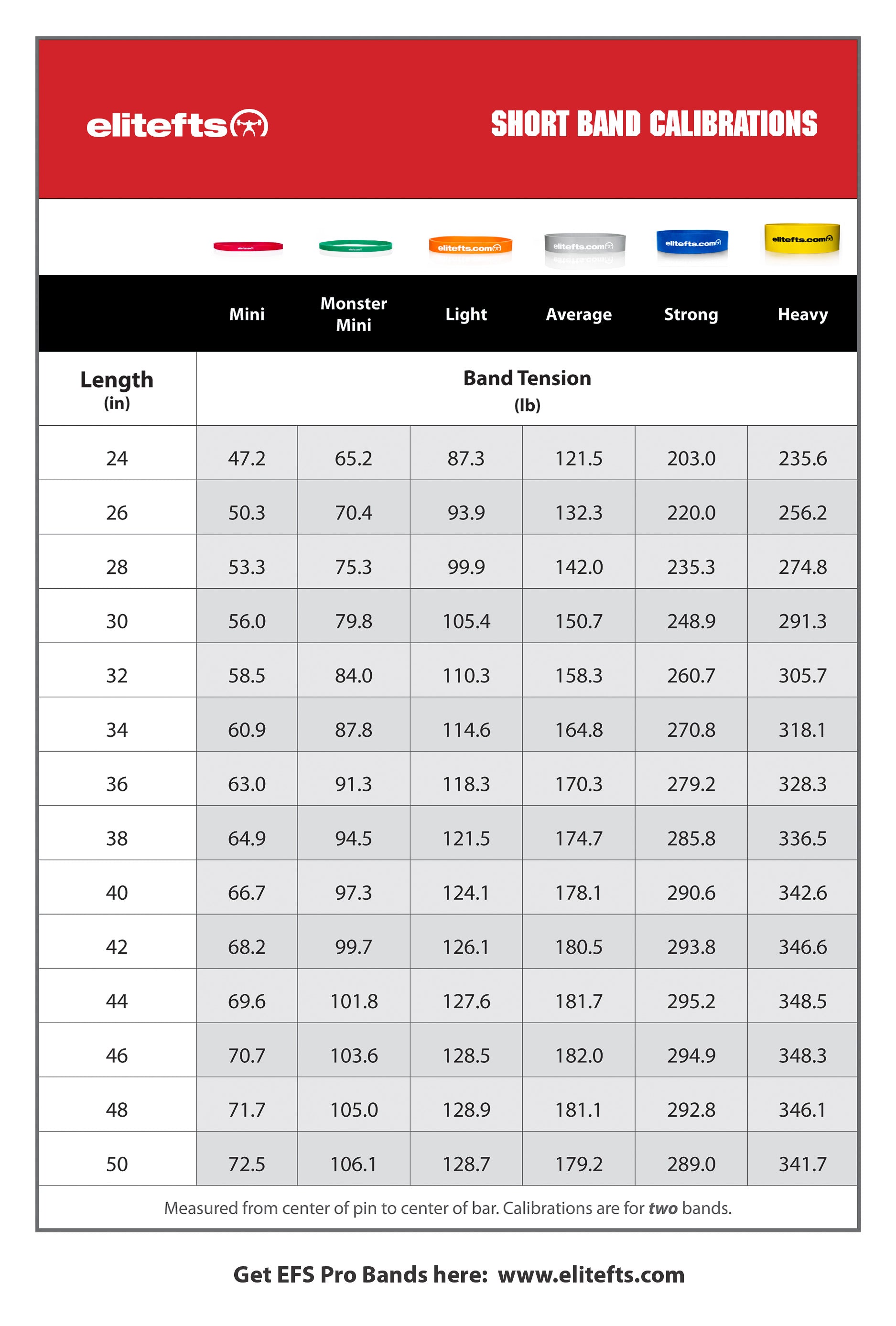
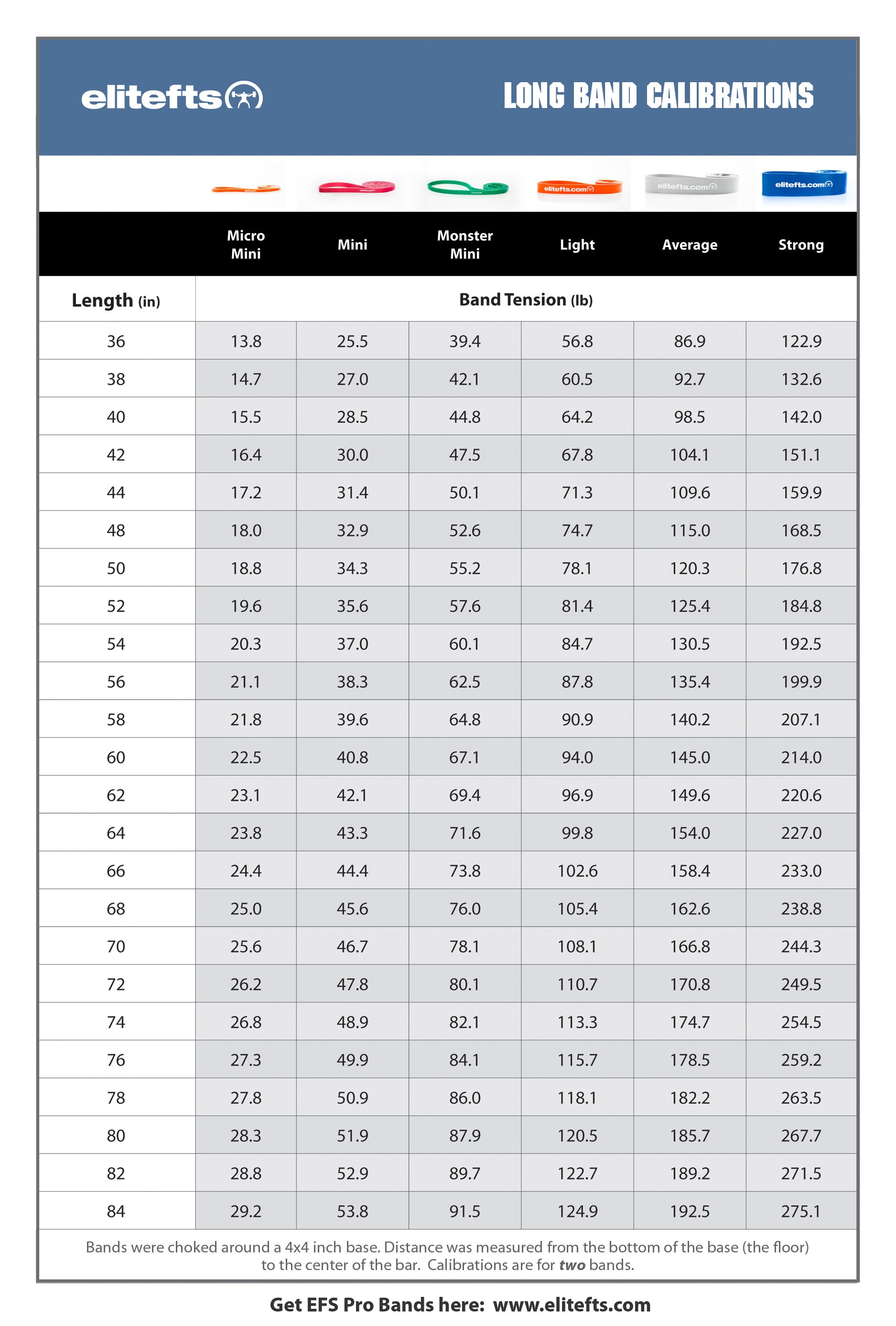
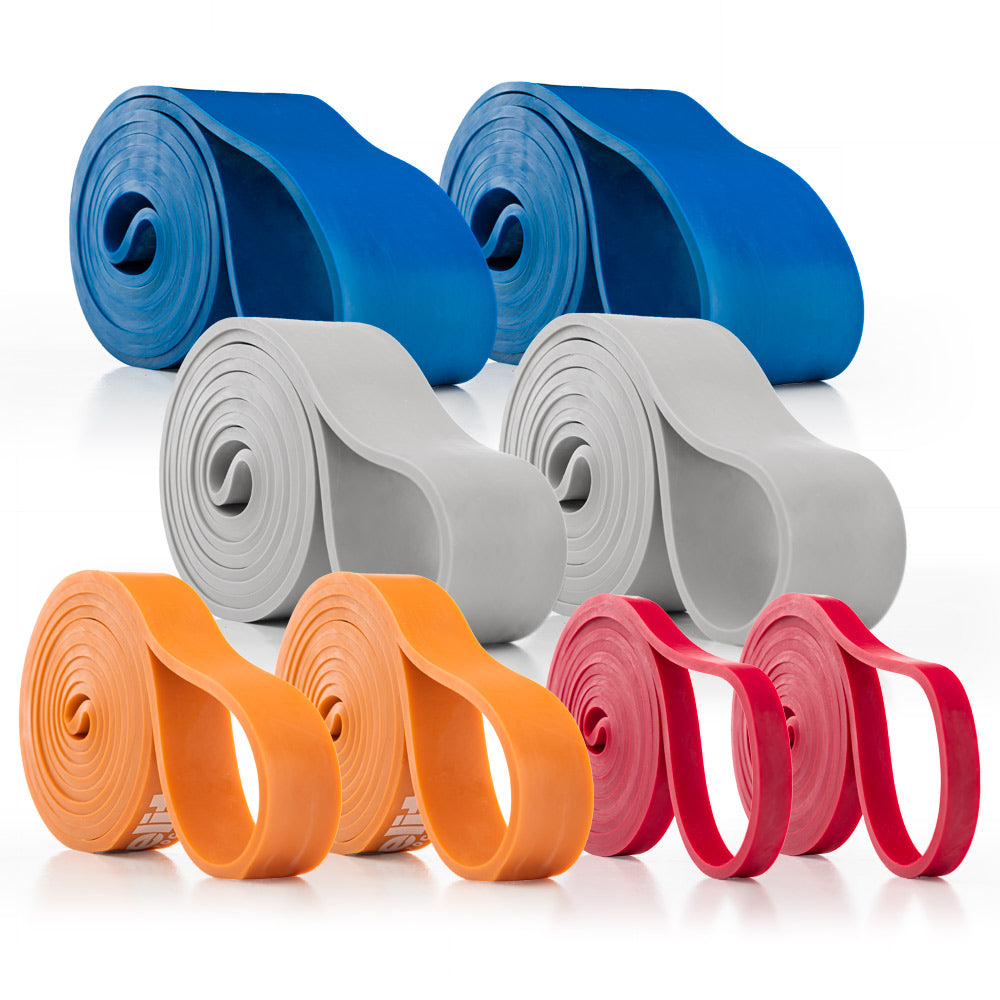
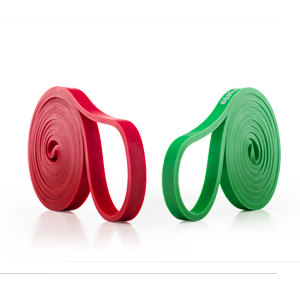
Eliminate any swinging of the body (assuming you aren’t performing a kipping chin-up). There is definitely an argument for using momentum (getting more reps than normal, blah blah blah). However, in this instance, you want to eliminate swing and momentum to perform a well executed chin-up. This ensures that you’re maximally engaging and taxing the proper muscles, not relying on momentum to get your reps. If you can’t do a chin-up without swinging, grab some
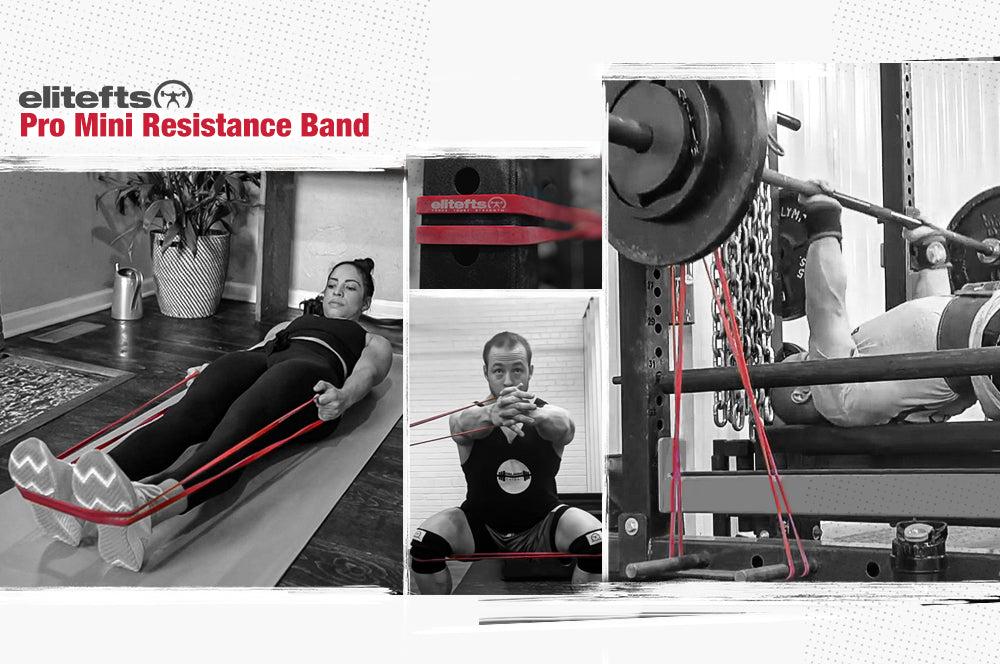
bands from EliteFTS and use them to do assisted chins. - Bring your sternum to the bar. Aiming for your sternum rather than your chin encourages you to pull more with your back and less with your biceps. This will also get your scapulae in that nice, seated position, reinforcing scapular stability.
- Stay as tight and stable as possible during the chin-up. This turns the chin-up into an incredible full body exercise that is fantastic for increasing core stabilization.
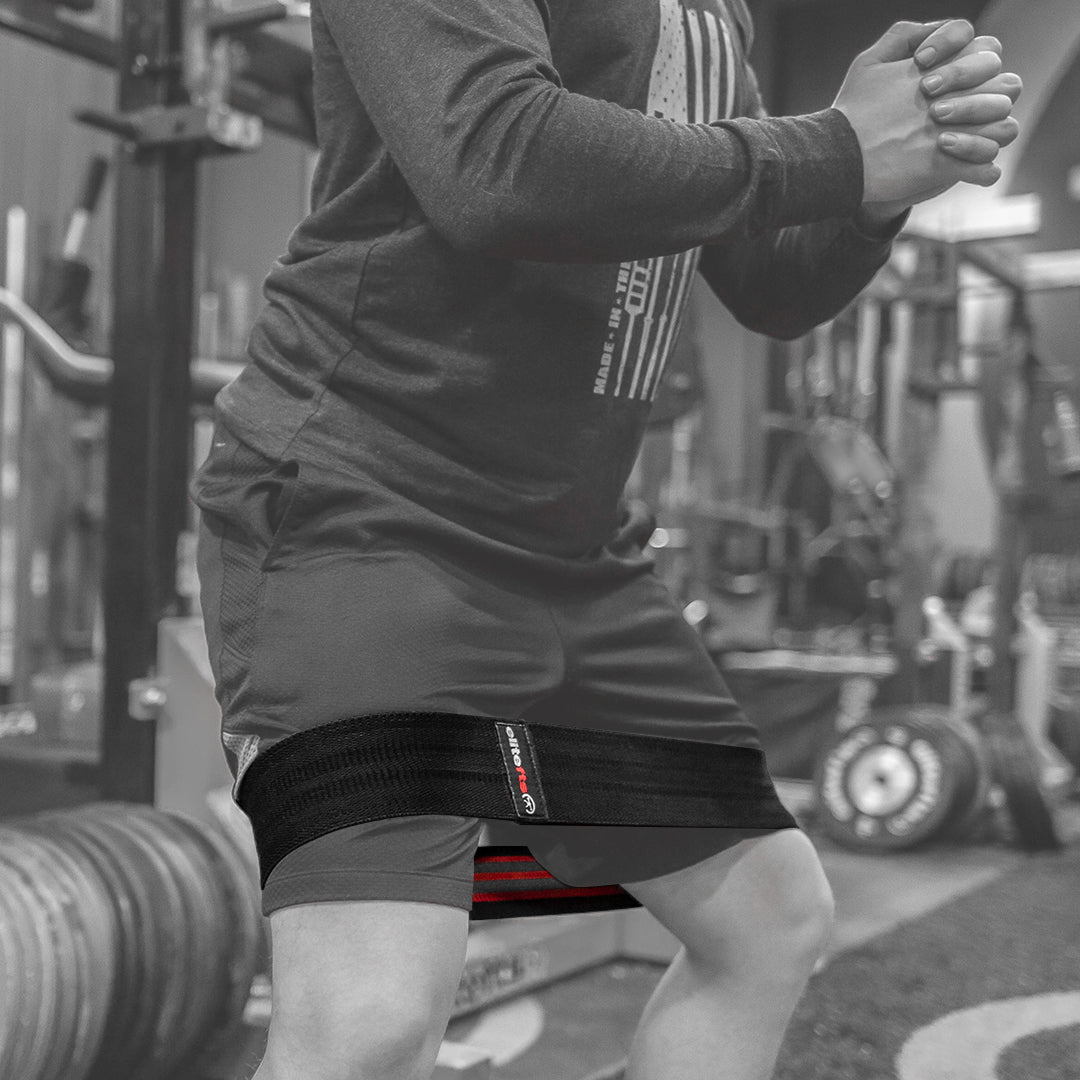
- Drive your knee out over your pinky toe. When performing the step-up, many people have an issue with their knees caving in on the way up or down. This often happens in people with weak glutes. A good way to prevent this is to ensure your glutes are properly activated before performing the step-up. Performing a set of X-band walks, clams, or “bad girls” (i.e. seated abductions with a mini-band) are great for waking up the glutes and helping to prevent this knee cave.
- Seat your glutes. The goal is to keep your hip in line with the rest of your body. Don’t let your hip jut out to the side on the way up or down. The best way to describe this is to “suck your hip in toward the middle of your body.” This will ensure maximal glute activation and knee stabilization during the movement.