

From 920 to 26.2:
Pete Rubish on Identity,
Second Chances, and the
Minimum Effective Dose
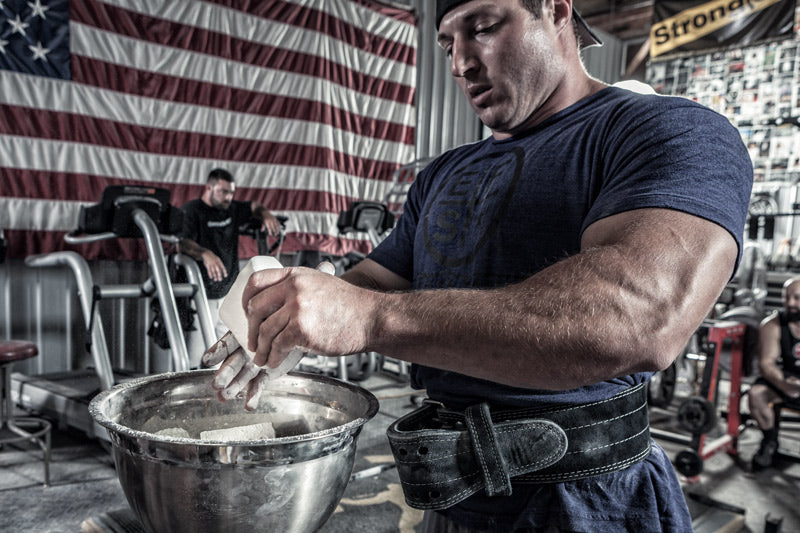
The transition from a 260-pound powerlifting icon to a 200-pound marathon runner is more than a change in body composition.
It is a fundamental shift in identity.
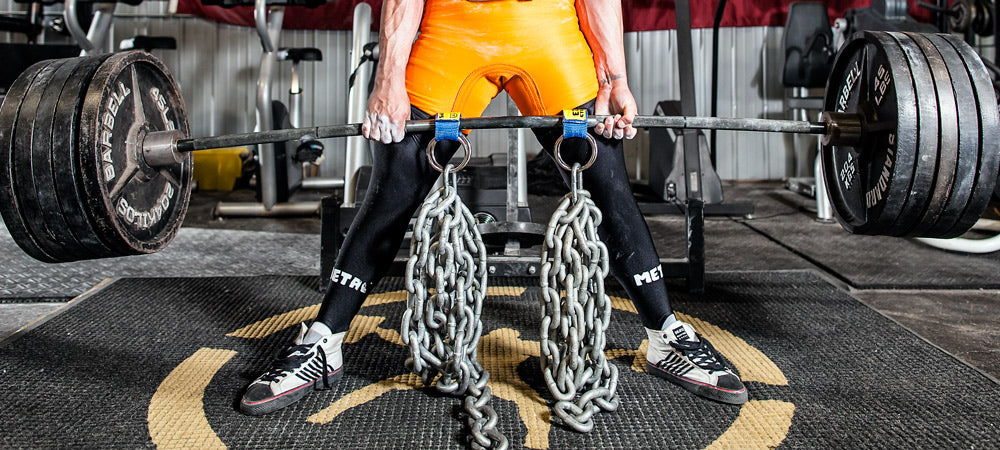
Pete Rubish, once famous for repping 800 pounds on the deadlift and hitting a career peak of 920, now navigates a reality where cardiovascular health and longevity take center stage. This evolution illustrates the allure and the danger of taking any physical pursuit to its absolute limit.
A paradoxical phenomenon often occurs when elite athletes transition away from Performance Enhancing Drugs (PEDs): they feel more vulnerable "clean" than they did while on a cycle.
During his peak years squatting 772 and benching 485, Rubish felt invincible, rarely checking blood work because he "didn't want to know" the damage. For the high-achiever, the decision to use PEDs is like "jumping off the bridge." Once you've made the leap, the risk is already priced in, and the anxiety vanishes because the catastrophe is expected.
Today, having been off PEDs for nearly five years, that sense of invincibility has been replaced by a hyper-awareness of mortality. This was highlighted by a recent emergency room visit triggered by a single energy drink containing 200mg of caffeine. Despite a clean EKG, the experience triggered significant health anxiety that was absent during his high-risk years.
"Being off, you're like hyper-aware of every little thing, and you're constantly worrying... It's made it so much worse as far as anxiety goes, which could be a good thing to keep you around longer, but I never worried about it at all in my 20s."
Pete RubishWhen an athlete is on cycle, health issues are often dismissed as part of the "trend." Once clean, every heart palpitation becomes a potential sign of a life-threatening event because there is no longer a drug protocol to blame. Your greatest asset, the ability to ignore agony, is also your most efficient killer.
The same stoicism that allows an athlete to reach the pinnacle of a sport can become a dangerous liability.
Rubish ignored intermittent blood in his urine for months, assuming it was minor. The reality was a massive 24mm calcium oxalate stone, four times the size of what is medically considered "large."
The subsequent medical intervention required two surgeries and the insertion of a foot-long stent. Rubish's athlete's curse led him to continue training for an ultramarathon while the stent was still inside him, an experience he described as "peeing razor blades." Even after the stent was removed, he faced renal colic, excruciating kidney spasms that left him writhing on the floor in 10/10 pain.
High-performers are wired to ignore the body's essential alarm systems. This ability facilitates elite performance but can turn treatable issues into medical emergencies. If you can train through peeing blood, you have lost the ability to distinguish between "good" pain and systemic failure.
Despite a decade of heavy PED use, chronic high blood pressure, and untreated sleep apnea, Rubish's recent medical screenings returned results that defy conventional expectations.
Using a "Clearly Scan," an AI-interpreted angiogram, doctors found zero calcification and zero uncalcified plaque. His aorta, which Dr. Kyle Gillette remarked must be "made of steel," showed no signs of the structural damage common in heavy strength athletes.
The true "miracle" lies in the contrast. Rubish has a Lipoprotein(a) [Lp(a)] level of 260 mg/dL. Given that anything over 50 is considered high-risk for cardiovascular events, his clear arteries are a physiological anomaly. Rubish views this clean bill of health not as a vindication of his past, but as a second chance he didn't necessarily deserve.
Resilience is unpredictable. While markers like GFR (his Creatinine GFR is 101, his muscle-mass-adjusted Cystatin C GFR is 120) are vital, they don't always tell the whole story. Receiving a "steel aorta" diagnosis after years of abuse should lead to humility, not a return to old habits.
The transition into his 30s has forced Rubish to move from the Maximum Effective Dose of his youth to a Minimum Effective Dose strategy.
In his 20s, training sessions lasted six hours. Today, efficiency is the priority. For intermediate lifters, Rubish warns that overhauling form is a trap that leads to spinning your wheels and losing explosiveness.
Instead, he advocates for a "Skeleton Program" to maintain strength without the joint wear and tear of his powerlifting peak:
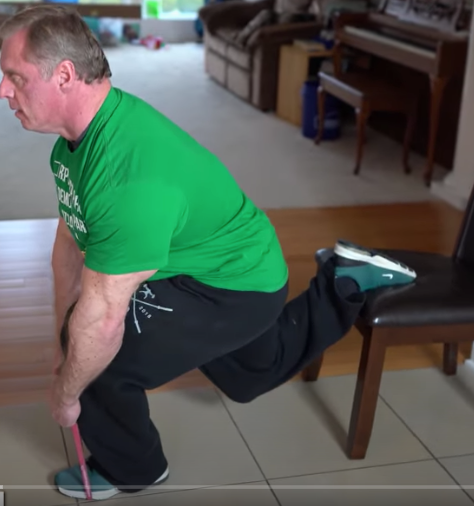
- Bulgarian Split Squats Repping 250+ lbs as his primary leg builder to save his herniated discs.
- Single-Arm Farmer Carries Essential for core stability and postural strength during high-mileage running.
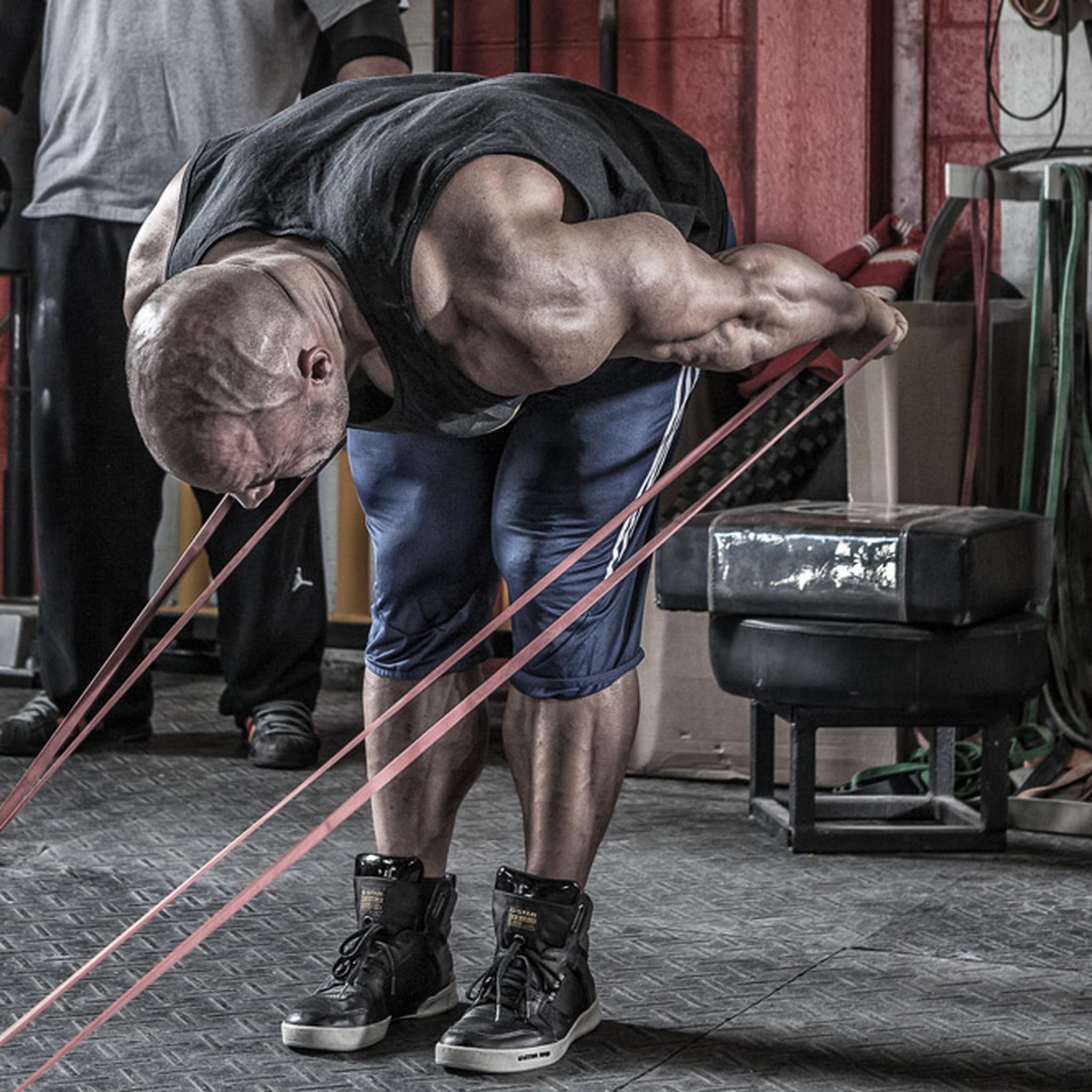
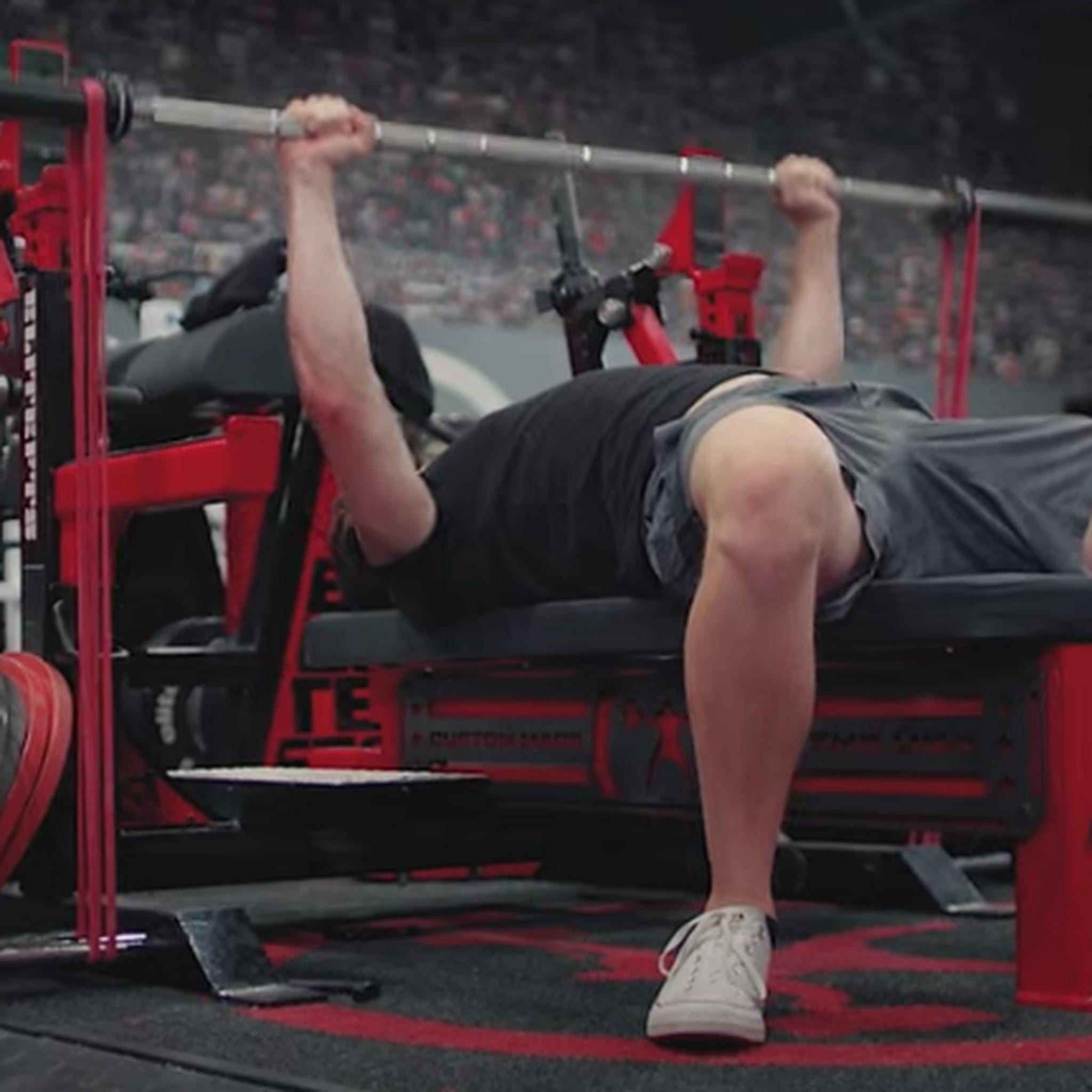
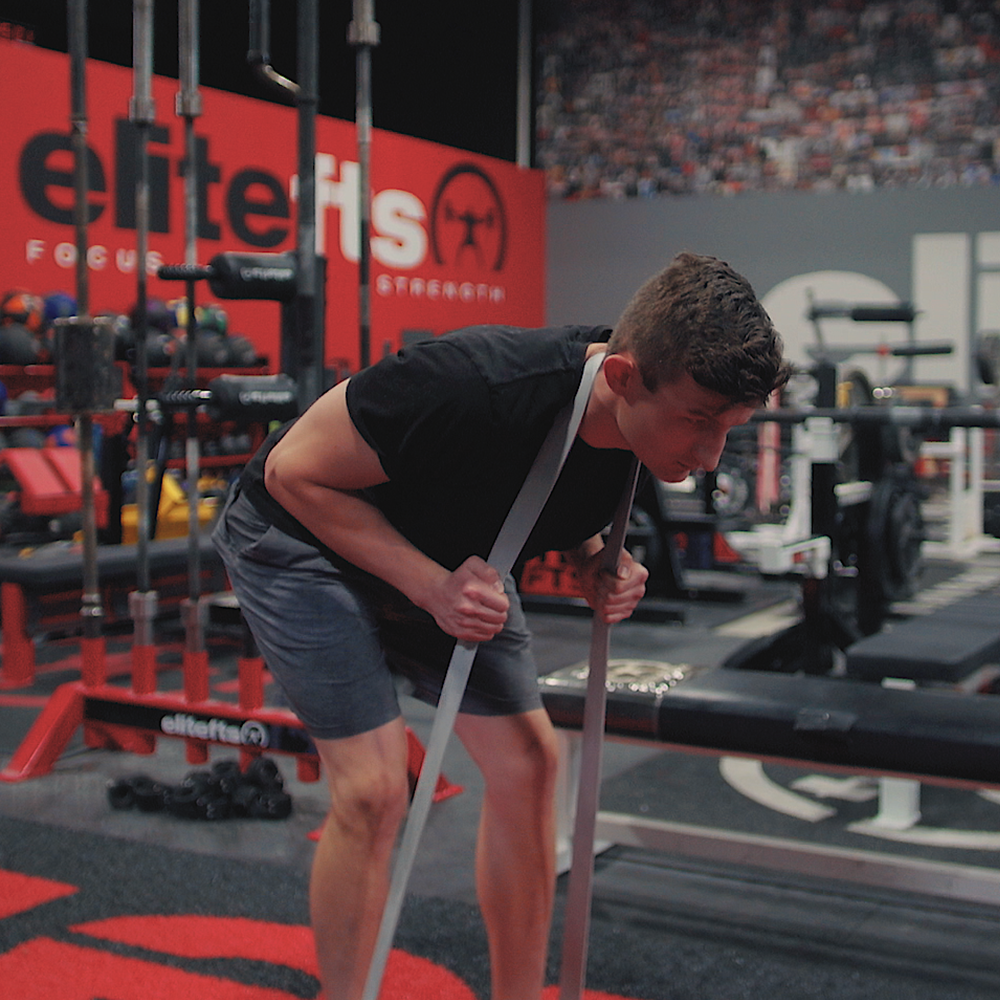
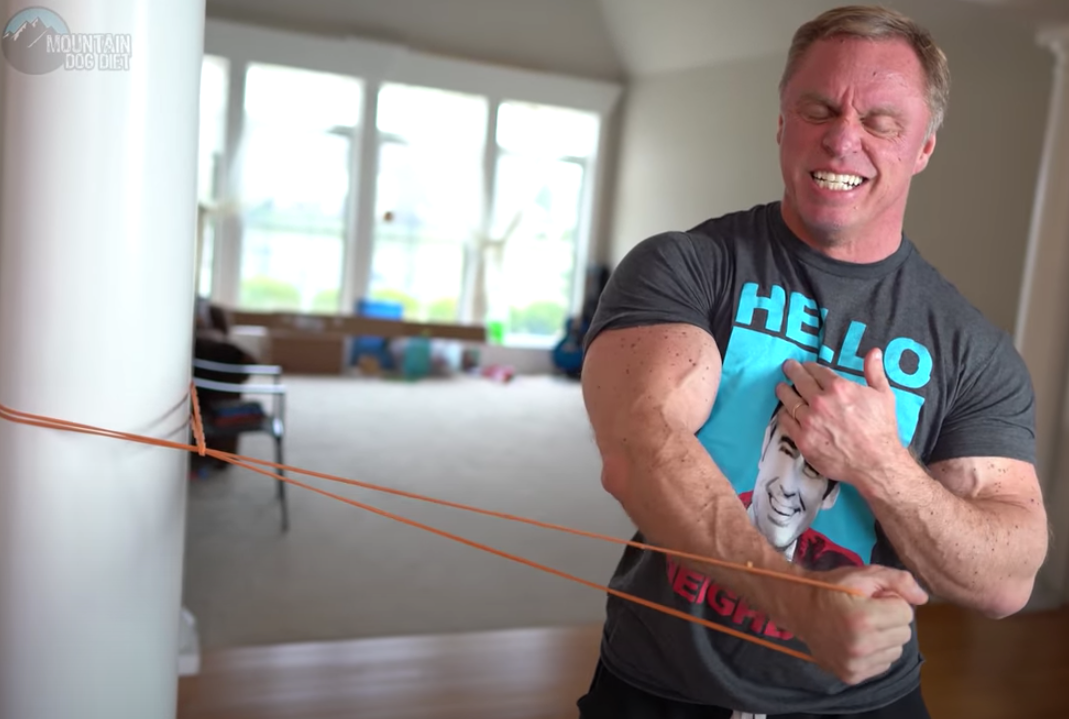
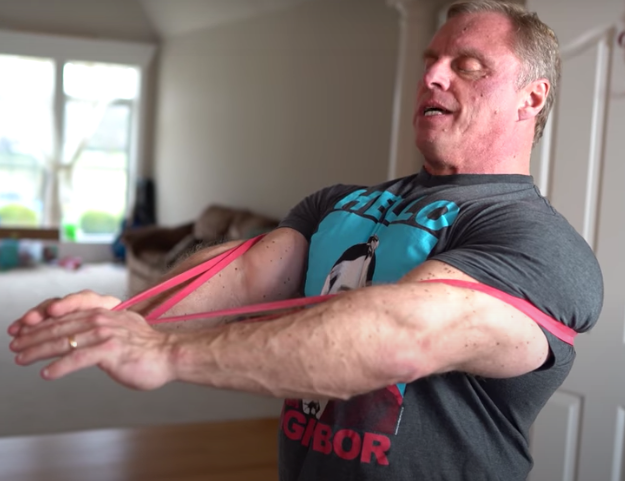
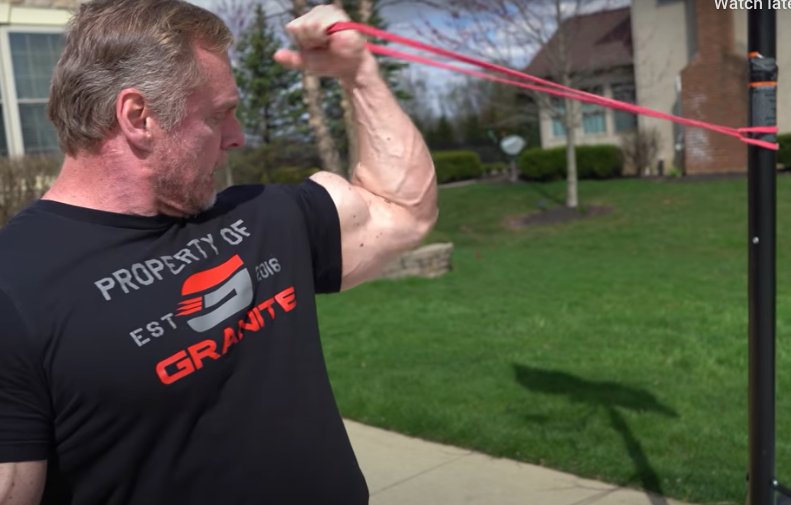
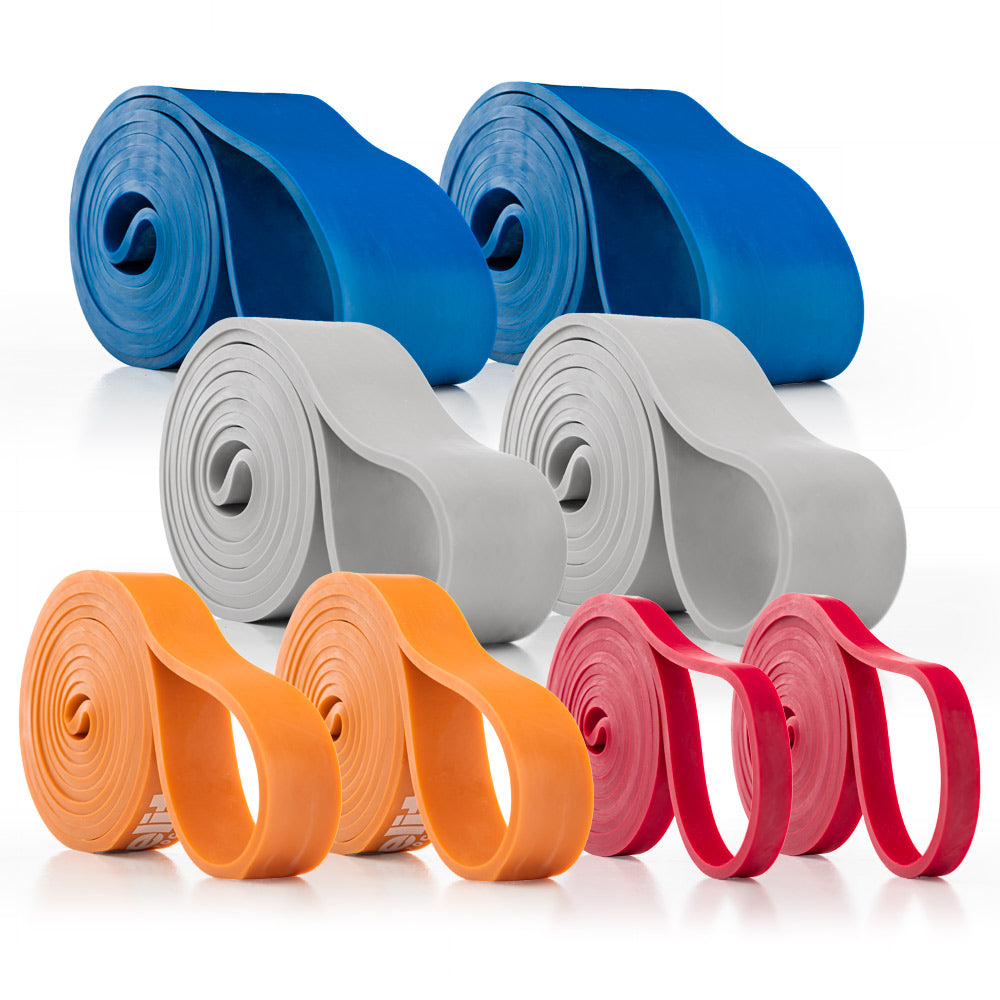
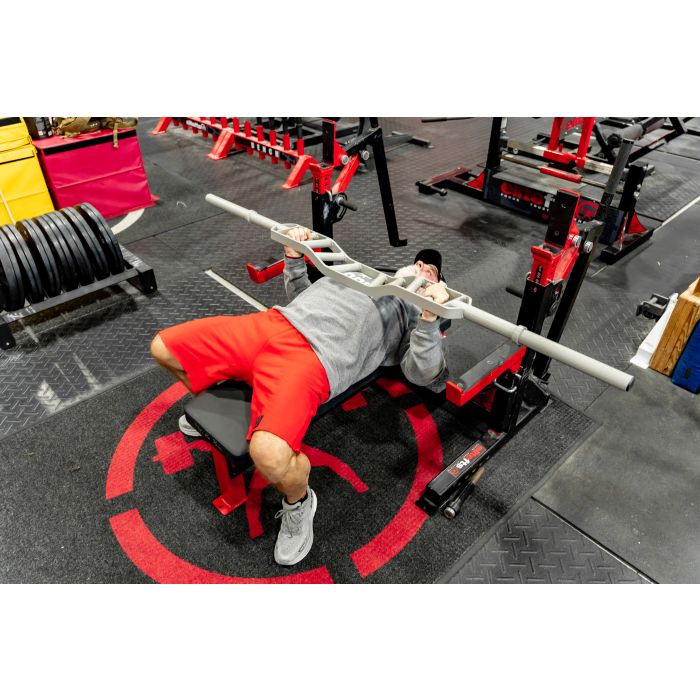
- Banded Push-ups A high-hypertrophy, low-joint-tax alternative to heavy benching.
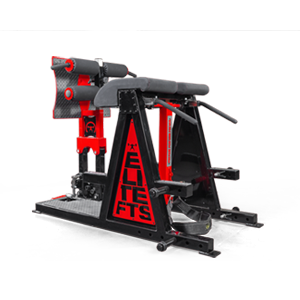
- Glute Ham Raises Necessary for maintaining a posterior chain that can support a 200lb frame through a full marathon.
Your body finds its most efficient path over time. As you age, the goal shifts from "what I can lift" to "who I am." Accepting a 315-pound bench in exchange for the elimination of brain fog and sleep apnea is the ultimate mark of athletic maturity.
As Pete Rubish looks ahead, his goals reflect a balanced "Hybrid" approach: a 365-pound bench press and a sub-3:05 marathon.
This reinvention is not just about physical markers. It also includes holistic growth, completing his goal of reading the entire Bible and focusing on his family.
The ultimate challenge for any high-performance athlete is navigating the identity crisis that occurs when their calling card, be it a 920-pound deadlift or an elite physique, begins to fade. Rubish realized that "nobody even cares" about your lifts at the end of the day.
Success in the second half of an athletic career is defined by moving from Ego to Faith and Family.
When the weight on the bar eventually drops, who will you be standing there holding it?
Your resilience depends on your answer.