
The Philosophy of Postural Resistance
In elite performance training, loaded carries are often misunderstood as a simple task of moving weight from Point A to Point B. From a biomechanical perspective, the carry is not a walk; it is a high-stakes battle against postural deviation. The "so what" for any beginner is that carrying builds an unbreakable physical foundation by forcing the body to maintain total-body rigidity under movement.
Unlike traditional lifts, loaded carries are a "hypertrophy hack" because they lack an eccentric phase. Since the target muscles do not lengthen under tension (no eccentric loading), muscle damage is minimal. This allows for higher frequency and volume—often 6 to 7 sets—without the crushing neurological fatigue or soreness associated with heavy squats or deadlifts.
Postural Strength: The act of resisting the deviation in posture against load in different positions.
To win this battle, you must generate extreme Internal Tension. If you can carry on a conversation while performing these drills, you are not bracing hard enough. Your goal is to create a rigid structure that mimics the "locked-in" feeling at the top of a one-rep max squat.

The Three Pillars of 'Tall and Wide' Posture
Achieving "Tall and Wide" requires three specific cues that transform your frame into a rigid pillar. These actions must be executed simultaneously to lock the spine into its safest, most powerful alignment.
|
Body Part |
Specific Action |
Primary Benefit |
|
Head |
Pull the crown of the head toward the ceiling. |
Maximal spinal lengthening and decompression. |
|
Shoulders |
Spread the collarbones as wide as humanly possible. |
Maximizes torso width; creates a stable structural "shelf." |
|
Tailbone |
Tuck the tailbone down and under (neutral pelvis). |
Corrects anterior pelvic tilt and prevents lower back shear. |
By integrating these cues, you create a singular, unyielding unit. To move efficiently, this structure must be "stacked" before the first step is taken.
Visualizing the 'Crucifix' Structure & The Shaolin Master Drill
To organize your skeleton for maximum resistance, visualize a Crucifix and a perfectly aligned Stack.
-
The Vertical Segment: The spine. Pulling the head up and the tailbone down maximizes the length of this upright beam.
-
The Horizontal Segment: The collarbones and scapula. Keeping these wide prevents the weight from collapsing the chest.
-
The Stack: For total rigidity, the diaphragm and rib cage must be stacked directly over the pelvis.
- The Depressed Sternum: You must keep the sternum pulled down and the ribs "tucked" to ensure the rib cage doesn't flare upward, which would break the vertical integrity of the stack.
The Shaolin Sled Drag: The "Gold Standard"
The ultimate drill for locking in this structure is the Shaolin Sled Drag. Using a harness attached specifically at the nipple line/sternum, the sled pulls the athlete backward into extension. To resist, the athlete must stack the ribs over the hips and maintain a long, vertical spine. Unlike traditional sled work, where you lean forward for leverage, the Shaolin variation requires you to stay perfectly upright, taking tiny, foot-length strides. It is the purest test of "Tall and Wide."
Fundamental Carry Variations for Beginners
Beginners should master these two variations to develop the internal tension required for elite-level barbell training.
Farmer’s Walk
This carry utilizes a weight in each hand at the sides.
-
The Postural Pickup: Unlike a "Strongman" pickup, where the weight is gripped behind the center to create a forward tip, the postural pickup must be dead-center. This forces you to resist the weight vertically rather than letting momentum carry you forward.
- The "Slow-Motion" Requirement: Move deliberately at a slow tempo to maximize time under tension.
Pro-Tip: While carries generally offer fast recovery, the heavy Farmer’s Walk is the exception. Because the weights stretch the traps under load for extended durations, expect significant trap soreness the following day.
Overhead Carry
The overhead carry is the ultimate stability test because the center of mass is at its furthest point from your anchor (your feet).
-
The Golden Rule: You must maintain a straight line from the weight through the elbow, shoulder, hip, and center of the foot.
- The Lock: Keep elbows fully locked and arms in line with the ears. If your mobility forces you to arch your back, reduce the load immediately.
The Stationary Alternative: Loaded Marches
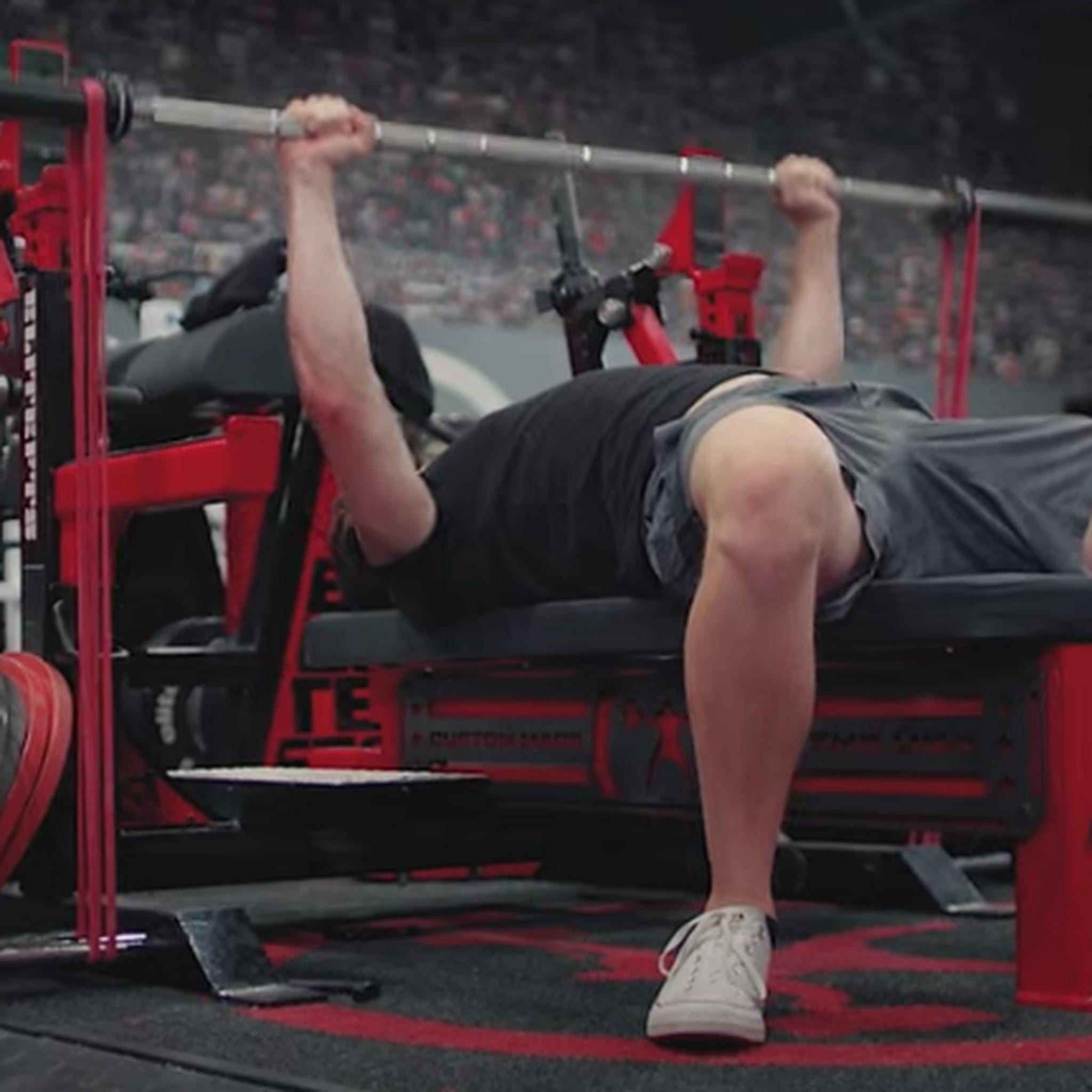
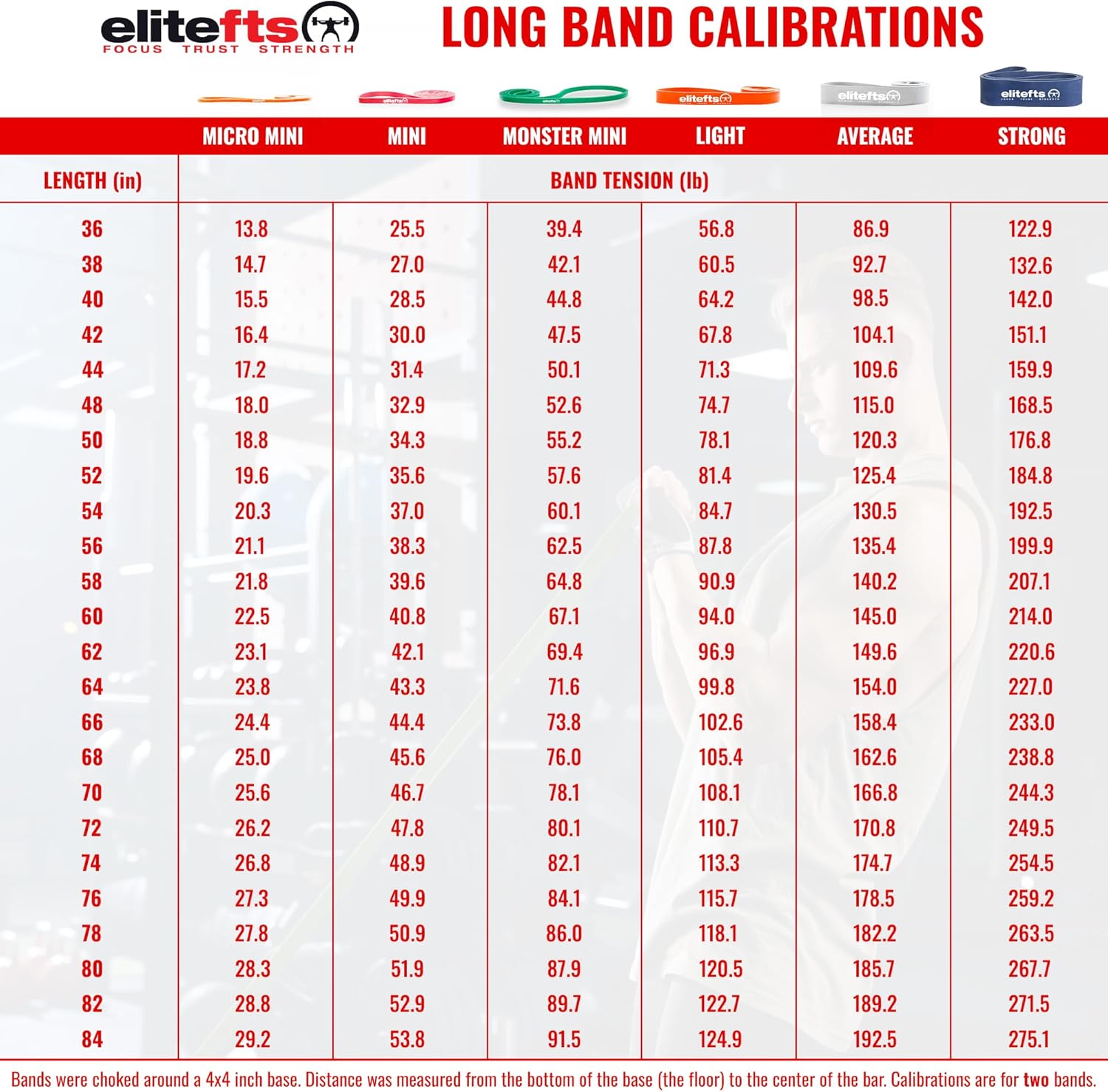
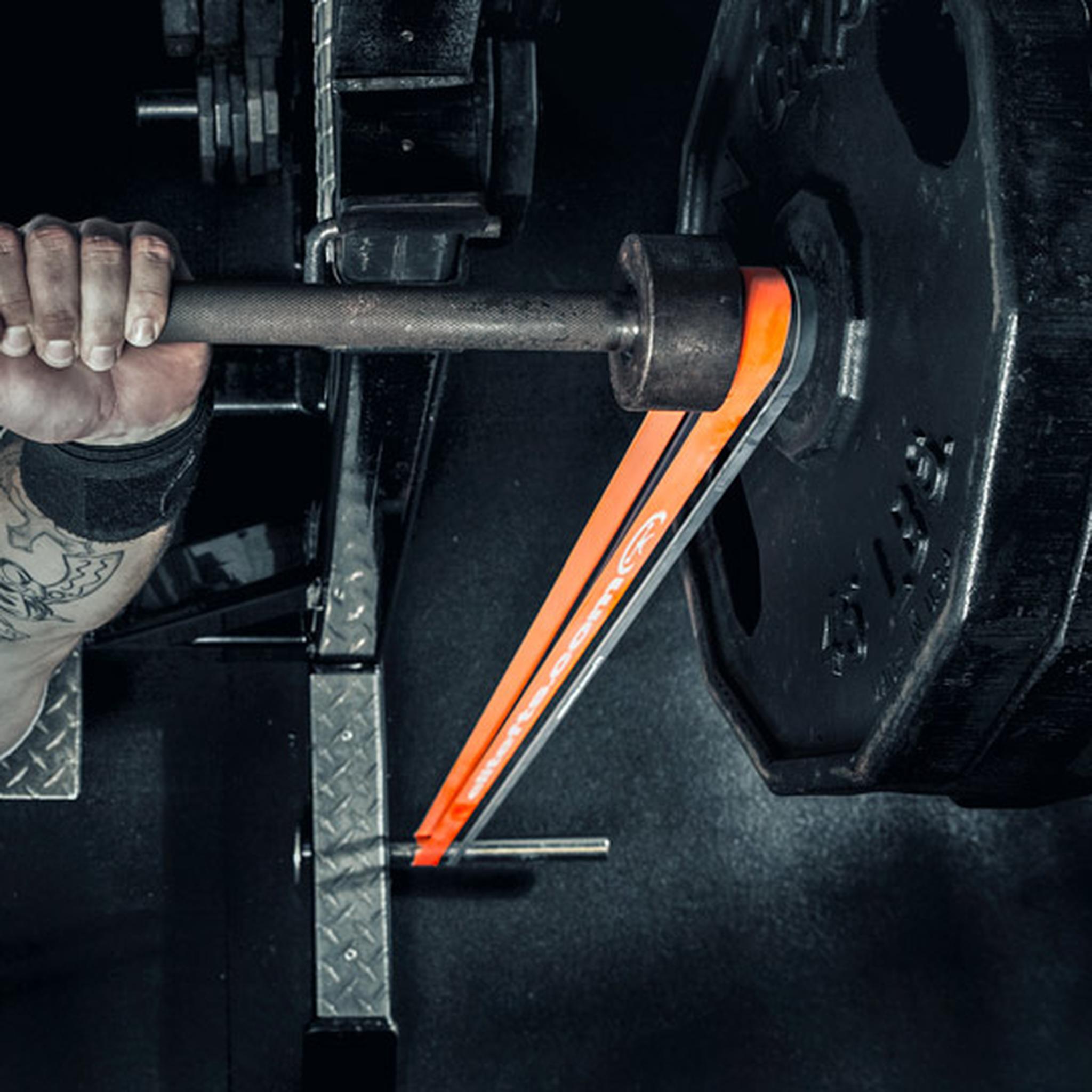
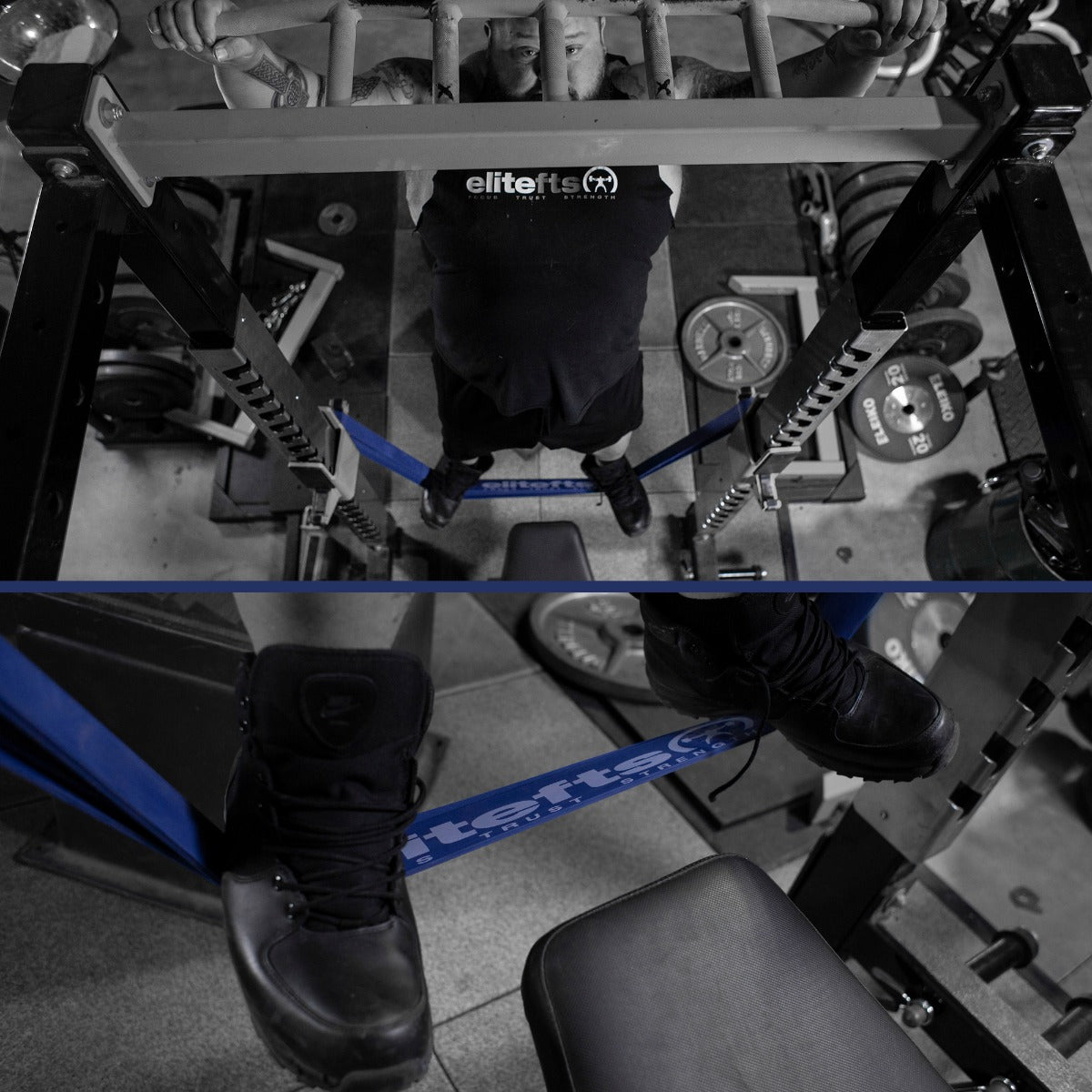
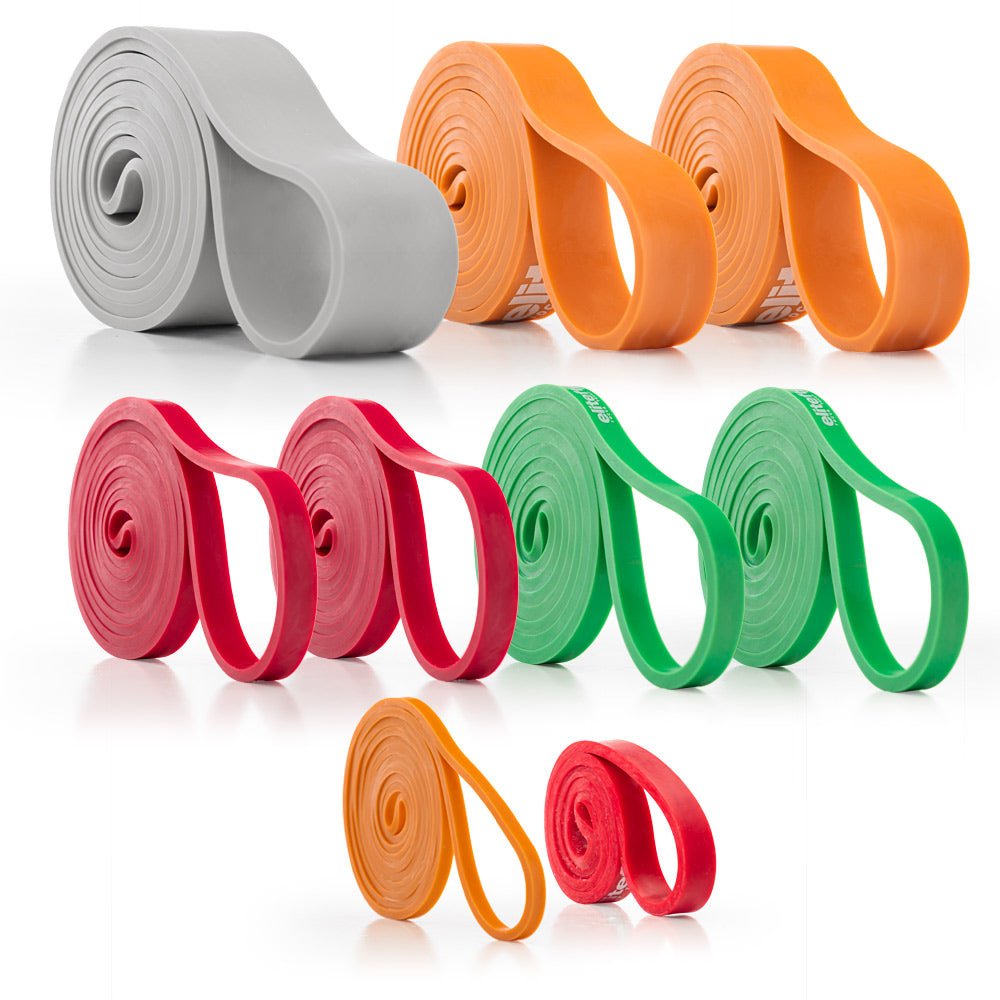
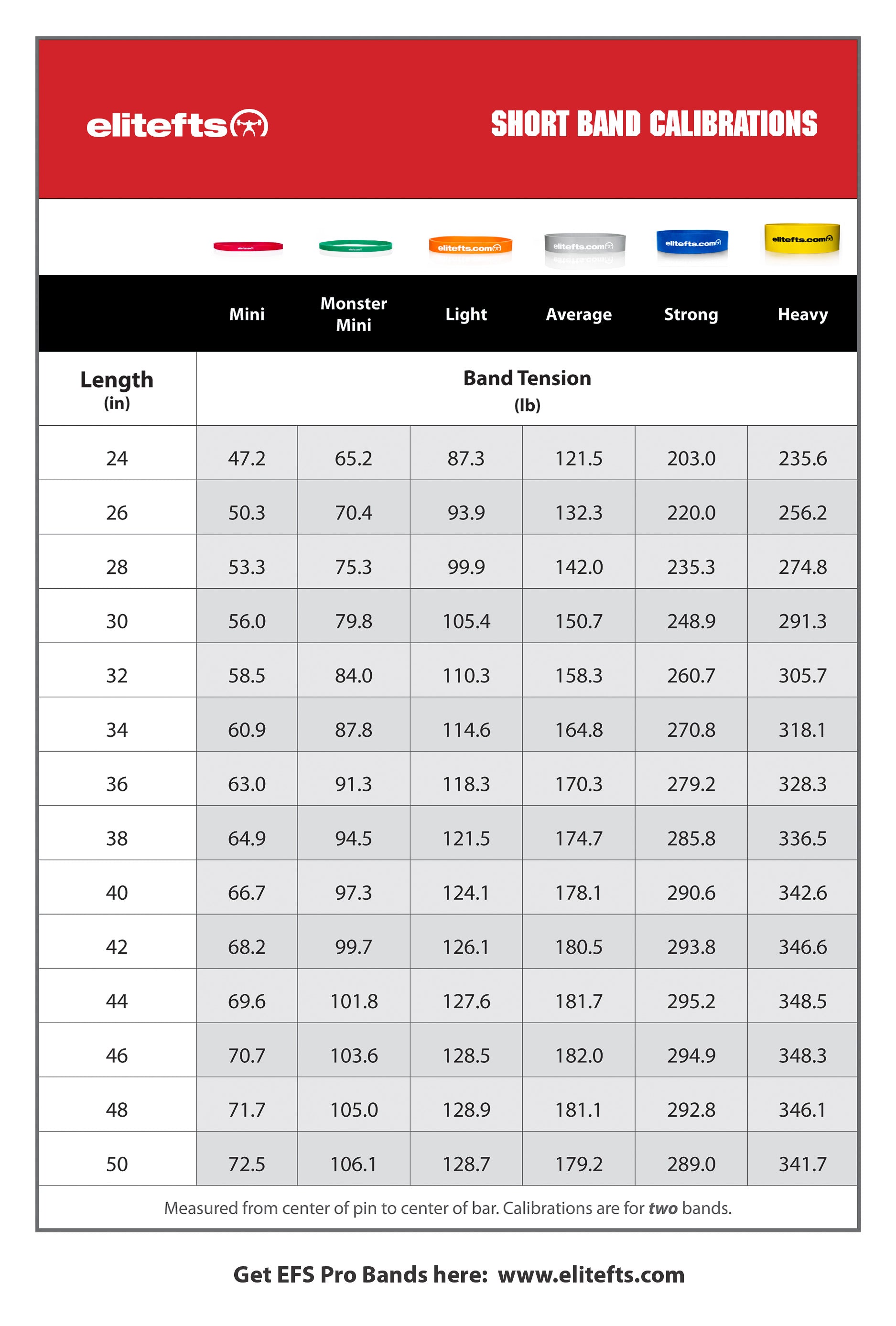
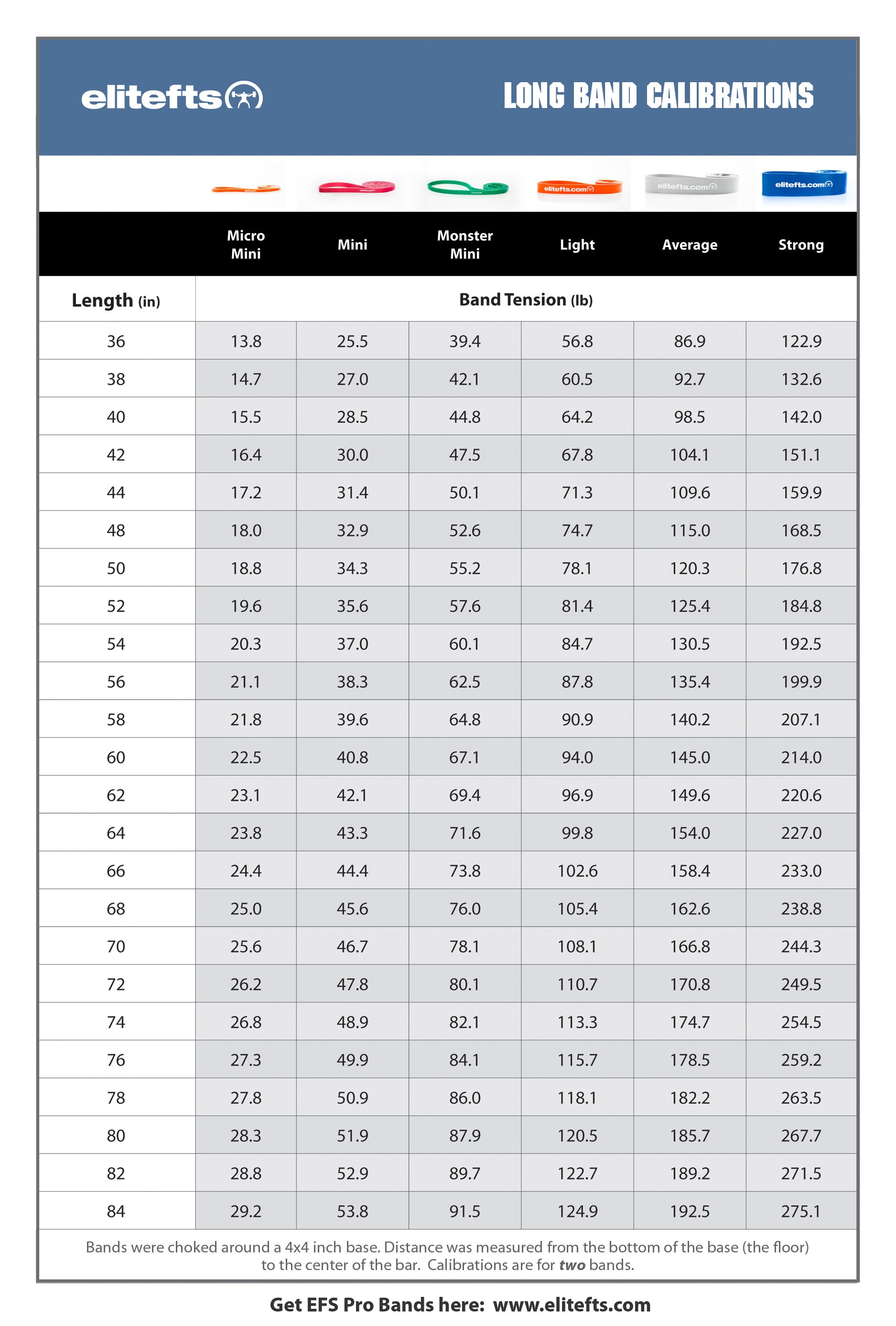
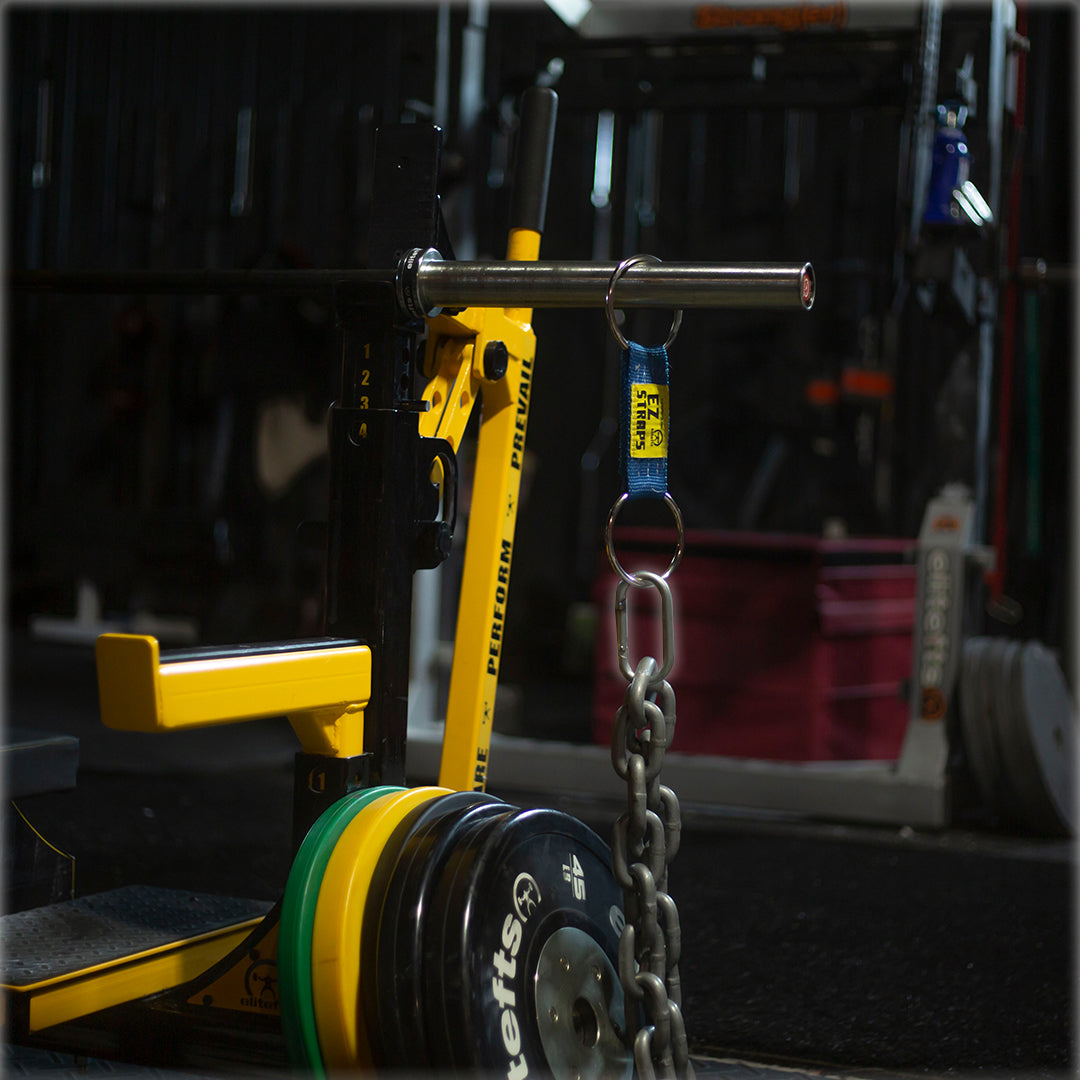
If space is limited, Loaded Marches provide an equivalent stimulus by introducing unilateral stability challenges. To mimic the locomotion instability of a walking carry, use the 20–40% Rule: attach 20–40% of the total load as "oscillating" weight (e.g., kettlebells hanging from the bar via resistance bands). This forces the core to stabilize against a shifting, unpredictable stimulus.
The Marching Checklist:
-
High Knees: Drive the knee to waist height.
-
Flexed Tibialis: Pull the toes up toward the shin (dorsiflexion) on the lifted leg.
-
Slow Tempo: Spend maximal time on one foot to force the hips to stabilize.
- The "Heel-to-Toe" Step: Place the heel down in line with the toes of the stationary foot.
Beginner Programming & Progress Markers
Programming carries is based on "Distance-to-Rep" math. For standard carries, 10 meters equals 1 rep. For stationary marches, 10 meters equals 10–15 seconds.
|
Goal |
Distance (Meters) |
Time Equivalent (Marching) |
|
Strength & Power |
10 – 30 Meters |
15 – 45 Seconds |
|
Hypertrophy |
40 – 80 Meters |
60 – 100+ Seconds |
Programming & Success Guidelines:
-
Volume: Perform 6–7 sets to take advantage of the low muscle damage.
-
Intensity & Hypoxia: High internal tension should make breathing difficult. If the set is executed correctly, you should feel a sense of "hypoxia" as if you are running out of air because your brace is so tight.
- Post-Exercise Feeling: The ultimate marker of success is the "Post-Carry Feel." After releasing the weight, you should feel lighter, more athletic, and as if you are standing an inch taller. This indicates you have successfully reset your pelvis to neutral and "turned on" the muscles responsible for spinal decompression.