

The Stability You're Missing
Have you ever felt unstable under a heavy squat, wobbly during a bench press, or hit a frustrating plateau where adding more weight feels impossible? You push harder, you brace with everything you've got, but the foundation still feels like sand. The problem might not be a lack of strength in your legs or chest. It might be a fundamental misunderstanding of stability—a forgotten, instinctual skill that you need to relearn.
Most lifters are familiar with bracing—the act of creating a rigid cylinder around the spine. But that’s only half the equation. Bracing stabilizes your spine from the pelvis up; rooting stabilizes you from the pelvis down. Master both, and you create an unbreakable column of force. This article will reveal four counterintuitive principles for building that rock-solid foundation, teaching you how to "root" yourself into the floor to unlock the stable base you need to express your true strength.
Your Toddler Knows a Strength Secret You've Forgotten
If you've ever tried to pick up a small child, you've witnessed the principle of rooting firsthand. When a toddler wants to be picked up, they're easy to lift. But when that same child decides they don't want to go, they suddenly feel impossibly heavy. They haven't gained weight or changed their density; they've instinctually rooted themselves to the ground.
This is the essence of "rooting" or "grounding." It's not about pushing against the floor, but actively pulling your center of mass down and connecting your entire structure to the ground. The child instinctively understands how to make themselves difficult to move by becoming one with the floor.
They've just stood there, looked at you, about to pick them up, and gone "Nuh-uh." ... that whatever that is right that is rooting That's grounding It's like I don't want to be I don't want to be taken away from the floor So I'm going to pull myself down into the floor and root all of my weight down low.
This simple analogy reveals a powerful truth: rooting is an innate human skill. As adults, we often unlearn this instinct. Reclaiming it is the first and most critical step toward building unbreakable stability in your lifts.
To Lift Heavy Weight, First Pull It Down
Under a heavy load, your first instinct is to push up against it. This feels logical, but it’s a critical mistake that makes you weaker and less stable. The key is to do the opposite: pull the weight down into your body.
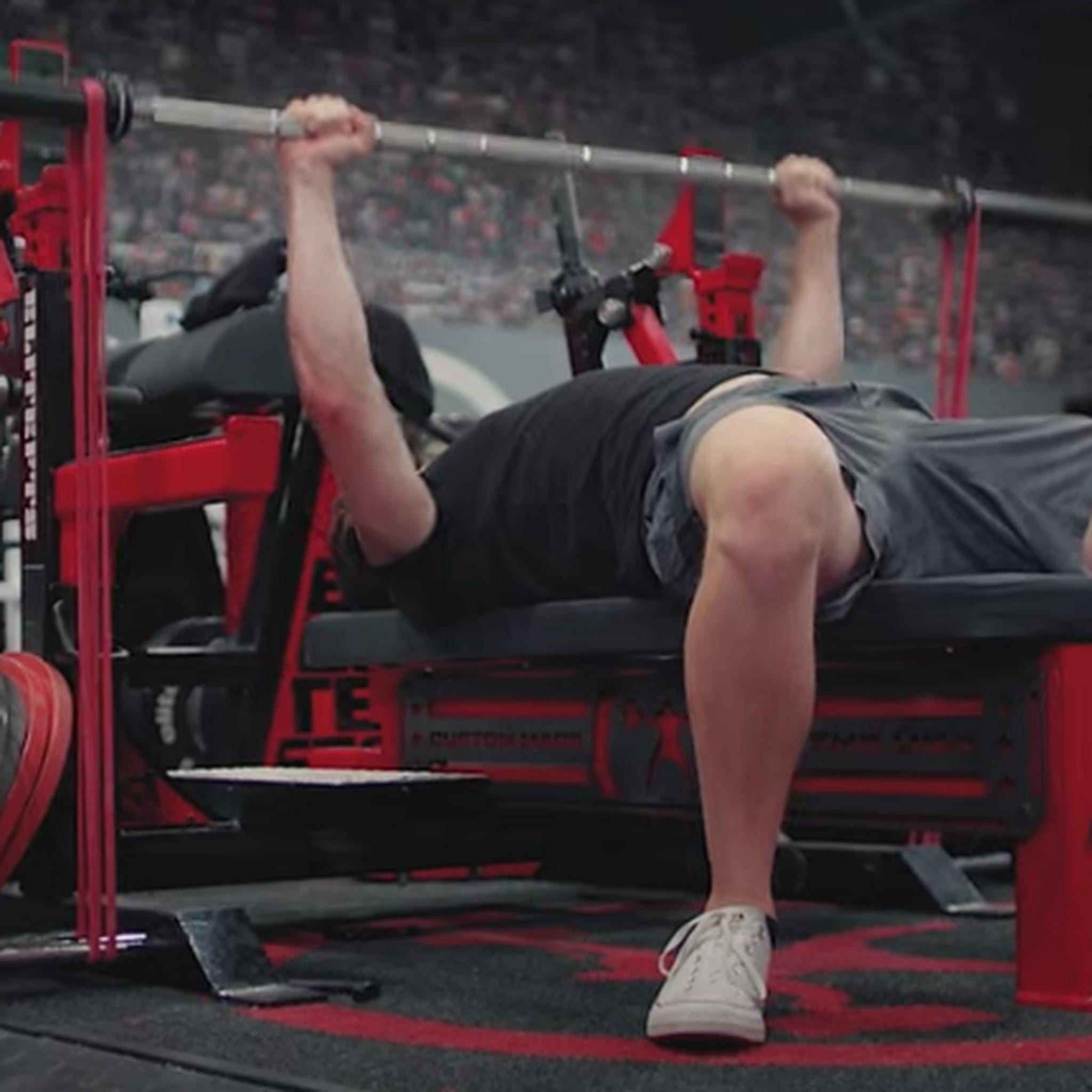
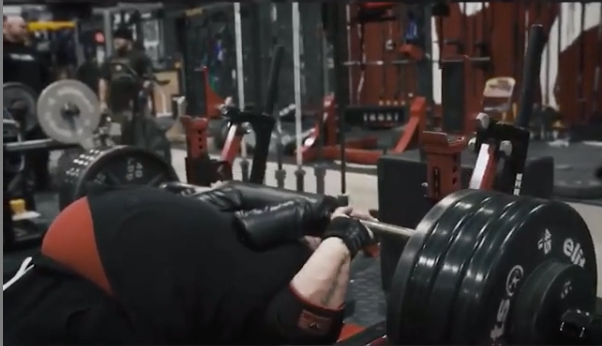
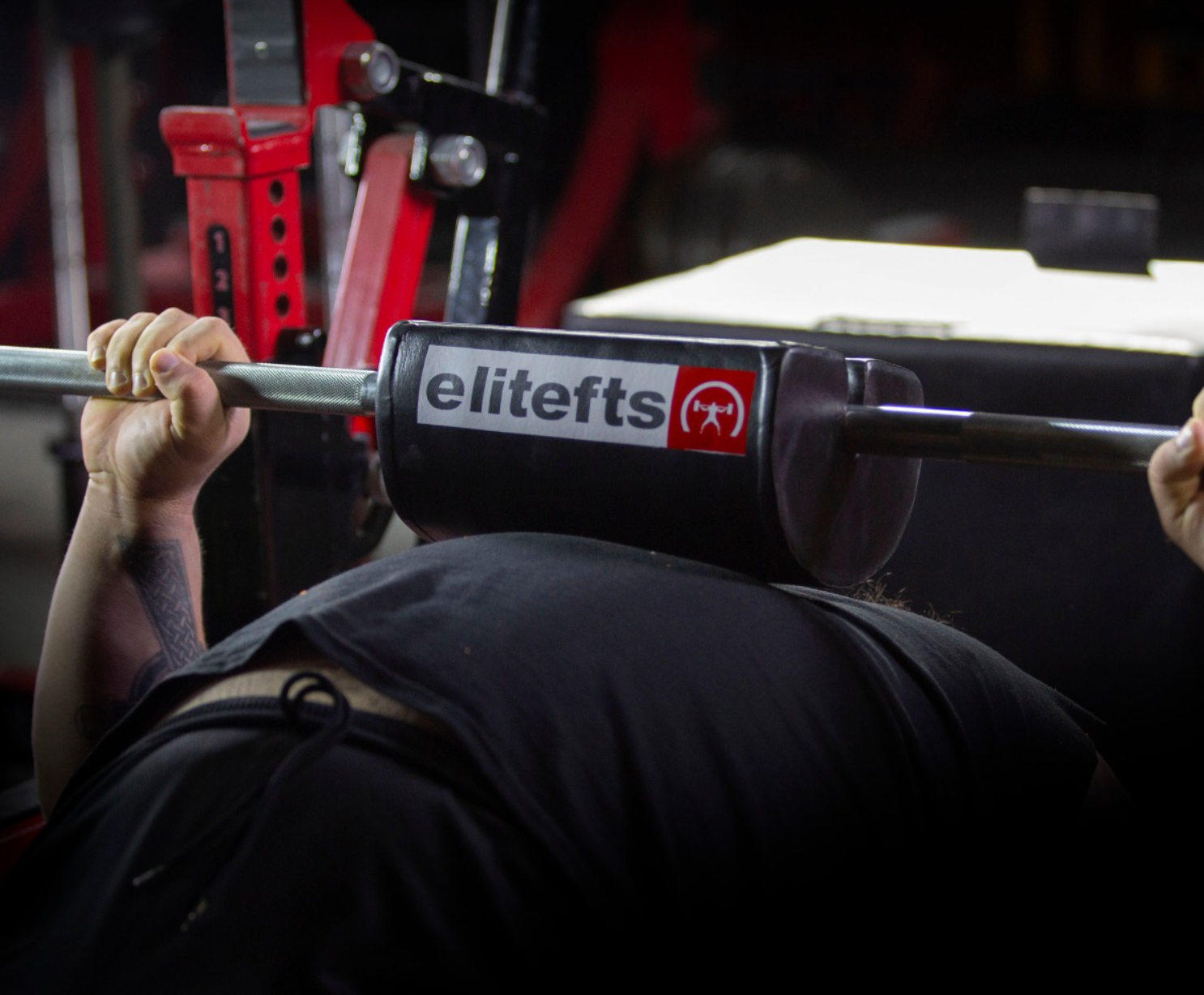
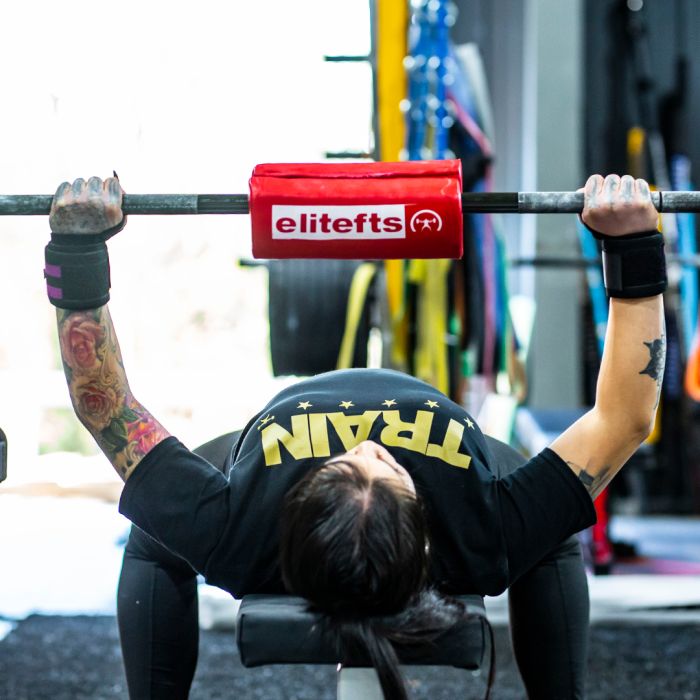
Think about the bench press. Holding a heavy bar at arm's length by actively pushing up into it exhausts your pecs, deltoids, and triceps before the lift even begins. The correct approach is to pull the bar into your structure. Feel the weight sink into your lats, creating a stable shelf across your upper back. This keeps your primary pressing muscles fresh and creates a solid base from which to press.
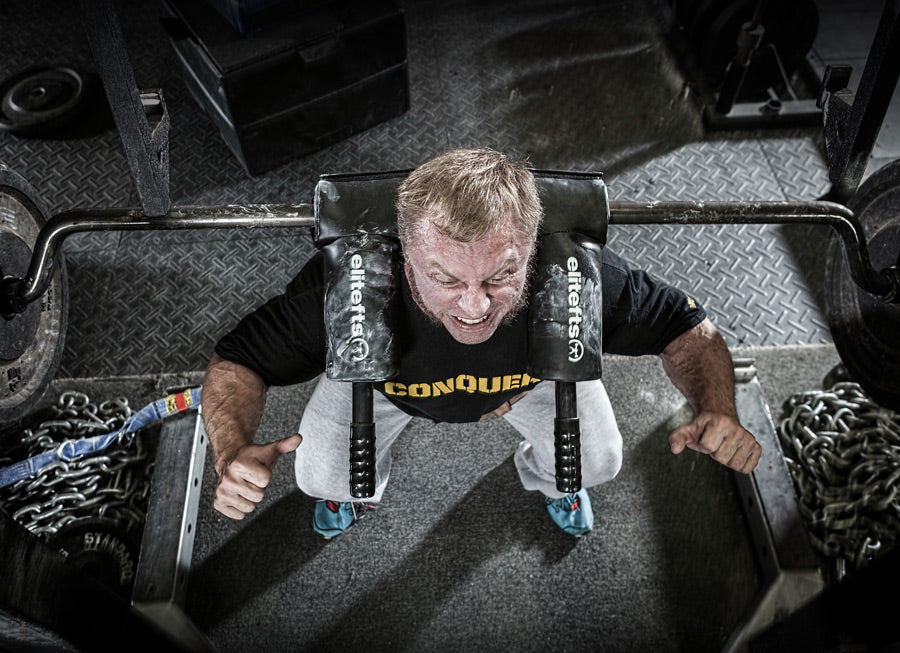
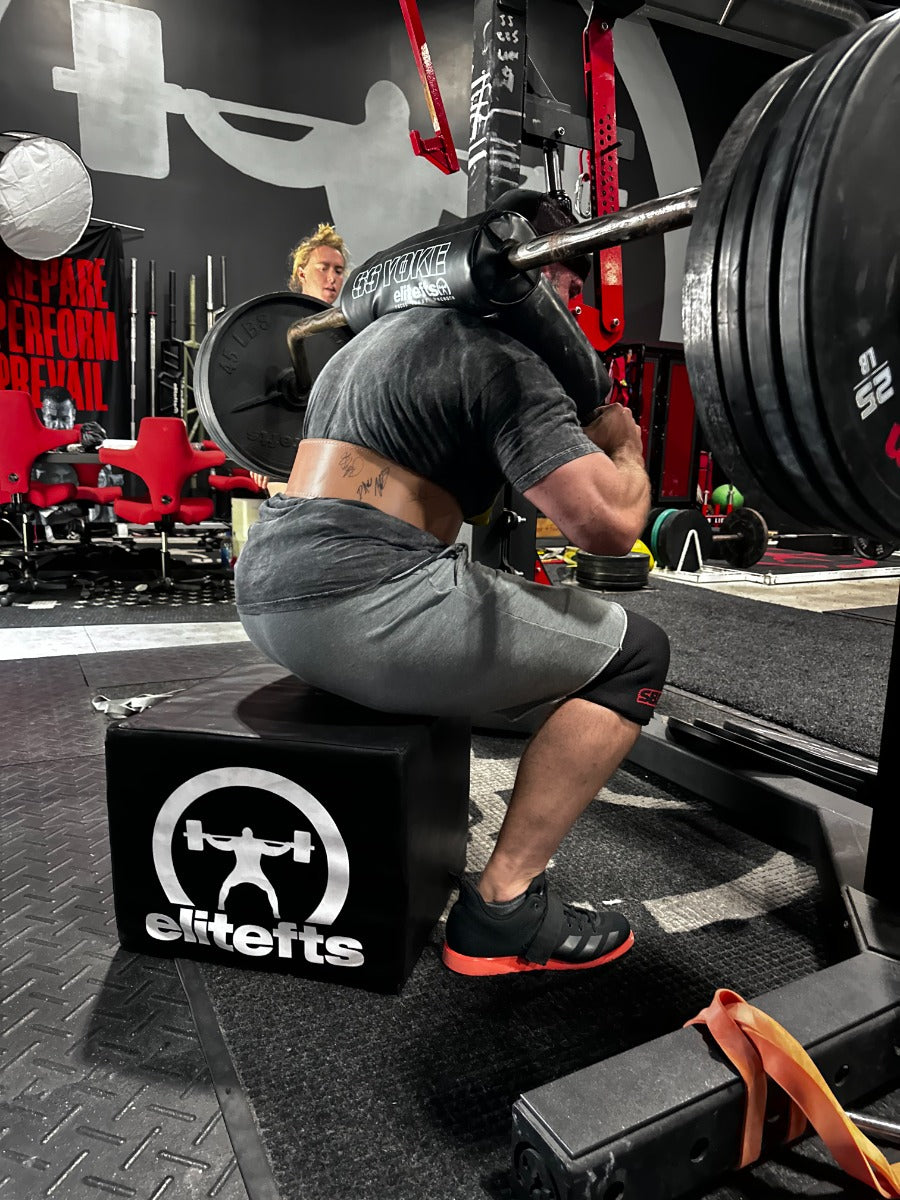
This same principle applies directly to the squat. Instead of pushing up into the barbell to resist its weight, you must learn to "yield" to the load and pull it down into your structure. This action engages your adductors, hamstrings, and hip flexors to absorb and control the load, keeping your primary movers—the quads and glutes—fresh and ready for their real job: driving you up out of the bottom of the squat.
What we want to do instead is move from this position, where I'm pushing up and trying to stop the weight from pushing down on me. I want to almost yield to the weight and pull it into my structure.

Stop 'Gripping' the Floor and Start Spreading It
When lifters are told to "grip the floor," the typical reaction is to scrunch or clinch their toes, much like making a fist. This is a fundamental misunderstanding of how the foot creates stability.
Clinching your toes actually reduces the footprint of your foot, creating a smaller, less stable surface area to transfer force through. It's the equivalent of trying to balance on a narrower base. The correct technique is to create the largest possible footprint. Lifting your toes first naturally helps engage and increase the arch of your foot, setting the stage for a more effective spread.
Here is the proper three-step process:
- Pick your toes up off the floor.
- Spread the toes as wide as humanly possible.
- Place the toes back down on the floor, maintaining that spread.
This technique actively engages the arch of your foot, creating a broad and solid base. For many people, years of wearing constrictive shoes can limit your foot's natural function. Simple "foot love drills," like wedging your fingers between your toes while watching TV, can help restore mobility and improve your ability to create a stable foundation.
Your Feet Can't Work if Your Hips Are Wrong
You can practice spreading your toes all day, but if your pelvis is in the wrong position, you are fighting a losing battle. The pelvis is the starting point for proper rooting. To understand why, we need to look at how we generate force. To leave the ground—to jump or sprint—we use triple extension: a simultaneous extension of the ankle, knee, and hip. To stay grounded and become immovable, we do the opposite. Rooting is a conscious act of triple flexion—a slight flexion in those same joints to pull your center of mass down and connect to the floor.
This begins with the pelvis. When you stand with an excessive arch in your lower back (an anterior pelvic tilt), your feet are mechanically forced to pronate, or cave inwards. Conversely, when you learn to achieve a neutral or slightly posterior pelvic tilt (tucking your tailbone), you should immediately feel the pressure shift from the inside of your arch to the outer edge of your foot, creating a stable base automatically.
The problem is what they're fighting isn't in their feet it's in their pelvis.
Trying to correct your foot position by twisting and spreading the floor while your pelvis is tilted forward is like trying to straighten a picture on a crooked nail. You are fighting a symptom, not the cause.
A simple tool to help you feel this correct pelvic position is the tiptoe squat drill. By rising onto your tiptoes, you can squat straight down, removing the complexity of the hip hinge. This isolates the feeling of maintaining a tucked pelvis, making it far easier to learn. This drill isn't how you will squat with a barbell, but it’s an invaluable exercise for teaching your body what a properly aligned, rooted squat feels like from the ground up.

Your New Foundation
True strength and stability don't come from simply pushing harder against external forces. They come from a system-wide shift in thinking—from pushing weight away to pulling it down and absorbing it through a properly aligned and rooted structure. By setting your pelvis, spreading your feet, and actively pulling yourself into the floor, you create an unshakeable base. This foundation enables your primary moving muscles to function with maximum power and efficiency.
Now that you know how to pull yourself off the floor, how will that change the way you approach every lift you perform?