


By Mike Hedlesky
Brian Siders and How His Training Log Changed My Life
No, this isn’t going to be some heartfelt coming-of-age story about how I stumbled across Brian Siders' training log in the mid-2000s during a rough patch in my life. There wasn’t some lightbulb over my head moment of pure unfiltered motivation to get my life together and start training harder. I actually had the opposite experience while reading through it. My initial thought was, “If this is what it takes to be a great powerlifter, then I will go collect stamps or something instead.” When I found Brian’s log, I had just done my first competition in 2005. The 8 years leading up to that, I had been training in some fashion or another to get bigger and faster for the multitude of sports I played growing up. During those informative years, cutting-edge sources of strength training information at the time were essentially the muscle magazines sold at the Harvest Faire grocery store near my house. Some people will believe this is an exaggeration, but I saw more people walking horses up and down the aisles of this store than I saw muscle magazines in the impulse-buy racks near the registers.
After speaking with literally anyone who would speak to me at that first meet, I had a whole new wealth of training resources to explore. Elitefts was one of them. Louie Simmons' online articles were another notable example. But there was one guy there who said, “Try to look up what Brian Siders does and do that.” People within earshot laughed knowingly and maniacally, and it intrigued me. So, when I got home, I fired up the AOL dial-up and started looking for this, seemingly, holy grail of training information.
In All Seriousness, How Long Did This Take to Do This Training Session?
The following entry from Brian’s online training log is from August 7th, 2005:
Warm-up exercises
1/ standing rope face pulls- 3 sets of 15
2/ standing abs- 3 sets of 20 with 190
3/ mini band rotator cuff- 3 sets of 15
4/ doubled mini triceps- 3 sets of 15
5/ mini band front raises- 3 sets of 15
Core exercises
1/ BP (comp grip)- 315x5x2, 365x5, 405x5, 455x5, 495x5, 515x5, 545x5, 565x5, 575x5
2/ 3 board bp- 585x5, 605x3. 635x3, 655x3, 675x3, 705x3x2
3/ green band bp (med grip) with bands double choked- 315x6, 365x6, 385x6, 410x6
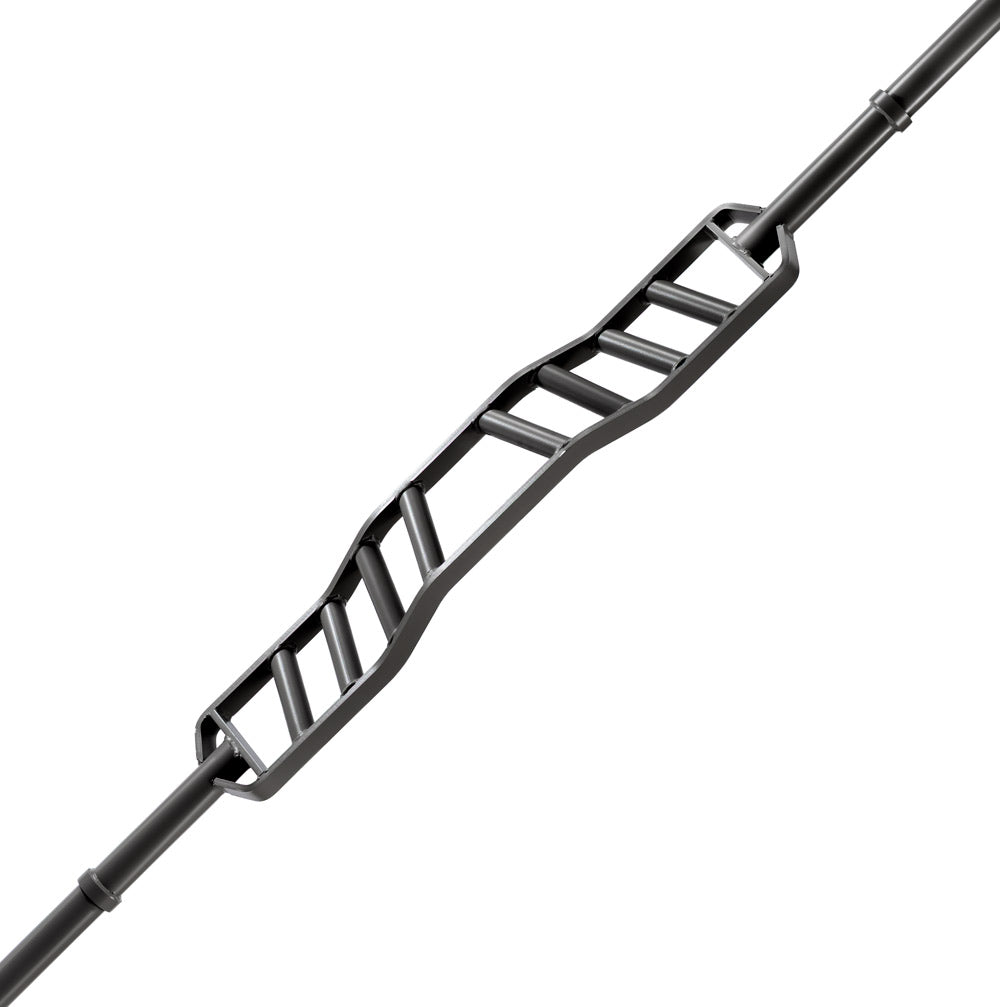
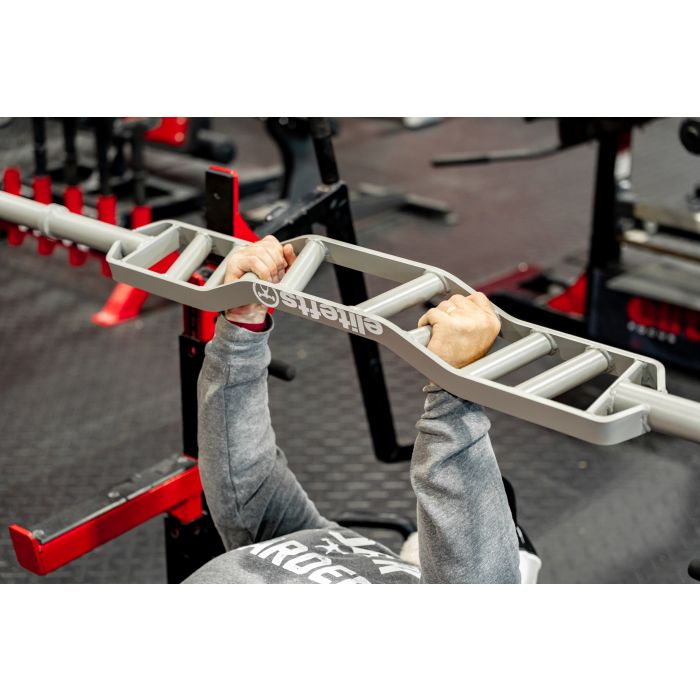
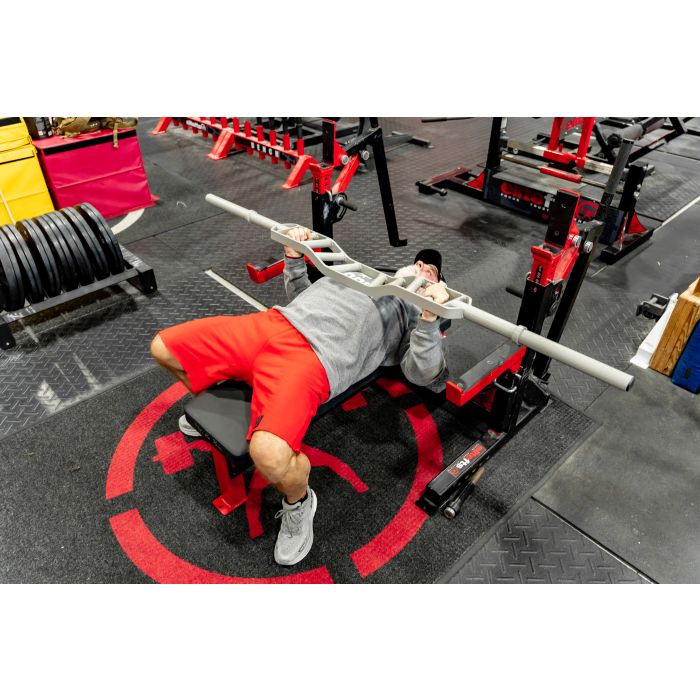
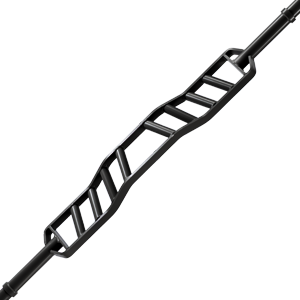
4/ cambered bar bp (4 inch increased ROM) with 90 lbs of chain- 315x6, 365x6x3
5/ standing shoulder press- 225x5, 275x5, 315x5, 370x5 (PR)
Assistance work
1/ chain suspended push-ups- 4 sets of 12
2/ barbell triceps ext- 225x12x3
3/ light band triceps ext with knots tied at the end of the bands- 3 sets of 30
4/ standing abs with green band- 100 reps
5/ 3 way shoulder raises (1 giant set)- 25sx20 to front, 20 to side, and 20 to rear.
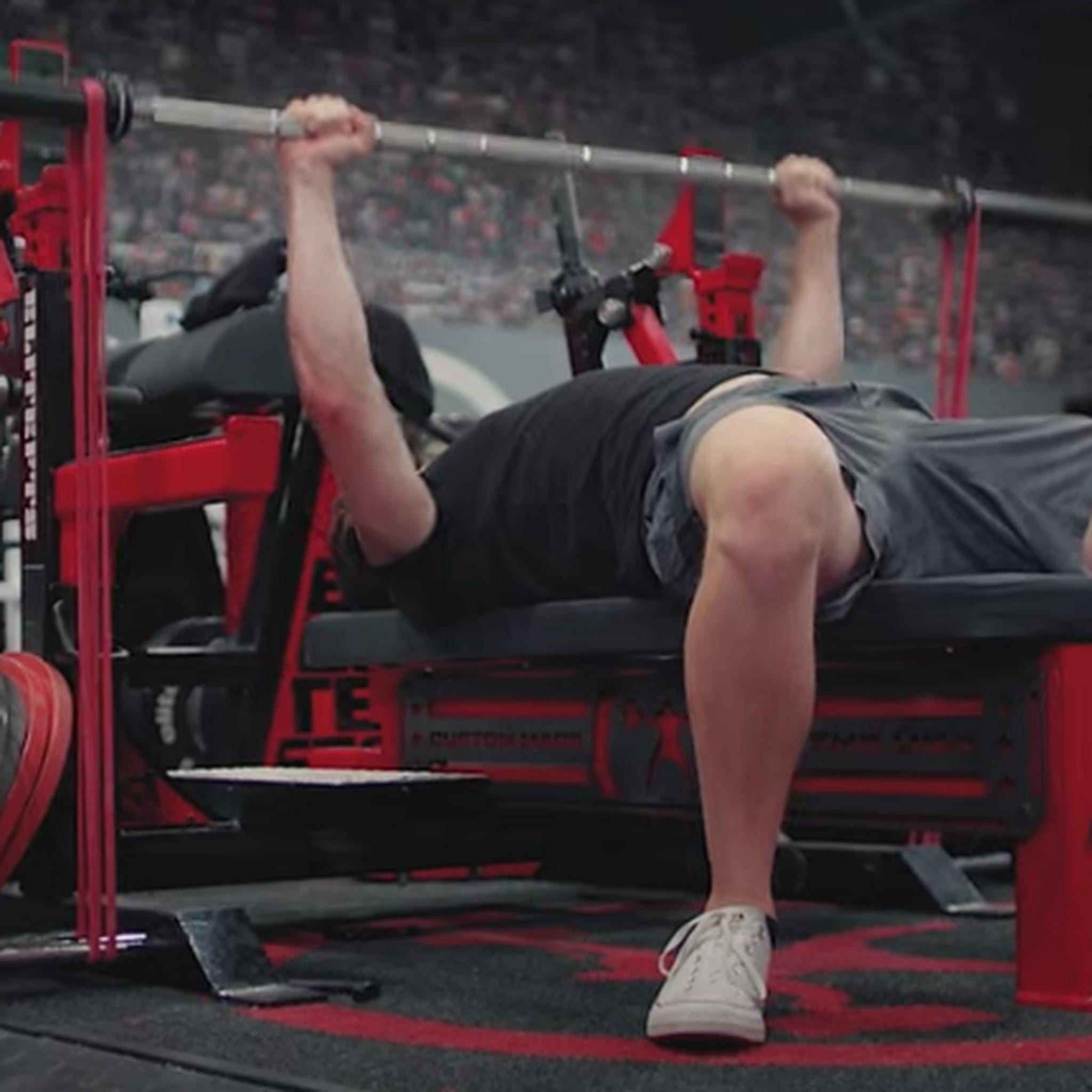
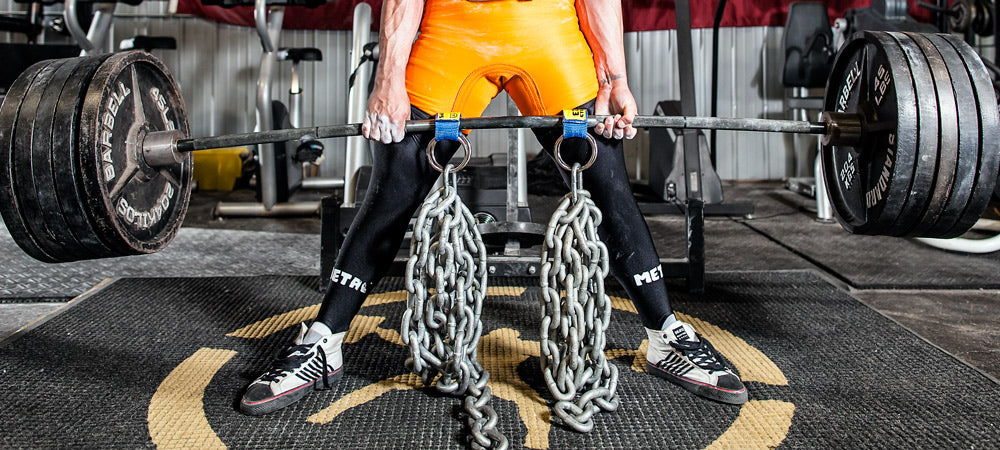
This workout was one of three barbell bench days he had during the week, and it was only 24 hours after an “assistance day” where he did more triceps extension volume than most humans do in their entire lives. The reference at the end of this paragraph will take you to the last internet remnants of Brian’s training log. Check it out. It is absolutely bonkers. (1) For content, Brian had best lifts of a 1,019lbs squat, 799lbs bench, 865lbs deadlift with a 2,651 lbs total in single ply and a 785lbs squat, 650lbs bench, 840lbs deadlift with a 2,200lbs raw total. These were all pre-2007. Brian absolutely dominated heavyweight powerlifting for much of the 2000s.
So, on to the actual point of this article. If everyone just did what he did, everyone would be walking around with 2,200lb raw totals. Right? In all likelihood, 99% of people who would try this training plan and stick with it for a decade would end up dead before ever reaching the podium.
So, why did it work exceptionally well for Brian?
Another Example: Bulgaria - 1968
If you have found yourself here, reading an article about survivorship bias in strength sports on EliteFTS, then you are likely aware of the dominance of Bulgarian weightlifting between 1968 and 1989, and again from 1997 to 2000 under the guidance of coach Ivan Abadjiev. Overall, Abadjiev’s methods resulted in 12 Olympic gold medals, 57 world titles, and 64 European titles. Keep in mind that weightlifting was featured in the Olympics only about six times during this period, and there were approximately 22 weightlifting world championships. This team absolutely ruled the world weightlifting circuit.
The blueprint for the Bulgarian training model during this time was simple:
- Train 6 to 7 days a week
- Minimize variation in the lifts (they exclusively stuck with front squat, clean and jerk, and
snatches)
- 3 to 4 sessions per day, where lifters worked up to 90% to 100% of their max on one of
these lifts (2)
That’s it. There is your training plan. If you can survive, you will win 12 Olympic gold medals too. This lifting schedule is a real-world example of survival of the fittest. Interestingly, no statistics were kept on the dropout/defection rates of lifters during this time period. There are all kinds of firsthand reports of lifters developing significant mental trauma from the demands of the program, people straight up quitting mid-training session, and a few accounts of lifters dropping dead in the training hall. During a presentation by one of the team's assistant coaches, Angel Spassov estimated that for every 1 successful lifter, 66 were too injured to compete. This is a success rate, based only on injury, of about 1.5%. Nuts. (3, 4) But the lifters who stuck with it and made it to the competitions were almost guaranteed to walk away with a top 3 finish. During the same period that Abedjiev was the coach, Russia won approximately 20 gold medals in weightlifting, with a pool of around 300,000 lifters. Bulgaria won 12 Gold medals with only 5,000 athletes.
Why Do Some Thrive Where Most Fail?
Obviously, there are an infinite number of factors that go into whether an athlete is successful in their sport. Anyone who takes their training and competitive endeavors seriously can rattle off all of the controllable aspects of maximizing sports performance:
- The training plan itself
- Getting enough sleep
- Nutrition
- Mitigating other real-life stress
- Recovery protocols
- Game planning/strategy
- Efficient and progressive technical practice
- Goal setting
- Attitude and mindset
There is plenty more that can be added to this list, depending on the sport and the desired outcome of training. But you get what I am saying here. Do all the above-mentioned stuff correctly and consistently, and you’re going to get better. Well, maybe not.
Inventing Time Travel
For the vast majority of humans, we all rolled snake eyes in the genetic dice game and are relegated to a lifetime of thin wrists and milkshakes that don’t entice the boys to the yard. The best strategy here for most of us is to invent time travel, build a time machine, go back in time, and pick better parents. This might sound dramatic, but have you ever wondered exactly how many people are born with specific genes that increase their propensity for muscle and cartilage injuries? I know I have, so I looked it up, pooled an extensive amount of data from numerous studies, and came up with an answer.
Get ready to get depressed.
Single Nucleotide Polymorphisms: Why You Were Born to Suck
Single Nucleotide Polymorphisms (SNPs, pronounced “Snips” by the nerds that study these things) are places in your genetic code that are slightly different from those of another person. Human DNA sequencing is pretty similar from one person to the next, but the slight variation between people can determine a lot about how fast you grow muscle, how often you get sick, whether or not you think baseball is interesting to watch, and basically everything that makes your personality and your body unique from almost all other people. To date, researchers have identified 37 SNPs that are significantly associated with an increased risk of injury. These are the “genetic factors” that people are talking about when random injuries come up. An absolutely fascinating paper from Gdansk University in Poland grouped these SNPs into six simple
Categories:
1. SNPs responsible for your ability to build muscle and the make-up (fiber type) of that muscle
2. SNPs responsible for your maximal muscle growth and muscle regeneration speed after
Damage
3. SNPs responsible for regulating your metabolism and energy homeostasis
4.SNPs responsible for your inflammatory and stress-response factors
5. SNPs responsible for the overall strength and stability of your cell membranes and cell
signalling influences
6. SNPs that determine how much oxygen and blood your soft tissues are capable of
receiving (20)

How Many People Have a Genetically Higher Risk of Injury?
This is actually relatively simple math once you have a large enough data pool to evaluate. It takes a little time to compile everything. Luckily, I just don’t sleep anymore, and my sleep paralysis demon likes to scream at me in statistical analysis methods all night. Here is an analysis and estimate based on approximately 15 studies, primarily from the last two years, on these injury-risk SNPs. Below, I have compiled a table of some of the most commonly studied SNPs in this category, including the percentage likelihood that an individual has the SNP, and a brief description of the SNP's significant associations in current research.

Now, if we take this compiled data and apply standard probability union logic, we can establish a “non-risk” range. In other words, we can estimate how many people DO NOT carry one of these specific genes and have, essentially, won the genetic lottery in terms of the lowest possible genetic injury risk, the highest possible muscle recovery, and the strongest cartilage.
Even if I take the most conservative estimates from this data, I come up with only 5%-7% of the world's population that don’t have a genetic propensity for injury. I told you to get ready to be Depressed.
Since I enjoy knowing you’re having a bad time, I have also figured out rough estimates of how Many people carry a certain risk, ranging from low to high to very high risk of injury, based on this data.
See the table below:

If you would like to verify my math, the citations for the papers I drew this data from are listed at the end of this sentence (5, 6, 7, 8, 9, 10, 11, 12, 13, 14, 15, 16, 17, 18, 19, 20).
How Does Any of This Impact Your Training?
Good question. In strength sports, it’s reasonably easy to find the people who sit in the top 5%- 10% of performers. Most of them are all over social media and actively panhandling their crappy supplements, t-shirts, and life coaching services. These individuals appear to be meta-humans compared to normal people, given the significant performance deficit between the two groups. Obviously, most athletes at the top of any athletic endeavor possess a level of discipline and a capacity for hard work that the average person lacks. Still, I genuinely believe a primary reason they reach the pinnacle of sport is the genetics topics I have discussed so far. Much like Brian Siders and the Bulgarians, survival and success despite shitty training are often the reasons for excellence in sport rather than progress due to exceptional training methods.
The Trends of High Frequency/High Specificity in Strength Sports
The reason high-frequency training and high-specificity training are popular in strength sports right now is simple: charlatan “coaches” online can apply these methods to newer lifters, and those lifters see a considerable performance increase very quickly. Because strength sports have experienced a significant surge in popularity over the last few years, these snake-oil salesman coaches rely on people sticking around for only a few competitions before disappearing into the void of non-competitors. If by some miracle, one of these coaches picks up a client who does not have a genetic propensity for injury, and the client can also keep the mental fatigue at bay, Then this person becomes the newest in a long line of my least favorite things about strength sports: an example of “this person does high frequency and high specificity,y and they are strong So it has to be a good way to train for everyone, right?”
The Bad Science
Commonly, you will see proponents of high-frequency/high-specificity training cite the same studies over and over again to justify these methods. I have meticulously read many of these papers. They discuss a variety of training methods used by high-level Norwegian strength athletes, national-level weightlifters, and elite British powerlifters, among others. Even though all these studies yield similar positive conclusions about high-frequency/high-specificity training, they share the same methodological issues that are not addressed by the researchers or “coaches” attempting to make the case for these training styles. All of the athletes in these observational studies are, simply, the only athletes left. These papers exclusively study survivors and overlook the contributions of the rest of the population in advancing these sports. These remaining athletes, who become the focus of every single study on topics like this, were born in a genetic goldmine and were fortunate enough to have inherited distinct pieces of the human genome that enable them to tolerate the extreme workloads reported. Meanwhile, we see no data on athletes who, genetically, got the shaft and were predisposed to injury so that they couldn’t handle the workloads prescribed in these training programs, and we see no data on what they do instead of high-frequency/high– specificity training (21, 22, 23, 24, 25, 26, 27, 28, 29).
The major issue here is that these papers become artifacts of the survivors of these training programs, rather than valid arguments for which training methods will work for the other 95% to 57% who can’t handle them.
Yes. I just worked a Jerry Reed reference into an article on EliteFTS. My work here on this planet is done.
The (Sort of) Good Science
Here comes a great and terrible truth of the state of social media coaching:
High-frequency/high-specificity training is currently very popular due to its marketability. These fraud coaches sell these highly aggressive programs because they accomplish two concrete things: they make the coach seem sophisticated to potential clients who don’t know any better, and grueling training programs offer a way for non-serious athletes to execute what I call “performative intensity” for social media. In other words, the coach looks smart because there is vaguely “sciency-sounding” bullshit in the cookie-cutter template they send out to paying clients, and the lifter can look cooler on social media when they talk about how hard it is to squat seven days a week.
When we examine the more rigorous volume-equated studies that exist, we can clearly see that these programs aren't inherently magical. Splitting twelve sets of squats over three days versus doing it all in one day yields no difference in training results, other than the lifter not feeling like a smashed bag of dog shit at the end of week one when they get it all done in one day (30, 31, 32, 33, 34).
Where Do We Go From Here?
The most critical aspect of progressing training is finding a consistent and sustainable way to increase volume year after year for as many years as possible. In other words, finding the minimal amount of work you NEED to do to get better versus doing the amount of work you CAN do today to look as hardcore as possible on Instagram. There is a significant distance between the minimal effective volumes that consistently and slowly build strength over time, and these high-frequency/high-specialization programs that quickly pack on strength but fall entirely apart in predictability and consistency shortly after they begin. Plus, if the ultimate goal is finding your maximum ceiling for muscular strength, and if the training result of the program left you too hurt to compete and train, then it doesn’t matter who else has used it successfully. It’s obviously not working for you. My entire argument here is that these high-frequency/high-specificity exercises don’t work for most people if we define “working” as achieving maximum strength over the long term. I mean, this is your life. You have free will. Do whatever you want. Just keep survivorship bias in the back of your head, and remember that you only have a 5-7% chance of being genetically predisposed to handle extreme workloads.
Final Thought
Realistically, though, there is only one way to find out if you are capable of surviving these methods and see if you have these elite-level genetics. These aggressive methods are employed by many individuals who have survived and reached the pinnacle of their respective sports. What? Don’t you think YOU have what it takes? What are you? Some kind of wuss? Ok, forget everything I said here. How bad do you want it, bro! You’re built different, bro! PR or ER! Squat Every Day!
```html
References
- Brian Sider’s Training Log Entries
- The Bulgarian Method Snapshot (Grinder Gym)
- It’s Time to Forget About Bulgarian Training (Body Recomposition)
- The Three Pillars of Success of the Bulgarian Weightlifting System (YPSI)
- Genome-wide association study identifying variants related to performance and injury in high-performance athletes (2023)
- Translational genomics of osteoarthritis in 1,962,069 individuals (2025)
- Single Nucleotide Polymorphisms and Tendon/Ligament Injuries in Athletes: A Systematic Review and Meta-analysis (2024)
- The Impact of Genetic Polymorphisms on Anterior Cruciate Ligament Rupture: Meta-analysis (2023)
- Associations of collagen type 1 α1 gene polymorphisms and musculoskeletal soft tissue injuries: a meta-analysis with trial sequential analysis (2024)
- A functional polymorphism in the 5′ UTR of GDF5 is associated with susceptibility to osteoarthritis (2005)
- Genetic variation in the GDF5 region is associated with osteoarthritis, height, hip-axis length and fracture risk: the Rotterdam Study (2007)
- Expression of the osteoarthritis-associated gene GDF5 is modulated epigenetically by DNA methylation (2011)
- Effect of gene polymorphisms on the mechanical properties of human tendon structures (2013)
- Human COL5A1 rs12722 gene polymorphism and tendon properties in vivo in an asymptomatic population (2014)
- Interactions between COL5A1 gene and risk of the anterior cruciate ligament rupture — case-control study in professional soccer players (2018)
- Association between polymorphism rs12722 in COL5A1 and musculoskeletal soft tissue injuries: a systematic review and meta-analysis (2017)
- Association of COL5A1 gene polymorphisms and risk of tendon-ligament injuries among Caucasians: a meta-analysis (2021)
- Genetic variants within the COL5A1 gene are associated with ligament injuries in physically active populations from Australia, South Africa, and Japan (2021)
- Polymorphism rs143384 GDF5 reduces the risk of knee osteoarthritis development in obese individuals and increases the disease risk in non-obese population (2024)
- Genetic Susceptability to Sport-Related Muscle Injuries: Insights from the literature and Novel Gene Candidates (2025)
- Contemporary training practices in elite British powerlifters: survey results from an international competition (2009)
- The Masters athlete in Olympic weightlifting: Training, lifestyle, health challenges, and gender differences (2020)
- Exploring exercise specificity in powerlifting: a survey of powerlifters’ training practices and demographic influences (2025)
- The general nutrition practices of competitive powerlifters vary by competitive calibre and sex, weight, and age class (2023)
- Unique aspects of competitive weightlifting performance, training and physiology (2012)
- Contemporary Training Practices of Norwegian Powerlifters (2022)
- Higher training frequency is important for gaining and maintaining muscle strength: a narrative review (2018)
- Effect of training frequency on muscle strength and hypertrophy: a within-subject randomized trial (2022)
- Weekly Training Frequency Effects on Strength Gain: A Meta-Analysis (2018)
- Effects of Resistance Training Frequency on Measures of Muscle Hypertrophy: A Systematic Review and Meta-Analysis (2016)
- How many times per week should a muscle be trained to maximize hypertrophy? A systematic review and meta-analysis (2019)
- Equal-Volume Strength Training With Different Training Frequencies Induces Similar Muscle Hypertrophy and Strength Improvement in Trained Participants (2022)
- Effect of Resistance Training Frequency on Gains in Muscular Strength: A Systematic Review and Meta-Analysis (2018)
- Resistance training frequency and skeletal muscle hypertrophy: a review of available evidence (2019)
About the Author
Mike Hedlesky has competed in over 50 meets in his 20-year powerlifting career. His best lifts include a 667 raw squat, over a dozen 800+ pound deadlifts in competition, and a bench press that’s stayed about the same for 20 years. Mike has been a freelance writer for numerous online publications for the last 15 years, and he is also an Outreach Worker/Grant Writer for a nonprofit that connects families of people on the autism spectrum to essential resources and services on the Lower Eastern Shore of Maryland. He is also sometimes an adjunct professor for Health and Human Performance at Salisbury University.
Mike holds a master’s degree in Applied Health Physiology with a concentration in Applied Strength and Conditioning and has a whole slew of certifications, including his CSCS, USAW/USAPL/CrossFit Level 1 Coaching Certifications, Westside Barbell Special Strengths, and numerous credentials for training people in special populations.
In his free time, he likes to read, write, perpetually argue with strangers on the internet, play too many video games, drink too much bourbon, and spend time with his wife, newborn daughter, dogs, cat, pigs, chickens, snake, red wrigglers, and bees.