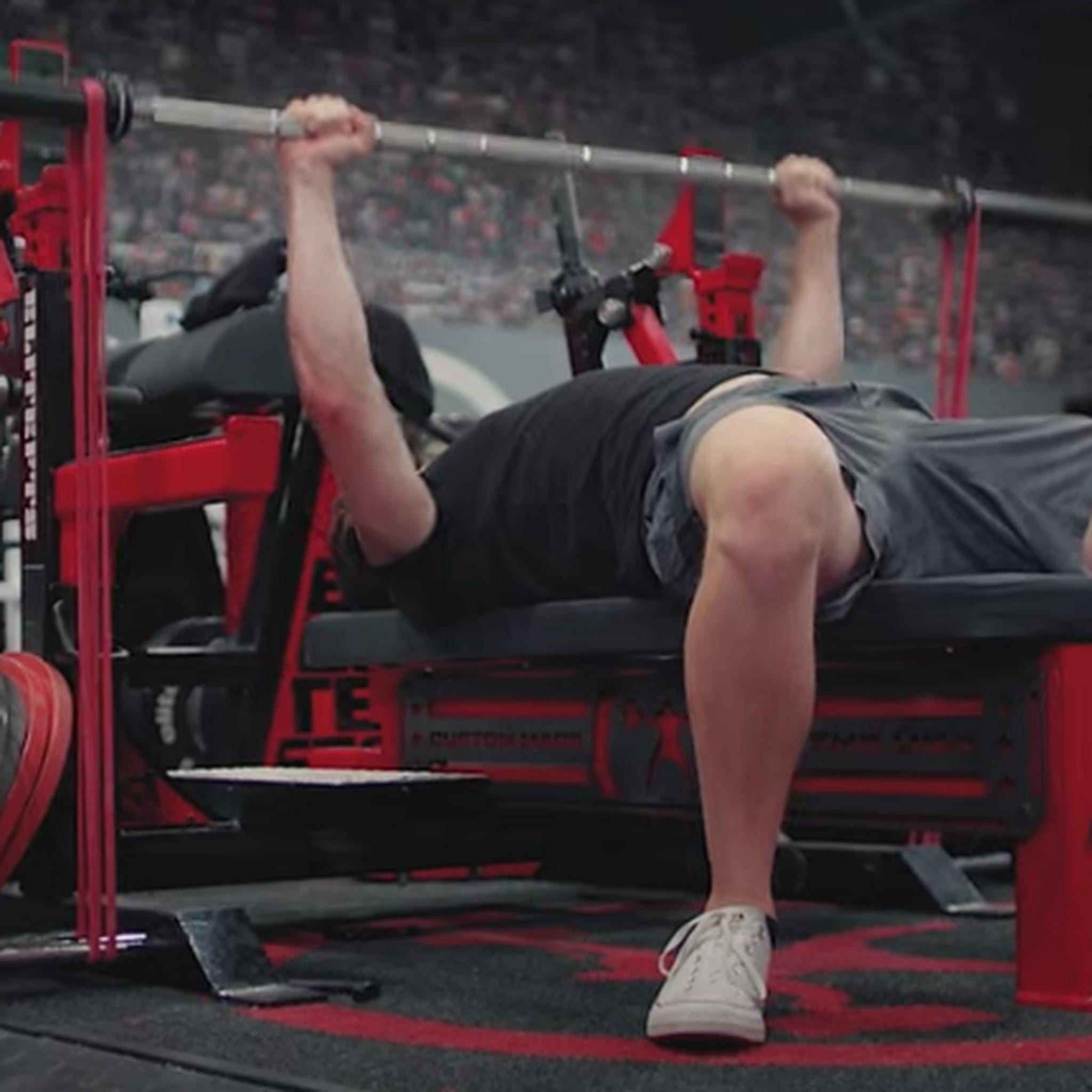

I spent more than two decades pressing. Geared and raw. Heavy and heavier. My shoulder was a problem long before I wanted to admit it. The right one. Rotator cuff. I knew what it was, knew why it was there, and kept loading it anyway because that's what you do when the program calls for pressing, and your shoulder is the thing standing between you and where you want to go.
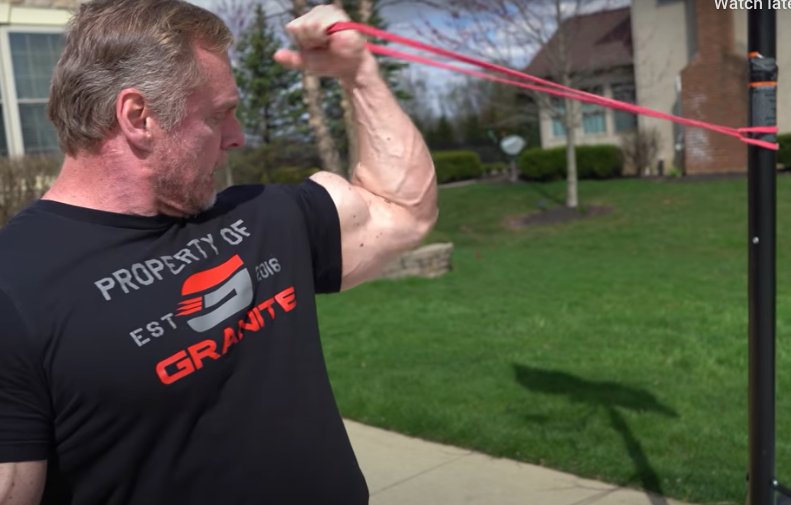
I did rotator cuff work. The standard stuff. Bands, dumbbells, and external rotation drills with a cable. It helped, but it never fully addressed what was actually happening under load. The shoulder wasn't just weak from one angle. It was missing the rotational capacity to handle what I was asking of it every time I got under a bar.
Most lifters know this feeling. You press, you grind, you push through. The shoulder cooperates until one day it doesn't. The problem isn't the bench press. The bench press is fine. The problem is what you're not doing alongside it.
The Belden Bar is what you're not doing.
What the Bench Press Actually Does to Your Shoulder
The bench press lives in the sagittal plane. You push. The bar goes up. Pecs, anterior delts, triceps. You get strong at pushing things in a straight line.
What the bench press does not do is train your shoulder to produce torque. It does not force the rotator cuff to co-contract under rotational load. It does not develop the serratus anterior in the way that keeps your scapula flush to the ribcage when you're grinding through a heavy set. It does not build the lower trap activation that prevents your shoulder from shrugging into the joint during fatigue.
Those are the things that keep you benching for decades instead of one of them.
When you spend years loading the sagittal plane without training the opposing torque, your shoulder girdle needs to stay organized; you build an imbalance. Not a dramatic, obvious imbalance. The kind that creeps up. A little pain here, a little restriction there, a shoulder that starts to complain when the weight gets serious.
This is not a programming error. It is an omission. You built pressing strength without building the rotational capacity that supports it.

What Rotational Training Actually Does
When you apply rotational intent to a pressing movement, the shoulder has to produce torque without losing position. The entire shoulder girdle has to work together. The rotator cuff co-contracts at a high level. The serratus keeps the scapulae locked down. The lower traps prevent shrugging. The rhomboids stabilize without over-squeezing and jamming the joint into end range.
That combination is what a shoulder that lasts is built on. Not just strong in one direction, but organized under load. Stable. Transferable to whatever you throw at it.
The core gets pulled in too, and not in a way that torches your abs. In the way your core is supposed to work when training transfers to performance: anti-movement, stiffness on demand, force transmission from the ground through the torso to the bar. The thoracic spine stays quiet. The lumbar stays neutral. You build the kind of spinal stiffness that protects your back on every heavy set.
This is the work most lifters skip. Not because they don't know it matters. Because they never had a tool that made it worth doing.

What the Belden Bar Is
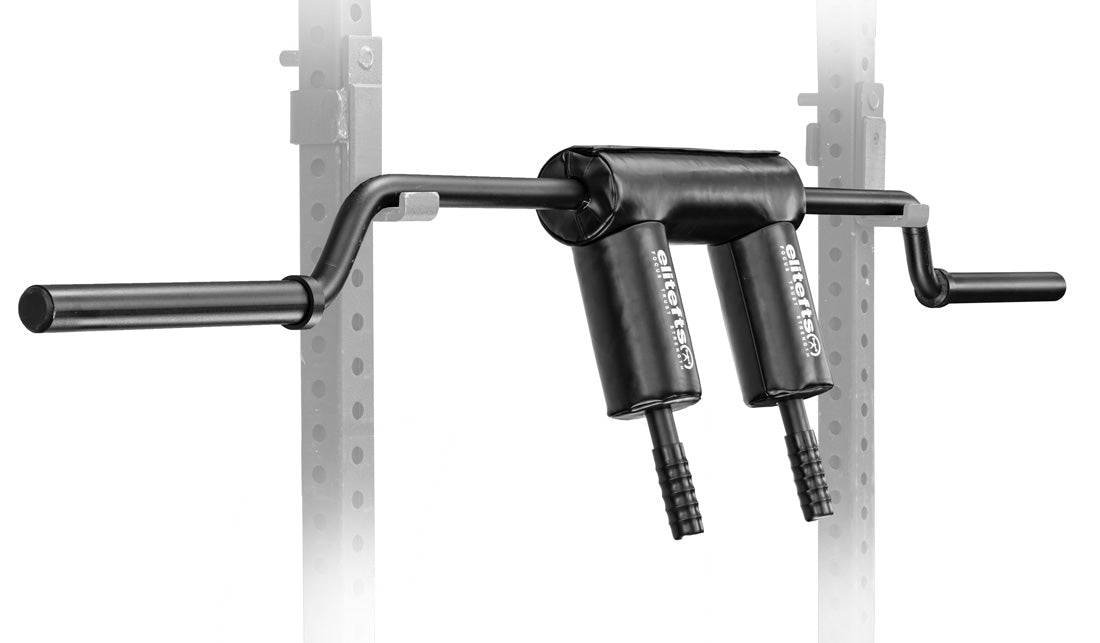
The Belden Bar is a 35-pound rotational training bar built by Posi-Trak. It is not a plastic pushup handle from a big-box store. It is not a novelty piece of equipment designed for people who don't lift. It is a purpose-built shoulder health and rotational training system that uses the bumper plates you already own as its base.
No floor anchor. No separate base to buy. The bar drops into a pair of standard bumper plates, and you are ready to work.
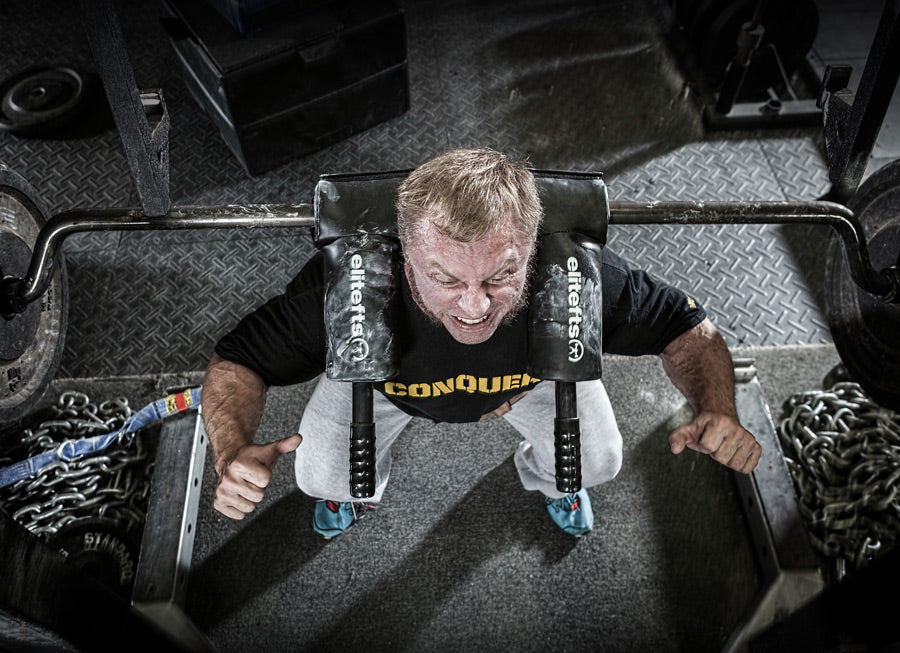
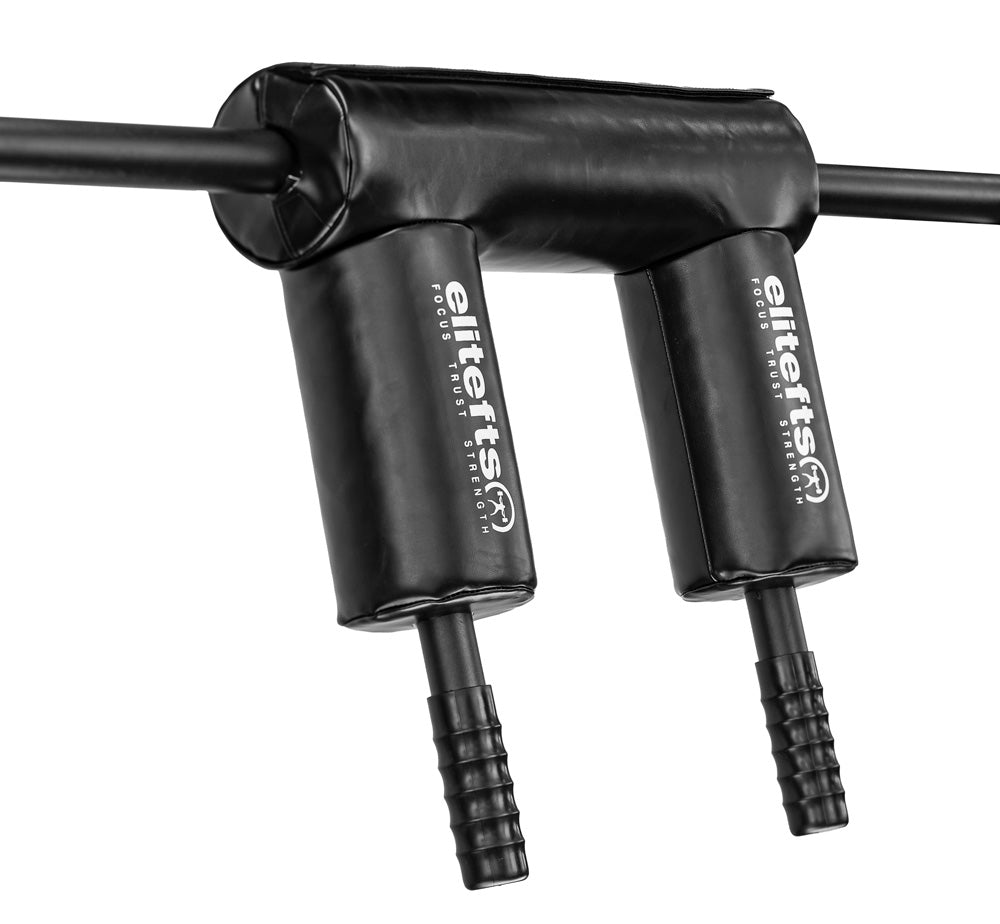
The 360-degree rotating foam pads let your hands and feet move naturally through any variation without joint shear. Multiple hole positions along the bar allow pad-width adjustment so you can dial in placement for your shoulder width, your height, and your specific movement pattern. What works for a 220-pound powerlifter is not what works for a 140-pound competitor. The bar accounts for that.
Two post heights are included. The long post gives more clearance between the bar and the floor. Better for lifters who are learning rotational positioning, building movement quality, or coming back from shoulder work. The short post reduces that clearance. It demands greater thoracic control and shoulder stability. The short post is where experienced trainees live once they have the pattern.
When you want to add grip and forearm demand, the pads come off. What you have left is a thick grip challenge layered on top of the rotational work. One tool, multiple training stimuli.
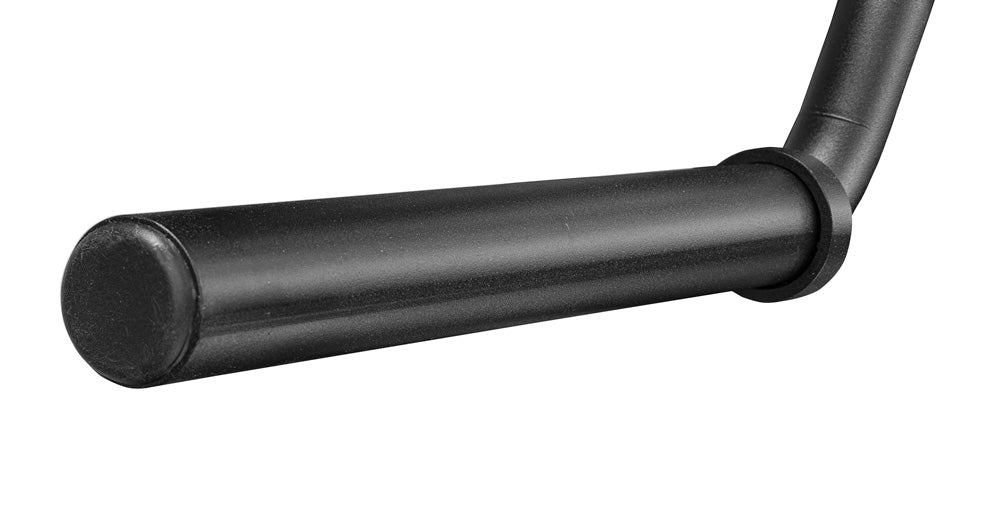
Domed caps protect the floor. Top plastic bar protection keeps your bumper plates clean. Two-bolt assembly.
Where It Lives in Your Training Week
This is the question people ask. Where does it go? The answer is anywhere it fits based on what you need from it.
Before heavy pressing, the Belden Bar is a neural primer. Low load, high neural demand. You wake up the rotator cuff. You organize the shoulder girdle. You prime the serratus and lower traps before you ask them to stabilize under compressive load. Your heavy sets feel different when you go in with the right stuff already firing.
After heavy pressing, it is joint hygiene. You have just spent the last hour loading the sagittal plane as hard as you could. The shoulder needs to move, not compress further. The Belden Bar restores movement quality without adding axial load. You clear the joint. You maintain the range you need.
In a shoulder health block, it earns dedicated time as a primary movement. Run it as your main upper-body tool during a training block when shoulders are beat up, when you are managing pain, or when you are coming back from time off and need to rebuild before you reload.
As an assistance exercise, it builds rotational capacity and scapular stability, which transfer directly to pressing strength. The upper back work you get from the Belden Bar is not cosmetic. It is functional. It is the insurance policy that keeps the joint working when the weights get serious.

The Variations Available
The movement library here is deeper than most people expect from a single piece of equipment.
Upper Body
Standard Rotational Pushup. Close-Grip Rotational Pushup. Thick Grip Rotational Pushup with pads removed. Spiderman Pushup. Supinating and Pronating Fist Pushup. Supinating and Pronating Palm Pushup. Neutral Grip Pushup. Grasshopper Pushup. Cross Crawl Pushup. Scissor Rotation. Band Resisted Pushup. Weight Vest Resisted Pushup.
Lower Body
Rotational Glute Bridge. Single-Leg Glute Bridge. Glute Bridge Oscillations. Glute Bridge Circle Walk. Hamstring Circle Walk. Rotational Single-Leg Squat. Internal and External Hip Rotation with Band Resistance.
Core Stability
Front Plank Twist. Front Hand Plank Circle Walk. Front Foot Plank Circle Walk. Single-Leg Mountain Climber. Side Plank Circle Walk.
Loading Progressions
Bands. Weight vests. Med balls. Dumbbells or kettlebells. Loaded sandbags or water bags.
That is not a short list. You can build a full training session around the Belden Bar. Upper body, lower body, and core from one piece of equipment that stores wherever your bumper plates live.
The Beat-Up Lifter Reality
I have written a lot about training around wear. Shoulders that have been pressed into for years are not the same as fresh shoulders. Joints that have accumulated mileage do not respond the same way to the same inputs that built you up to begin with.
The Beat-Up Lifter Blueprint addresses this directly. You do not stop pressing. You press in more ways. You add the work that the press left out. You build a shoulder that is stable and capable across more planes of movement, not just the one the bench press lives in.
The Belden Bar fits that framework exactly. It is not a replacement for pressing. It is what makes continued pressing sustainable. The lifters I have seen with the best shoulder longevity are not the ones who pressed the least. They are the ones who backed up their pressing with the rotational work that supports it.
This is that work.
Who This Is For
It is not just for people with shoulder problems. Shoulder problems are what happen when you skip this kind of training for long enough.
If you bench press regularly, this should be part of your program. If you have had shoulder issues in the past and are managing them, this tool addresses the mechanism, not just the symptom. If you are a coach working with athletes who press, you want this in the facility because the shoulder health protocol it enables is high value at low training cost.
The learning curve is short. The variations are intuitive. The two post heights give you a built-in progression that does not require you to buy anything else. The bumper plates you already own make it work. $185 gets you a rotational training system that earns its place in a serious gym.
One More Thing Worth Saying
Most equipment marketed for shoulder health is small. Light. Feels like something from a physical therapy office that has nothing to do with what you actually do in the gym.
The Belden Bar is 35 pounds. It uses your bumper plates. It has two post heights, multiple pad positions, and a movement library that goes from beginner progressions to loaded advanced variations. It is built for people who train, not for those who just want to avoid the doctor's office.
That distinction matters. You want shoulder health work that respects where you came from and where you are going. Not work designed for someone who has never picked up a bar.
This was designed for the other kind of lifter.