

I had a conversation with Michael Brinson recently that went somewhere I didn't expect. We started talking about auto-regulation and ended up somewhere more interesting: the gap between what a younger lifter needs and what an experienced one actually has to do to keep moving forward.
Michael coaches high school athletes in Mississippi. He's also a serious powerlifter himself. He knows both sides of this. And the thing he said that stuck with me was this: sticking to the plan is the most important thing when you're young. Not sticking to the plan is the most important thing when you're experienced.
That's not permission to be soft. It's the opposite of soft. It's a skill that takes years to earn.
Why Young Lifters Need the Plan
When you're newer to training, the plan keeps you honest. You don't have the internal feedback system yet to know what's heavy and what's just uncomfortable. You haven't anchored what real intensity feels like. You haven't learned how to strain.
Michael made a point about this I thought was dead-on. A young athlete doing a leg press might stop at 12 reps because it feels hard. Get three people around that athlete and start pushing, and suddenly they've got 20. Those 8 extra reps didn't come from nowhere. They were always there. The lifter just hadn't learned what effort actually is.
You can't auto-regulate what you haven't defined. So you follow the plan. You learn what heavy is. You learn how to grind. You build the identity of a person who shows up and does the work, even when it's terrible.
That phase matters. Don't rush through it.
Why the Plan Eventually Becomes the Problem
Here's what happens when you get strong. Your squat is in the 700s. Your deadlift is in the 700s. Just getting to your work set now costs you more than your entire session used to cost at 500. The warm-up alone is a workout for most people.
The volume that built your foundation starts becoming the thing that breaks you down. The session that hospitalized nobody at 60% is a different animal at 90% when you're strong enough to actually generate real force. The old you that trained for two hours, doing five exercises after the main lift, can't exist at that level without consequence.
I know this from experience. I did a 4x25 belt squat warm-up and then 10 sets of five on back squat with 585 and no belt at Kansas. Took two hours. Couldn't move the next day. And I didn't gain anything from it except a story. It set me back a month. If I tried that now, I'd end up in the hospital.
The work you did to get somewhere is not necessarily what's needed to keep going. That's a hard thing to accept, especially if that work is wrapped up in who you think you are as a lifter.
The Hardest Thing Michael Had to Learn
Michael's situation made this concrete in a way I appreciated. In college, he had two-plus hours to train. Then he took a job coaching high school athletes. Now he's got 45 minutes, maybe an hour, and that's if everything goes right.
His deadlift day used to be: top set, stiff legs for five sets of three, heavy farmer walks, single leg work, posterior chain accessories, abs. That's a long day. Now it's: top set on the safety bar, top set on deadlift, farmer walks, glute hams, done.
That's half the work. The mental weight of that is real. Especially when you've spent your whole training career in the "some is good, more is better" mindset.
What got him through it was framing it correctly. He's in his 30s now. He has a nine-month-old daughter. If he can't train during work hours, he's not training, because he's going home to his family. The question stopped being "how do I fit everything in" and became "what can I absolutely not live without."
The answer is always the main movement. The primary accessory. Maybe two or three things after, probably in a circuit. That's it.
Auto-Regulation Is a Skill, Not an Excuse
Here's where most people get this wrong. They hear "auto-regulate" and they think it means do less when you don't feel like doing more. That's not it.
Auto-regulation means making adjustments with the least consequence possible. You keep the movement pattern. You keep the body recognizing the stimulus. You stay out of painful ranges of motion. You modify the volume or load in a way that doesn't wreck the next session.
The goal is to get through the training week intact. Not to PR every session. Not to prove something. To keep showing up.
When Michael cuts volume now, it's not because he's avoiding hard work. It's because he knows what drives progress and what's just taking up time. The difference between those two things is something you earn through years of training. You can't shortcut it. You have to go through the process.
The Brain and the Soul
One thing we talked about that I think gets missed in a lot of training conversations is why we get into this in the first place.
The soul gets you in. You love to train. You love to be strong. You love the culture. Then the brain starts taking over, and that's generally useful, but when the brain takes over completely, you lose the reason you started. It becomes all calculation and no feeling.
The best lifters I've been around have both. They're emotional enough about training to push through when it's hard. They're smart enough to know when the plan needs to change. The goal is to stay in both places at once, which is harder than it sounds.
The best athletes don't need to be pushed. They need to be pulled back. Getting yourself to that point, and then having the discipline to actually pull back when it's needed, is where the real long-term progress comes from.
What This Means for Your Training
If you're newer to lifting, follow the plan. Learn what hard work actually feels like. Anchor intensity and effort. Do the volume. Build the habits.
If you've been doing this for years and your body is telling you something every single session, pay attention. The ability to modify intelligently, to find a movement that gives you the same stimulus without destroying you, is not weakness. It's the skill that separates lifters who train for decades from the ones who burn out at 35.
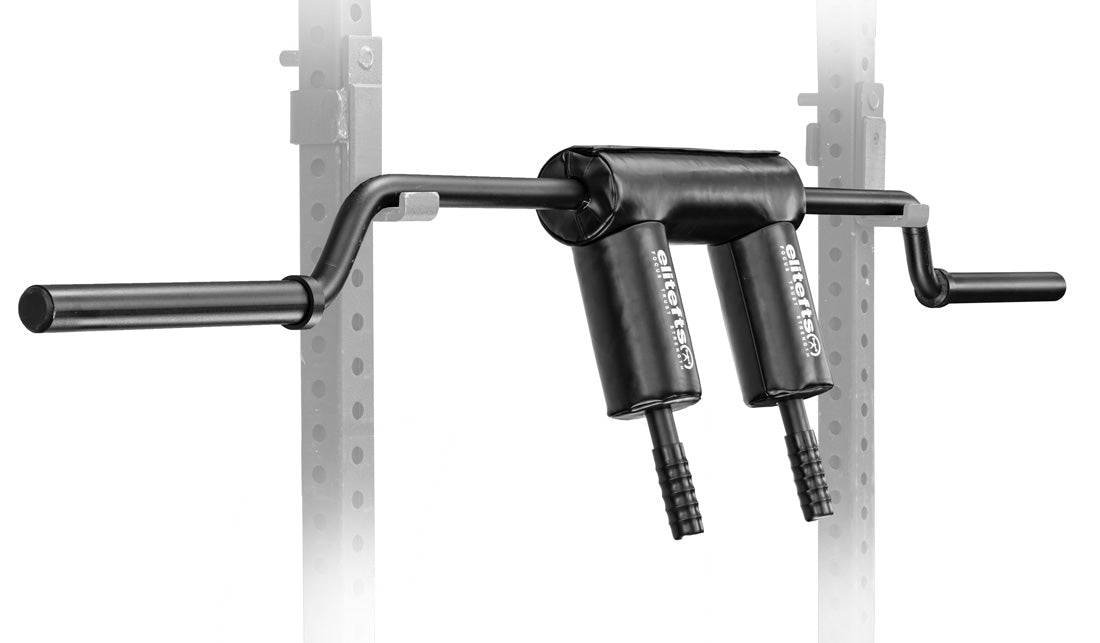
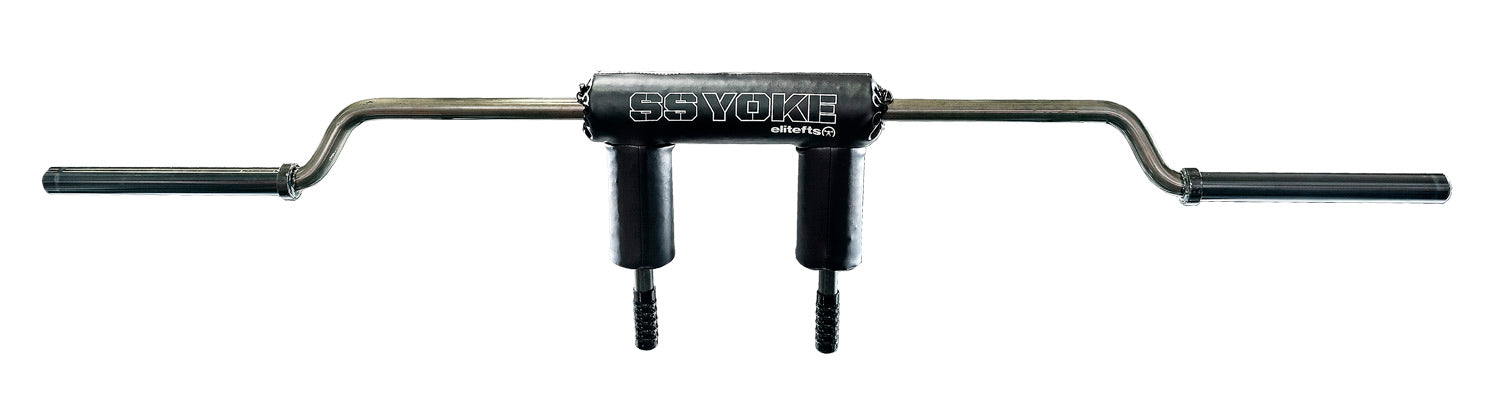
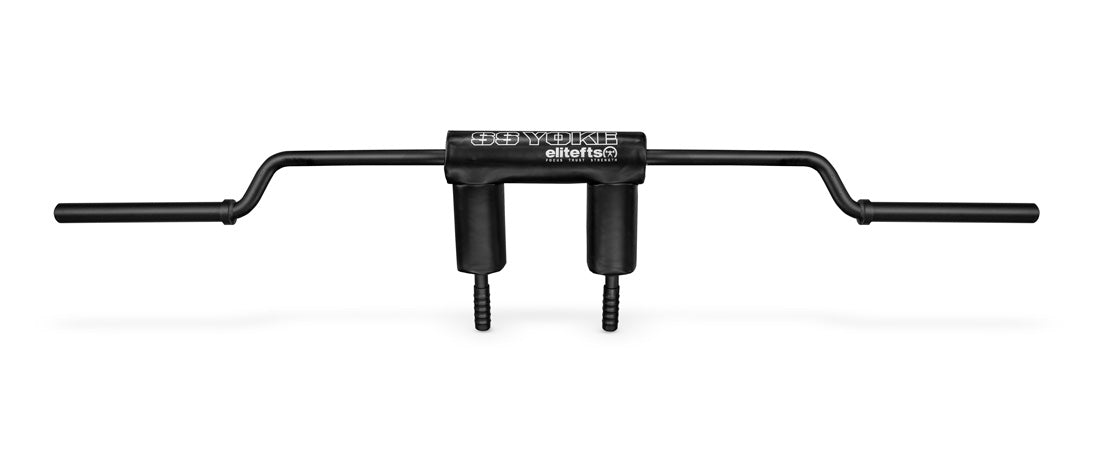
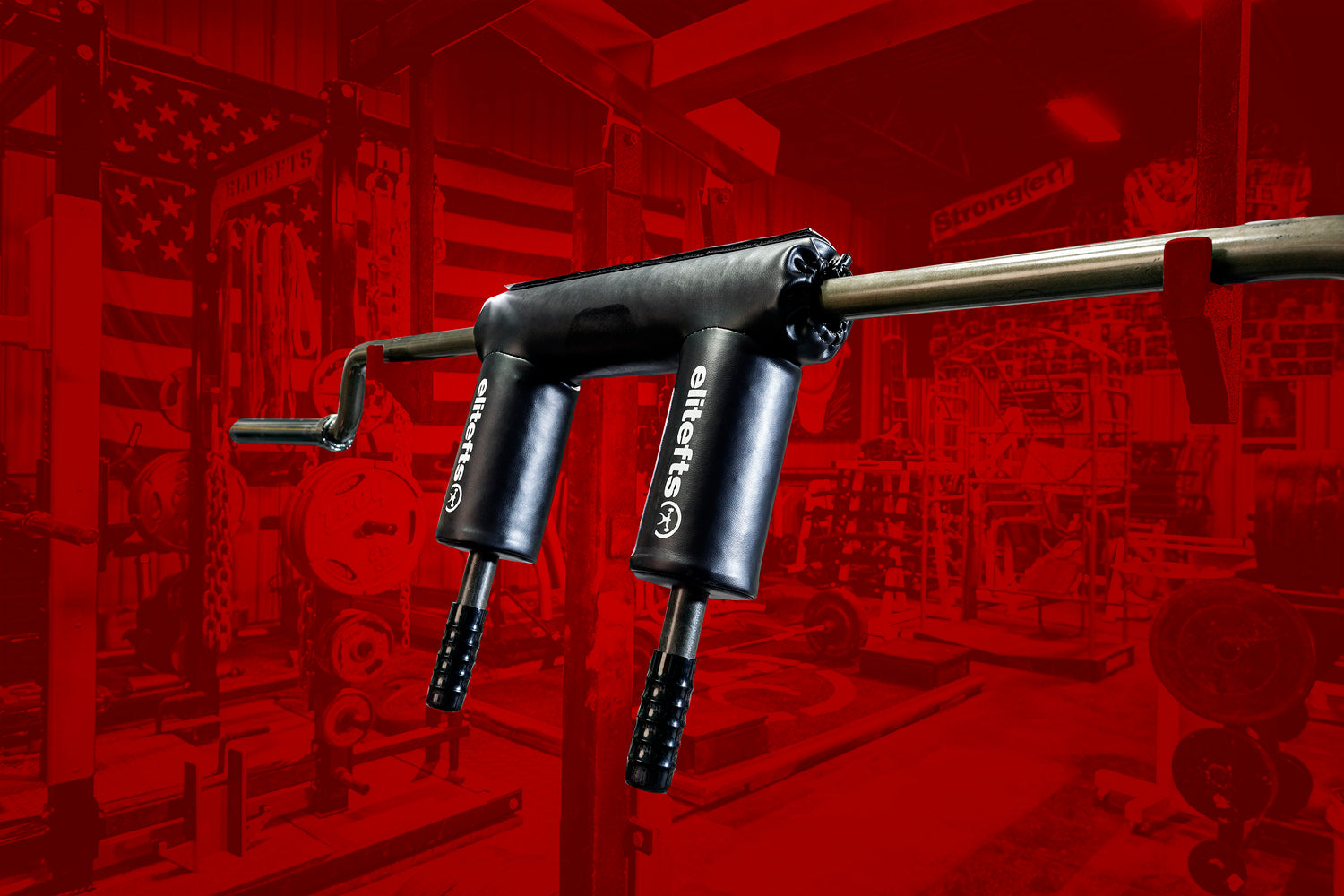
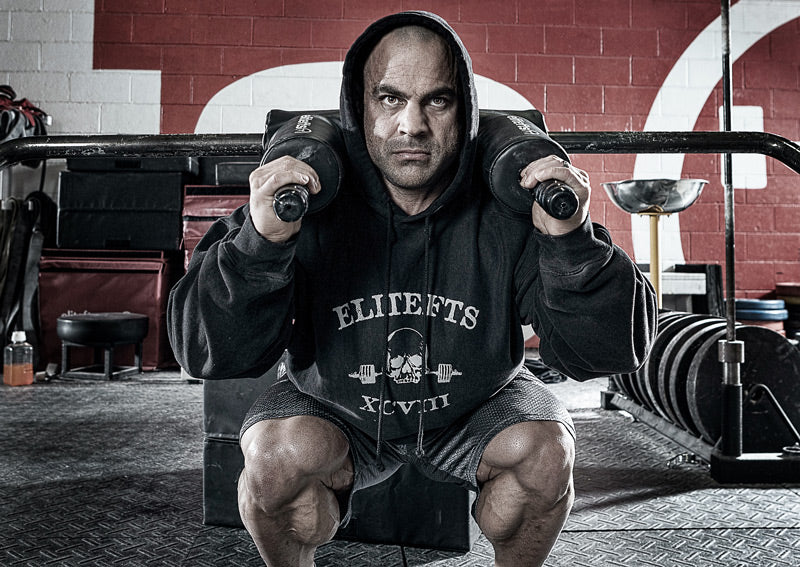
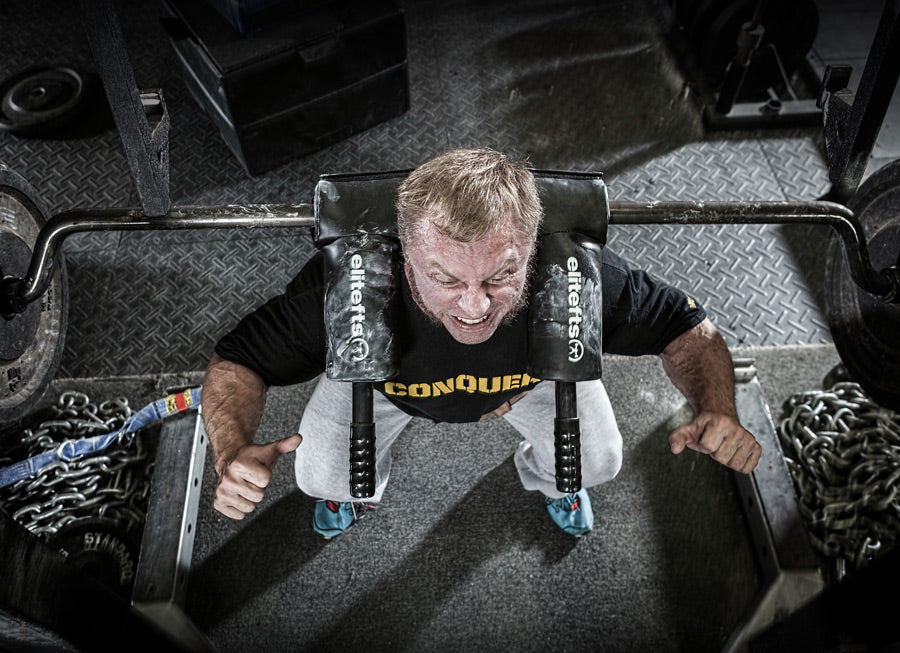
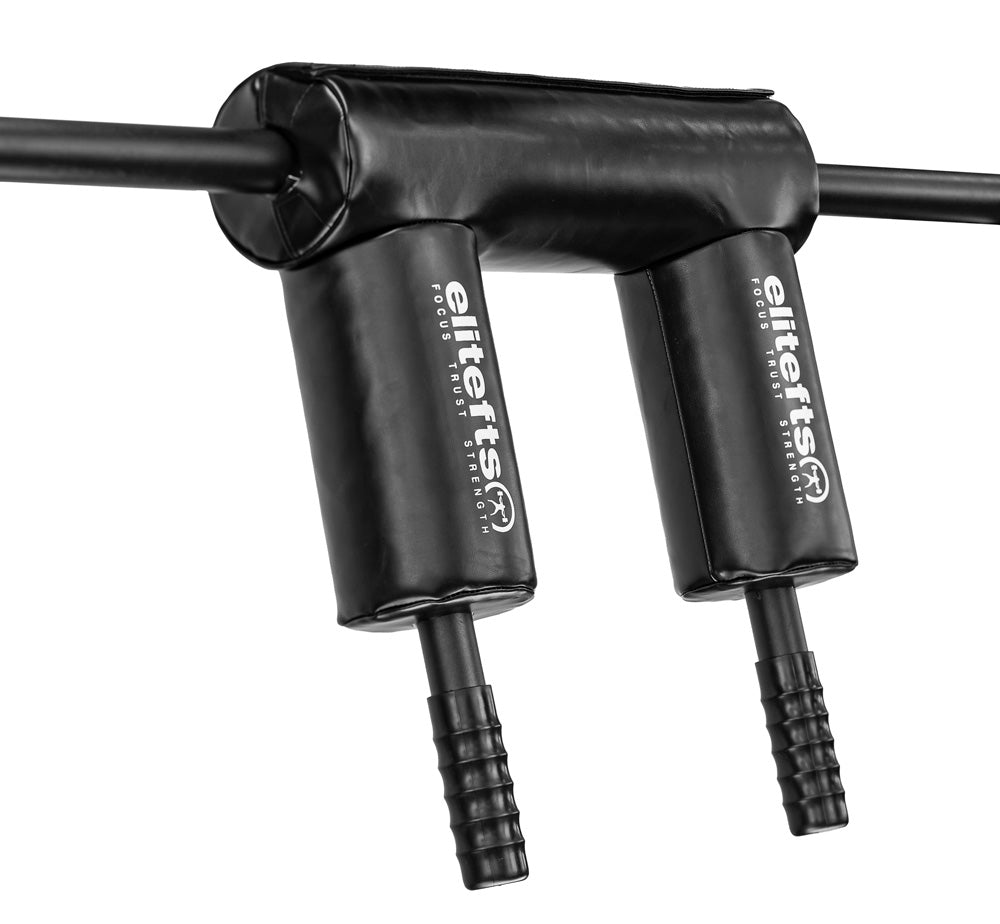
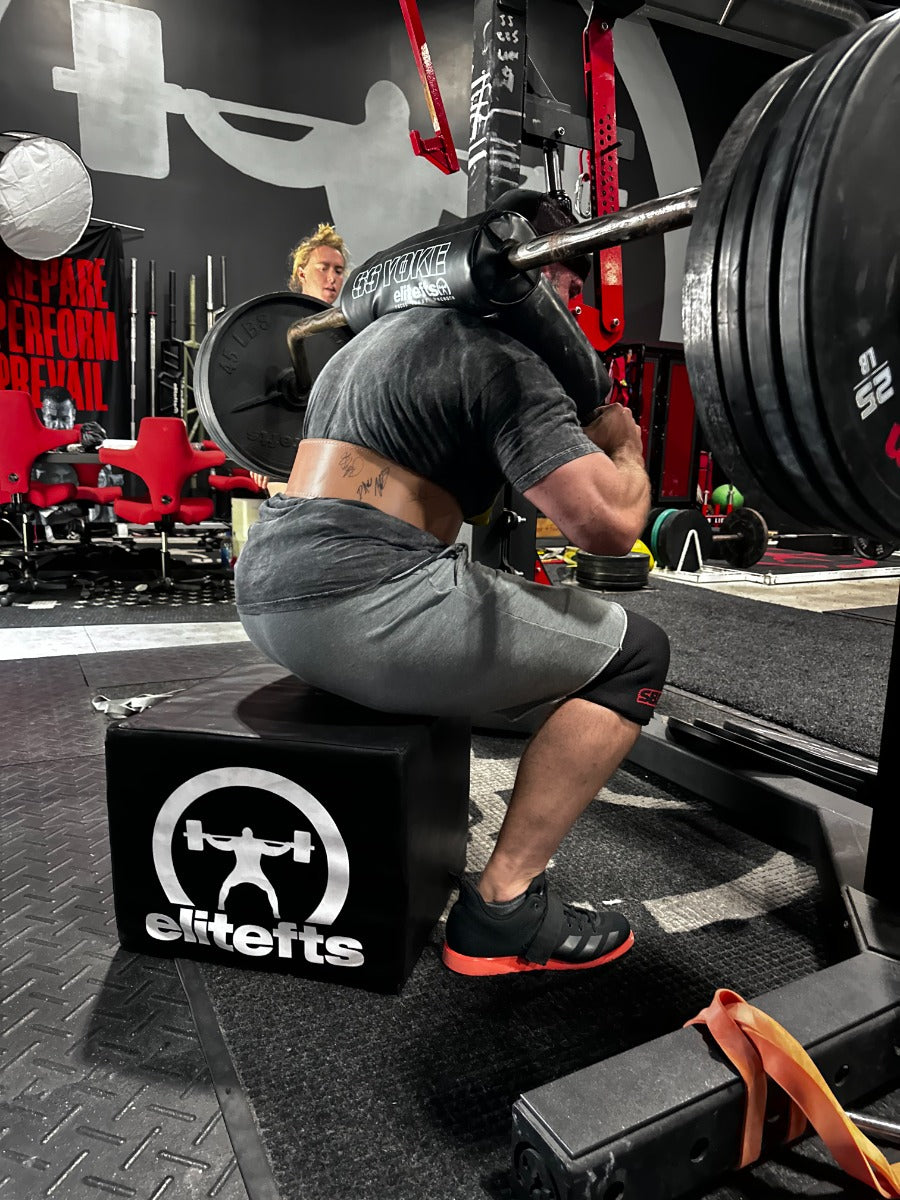
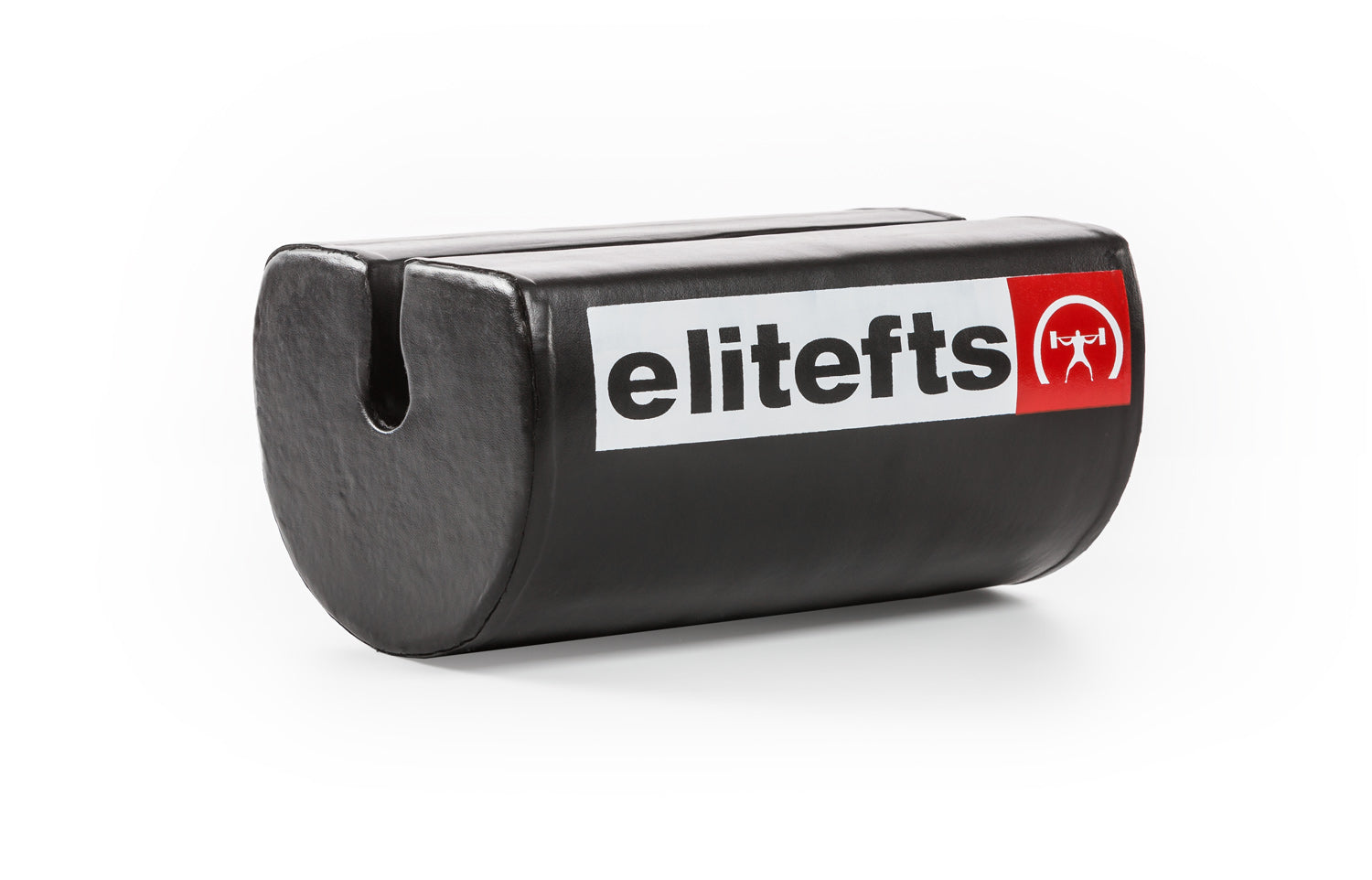
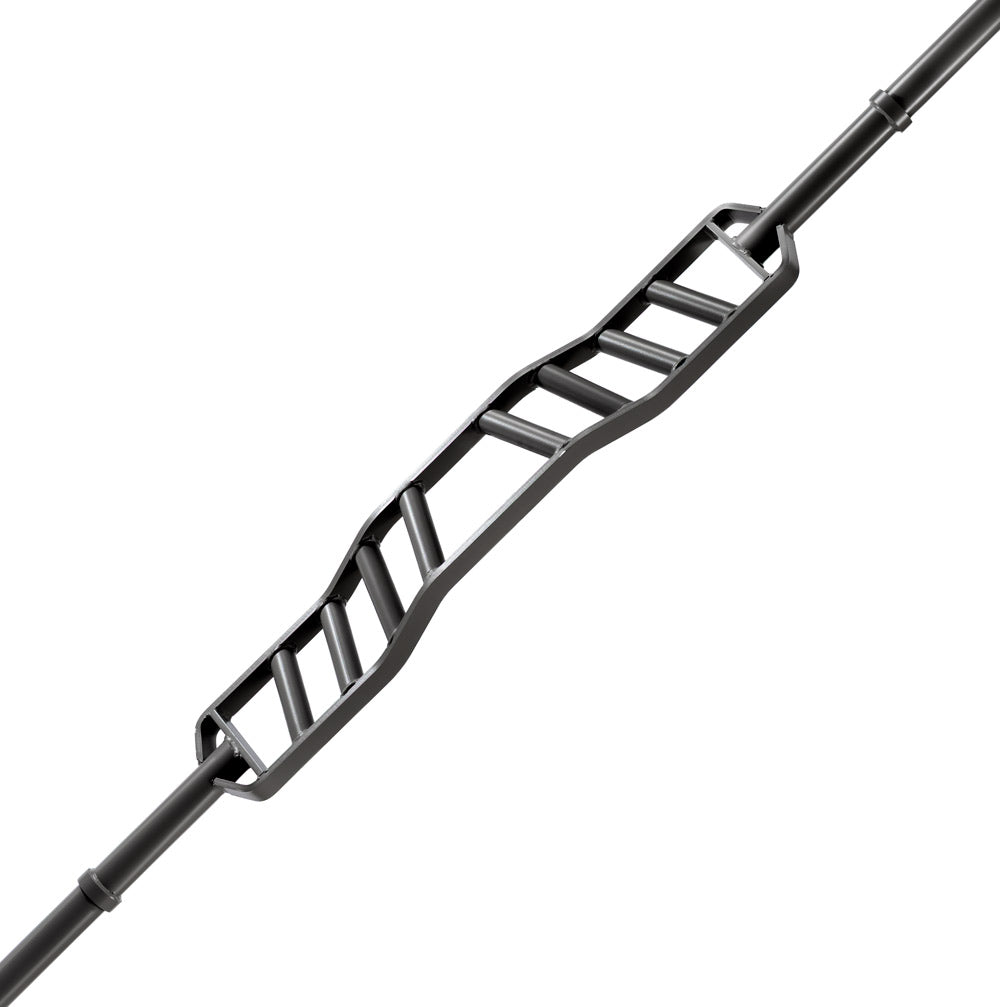
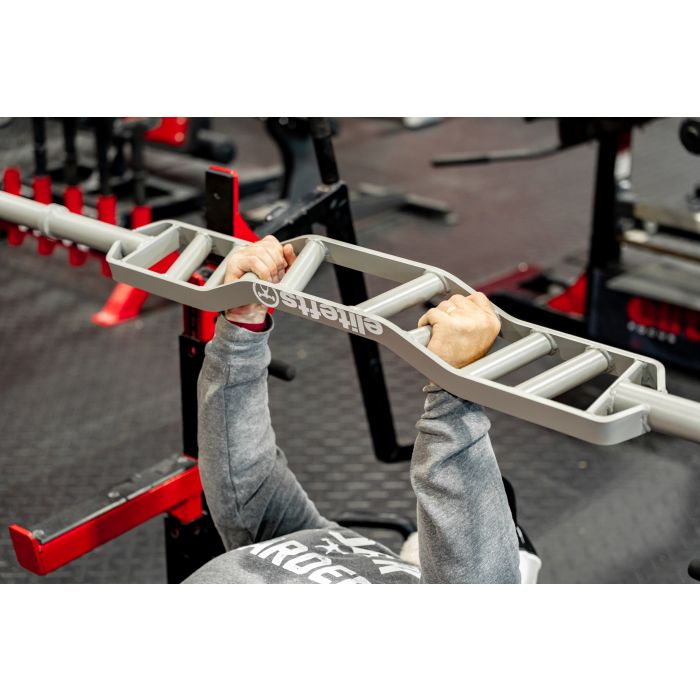
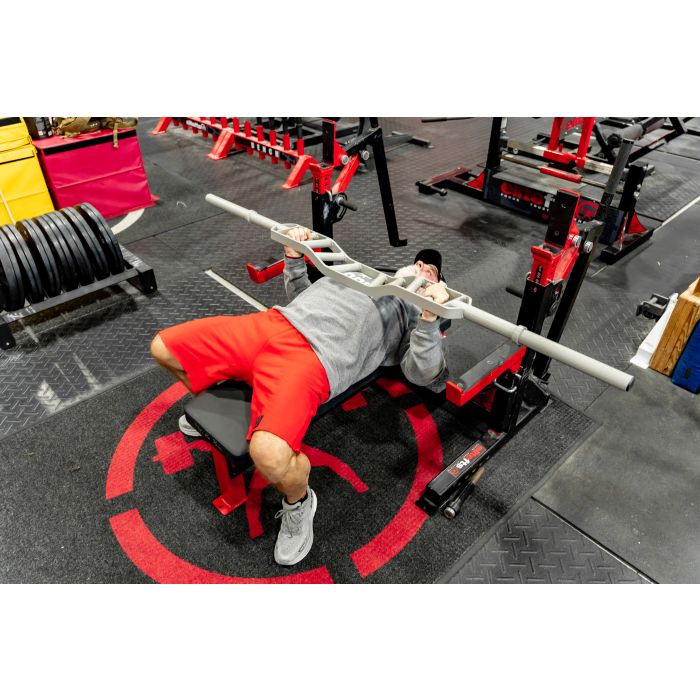
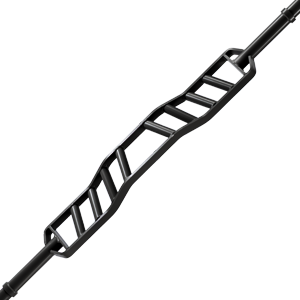
The elitefts SS Yoke Bar is one of the tools I keep coming back to when I need to keep loading the squat pattern without beating up the shoulders or lower back. It's not a shortcut. It's an intelligent substitution. That's the whole point.
Auto-regulation isn't about avoiding hard work. It's about making sure the hard work you do today doesn't cancel out the hard work you'll do next week.
That's the skill. It takes a long time to learn. Most people never get there.