

The Familiar Frustration of Back Pain
If you've ever dealt with back pain, you've almost certainly been told to perform the bird dog exercise. But for many, faithfully going through the motions day after day leads to little more than frustration and no meaningful results. This experience is common, but it begs a crucial question.
What if the problem isn't the exercise itself, but the intent behind it? This post will break down a few key insights from Dr. Seth Alworth that will transform how you approach this foundational back pain exercise, turning it from a pointless drill into a powerful tool for building a resilient core.
The Real Point of the Bird Dog: It's Not the Position, It's the Tension
The most common mistake people make with the bird dog is simply "going through the motion." They treat it like a checklist item, flailing the arm around without any real purpose or focus, wondering why nothing improves.
According to Dr. Alworth, the goal is not simply to achieve the final bird dog position. The true purpose is to create and maintain full-body tension, primarily through the torso and brace, throughout the entire movement. The position is just a vehicle for building this critical skill.
"the point isn't to be in the position, it's to create tension in that position so that we can then turn that tension to building tolerance to the squat bench or deadlift."
To perform it correctly, you must first set your brace and ensure that everything through your torso is tight. As you slowly and with control extend your opposite arm and leg, maintain that tension. You should feel like you are contracting against yourself to generate stability. Rather than simply lowering your limbs, actively pull your elbow and knee back to the starting position, maintaining control as if you are working against resistance.
Build Tolerance That Carries Over to Your Main Lifts
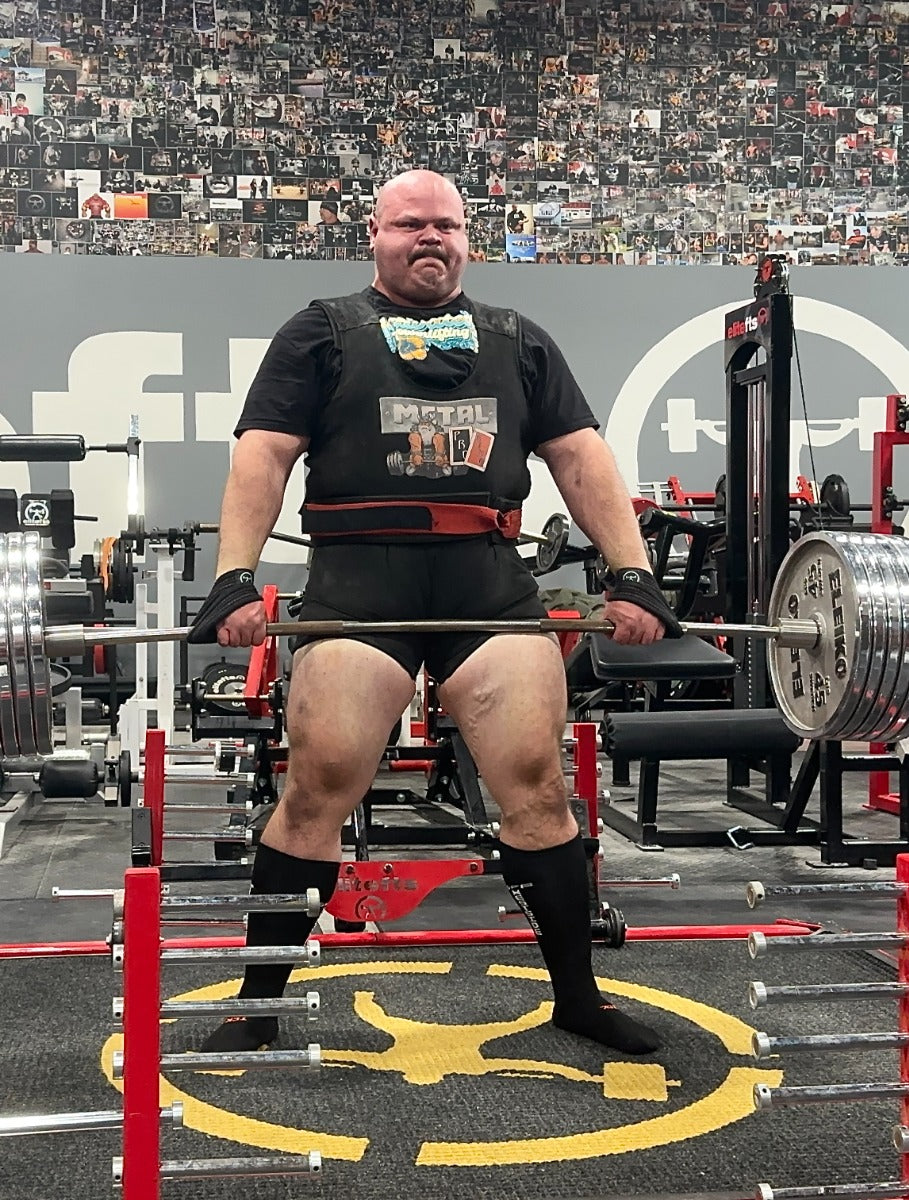
Creating this tension in a static drill, such as the bird dog, is not an end in itself. Its primary function is to build control and tolerance that is directly applicable to major, heavy lifts, such as the squat, bench press, and deadlift.
This concept reframes the bird dog entirely. It stops being a low-level "rehab" exercise and becomes what it should be: a fundamental tool for building a stronger, more resilient foundation. Mastering tension in an unloaded, asymmetric position like the bird dog teaches the nervous system to co-contract the deep core musculature, a pattern essential for creating 360-degree spinal stability under a heavy barbell. This is the key to both lifting heavy and preventing injury.
A Clear Path Forward: Progressing to Single-Leg Hinges
Once a lifter has mastered the art of creating intentional tension with the bird dog, there is a clear and compelling progression using single-leg hinge variations to build upon that stability and strength.
- First: Master the Kickstand Deadlift. This variation uses a staggered stance where you hold the weight in the opposite hand of your front foot (contralateral loading). The focus is on hinging into the front hip while keeping the torso locked in, then driving back to the start by powerfully extending the hip with your glute.
- Next: Progress to the Step-Back Hinge This increases the challenge by starting with your feet square. You must maintain your brace as you lift one foot, hinge at the hip, and step back before using your glute to drive yourself back up to the starting position.
-
Finally: Advance to the Single Leg RDL. As the most advanced variation, the non-working foot does not contact the ground at all. This forces the lifter to create maximum stability and control through the standing hip to maintain balance and strength.

This progression can be loaded "infinitely" to build tremendous strength in the hip, torso, and low back, all of which will directly carry over to a stronger and safer deadlift.
From Mindless Motion to Intentional Tension
The key to unlocking the true potential of exercises like the bird dog—and overcoming nagging back pain—lies in shifting your focus from mindless movement to intentional tension. It's about what you are creating internally, not just the position you are holding externally.
Now that you know the importance of intent, what other exercises in your routine could be transformed by focusing on tension instead of just movement?