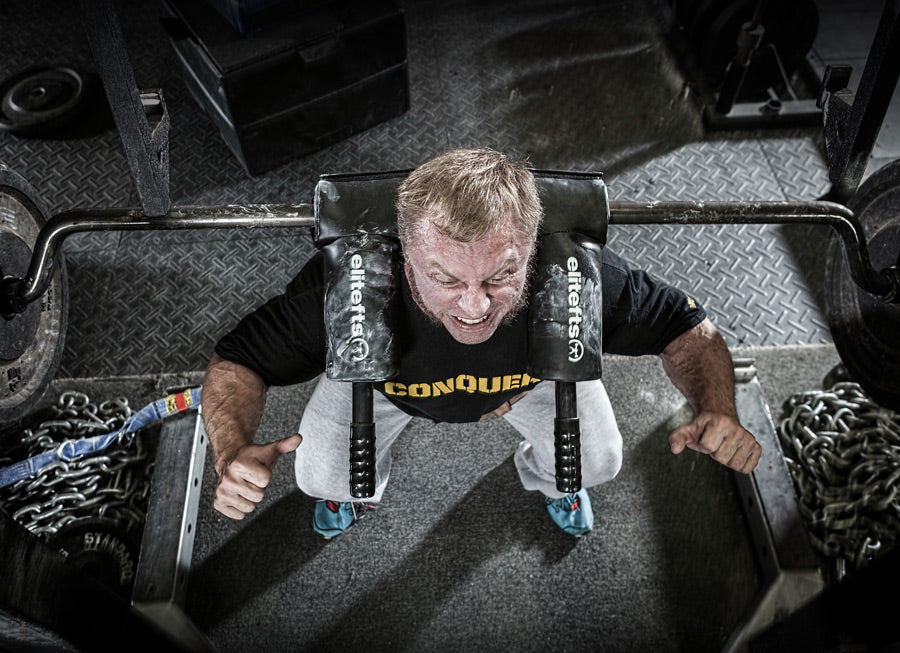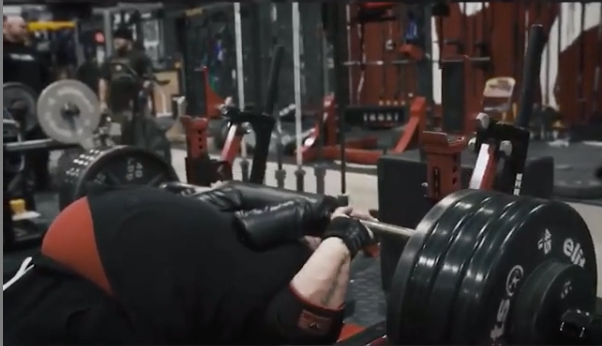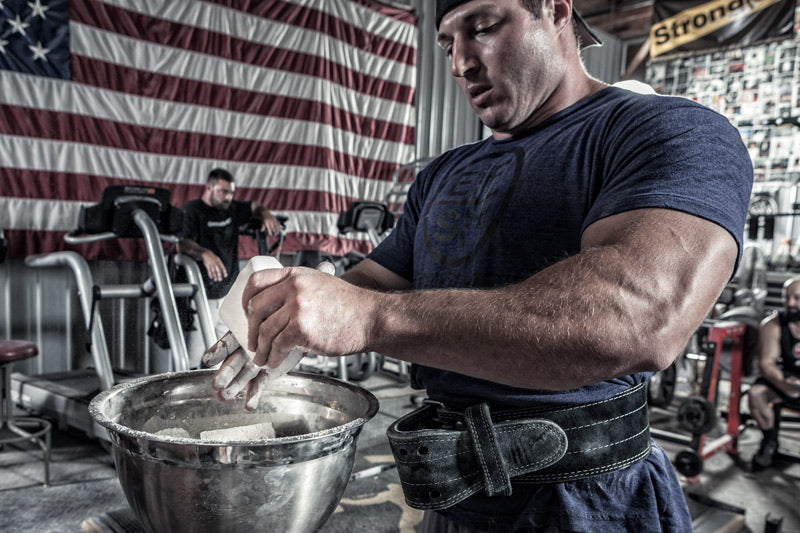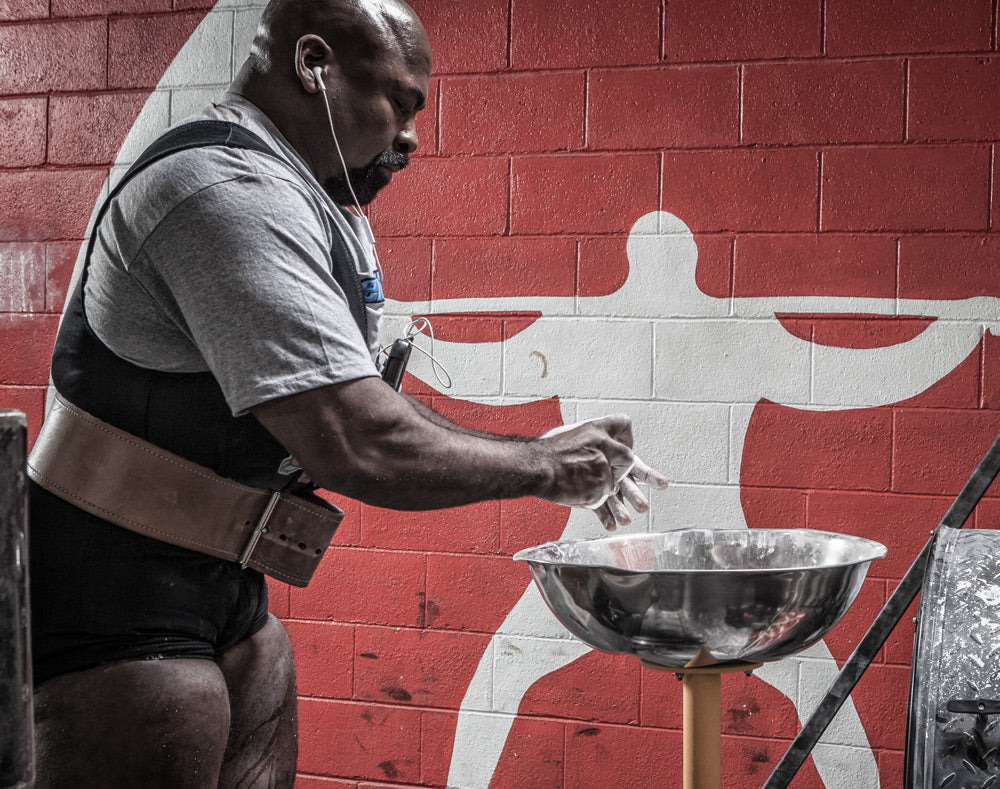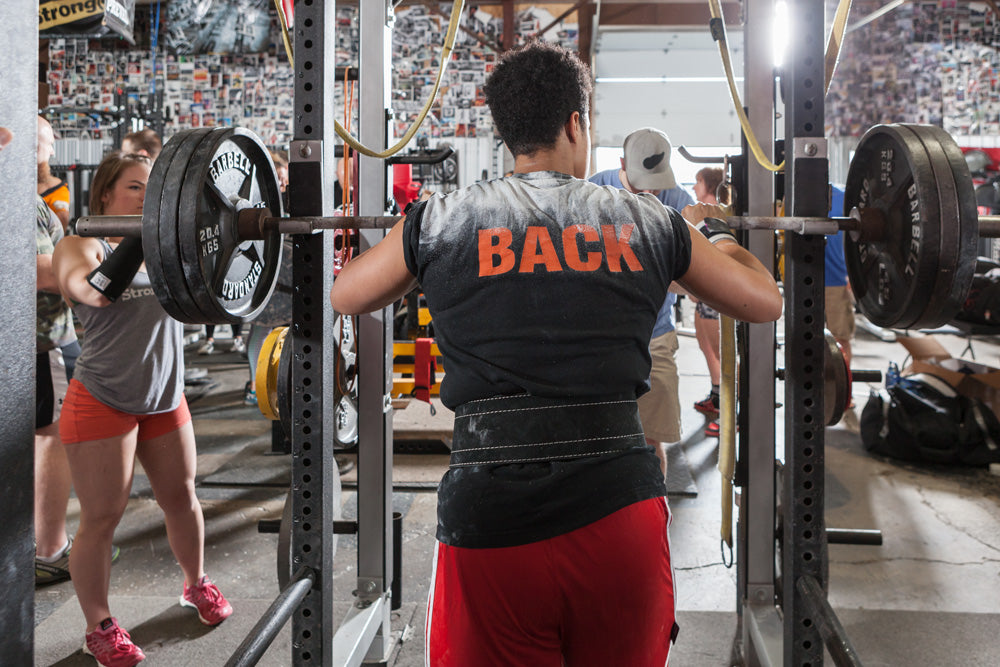


In the clinical world of performance psychology, we often talk about "armoring." Usually, we mean it metaphorically—the psychological defenses we build to survive trauma. But in the world of elite powerlifting, the armor is literal. It is composed of dense, hypertrophied muscle and can move half a ton of iron. There is a pervasive myth in our culture that a 2,000-pound total is a physical manifestation of an unbreakable mind. We assume that if a man can squat a small car, he must have his internal house in order.
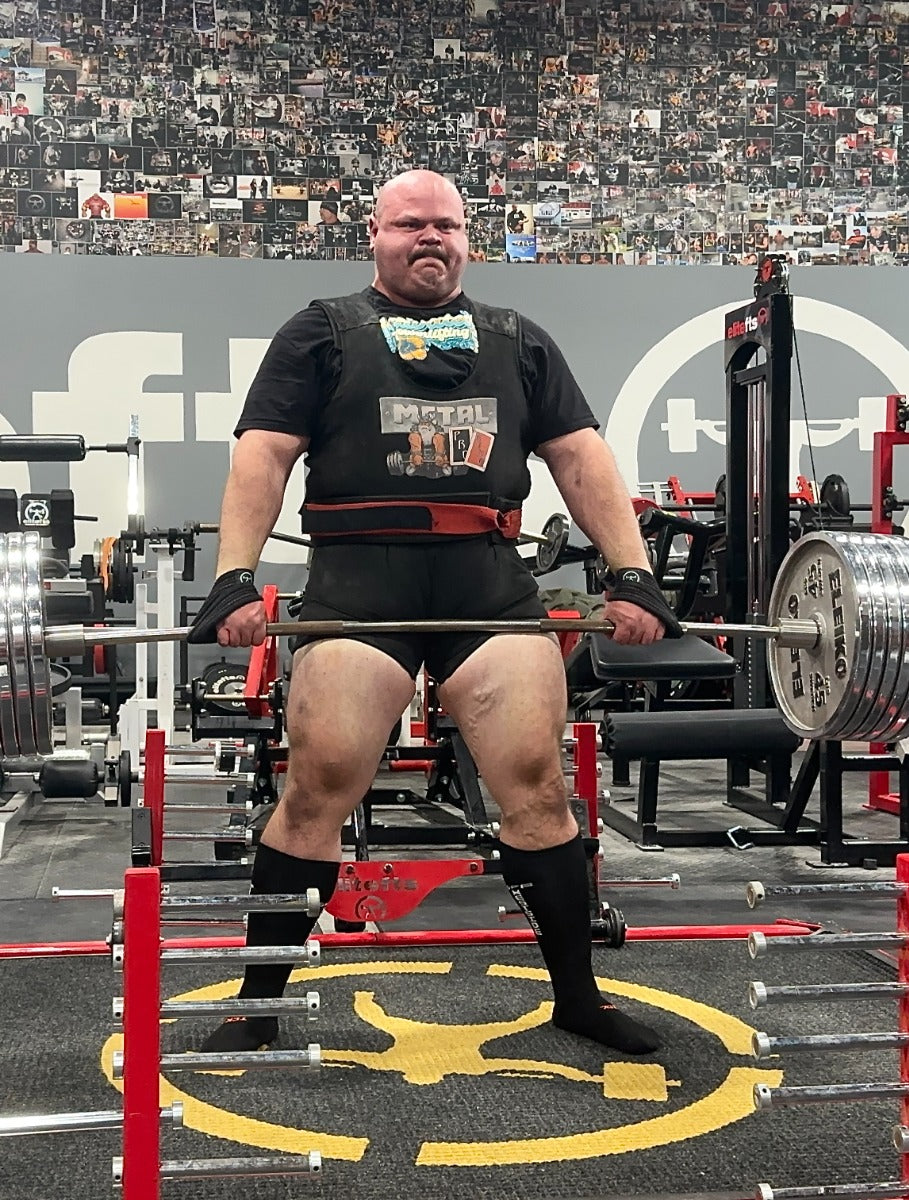
Joe Jackson, the man known in the Delaware County (Delco) trenches as "Delco Jesus," is the living antithesis of that myth. Before he was a mammoth on the platform, he was the "fat kid" who weighed 350 pounds, lived on a diet of Mountain Dew and Doritos, and walked through middle school hallways to the sound of peers making "Shamu" whale noises. Behind the muscle is a history of visceral grit: an alcoholic home where his mother suffered seizures during the Phillies’ World Series lights, and a childhood spent navigating a landscape where retaliation meant slamming a bully’s head into a radiator. Joe discovered that while the barbell can build a god-like exterior, it is a poor architect for the soul.
1. You Can’t Out-Total Internal Turmoil
For many elite lifters, the pursuit of a Personal Record (PR) is not an act of self-improvement; it is a pharmacological intervention. The dopamine hit of a PR acts as a temporary "mask" for deep-seated depression. In the "honeymoon phase" of lifting, when gains are linear and every week brings a new milestone, it is easy to believe you are winning the war against your demons.
But progress eventually plateaus, and the "mask" begins to slip. Joe’s journey reveals that even when you reach the mountain top—totaling 2,000 pounds—the abyss is still there. Just a month before the high-stakes Rumble 2 competition, Joe faced a psychological relapse that nearly ended his life. It serves as a stark reminder: if your self-worth is tethered to a number, you are always one bad session away from a mental health crisis.
"You can't out total a bad relationship with yourself... if you fall in the numbers you are not going to be able to ever be happy."

2. Lifting is a Tool, Not the "Thing."
In the gym, there is a dangerous tipping point where a healthy outlet becomes an avoidance tactic. Joe describes a period of his life where he worked three jobs, relied on "crazy stimulants," and spent every waking hour in the gym or at work. This wasn't just work ethic; it was a sensory shield. The "noise" of the gym—the blaring music, the pre-workout jitters, the communal shouting—served to drown out the silence where his trauma lived.
When powerlifting is a tool, it provides a "zen moment" that helps you manage life. When it becomes the thing—your entire identity—you are in a psychological trap. If an injury occurs or a plateau hits, and "the thing" is taken away, the lifter is left with nothing but the thoughts they were trying to outrun.
"Some people don't realize it's the tool they think it's the thing... then an injury happens... and then the thing you know that was it's not helping anymore, it's worse."

3. The Strategic Audible: Maturity Over Ego
The novice lifter believes that "mental toughness" is the blind adherence to a spreadsheet. The elite lifter knows that longevity is found in the "Strategic Audible." Joe uses "four reds" (405 lbs) as his objective benchmark. Because he has moved this weight thousands of times, it serves as a diagnostic tool for his Central Nervous System (CNS).
The audible is not "pussing out"; it is an act of intellectual maturity. It requires the lifter to prioritize long-term performance over the immediate ego-satisfaction of a heavy top set.
Joe’s Decision-Making Process for the "Top Set" Audible:
-
The Baseline Test: Take the "four reds" warm-up as a standard metric.
-
Film and Review: Don't rely on "feel," which is subjective. Review the footage to objectively assess bar speed and technical breakdown.
-
The CNS Audit: If the "four reds" move slower than the established technical standard, the planned top set is scrapped.
- The Adjustment: Lower the target weight (e.g., making the last warm-up the top set) to ensure the session is a "deposit" in the bank rather than a "withdrawal" that leads to injury.
4. Injuries as a Technical Rebuild
Joe has survived a torn bicep, SI joint issues, and a stress-fractured clavicle. While these setbacks are psychologically taxing, Joe reframes them as a "weird gift." In the frantic chase for a 2,000-pound total, technical foundations often get sloppy. Lifters ignore poor bracing or a "hitch" in the pick because the weight is still moving.
Forced downtime provides a "mini-purpose": the meticulous reconstruction of the base. During his bicep and SI recovery, Joe was forced to rediscover the "zen" of the setup—focusing on the "pick" and the "brace" that he had neglected during his peak. An injury is the only time an elite lifter is permitted to slow down enough to fix the technical leaks that would have eventually caused a more catastrophic failure.
5. Growing the Sport through "Sports Entertainment."
Joe Jackson’s most controversial take is that pure numbers are no longer enough. To move powerlifting from a niche gym subculture to a spectator sport, he advocates for the "Sports Entertainment" model, exemplified by organizations like ABS and the Sheffield Powerlifting Championships.
This means leaning into "Delco Jesus" as a character, building storylines, and engaging in "shit-talking." It’s about putting "asses in seats" by creating stakes the general public can understand: head-to-head battles and rivalries. Joe’s own call-out of "Zeus" (Zach Smith) for their upcoming May 30th battle in Virginia Beach isn't just bravado; it’s a functional application of his theory. By promising to "slaughter" Zeus in his own hometown, Joe creates a narrative that people want to follow, regardless of whether they understand the difference between a squat bar and a power bar.
"I think ABS is trying to make the sport grow... by being more of a sports entertainment aspect than just doing nine lifts total on a platform... it gets people to want to watch."
The Final Platform
The "Delco Jesus" philosophy is ultimately a quest for a sense of belonging that exists independently of the barbell's weight. Joe Jackson has learned that the platform is the one place where he feels "full"—not because of the total, but because it is the one space where there is "nowhere else in the world I’m supposed to be." It is a calling that transcends numbers and provides a sense of peace amidst the noise of a turbulent life.
As you pursue your own version of strength, you must conduct an honest audit of your motivations.
Is your passion a foundation you've built to support your growth, or is it a house of cards waiting for the first bicep tear to blow it all down?