

The Language of the Iron
A Coach's Guide to Training Cues, Squat Mechanics, and Building the Foundation of Athletic Performance
In the weight room, communication must be fast, precise, and actionable.
We use "cues," specific verbal triggers, not as jargon, but as essential tools to hardwire safety, technical proficiency, and explosive progression into your central nervous system.
These commands allow a coach to adjust your movement in real-time under the stress of a load without requiring a lecture.
This guide bridges the gap between the overwhelmed novice and the instinctive trainee. You do not just "do" a lift. You execute a sequence. By mastering this vocabulary, you earn the ability to respond to coaching commands with immediate physical adjustments.
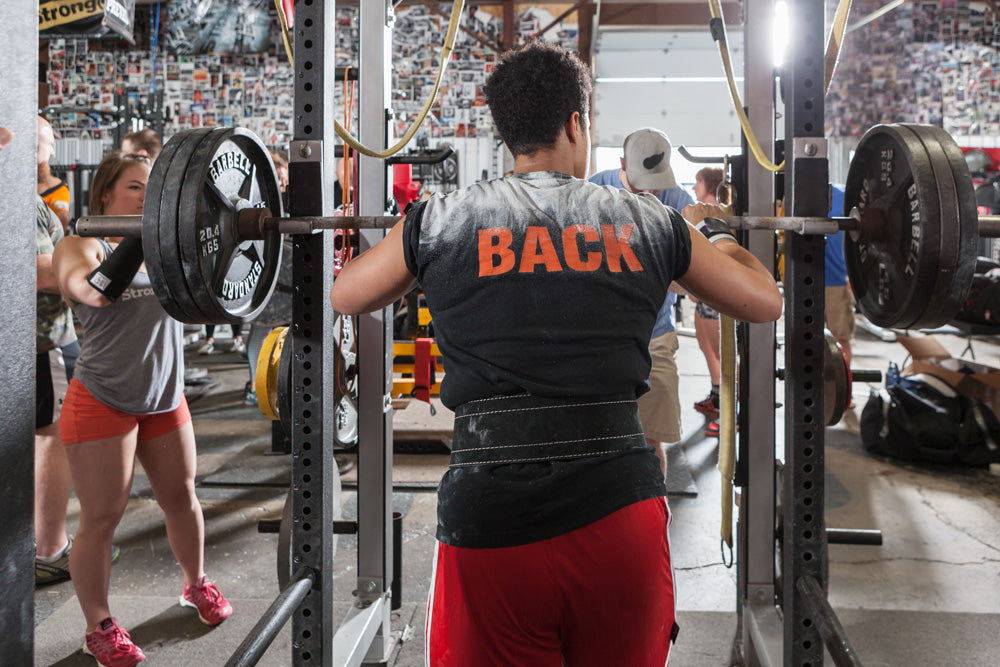
Your training begins before the weight ever leaves the rack.
You win or lose the lift during the setup.
A successful lift is built on a repeatable, stable starting position. At the elite level, we demand mechanical advantages from the first second you dress the bar.
You earn the right to move only once your setup is locked.
| Term / Concept | Definition | Why It Matters |
|---|---|---|
| Thumb length from the smooth | Use the thumb to measure the distance from the non-knurled (smooth) center of the bar to set the grip. | Ensures the bar is centered and balanced. Bigger athletes or those with mobility restrictions may need to go wider. |
| Toes angled out | Orienting the feet with a slight outward angle rather than pointing them straight forward. | Prevents knee cave and allows the hips to open, ensuring the athlete can reach required depth with stability. |
| Eyes forward | Maintaining a neutral gaze directly ahead; never tilting the head up at the ceiling or down at the floor. | Maintains a neutral spine. Looking up or down breaks the kinetic chain and invites injury under load. |
| Trunk control | The active maintenance of an upright posture and core stability throughout the entire range of motion. | The prerequisite for progression. You must demonstrate total trunk control with a Goblet Squat before you earn the right to use a barbell. |
The transition from a static position to a dynamic movement begins at the "break" points.
Whether you are performing a Goblet Squat with a kettlebell or a High Bar Back Squat, the mechanics remain the same.
We teach the high bar position specifically because the shin angle in the bottom mimics the mechanics of sprinting on the field, providing direct athletic carryover.
1. Breaking at the knees and hips.
These actions must occur simultaneously. We do not want to see the knees shoot forward alone, nor an excessive hinge backward. Moving both joints at once keeps the center of gravity over the mid-foot.
2. Slow and Controlled (The Tempo).
The descent is a controlled eccentric phase. You are looking for maximum depth while maintaining a flat foot and an upright torso.
3. The "UP" Command.
This is a reactive signal. When the coach calls "Up," you must stand and return to the starting position with maximum speed and power.
Depth is not a suggestion. It is a marker of proficiency. We evaluate squat depth based on your ability to maintain trunk control and ankle/hip mobility. If your heels leave the floor or your torso collapses, you have exceeded your functional depth.
Proficiency in the front-loaded Goblet Squat is your ticket to the barbell, leading to the most technically demanding position in the weight room.

The Front Rack is the foundation of the front squat and the Olympic clean.
We teach this "Day 1" (starting in the 7th grade) because it is a long-term project of drilling and repeating to overcome mobility barriers.
Primary Mobility "Hang-ups"
Athletes typically struggle with the front rack due to restrictions in:
- Wrist flexibility
- Elbow rotation
- Lat and tricep mobility
Improving the Position
You cannot force a perfect front rack in one session. It is improved through two things:
- Daily Practice: Constant exposure to the position to build tissue tolerance.
- Sheer Load of the Bar: Over time, the weight of the barbell itself helps force the body into a more efficient rack position, stretching restricted tissues under tension.
Mastery of these technical positions allows us to implement advanced training methods to address weaknesses and force adaptation.
When an athlete lacks the strength for a full repetition (common in the pull-up) or when we need to push past a plateau, we utilize specific intensity techniques.
Used primarily for pull-up progressions.
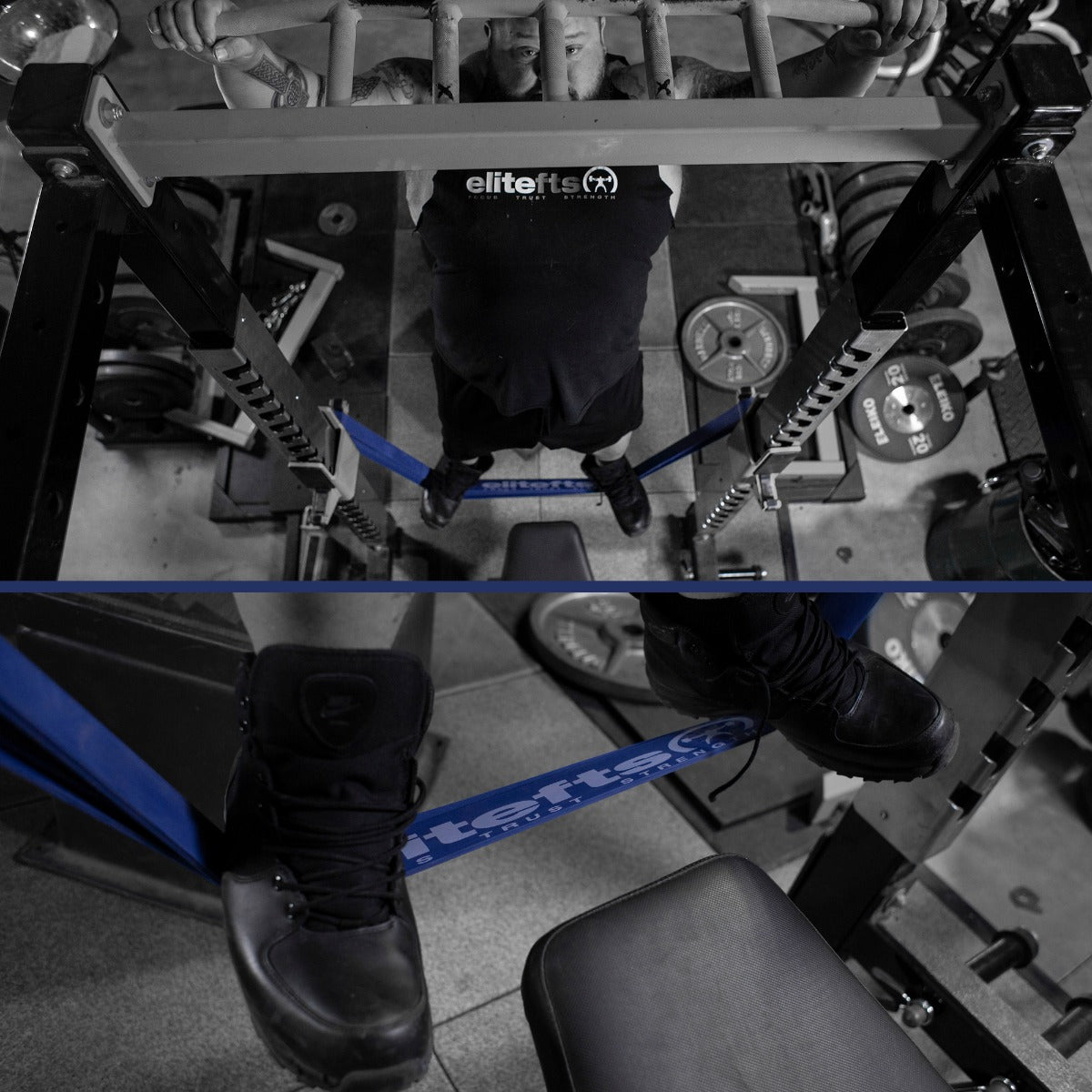
- The Setup: Use J-hooks or a bench as a foot support to get into the starting position.
- The Execution: Jump so the chin is above the bar, then lower as slowly as possible until the arms are straight. This builds the necessary strength for the concentric (upward) phase of the lift.
This method adds intensity by moving from the most difficult version of an exercise to easier versions as the muscles fatigue.
| Level | Intensity | Method |
|---|---|---|
| Level 1 | Highest | Weighted Reps: Perform pull-ups with external weight added. |
| Level 2 | Moderate | Bodyweight Reps: Drop the weight and continue with your own mass. |
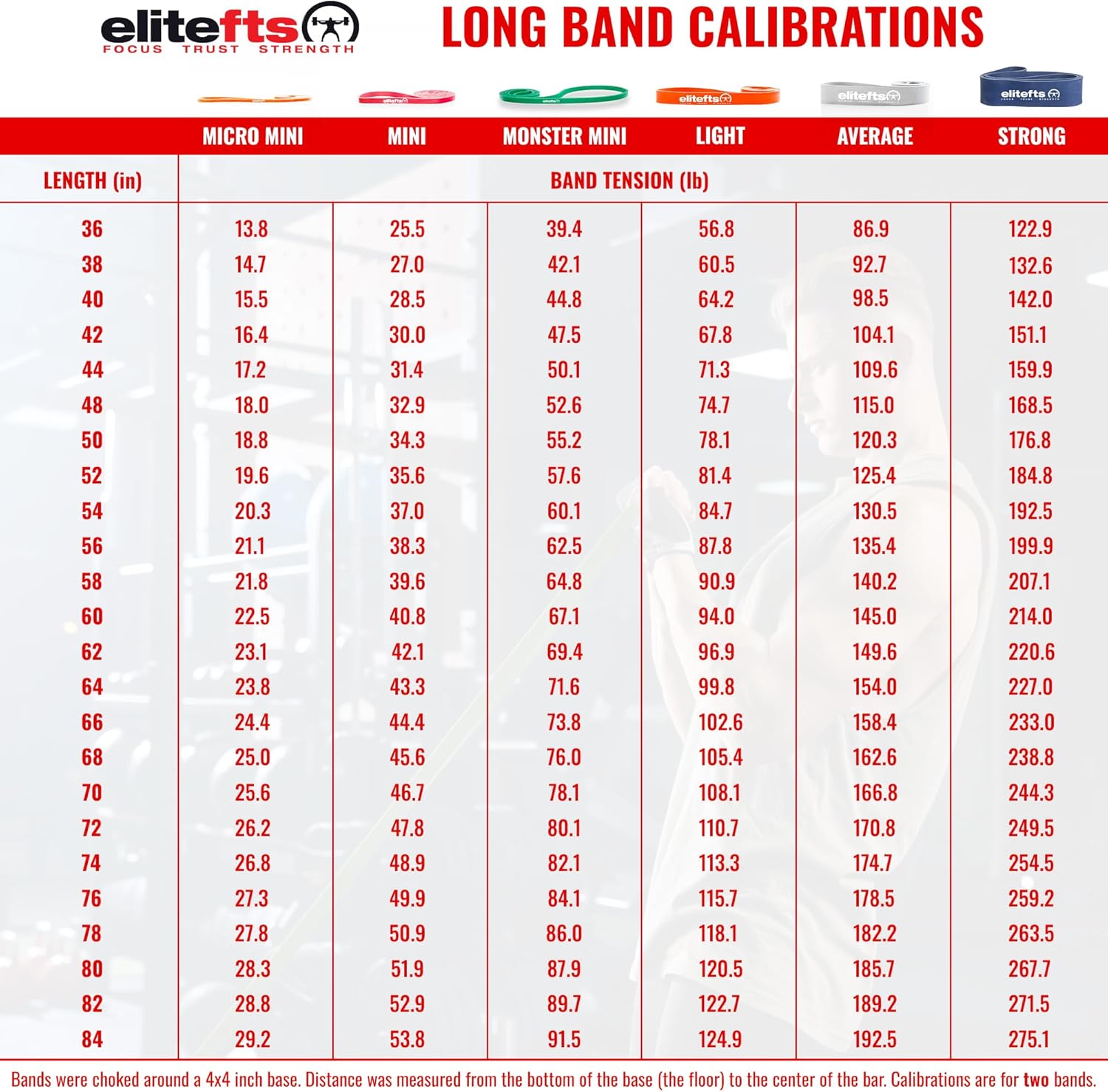
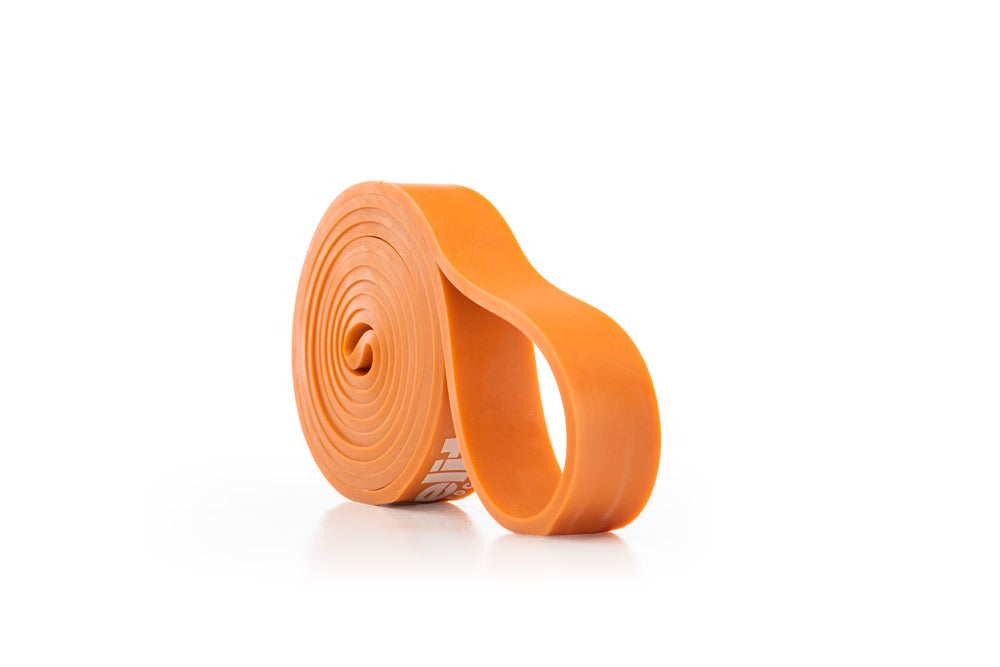
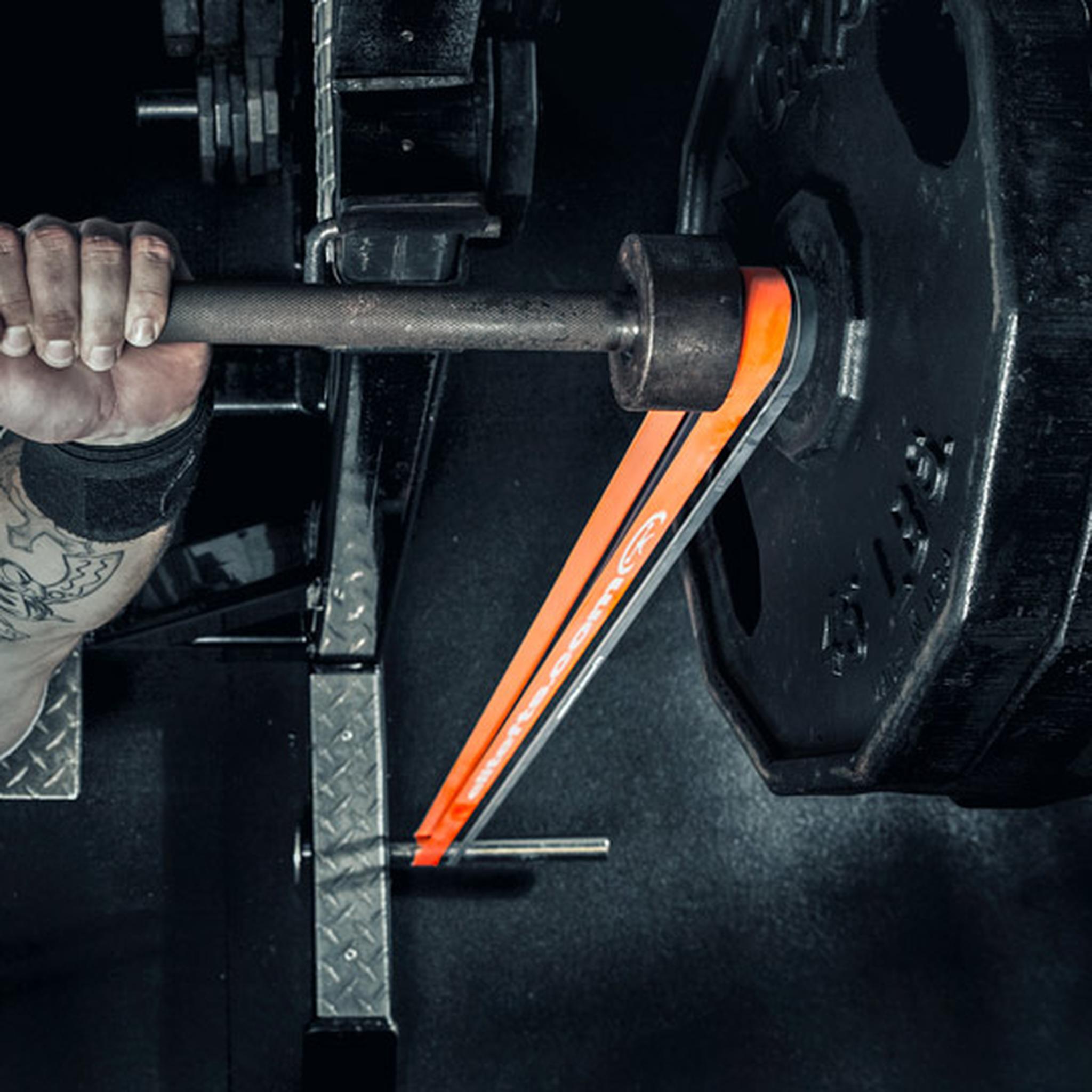
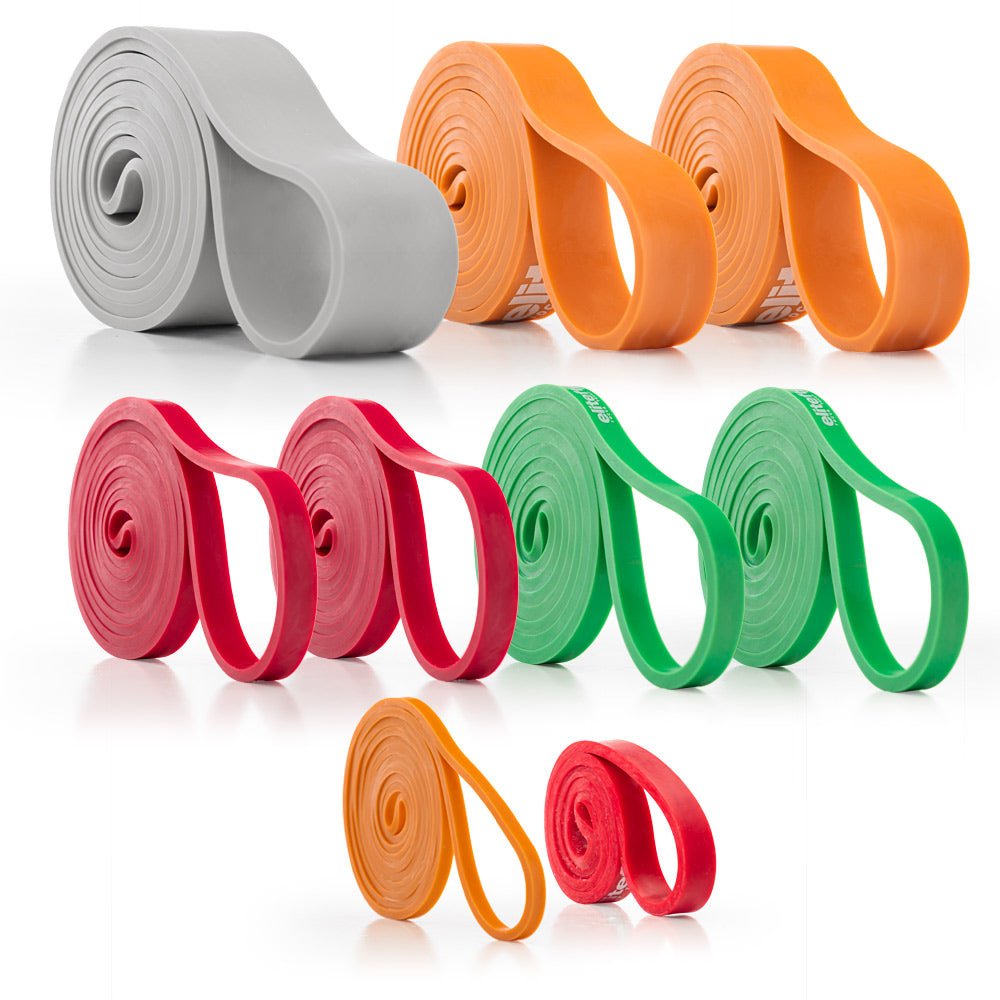
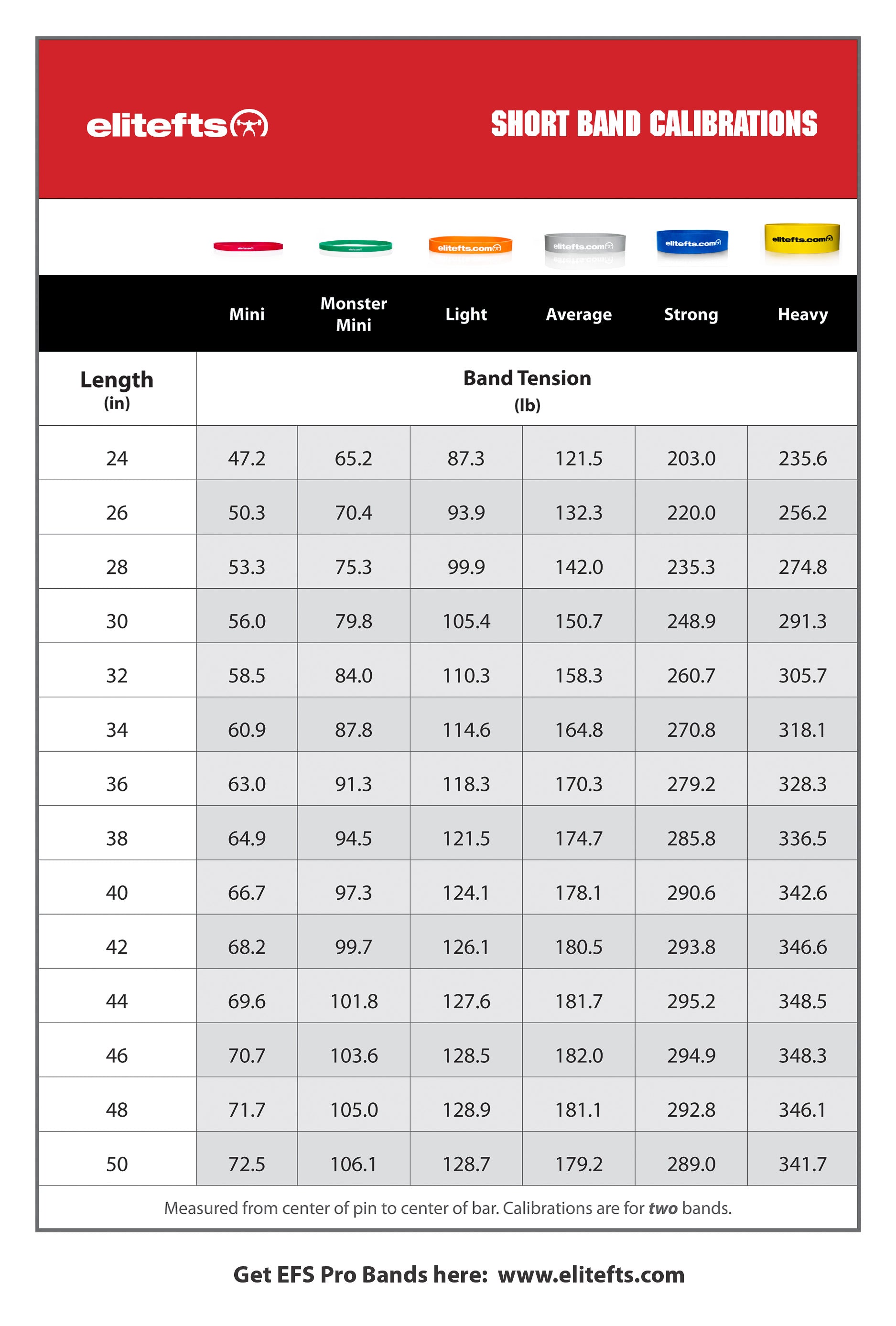
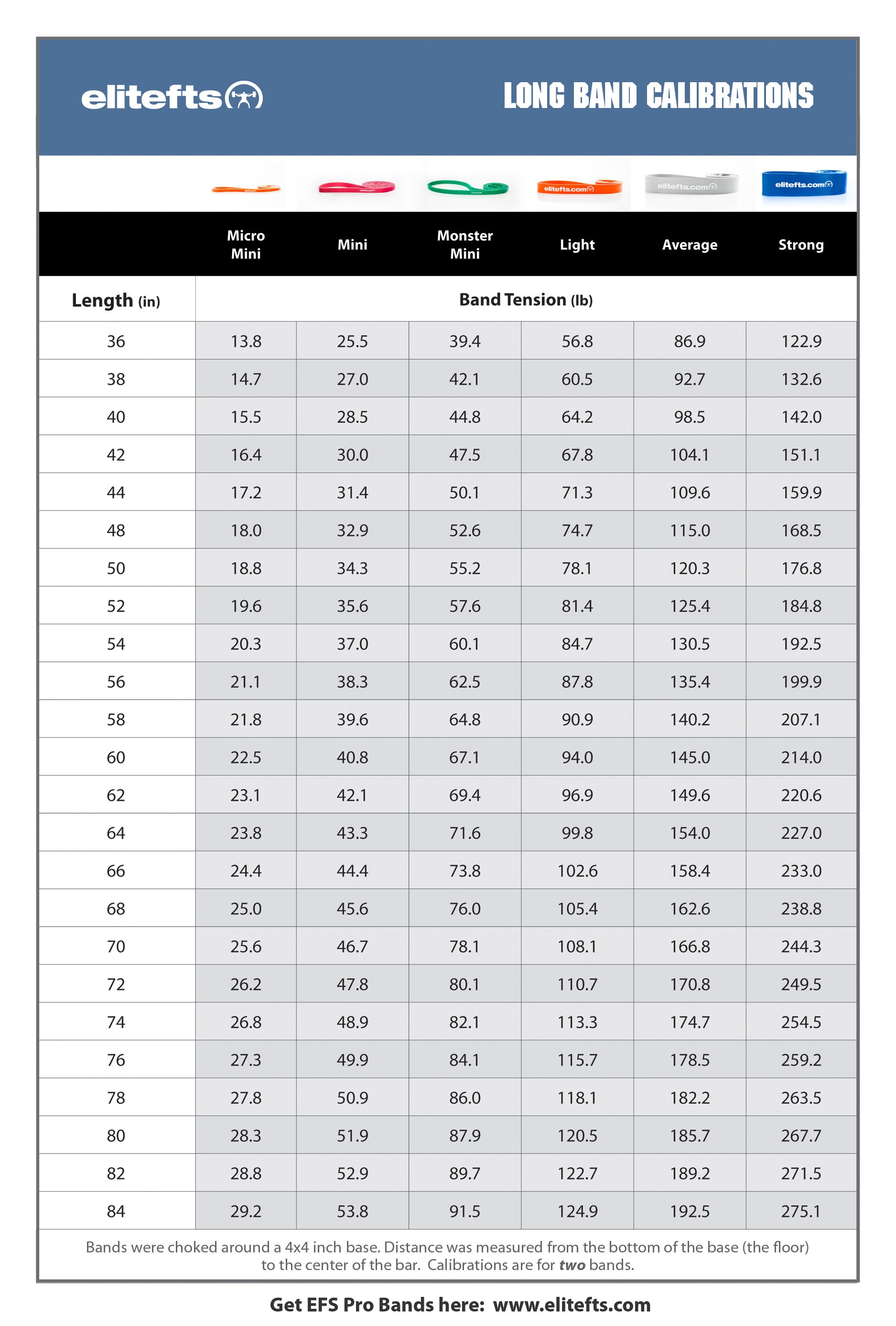
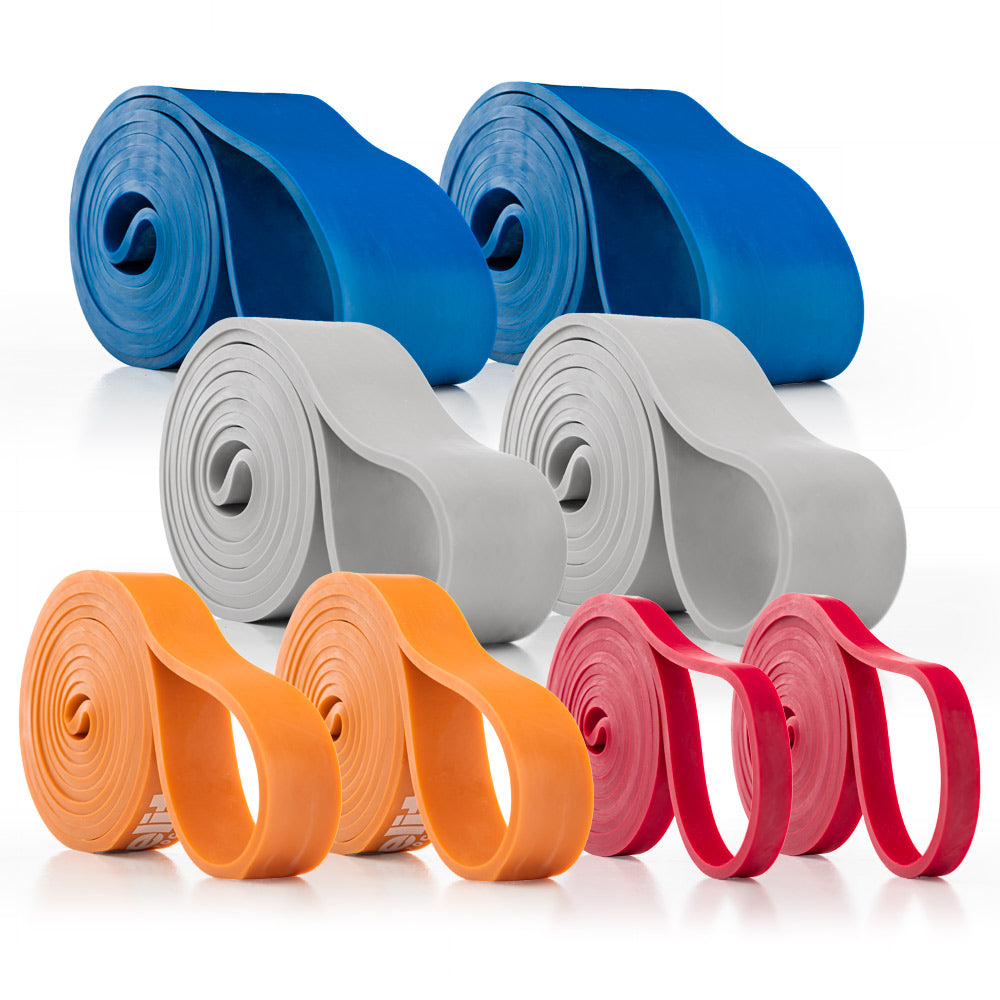
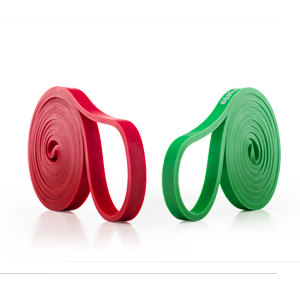
| Level 3 | Assisted | Band Assisted Reps: Use a resistance band to finish the set. |
Before you address the bar, run this mental diagnostic to ensure every rep counts:
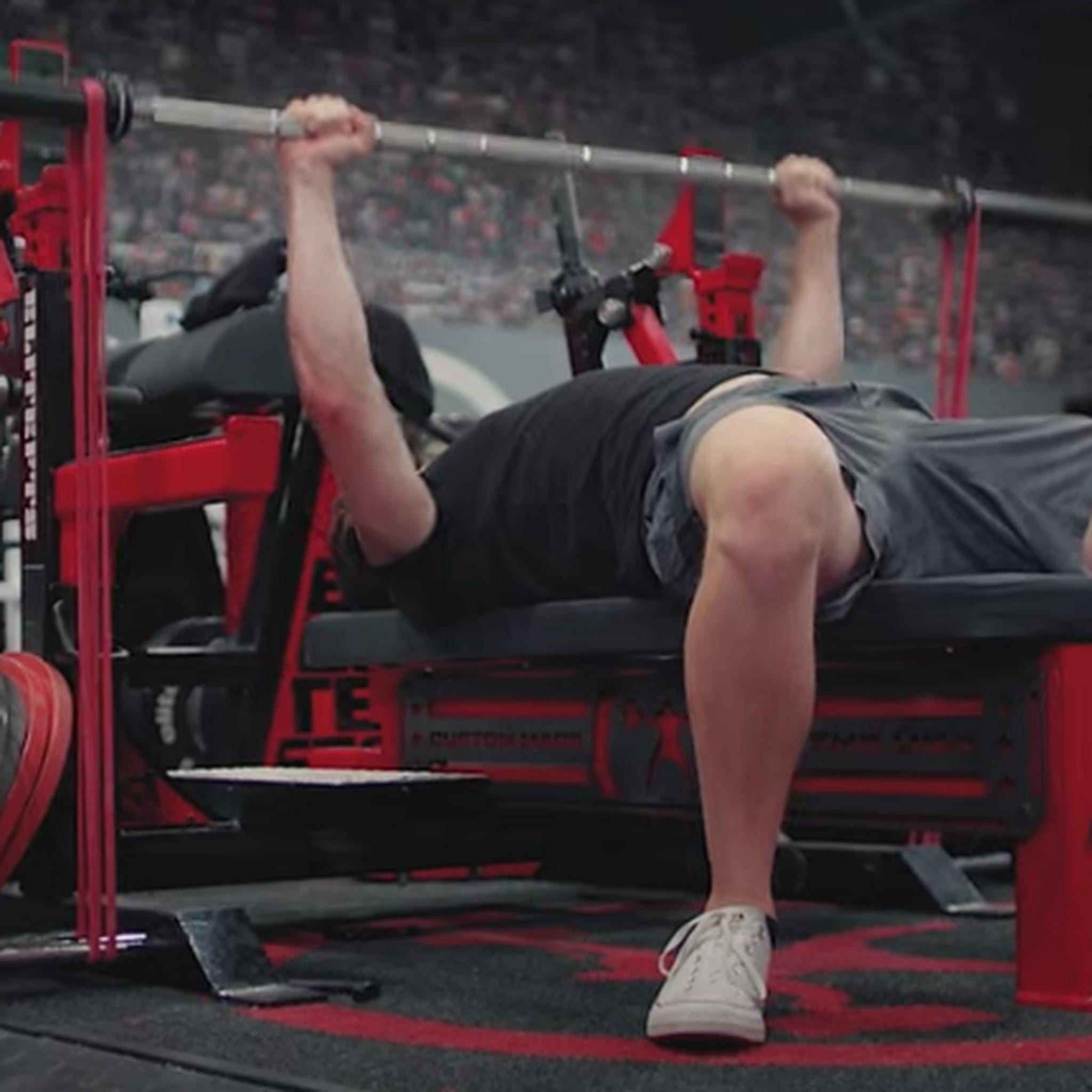
- Check Your Grip: Set your hands a thumb length from the smooth. Go wider only if restricted mobility or size demands it.
- Set Your Base: Feet shoulder-width apart, toes angled out to prevent knee cave.
- Eyes Forward: Fix your gaze on a point ahead to keep your spine neutral.
- The Simultaneous Break: Bend the knees and hips at the exact same time.
- Control the Descent: Lower slowly and keep your heels down (flat foot) and chest up.
- Drive on Command: When you hear "UP," stand with explosive speed.