

The View from the Edge | Meatheads Anonymous
My Name Is Dave Tate and I'm a Meathead
What 49 years on the platform taught one of powerlifting's greatest about the edge, the Red Zone, and finally learning from other people's mistakes
In October 2017, Dave Tate took the stage at the Sports Performance Summit and did something he had never done in nearly three decades of elite lifting: he sat down.
Five weeks prior, surgeons had taken a jigsaw to his femur, sliced off the bone, drilled a hole into the marrow, and hammered in a titanium replacement. He was 50 years old, weighed a bloated 316 pounds, and his head was the size of a balloon.
To the uninitiated, Tate looked like a physical wreck. To the iron game elite, he was a man who had just returned from a self-imposed exile in the Red Zone. He opened his keynote with a confession: "My name is Dave Tate, and I'm a meathead."
The story that followed wasn't just a recount of a "stupid" pursuit of an all-time PR on a ravaged hip. It was a sophisticated deconstruction of what it takes to operate at the absolute limit of human performance, and the surprising wisdom found when you finally stop trying to taste the dirt yourself.
There is a localized tribalism between the clinic and the platform. Most high-level lifters view doctors as clueless and physical therapists as "physical terrorists." Tate argues that this friction exists because the athlete hasn't put in the work to build clinical trust.
Practitioners have licensing boards and professional reputations to protect. They aren't going to support your "stupid" goals the first time they meet you. Sticking needles of saline into your leg or squatting 800 pounds on a failing joint isn't a conversation you earn on day one.
"You have to earn their trust before they're gonna even comprehend or speak to you about stupid shit."
Tate has seen the same physical therapist since 1990 and has maintained a decades-long relationship with his doctor, Eric. By building that longevity, he gained collaborators who understood his meathead psychology and helped him navigate the thin line between a PR and a catastrophe.
If you want to play at the edge, you need a medical team that knows you're crazy, and helps you do it anyway.
High performance is not a switch you flip. It is a transition you condition.
Tate describes the necessity of the "Starting Line," the phase required to prepare the body for the Red Zone. When he transitioned from the high-volume hypertrophy work of John Meadows into a maximal strength phase, he didn't jump into heavy singles immediately. He spent months building an aerobic base first.
For a powerlifter, an aerobic base isn't about cardiovascular health in the traditional sense. It is a physiological requirement to recover from the massive metabolic and CNS demands of maximal intensity.
Without being conditioned for the Starting Line, you cannot handle the Shake Zone.
Tate spent five years limited by a technical tremor. Anything over 600 pounds caused him to shake so violently that the plates could be heard two blocks away. He realized that jumping into high-intensity work without the proper preparatory base meant his nervous system was redlining before he even reached his true potential.

The most profound shift in Tate's late-career performance was the realization that elite output requires a recovery schedule that dwarfs the training session.
Borrowing from Louie Simmons' philosophy, Tate moved toward a grueling 21-hour-per-week recovery cycle. To survive the Red Zone, he performed "mini-workouts" throughout the day, not for vanity, but for blood flow and tissue restoration.
He also applied the principle of Recovery Adaptation: just as the body adapts to a rep scheme, it adapts to a recovery modality. To keep the body responding, he rotated his tools weekly.
- Active Modalities: Sled-dragging, tire walking, and wheelbarrow shrugs.
- Passive Modalities: Percussors, Dolphin Neurostim, and Ultrasound.
If you are a beat-up athlete, recovery is not a luxury. It is a discipline.
If you aren't spending three hours recovering for every hour you spend training, you aren't training at your limit. You're just accumulating damage.
Tate's approach to auto-regulation is far more rigorous than simply "feeling the vibe." He utilizes a three-step protocol for Max-Effort work designed to facilitate one thing: The Strain.
In the Westside system, the goal is to teach the body to strain under maximal load. "Paper programs" that dictate exact weights offer no framework for real-time survival. Tate's hierarchy provides the decision-making logic:
- Evaluate the Choice. During warm-ups at 95 or 135 lbs, ask: Is this the right exercise for today?
- Bail or Switch. If the movement causes joint pain or feels wrong, bail immediately. Switch to a safer alternative, like a belt squat, rather than grinding through a "good morning squat" that will snap a tendon.
- The Side-Step. If you are working up to a PR but bar speed tells you the single isn't there, don't miss the lift. Side-step the goal and break a record for a triple instead.
The objective is to find a way to strain safely. If you can't find the strain on a specific lift, change the lift until you do.
Reaching the elite level requires a dual-track social support system. You need people who will walk you to the cliff, and people who will stop you from jumping off it.
- The Enablers: These are the people who support you in the Red Zone. When Tate was duct-taping his hip, groin, and forearms together just to hold his frame in place, his enablers were there to beat the pain out of him so he could get back under the bar. They provide the accountability to push through watery-eyed, red-faced pain.
- The Realists: These are the people who call out your bullshit. When Tate showed up to the gym at 316 lbs, bloated and inflamed, his doctor Eric was the one to tell him he was self-destructing.
During one tension-filled parking lot encounter, the late John Meadows bridged the gap between the two, quoting Rocky to Eric in defense of Tate's obsession: "Dave's got something in the basement. It's in the basement, Eric!"
You need the enabler to find what's in the basement. But you need the realist to ensure there's a house left standing above it.
The most paradoxical moment of Tate's journey occurred weeks before his surgery. He had lost 25 pounds of bloat, hadn't squatted heavily in a month, and was focusing on "stupid bodybuilding crap."
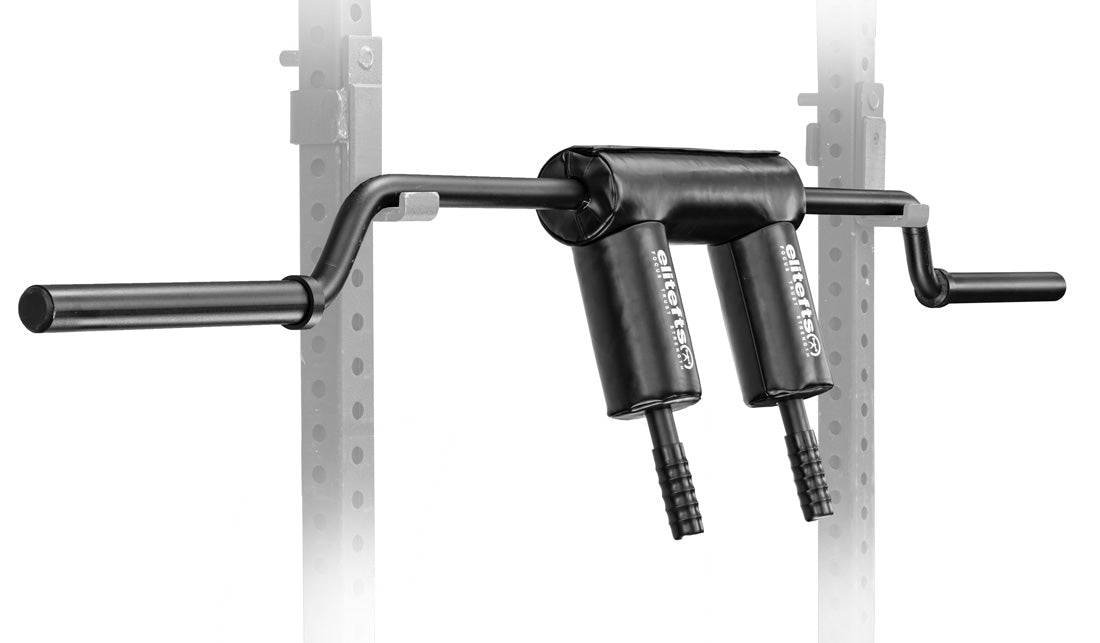
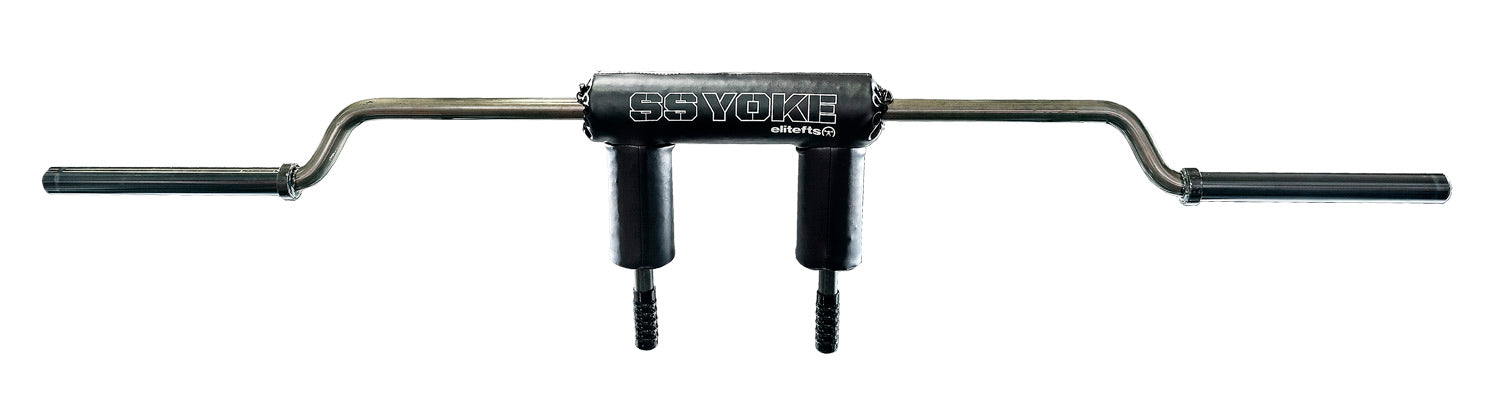
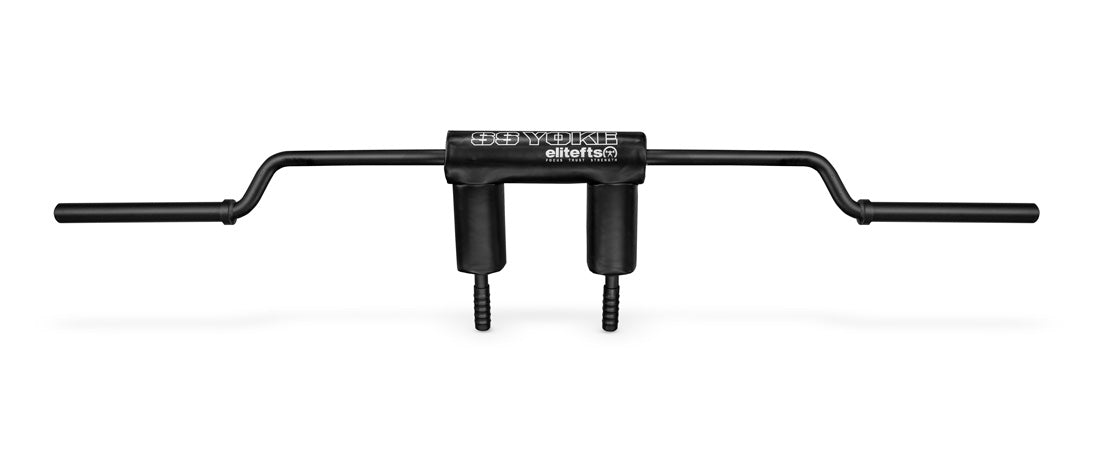
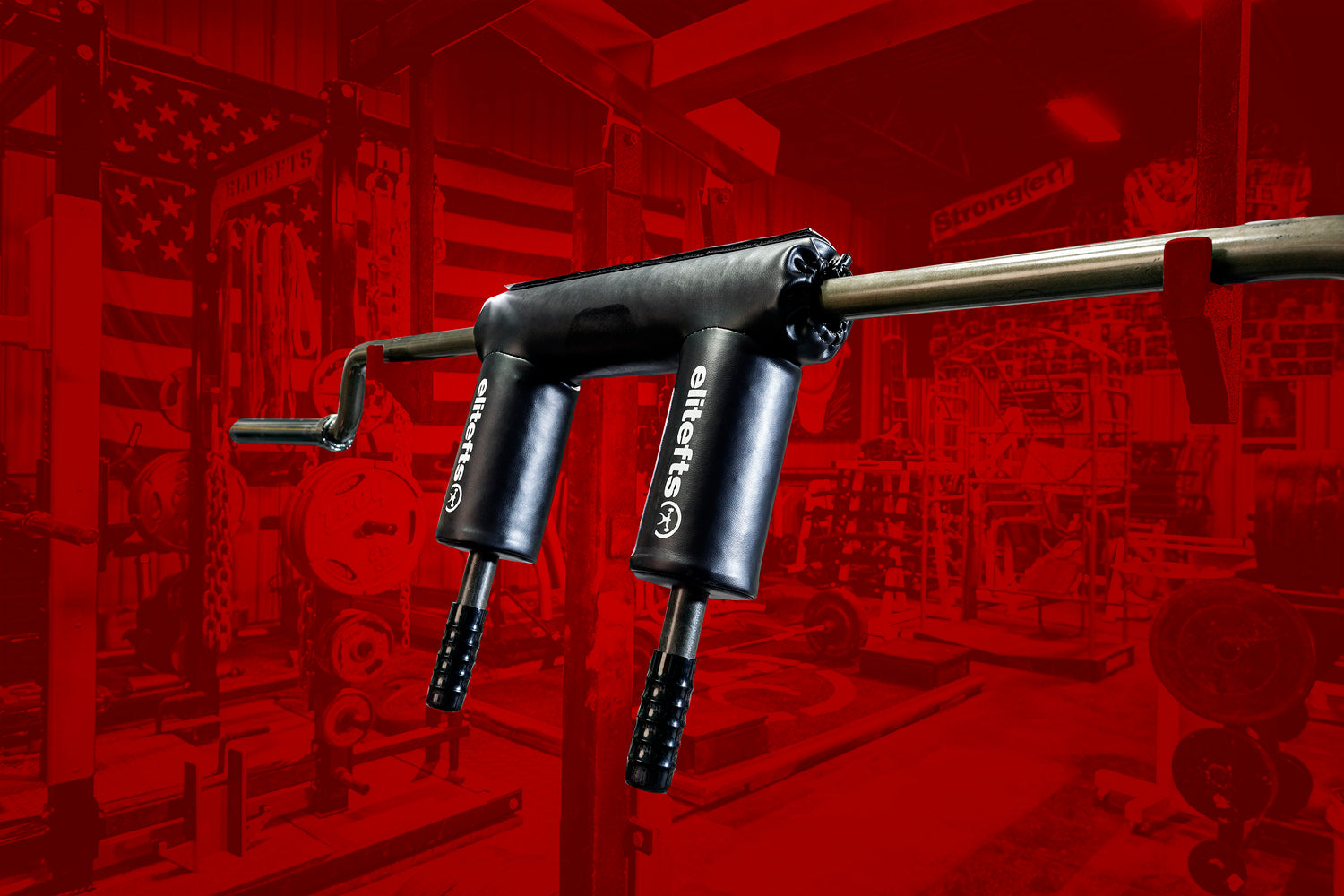
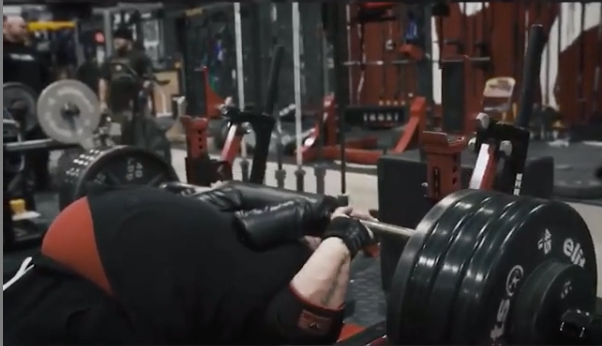
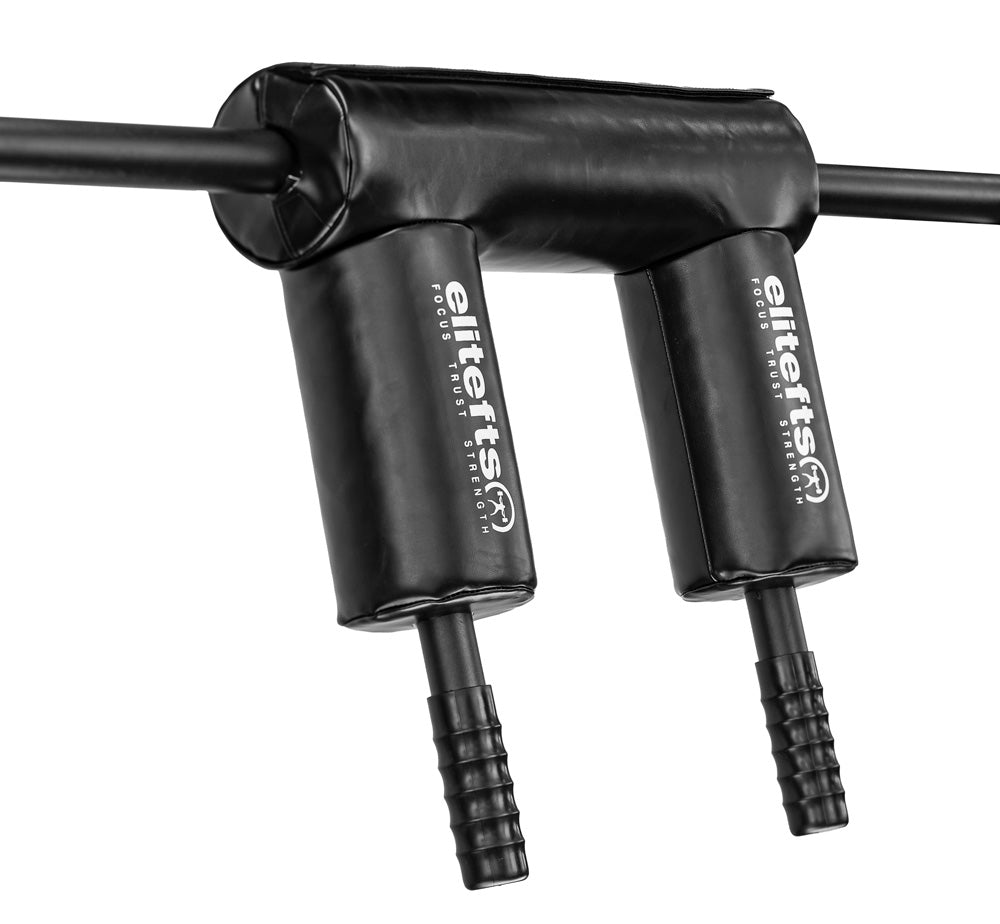
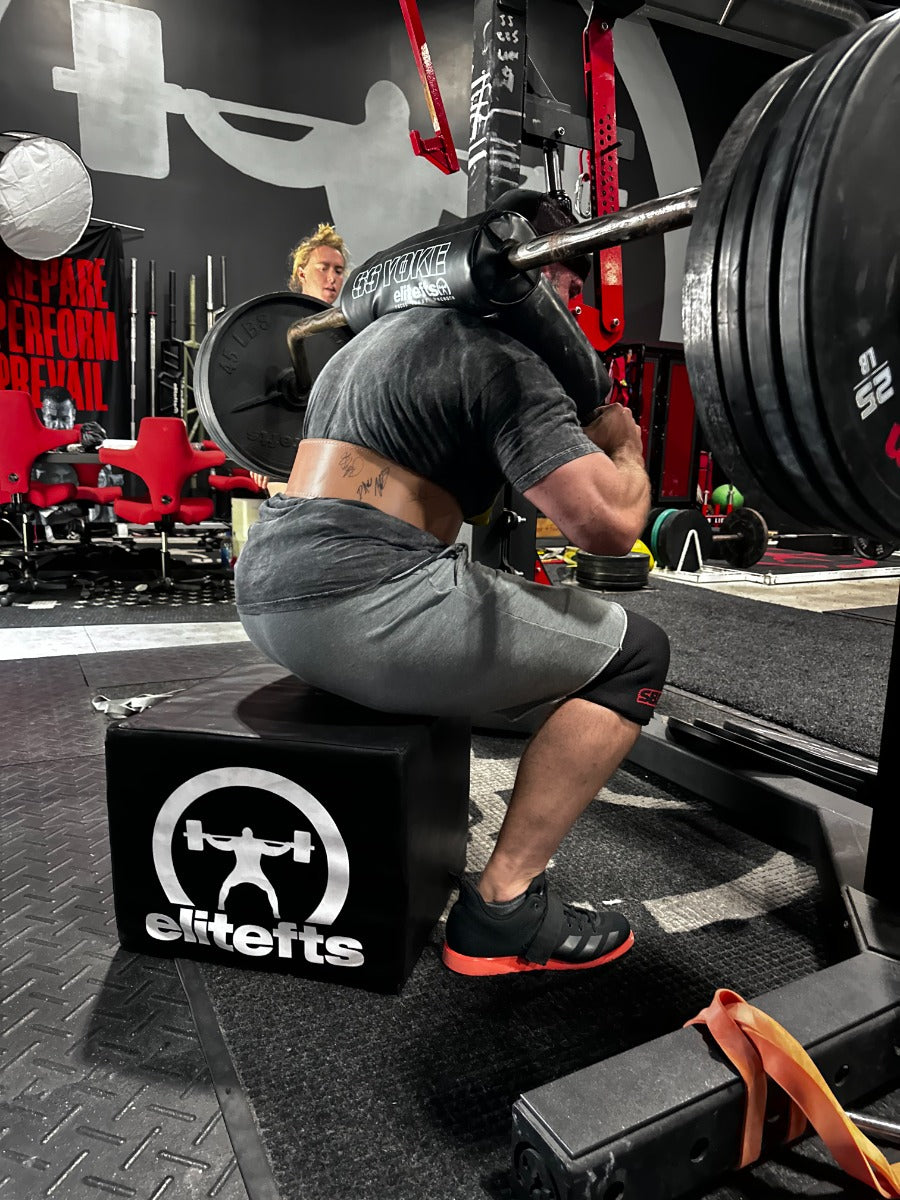
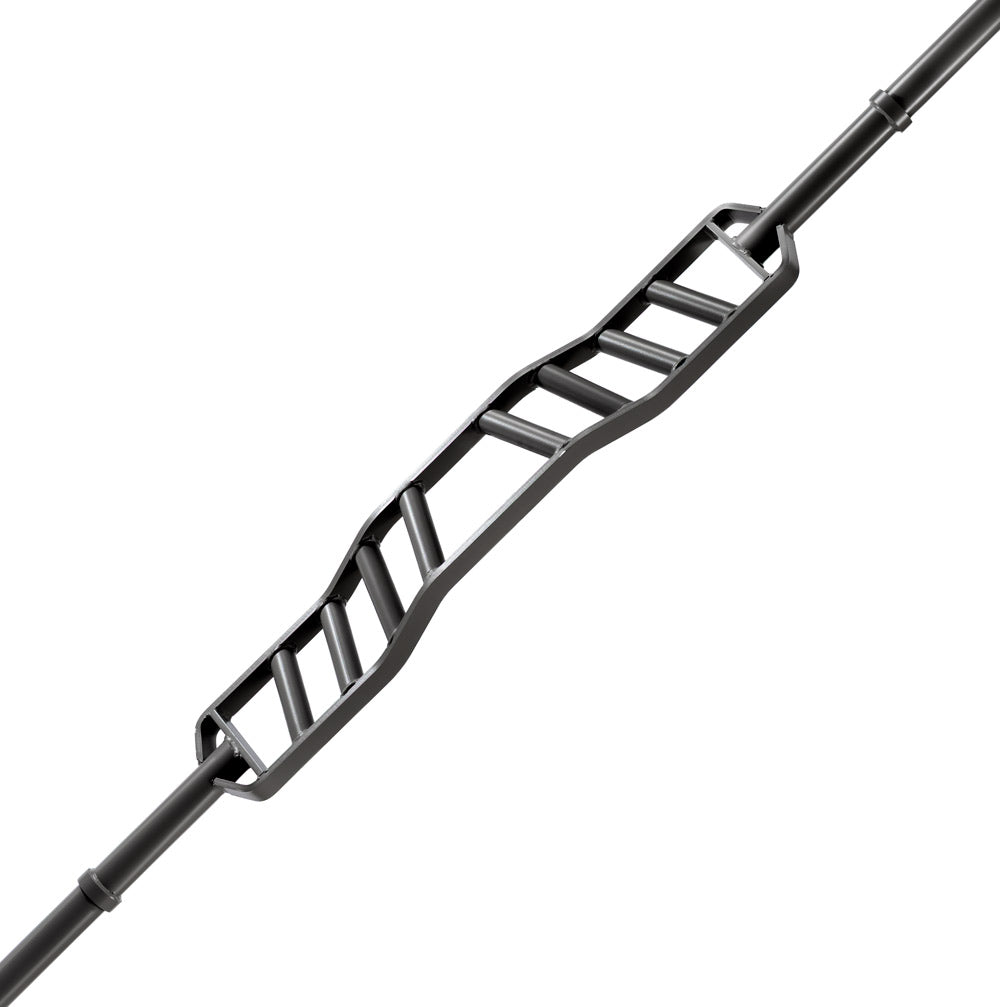
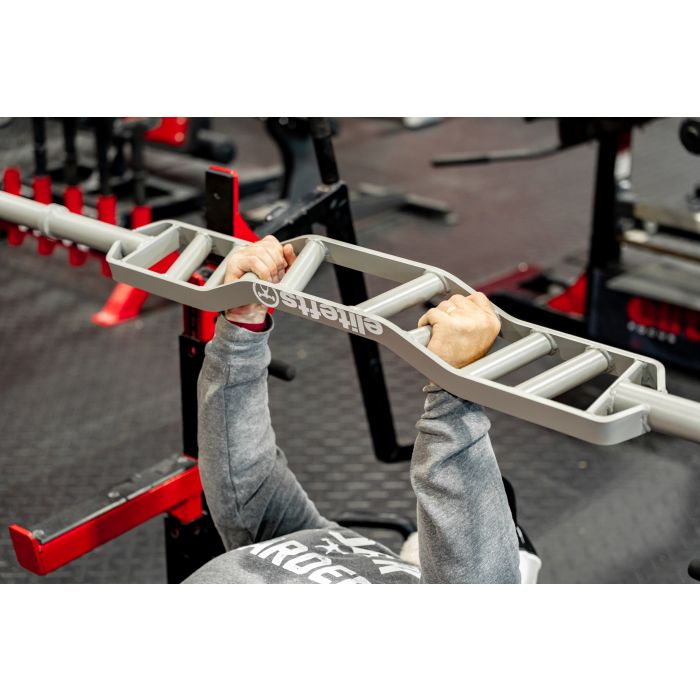
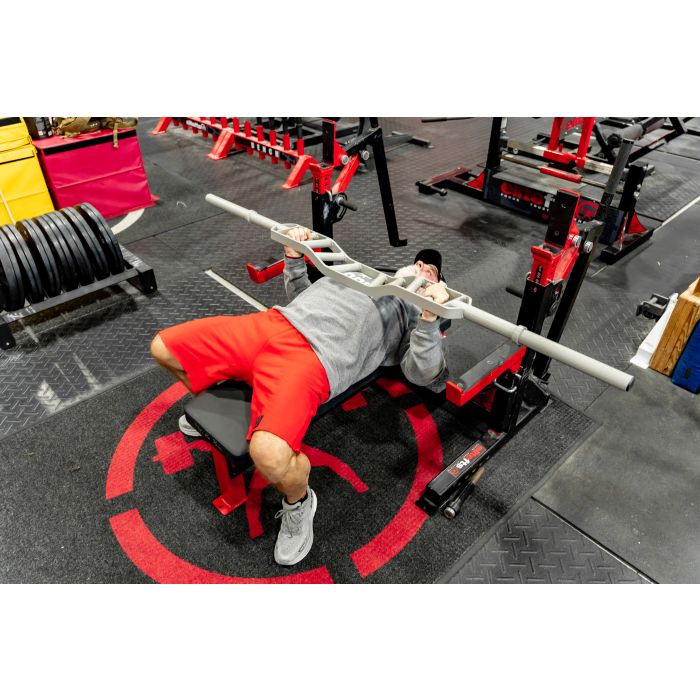
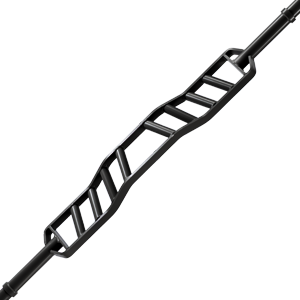
Then he stepped under a spider bar and broke his all-time PR by 50 pounds.
This wasn't the result of a perfect peak. It was the result of The Kamikaze Mindset.
Because his surgery was already scheduled, Tate had reached a state of total surrender. He was in so much chronic pain that he actually preferred the idea of his leg snapping under the weight. It would just mean surgery happened a day early.
By accepting the worst-case scenario, he eliminated all performance anxiety. "I eliminated every bit of fear... breaking it would have been better in my mind."
This total psychological surrender unlocked untapped reserves. When you stop reserving yourself for a specific day and accept the outcome, whatever it may be, the body is capable of moving weights that shouldn't be physiologically possible.
After 49 years of bleeding for the iron game, Tate received a text from his doctor that distilled his entire career into a single sentence:
"You're finally starting to learn from other people's mistakes."
Tate admits that for most of his life, he was the guy who, if told something tasted like dirt, would insist on tasting it himself just to confirm. He was the guy who would smell the stink palm just to verify the scent.
True wisdom in high performance is the transition from experiencing every mistake firsthand to relying on the distilled experience of those who have already made them. The experts, the coaches, the veterans aren't just sharing successes. They are handing you a map around the pitfalls they've already fallen into.
The question is whether you're finally ready to read it.

Watch the Full Keynote