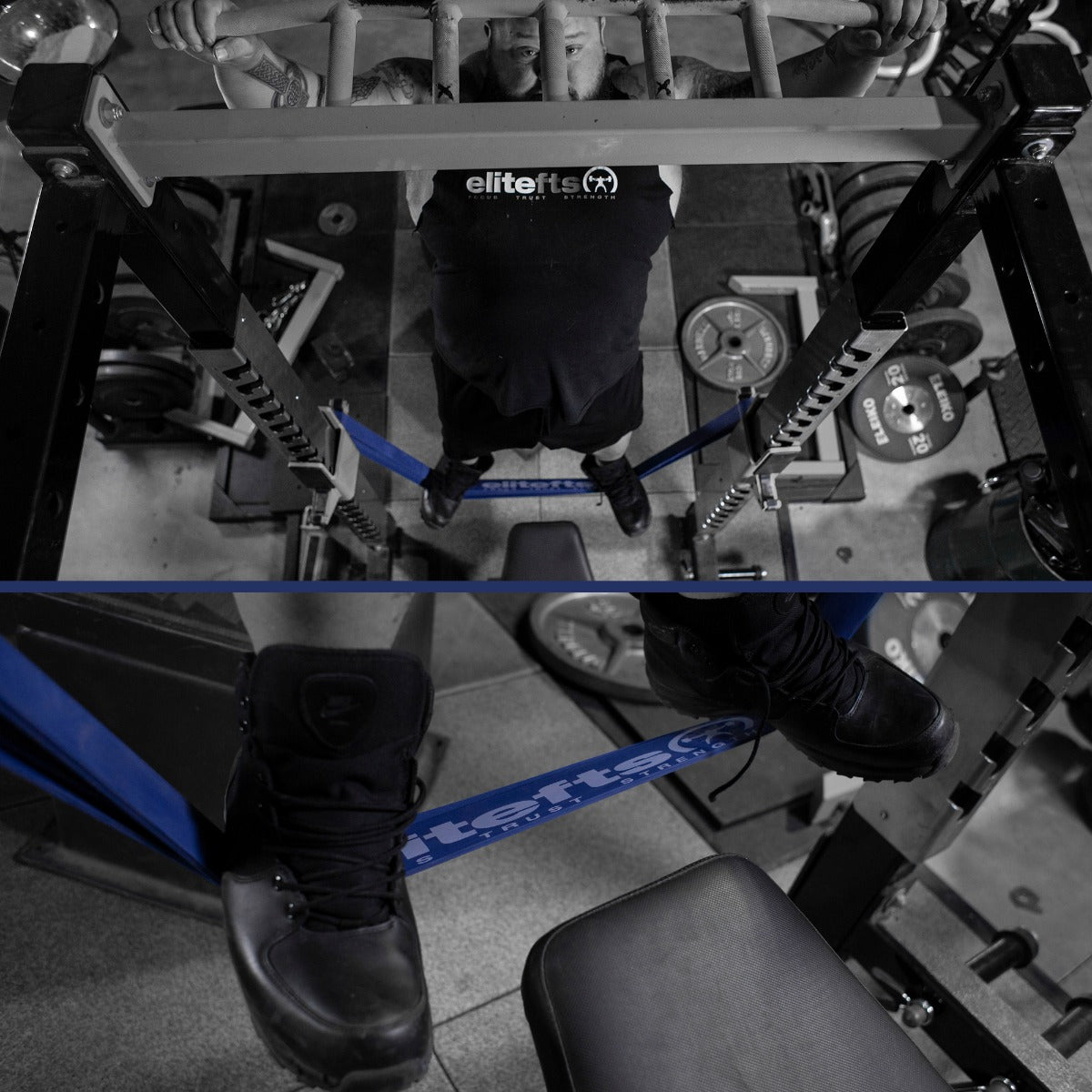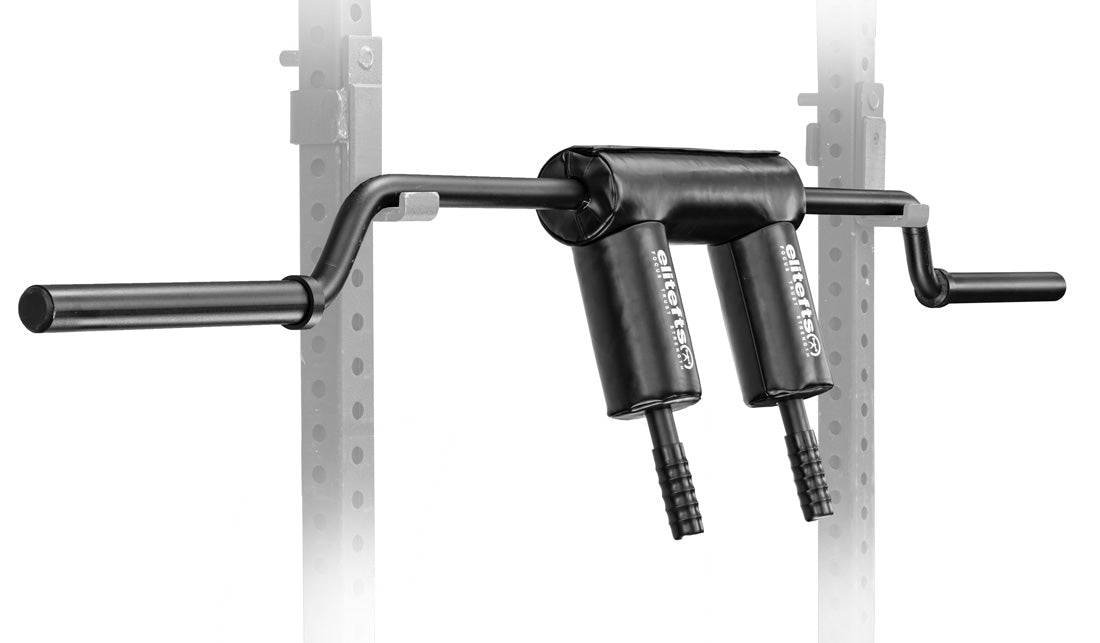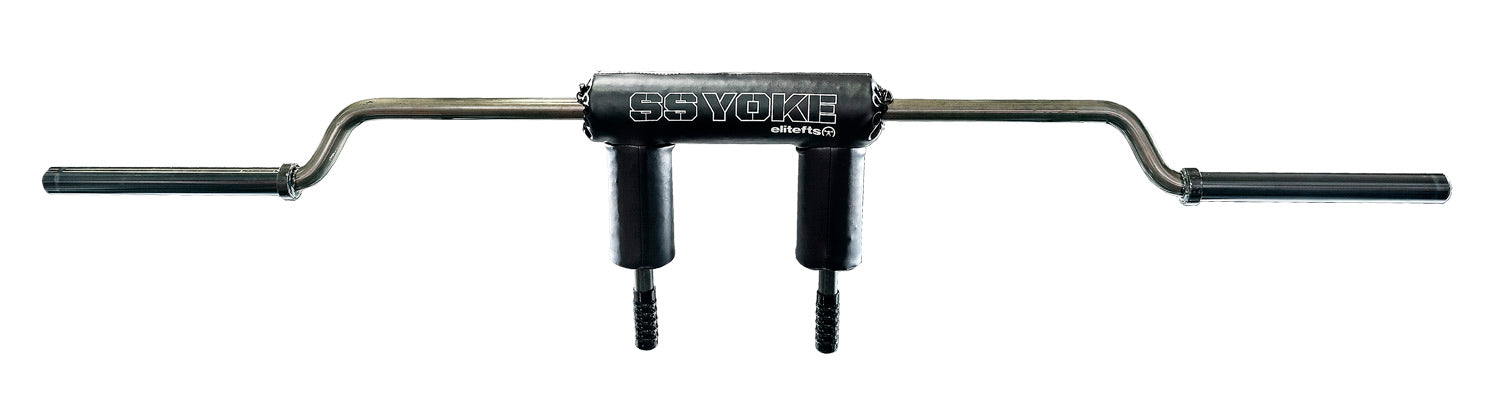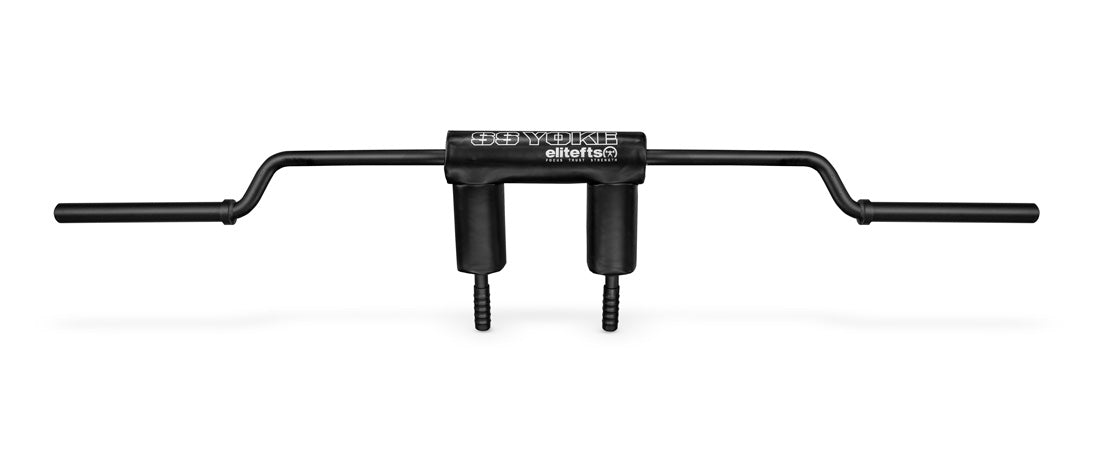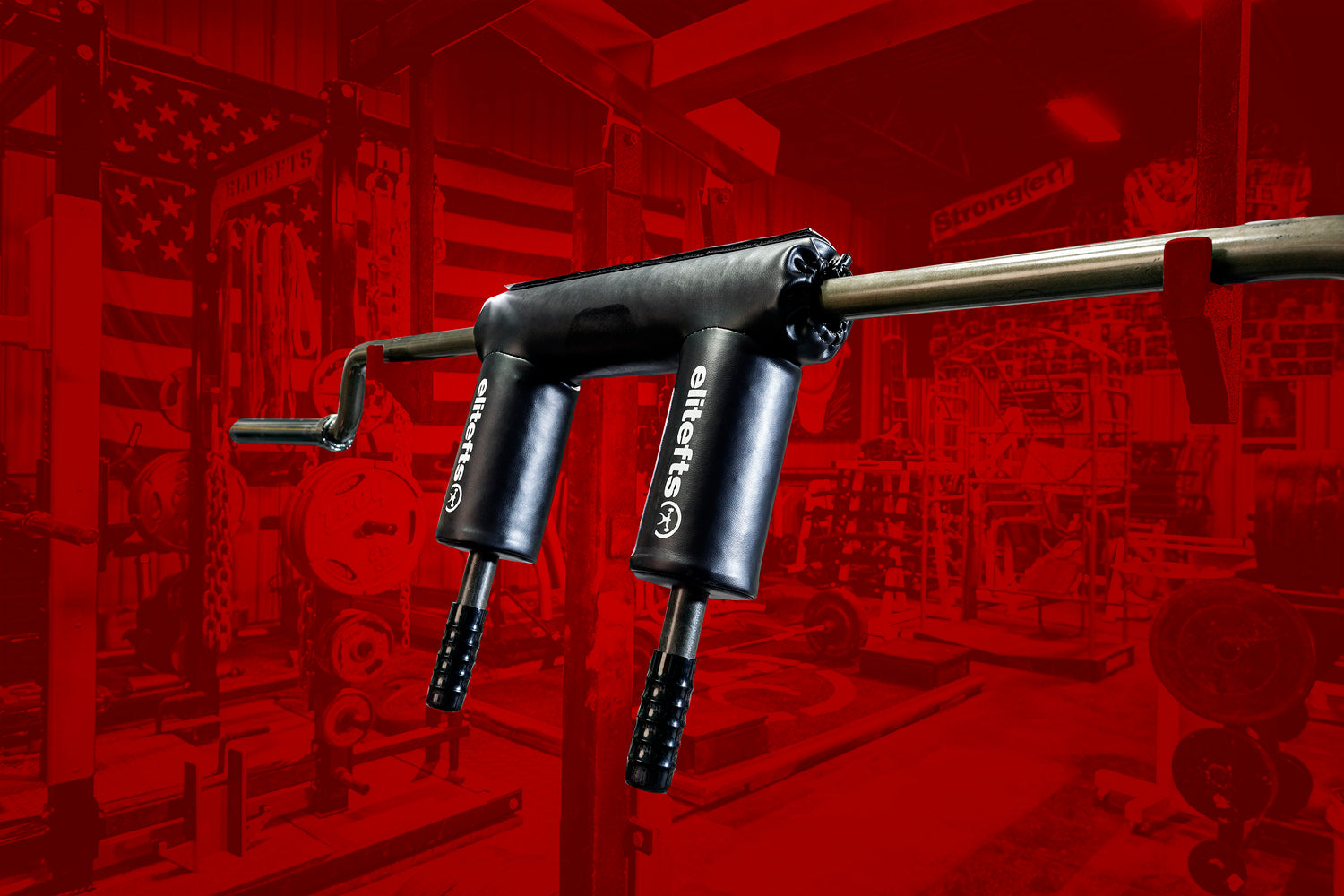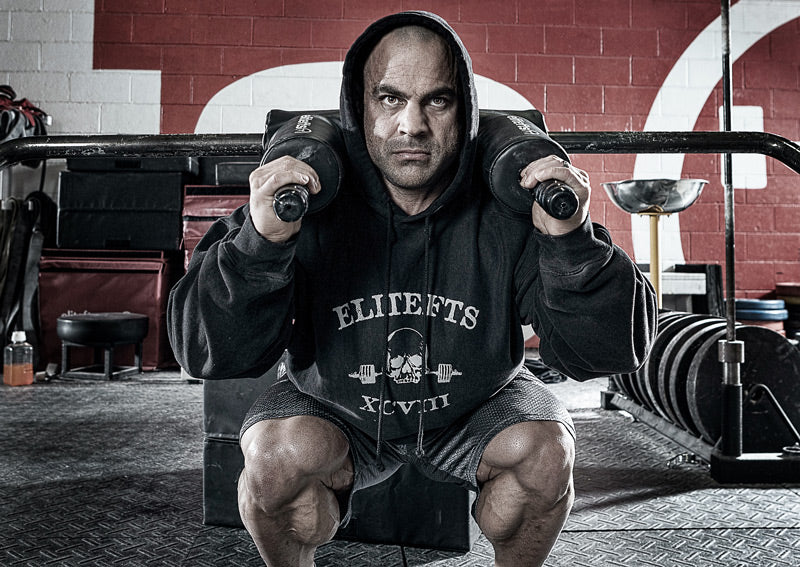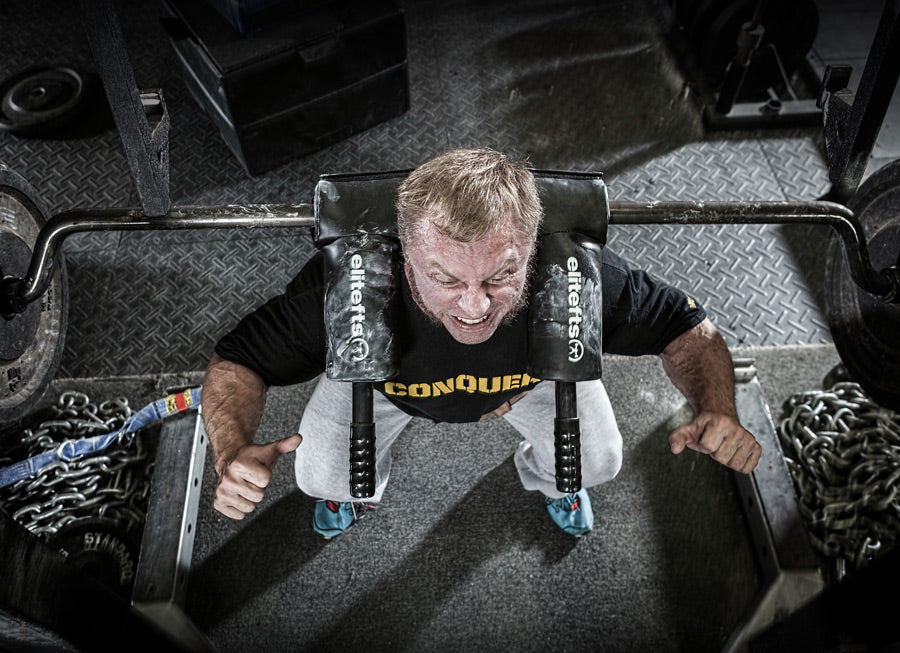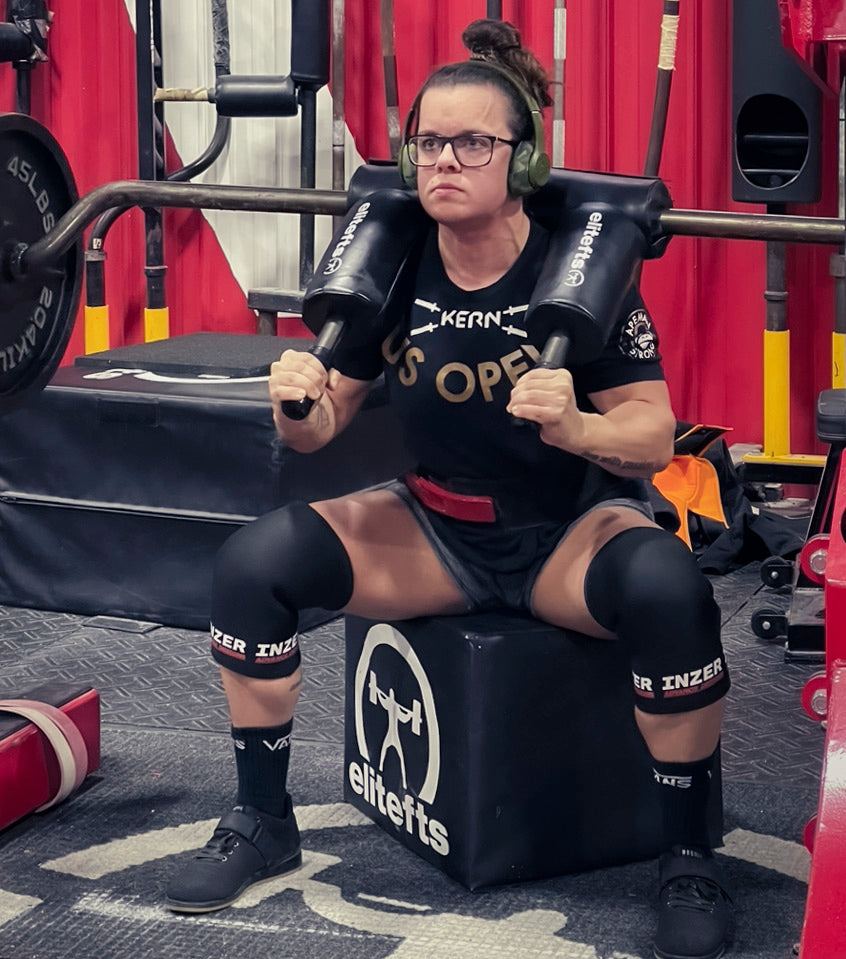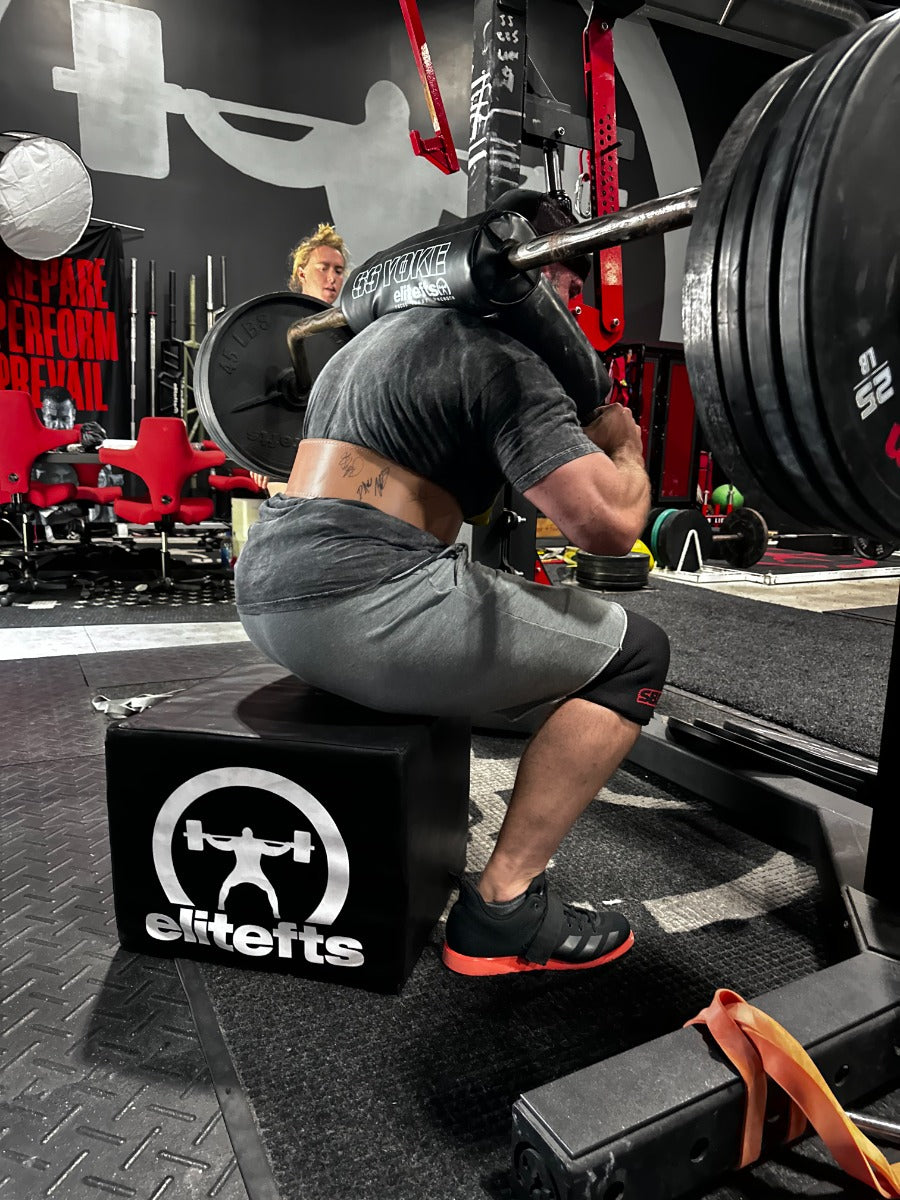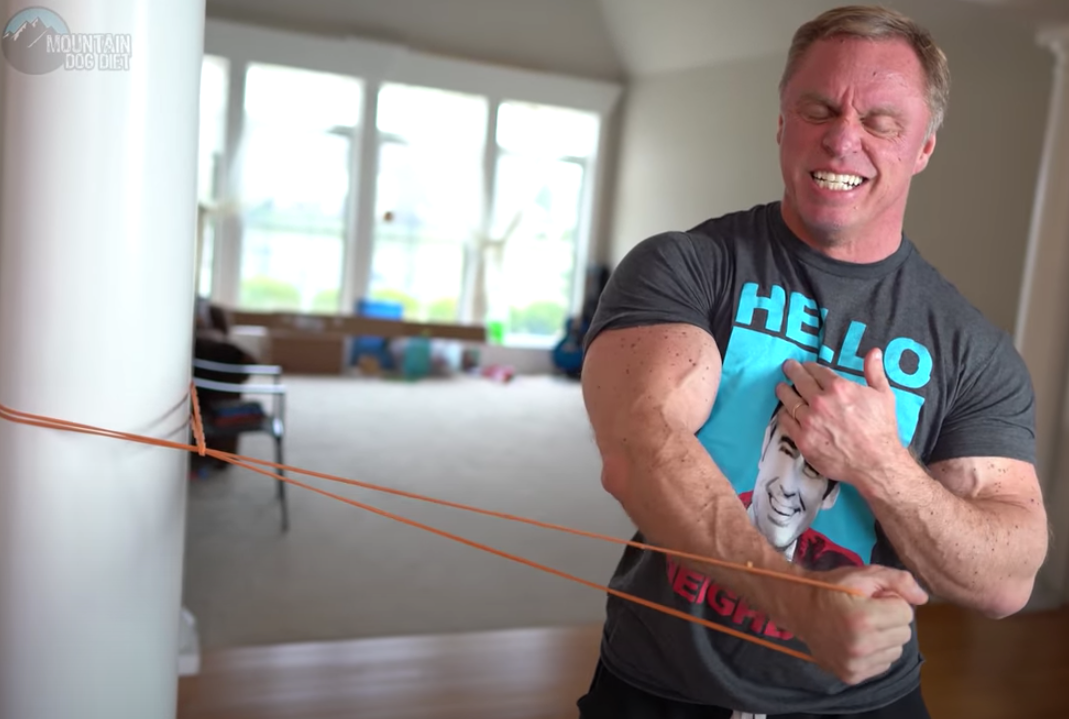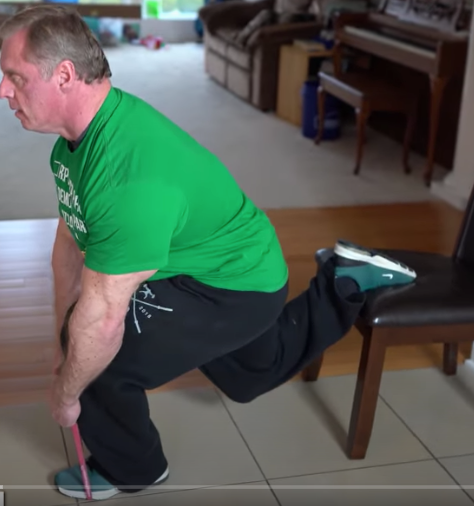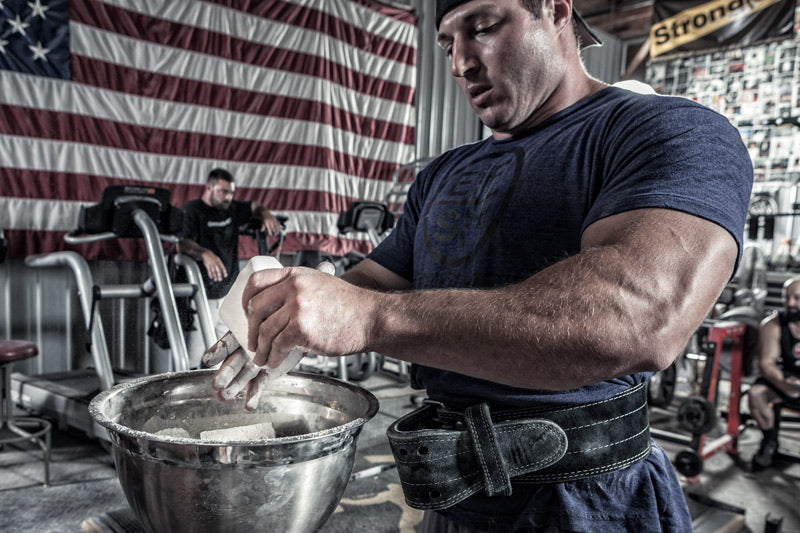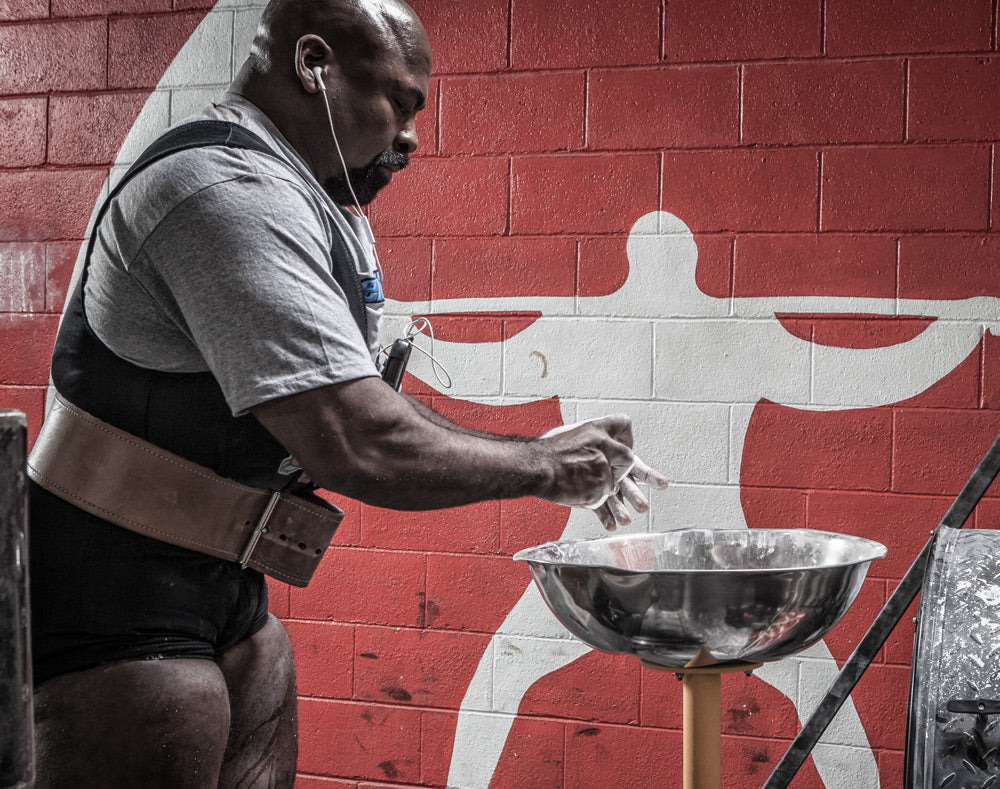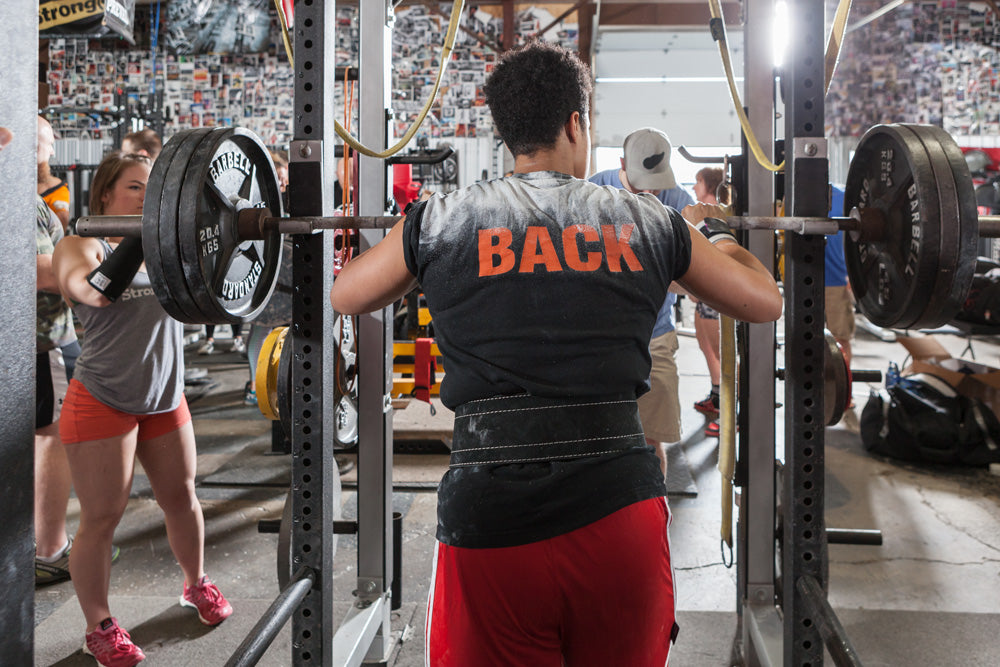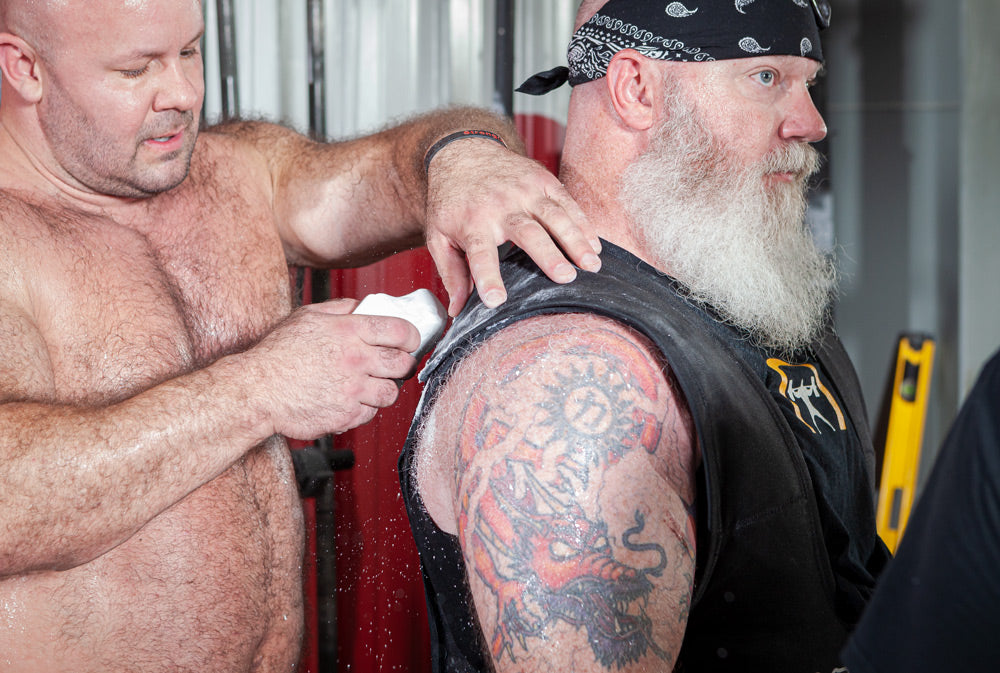
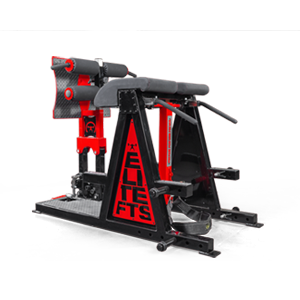


Eric Bugenhagen is huffing a mentholated peppermint oil stick like his life depends on it, trying to keep his consciousness from slipping through the cracks of a skyrocketing blood pressure spike. Beside him, Joey Szatmary is staring at a hack squat machine with the kind of Thousand-Yard Stare usually reserved for shipwreck survivors. Both men are sporting surgically repaired legs—a torn quad and a torn patellar tendon, respectively—and yet they’ve come to the chalk-dusted sanctuary of EliteFTS to attempt the unthinkable: a high-volume, Tom Platz-inspired leg session.
To the clinical observer, this looks like a fast track back to the operating table. To the strength culture initiate, it is a Tuesday. But this wasn’t just a display of "meathead" bravado. Under the watchful eye of Dave Tate, the session transformed from a potential catastrophe into a masterclass in training around wreckage. It was ninety minutes of volitional suffering that redefined where the "red zone" actually begins.
Here are four hard-earned lessons from the razor’s edge.
High Stimulus Doesn't Require High Leverage
When your tendons have been stitched back together by a surgeon, the standard "shut up and squat" advice is a death sentence. Dave Tate’s approach to injury management begins with a blunt philosophical axiom: Step one is "Don't be a bitch." But step two is where the science takes over.
Tate’s methodology centers on the distinction between stimulus—the signal required for hypertrophy—and damaging leverage, the joint position at which the injury is most vulnerable to structural failure. For both Eric and Joey, that danger zone is the extreme "bottom" of the squat where the tension on the patellar and quad tendons is highest.
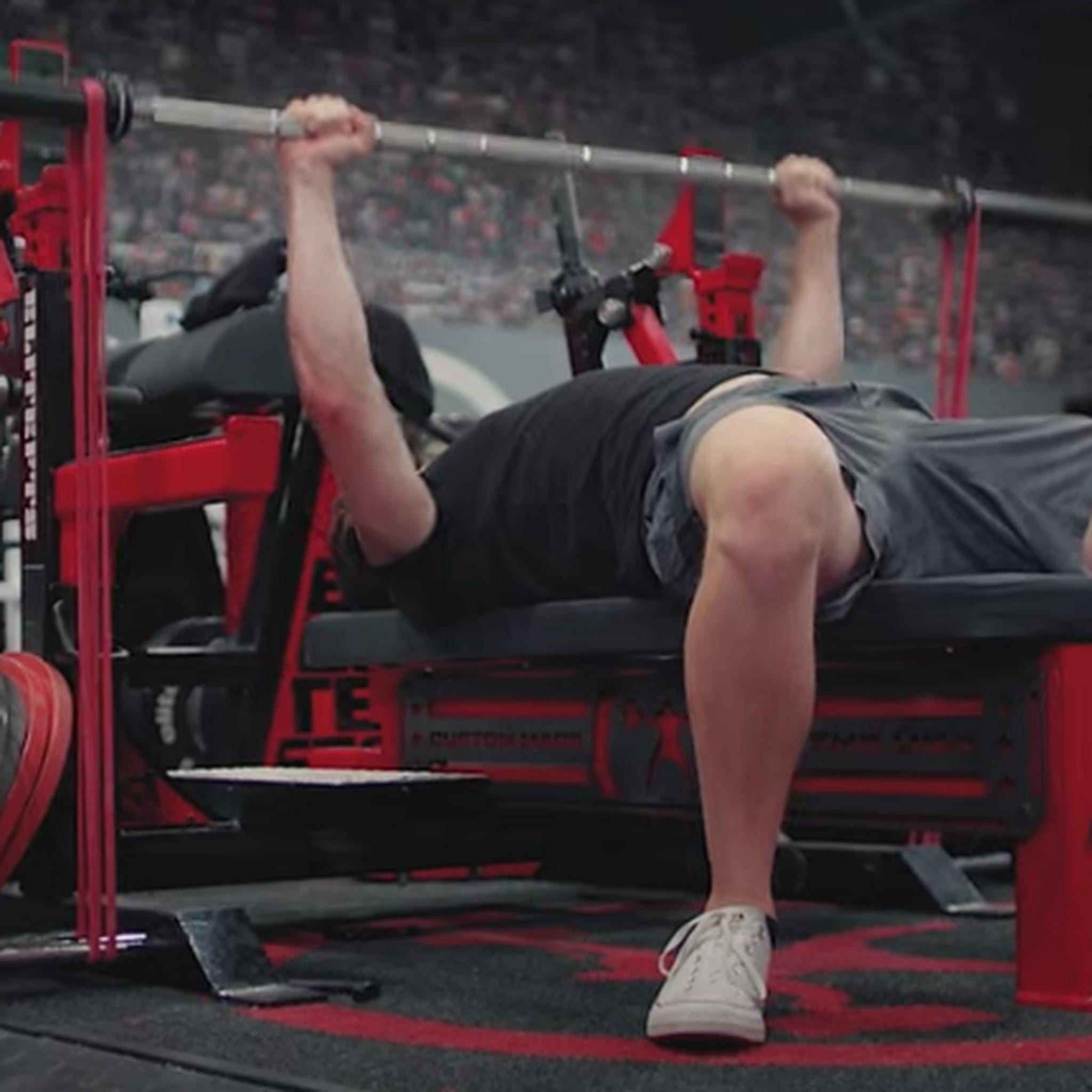
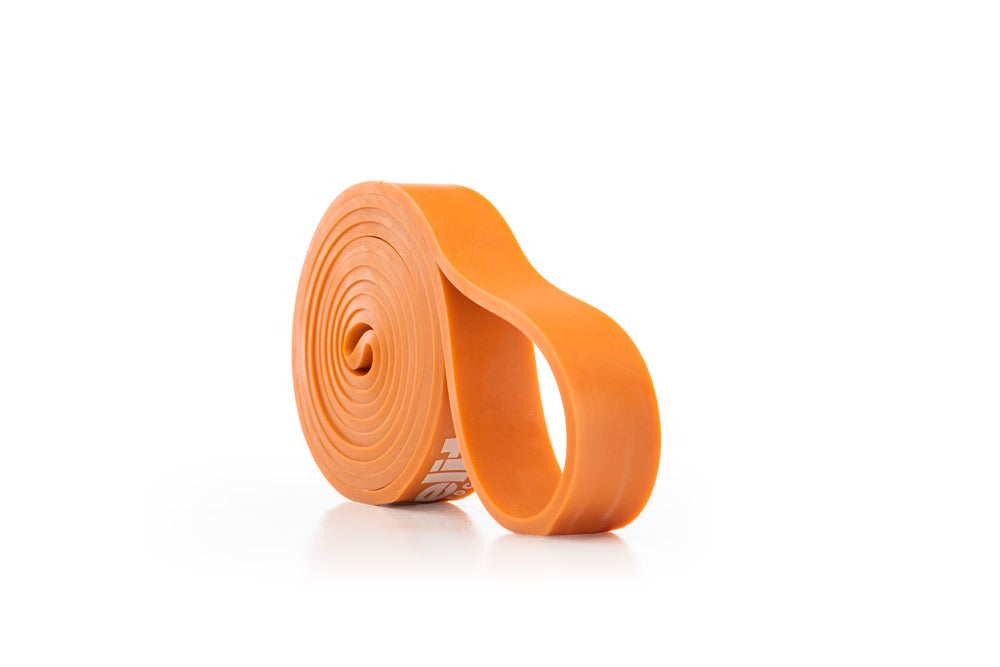
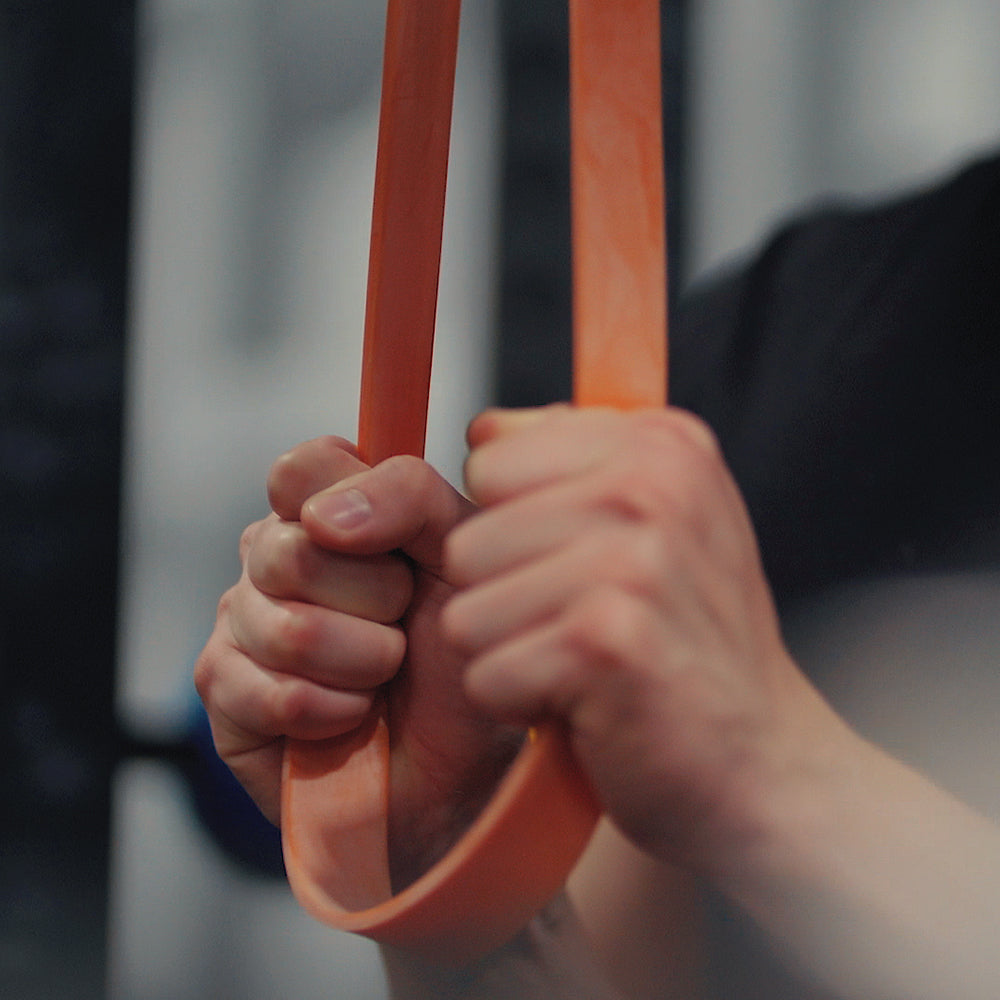
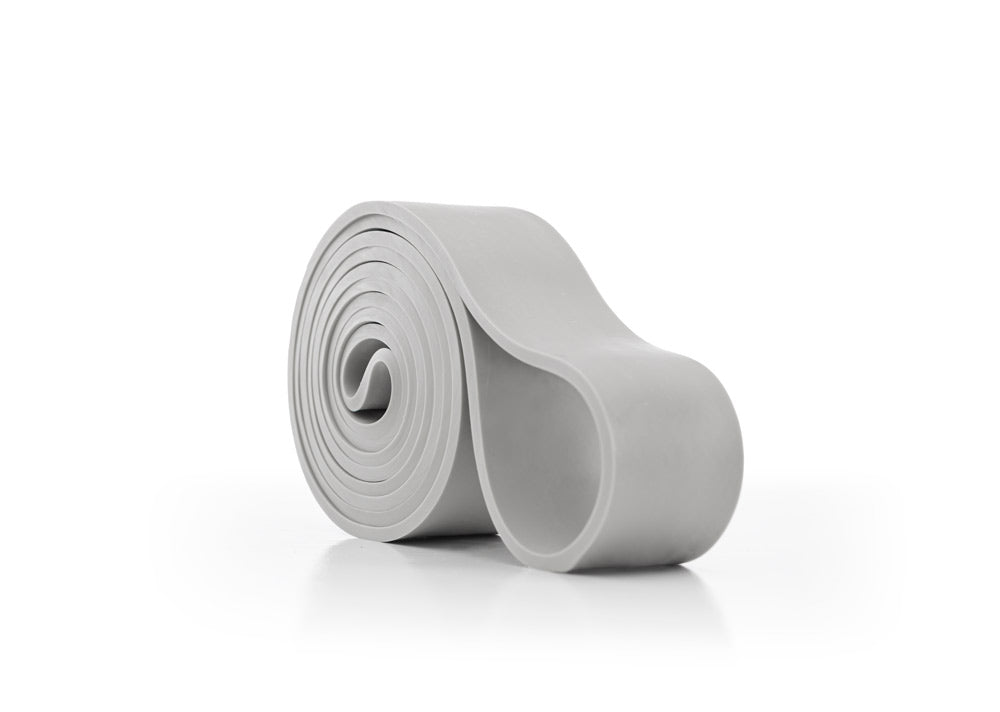
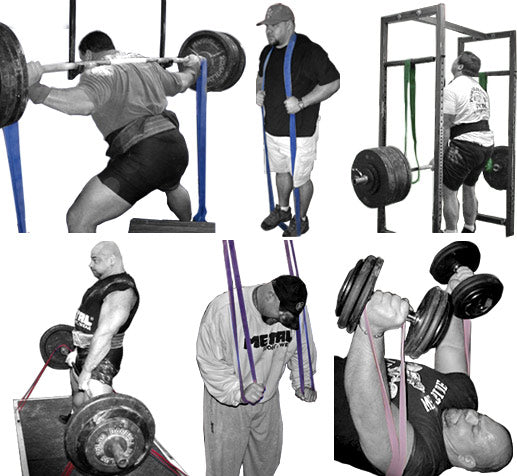
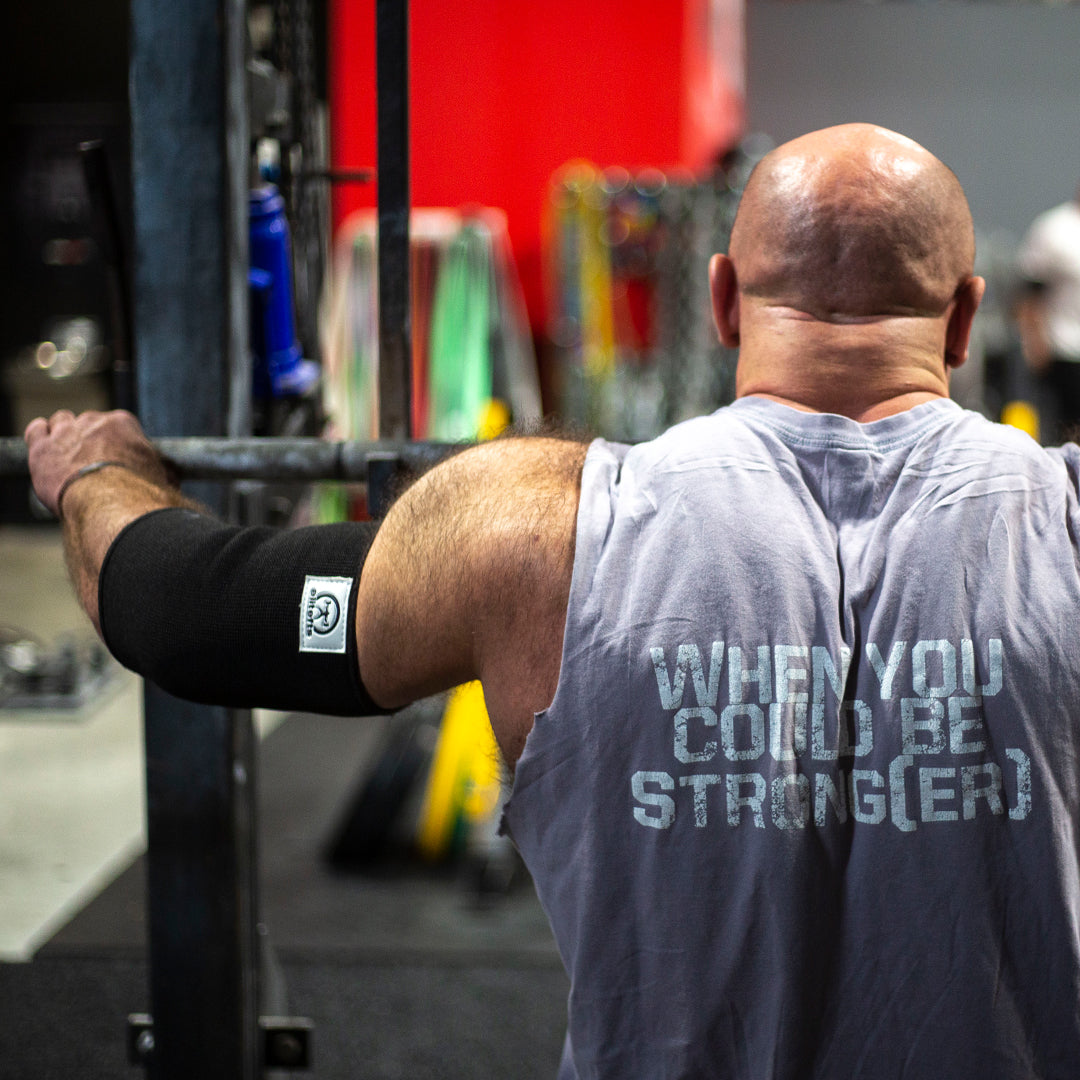
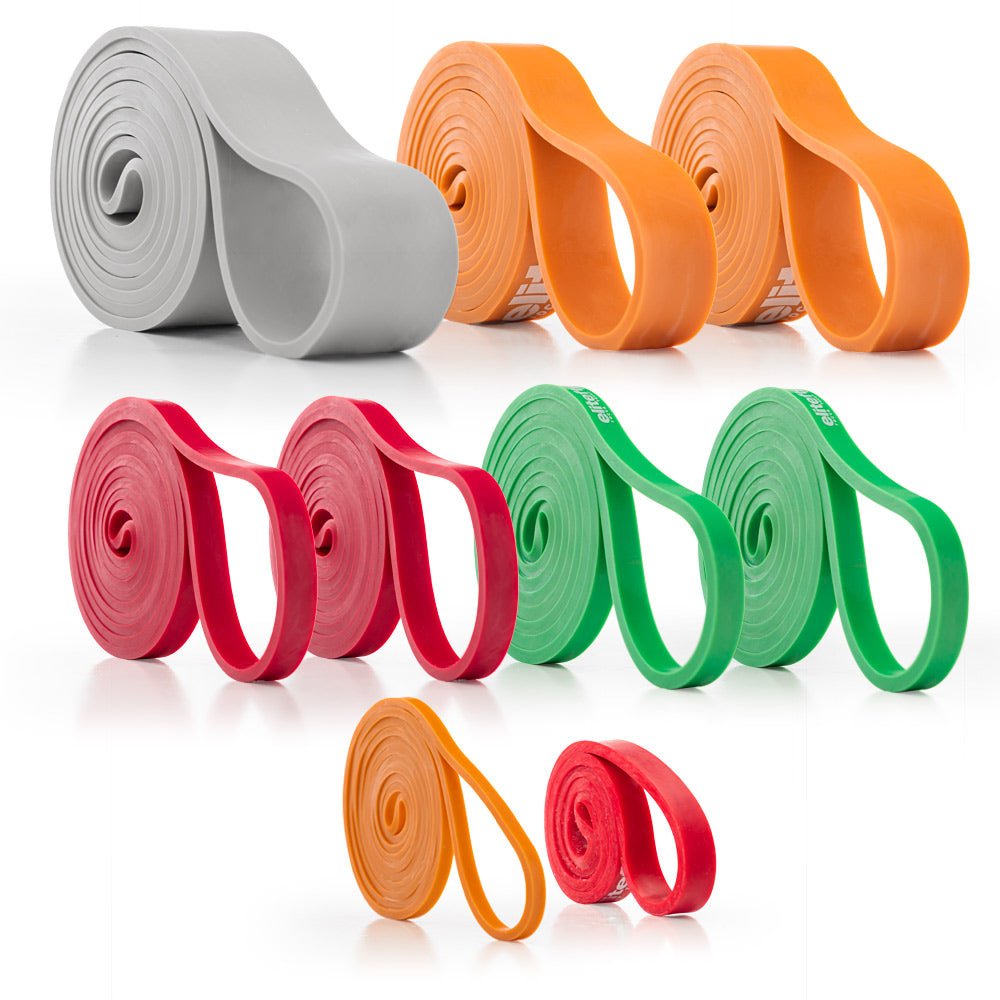
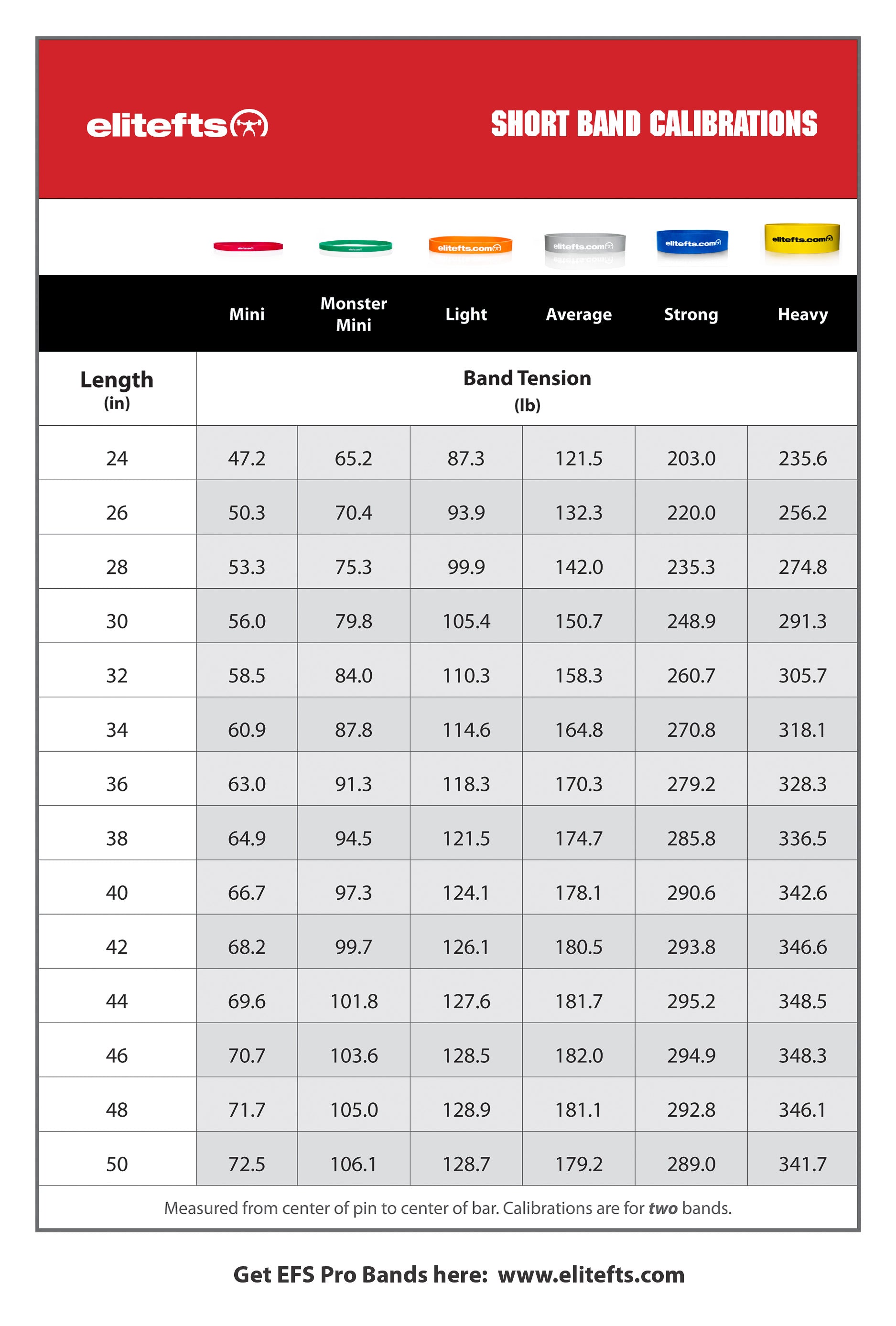
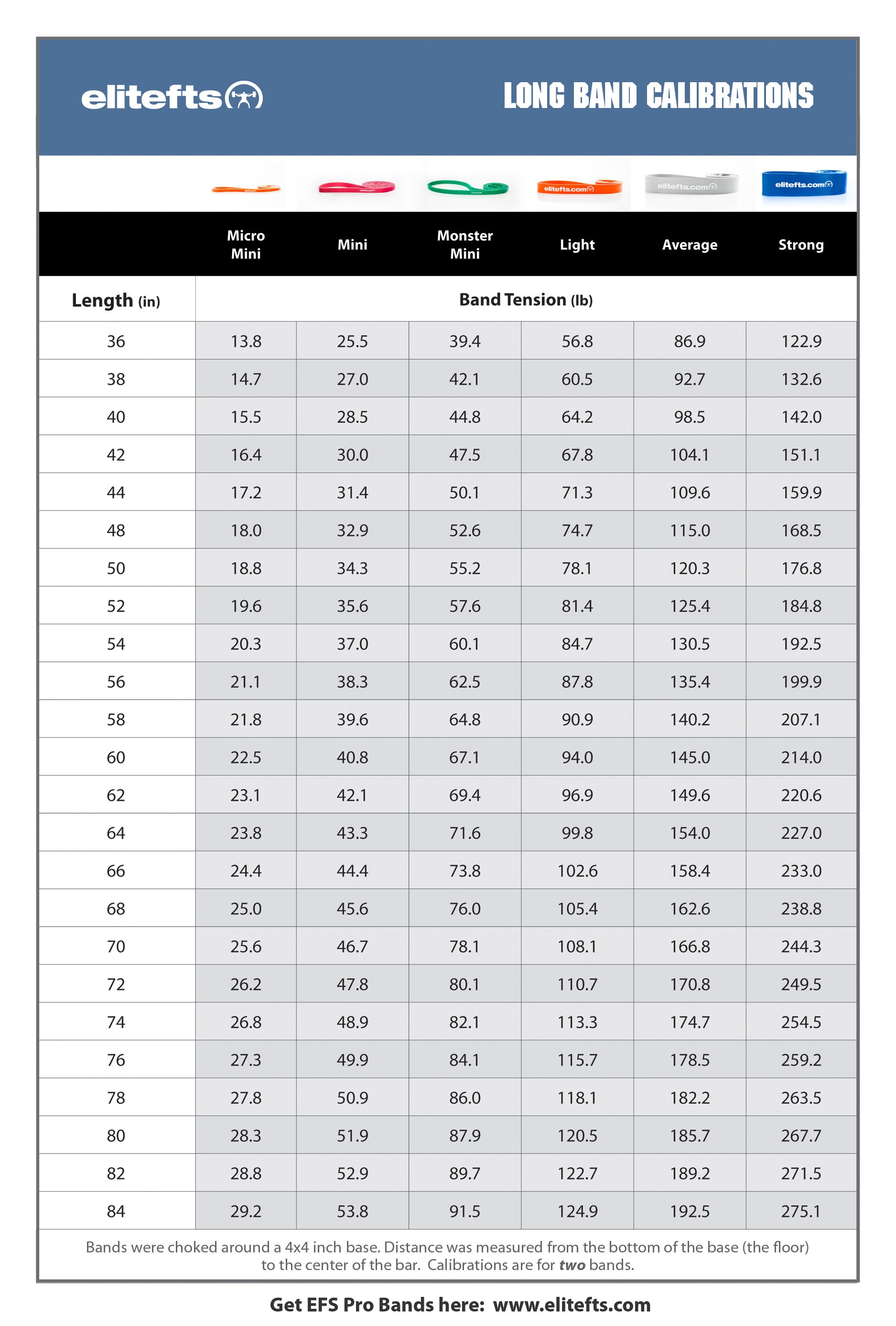
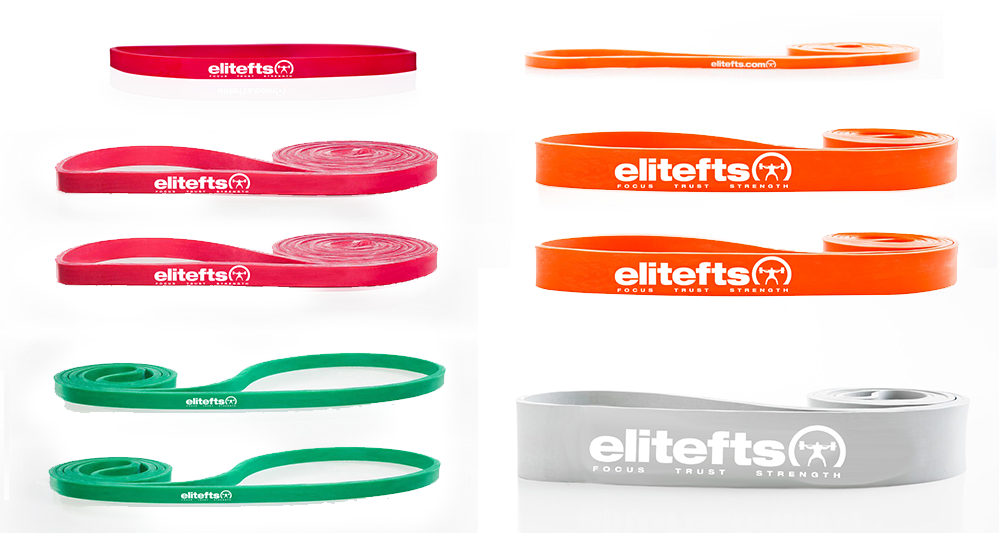
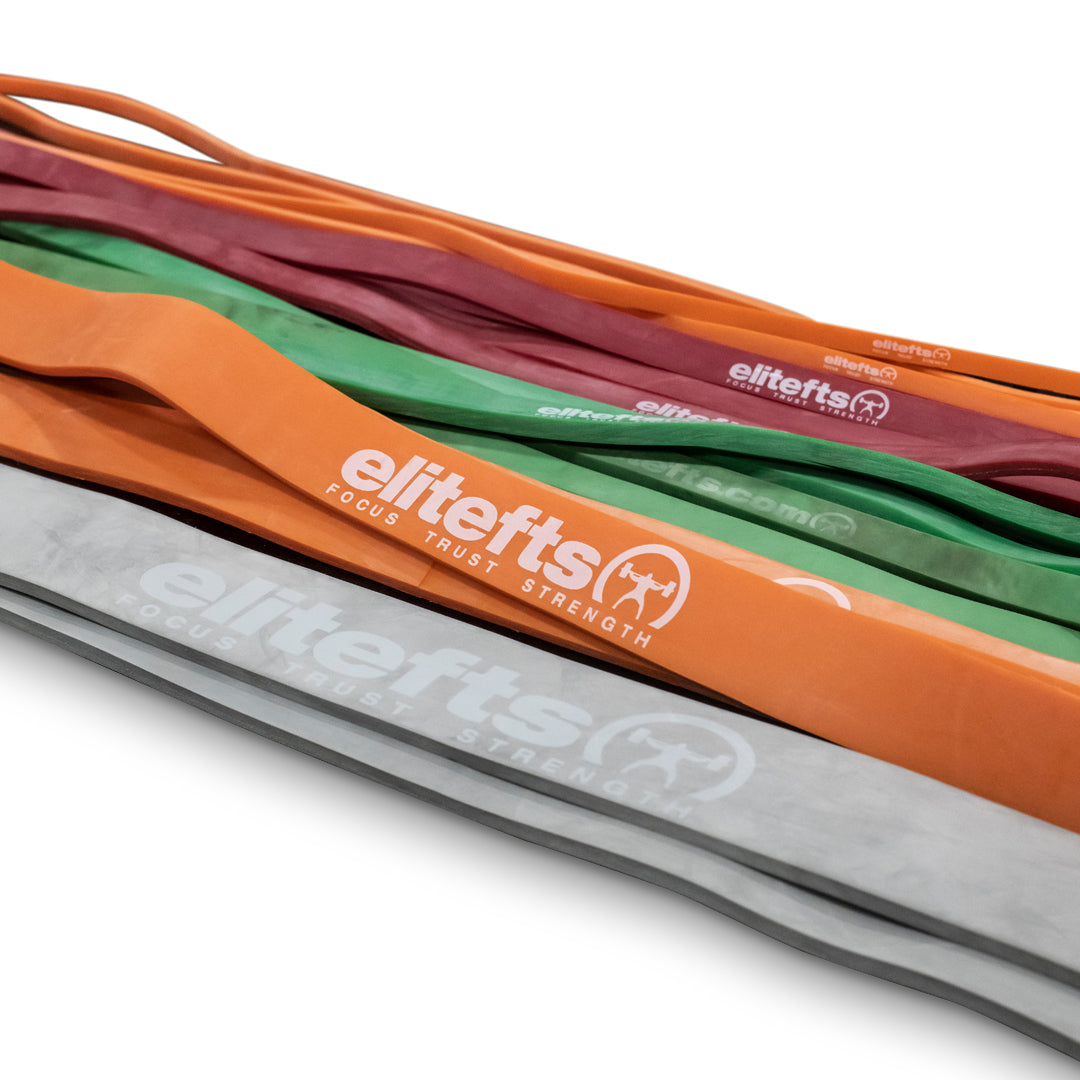
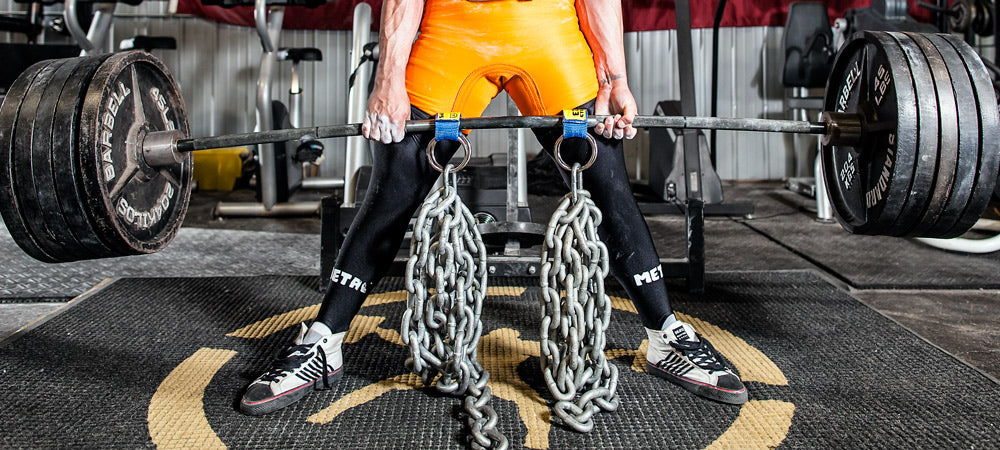
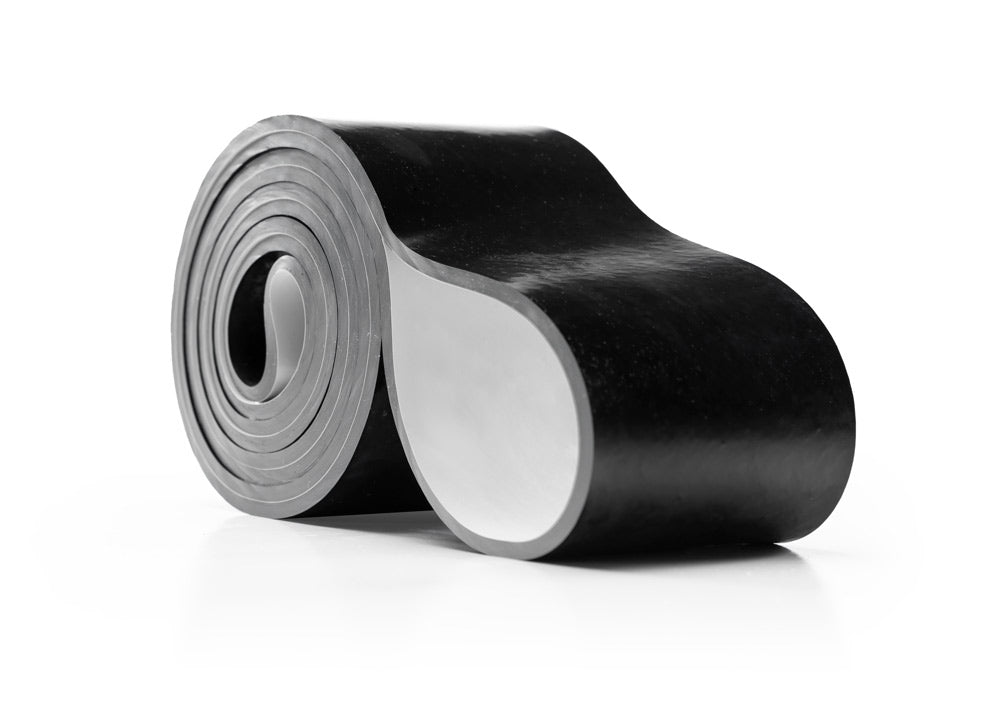
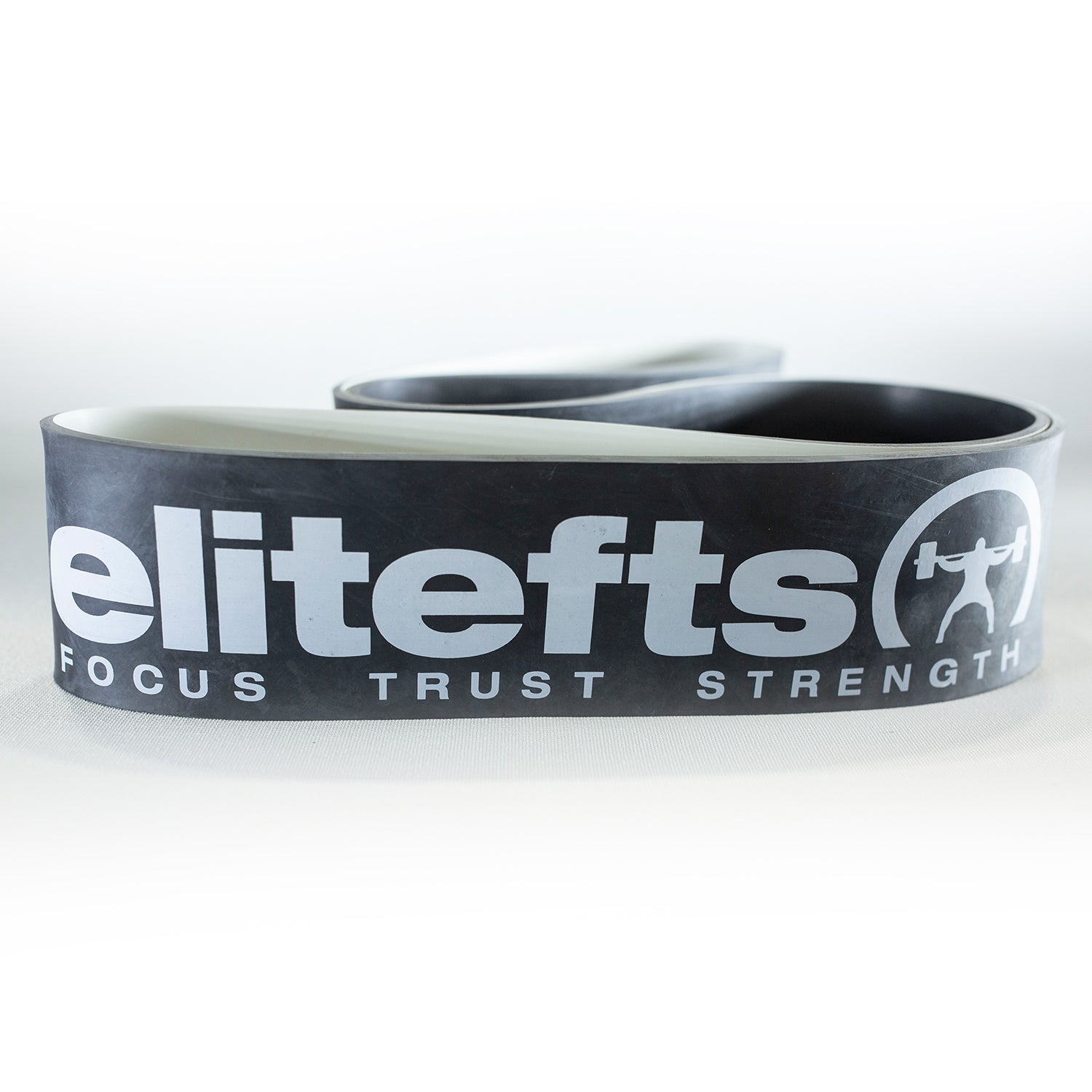
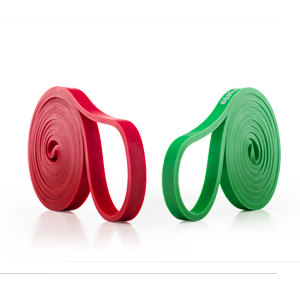
To bypass this, they used reverse bands, which lightened the load at the bottom of the range of motion while allowing maximum weight at the top. Technical adjustments followed: they opted for a narrow foot position to hammer the quads directly without, as Joey put it, "fucking the groin" or straining the adductors. By manipulating the resistance profile, they gassed the muscle fibers while keeping the surgical sites in a "green light" zone.
"I stay away from the leverage, which is going to be the most damaging to you... but then you gas everything else that you can." — Dave Tate

Living on the Razor’s Edge of Failure
High-intensity training isn't just a physical act; it’s a systemic, near-cardiac event. As the sets ground on, the vocabulary shifted from reps and sets to more visceral descriptions. Eric noted that his "heart was on the counter," his pulse thudding with a red-zone intensity that made the room blur.
Then there is the physical sensation of the "Razor’s Edge." It’s that place of existence where the hamstring doesn’t just feel tight—it feels like "spaghetti strands" or "uncooked pasta noodles" about to snap behind the knee. It’s a psychological threshold where you have to differentiate between "sharp pain" (the signal to stop) and the metabolic horror of "numb teeth." When your legs literally "shut off" and you’re left shaking on the floor, you haven't just trained; you’ve navigated a high-wire act where the cost of a slip is a catastrophic tear.
Why Chasing Comfort is a Dead End
By the end of the hour-and-a-half gauntlet, the conversation moved from the mechanical to the metaphysical. There is a specific "dopamine boost" that comes from surviving the "suck." The lesson is one of calibration through comparison: you cannot experience the "highs" of a breakthrough if you aren't willing to descend into the "low point" of intense physical struggle.
In a culture obsessed with optimizing comfort, the gym remains one of the few places where suffering is the primary currency. Comfort is not gratifying; it is a stagnant state that mutes the spectrum of human experience. If you spend your training career chasing the safety of the path of least resistance, you lose the ability to recognize "good." True joy is earned in the moments when you’re convinced you’re about to break, yet you don't.
"You can't have true joy until you have true suffering... if you're chasing comfort, you're never going to be happy."
The Value of Experienced Oversight
The most sobering takeaway was the admission that neither athlete could—or should—have done this alone. Despite their elite status, they needed a "safety valve." They needed Dave Tate.
Tate is the quintessential "washed-up meathead" mentor—a man so "banged up" from decades of powerlifting that he possesses a subconscious map of every possible injury. Even when Dave says he isn't going to train, the intensity is infectious; as Joey noted, "Dave’s a fucking dog," and he couldn't help but jump into the madness.
The mentor's role is to act as an objective brain when the athlete’s blood pressure is in the red zone and their judgment is clouded by adrenaline. A veteran mentor doesn't just push you; they prevent you from "getting jacked up" by knowing exactly how to work around the day’s limitations.
Chasing the Dragon
This ninety-minute session was pure, unadulterated suffering that both men called the best workout of their lives. But there is a haunting side effect to this level of intensity: it ruins you for everything else. Once you’ve stood on the razor’s edge and felt your legs quit while your teeth went numb, you’ve set the bar at an impossible height. You aren't just training anymore; you're chasing the dragon of that peak intensity, trying to replicate a feeling that only comes when you're willing to risk it all.
In your own pursuit of growth, ask yourself the hard question: Are you actually seeking progress, or are you just chasing the safety of comfort?