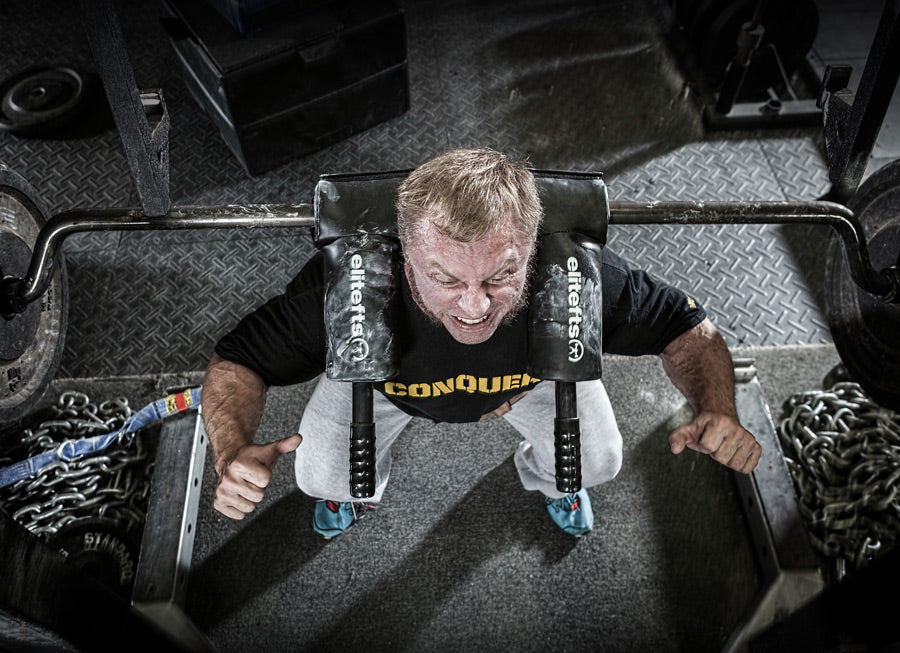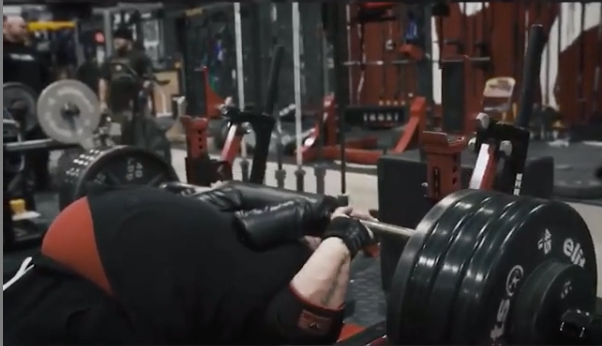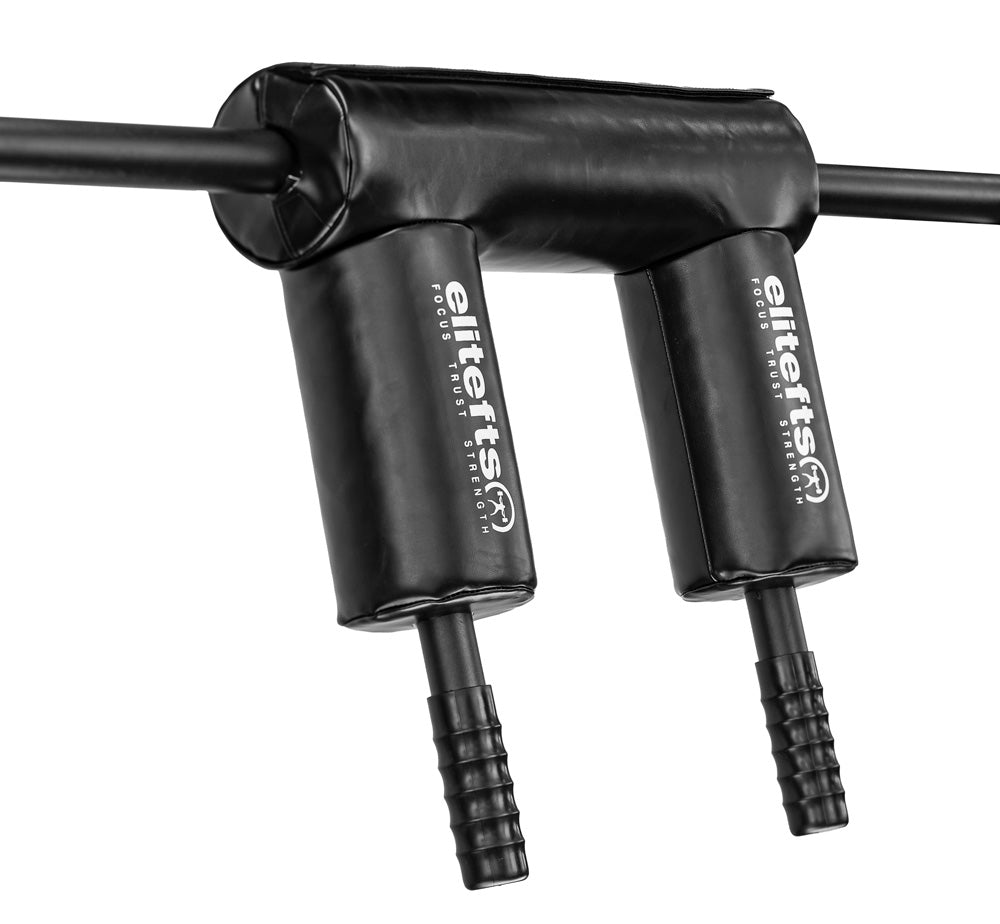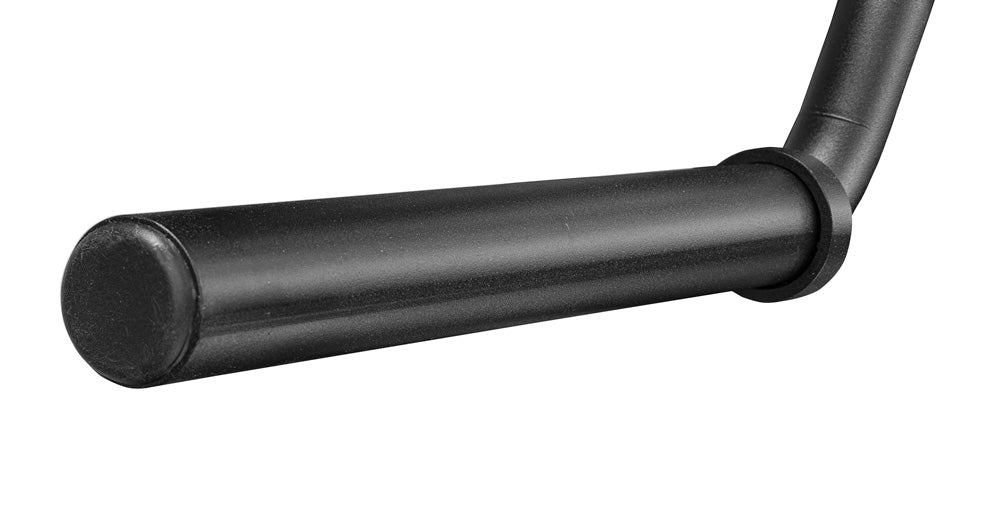


If you’re a powerlifter, whether you compete seriously or love chasing PRs in the gym, there’s a good chance you’ve dealt with some level of aches, pains, or maybe even full-blown injuries. It comes with the territory, to some extent.
I’ve been training hard and competing in powerlifting for almost two decades now, and I’ve done it at the highest level — multiple world championships in powerlifting and strongman. So, yeah, I’ve had my fair share of banged-up joints and tweaked muscles along the way.
But here’s the kicker: At 40 years old, my body feels better under heavy loads than it did when I was in my 20s.
Not because I lift lighter.
Not because I “take it easy.”
But because I got smarter.

The Shift: From Meathead Mentality to Methodical Training
Early in my lifting career, I treated warm-ups like a checkbox.
Empty bar for a few reps? Cool, add weight, ramp up, go heavy.
That was my jam — and I know I’m not the only one who’s done it that way.
Back then, I thought that was “good enough.”
Turns out, it wasn’t.
What changed?
I started treating my body like a system, not just a machine that moves weight, but a structure that needs prep, care, and tuning.
Through years of competing, coaching, and learning from some of the best strength athletes and coaches in the world, I realized something that too many lifters ignore:
Pain is often just a signal, not a death sentence.
And most of the time, that signal is pointing to a movement issue, not a strength issue.

Performance vs. Pain: The Real Difference
Powerlifting isn’t just about brute force.
It’s about technical mastery. About understanding how the body moves under load, and where it's breaking down, even subtly, before it becomes a bigger problem.
A lot of guys confuse being tough with ignoring pain.
But real toughness?
It’s doing what’s necessary to keep training, keep progressing, and keep showing up. That means tuning in to what your body’s telling you — and doing something about it.
When something hurts, a hip, a shoulder, the lower back — it’s rarely just that spot.
You can be sure that something is happening upstream or downstream that’s contributing.
Ignore it, and you’re just borrowing pain from tomorrow to lift today.

Longevity Lifting: Why I Feel Better at 40 Than I Did at 25
These days, my training is still intense. I still chase numbers and still compete in strength sports at a high level. But I do it with strategic considerations that I wish I’d learned earlier:
-
Thoughtful warm-ups that prepare my entire system, not just “loosen me up.”
-
Movement assessments to catch limitations before they catch me.
-
Exercise variations that serve my goals without overexertion.
- Mobility and stability strategies that address weak links and compensations before they become injuries.
This approach doesn’t just keep you “in the game.”
It lets you play longer, push harder, and feel better while doing it.
And if you’re in this for the long haul, that should be the goal.
Here’s What I’ve got for You:
-
Movement Deficits in the Big Three
A head-to-toe breakdown of the squat, bench, and deadlift — how to identify where you’re leaking power or risking pain due to mobility or stability gaps.
-
Smart Warm-Ups that Actually Work
Not just “do some bands” — we’re talking warm-ups that prepare the system to perform, reduce pain, and set the tone for strong, stable movement.
-
Go-To Variations for Pain or Limitations
If you’re currently dealing with joint issues, discomfort, or plateaus, I’ve laid out substitutions and progressions to help you move forward.
-
Structural Chain Strategies
Each joint and segment plays a role — when one fails, others compensate. These tables are your go to’s for identifying and addressing these chains before they snap.
Why This Matters
If you’re chasing strength — real strength — you must treat this like a craft, not just a hobby.
You’ve only got one body.
Trash it early, and you’ll be the guy telling stories about what you used to lift.
Take care of it the right way, and you’ll be the guy still hitting PRs at 40+, pain-free and strong as hell.
Take a look at the detailed tables below — they’ll walk you through the various strategies and considerations to Squat, Bench, and Deadlift better than what you currently feel your body is capable of. You don’t necessarily have to “slow” down, but instead, reshape your preparation for training.

Table 1: Structural Deficits in the Big Three (Head-to-Toe) + Chain Effects + Corrective Strategy
Minor breakdowns in position don’t just stay local; a shoulder issue can feed into the elbow, a hip shift can cascade into the spine, and an unstable ankle can wreck squat depth. Every deficit has up-chain and down-chain effects that either leak power or invite pain. Addressing them early builds a better runway: you move cleaner, lift harder, and recover faster without constantly fighting your own body.
|
Deficit (Head-to-Toe) |
Lift(s) Impacted |
Up Chain Effects |
Down Chain Effects |
Corrective Strategy |
|
Neck Overextension (head lifts off bench / craned in squat or pull) |
Bench, Squat, Deadlift |
Cervical compression, trap dominance |
Rib flare, loss of scapular anchor |
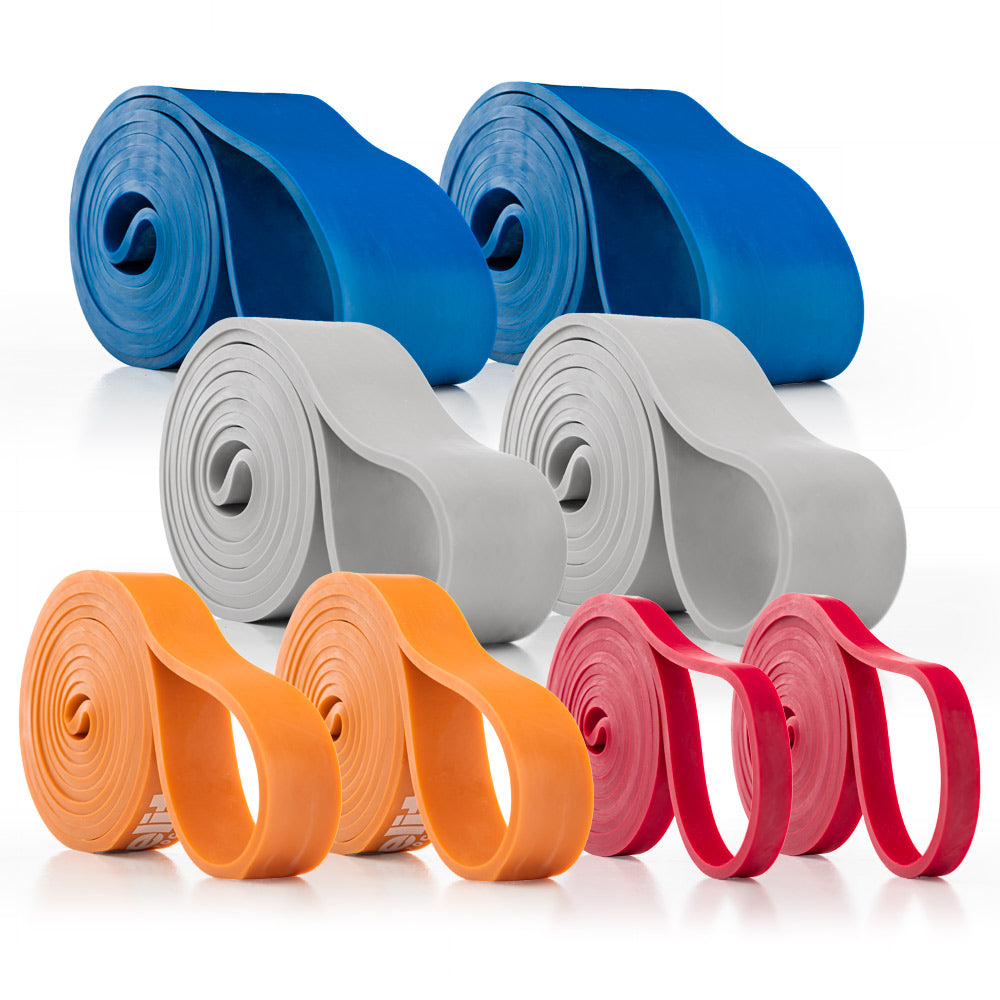
Chin tuck drills, banded neck retractions, “packed neck” cue in lifts |
|
Thoracic Kyphosis (rounded upper back) |
Squat, Bench, Deadlift |
Scapular winging, poor shoulder position |
Lumbar overloading, bar drifts forward |
Foam roll + T-spine extensions, quadruped rotations, front squat to build posture |
|
Scapular Winging / Poor Retraction |
Bench, Squat (low bar), Deadlift (lat tension) |
Neck strain, pec/AC joint overload |
Elbow instability, poor bar path control |
Serratus wall slides, banded Y/T/Ws, scap push-ups |
|
Humeral Anterior Glide |
Bench, Squat (low bar), Deadlift |
Rotator cuff stress, anterior shoulder pain |
Weak triceps drive, elbow overload |
Banded ER/IR, prone trap raises, neutral-grip pressing |
|
Internal Rotation Bias (elbow flare) |
Bench, Squat |
Shoulder impingement, pec tendon strain |
Wrist pain, valgus elbow stress |
Band pull-aparts, shoulder external rotation drills, closer grip bench work |
|
Wrist Extension Collapse |
Bench, Squat (low bar), Deadlift |
Overloaded forearms, shoulder compensation |
Grip loss, bar instability |
Wrist wraps (support), wrist curls/extensions, grip trainer, neutral grip pressing |
|
Rib Flare / Overarched Lumbar Spine |
Squat, Bench, Deadlift |
Thoracic stiffness, loss of scapular mechanics |
Lumbar compression, hip impingement |
90/90 breathing drills, dead bug variations, core bracing with exhale |
|
Hip Internal Rotation Restriction |
Squat, Deadlift |
Pelvic rotation, low back torque |
Knee valgus, ankle collapse |
90/90 hip IR holds, banded hip IR mobilization, Cossack squats |
|
Hamstring / Posterior Chain Tightness |
Deadlift, Squat |
Posterior pelvic tilt, lumbar rounding |
Loss of bar speed, hip shooting up |
Romanian deadlifts, banded hamstring stretch, glute-ham raises |
|
Ankle Dorsiflexion Limitation |
Squat |
Forward chest lean, poor torso angle |
Heel lift, knee valgus, bar drift |
Ankle dorsiflexion stretch (knee-to-wall), calf raises, squat with wedge plates |
Key notes for implementation
· Take the corrective drills and place them in your warm-up.
Table 2: Warm-Up Strategies for Pain-Free Powerlifting
An intense warm-up isn’t just about “getting loose”; it’s about preparing the body’s systems to produce strength without leaking power or risking injury.
· Mobility drills create the space for joints to move through full range.
· Stability drills lock that range in so the lifter can control it under load.
· Activation drills wake up the right muscles so they fire on time instead of relying on compensations.
· CNS priming bridges the gap between warm-up and max effort , teaching the body to move explosively, efficiently, and confidently. When these four layers are stacked together, every rep of the squat, bench, and deadlift feels cleaner, stronger, and safer.
|
Lift |
Mobility / Foam Roll + Stretch |
Stability Drill |
Activation Drill |
CNS Primer (Novice → Advanced) |
|
Squat |
- Foam roll calves/quads/hips |
- Goblet squat hold w/ breath - Split Squat Iso Hold with Overhead Reach |
- Banded glute bridges |
Novice: Vertical Jump |
|
Bench Press |
- Foam roll pecs/lats - Lat stretch |
- Wall slides w/ lift-off |
- Banded pull a parts, face pulls |
Novice: Medball Slams |
|
Bench Press |
- Foam roll pecs/lats - Lat stretch |
- Wall slides w/ lift-off |
- Banded pull a parts, face pulls |
Novice: Medball Slams |
|
Deadlift |
- Foam roll hamstrings/glutes |
- Quadruped rock-backs |
- Band glute marches |
Novice: Broad Jump |
Key Notes for Implementation:
-
Total Warm-Up Time: ~10 minutes per lift
-
Flow Matters: Start with general tissue prep → move to mobility → layer in stability and activation → finish with CNS stimulation.
-
Customize: Adjust based on individual movement limitations or pain points
-
Goal: Prepare the system to lift heavy, reduce injury risk, and build long-term consistency in the Big Three
Table 3: Pain-Free Variations of the Big Three (Based on Limiting Factor)
Pain doesn’t mean you can’t train. The key is finding variations that minimize discomfort while still letting you load effectively. By adjusting the range of motion, angles, or setup, you can continue building strength without exacerbating irritation. There are always modifications and smart substitutions — it’s rarely “no training at all,” it’s just training differently.
|
Limiting Factor / Pain Point |
Squat Variations |
Bench Variations |
Deadlift Variations |
|
Knee Pain |
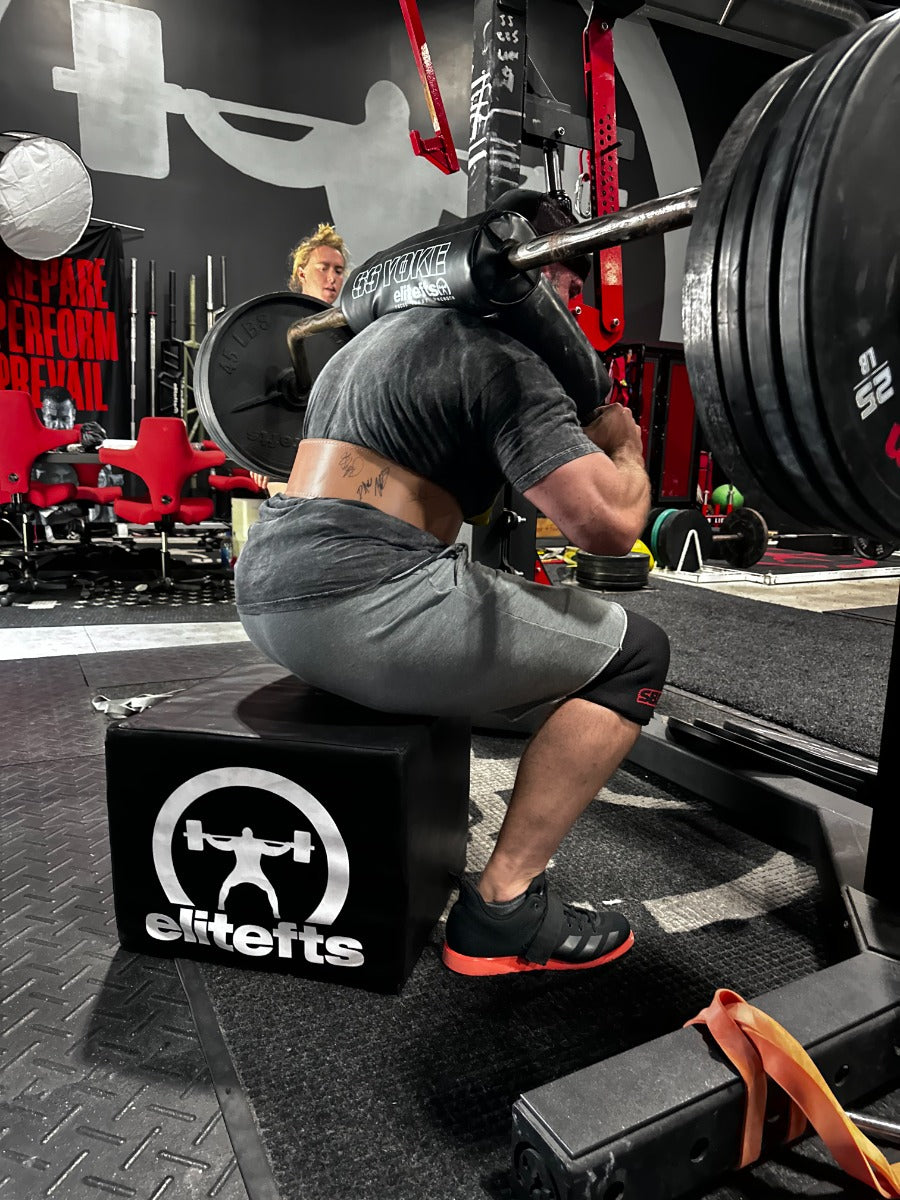
- Box squat |
- Feet up - Floor press -Larsen press |
- Trap bar deadlift - Stiff leg |
|
Hip Pain |
- Wide-stance box squat |
- Incline press - Floor press - Larsen press |
- Trap bar deadlift |
|
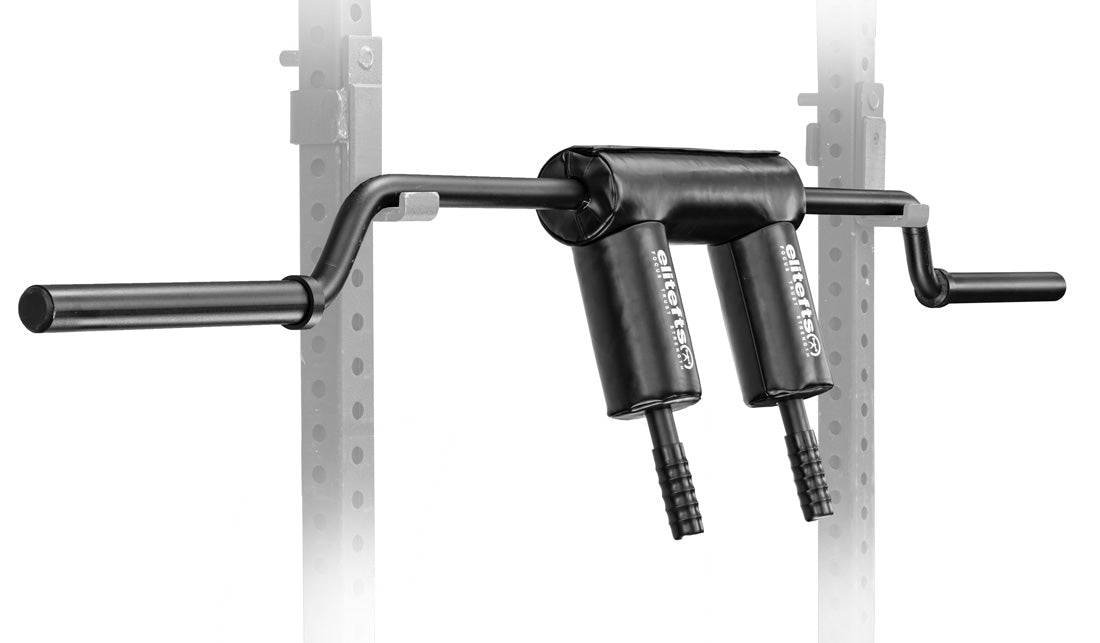
Low Back Pain |
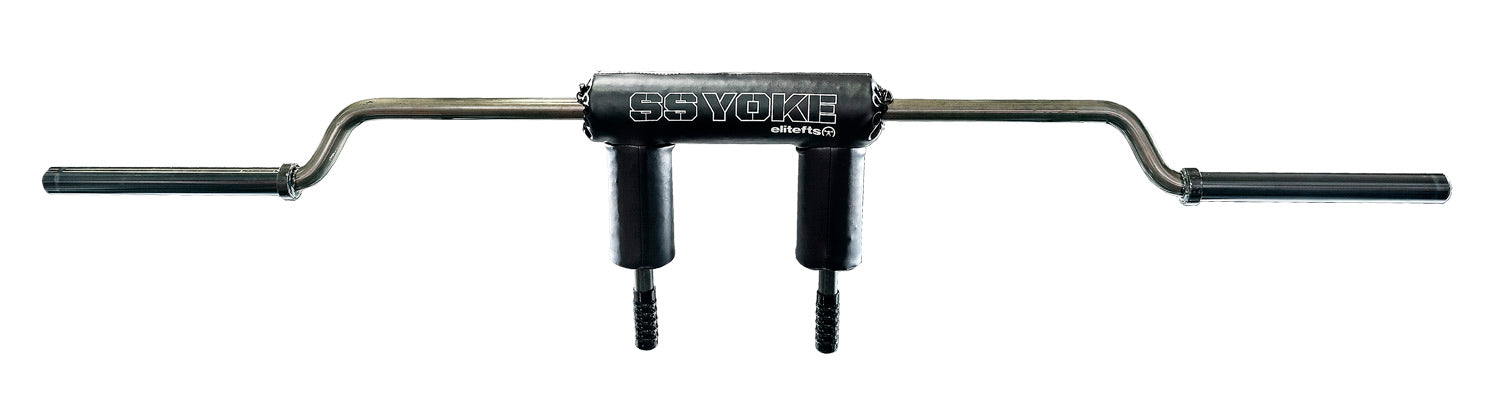
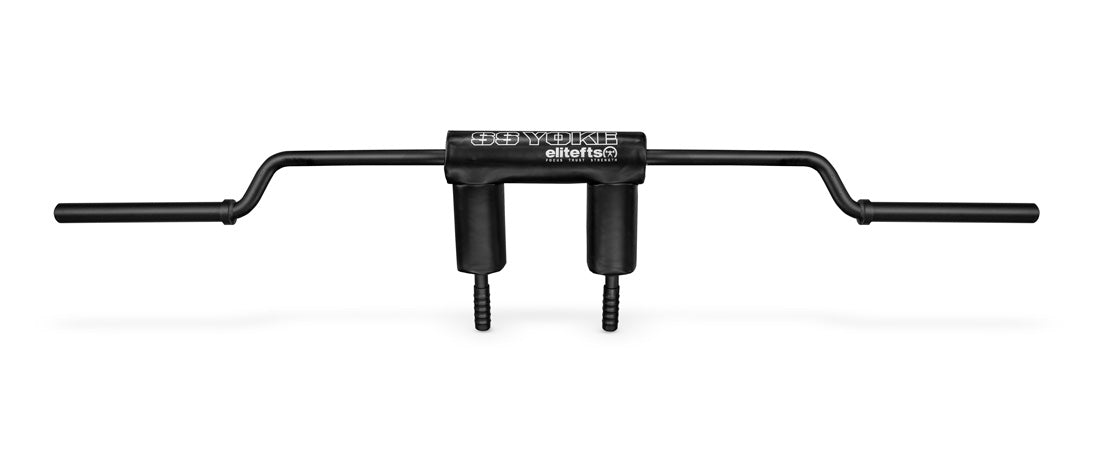
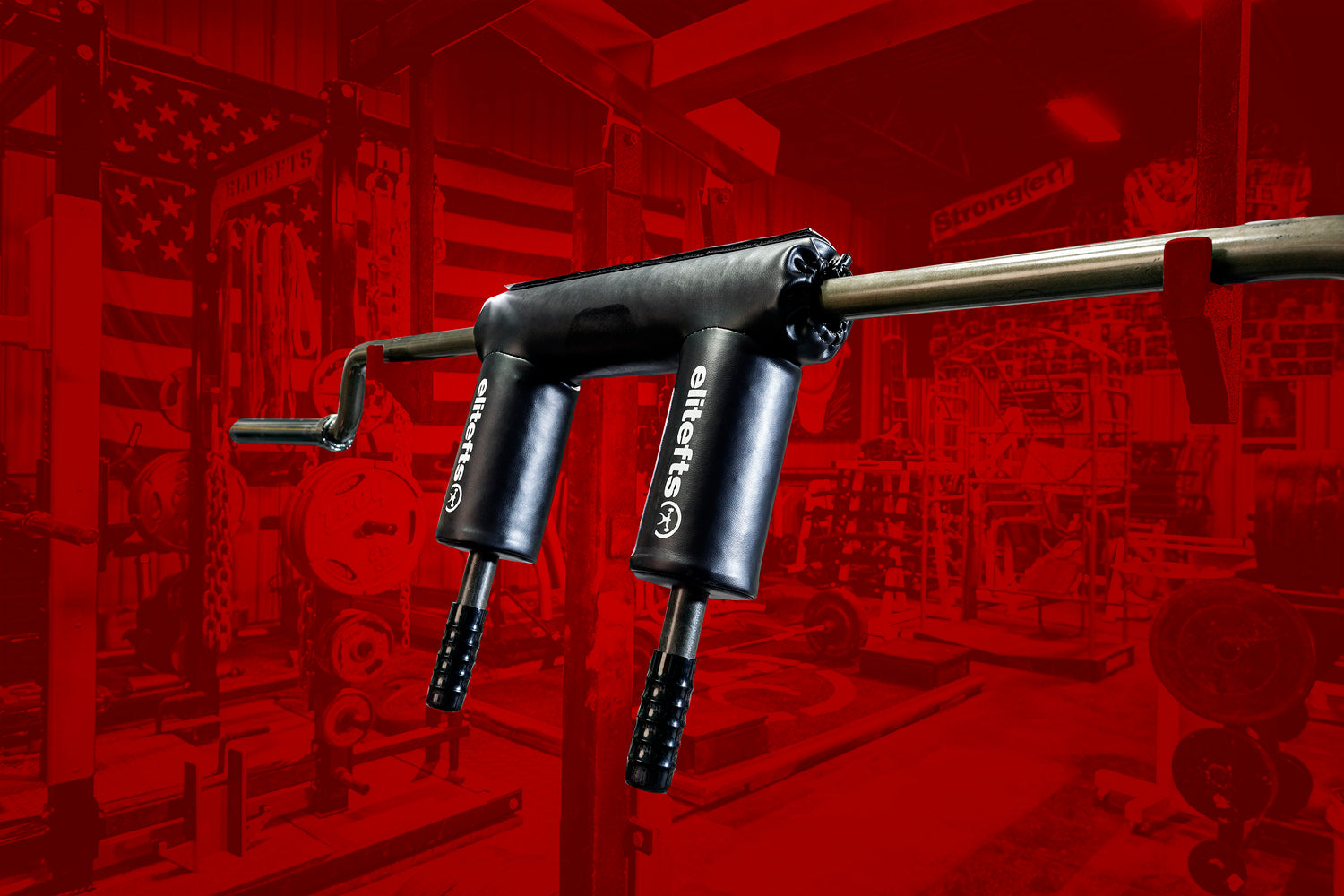
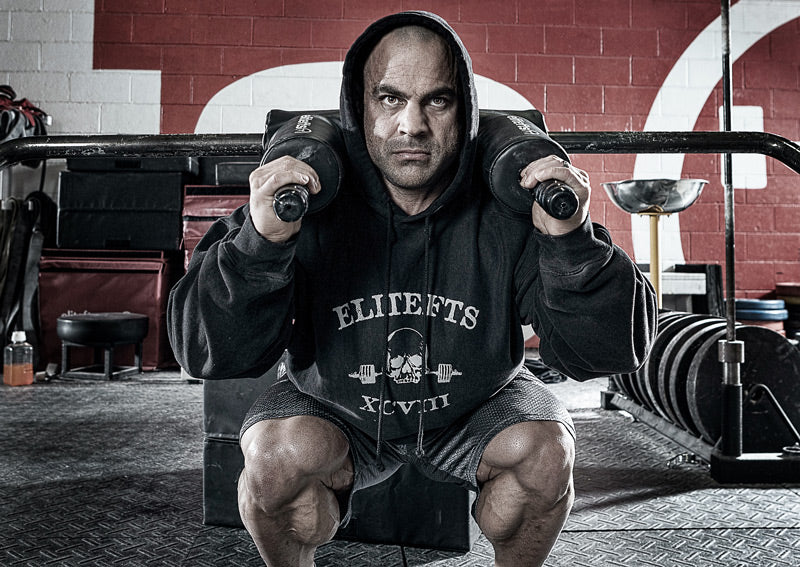
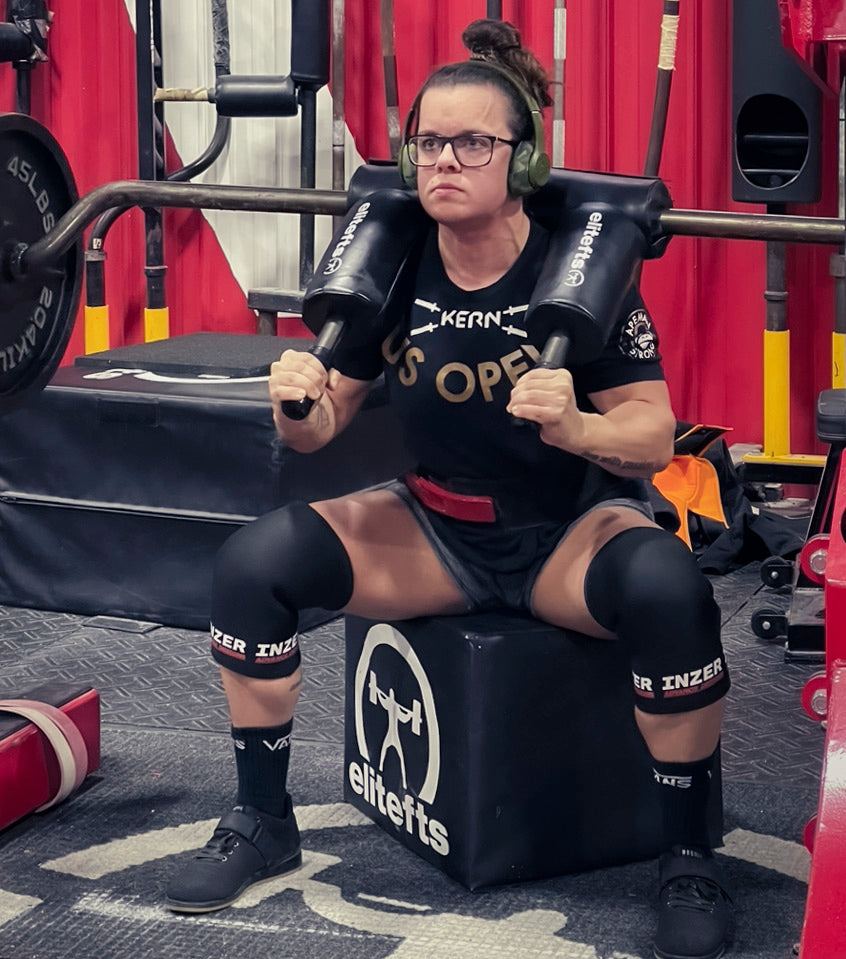
- Safety bar squat |
- Floor press - Incline press |
- Trap bar deadlift |
|
Shoulder Pain |
- Safety bar squat (no external rotation) -Zercher squats -Belt squats |
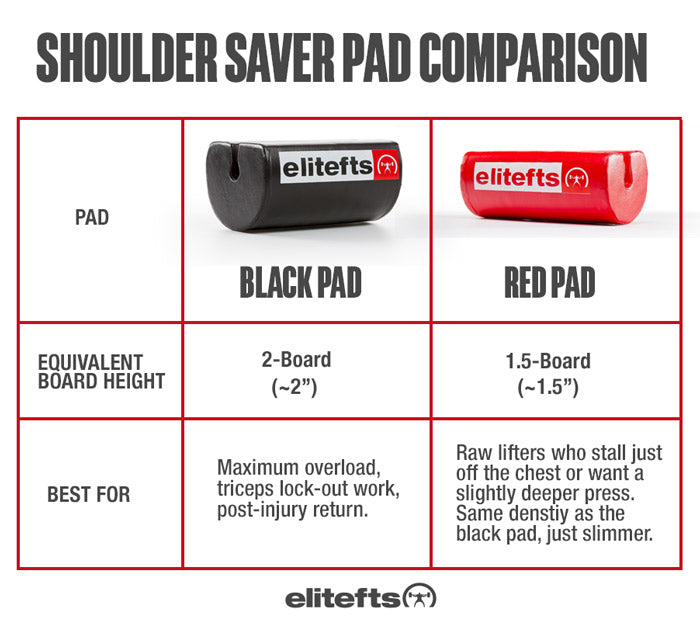
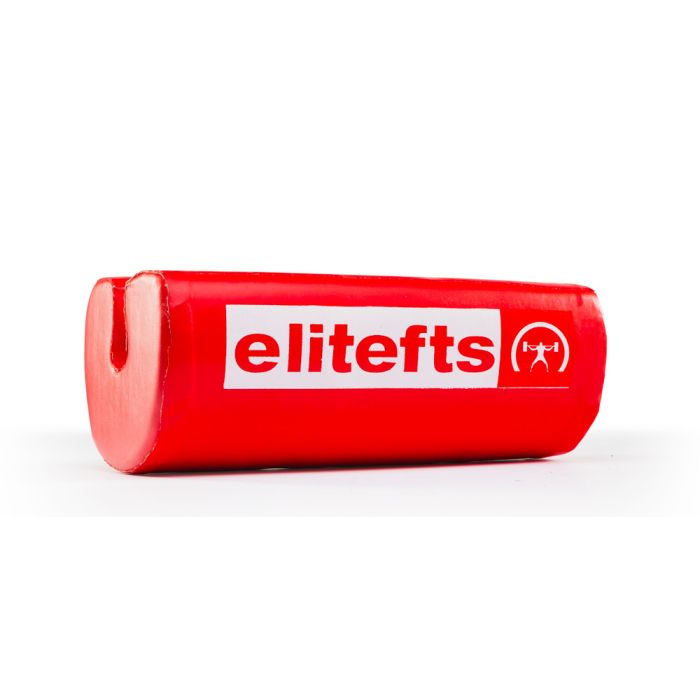
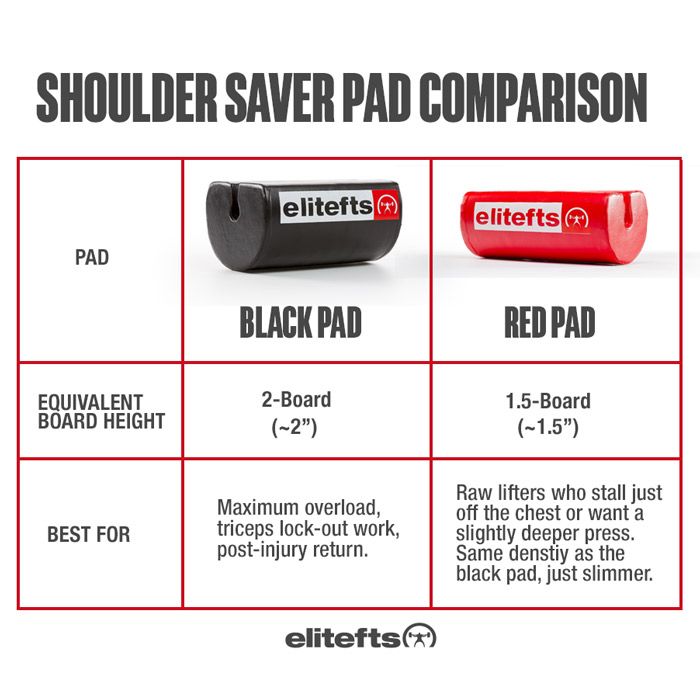
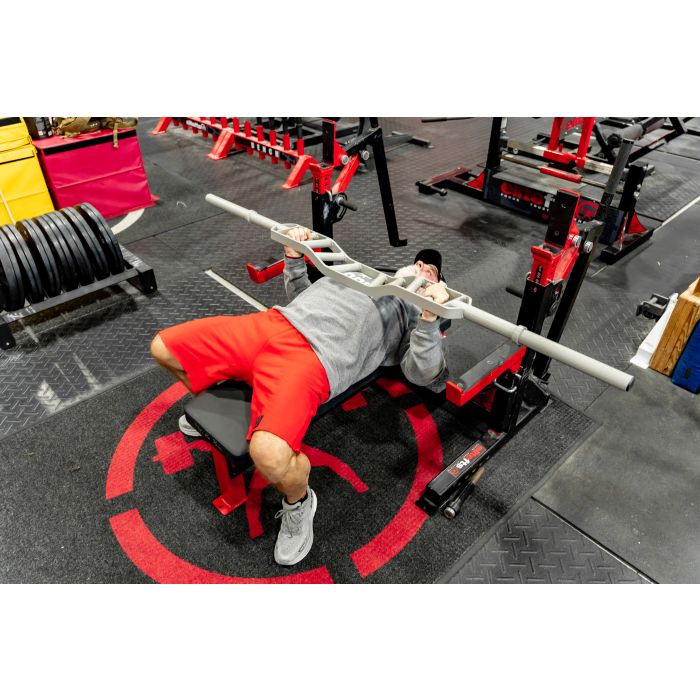
- Shoulder saver press (2-board / 3-board) |
- Trap bar deadlift (neutral grip easier on shoulder) - KB Deadlifts - Avoid mixed grip |
|
Wrist / Elbow Pain |
- Safety bar squat (hands-free) -Belt Squat -Zercher squats |
- Neutral grip dumbbell press |
- Trap bar deadlift - Strap utilization - Elevated axle bar |
|
Ankle Mobility Restriction |
- Box squat |
-Bench w/ squat shoes -Feet up bench - Floor Press |
-Block pull |
|
Hamstring / Posterior Chain Limitation |
- Pin squat |
- Spoto press (short ROM) |
- Block pulls |
|
Thoracic / Shoulder Retraction Limitation |
- Safety bar squat |
- Floor press |
- Rack pulls (less upper back demand) |
|
Neck/Cervical Stress |
- Safety bar squat (neutral neck) |
- Floor press (no neck strain) |
- Trap bar deadlift |

Key Notes for Implementation
· Change Variation: Based on pain points. Allow yourself to recover and still train with simple adjustments, using specialty bars or variations for specific blocks of training.
· Warm-up Focus: Emphasis specific regions based on limiting factors or pain points until recovered and able to resume general movement warm-up and specific bars.
· Recovery: Give yourself adequate amount of time and training blocks to recovery and train pain-free.
The Long Game
If you want to lift for life, not just for your next meet, you have to train smarter. This article isn’t about dialing it back. It’s about leveling up how you prepare, how you move, and how you recover so you can stay in the game for decades.
Every breakdown has a cause. Every nagging pain is a message. The tools and strategies in this article are about answering those messages before they become career-ending injuries.
The goal isn’t just to compete.
It’s to stay strong off the platform.
To keep lifting, moving, and living well—whether that’s deadlifting on the platform, pushing a sled in your garage, or carrying groceries without throwing your back out.
Pain-free lifting isn’t passive. It takes work, attention, and intention.
But the reward?
A body that performs when you need it, holds up under pressure, and doesn’t quit on you at 40, 50, or beyond.
Take this seriously now, and you’ll still be training hard, without breaking down, long after most people have hung up their belt.