

The Unconventional Mind of a Modern Strongman
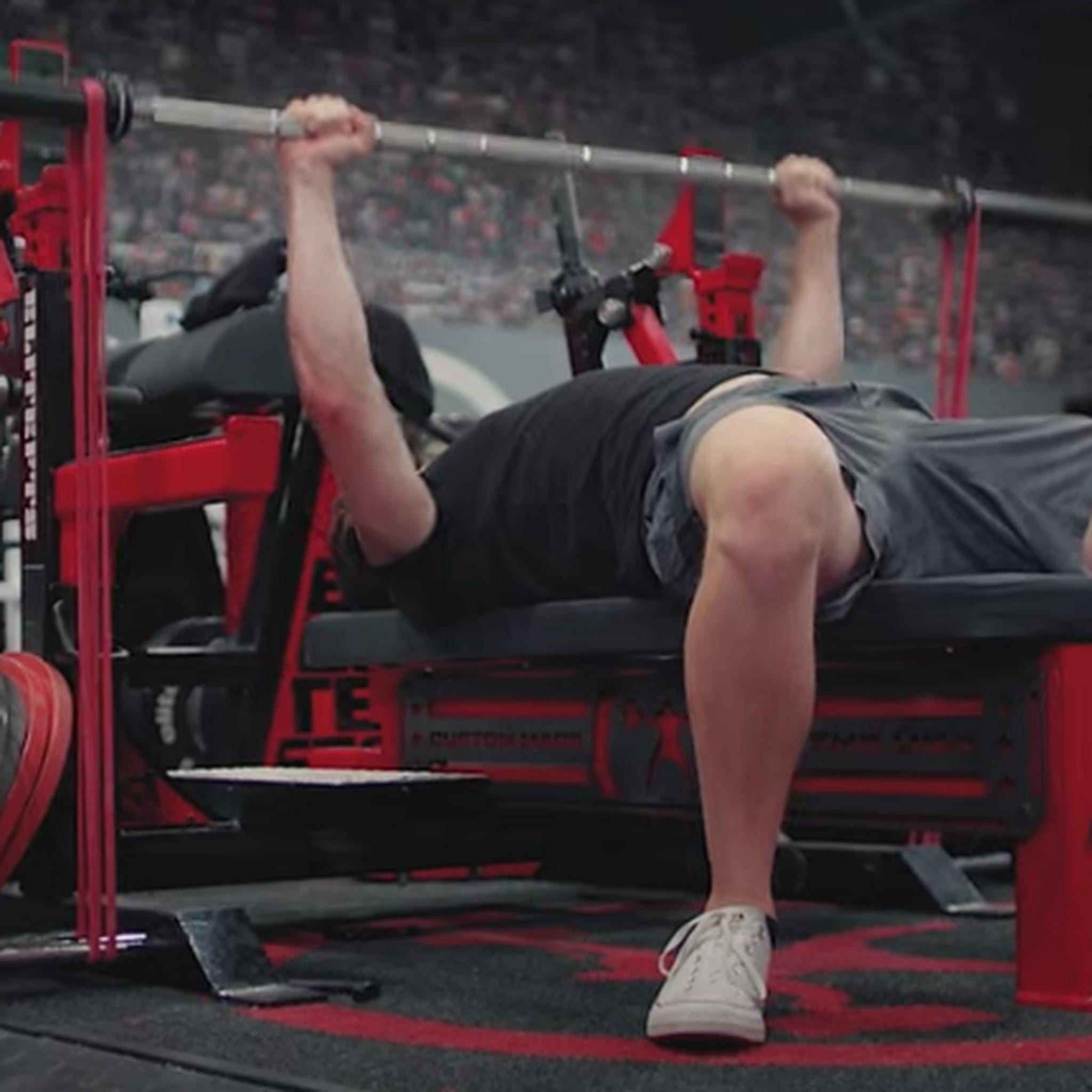
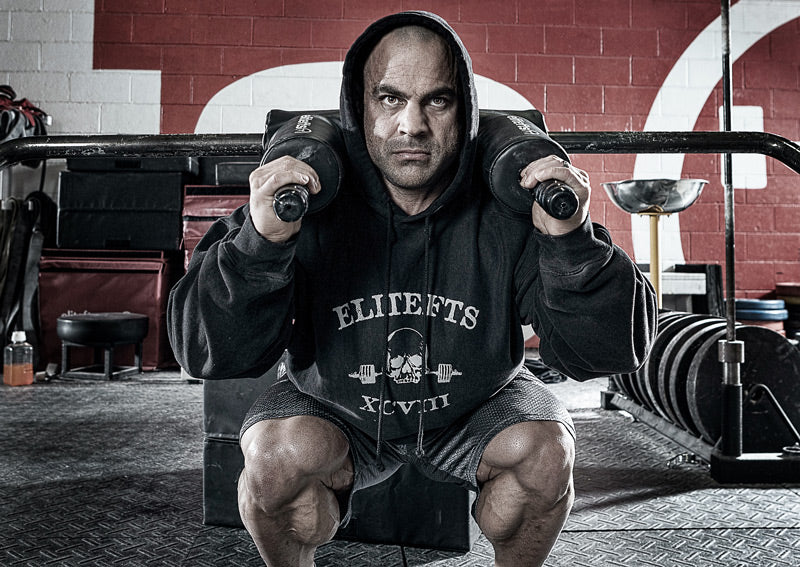
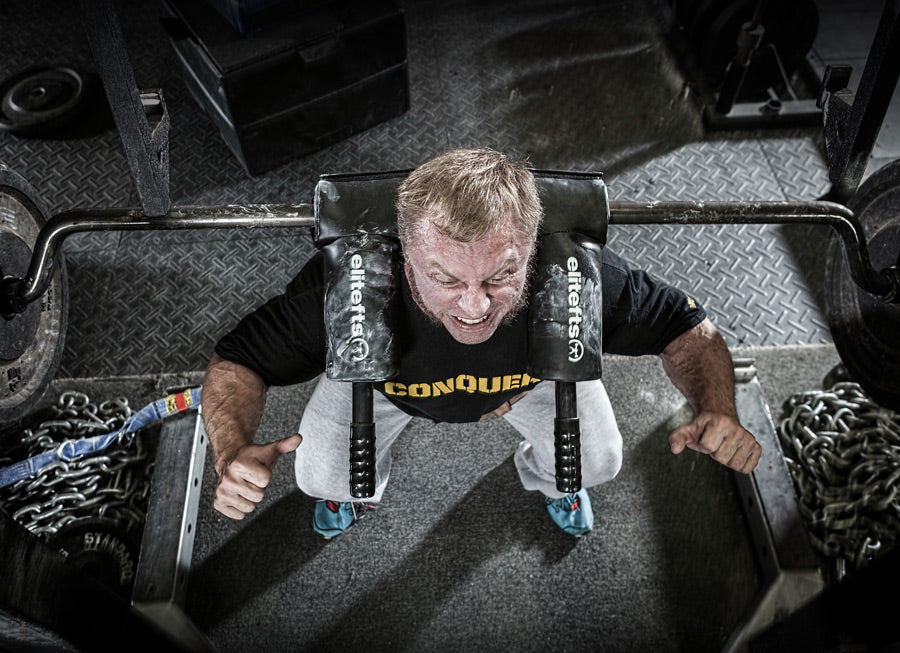
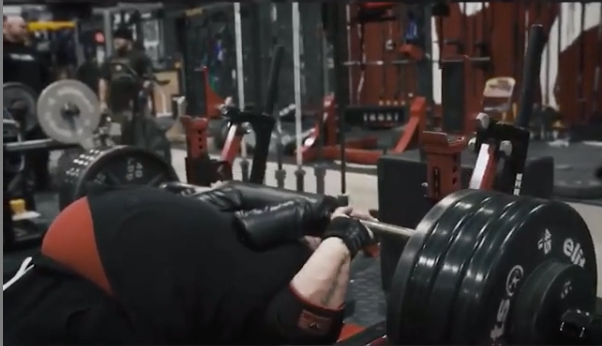
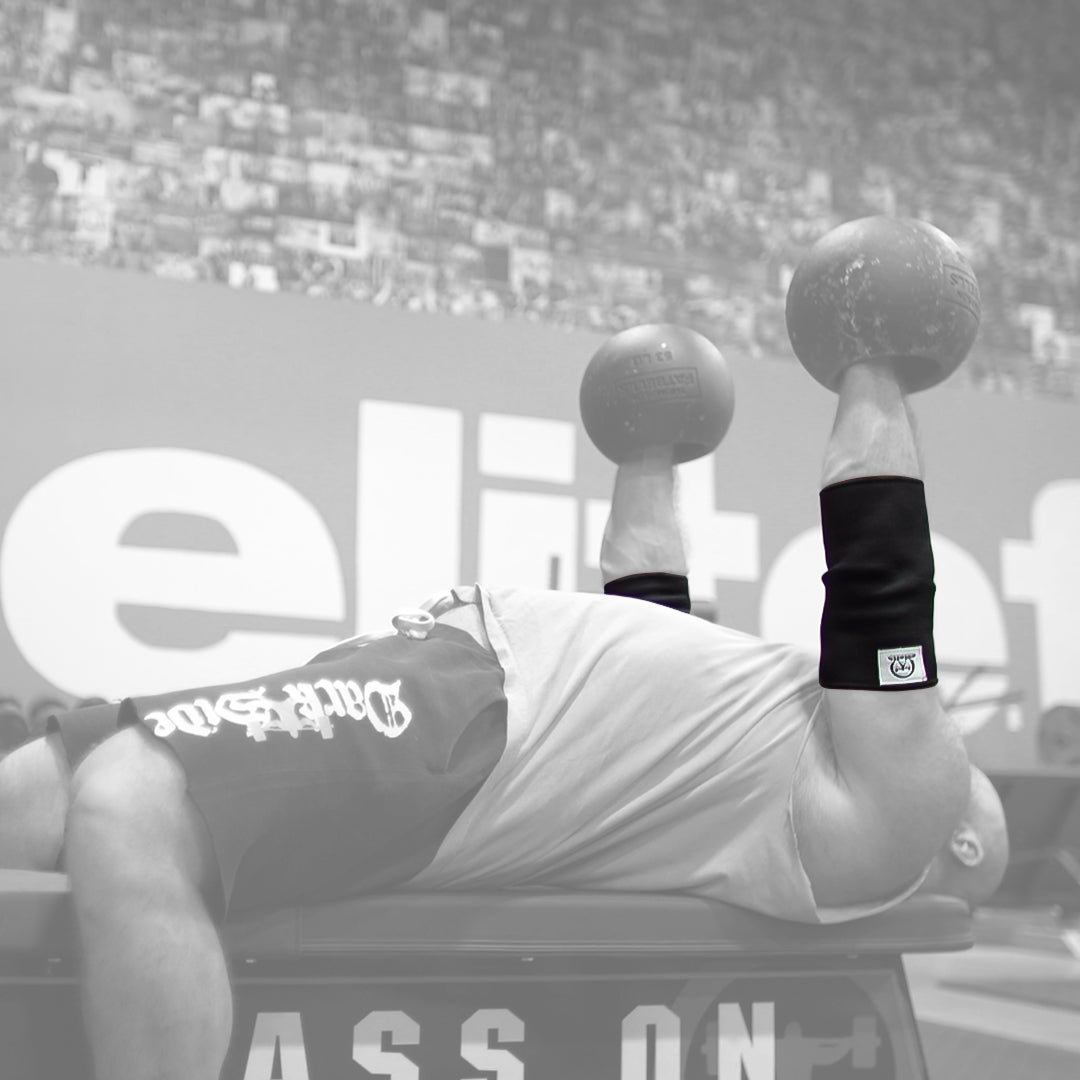
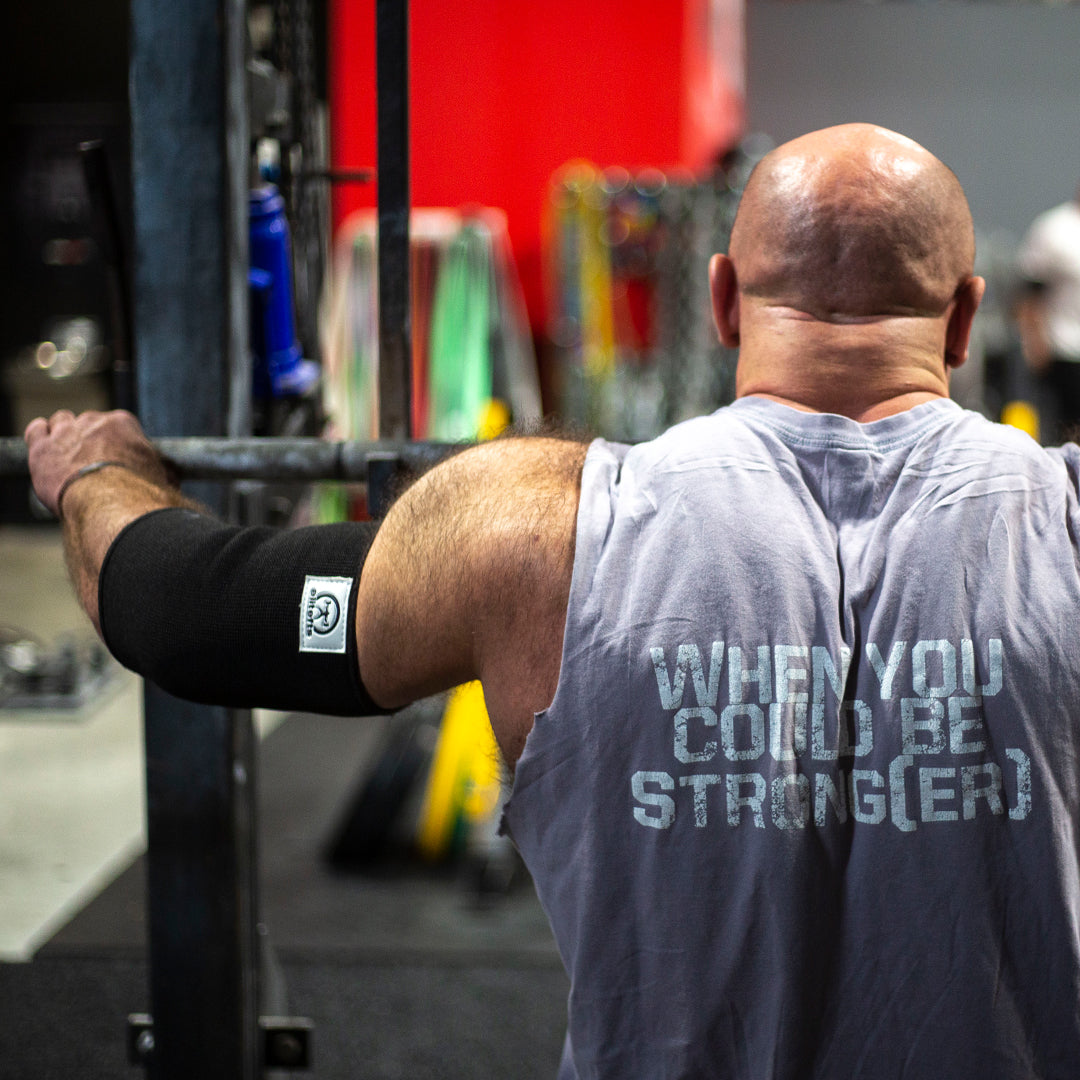
Meet Huck Finn. He’s 42 years old, but he trains with the brutal intensity of someone much younger. As he puts it, "It's like I'm trying out for the Bears." He’s a business owner, a content creator, and a father to three daughters—ages 12, 10, and 7—whom he coaches in softball in a batting cage he built above his home gym. From the outside, his life is a whirlwind of intense, often chaotic, action—from bleeding in his gym for an audience of one to crushing beer cans on his head with Hulk Hogan in a supermarket.
Beneath this raw exterior, however, lies a profound and surprisingly practical philosophy on performance, creativity, and success. His approach isn't found in self-help books or motivational seminars; it's forged in the gym, tested in business, and lived without apology. It’s a mindset that prioritizes relentless action over inspiration, authenticity over approval, and embraces failure as a non-negotiable part of the process.
To understand how this mindset operates, we've broken it down into five core principles that govern his approach to everything from lifting to life.

To Be Elite, You Have to Be a Little 'Crazy'
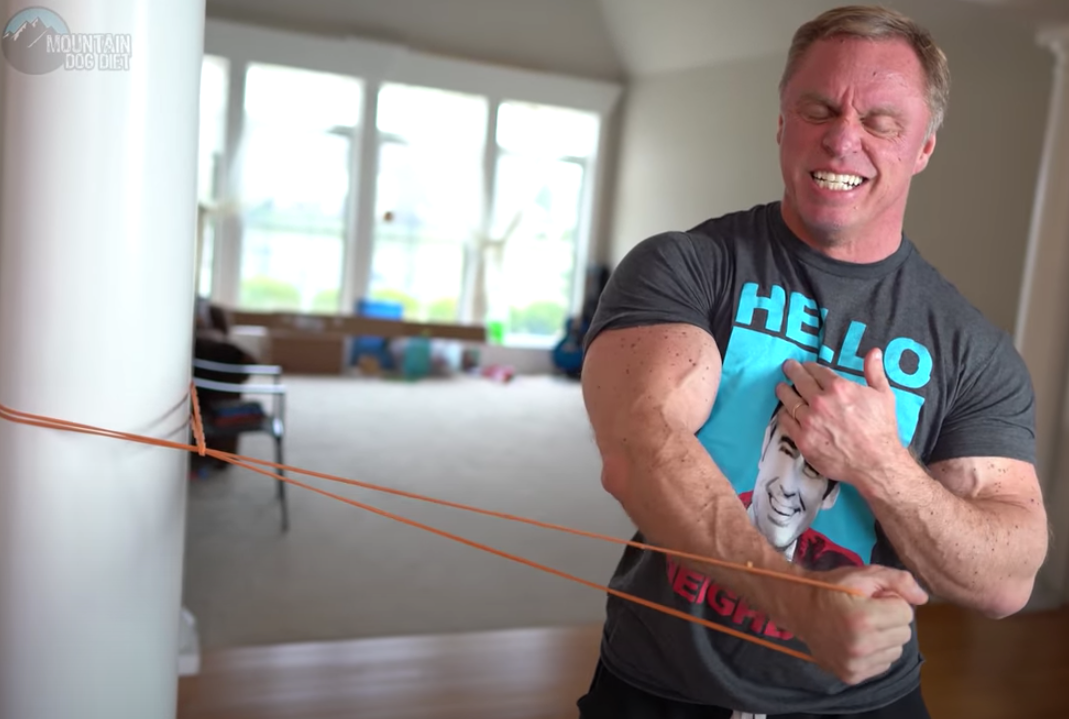
When asked to psychoanalyze his drive, his answer is simple: the best are "fucked in the head." For him, this "craziness" isn't a flaw; it's a strategic advantage. It’s the ability to achieve a state of pre-cognitive commitment, deliberately bypassing the analytical prefrontal cortex to allow for pure, instinctual execution. He describes his most intense workouts as taking place "out in the woods," blasting "real sad country music as loud as I can get it," hitting a massive lift, and feeling an overwhelming urge to "just put my head through something start bleeding." This is the "no thinking, just doing" state in its most visceral form.
From a performance psychology perspective, this is a mastery of the flow state, where the part of the brain that doubts, analyzes, and hesitates is shut down. It’s being so "zoned in" with "horse blinders on" that the action feels like an out-of-body experience. This stands in stark contrast to those who talk themselves out of big efforts. The elite performer, in his view, bypasses that internal negotiation entirely.
i would imagine uh some of the best lifters of all time were guys that were fucked in the head and uh I think cuz they they're so crazy that uh it just helps to be a better lifter like you don't have any other thoughts some people get get up there and they start thinking right well when you're fucking crazy you I don't think there's no thinking mhm it's just doing...

Motivation Doesn't Show Up. You Force It To.
Even the most intense individuals have days where they feel tired and uninspired. The thought "I'll just not lift" comes up, but it's never the winning argument. This isn't just about discipline; it's a practical application of the "no thinking" rule. He removes the option to debate with himself, turning action into an instinct. He employs a behavioral activation strategy, understanding that action precedes emotion.
His process is a ritual for manufacturing momentum: drink some pre-workout, put on music, and just start moving. He describes a consistent turning point: "once you get that first fucking set in dude it totally changes every time." The feeling isn't a prerequisite; it's a reward for showing up. For him, training is not a choice dependent on mood but a non-negotiable habit, as fundamental to his day as personal hygiene.
if I don't lift man like it fucks with my head i got to lift yeah it's It's got to happen it's like brushing my teeth if I'm brushing my teeth today I'm fucking lifting weights no matter what.

Expect 90% of Your Ideas to Fail. Do Them Anyway.
In his creative work, he's discovered a counter-intuitive truth: the t-shirt designs he thinks are brilliant often flop, while the ones he thinks are "stupid" can go viral. His ability to pump out creative work and not dwell on failure stems directly from the same mental switch. He doesn't over-analyze a failed design any more than he over-analyzes a heavy barbell. He just moves on to the next one.
This is a mindset of radical detachment from outcomes, a classic strategy for overcoming creative blocks and perfectionism. Success is a numbers game. To find the 10% of ideas that work, you must be willing to produce the 90% that don't. While many get discouraged and quit, his philosophy is that failure isn't a judgment on your ability; it's simply a data point on the path to finding what sticks. You just have to keep going.
if you just realize going in like 90% of them are going to fail right yeah but you have to have those 90% to get the 10% that actually do something that's true you a lot of people give up or quit... fuck that man you just keep fucking going dude just keep going.

Stop Worrying What Other People Think.
This philosophy reaches its peak in his approach to public opinion. The part of the brain that "starts thinking" about the weight is the same part that worries "what if my grandma doesn't like it?" He has trained himself to shut it down entirely. He operates with a radical authenticity, putting his true self into the world without filtering it through the lens of potential criticism.
This mindset is a creative superpower. When you stop caring what other people think, you remove the biggest barrier to creating and publishing work. You are free to be yourself, create what you want to create, and let the world decide if it's for them. If it's not, that's their problem, not yours.
I'm not here trying to be I don't know Larry Wheels or whoever these people are in the fitness industry i'm Huck Finn that's me and if you don't like it you can kiss our ass you know that's it that's the way I think everybody should think that way.

Forget 'Never Meet Your Heroes.' Go Create a Moment With Them.
There’s a common warning to never meet your idols. His experience meeting his childhood hero, Hulk Hogan, offers a powerful counter-narrative, becoming one of the top five moments of his adult life. The lesson is in how he approached it. He didn't show up as a passive fan; he showed up to create a moment. The setting was a Jewel-Osco supermarket. He had a creative idea ("the mega Americans"), a "beer caddy" in tow, and one instruction for his friend filming: "this is only one take do not fuck this up."
The encounter was a perfect physical manifestation of his entire philosophy. Hogan began slapping his chest—repeatedly and with full force—and he fully embraced the chaos. At the end, he chugged a beer and crushed the can on his head until he was bleeding. The result: "beer and blood everywhere all over the floor," forcing a five-minute cleanup. This was the ultimate test of his principles—a complete willingness to embrace physical discomfort and public chaos for the sake of an unforgettable moment. It was "no thinking, just doing" in its purest form.
A Final Thought
The ethos woven through these takeaways is not just about moving forward; it's about a commitment to chaotic, creative, and physically demanding action. It's a philosophy that finds clarity in intensity, opportunity in failure, and freedom in unapologetic self-expression. It challenges us to stop waiting for permission, for motivation, or for the perfect idea, and to simply start doing—loudly, authentically, and without fear.