


elitefts / Dave Tate
An Excuse and a Reason Look Exactly the Same
A reason is why you can't. An excuse is why you won't. Most lifters never learn the difference because the honest answer costs something.
I've made every excuse there is.
Too tired. Too beat up. Too busy. Bad sleep. Bad day. Bad hip (that one was actually real; the rest were not).
Took me too long to figure this out.
An excuse and a reason look exactly the same until you get honest about which one it is.
A reason is why you can't.
An excuse is why you won't.
That's it. That's the whole thing. Two sentences that took me years to say without flinching.
They Both Show Up Wearing the Same Clothes
Here's what makes this hard.
Nobody wakes up and thinks, "I'm going to make an excuse today." That's not how it works. You wake up, and you feel like garbage, and your brain hands you a fully formed, well-argued, completely reasonable case for why today is not the day.
And the case is good. Your brain has had a lot of practice.
You didn't sleep. That's true. Work was a nightmare. Also true. Your elbow has been barking since Tuesday. True again.
Every piece of evidence checks out. So the conclusion feels like it checks out, too.
But the evidence isn't the question. The question is whether any of it actually removes the option.
Bad sleep doesn't remove the option. It changes what the session should look like. Busy doesn't remove the option. It changes how long you have. Beat up doesn't remove the option. It changes what you train and how heavy.
A torn pec removes the option to bench. It doesn't remove the option to train.
That's the line. A real reason takes something off the table. An excuse takes everything off the table and calls it the same thing.
Black Iron Gym
I have trained in Black Iron Gym my entire life, around guys who had every reason to quit. Bad backs. Torn everything. Full-time jobs. Kids at home. They showed up anyway. Not because they felt like it. Because they said they would.
Nobody there cared how you felt about the workout.
I want to sit on that for a second, because it sounds harsh and it isn't.
It's not that nobody cared about you. People in those gyms will pick you up off the floor, drive four hours to spot you at a meet, and let you sleep on their couch. They care about you plenty.
They just don't care how you feel about the workout.
Those are two different things, and most people never learn to separate them. Caring about a lifter means holding them to a standard. It does not mean agreeing with them when they're looking for a way out.
If you walked in and started building your case, you got nothing. No sympathy. No debate. Somebody would just load the bar and look at you.
That silence does more work than any pep talk ever has.
The Bar Doesn't Care Either
The bar has no opinion about your week.
It doesn't know your boss is a problem. It doesn't know your kid was up all night. It doesn't know you meant to come in on Tuesday, and life got in the way.
Four hundred and five pounds is four hundred and five pounds on the day you feel like a champion, and on the day you feel like you got run over.
This is the part people call brutal. I call it the last honest thing left.
Every other part of your life will let you explain your way out. You can talk your way through a bad quarter. You can talk your way out of a missed deadline. You can build a narrative around almost anything, and most people will nod along because they've got their own narratives running.
Training won't do that for you.
The bar goes up, or it doesn't. The log says what you did, or it says nothing. There's no partial credit for intent.
For a lot of us, that's the whole appeal. It's the one arena where the story you tell and the result you get have to match.
It's Who Stopped Negotiating With Themselves
You want the difference between the people who make it and the people who don't? It's not all talent. It's not all genetics. It's not who had it easier.
It's who stopped negotiating with themselves.
I've watched more talented lifters than me disappear. I've watched guys with worse leverages, worse joints, and worse situations out-train all of them for twenty years.
The gap wasn't ability. The gap was how many open negotiations they were running.
Because it never starts big. Nobody quits on a Tuesday. What happens is you drop the last set. Just the one. You were beat, the bar speed was ugly, and the last set wasn't going to do much anyway.
And you were probably right about that specific set.
That's the trap. The first negotiation is usually a good decision. So you take the deal.
Then next week the same voice shows up with the same offer, and now it's got precedent. You settled this before. Same situation, same terms. Why would this time be different?
Two months later, you're cutting the last movement. Six months later, you're cutting the fourth day. A year later, you're a guy who used to train.
Nobody made a decision to quit. You just kept accepting reasonable offers until there was nothing left to negotiate over.
The lifters who last aren't more disciplined than you. They just aren't sitting down at the table.
They have already decided. They decided a long time ago. So when the voice shows up with its very good case, there's nobody there to hear it.
How to Tell Which One You're Holding
You don't have twenty years to figure this out. So here are the questions I ask myself when I catch my brain building a case.
Would this stop me if someone handed me $1,000 to train today?
Be honest. If the answer is no, if a thousand bucks would get you in the door, then it was never about capacity. It was about what? That's an excuse. You can still choose to skip, but call it what it is.
If the answer is yes, if the money wouldn't help because the thing is physically not happening, that's a reason.
Is it a body part or a mood?
Body parts are reasons. Moods are excuses. Moods change in the parking lot. I have walked into that gym feeling like death more times than I can count and walked out having hit everything on the sheet.
You will never regret the session you didn't feel like doing. You'll regret the one you talked yourself out of, and you'll regret it for longer than the session would have taken.
Has this same reason shown up four weeks running?
If it's real, it should be getting better or getting treated. If it's just showing up on schedule every time the hard session comes around, it's not a reason. It's a habit of wearing a reason's clothes.
Look at your log. The log doesn't lie about patterns. Your memory does.
Is it removing one thing, or everything?
Real limitations are specific. Shoulder's bad, so pressing is out. That's specific. That doesn't touch your legs, your back, your grip, your conditioning, or your abs.
If your reason takes out your entire training session, be suspicious of it. Real problems are rarely that thorough.
A Real Reason Changes the Session. It Doesn't Cancel It.
The hip was real.
Here's what real looks like: you train around it.
Real things get modified. They get worked around. They get planned for. What they don't do is empty the calendar.
There is always something that works. Always. I don't care what's wrong with you; something on your body is fine, and something can be trained today.
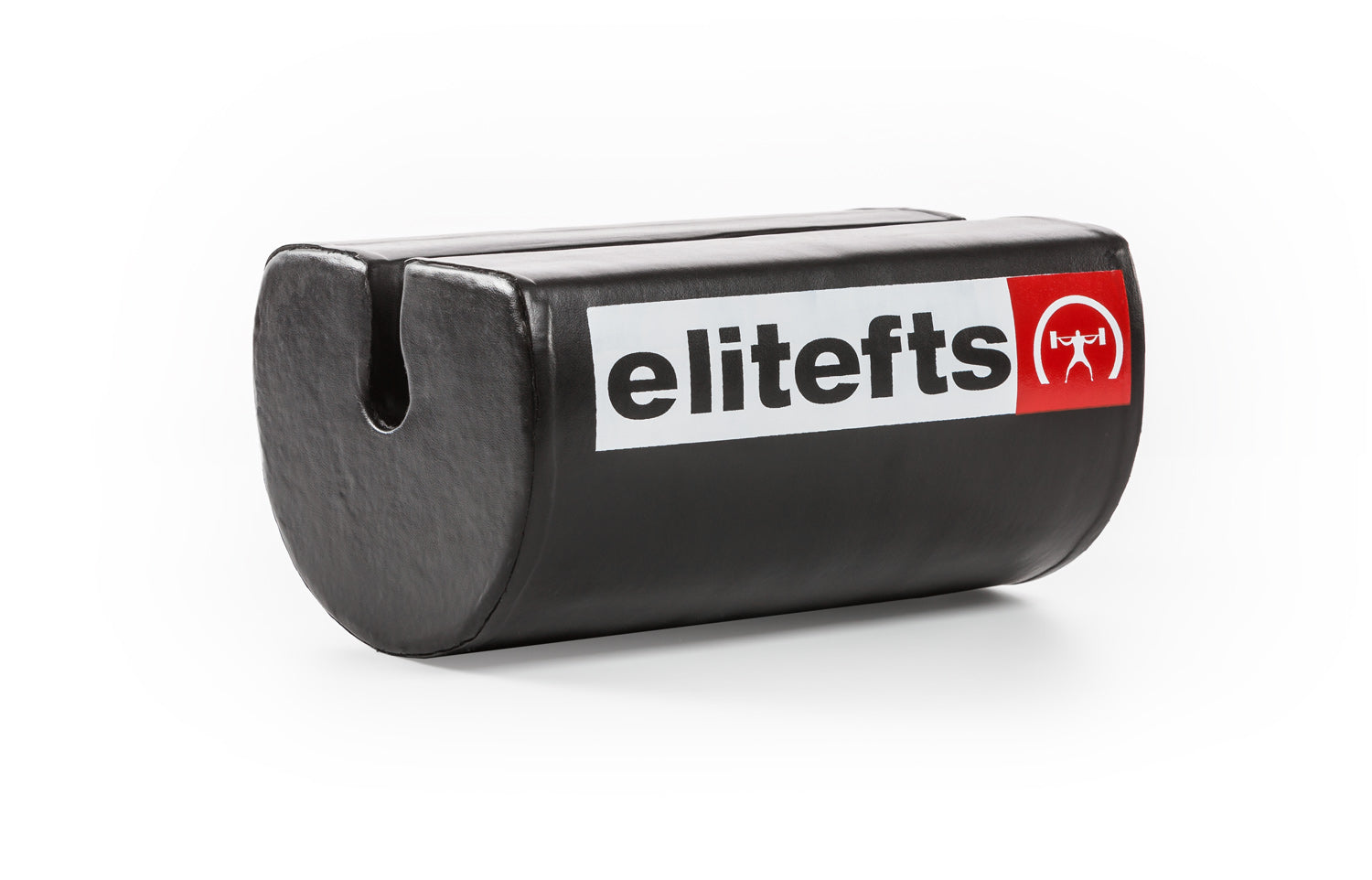
Can't squat with a straight bar? Change the bar. The SS Yoke Bar is the only way I've been able to squat since 2005. That's not marketing, that's my training history. The Marrs-Bar does similar work for people who need the load off their spine and shoulders.
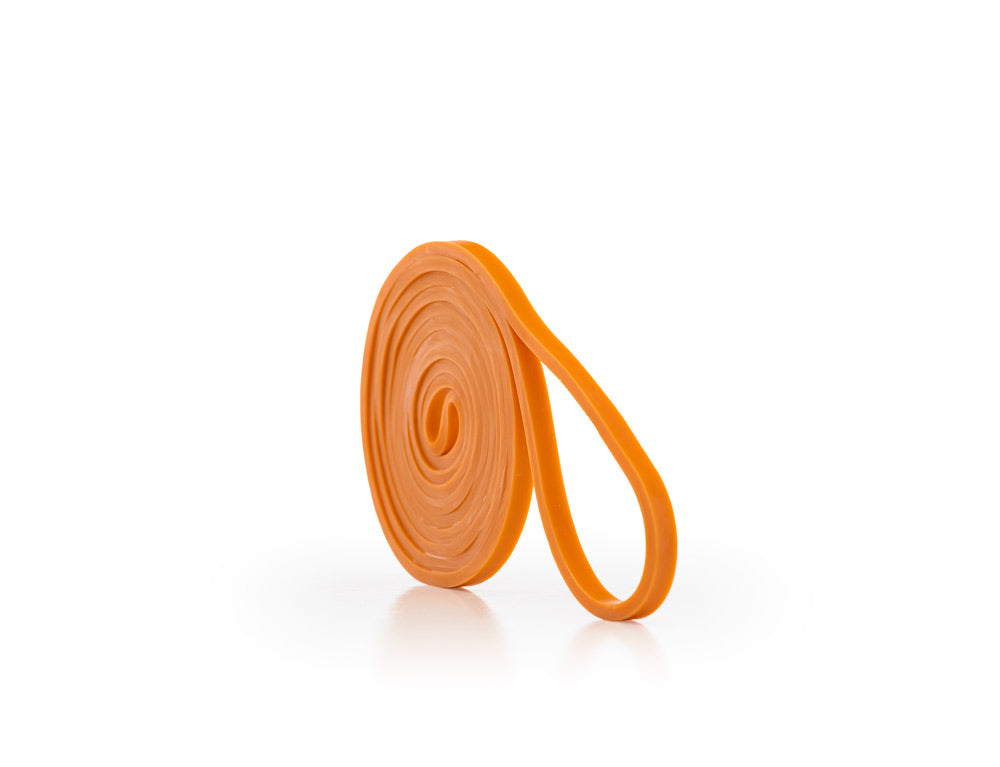
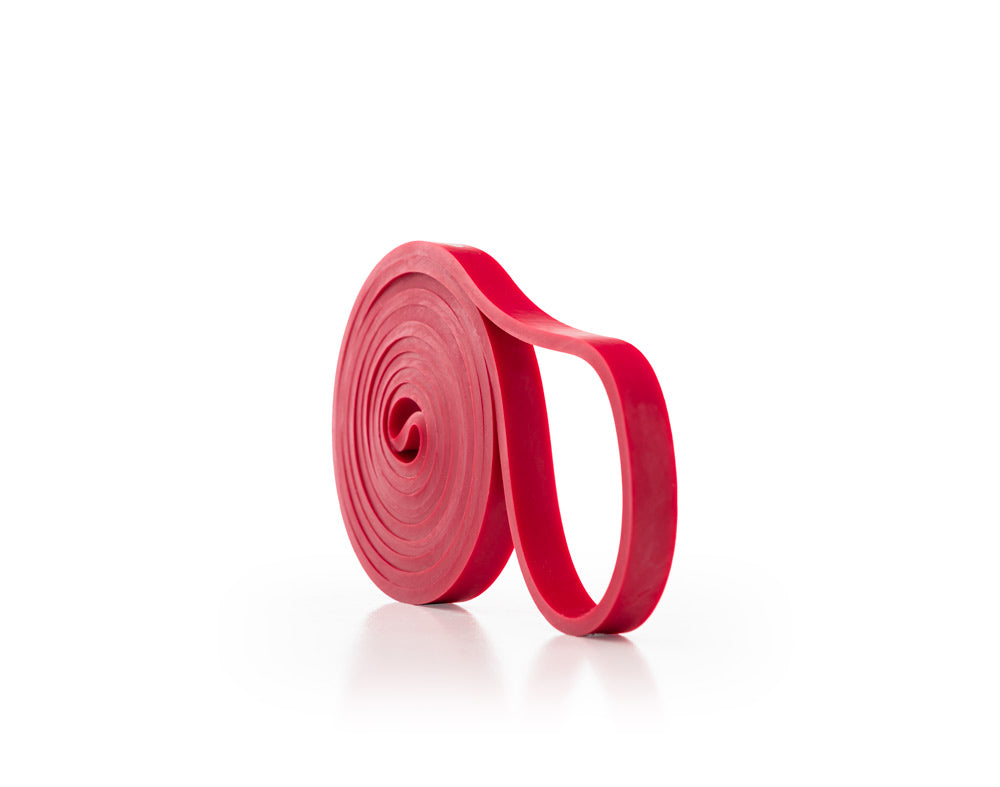
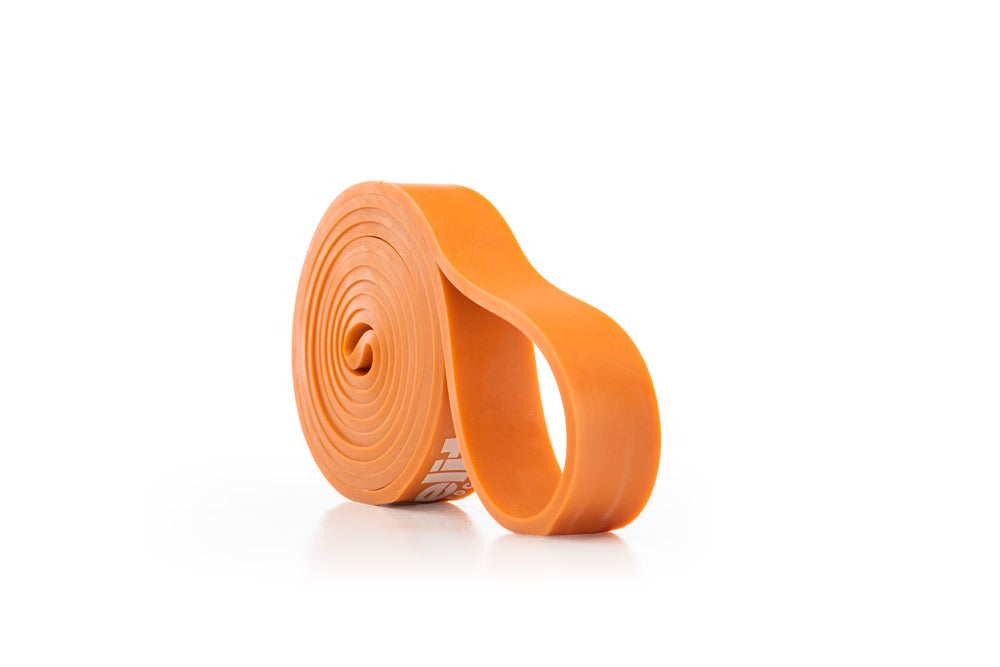
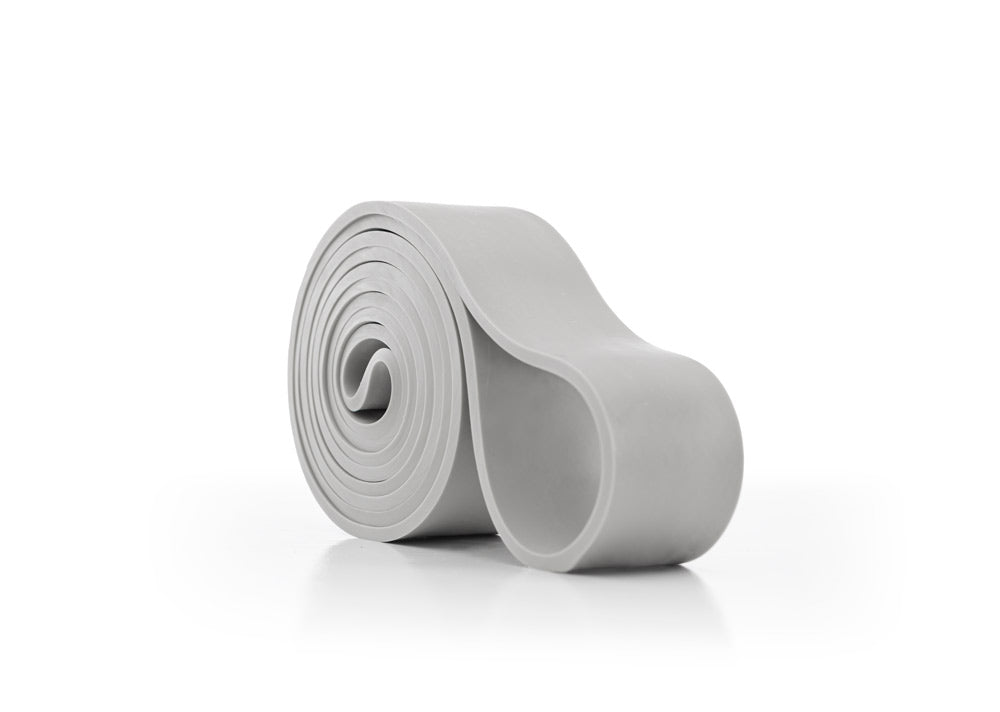
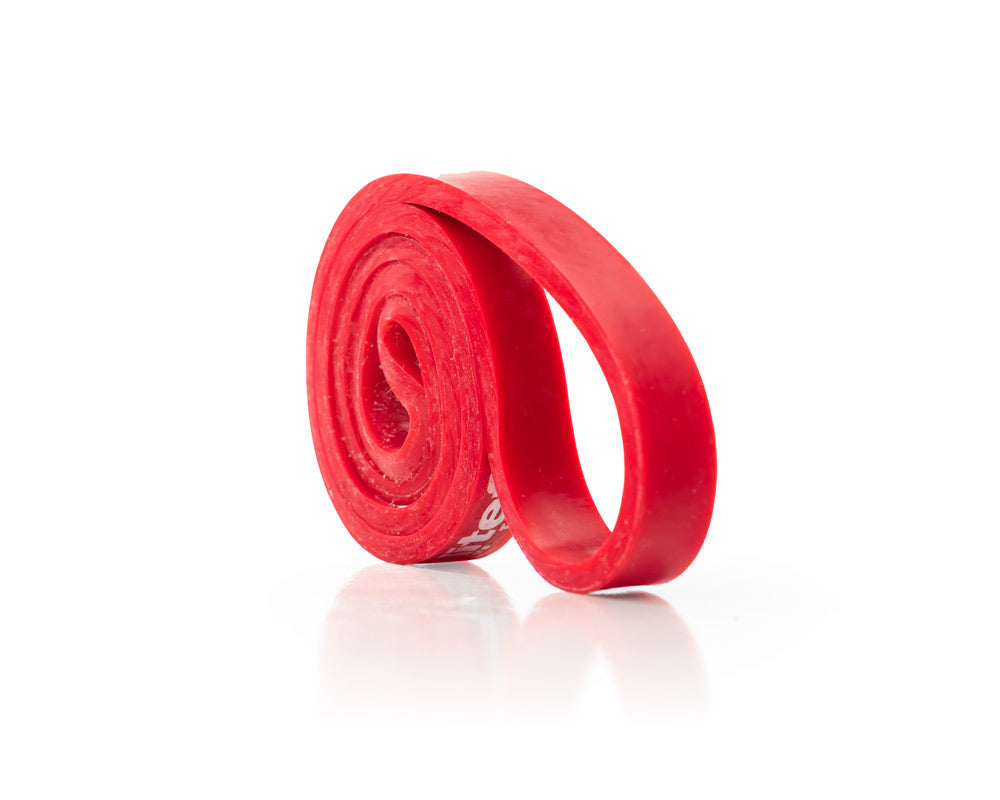
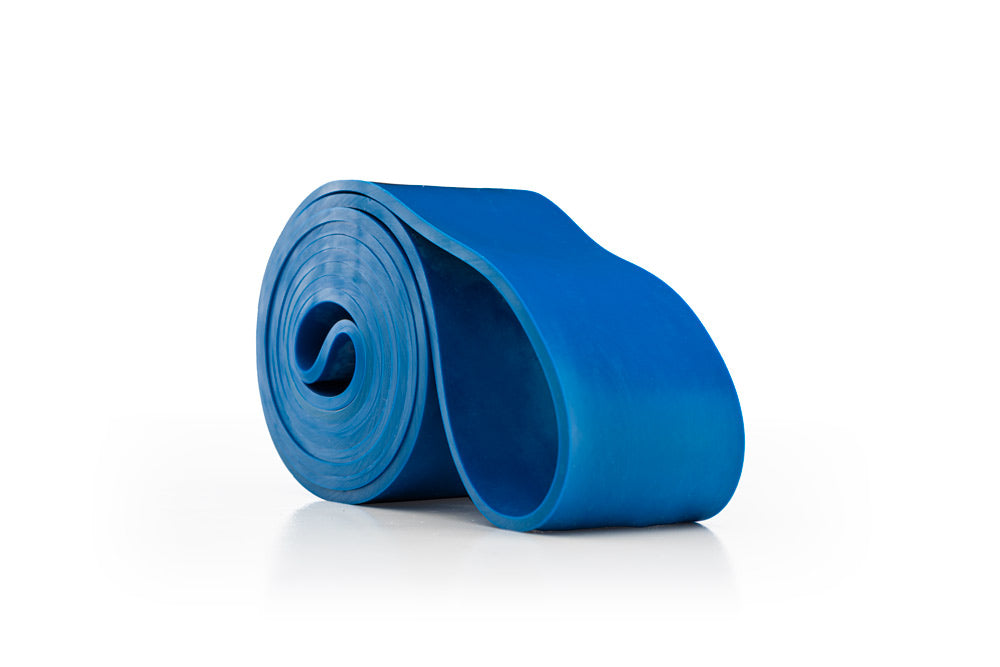
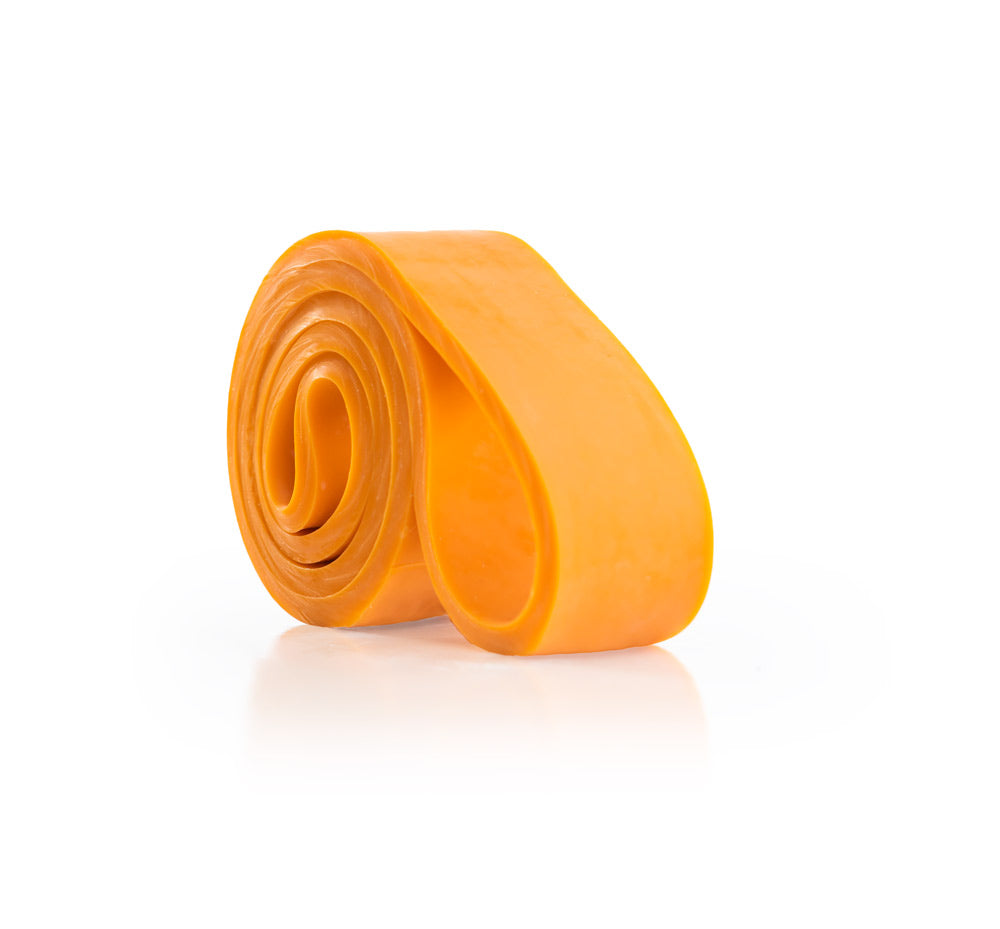
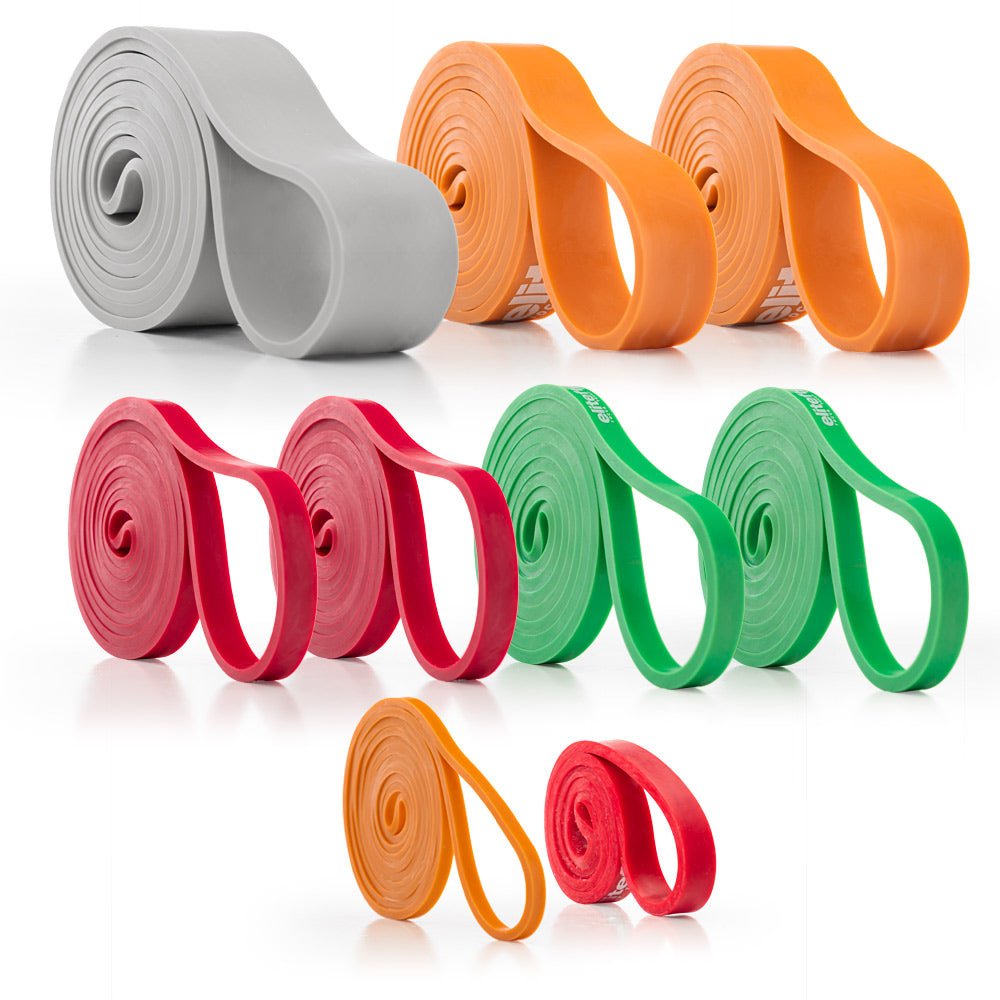
Can't handle the load? Change the load and change how it's applied. Bands let you get real work in at weights that don't beat you up, and reverse band work will let you train positions that are otherwise off the table.
Can't do the movement? Cut the range. Change the angle. Go unilateral. Train the thing next to it.
Can't do anything with your upper body? Congratulations, your legs just got a specialization block.
The session you build on the bad day is worth more than the one you cruise through on the good day. Not because it's harder. Because it's the one that proves the whole thing isn't conditional.
Anybody can train when they feel good. That's not a skill. Everybody's got that.
The skill is what you do on the day the case against training is airtight.
You Just Get Weaker and Better at Explaining
The training doesn't get easier when you explain why you skipped it.
You just get weaker and better at explaining.
Explaining is a skill. It compounds like any other skill. Repeat it enough, and you get very, very good at it.
I've met guys who could deliver a five-minute breakdown of exactly why the last two years went the way they did. Airtight. Well organized. Every point supported.
They were also the guys who hadn't trained in two years.
That's the trade. Every hour you put into the explanation is an hour that didn't go into the thing you're explaining. The people with the best excuses have usually spent the most time on them.
Nobody ever got strong off a well-argued case. The record board doesn't take testimony. It takes numbers.
Whatever you say about yourself, the log says something else, and the log is the one that's right.
Show Up. Do the Work. Save the Speech.
Here's what to actually do with this.
Don't decide to be consistent. That's too big, and it's not a decision, it's a wish. Decide about the next session. Just the next one.
Decide about it now, before you feel anything. Pick the day, pick the time, pick what you're doing. Write it down. Because the version of you deciding right now is thinking clearly, and the version of you at 5:45 on Thursday is not.
Then, when Thursday comes, and the case gets built, you're not evaluating it. You already ruled on this. There's nothing to discuss.
If something real comes up, and real things do come up, don't cancel. Modify. Ask what's still available instead of what's been taken away. Then train that.
And when you catch yourself building the case, just stop mid-sentence and go.
The speech isn't for the bar. The bar doesn't listen. The speech is for you, and you already know how it ends.
Show up. Do the work. Save the speech.