

Avoiding Accommodation: Stay on the Gain Train
Progress stalls when the stimulus gets stale. The answer is not a random variety. The answer is planned variation: rotate exercises, adjust loading, and keep the athlete adapting.
“Accommodation causes your performance to stagnate or decrease. Zatsiorsky stated that the response of a biological object to a given constant stimulus decreases over time.”- Louie Simmons, Accommodation
In plain English, the body adapts to what it experiences most often. When the stress stays the same for too long, progress slows, stalls, or even reverses.
We have all heard the phrase, “variety is the spice of life.” In training, variation has a bigger job: variation drives adaptation. It connects the coaching principle that everything works, but nothing works forever, with the sport science model of stimulus, recovery, and adaptation.
The Programming Rule
As training age increases, a program's lifespan decreases. Beginners may progress for months on the same basic set-and-rep structure. Intermediate athletes often need meaningful adjustments every four to six weeks. Advanced lifters and high-level athletes may need changes to exercise selection, loading parameters, or methods every 1 to 3 weeks.
My coaching philosophy has been heavily influenced by the Conjugate System over the past three decades and, more recently, by a deeper study of Westside Barbell’s special strengths methodologies. I typically organize training into three-week blocks. An athlete may perform the same exercise throughout the block, but the sets, reps, and loading change weekly to create progressive overload while minimizing accommodation.
Start with the Athlete, Not the Template
The first step is deciding which type of training focus best fits the athlete. I use body mass, major-lift strength, and the relationship between the countermovement jump (CMJ) and squat jump (SJ) to guide the conversation. That relationship is called the eccentric utilization ratio, or EUR.


Remember, the Conjugate System trains multiple qualities concurrently within the training week while still prioritizing the athlete’s main need.


Three Decisions at the End of Each Block
Beyond manipulating sets and reps, I maintain exercise-selection charts across major movement categories. Athletes identify the five exercises that consistently produce their best results within each category. That gives them a personalized exercise pool to rotate throughout the training year.
- Change the exercise
- Change the loading scheme
- Change both
Exercise Variation
Depending on whether the athlete needs a neural emphasis (speed and power) or a mechanical emphasis (size and strength), they select an option from the list below. The goal is not variety for entertainment. The goal is controlled exposure to new but relevant stressors.
| Explosive Pull | Explosive Pull | Explosive Pull | Explosive Push | Explosive Squat |
|---|---|---|---|---|
| Clean | Snatch |
|
||
Loading Schemes
The sets and reps should match the exercise choices. I encourage athletes to experiment with different combinations over time so they can learn which combinations deliver the best results. I also ask every athlete to journal training days. The objective results matter, but so do the subjective details that drive success: readiness, intent, stress, sleep, confidence, and execution.
| Number of Sets | Training Types | Week 1 | Week 2 | Week 3 |
|---|---|---|---|---|
| 2 | CARE & Intro Strength | 2 x 12 - 15 | 2 x 10 - 12 | 2 x 8 - 10 |
| 3 |
|
|
|
|
| 4 |
|
|
|
|
| 5 |
|
|
|
|
| 6 |
|
|
|
|
Build the Variation Toolbox
The article’s exercise menus repeatedly point back to one idea: use the right tools to shift the stress without losing sight of the goal. These elitefts options fit naturally with the methods discussed above.
SS Yoke Bar
Use it to rotate squat patterns without beating up shoulders.
Shop SS Yoke BarRackable Trap Bar
A clean option for deadlift, shrug, jump-shrug, and carry variations.
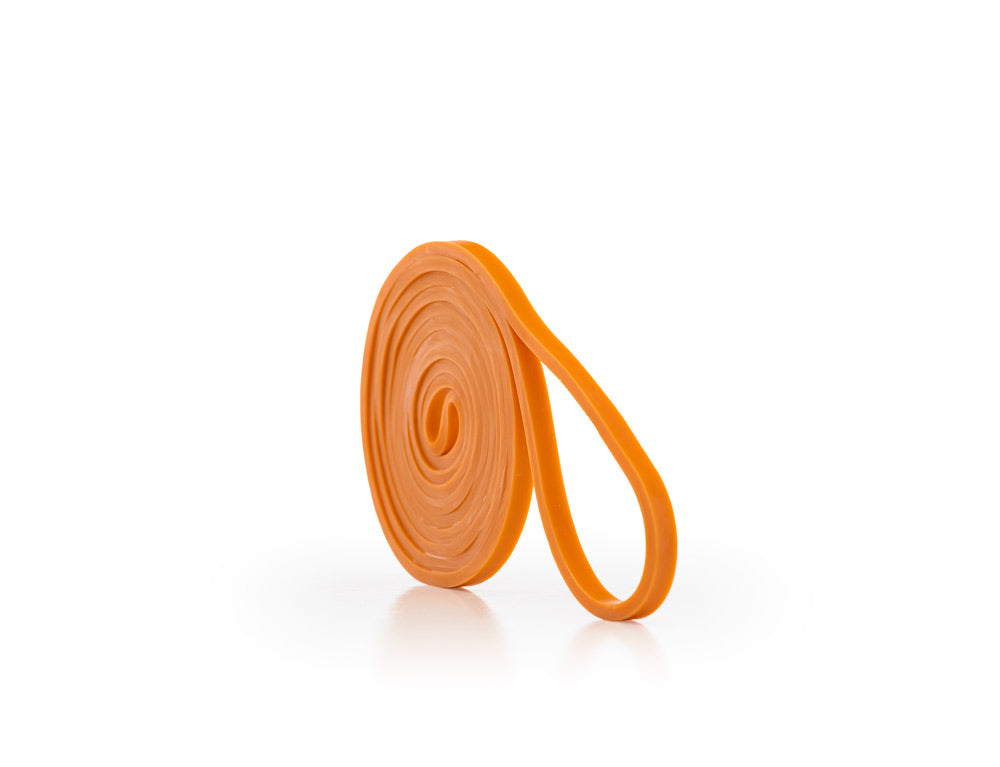
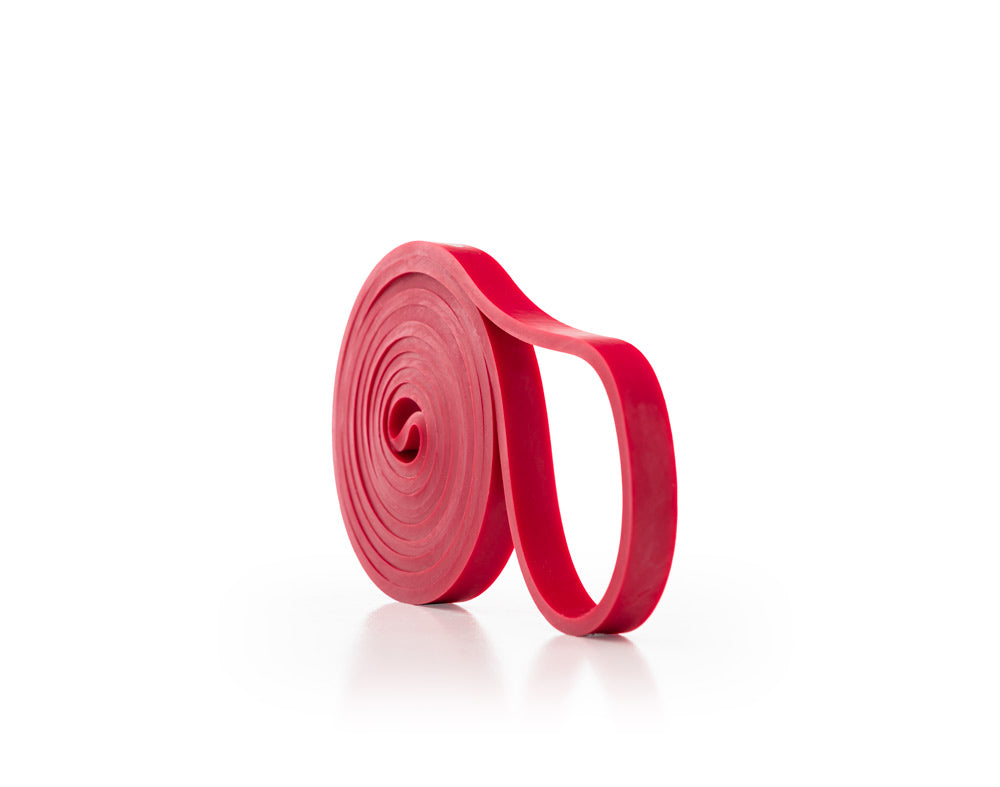
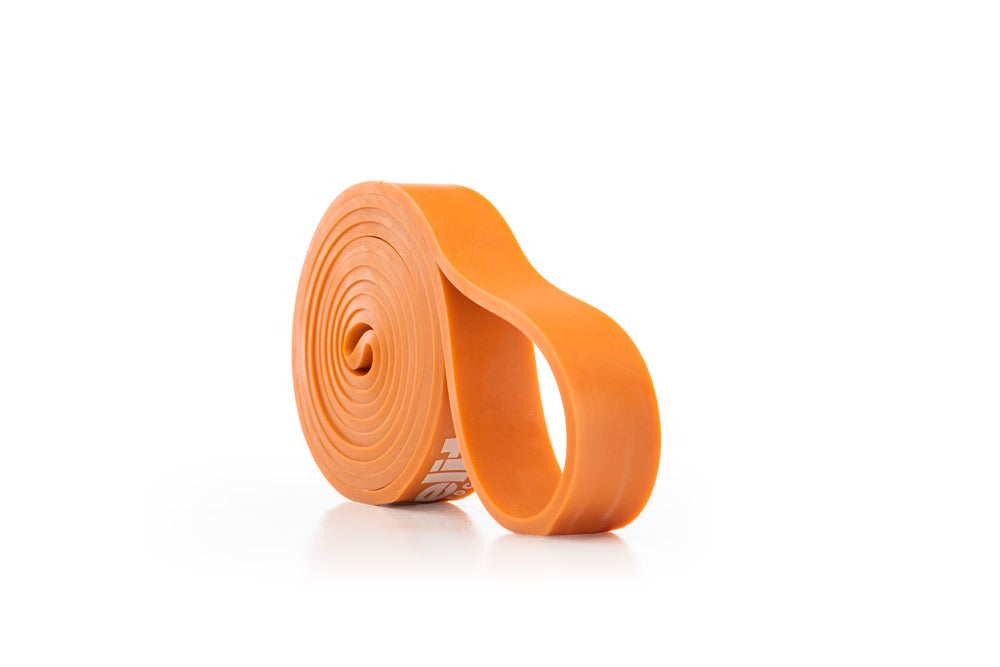
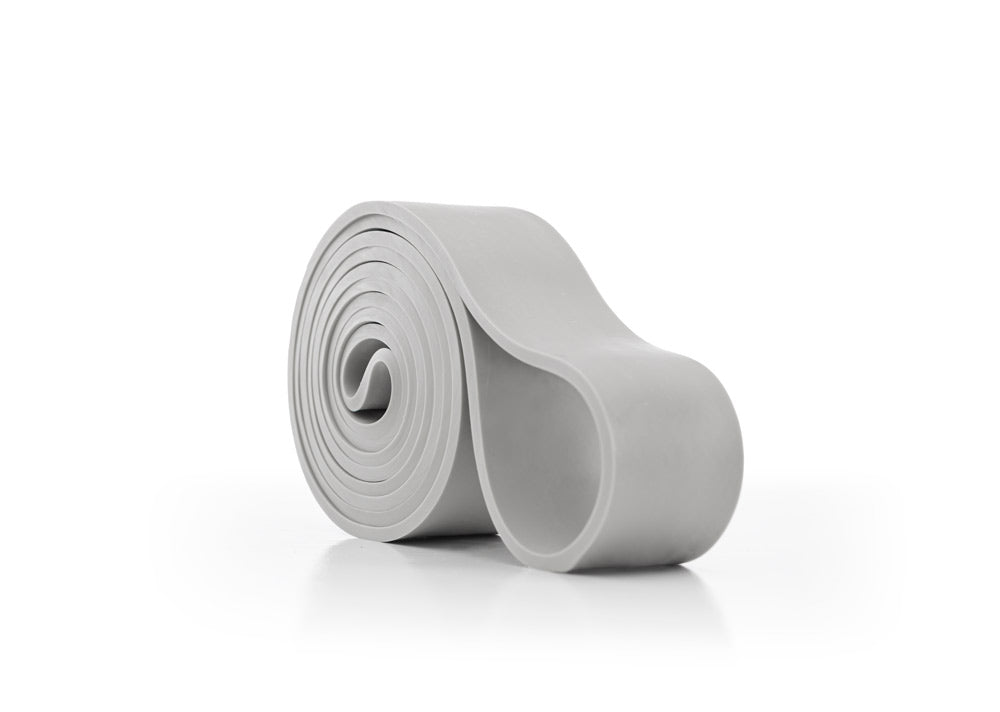
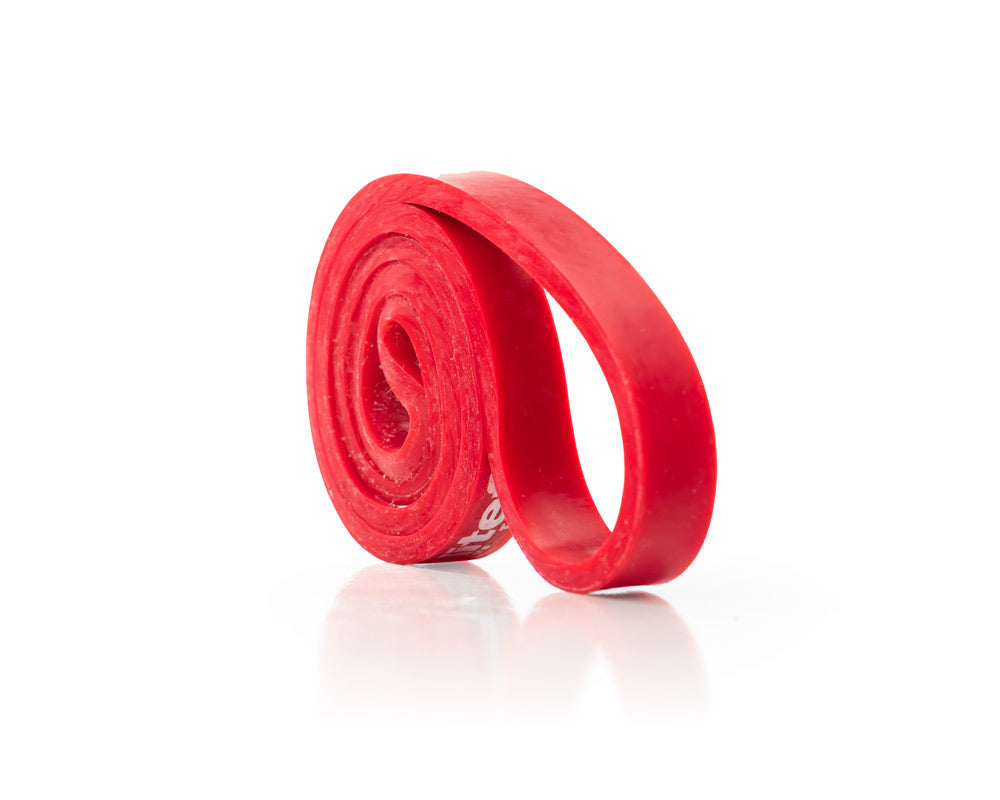
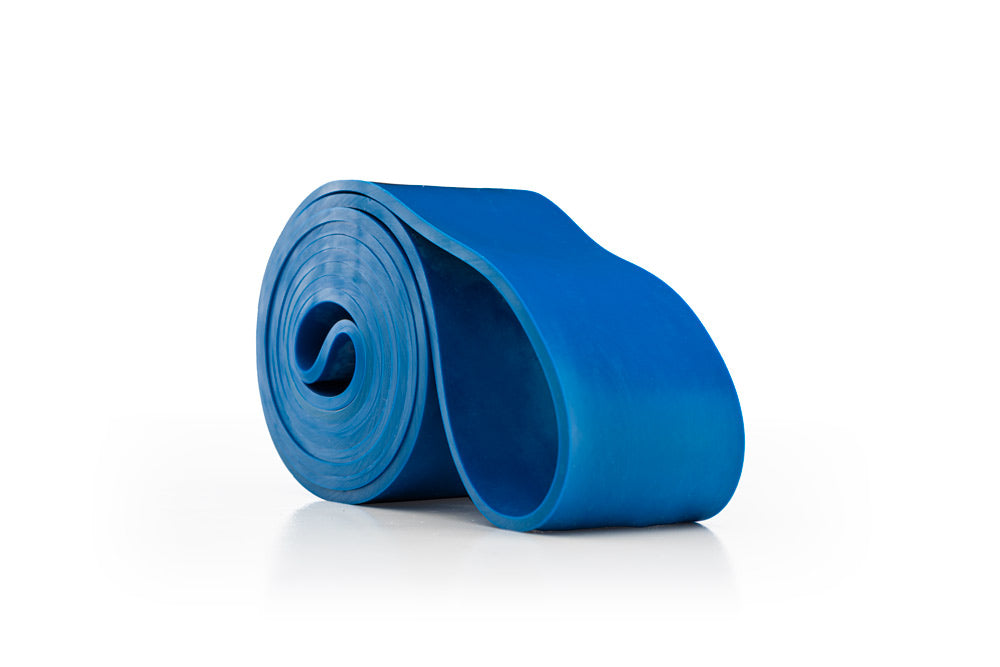
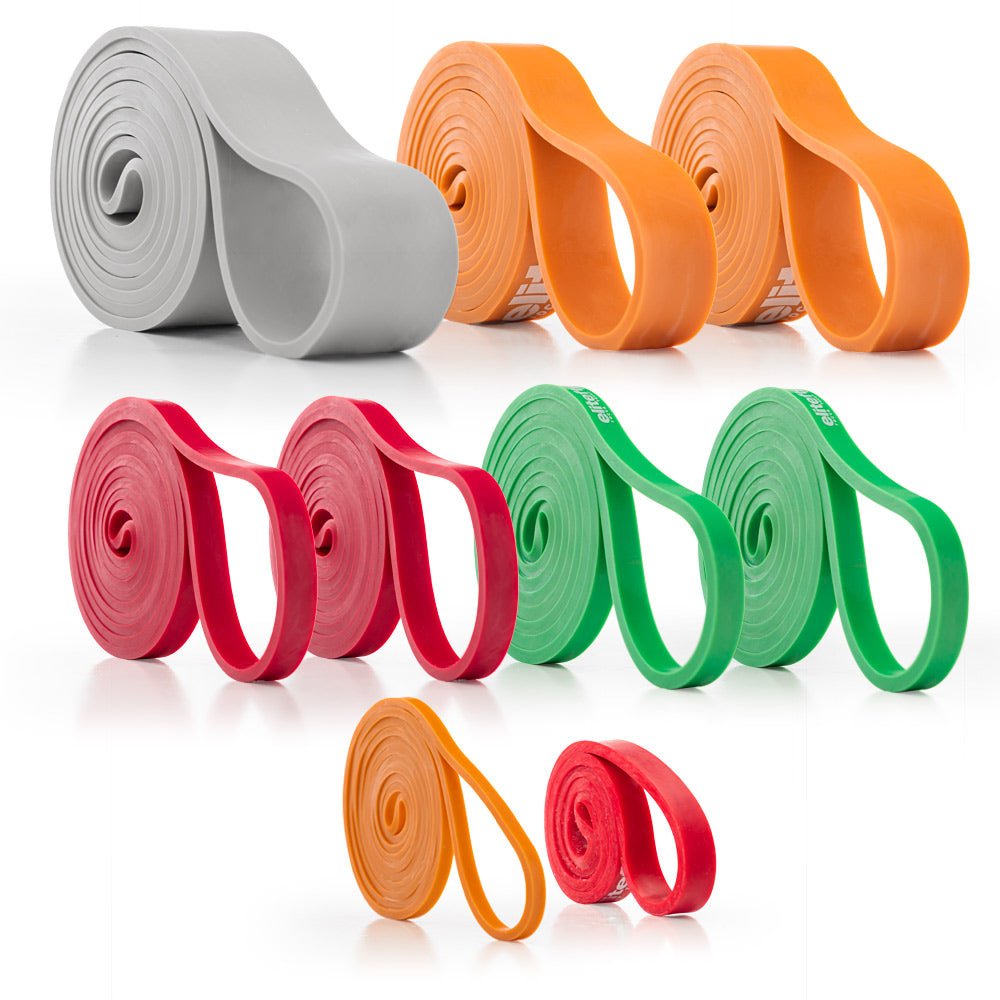
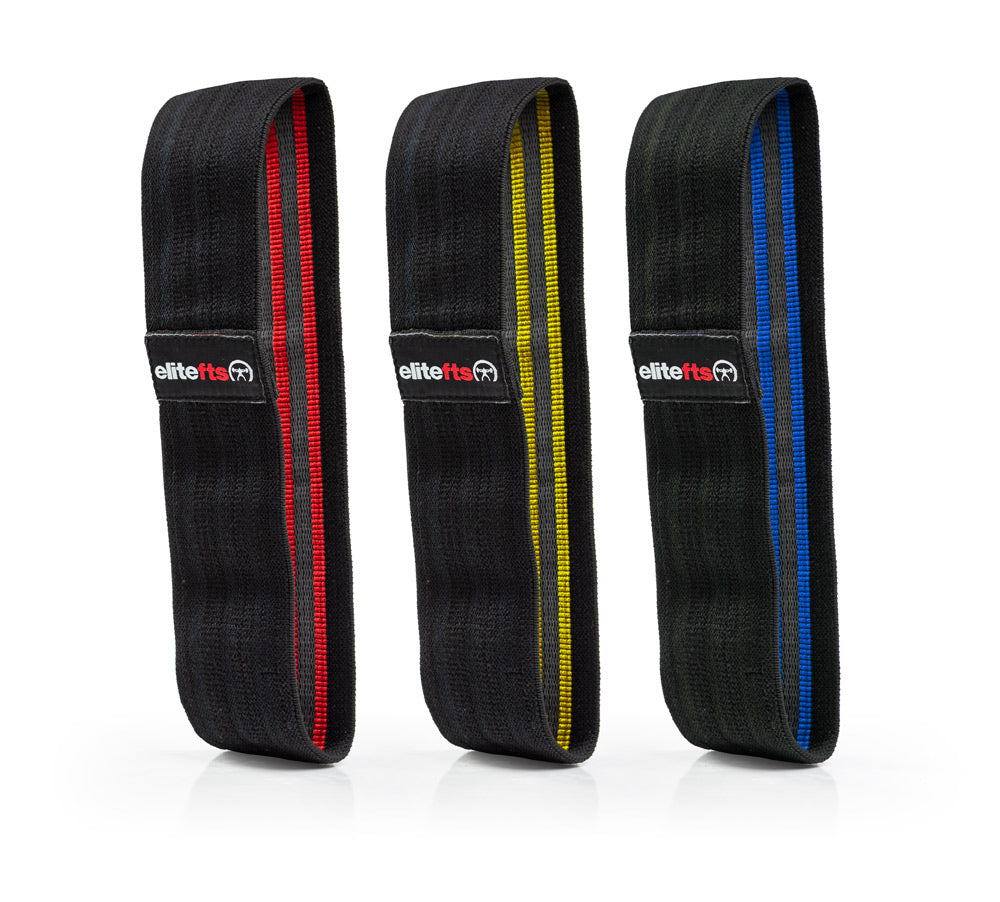
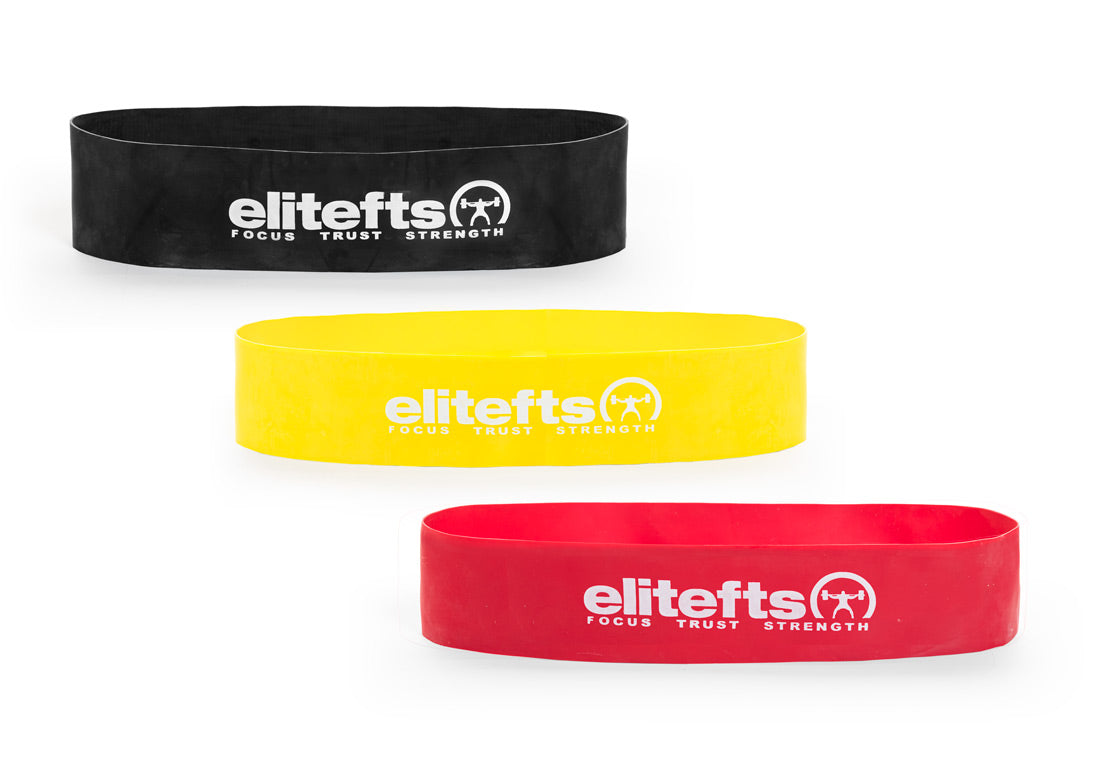
Shop Rackable Trap BarPro Resistance Band Pack
A simple way to add accommodating resistance, speed work, and warm-up options.
Shop Pro Resistance Band PackPair of Chains
Classic variable resistance for squats, benches, and pulls.
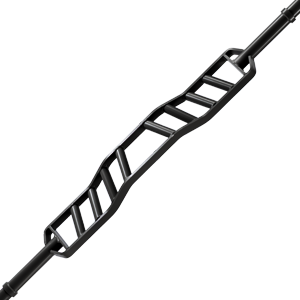
Shop Pair of ChainsBandBell Earthquake Bar
Adds instability and variation to upper-body pressing.
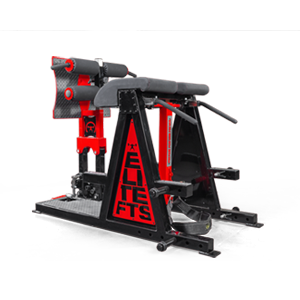
Shop BandBell Earthquake BarScholastic Glute Ham Raise
Posterior-chain staple for hamstrings, glutes, and low-back development.
Shop Scholastic Glute Ham RaiseProwler 2
Conditioning, acceleration, and lower-body volume without loading the spine the same way every week.
Shop Prowler 2These decisions are never made in isolation. They are shaped by the competitive calendar, whether the athlete is in the off-season, pre-season, or in-season phase, and by external stressors such as family, work, education, injury history, and individual performance goals.
The longer I coach, the more convinced I become that true training success lies in intelligent individualization. In a team-sport environment, that remains the coaching equivalent of the Holy Grail. Perfection may be unattainable, but strategic variation, informed decision-making, and athlete-specific programming let us get as close as possible.
Avoid accommodation. Continue adapting. Stay on the gain train.