

Bedroom Nutrition: The Blood Flow + Hormone Playbook for Better Performance
How food, hydration, sleep, stress management, and training habits influence circulation, hormonal health, energy, and sexual function.
Health note: Sexual-function changes can sometimes signal an underlying cardiovascular, metabolic, hormonal, medication-related, or mental-health issue. Persistent erectile dysfunction, pain, sudden loss of function, or major changes in libido deserve medical evaluation. Supplements are not a substitute for diagnosis or treatment, and they can interact with medications.
Introduction
Good nutrition fuels far more than muscle, strength, and endurance. It underpins vitality, clarity, confidence, and the basic systems that enable performance. Nowhere is that more obvious than in the bedroom.
Sexual performance depends on several interacting systems, but two of the biggest are blood flow and hormonal balance. Both are shaped by what we eat and drink, how well we sleep, how active we are, and how much stress we carry. Treating sexual health as separate from general health misses the point. The same habits that support a strong body, sound cardiovascular function, stable energy, and better recovery also support libido, arousal, stamina, and sexual well-being.
This article distills the practical principles behind Bedroom Nutrition into a usable plan: support circulation, cover your nutritional bases, protect hormonal health, improve sleep, manage stress, and build a resilient body that performs everywhere.
Healthy blood vessels, nitric-oxide signaling, adequate hydration, movement, and cardiovascular health all matter.
Adequate calories, dietary fat, micronutrients, body composition, sleep, stress, and medical health all influence the hormonal environment.
01. The Building Blocks: Macros, Micros, and Calories
Our bodies need six major classes of nutrients to grow, repair, regulate, and function: protein, carbohydrates, fats, water, vitamins, and minerals. Protein, carbohydrates, and fats supply energy; water, vitamins, and minerals support the reactions that keep the system running.
The composition of your diet matters alongside total calories. Protein supplies amino acids for tissue repair and many signaling processes. Carbohydrates provide glucose that supports brain function, muscle work, and training performance. Dietary fats provide energy and essential fatty acids while helping absorb fat-soluble vitamins. Cholesterol is also a precursor used by the body to synthesize steroid hormones, but that does not mean you need to deliberately load the diet with saturated fat or dietary cholesterol.
Water maintains blood volume and transports nutrients. Vitamins and minerals act as cofactors in enzyme systems, antioxidant defenses, nerve signaling, and vascular function. In other words, the basics are not boring. They are the base layer.
Build most meals around a quality protein source, produce, a useful carbohydrate source, and healthy fats. A practical target for many adults is roughly 20-40 grams of protein per meal, with carbohydrate and fat amounts adjusted to body size, training load, preferences, and total calorie needs. Avoid extreme diets that unnecessarily strip away entire macronutrient classes.
02. Optimize Blood Flow with Food
An erection in men and clitoral engorgement in women are, in large part, blood-flow events. Arousal activates signaling pathways that include nitric oxide, helping blood vessels relax and erectile tissues fill. That makes vascular health a major part of sexual health.
No single food functions like a prescription drug, but a diet built around vegetables, fruit, legumes, whole grains, nuts, seeds, fish, and unsaturated fats supports the cardiovascular system that sexual function depends on. Foods rich in dietary nitrates, polyphenols, minerals, and other plant compounds can be useful pieces of that pattern.
Arugula is naturally rich in dietary nitrate, while leafy greens also contribute folate, potassium, magnesium, and other micronutrients that support cardiovascular health.
Use herbs generously for flavor and plant compounds. Basil can make nutrient-dense meals easier to eat consistently, but it should not be treated as a stand-alone vasodilator or aphrodisiac.
Nuts provide unsaturated fats, fiber, minerals, and plant sterols. Their greater value lies in supporting cardiometabolic health over time.
Eggs provide protein, choline, selenium, and other nutrients. Think of them as a useful whole-food protein, not a shortcut to better sexual function.
Oysters are exceptionally rich in zinc. Zinc deficiency can impair reproductive and hormonal function, but more zinc is not automatically better once needs are met.
Higher-cacao dark chocolate contains flavanols that may support endothelial function. Keep portions reasonable because it is still calorie-dense.
Watermelon supplies citrulline, while beets provide dietary nitrate. Both fit naturally into a circulation-focused performance diet.
These foods provide magnesium and other minerals. Pumpkin seeds also contribute zinc, healthy fats, and phytosterols.
Garlic contains sulfur compounds and can be part of a heart-healthy diet. Claims that it reliably increases sperm count or acts like an ED treatment go beyond the evidence.
Extra-virgin olive oil fits a Mediterranean-style eating pattern and is a practical way to replace less favorable fat sources with monounsaturated fat.
Celery contributes water, potassium, and plant compounds. It can be part of the plan, but claims that it specifically boosts semen volume are not well established.
Goji berries are a nutrient-dense fruit with a long history of traditional use. Traditional claims about sexual vitality are not the same thing as strong clinical evidence.
Both can fit a balanced diet. Cinnamon can add flavor without much sugar, and honey can be a convenient source of carbohydrates. Neither should be sold as a proven ED treatment.
A salad with arugula and olive oil, an omelet with vegetables and herbs, fruit plus nuts, beets with dinner, and a few squares of dark chocolate can all fit the plan. The goal is not to hunt for a magic aphrodisiac. The goal is to create a daily diet that supports the vascular system.
03. Supplements: What the Evidence Actually Supports
Supplements are where marketing often gets far ahead of physiology. Some herbs have small studies behind them, but no over-the-counter herbal product has been established as a safe, reliable treatment for erectile dysfunction. Products marketed for sexual enhancement are also a category in which undeclared drug ingredients have been found, making product quality and medication interactions a real concern.
If you have persistent ED, low libido, fertility concerns, cardiovascular disease, blood-pressure problems, or take prescription medication, talk to a qualified clinician before using sexual-enhancement supplements. Do not combine products casually with prescription ED medications or nitrate drugs.
- Maca: Some small studies suggest possible benefits for sexual desire in certain groups, but it is not proven to raise testosterone, build muscle mass, or function as a reliable ED treatment.
- Saffron: A number of small trials have reported improvements in some measures of sexual function, but the evidence base is still limited, and product quality matters.
- Pine bark extract: Pine bark has been studied for vascular and sexual-function outcomes, but systematic reviews rate the certainty of the evidence as very low. It is not a natural source of DHEA.
- Muira puama: Traditional use is common, but high-quality human evidence for sexual performance is sparse. Treat claims about blood flow, sensation, or libido cautiously.
- Epimedium (horny goat weed): Icariin has interesting laboratory mechanisms, but human evidence is not strong enough to treat it like a natural prescription PDE-5 inhibitor.
- Damiana: Historical use does not equal proven effectiveness. Human research on sexual function remains limited.
- Ginger and related botanicals: Ginger is a useful culinary ingredient and has been researched in several health areas, but claims that it reliably improves genital sensitivity or sexual performance are not well established.
- Saw palmetto: It is frequently marketed for prostate health, but large studies and evidence reviews have not shown consistent benefit for urinary symptoms from benign prostate enlargement, and it should not be positioned as a sexual-performance enhancer.
Remember: More is not better. If you use a supplement, choose a reputable product, introduce one change at a time, and track your response. When a product promises dramatic sexual-performance effects, skepticism is a feature, not a weakness.
04. Avoid the Performance Killers
Food can either support or undermine the system's sexual function, depending on. The real problems are not one demonized ingredient. They are patterns that repeatedly push body composition, blood pressure, blood sugar, cardiovascular health, sleep, and recovery in the wrong direction.
Refined sugar and ultra-processed foods: A diet dominated by refined carbohydrates, high-sodium packaged foods, and excess calories can contribute to obesity, diabetes, and cardiovascular disease, all of which are linked with sexual dysfunction. The point is not that sugar instantly destroys nitric oxide. The problem is the long-term metabolic pattern.
Trans fats and poor fat balance: Industrial trans fats are worth avoiding. But ordinary liquid plant oils rich in mono- and polyunsaturated fats should not automatically be labeled “performance killers.” Current cardiovascular guidance generally favors replacing saturated and trans fats with unsaturated fats such as olive, canola, soybean, sunflower, nut, and seed oils.
Heavy alcohol intake: Alcohol can impair arousal, sleep, hydration, judgment, and sexual function, especially as intake rises. Do not start drinking red wine for circulation. If you drink, moderation matters.
FODMAP triggers in sensitive people: Onions, garlic, legumes, some dairy products, certain fruits, and some sweeteners can cause gas or bloating in people with IBS or FODMAP sensitivity. If that is you, adjust meal choices around the times you want to feel your best.
Smoking: Smoking damages blood vessels and is strongly associated with erectile dysfunction. Quitting is one of the highest-value steps you can take for vascular and sexual health.
Remove the habits that consistently damage cardiovascular and metabolic health, then replace them with whole foods, regular physical activity, appropriate calorie intake, and adequate sleep. That is where the payoff lives.
05. Balance Your Hormones with Nutrition
Sex hormones influence libido, mood, bone health, reproductive function, cognition, and body composition. Testosterone is synthesized through the hypothalamic-pituitary-gonadal axis, and cholesterol is one of its biochemical precursors. But hormone health is not created by simply eating more cholesterol or saturated fat.
The bigger picture is adequate energy intake, sufficient dietary fat, micronutrient sufficiency, good sleep, appropriate body composition, resistance training, and treatment of any underlying medical problem.
Prioritize olive oil, avocados, nuts, seeds, fatty fish, and other minimally processed foods. Eggs, dairy, and meat can fit into your diet based on your preferences and health needs.
Zinc, magnesium, selenium, B vitamins, and vitamin D all support normal physiology. Deficiency can matter; megadosing past adequacy is not a reliable testosterone strategy.
Excess adiposity is associated with lower testosterone in many men and increases the risk of diabetes, sleep apnea, and cardiovascular disease. Resistance training, conditioning, and daily movement all help.
Tobacco smoke and certain heavy-metal exposures can harm reproductive health. If you have a known water, occupational, or environmental exposure risk, follow evidence-based testing and local public-health guidance.
What About “Testosterone Support” Supplements?
Tongkat ali, stinging nettle, and other botanicals are often marketed for testosterone or fertility. Some small studies are promising, but extracts vary widely, and the evidence is not strong enough to treat these products as substitutes for medical evaluation or testosterone-replacement therapy when it is clinically indicated.
Creatine belongs in a different category. It has a strong evidence base supporting improvements in strength, power, and high-intensity training performance. That makes it useful for training, but it should not be pitched as a treatment for low testosterone or erectile dysfunction. Claims that creatine reliably raises DHT are not established enough to make it the reason you take it.
Balanced hormones are also about more than testosterone. Women need adequate estrogen for sexual and reproductive health, while men also require estrogen for normal bone and reproductive physiology. The goal is normal function, not driving one hormone as high as possible.
06. Stress, Blood Sugar Swings & Digestive Health
Psychological state and metabolic health are tightly connected to sexual function. Chronic stress can elevate cortisol and shift attention away from arousal. Poor sleep can increase irritability and anxiety, reduce motivation, and make everything feel harder. Large blood-sugar swings can also leave you feeling flat, wired, tired, or hungry at exactly the wrong time.
Digestive comfort matters too. Large, heavy meals can leave you bloated and sluggish. People who are sensitive to certain FODMAP foods may need to be more strategic with onions, garlic, legumes, dairy, and specific sweeteners.
A diverse diet that includes fiber, fermented foods when tolerated, and resistant starch can support the gut microbiome. Foods such as cooked-and-cooled potatoes, oats, whole grains, legumes, and slightly green bananas can provide resistant starch or fermentable fibers that beneficial bacteria use.
Practical Strategies
- Control stress: use breathwork, meditation, walking, yoga, time outdoors, and strong social connections. Emotional intimacy matters as much as physiology.
- Stabilize blood sugar by building meals around protein, fiber-rich carbohydrates, vegetables, and healthy fats. A 10-minute walk after meals is simple and useful.
- Use blood-sugar “hacks” realistically: cinnamon or vinegar can be culinary tools, but they do not replace appropriate food quantity, fiber, movement, or diabetes treatment.
- Support digestion: eat at a pace you can tolerate, chew thoroughly, avoid oversized meals when comfort matters, and include fermented foods and fiber sources that work for your gut.
When stress, sleep, blood sugar, and digestion are better managed, you remove several common barriers to feeling energetic, confident, and ready.
07. Hydration & Electrolytes
Adequate hydration is fundamental for athletic performance and supports normal circulation. Dehydration can reduce physical output, and low fluid intake can reduce plasma volume, making exercise, concentration, and recovery harder.
Hydration is more than chugging plain water. Sweat losses include sodium, chloride, potassium, magnesium, and calcium. The harder and longer you train, and the more you sweat, the more relevant electrolyte replacement becomes.
Start the day hydrated, sip fluids regularly, and use electrolytes when sweat loss warrants them. Water with a pinch of salt and citrus can work in some situations, while commercial electrolyte products can be useful for longer or hotter sessions. Alcohol can worsen dehydration and sleep quality, so pair it with water and do not rely on it as part of a “performance” strategy.
08. Sleep, Recovery & Hormonal Stability
Sleep is when the body repairs tissue, consolidates memory, regulates appetite, and coordinates endocrine and nervous system functions. In a small JAMA study of healthy young men, one week of restricted sleep with only five hours in bed per night reduced daytime testosterone by roughly 10-15 percent. That does not mean every bad week produces the same drop, but it is a sharp reminder that recovery is part of the hormonal equation.
Poor sleep can also increase irritability, anxiety, and fatigue while reducing motivation and sexual desire. If you want better performance, sleep cannot be the first thing you sacrifice.
- Prioritize 7-9 hours when possible. Keep bedtime and wake time reasonably consistent.
- Get outdoor light after waking. Morning light helps anchor circadian timing. Getting outside again later in the day can also reinforce the light-dark cycle.
- Reduce bright light late at night. Dim the environment and use screen settings or blue-light reduction if it helps you wind down.
- Make the room dark, cool, and quiet. Blackout curtains, a sleep mask, or white noise can help if your environment is working against you.
- Use supplements carefully. Magnesium or other sleep-oriented supplements may help some people, but dose and need are individual. Do not stack products blindly.
- Address sleep disorders. Loud snoring, witnessed breathing pauses, severe daytime sleepiness, or suspected sleep apnea deserve medical evaluation. Sleep apnea is associated with cardiovascular risk and sexual dysfunction.
Quality sleep amplifies the benefits of good nutrition and training. Combined with stress management, it gives your body a better environment for recovery, libido, and sexual function.
09. Lifestyle, Movement & Mindset
Nutrition and supplementation are only part of the picture. Daily movement helps maintain cardiovascular fitness, insulin sensitivity, work capacity, mood, and blood flow. A sedentary lifestyle works against nearly all of those systems.
Pelvic-floor training can be useful for some men and women, particularly when performed correctly and matched to the individual. More is not always better here either; people with pelvic-floor pain or excessive tension may need professional guidance rather than endless Kegels.
Resistance training and conditioning improve strength, body composition, insulin sensitivity, and cardiovascular fitness. Acute hormone spikes from hard training are not the goal. The goal is the long-term system you build through consistent training.
Mindset, self-image, trust, and emotional intimacy also have a profound impact on physical response. Build confidence through competence and fitness, but do not turn sex into another performance test you have to “win.” Communication, novelty, safety, and connection matter.
elitefts Gear Suggestions
Nutrition supports the engine. Training gives it a reason to adapt. These tools fit the article because they make it easier to build work capacity, strength, movement quality, and consistent activity without turning every session into a max-effort event.
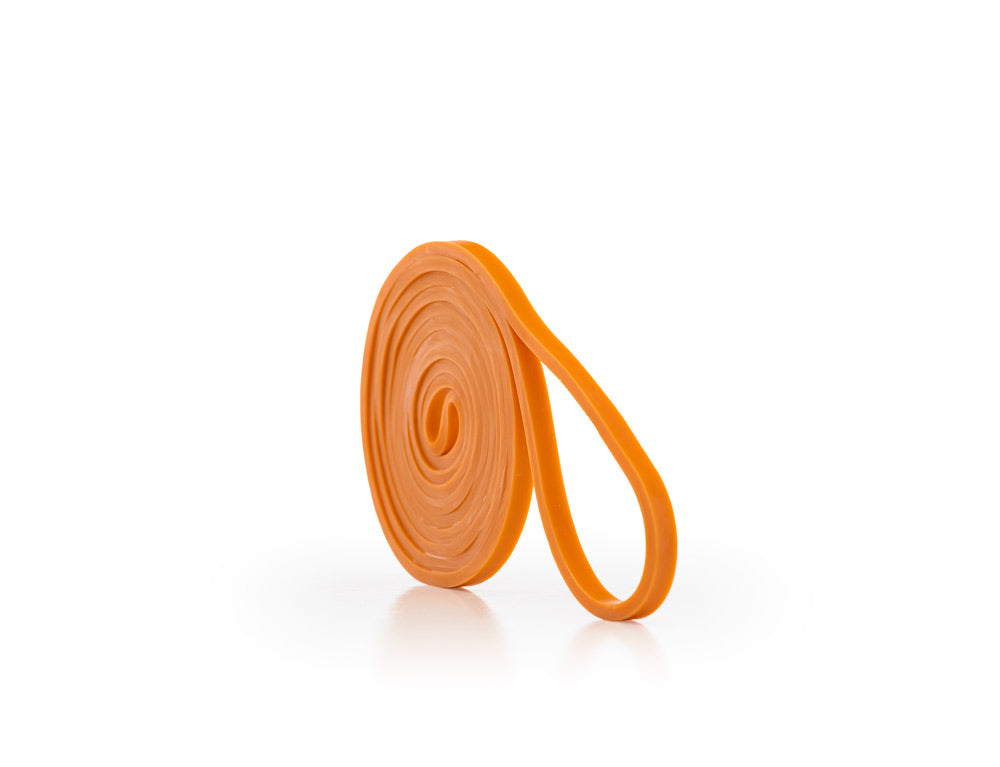
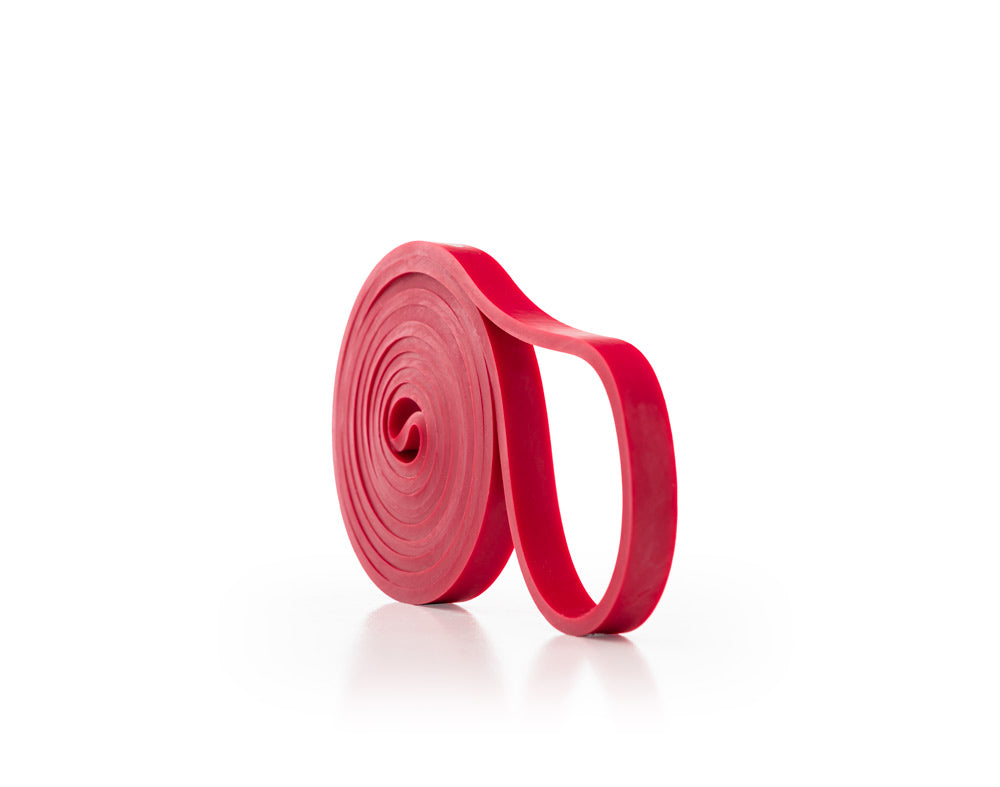
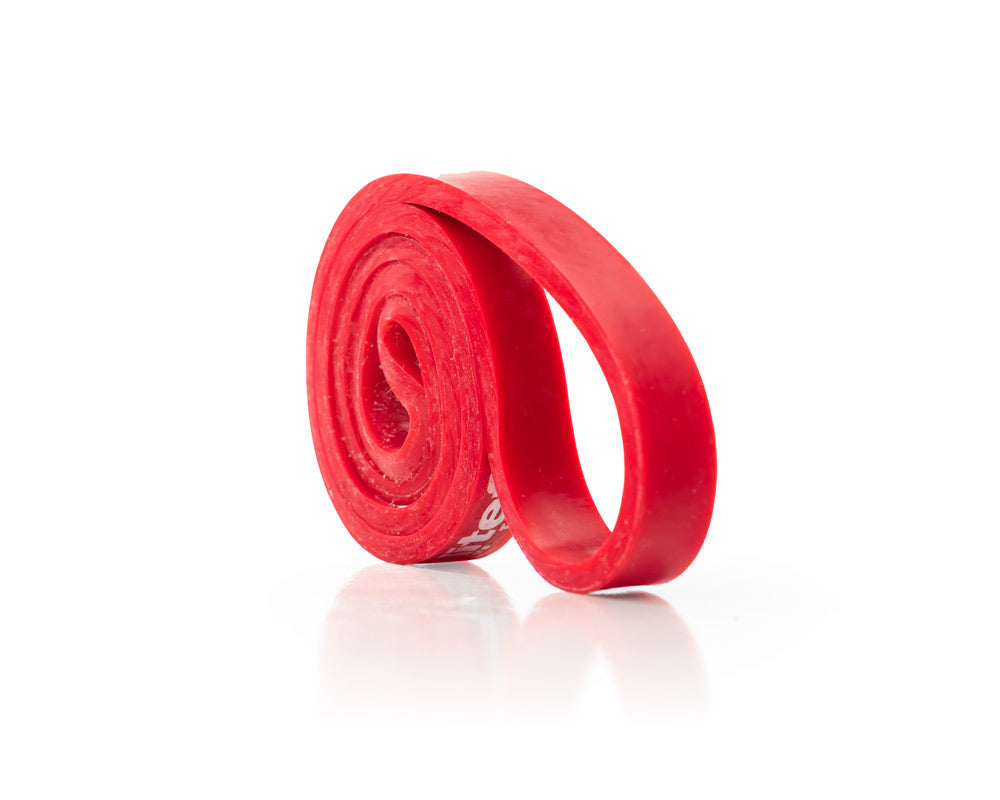
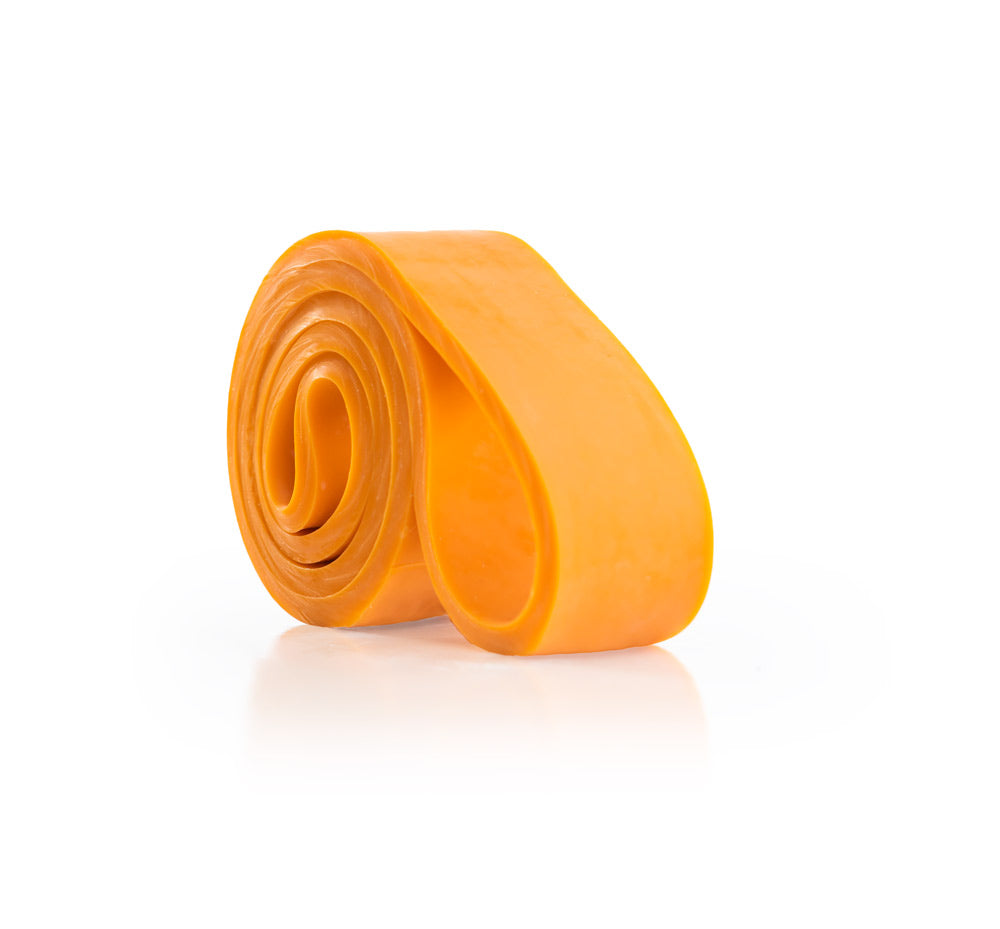
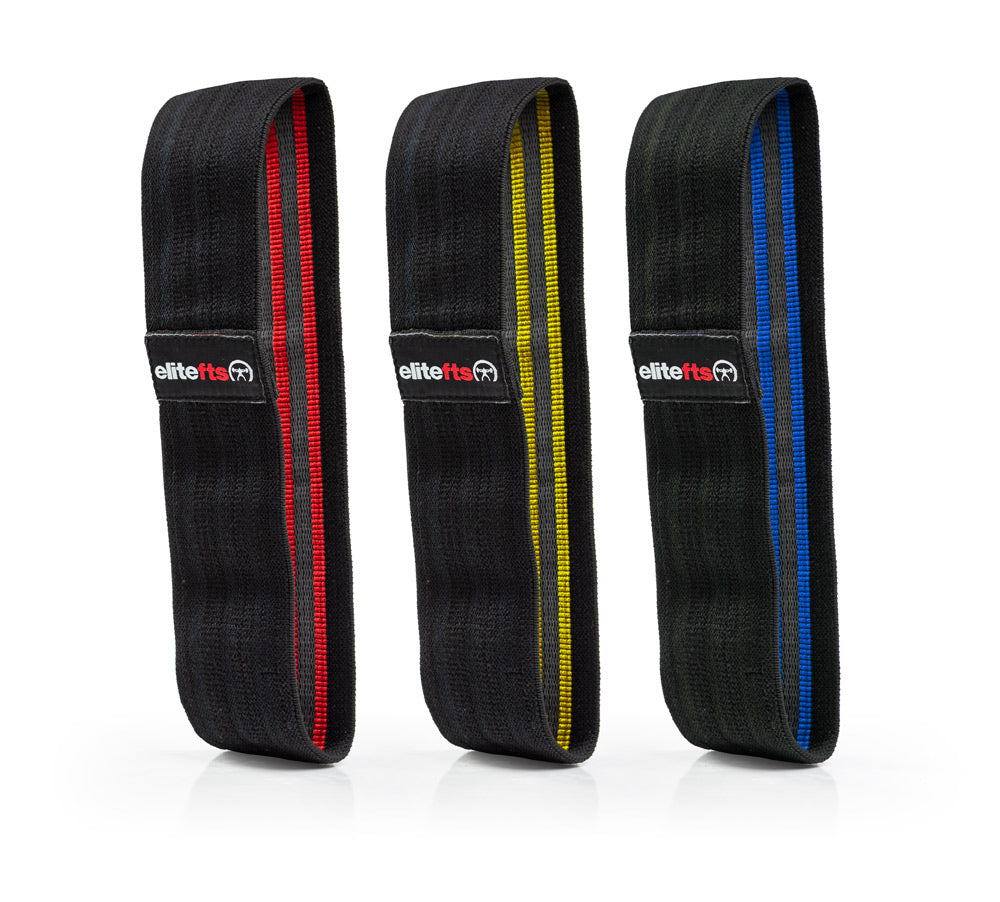
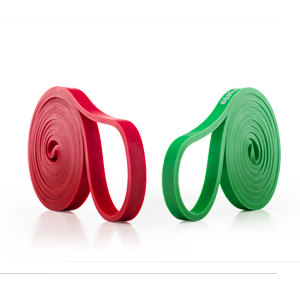
elitefts Workout Band Pack
Three light loop bands for warm-ups, hip work, shoulder activation, mobility, yoga, and travel-friendly training.
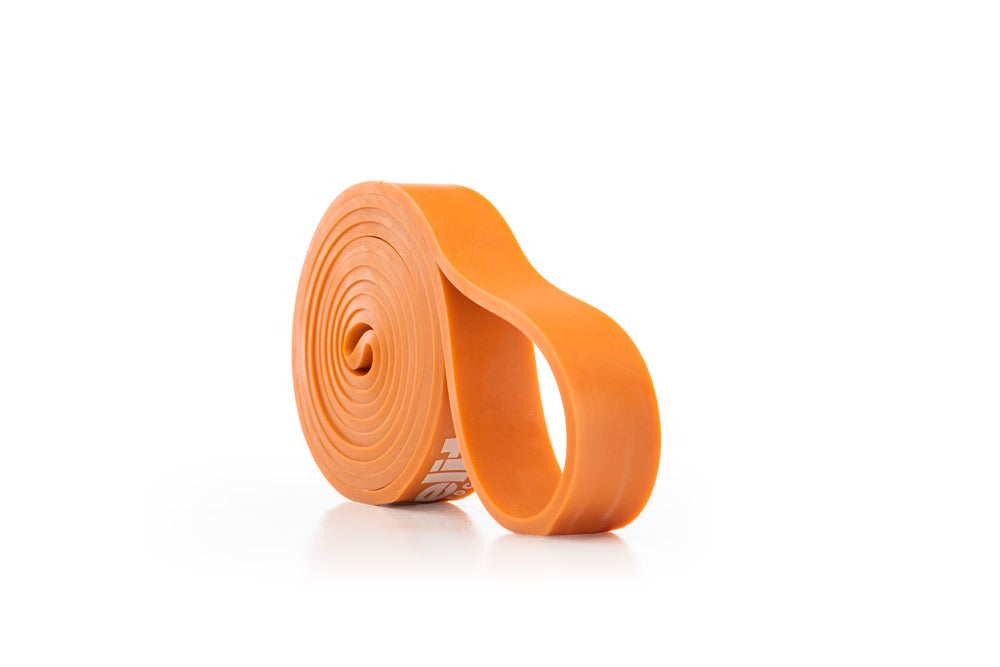
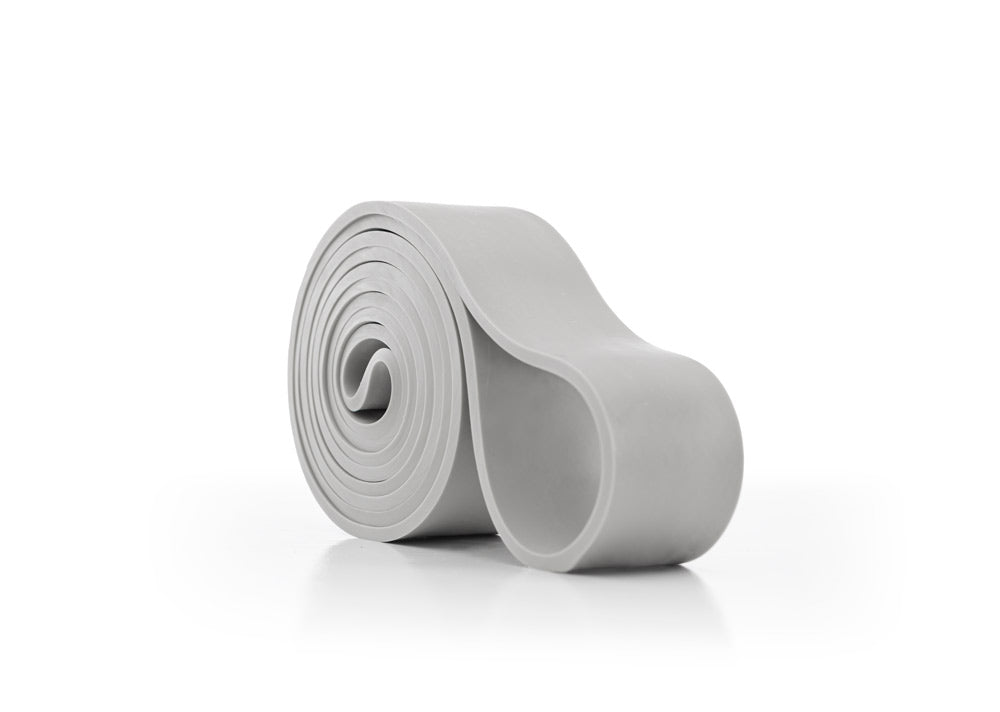
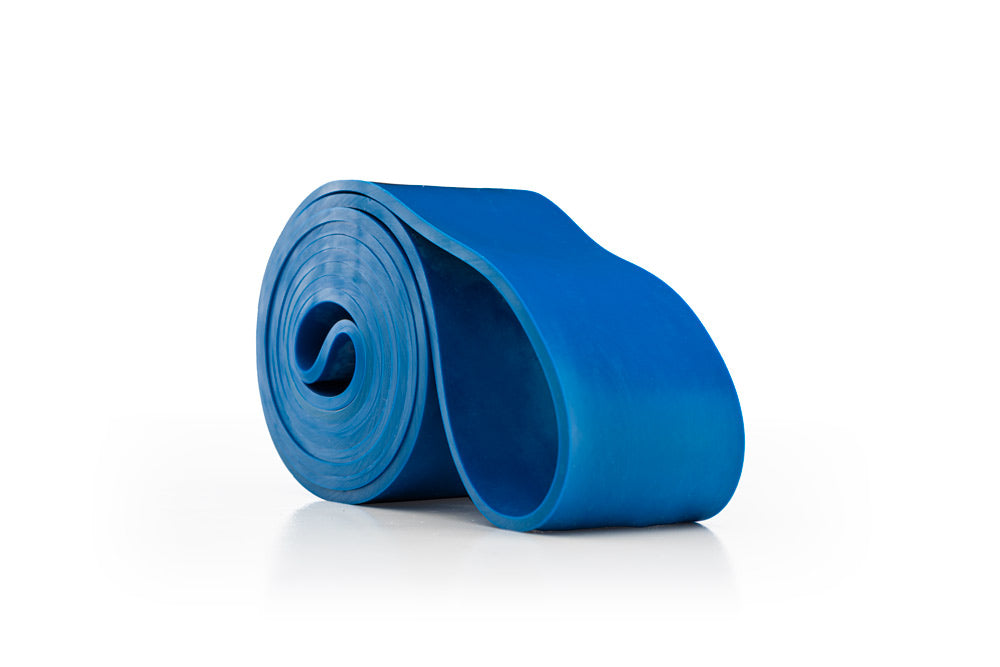
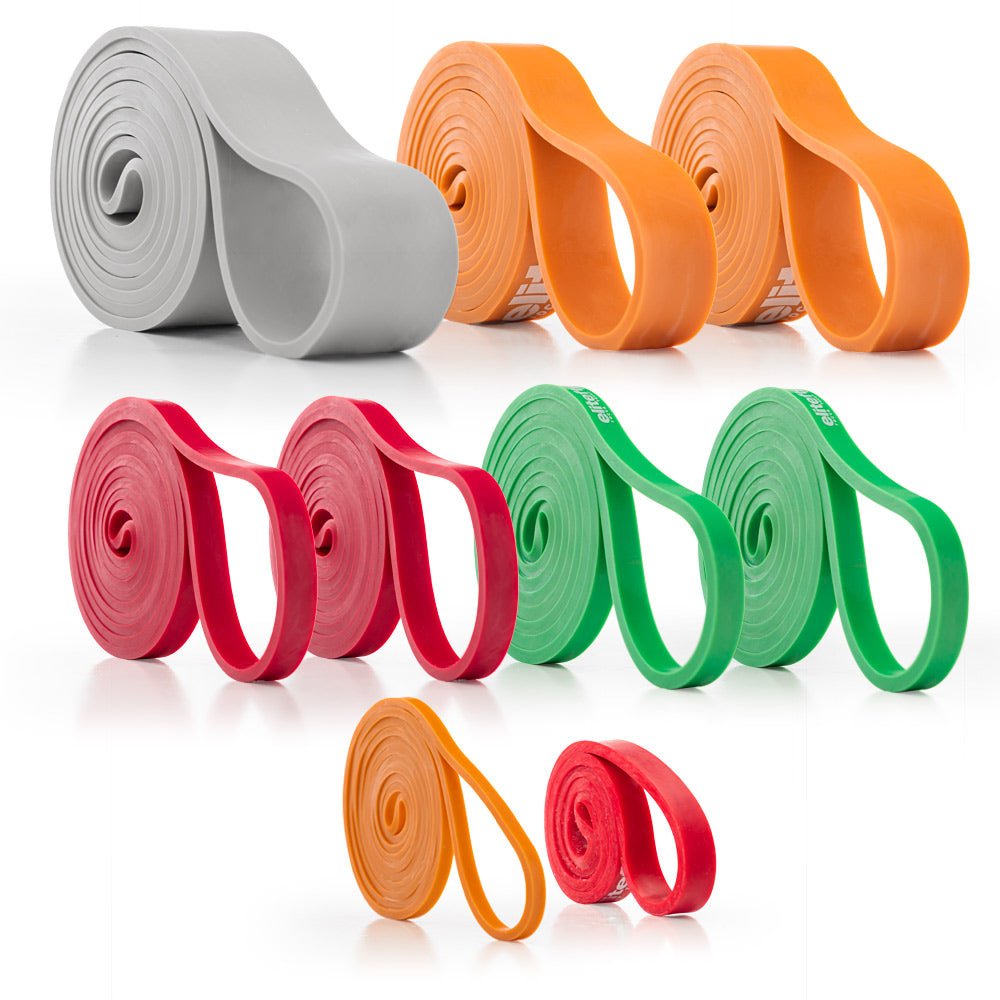
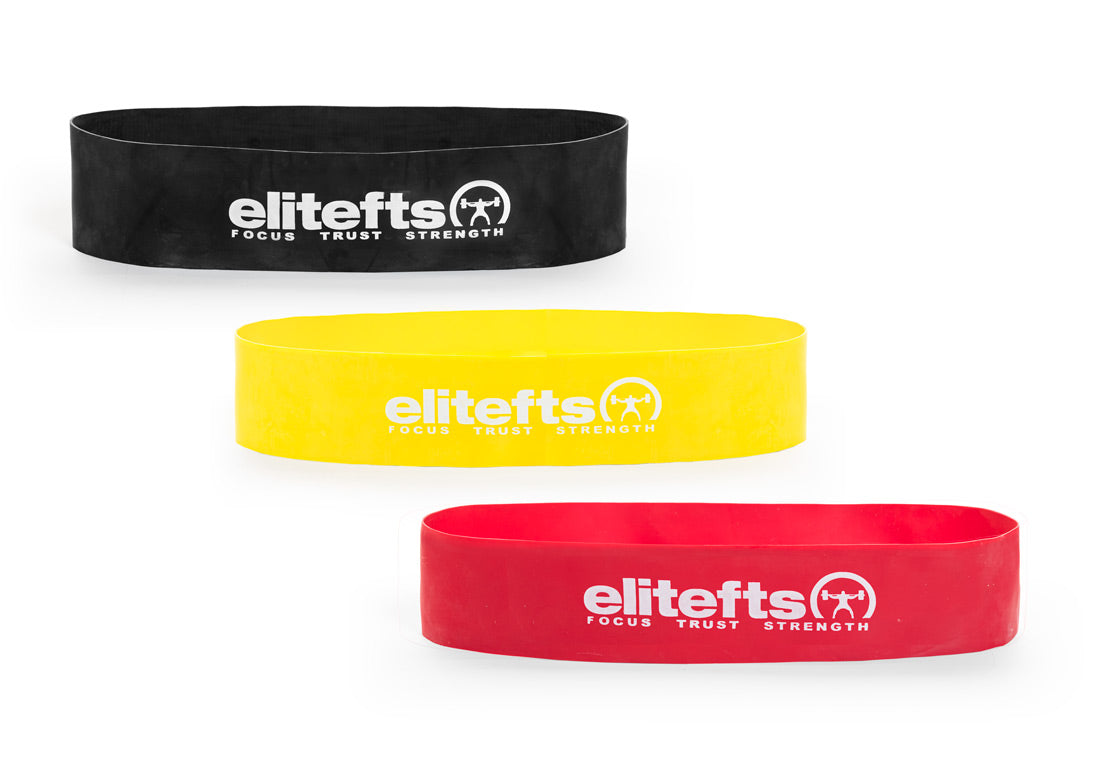
Shop Workout Band Pack →elitefts SINGLE Band Pack
Six resistance levels that cover warm-ups, assistance, mobility, accessory work, and heavier banded strength training.
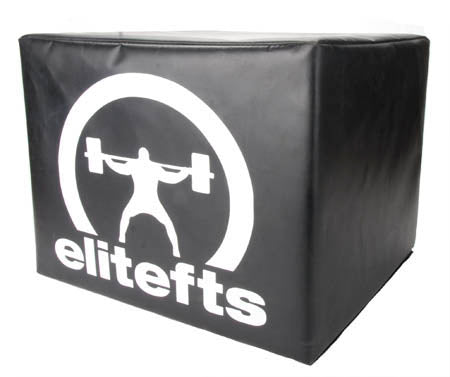
Shop SINGLE Band Pack →elitefts Indoor Sled
A floor-friendly sled for forward, backward, and lateral drags that can build work capacity with relatively low eccentric stress.
Shop Indoor Sled →/631Sexual health is not separate from overall health. Blood flow, hormones, sleep, metabolic health, cardiovascular fitness, stress, confidence, and relationships all interact. That is why the strongest plan looks a lot like the strongest general health plan.
Eat nutrient-dense food. Get enough protein and fiber. Include healthy fats. Build meals around foods you can digest well. Stay hydrated. Train hard enough to adapt, but recover hard enough to keep adapting. Limit smoking, heavy alcohol use, and the ultra-processed patterns that push health in the wrong direction.
And when something is persistently off, do not try to out-supplement it. Get evaluated.
Treat your body like a high-performance system and the benefits tend to show up everywhere - in training, at work, in your energy, and in the bedroom.
Sources & Further Reading
- NIDDK: Eating, Diet & Nutrition for Erectile Dysfunction
- NIDDK: Treatment for Erectile Dysfunction
- NIH NCCIH: Erectile Dysfunction / Sexual Enhancement
- NIH NCCIH: Saw Palmetto - Usefulness and Safety
- American Heart Association: Fats in Foods
- NIH Office of Dietary Supplements: Fact Sheets
- JAMA: Effect of One Week of Sleep Restriction on Testosterone Levels in Young Healthy Men