

Mindset • Contest Prep • Coaching
Beyond the Barbell: The Mental Side of Elite Performance
Self-identity, intentional hardship, success criteria, and the psychological variables that can make or break a contest prep.
Contest prep is not just macros, cardio, posing, and training. At the sharp end of physique competition, prolonged caloric restriction, fatigue, hunger, disrupted routines, and a fixed deadline put pressure on nearly every part of an athlete's life.
That is exactly why the mental side of performance matters. In strength and physique sports, psychology is still too often treated as an afterthought. The conversation gets reduced to getting psyched up before a heavy lift or trying a little meditation when stress is already out of control. Neither approach addresses the bigger issue.
The mind and body are not separate systems. The physical goal is the arena. The person you become while pursuing it is the real work. If the psychological structure underneath the plan is weak, prep eventually finds the cracks.
The question is not only, “Can you suffer?” It is, “Can you stay useful, honest, disciplined, and connected while you suffer?”
01
The Intake Filter: Weeding Out Ego Through Introspection
A high-performance coaching relationship should not begin on the gym floor or inside a macro-tracking app. It should begin with a filter.
At Matter Athletica, long-form videos, podcasts, and articles serve as part of that filter. The goal is not to appeal to everyone. It is to attract the athlete who is already asking harder questions: Am I meant for more? Am I actually capable of more? What am I willing to change to find out?
By the time an athlete reaches the intake process, a basic training-history questionnaire is not enough. Training age, past programs, injuries, nutrition, and macro literacy matter, but they only tell part of the story. The deeper questions are about identity, relationships, habits, and the gap between what the athlete says they want and how they currently live.
Questions worth asking
- How would you describe your social circle?
- How would the people closest to you describe you?
- What traits are keeping you from the goal you say you want?
- What does the person who actually achieves that goal do differently?
That last question matters. “I want to lose 20 kilos” or “I want to add 20 kilos to my squat” is an outcome. It is not an identity. Outcomes can motivate you for a while, but they do not tell you who you need to become when the plan gets difficult.
The useful shift is from what do you want? to who has to show up every day to earn it? That creates a stronger connection to the process. It also exposes the places where the athlete relies on fantasy rather than behavior.
A lot of people have never been asked what they truly want, what they are willing to sacrifice, or what they refuse to sacrifice. They inherit expectations from family, friends, school, work, and culture, then mistake those expectations for their own goals. A serious intake process forces the athlete to sort that out before the pressure of prep amplifies everything.
02
Coaching the Person, Not Just the Program
Coaching is not simply the transfer of physiological data. A coach needs to understand programming, nutrition, movement, recovery, and the sport's physical demands. But those tools are being applied to a human being, not a spreadsheet.
When you know what the goal means to the athlete, what they believe reaching it will change, and what they are running toward or away from, you can coach with much more precision. You can challenge the right behavior rather than throw more information at the wrong problem.
One of the simplest tools is Socratic questioning. Ask why. Then ask why the answer matters. Then go another layer deeper.
The hard part is not asking the question. The hard part is allowing the silence afterward. When someone needs five or six seconds to answer, do not rescue them from the discomfort. That pause is often where they realize they have been chasing an outcome on autopilot.
Sometimes the deeper motive is validation. Sometimes it is proving they can finish what they start. Sometimes they just want to be brutally strong, competitive, or excellent at something difficult. There does not need to be a tragic backstory behind every goal.
There does need to be an anchor. Injuries happen. Money gets tight. Relationships get strained. Work gets chaotic. If the goal only works when life is smooth, it is not much of a goal.
03
The Resume of Suffering: Chosen Hard Things vs. Real Hard Things
Strength culture loves hard things. Heavy training, cold plunges, ugly conditioning sessions, rigid diets, early mornings—we collect them as proof that we are disciplined.
But most of those are hard choices. We select the flavor of discomfort, schedule it, prepare for it, and often choose the things we are already good at. That is different from the suffering life hands you without asking.
An injury you did not plan for is different. A business collapse is different. A relationship ending is different. You cannot solve those moments by reminding yourself that you once sat in cold water for three minutes.
Still, chosen hardship can be useful when it builds competence instead of theater. You choose something difficult, develop the skill to handle it, stay with it, and finish. Over time, that becomes a personal history you can draw from when life becomes chaotic.
Viktor Frankl's work on meaning is useful here: suffering does not automatically make someone stronger, but a strong sense of meaning can change how a person carries suffering. The point is not to chase misery. The point is to know what you are carrying it for.
A perfectly smooth prep can teach compliance. A difficult prep can reveal character. When progress stalls, recovery falls apart, travel disrupts the plan, or life gets ugly, the athlete has to decide whether the system still holds.
During my last contest prep in Australia, I had all four wisdom teeth removed. I expected a routine recovery. Instead, all four extraction sites developed dry socket. For roughly two weeks, solid food was difficult, and the pain was severe. My protein intake was largely drinkable yogurt because that was what I could manage.
I do not tell that story to compare it with someone else's divorce, illness, or crisis. That would be ridiculous. I use it as a reference point for myself. I learned that I could keep showing up while dealing with pain, a restricted diet, work, and prep. That is confidence built through competence.
04
The “All In” Paradox and the 13 Prep Traits
When an athlete says they are “all in,” pay attention to what they mean. Most of the time, they mean they are doubling down on the parts of the process they already enjoy.
A powerlifter can train brutally hard and still sleep like garbage, skip conditioning, ignore accessories, and neglect basic health markers. A bodybuilder can love getting lean and never miss posing practice while still eyeballing food, missing step targets, and refusing to protect sleep.
The real test of commitment is usually found in the behavior they keep avoiding.
If the athlete says they do not have time for cardio, food prep, posing, or eight hours in bed, look at the phone. Four hours of scrolling tells a different story. “All in” means very little if the uncomfortable change is always the one thing that somehow cannot be done.
To make this more objective, we use an Athlete Pre-Prep Profile that looks at 13 psychological and lifestyle traits. The athlete scores the importance of each trait and their current level of execution. The lowest two or three scores become the work.
That could mean time management. It could mean social anxiety, nutrition literacy, an emotional attachment to food, poor sleep structure, or the inability to switch off from training. Whatever the weak point is, the goal is to improve it before contest prep.
Prep is a terrible time to learn basic life skills. Fatigue is accumulating, calories are low, hunger is rising, and the athlete has less cognitive bandwidth as the show gets closer. If time management, sleep habits, or food behavior are already unstable, prep will not magically fix them.
“Sleep more” is not coaching. “Stress less” is not coaching. Coaching means finding the behavior that is producing the problem and building a system around it. If the athlete is scrolling from 9 p.m. to midnight, the first intervention is not another supplement. It is the changing environment that keeps the phone in their hands.
Psychological traits should be treated the same way we treat physical weaknesses. If a bodybuilder has weak hamstrings, we program hamstring work. If a HYROX athlete has poor aerobic capacity, we build aerobic capacity. If an athlete cannot manage time, regulate emotion, or recover without feeling guilty, those capacities need training too.
“That's just who I am” is usually an excuse to maintain a pattern. Personality is not infinitely malleable, but behavior can be trained. The evidence shows up in execution.
elitefts tool for the process
elitefts Training Log & Sticker Pack
If you want better self-awareness, start collecting better data. Track the training, but also write down sleep, recovery, stress, missed work, and recurring habits. Patterns are easier to fix when they are on paper.
Shop the Training Log →05
Redefining Victory: Success Criteria and the Sunday Rest Mandate
Bodybuilding is a judged sport. You can bring your best package and still lose because the judges prefer someone else on that day. If your entire identity depends on a place you cannot fully control, you are building on unstable ground.
That is why every athlete should establish personal success criteria before the season gets hard.
If you step on stage and place dead last, what would still make this season a win for your character, relationships, career, health, and life?
That question separates the process from the medal. An athlete might decide that success means maintaining a strong relationship with their partner, setting aside weekly time together that does not revolve around food, protecting time with their kids, and continuing to perform at a high level at work.
During my last competitive season, I wrote my own success criteria and sent them to my coach. The instruction was simple: if I started violating them in the name of prep, call me on it.
If contest prep is done well, it should add something to your character even while it costs you physically. If you win a pro card but torch your marriage, disappear from your kids' lives, and lose your job because you were useless for six months, the trophy does not make that a win.
For obsessive athletes, this sometimes means putting recovery on the calendar and taking away the option to negotiate with it.
Sunday might be written into the coaching plan as a true recovery block: no training, no extra cardio, no sneaking in “just a little” work. Go play a game. Get a massage. Take your partner to the movies. Take the kids to the beach. Do something that reminds you that your identity is bigger than the next session.
For a training addict, that can feel harder than another workout. That is precisely why it matters. Better recovery can improve sleep, reduce accumulated stress, and help the athlete bring more intent to the training sessions that actually count.
Recovery pick
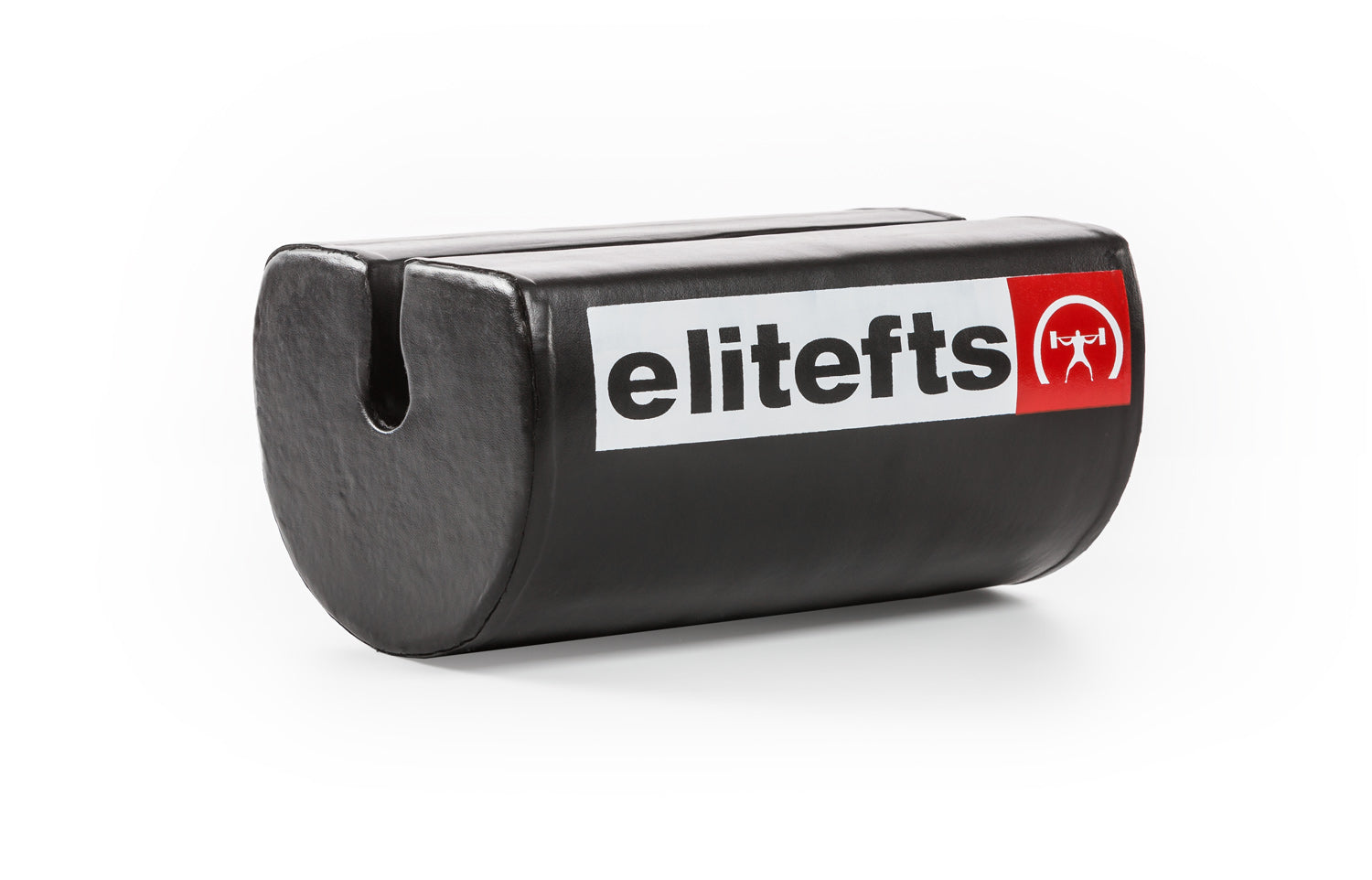
Beastie Bar with Stands
A simple hands-free option for self-massage and soft-tissue work when recovery is the assignment.
View the Beastie Bar →Warm-up & accessory pick
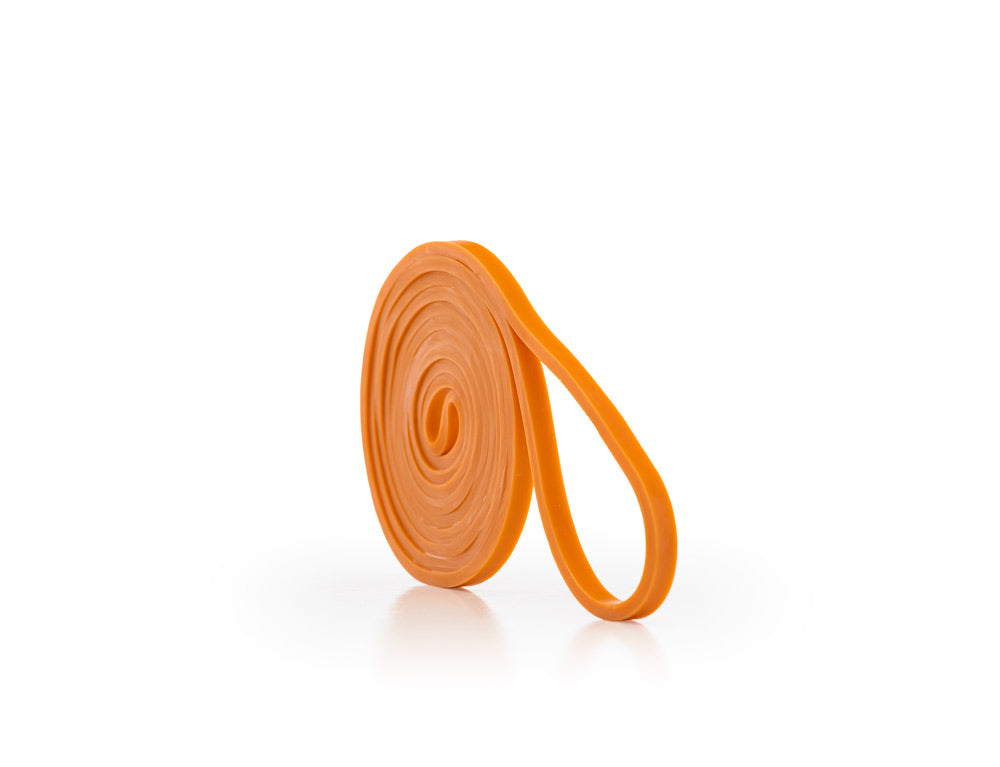
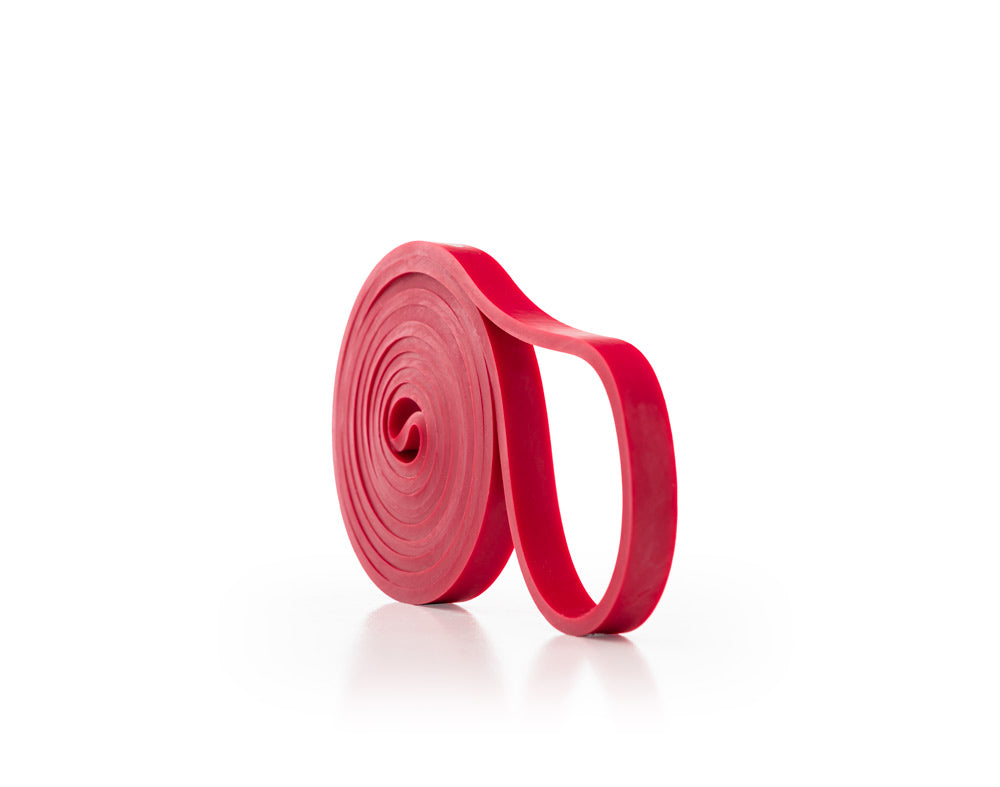
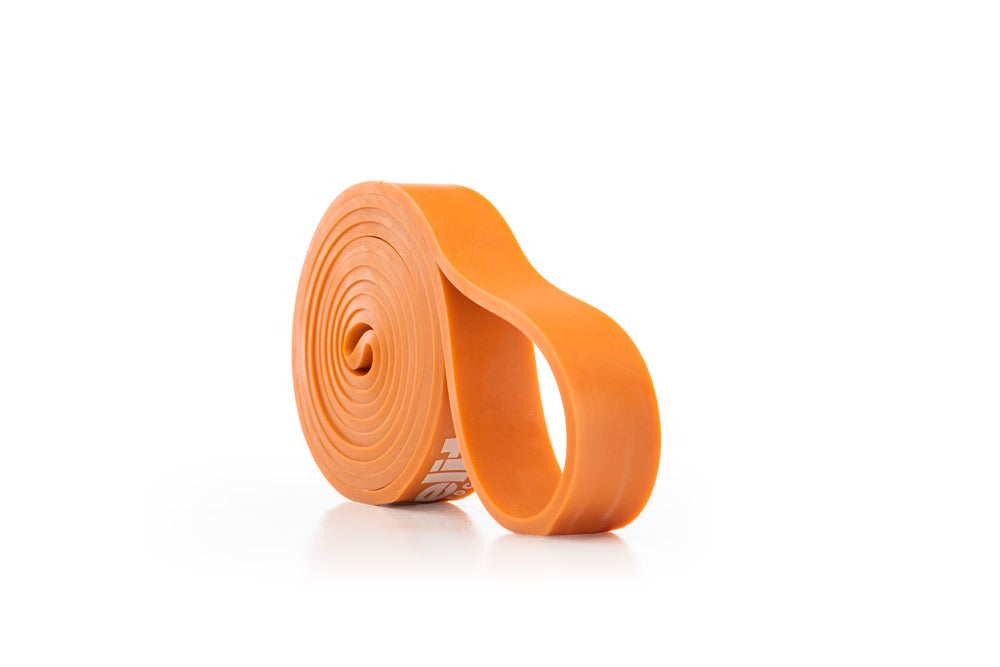
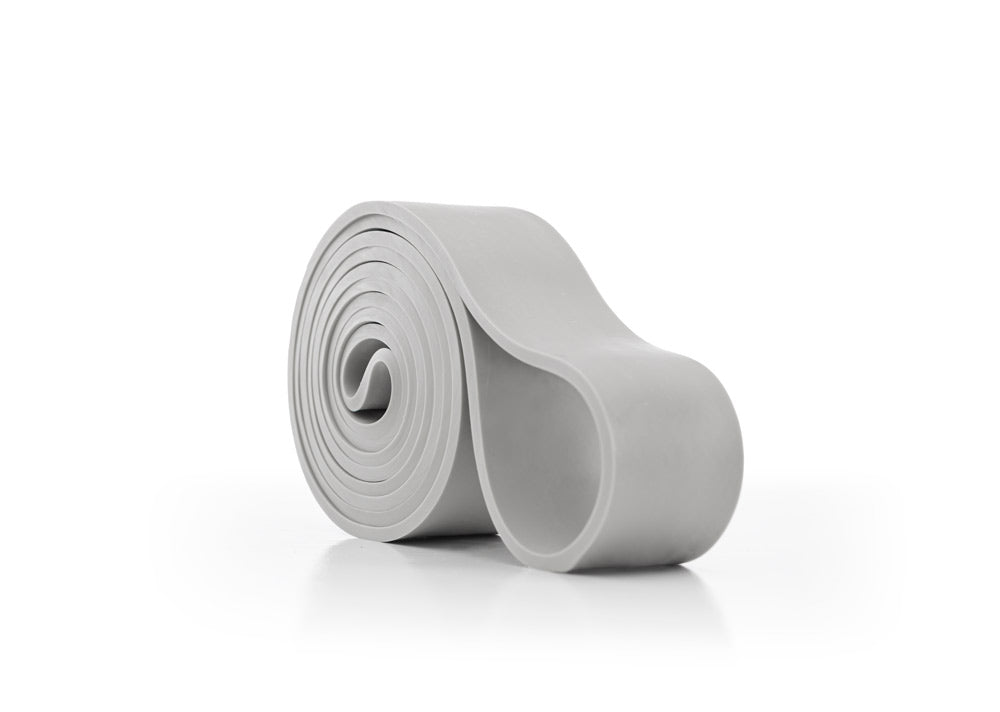
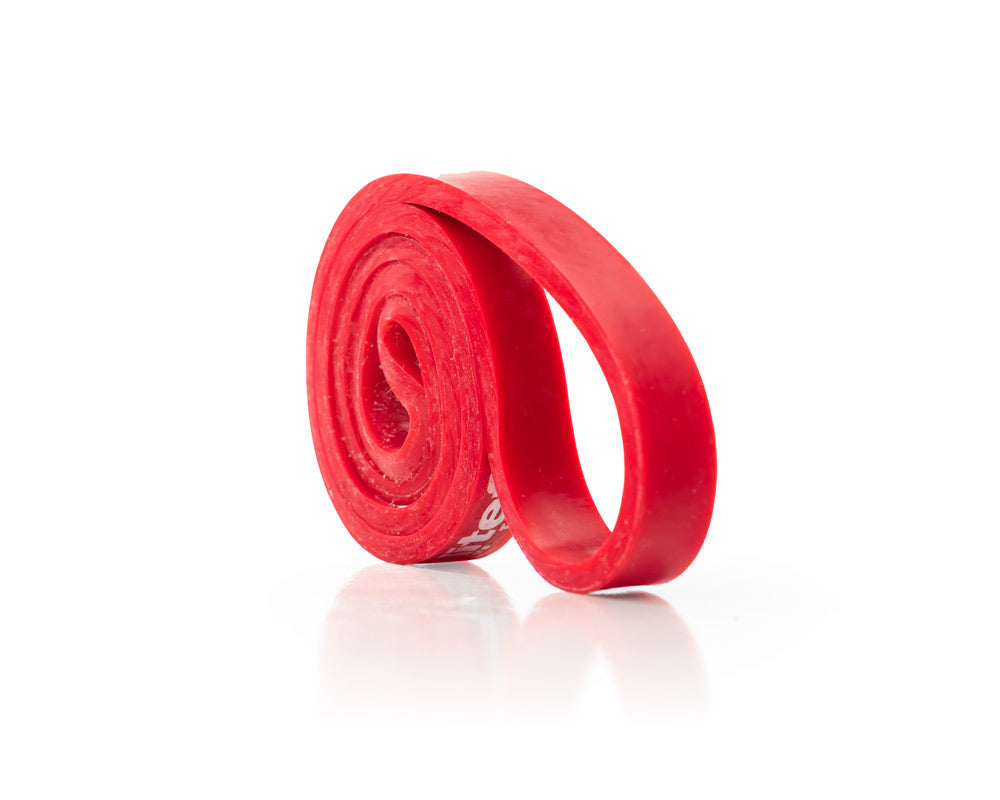
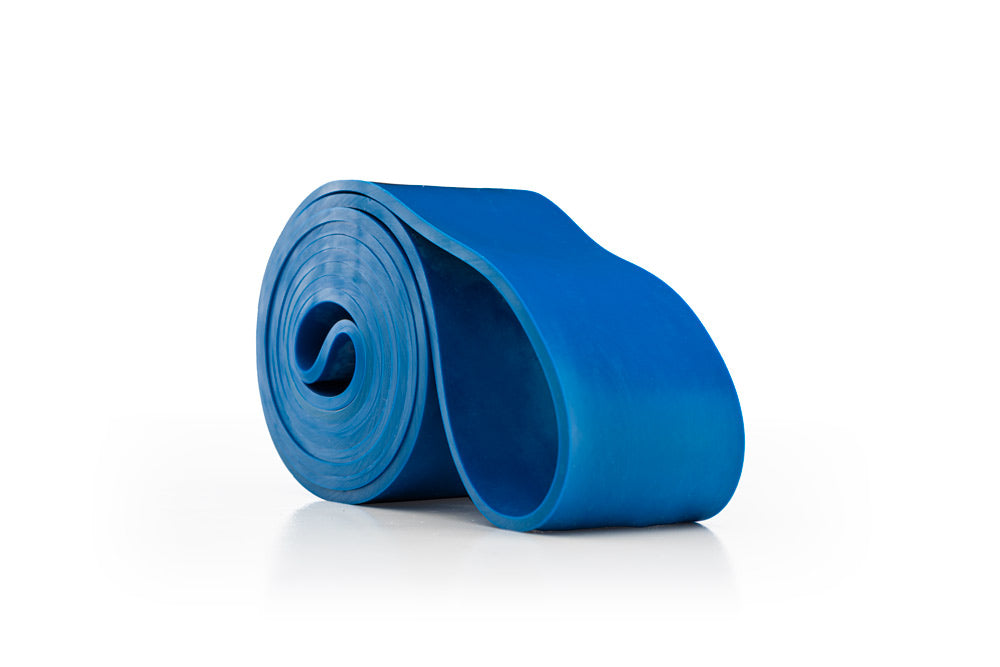
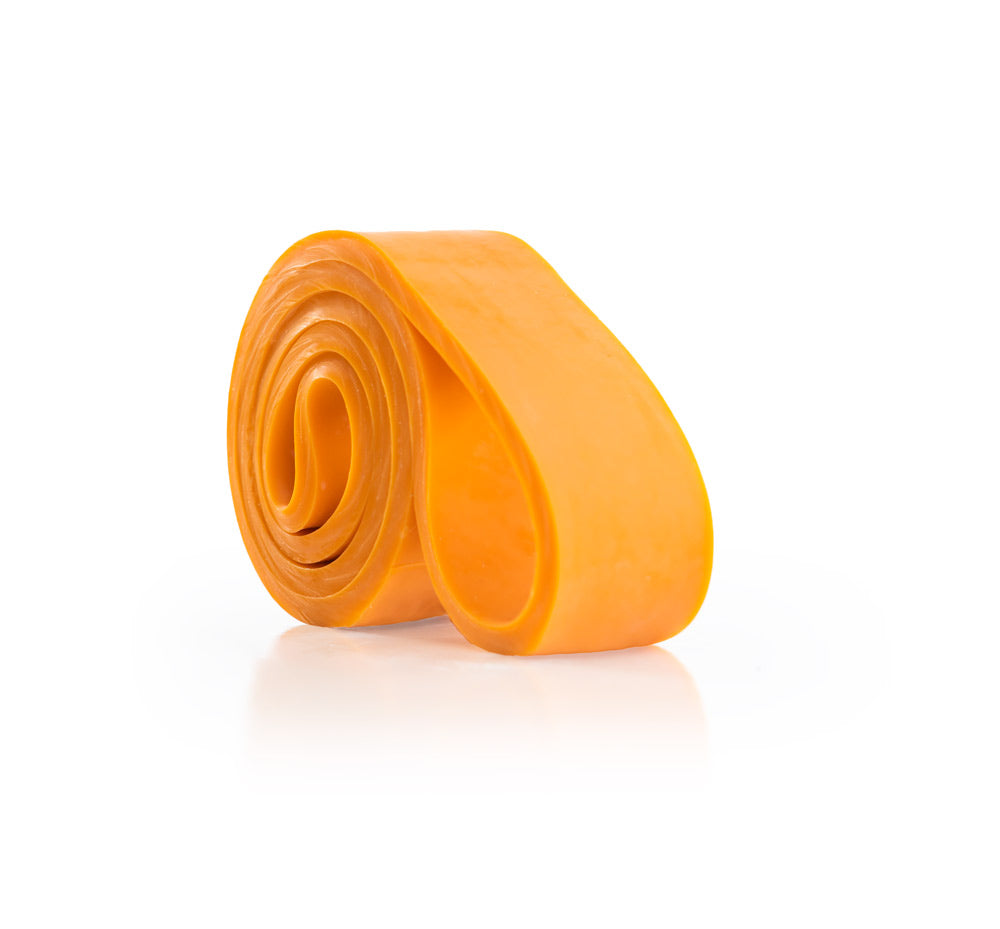
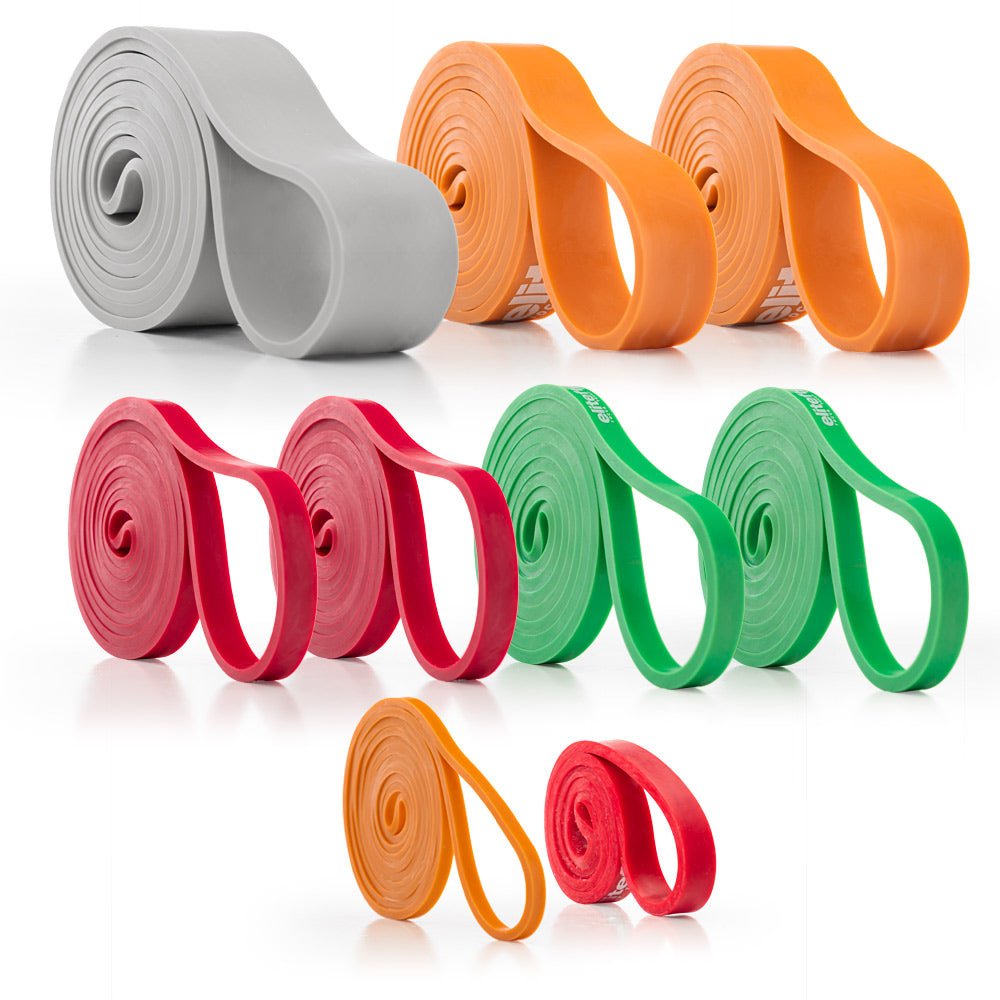
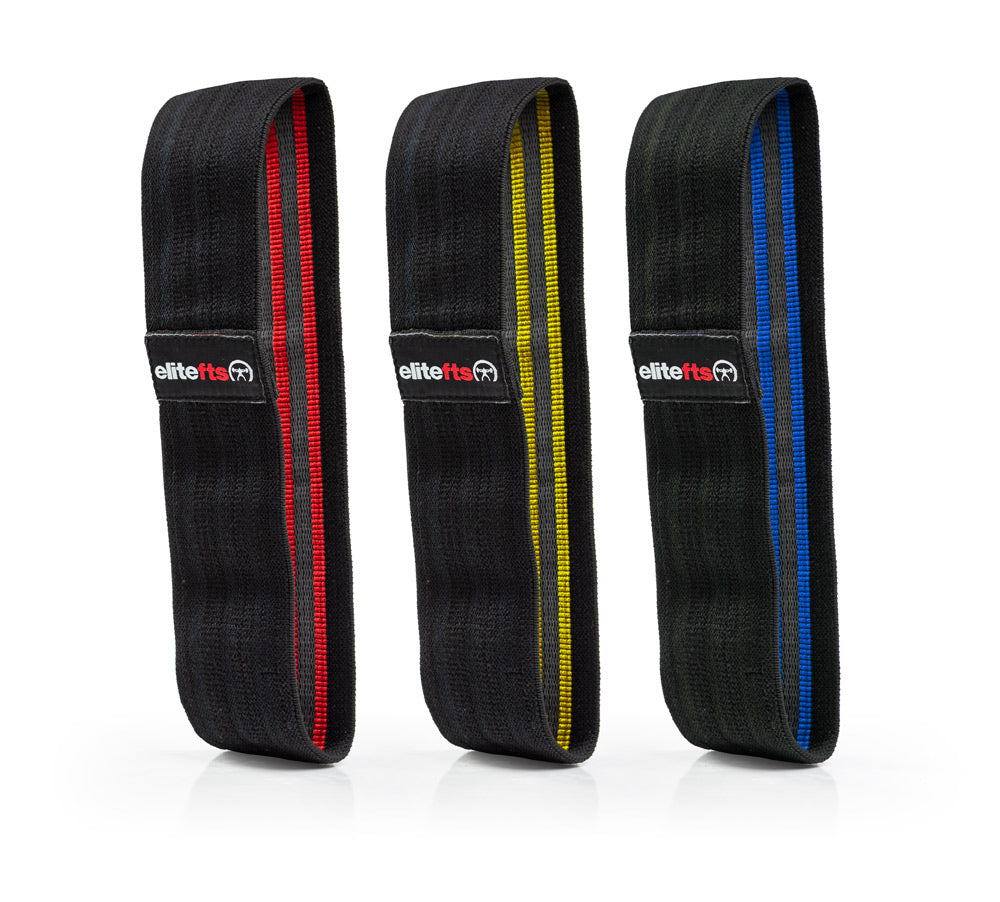
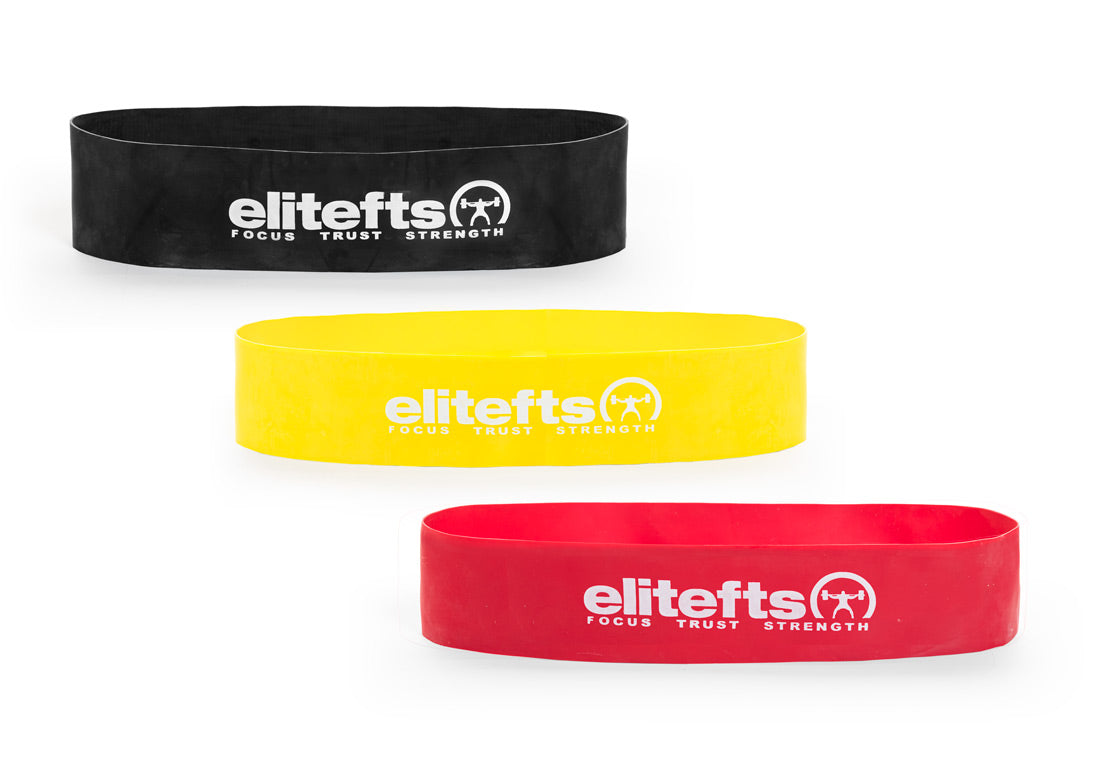
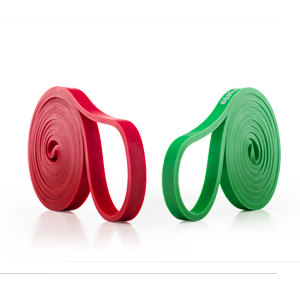
elitefts Bands
Useful for warm-ups, mobility, accessory work, and low-cost training variation without turning a recovery day into another max-effort session.
Shop elitefts Bands →06
The Post-Show Window: Where the Structure Disappears
The hardest part of bodybuilding is not always the final weeks of prep. For many athletes, the post-show window is worse.
During prep, there is a clear target and a hard deadline. Every day points toward one date. That structure can keep behavior remarkably tight even while the athlete is tired, hungry, and emotionally volatile.
Then the show ends. The deadline disappears overnight.
The problem is that the athlete does not immediately return to normal physiology just because the competition is over. Hunger and satiety signaling can remain disrupted after prolonged energy restriction. Reproductive and thyroid-related hormones can also be suppressed, and fatigue does not disappear after a single large meal.
This is why “show day plus one, see you later” is such a poor coaching model. Contest prep should include the exit plan. Depending on the athlete, that means weeks of structured post-show support while food, training, body weight, health markers, and normal life are brought back into balance.
The first move should be a real debrief. Revisit the success criteria written before prep. What went well? What got ugly? What did the athlete learn about themselves? Which behaviors need guardrails now that the external deadline is gone?
Food also needs to return to its social context. A post-show meal should not become an isolated shame spiral. One useful strategy for eating out is the simple two-course rule: choose an appetizer and a main, or a main and a dessert. Enjoy the meal with people you care about, then return to the plan at the next meal.
The goal is freedom with a boundary—not a weekend that turns into a multi-week binge cycle.
Post-show health should be assessed by qualified medical professionals, especially when an athlete has undergone a long, aggressive prep. Appropriate blood work and clinical follow-up can help determine what actually needs attention, rather than relying on guesswork.
Training should change, too. This is not the time to prove toughness with reckless loading. Pick a handful of movements you missed during prep, keep the work engaging, and use moderate loads and higher-rep sets to rebuild rhythm without creating unnecessary injury risk.
07
Tiptoeing Out of the Void: The Reality of the Health Phase
By the time an athlete steps offstage, they have accumulated a large physical and cognitive fatigue debt. Think of prep like a bank account that has been making withdrawals for months. The show ending does not erase the balance.
That is why the exit needs to be gradual and individualized. A huge jump in food, an abrupt removal of all cardio, and a sudden change in every other variable at once make it difficult to know what the athlete is actually responding to.
Instead, manipulate a few variables at a time. Food can rise gradually. A sensible baseline of cardiovascular work can stay in place. Body weight, digestion, training performance, sleep, hunger, recovery, and health markers can guide the next adjustment.
Cardiovascular work still matters for strength athletes. It supports work capacity, recovery between efforts, and general health. The goal is not to keep the athlete trapped in prep cardio. It is to keep useful movement in the program while the system normalizes.
Daily activity can become less obsessive, too. If step counting became a source of stress during prep, take the tracker off for a while. Walk to get coffee. Get outside with your partner. Move because you are a person, not because a watch says you still owe 1,842 steps.
A true growth phase also requires more than being lean. If health markers are poor, work is on fire, finances are strained, sleep is unstable, and your relationship is barely holding together, that is not a great environment for productive training.
Health is multidimensional. Physical, psychological, relational, professional, and financial stress all compete for the same person. Sometimes the strongest coaching decision is to spend twelve weeks getting healthy and getting life under control before trying to push another growth phase.
elitefts conditioning pick
Prowler® 2
For athletes who need a simple way to rebuild work capacity, the Prowler can be loaded for heavy pushes, kept light for faster work, or used for controlled drags. The tool is simple. The dose is what matters.
View the Prowler® 2 →08
The Hard Question: Should You Bodybuild at All?
Bodybuilding can be a powerful vehicle for self-discovery, discipline, and personal growth. It can also demand far more than most people expect.
There is a huge difference between getting lean enough to look great in a photo and getting lean enough to be competitive on a bodybuilding stage. The closer an athlete gets to true stage condition, the less forgiving the process becomes. Hunger rises. Recovery gets harder. Training performance can suffer. Social flexibility shrinks. The body pushes back against prolonged energy restriction.
That is why most people do not need contest prep to get what they actually want from training.
If you do choose to compete, your psychological foundation matters. So does your relationship with food, your social support, your health, and the clarity of the reason you are doing it. Prep does not politely hide your weak points. It tends to expose them.
Coaches and athletes need to own that reality. Do not blame the sport for every bad decision, but do not romanticize the damage either. Responsibility means knowing the cost, building systems before you need them, and having the integrity to stop or change course when the situation calls for it.
If you step into elite performance, do it with your eyes open. Train your mind with the same seriousness you train your body. Protect the relationships and responsibilities that matter. Build a process that can withstand a bad week, a bad placing, and an unexpected life hit.
Then the result becomes bigger than what the judges say. You built something that survives after the lights go out.
Train hard. Think harder.
Contest prep can involve meaningful physical and psychological stress. Medical concerns, disordered eating symptoms, or persistent post-show health issues should be addressed with qualified healthcare professionals.