

Beyond the Box Squat: 5 Hard-Won Truths on Strength, Survival, and the Science of Resilience
What a Westside coach's battle with Hodgkin's lymphoma reveals about GPP, muscle mass, and the physical insurance policy you're either building or neglecting.
Imagine lying on an ER table while a doctor jams a blade between your ribs. You're awake. The numbing agent is a joke. Then comes the phrase no one wants to hear: "The hole isn't big enough." He has to do it again, jamming the steel into your intercostals a second time to fit the chest tube.
For Kalil Sherrod, a former Division II basketball player and Westside-style strength coach, this was the reality of a collapsed lung and a sudden diagnosis of Hodgkin's lymphoma. Sherrod didn't just face cancer. He faced "ICE" chemotherapy, an unrelenting four-day protocol of super-intense poison that mirrors the neurological strain of a Max Effort day in the gym.
As a performance philosopher and coach, Sherrod's transition from the hardwood to the oncology ward proved that General Physical Preparation (GPP) isn't just about sports. It is the physical and biological insurance policy that determines whether you survive the poison of treatment or fold under the weight of the diagnosis.
We live in an era of hyper-specialization where parents push sport-specific drills on six-year-olds. It's a mistake.
Sherrod's resilience began at age six, not with a basketball, but with Kung Fu. That early exposure to martial arts provided a chest-to-floor flexibility baseline and a level of body control that specialized drills can never replicate. This foundational movement acts as an upstream solution to the chronic knee and back issues that plague athletes later in life. By the time Sherrod reached the collegiate level, his joints were bulletproof because he had mastered his own bodyweight through full ranges of motion long before he ever touched a barbell.
Body Control as the Ultimate Prerequisite
- Before you worry about a vertical jump, you must worry about movement quality.
- Foundational GPP, whether gymnastics, martial arts, or wrestling, builds the coordination and mobility required to handle the high-velocity demands of elite sport.
- Early generalist training creates joints and connective tissue that can absorb what specialized loads later deliver.
Any good strength coach would tell you their favorite athletes usually trained in gymnastics or martial arts. That's what Louis said. I wish everybody would start with that.
Kalil SherrodIn the weight room, we talk about hypertrophy for performance or aesthetics. In a hospital bed, muscle mass is a survival metric.
Sherrod entered treatment at a high baseline of 230 lbs. When the chemo began its erosion, he plummeted to 197 lbs, a 33-lb drop. If he had started at a "normal" 180 lbs, a 30-plus-pound loss would have pushed him into a state of critical frailty, making it impossible for his body to recover between rounds of treatment.
Muscle mass isn't just about moving weight. It is inextricably linked to the immune system's capacity to fight systemic inflammation and handle the toxic load of chemotherapy.
Despite having cancer, I'm still more in shape than the nurses and the doctors treating me 99% of the time. Muscle mass has a strong correlation with the strength of your immune system.
Kalil SherrodThe "Armor" of Lean Tissue
- A high physical baseline provides a biological buffer that buys your immune system time and resources.
- If you are in better shape than the people diagnosing you, you are giving your body a fighting chance before treatment even begins.
Applying Westside/Conjugate principles to a basketball season, or a cancer battle, requires a surgical shift in tactics. You aren't chasing absolute records. You are managing Rate of Force Development (RFD) while minimizing joint wear and tear.
Sherrod emphasizes the Dynamic Effort (DE) method as the meat and potatoes of in-season work. By performing explosive sets with short rest periods, the athlete builds tremendous training density, providing anaerobic conditioning without the orthopedic price tag of extra sprinting on a hardwood floor.
Safe Tactical Variations for High-Stress Periods
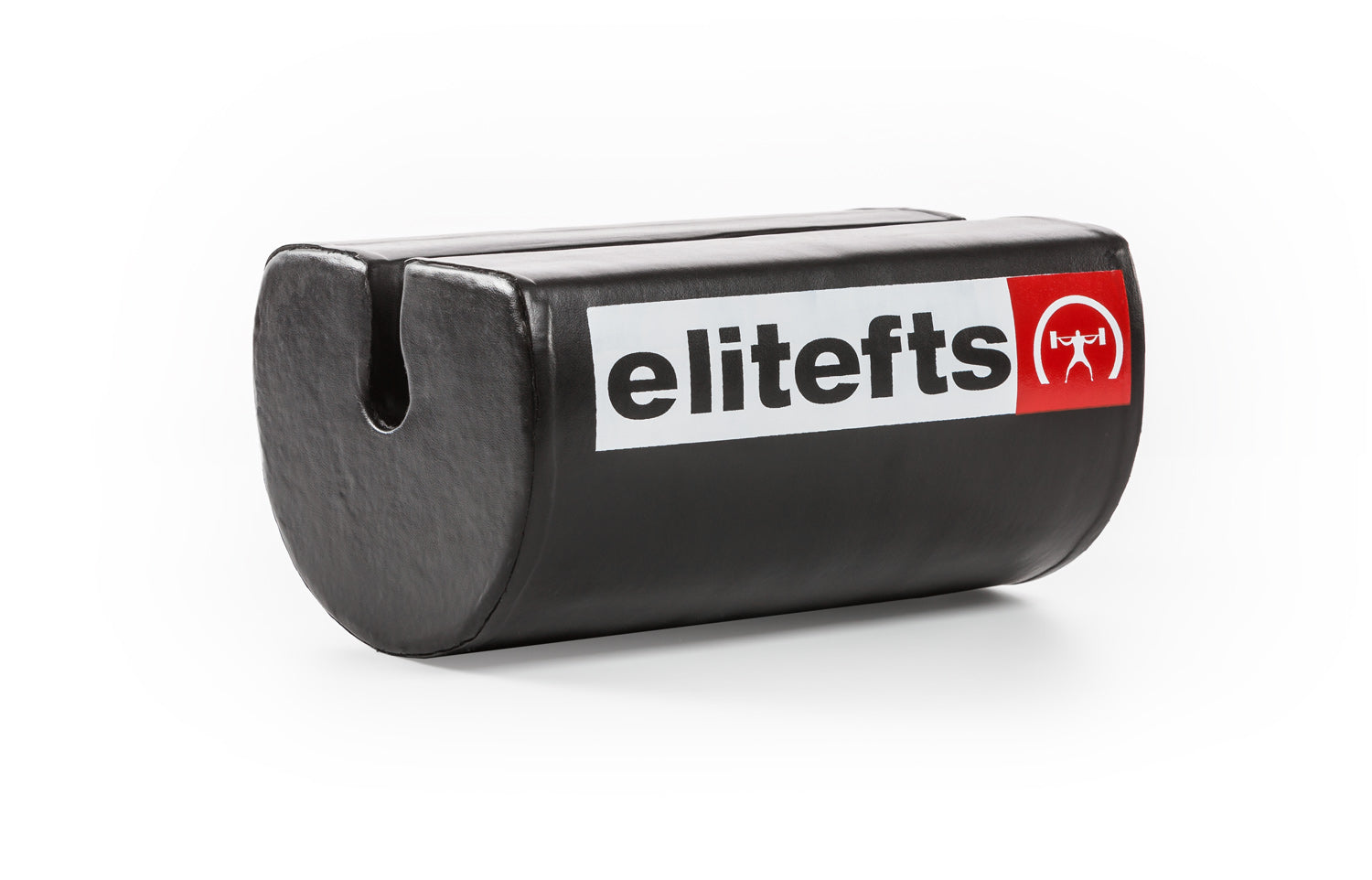
- Safety Squat Bar (SSB): Critical for lower body training while protecting the shoulders and maintaining a more upright torso.
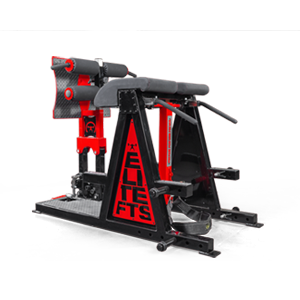
- Belt Squats: The gold standard for building leg drive without spinal compression or knee shearing.
- Rack Pulls (Higher Blocks): Maintaining posterior chain strength with a limited range of motion to ensure recovery.
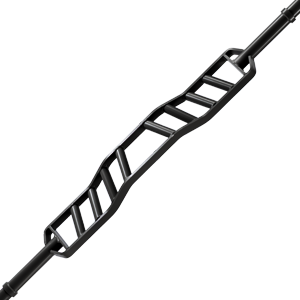
- Football Bars: Used for upper body pressing to keep the shoulders healthy and the grip neutral.
Oncology wards operate on minimal guidelines. When Sherrod was navigating chemo fog, nausea, and the systemic poisoning of his cells, he realized that standard hydration protocols were insufficient for a high-performance body. Dehydration is the silent amplifier of every chemo side effect.
Demand the extra liter. Do not settle for the bare minimum saline flush. Sherrod advises patients to push for an extra liter of IV fluids during treatment. Doctors may resist due to inventory or protocol, but that extra bag of saline is a game-changer for flushing the system, clearing the mental fog, and making periods of intense nausea manageable.
Elite performance and survival are about objective readiness, not just gritting it out.
Using a jump mat or Tendo unit, Sherrod applies the 93% Rule (via Jared Bitney): if an athlete's vertical jump or bar speed is within 93% of their best, they are winning the maintenance game. Anything less means the central nervous system is overdrawn, and the session must be dialed back.
This mental shift, from comparing yourself to others to beating the version of you from last month, is vital when treatment makes you feel weak. Sherrod also highlights that nausea is often a conditioned response. The smell of the hospital or the metallic taste of a saline flush triggers the subconscious to prepare for sickness.
Tactical Meditation as an Override
- Meditation is not a soft skill. It is a tactical tool for shutting down the old subconscious patterns that amplify anticipatory nausea and treatment dread.
- Anchoring the mind in the present short-circuits the depression that comes from obsessing over future rounds of treatment.
Kalil Sherrod's mission has evolved from the weight room to a broader humanitarian front.
He is currently launching a free training app specifically for cancer patients, a population that faces a staggering 70% bankruptcy rate. He knows that when the poison flows, these patients are often physically and financially bankrupt at the same time. His goal is to provide the roadmap for building the baseline they need to survive.
As you look toward your next session or your next year, ask yourself: are you building a body and a mind that can withstand the day the poison starts flowing?
Strength is more than a number on a bar. It is the shield you carry into an unpredictable future. What are you doing today to make that shield impenetrable?