
elitefts • Equipment & Coaching
Build a Weight Room That Fits the Athlete: Inside Buckeye's Specialty Equipment
Train the Group Without Losing the Individual
A school weight room has a problem that a showroom does not. A whole group walks in at once. The athletes have different limb lengths, different experience, and different things they can tolerate that day. The equipment has to work for all of them, and the coach still has to run the session.
In the latest elitefts equipment tour, Buckeye Community School Director of Performance Khalil Sherrod explains how the room's racks, specialty bars, and machines help him train students and staff. The useful part is the reasoning behind each piece. A handle that adjusts, a station that serves two groups, or a footplate that moves can change how effectively the room gets used.
The video is titled “Why D1 Gyms Don't Use Commercial Gym Equipment.” The tour itself is at Buckeye Community School. Its practical lessons apply to coaches building a school facility and lifters deciding what deserves space in a smaller gym.
Make the Rack a Complete Training Station
Sherrod starts with J-hooks inside and outside the racks. That arrangement lets him organize pairs or triples around lifting, loading, and spotting rather than leaving everyone in line for one bar. He describes five racks supporting 20 to 30 athletes or staff through that group structure.
The number is a coaching example, not a license to crowd a rack. The point is to plan the work around the stations you have. Benches need to move, lifters need room, and somebody needs to know whose turn it is.
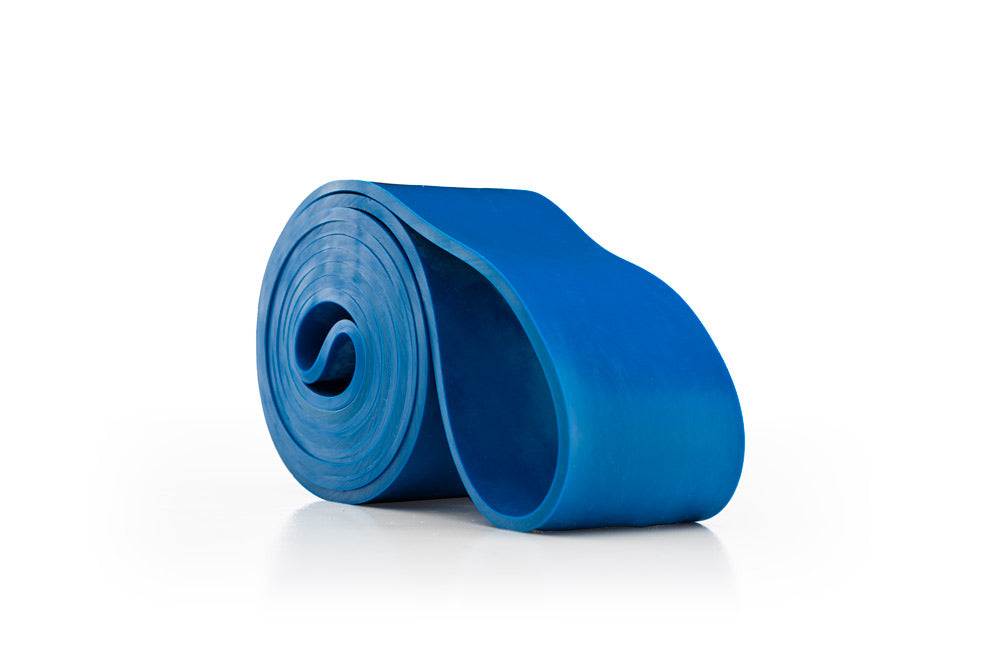
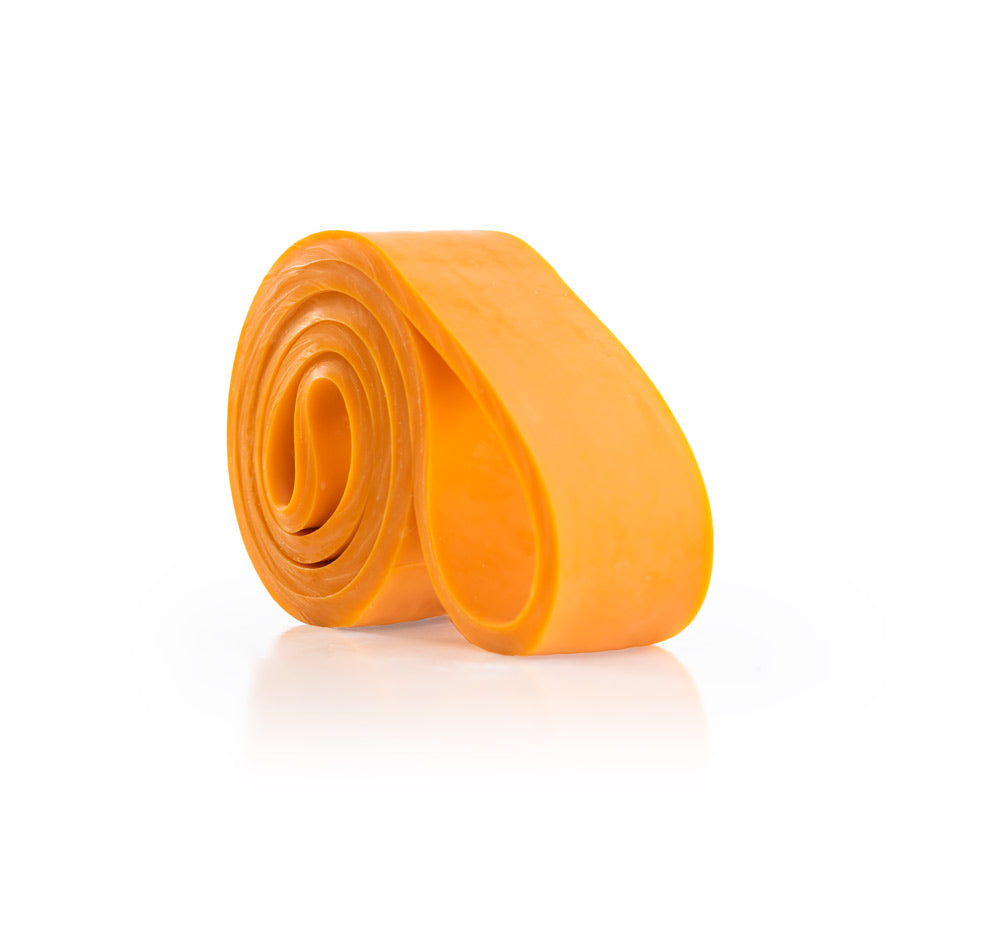
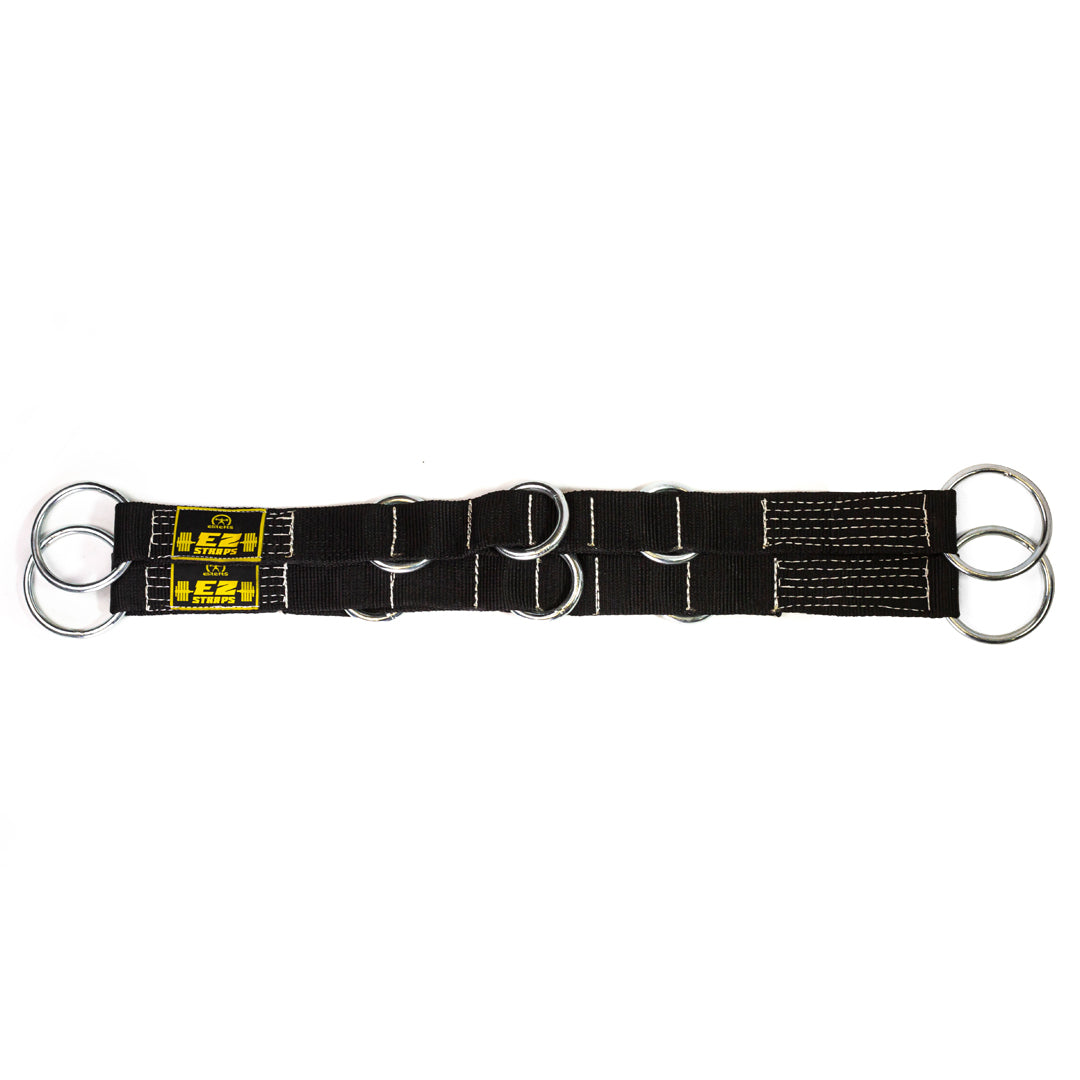
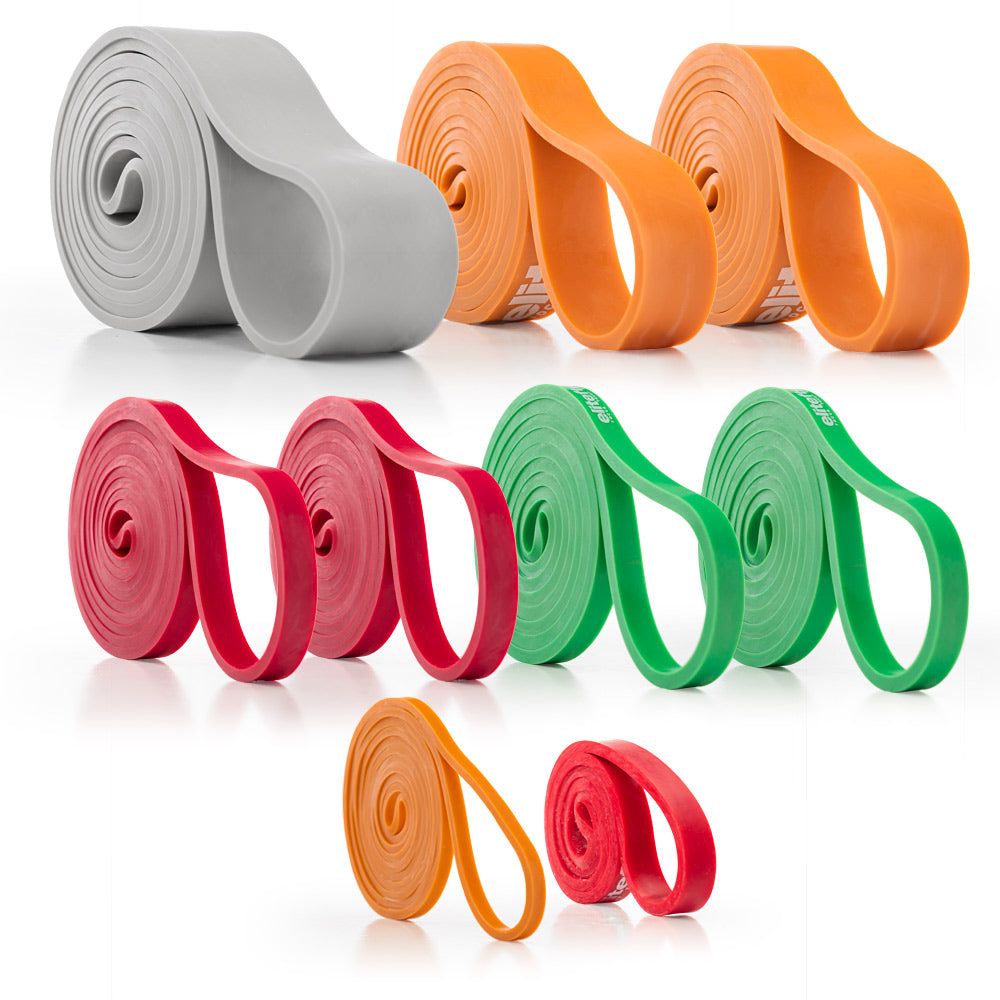
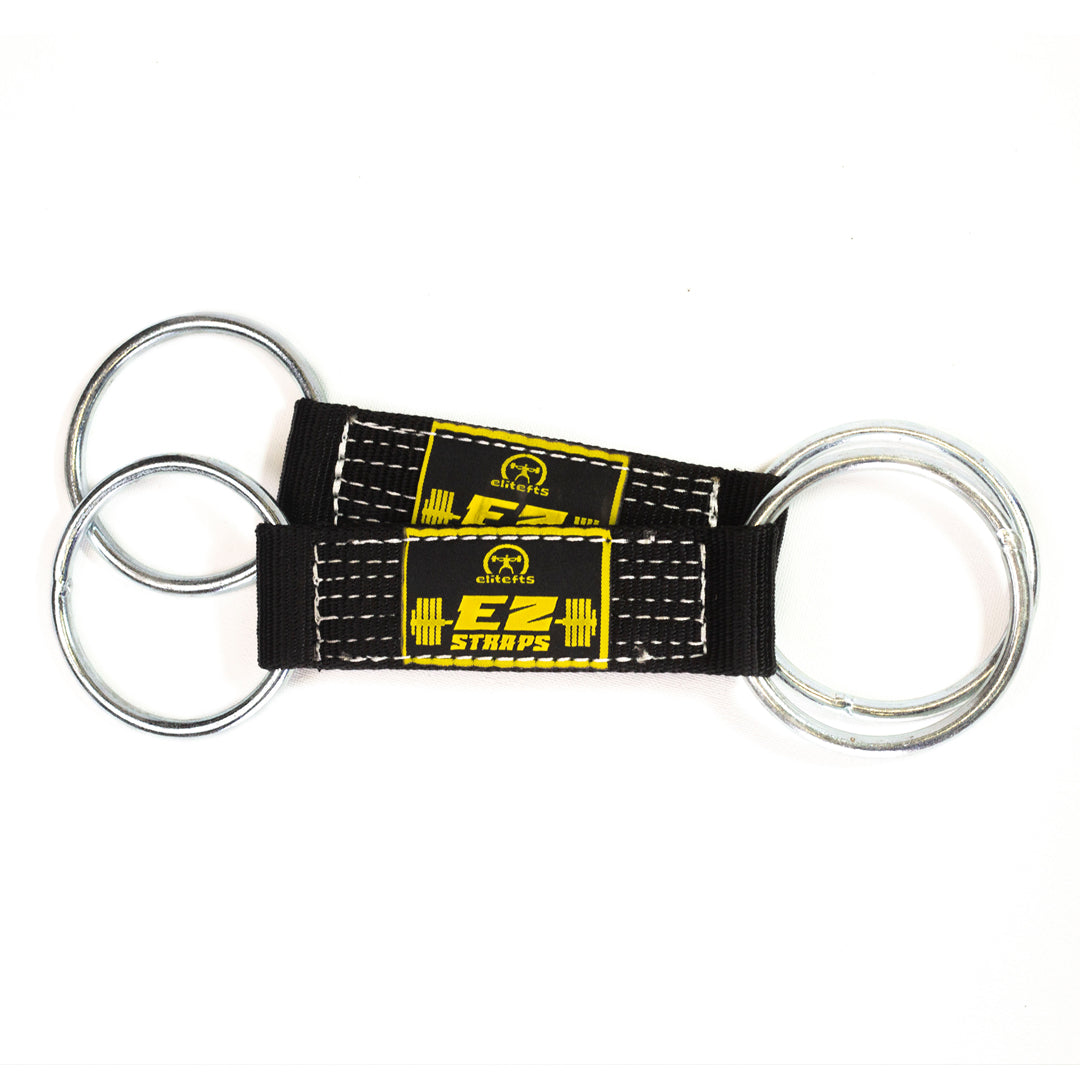
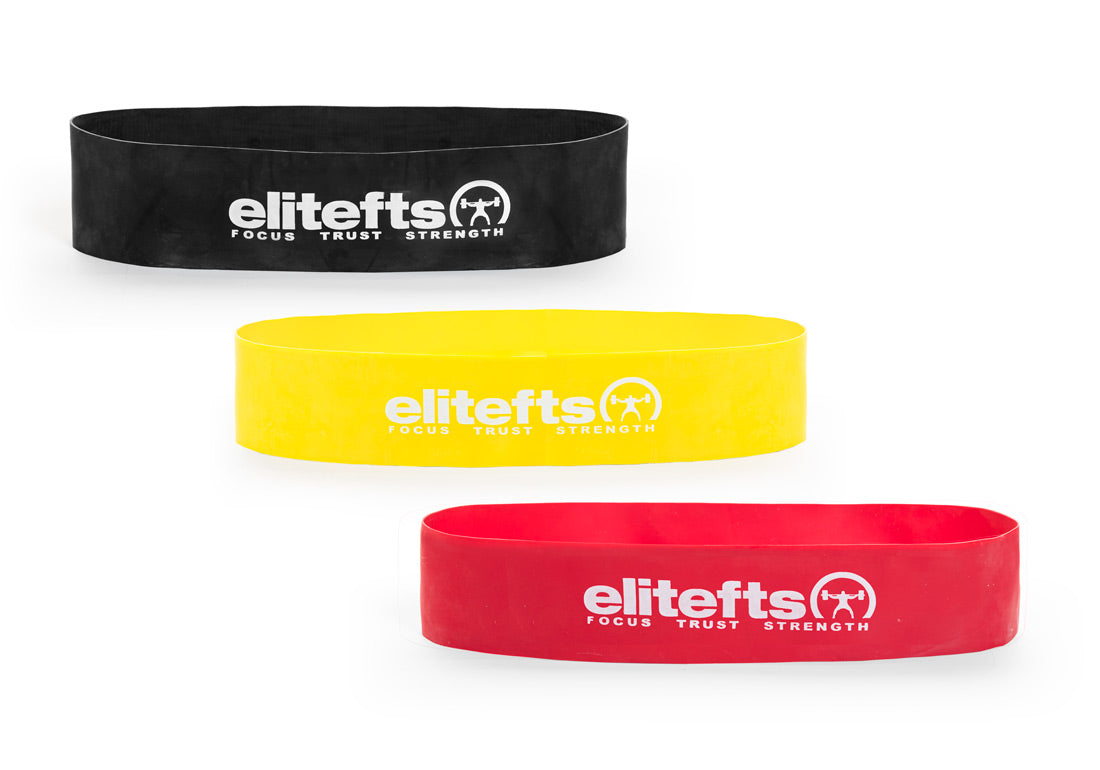
Adjustable split-squat attachments give athletes a rear-foot support that can be set for their height. Spotter arms add another way to manage a missed repetition and can also be used for rack pulls. Pull-up options, dip attachments, bands, chains, and suspension straps expand what happens at the same station.
That makes the rack more useful without filling every remaining square foot with another freestanding piece. The coach can change the exercise while keeping the group organized.
Keep More Training Options Available
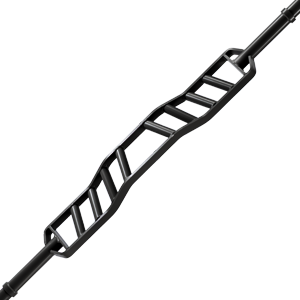
A straight bar is not the only tool in the rack. Sherrod explains how the neutral grip of a football bar gives him another pressing option for people whose shoulders do not tolerate the usual position well. He also uses the safety squat bar when shoulder or elbow positioning makes a conventional squat setup difficult.
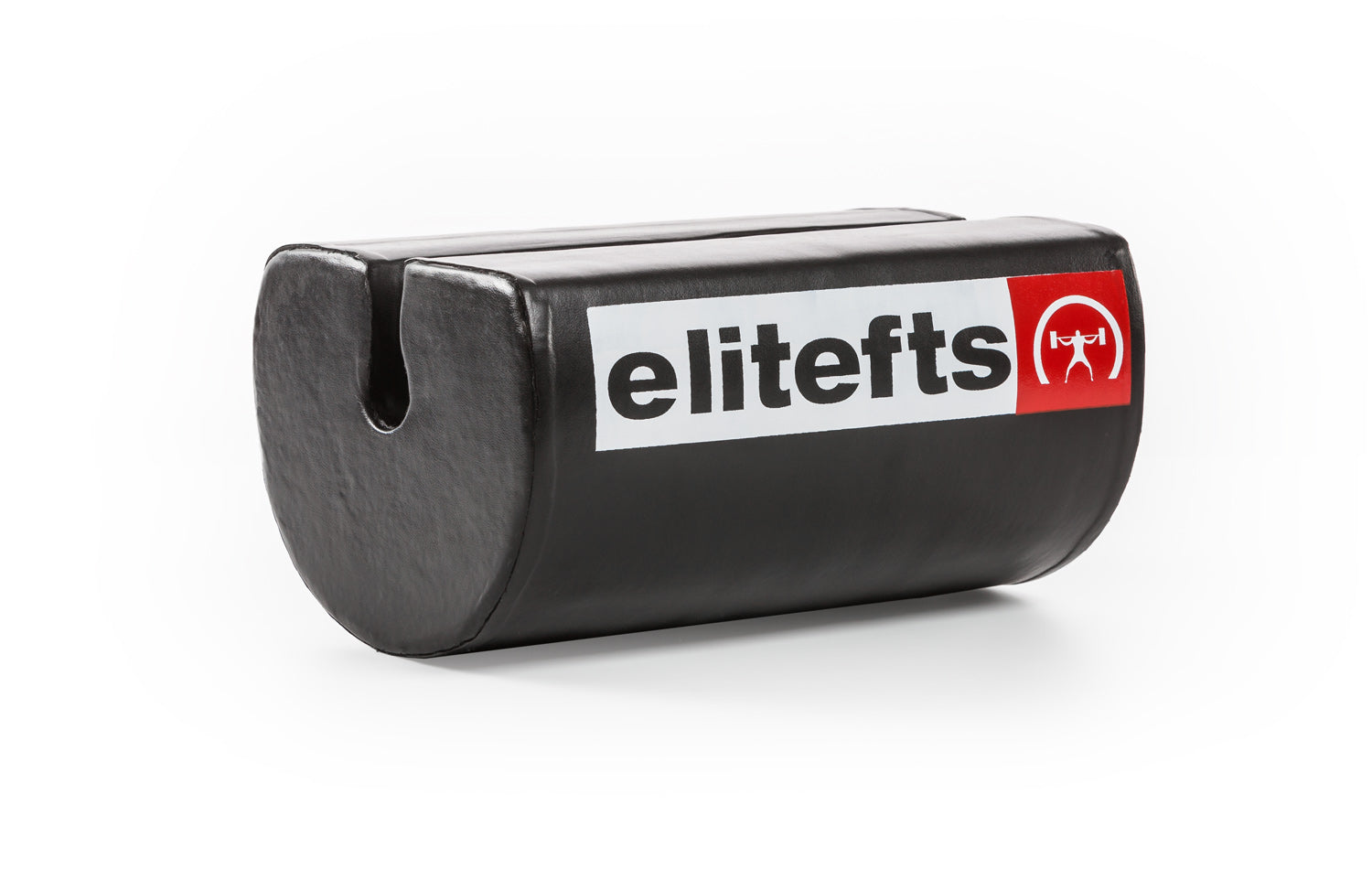
The SS Yoke Bar belongs in that conversation because it changes how the lifter supports the bar while still requiring substantial upper-back work. Sherrod specifically discusses using the safety squat bar during the season.
These are training options, not promises that a bar fixes an injury. A coach still has to decide what the person can do and choose the load and movement accordingly. The useful question is whether a different setup allows productive work that the standard setup does not.
Suspension straps offer another simple adjustment. Moving the feet changes the challenge without sending each athlete back to the dumbbell rack. In a large group, that can make individual changes much easier to manage.
Adjust the Machine to the Person
The pec deck/rear-delt combination has an adjustable seat and several hand positions. The ISO row adds an adjustable chest support and rotating handles, allowing different grips and different starting distances.
Sherrod wants to reach the row handles without having the machine settle back onto its support before he gets the range he needs. That is a small setup detail with a practical consequence: a long-armed lifter and a short-armed lifter may need different settings to perform the same exercise well.
He also points to the supported row as an option when someone wants upper-back work without asking as much of the lower back. Again, that is a reason to consider the exercise, not a blanket recommendation for every painful back.
Do not judge these machines only by how much weight fits on the loading horns. Judge whether the seat, support, and handles let the intended athletes train through a useful range. Plate weight alone also does not tell you the force at the hands; machine leverage still matters.
Get More Than Squats From a Belt Squat
The elitefts Tiger Belt Squat is a standout in Sherrod's tour. He shows adjustable handles and discusses the importance of a comfortable belt before moving through several uses.
Along with regular belt squats, he describes marching, good mornings, stance variations, and combinations with other implements. His larger point is that a cable-based belt-squat station gives a coach options beyond one fixed movement.
That versatility is worth considering when floor space and budgets are limited. The piece needs a role in the program, and the coach needs to understand its setup. Collecting exercise variations is not the same as knowing which one the athlete needs.
Sherrod's examples also reinforce a theme running through the entire room: equipment earns its place when it allows more people to get useful work done. An adjustable handle and a belt that fits are part of that value, not decorative extras.
Plan the Exit Before the Hard Set
At the leg press, Sherrod demonstrates the built-in stops and explains why he values them for both inexperienced lifters and athletes pushing hard. The takeaway is to establish the stop position before the set, rather than depending on somebody to catch a loaded sled.
He also explains the two directions of band use. Bands attached above can assist the carriage, while bands attached below can add resistance as the movement progresses. Those are different applications and should not be treated as interchangeable.
The calf/tibia combination makes lower-leg work available in one station. Independent tibia work lets the coach look at each side rather than always letting both feet contribute together. Sherrod highlights how a stronger side can conceal a difference when both sides work at once.
None of these features replaces supervision or a sensible progression. They give the coach more ways to set up the work and observe how the athlete performs it.
Make Combination Pieces Earn Their Footprint
The posterior-chain developer combines reverse-hyper and glute-ham or Nordic-style work. Sherrod spends time on adjustment because the foot position, pad position, and athlete's limb lengths all affect how the exercise feels.
The leg-extension/lying-leg-curl combination follows the same space-saving logic. He demonstrates changing positions for the two leg exercises and describes raising the pad for seal rows. One footprint can support several jobs when the design and setup actually allow it.
The 45-degree back extension gives him further pad and footplate adjustments. He demonstrates changing the pad height to alter the available movement and discusses band pegs as another loading option.
The lesson for buying equipment is straightforward: check the adjustments with the people who will use it. A combination unit is valuable when the individual functions work for your athletes. A long feature list means little if half the room cannot get into a useful position.
Finish With a Room You Can Coach
The lat-pulldown/cable-row station continues that emphasis on fit. Sherrod shows how the footplate can move to accommodate different arm lengths and starting positions. The functional trainer adds cable movements and pull-up options in another compact station.
Across the tour, the recurring priorities are group flow, adjustability, useful exercise choices, and manageable setups. Those are good standards for evaluating a weight room before getting distracted by its equipment count.
Start with the athletes, the session, and the space. Decide where the group works, how each station adjusts, and what happens when an exercise needs to change. Then buy equipment that supports those decisions.
For a broader look at the same facility, see the Buckeye Community School install article. If you are planning a room, the elitefts equipment specialists can help turn those training requirements into a layout.
Watch the Full Equipment Tour
Watch Why D1 Gyms Don't Use Commercial Gym Equipment on the elitefts YouTube channel.
Video Chapter Guide
Published-video chapter times supplied in the video description: racks 0:43; pec deck/rear delt 4:59; ISO row 6:14; Tiger Belt Squat 7:18; leg press 9:15; calf/tibia combo 10:28; posterior-chain developer 11:40; leg curl/extension 13:19; 45-degree back extension 14:25; lat pulldown/cable row 16:25; functional trainer 18:00.
This article summarizes the video's spoken explanation. Equipment choices and loading still require appropriate coaching and individual assessment.
Live, Learn, Pass On.