

TL;DR
- Make the row look like the pull. Jared Martin uses a stance, grip, torso position, and bar line that resemble his competition deadlift.
- Use grip changes for a reason. Competition-width, two inches narrower, and close-grip rows give him different back-training exposures across the week.
- Progress the work without losing the setup. He moves from sets of five toward heavier triples or doubles as a cycle advances.
- Use straps when grip blocks the target. The goal of the heaviest rows is back strength, not turning every set into a grip test.
Most lifters call any bent-over pull a barbell row. Jared Martin is more specific. After roughly 25 years of keeping the movement in his training, he treats the heavy row as a way to reinforce the back strength and position he needs when a deadlift gets serious.
His reasoning is simple: when his deadlift has gone wrong, the problem has often connected to weakness in his back. Rather than waiting for that weakness to show up at a meet, he keeps rows in the program and changes how he performs them according to the day, the training phase, and the part of the back he wants to emphasize.
Build Specific Strength, Not Just a Back Pump
Back hypertrophy matters, but Martin is not rowing only to feel his lats. On his heavy deadlift day, he tries to make the row resemble the pull he is preparing to perform. His stance is close to his deadlift stance, usually a little wider because his legs and hips are already tired by the time he reaches the rows. His hands use approximately the same width as his competition deadlift grip.
That setup gives the exercise a clear job. He starts tight, engages his core, keeps his back locked in, and brings the bar off the floor before rowing it close to his body. The bar travels toward the lower abdomen, just below his belt line. The row follows the same general line he wants the bar to follow during the deadlift.
The carryover is in the position you can repeat. If the row turns into a different stance, different grip, loose trunk, and a bar drifting away from you, it may still train your back—but it is no longer rehearsing the setup Martin is trying to strengthen.
Match the Grip to the Training Day
Martin does not use one grip for every row. He changes hand width across the week to spread the work through his back while keeping the movement recognizable.
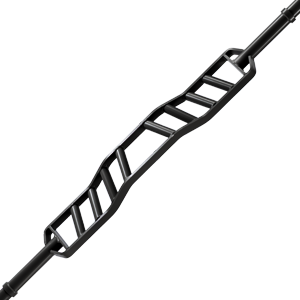
On the heavy deadlift day, the competition-width grip gets priority. On a bench or squat day, he may bring each hand about two inches closer and repeat the same basic pulling action. If he still feels fresh or wants more work for the lower lats, he moves to a close grip with the index fingers near the smooth part of the bar. He also brings his feet in enough to keep his forearms from colliding with his legs.
He does not take the barbell-row grip beyond the rings. Once the hands move that wide, he finds that position and execution begin to break down. For wider rowing work, he would rather use machines and straps, where the setup better matches the target.
| Training slot | Grip and setup | Main purpose |
|---|---|---|
| Heavy deadlift day | Deadlift-like stance and competition grip | Build the back tension and bar line used for heavy pulls |
| Bench or squat day | Hands approximately two inches closer | Add another angle without abandoning the same controlled row |
| Optional additional work | Index fingers near the smooth; feet slightly closer | Emphasize the lower-lat area when recovery and execution are still good |
These are Martin’s applications from the video, not universal measurements. Your structure, equipment, fatigue, and training history determine the positions you can control.
Keep the Bar Close and the Trunk Locked
The movement is not a loose heave from the shoulders. Martin emphasizes staying tight through the core, abs, and back while the bar tracks close to the body. He rows toward the lower abdomen and keeps the load connected to the torso position he established at the start.
The torso does not have to freeze at one universal angle, but the position must be deliberate and repeatable. Film a working set from the side. Compare the first and last reps, the distance between the bar and your legs, the target point on the torso, and whether your back position changes as fatigue builds.
Progress From Volume Toward Heavier Work
Martin describes using five sets of five for the wider, deadlift-specific row and another five-by-five exposure with the hands moved in on another day. As the training cycle progresses and the weight becomes heavier, he may reduce the repetitions to five sets of three or even five sets of two.
The important part is the sequence: establish the movement with enough volume to practice it, then increase loading while preserving the setup. Add weight only while the bar path, torso position, and target point remain consistent. If heavier triples turn into short, uncontrolled yanks, the progression stopped serving its purpose.
Use Straps When Grip Becomes the Wrong Limiter
As his rows get heavier, Martin begins using straps. His reason is specific: when the purpose of the exercise is to overload the back for another lift, he does not want his hands to end the set before his back receives the work.
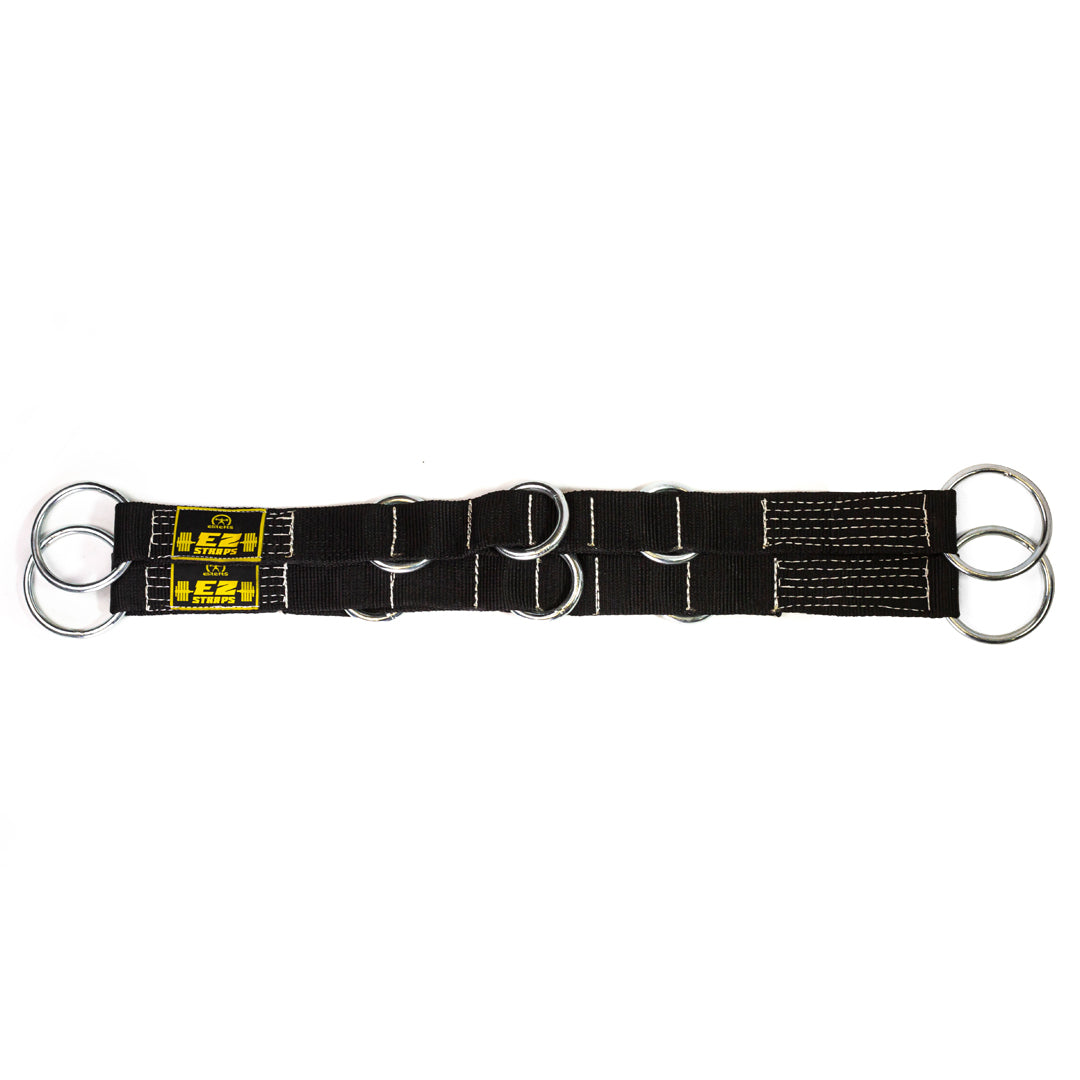
That does not make grip strength unimportant. Train grip where it belongs. But decide what the set is supposed to test. If the target is heavy back work and the bar keeps opening your hands, a secure pair of elitefts Old School Super Heavy Wrist Straps can keep the emphasis on the selected task. If you are training without straps, Gym Chalk can help you establish a more reliable connection to the bar.
How Heavy Rows Can Improve the Deadlift Setup
Martin reports that heavy rows with his deadlift grip improved the way he locks his back into the pull. He approaches the deadlift as if he is about to row the bar, establishes that back position, and then transitions into the full pull.
That is the most valuable idea in the video. The row is not only extra work after deadlifting. It is practice creating tension in a familiar stance and grip. Done consistently, it gives the lifter another place to learn what a locked-in back feels like under load.
Evaluate the result in the main lift. Is your setup more repeatable? Does the bar stay closer? Can you hold position as the load rises? If the rows climb but the deadlift does not, revisit the diagnosis instead of assuming more volume is the answer.
Common Ways to Ruin the Exercise
- Starting too fatigued to hold position. A wider stance can account for tired legs, but it cannot rescue a set when the entire setup is gone.
- Letting the bar drift. Keep it close enough to reinforce the line you want in the deadlift.
- Changing grip without a reason. Each variation should have a target, not exist only to make the session look more complex.
- Going wider than you can control. Martin prefers machines for very wide rows rather than forcing the barbell version.
- Adding straps too early—or refusing them forever. Use them when grip is preventing the back from doing the planned work.
- Progressing load after technique changes. A heavier number is not progress if the exercise no longer resembles the movement you intended.
Know When to Modify the Plan
Heavy unsupported rows create fatigue through the back, hips, and trunk. A chest-supported row, cable row, or machine can be better when the lower back is the limiter rather than the target. This is general training instruction, not rehabilitation advice. Stop for pain or unusual symptoms, use appropriate loading and supervision, and get qualified help for persistent problems.
Watch Why Heavy Rows Fix Weak Deadlifts. Article instruction is based on the complete elitefts video transcript featuring Jared Martin.
Make the Row Earn Its Place
A heavy row is not automatically deadlift training. It becomes useful when the stance, grip, bar line, and tension address a real need in the pull. Martin’s system works because each variation has a job and the exercise changes as the training cycle advances.
Start with the competition-like version. Keep the bar close. Build the volume before chasing heavier triples and doubles. Change the grip to target a different area, not because variety is always better. Use straps when they preserve the back-training goal. Then judge the exercise by what happens when you return to the deadlift.
Keep the Target on Your Back
When heavy rows outgrow your grip, use the equipment that lets the planned muscle group stay responsible for the work.
SHOP ELITEFTS WRIST STRAPS