


Building Rugby Athletes Through Progressive Loading, Education, and Targeted Physical Preparation
Pre-season is not a punishment phase. It is a bridge from the off-season to competition. The best programs progressively expose athletes to stress, teach them how to train, and give coaches enough information to make smarter loading decisions.
The primary objective of any pre-season program is to prepare athletes for the demands of competition while minimizing injury risk. That does not happen by throwing athletes straight into full workloads on day one.
This plan begins with a dedicated Break-In Week: a reduced-schedule phase designed to reintroduce structured training, rebuild work capacity, educate athletes, and lay the foundation for the more demanding phases that follow.
Phase 1: Break-In Week
Regardless of the official start date, the first week uses only three training days. This reduced schedule provides more recovery, spreads stress evenly, creates space for athlete education, limits the risk of a sudden volume spike, and allows coaches to assess players returning from the off-season.
To reduce interference between training components, upper-body and lower-body sessions are separated into AM and PM blocks.
| Time/Day | Monday | Tuesday | Wednesday | Thursday | Friday | Saturday | Sunday |
|---|---|---|---|---|---|---|---|
| AM | Upper Body + CARE | OFF | Upper Body + CARE | OFF | Upper Body + CARE | OFF | OFF |
| PM | Lower Body + CARE | OFF | Lower Body + CARE | OFF | Lower Body + CARE | OFF | OFF |
Education Before Intensity
The first week includes more than weight training. Athletes also participate in team meetings, monitoring education, skills sessions, speed introductions, rugby-specific training, and aerobic testing such as the Bronco Test.
Running loads are deliberately capped at approximately 60% of a normal in-season training week. Some athletes do more work than prescribed during the off-season, while others do less. A controlled opening week creates a more appropriate starting point for everyone.
Break-In Week Training Model
Athletes select one exercise from each category and complete three working sets using the classic Dan John 8-6-4 loading scheme.
Lower Body Categories
- Absolute Strength: squat variations, deadlift variations.
- Accessory: lateral squat, walking lunge, step-up, sprinter squat, Bosch squat.
- Posterior Chain: reverse hyper, Nordic curl, RDL, hip thrust, single-leg landmine RDL.
Upper Body Categories
- Push: bench press, incline press, shoulder press, push press, floor press, landmine press variations.
- Pull: Pendlay row, Yates row, chin-up, machine row, one-arm dumbbell row.
- Loaded Carries: farmer's walk, suitcase carry, Zercher carry, overhead carry.
- Core: Pallof press, Turkish get-up, rollout, windmill, hanging leg raise.
Phase 2: Standard Loading Weeks
After the introductory week, most athletes move into the standard training schedule. A smaller number may remain on the three-day model depending on training age, injury history, positional demands, or individual development priorities.
The standard program is built around three key training qualities:
Neural
Power, speed, force production, acceleration, and explosive athletic performance.
Mechanical
Strength, hypertrophy, maximal force development, and tissue capacity.
Metabolic
Conditioning, work capacity, body composition support, and recovery capacity.
Rather than assigning athletes to a single category, every player receives exposure to all three qualities throughout the week. The result is a more complete athlete with no major physical quality neglected.
| Time/Day | Monday | Tuesday | Wednesday | Thursday | Friday | Saturday | Sunday |
|---|---|---|---|---|---|---|---|
| AM | NeuralSpeed & Power | MetabolicCircuits + Loaded Carry + CARE | OFF | NeuralSpeed & Power | MetabolicCircuits + Loaded Carry + CARE | OFF | OFF |
| PM | MechanicalStrength & Size | RecoveryRehab + Restoration | OFF | MechanicalStrength & Size | RecoveryRehab + Restoration | OFF | OFF |
Neural Sessions: Speed and Power
The objective of neural sessions is to improve force production, acceleration, and explosive athletic performance. Athletes select exercises from two primary categories.
Strength-Speed
- Olympic lift variations
- Banded box squats
- Jump squats
- Trap-bar jump shrugs
- Prowler pushes
Starting Strength and Reactive Power
- Plyometrics
- Bounds and hops
- Box jumps
- Accelerations
- Medicine ball throws
Where velocity-based training technology is available, target bar speeds should fall between 0.75 and 1.0 m/s. Without velocity tracking, use moderate loads (50-80% of 1RM) and terminate sets once movement quality declines.
Mechanical Sessions: Strength and Size
Mechanical sessions focus on maximal strength and muscle mass. The training day is divided into absolute strength work, secondary lower-body supersets, upper-body supersets, and optional hypertrophy finishers.
Lower-Body Superset Examples
| Hip Dominant | Knee Dominant |
|---|---|
| Reverse Hyper | Step-Up |
| RDL | Bosch Squat |
| Hip Thrust | Split Squat |
| Single-Leg Landmine RDL | Lateral Squat |
Upper-Body Superset Examples
Pairing pushing and pulling movements increases training density, reduces session duration, improves posterior-chain development, and supports shoulder health.
| Push | Pull |
|---|---|
| Bench Press | Bent-Over Row |
| Incline Press | Bench Pull |
| Floor Press | Chin-Up |
| Landmine Press | Pendlay Row |
Optional Hypertrophy Finishers
Athletes requiring additional muscle mass can finish sessions with targeted hypertrophy work such as squat variations to technical failure, deficit trap-bar deadlifts, triple-drop dumbbell bench presses, shoulder complexes, or arm finishers.
Metabolic Sessions: Conditioning and Work Capacity
Metabolic sessions develop fitness, muscular endurance, and recovery capacity. Coaches can rotate circuit options to target conditioning while keeping athletes engaged throughout pre-season.
Circuit Options
- Otago Circuit
- Beastly Circuits
- Bodyweight GPP Circuits
- Kettlebell Circuits
- Strongman Circuits
- Warren Metabolic Blast
- PHA Circuits
- Lactate Circuits
Useful Tools
CARE Program: Building Resilience
Every metabolic session concludes with the CARE Program: Core Accessory Rehab Exercise. Athletes select exercises from categories such as core stability, rotator cuff, scapular control, neck strength, groin and hip function, hamstring injury prevention, grip strength, knee stability, foot and ankle development, and thoracic mobility.
Phase 3: Shock Loading and Deload
The final stage of pre-season introduces a shock-loading week. During this phase, the standard training structure is performed three times within a single week, creating a concentrated training stimulus before athletes transition into a deload period.
Following the shock week, athletes return to the introductory training structure. At this point, the same three-day model serves as a recovery and regeneration week, allowing athletes to absorb accumulated adaptations before progressing to the next phase of preparation.
| Time/Day | Monday | Tuesday | Wednesday | Thursday | Friday | Saturday | Sunday |
|---|---|---|---|---|---|---|---|
| AM | NeuralSpeed & Power | MetabolicCircuits + Loaded Carry + CARE | NeuralSpeed & Power | MetabolicCircuits + Loaded Carry + CARE | NeuralSpeed & Power | MetabolicCircuits + Loaded Carry + CARE | OFF |
| PM | MechanicalStrength & Size | RecoveryRehab + Restoration | MechanicalStrength & Size | RecoveryRehab + Restoration | MechanicalStrength & Size | RecoveryRehab + Restoration | OFF |
Shop the Plan: Equipment That Fits Each Training Quality
Product suggestions are selected to match the movements and training qualities in this program. Availability can change, so confirm the current status on the product page before ordering.
For acceleration work, strength-speed pushes, conditioning finishers, and team-based GPP.
Shop ProwlerFor deadlift variations, trap-bar jump shrugs, loaded carries, and joint-friendly pulling.
Shop Trap BarFor loaded carries, grip strength, trunk stiffness, and strongman-style conditioning.
Shop HandlesFor throws, reactive power, trunk training, and low-skill explosive work.
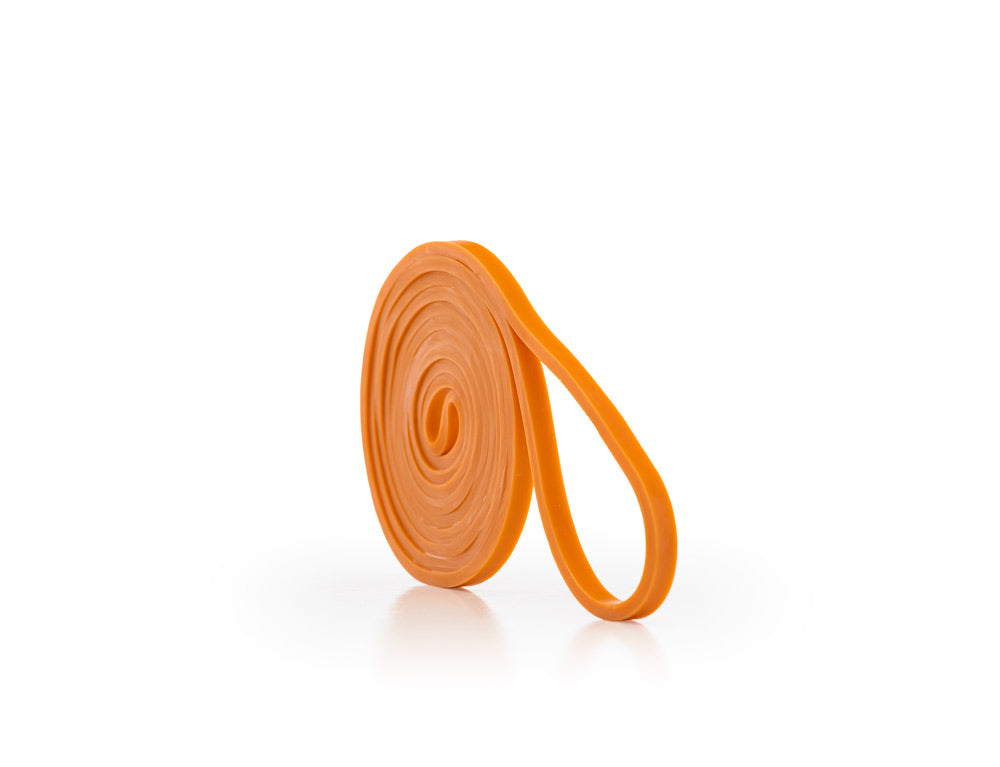
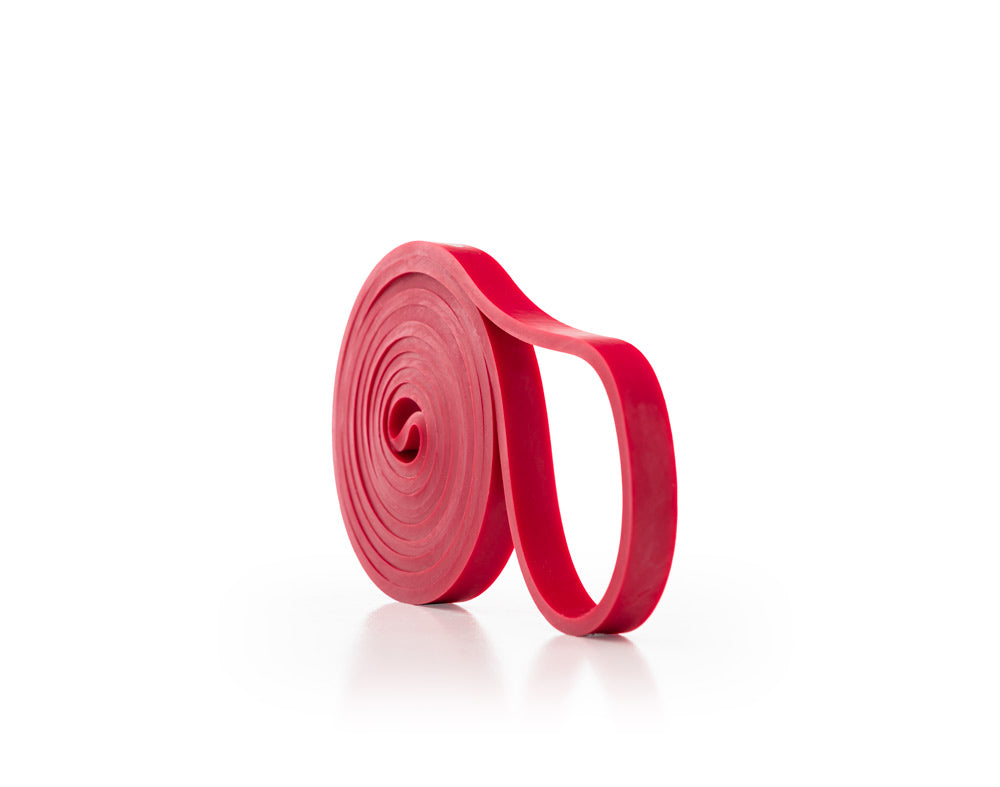
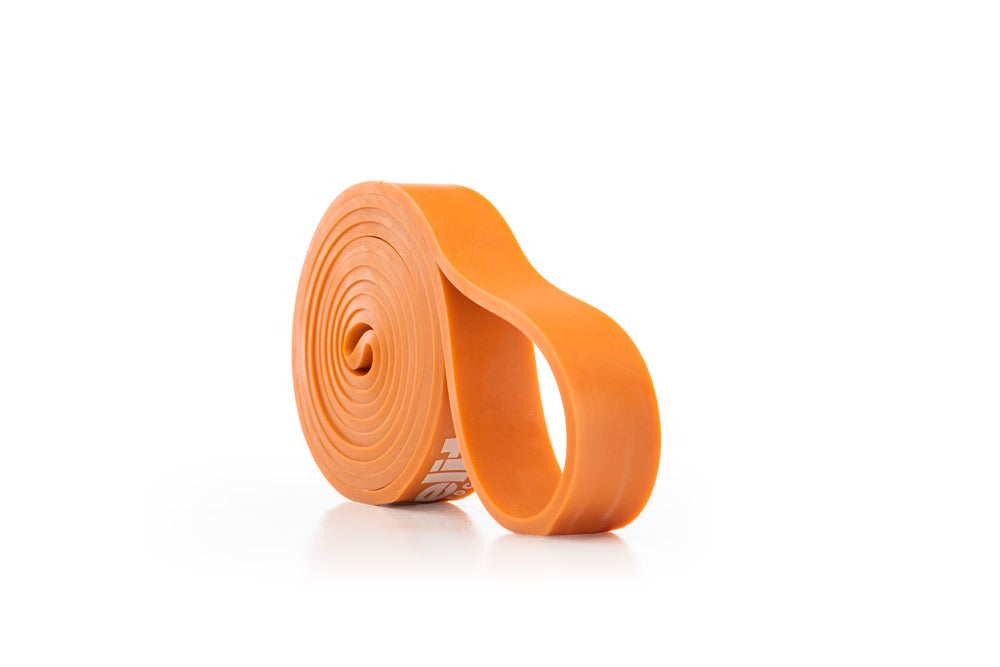
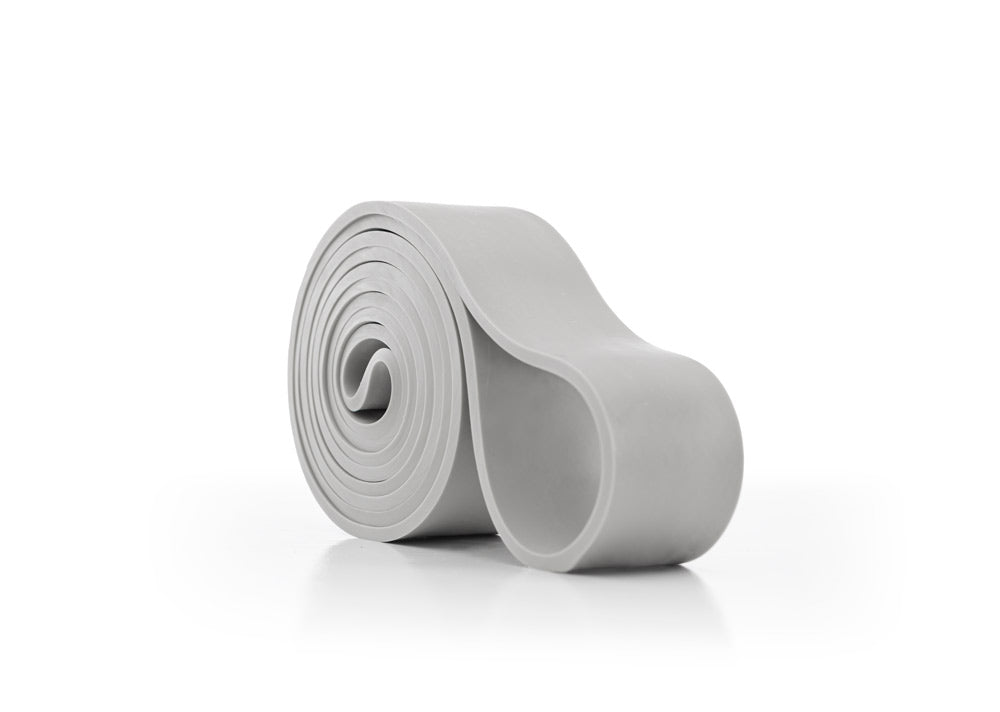
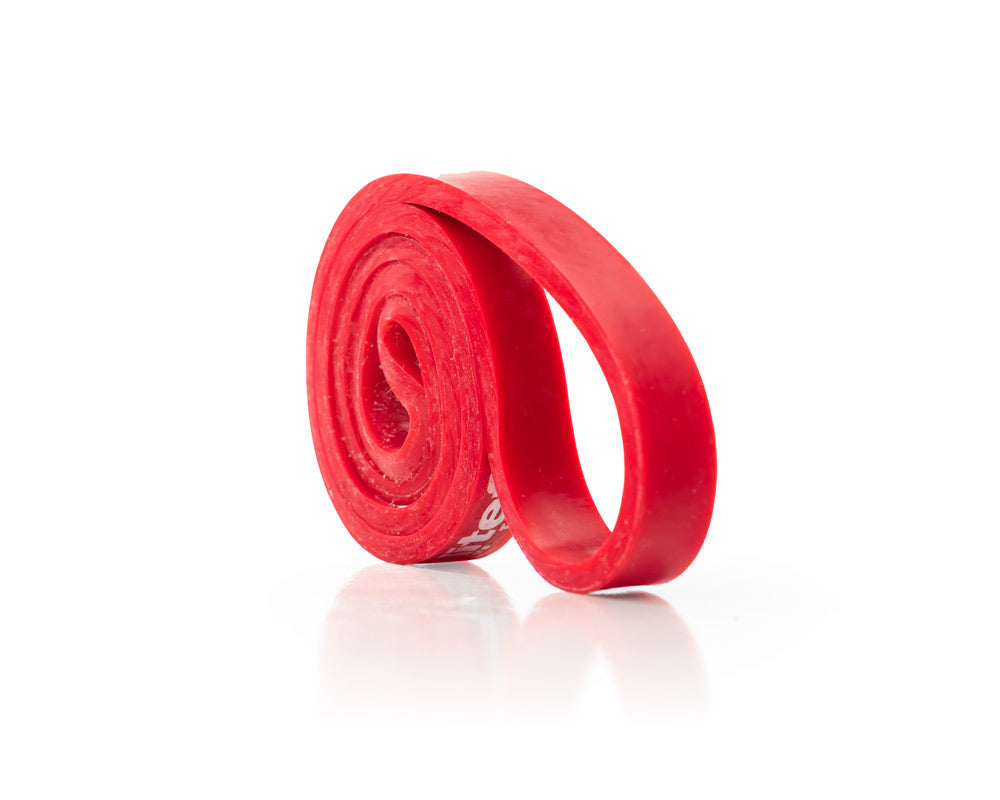
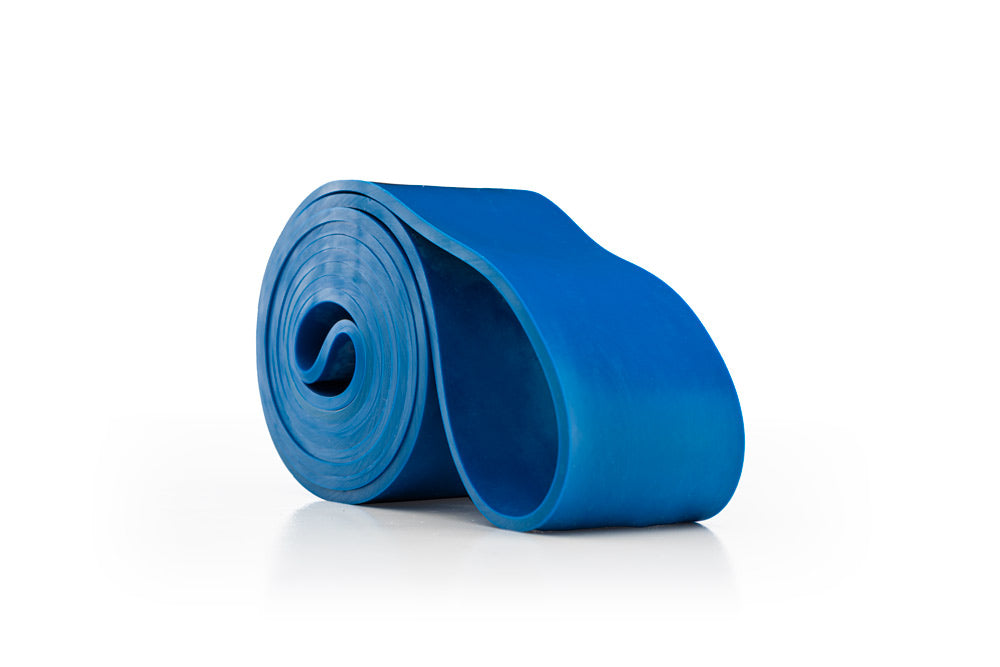
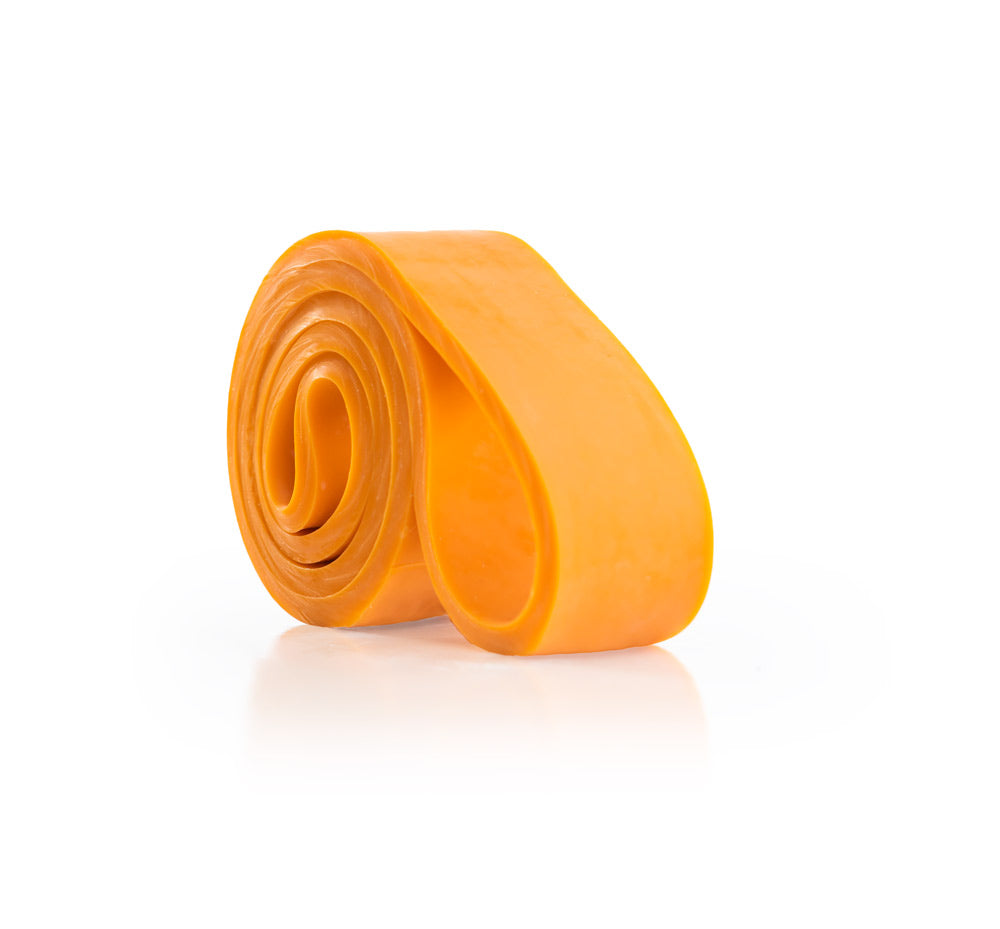
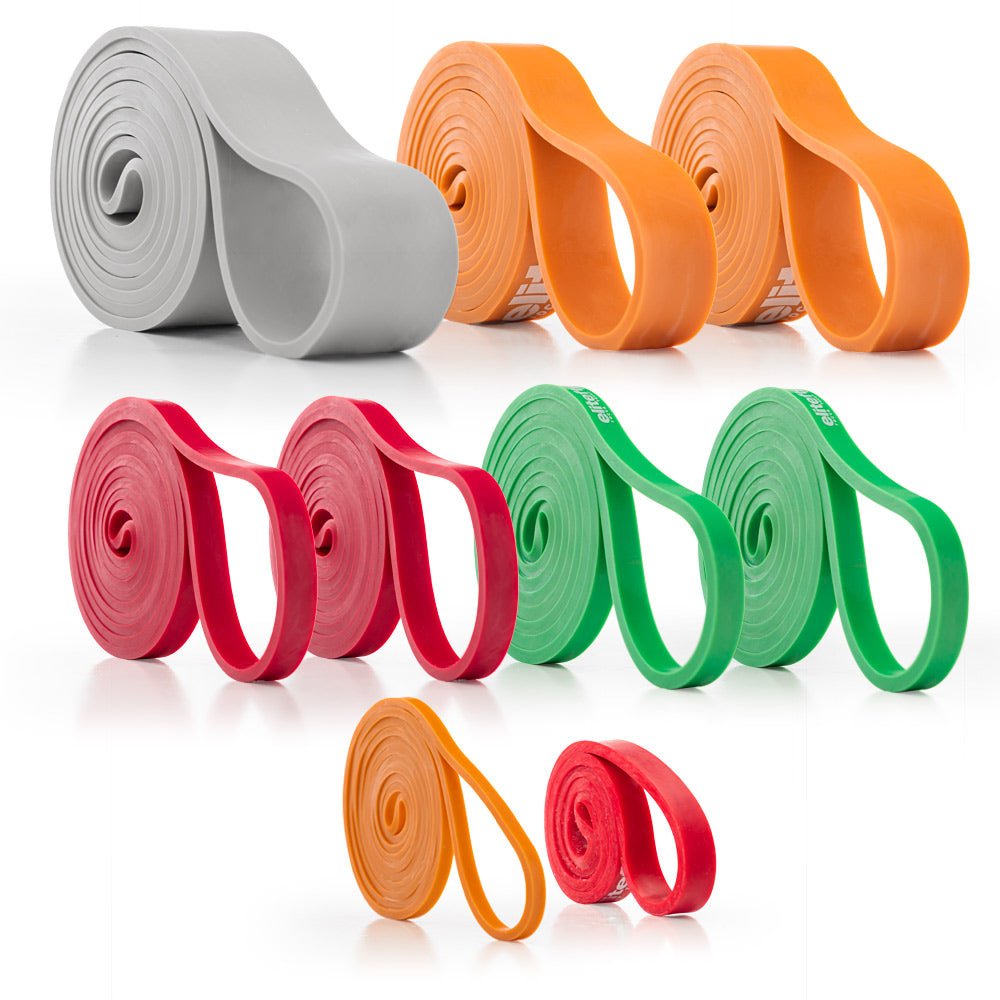
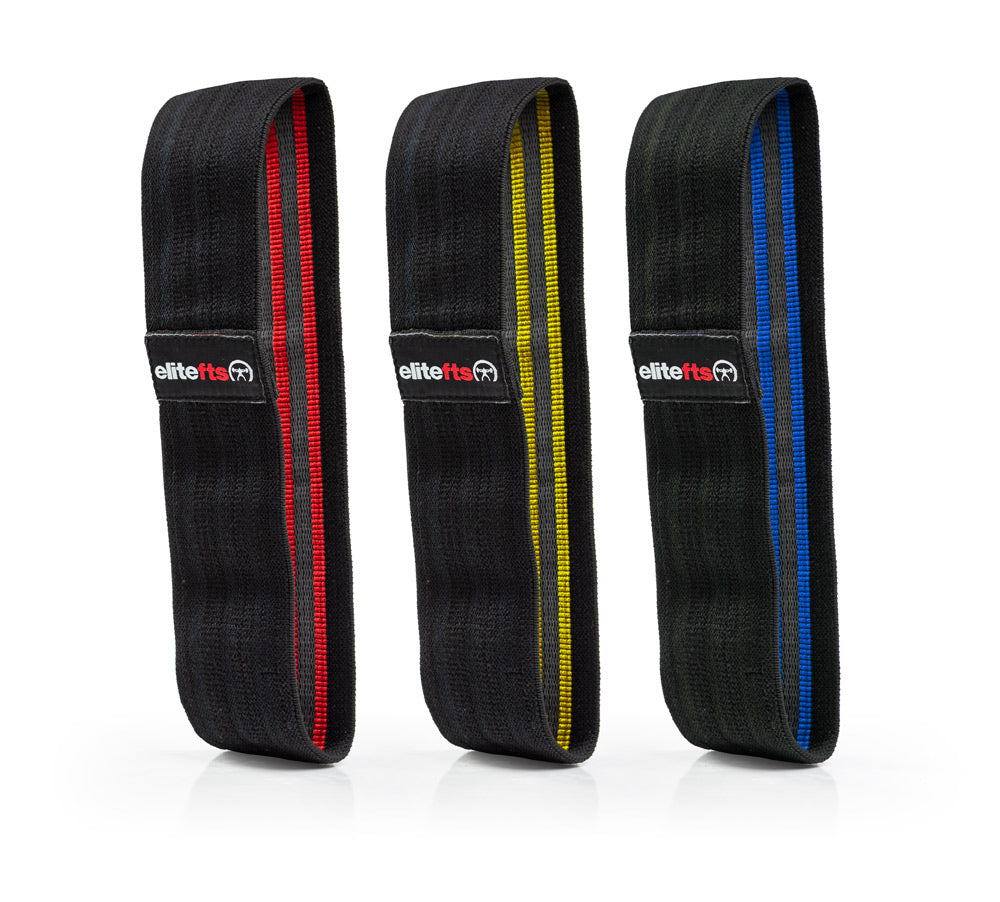
Shop Medicine BallFor warm-ups, movement preparation, accommodating resistance, rehab, and accessory work.
Shop BandsFor conditioning, recovery circuits, rehab-friendly lower-body work, and sport-specific loading.
Shop SledFor kettlebell circuits, swings, carries, and simple metabolic training blocks.
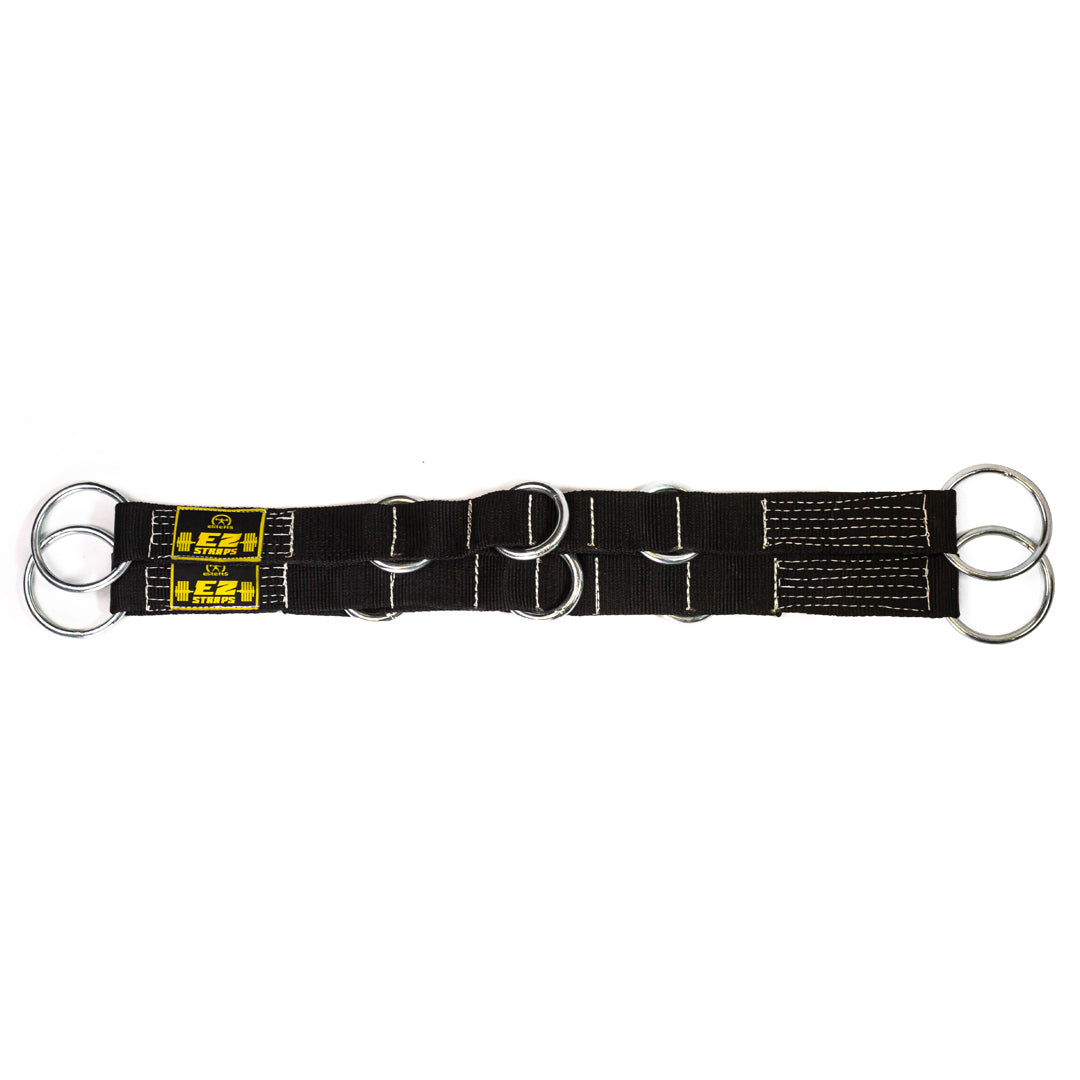
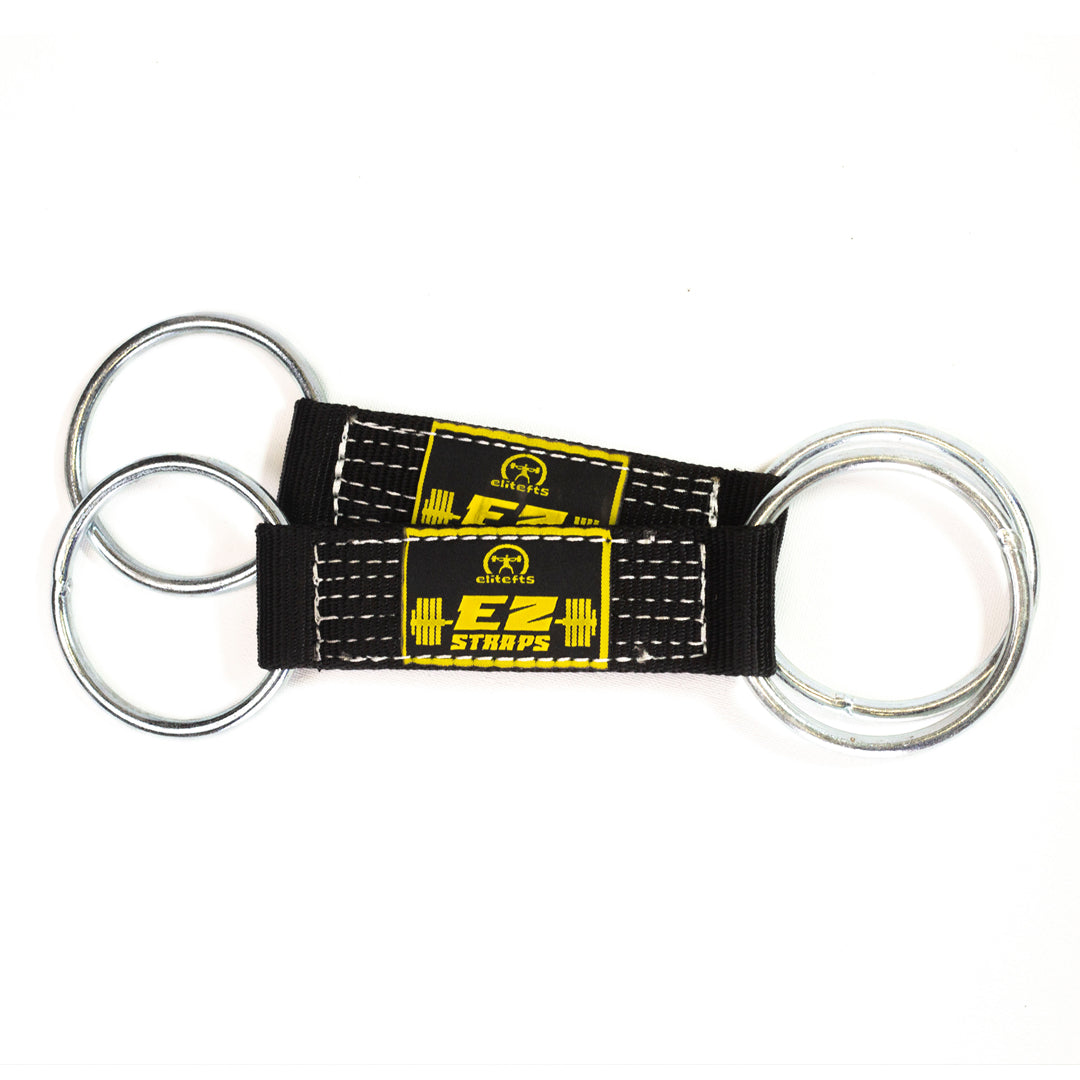
Shop KettlebellsFor a compact kettlebell-style option that uses Olympic plates for swings, carries, rows, and circuits.
Shop KettlestrapBrowse related categories: Prowlers & Sleds, Bands, Medicine Balls, Posterior Chain Equipment, and Bars & Weights.
Successful pre-season preparation is not about maximizing workload from day one. It is about progressively exposing athletes to the physical demands they will face throughout the season.
By moving from a controlled break-in week to standard loading, then strategically applying shock and deload phases, coaches can develop stronger, faster, and more resilient athletes while minimizing unnecessary injury risk.