

Building the Lock · elitefts
Strength, Power, and Size for the Big Men Who Do the Dirty Work
And What Football’s Tight Ends and Linebackers Can Steal From It
I played lock, and I've spent many years since coaching them. If you want to know what a good lock is, imagine a tight end and an inside linebacker had a child, and the child had to do both jobs for 80 minutes with no helmet and no timeouts. He has to be a big, strong man in the tight five, who scrums, drives, and lifts in the lineout. He also has to be a ball carrier and a tackler in the open field, and he has to get around the park.
That is why the lock is a useful template for football. The tight end blocks like a lineman and runs routes like a receiver. The linebacker has to stack and shed a 300-pounder, then run down a back in space. These positions all need the same thing: big, strong, powerful men who can repeat the effort and stay on the field.
Here is how I build them.
The Philosophy: Keep It SIMPLE
Everything I do sits under one acronym:
- Strength underpins all the other biomotor qualities
- Individualize to prioritize
- Mechanical, neural, and metabolic programming
- Player focused
- Less is often more
- Enjoyment and effort determine outcomes
Strength is the mother of all qualities. A lock who can't squat, pull, and press heavy will never own the contact area, and a linebacker who can't do the same will get washed out of the hole. But max strength alone doesn't make a player. I ask three questions of every athlete:
- Is he in the mass range for the position? If not, that's the first job.
- Is he in the strength range for the major lifts? If not, that's the second job.
- What does he need next: neural, mechanical, or metabolic? One tool I use is the Eccentric Utilization Ratio (EUR): countermovement jump height divided by squat jump height.
| EUR | Coaching starting point |
|---|---|
| Below 1.0 | Check jump technique and test consistency first. Consider a neural and plyometric emphasis if the wider assessment supports it. |
| 1.0 to 1.2 | Mixed work, guided by the player's actual jump heights, strength levels, and positional demands. |
| Above 1.2 | Check whether a relatively low squat jump is driving the ratio. Consider strength and hypertrophy work if the wider assessment supports it. |
Reading the ratio: These ranges are coaching prompts, not validated diagnoses of elastic ability or strength. Compare the actual jump heights, test consistency, and the ratio. [1]
I don't use it as gospel, but it stops me guessing. The ratio is one part of the picture; it doesn't decide the program on its own. It's science you can use in the weight room on a Tuesday.
Where We Start: A Foundational Block
Every off-season or return-to-training block begins with three weeks of foundational lower-body work, two sessions a week. I don't go straight to heavy singles, and I don't go straight to bodybuilding. The centerpiece is a variation of the French Contrast Method, and it's the best bang-for-buck tool I know for a big man who needs to be both strong and fast.
My version of French contrast is a four-exercise complex:
| Order | Exercise |
|---|---|
| 1a | A heavy strength lift (back squat, or trap bar deadlift from low blocks) |
| 1b | A plyometric that mimics the lift (band-assisted vertical jumps, or horizontal repeat hops) |
| 1c | A loaded speed exercise (clean pull from blocks, or band box squats) |
| 1d | A fast, unloaded plyometric (box jumps, or repeat horizontal long jumps) |
Weeks run 4 × 6, 4 × 4, then 4 × 2 on the strength lift, with loads rising as reps fall. It hits the whole force-velocity curve in about 20 minutes. Heavy and slow, then fast and light, then loaded and fast, then unloaded and fast. That's the "surf the curve" idea, and it's the neural work I want in a big man who can look slow.
After the contrast, the unilateral squat-and-hinge pairing (walking lunges with single-leg back extensions, then Bulgarian split squats with contralateral RDLs) at 12, 10, 8 builds tendon and hip strength that helps the big fella tolerate training and contact. I always finish with CARE work—Core Accessory Rehab Exercises: core, arms, rotator cuff and neck, calves and ankles, abductors and adductors, etc. These are the small tissues that hold big people together, and 2 × 12 at the end of each session doesn't cost much. [2]
For a tight end taking hits at the line, or a linebacker with his head in the fight on every snap, neck training is not optional. Banded rotations, harness work on the cable machine, and isometric plank series forward, backward, and laterally. Put it in every session.
Block Two: Specific Prep
Once the base is down, we move to specific preparation, with a three-week ramp of 4 × 6, 4 × 4, then 4 × 2. The lower body sessions look like this:
Session One (squat-dominant)
| Order | Exercise |
|---|---|
| 1a | Squat |
| 1b | Jump variation that progresses each week: repeat squat jumps, then seated box jumps, then depth jumps |
| 1c | Single-arm DB clean |
| 1d | Hops, progressing from in place, to bench blasts, to knees-to-feet into a long jump |
| 2 | Band-assisted trap bar deadlift, low box step-up, reverse lunge |
Session Two (hinge and horizontal)
| Order | Exercise |
|---|---|
| 1a | Prowler push |
| 1b | Repeat long jumps, then knees to feet into a long jump, then depth jump into a long jump |
| 1c | Band box squats (accommodating resistance ramping from 40% bar / 33% band to 50% bar / 60% band) |
| 1d | Borzov hops, seated to horizontal jump, then depth jump to hurdle jump |
| 2 | Trap bar deadlift from blocks, dynamic lunge, single-leg hip thrust |
Band loading note: These percentages need a defined reference load and a stated measurement point for band tension. Confirm both before applying this example.
Two things to note. First, I rotate the exercises every three weeks. That is how I manage accommodation and keep the work moving forward: the body needs a progressive stimulus, but exercise does not stop working after a few exposures. Second, much of the heavy work is done on blocks and off boxes, or with a safety bar and bands. A 240-pound linebacker doesn't need to bang his back up with a max-effort good morning every week to get strong. Use the tools that hurt least and still work. [3]
Upper Body: Where Size Comes From
Most people think of the lower body when they hear "lock," but the upper body is where you get the size that wins collisions. The tight end who can't move a defensive end, or the linebacker who can't stack and shed a guard, has lost before the whistle blows.
Upper body work is built on a simple rule: push and pull on every plane. A sample month:
| Plane | Exercise pairing |
|---|---|
| Horizontal | Swiss bar bench press, bench pull |
| Diagonal | Incline bench press (Swiss bar option), Yates row |
| Vertical | Military press or Swiss bar press, neutral-grip chin-ups |
The first movement is the strength movement, using a rep ramp (5 × 10, 5 × 5, 5 × 8, 5 × 6 works nicely as a monthly wave). After that come the size exercises: incline DB presses with triple drops, incline DB rows with a 2 up and 1 down tempo, 3-way cable shoulder raises, seated DB shrugs, and face pulls. Each block is done at 12, 10, 8, 8, and then 10, 8, 6, 6 as the weeks progress.
A note on the Swiss bar and dumbbells. Big men in contact sports have beat-up shoulders, and the neutral grip can be a more comfortable pressing option when you push heavy. It's not the only way, but it lets a lot of players train hard through a season they'd otherwise be nursing.
Finish with arms. I'm a believer in Triceps Death and Biceps Death: 5/5/5/5 across three sets in wave 1, then down to 3/3/3/3. Stronger arms can help a tight end with a stiff arm and a linebacker with the hand fight. It's also the part of the session that players actually look forward to, and enjoyment and effort drive results.
The Size Session: Simple but Not Easy
When the goal is mass, I run body-part size sessions on top of the strength work, using the "6/12/25" idea: heavy work in the 6 range, moderate in the 12 range, and high reps around 25. The lower body version I love is a Monday, Wednesday, Friday split built on the same three-day pattern of 40-meter sled work:
| Day | Session |
|---|---|
| Monday | Forward sled drag, safety bar squat 5 × 10, single-leg back extension, Harrop curls |
| Wednesday | Lateral sled drag, belt squat, safety bar good morning, negative-accentuated seated leg curls |
| Friday | Backward sled drag, safety bar, Bulgarian squat, reverse hyper, seated leg curls |
The sled drag is the sneaky hero. It's largely concentric, with relatively little eccentric loading, which makes it useful for frequent work when the load and volume are managed. It pumps blood into the quads and hamstrings before the heavy work, and it's the closest thing I've found to a free lunch in the weight room. [4]
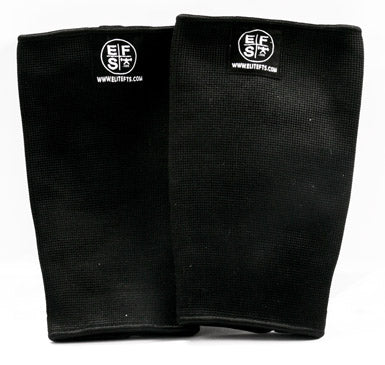
Blood flow restriction with cuffs on the upper thighs (10 × 10 on the leg press, in this example) is my other secret weapon during off-season size phases and for guys who can't handle much load on their joints. It can provide a muscle-building stimulus with lighter external loads.
BFR coaching note: Use appropriate screening, purpose-built cuffs, and individualized cuff pressure. A qualified practitioner should set the loading, volume, and progression; the 10 × 10 example is not a universal starting prescription. [5]
Bring It In-Season
In-season is where most programs die, and where a good coach earns the money. I built the week around game day:
Reading the week: GD = game day; + and − indicate days after and before the game. GD+4 and GD−3 refer to the same day in a seven-day match cycle.
| Day | Training focus |
|---|---|
| GD+2 | Lower body strength and power, plus arms |
| GD+3 | Upper body strength and size |
| GD+4 / GD−3 | Recovery |
| GD−2 | Full body power, short and sharp |
| GD−1 | Recovery, or circuits, if he isn't playing |
Two branch points decide how hard I go: did he play more than 20 minutes, and was he selected? A lock who played the full game is hammered, so GD+2 is lighter. A big man who didn't play needs the extra work, both to keep the qualities up and because he's not getting it from the game.
A GD+2 lower body session runs on a three-week wave:
| Week | Main work |
|---|---|
| Week 1 | Belt squat 4 × 5, box jump, Bulgarian sprinter's squat, band-assisted Borzov hops |
| Week 2 | Prowler push, standing long jump, banded step-ups, low hurdle repeat hops |
| Week 3 | Clean pulls from blocks, med ball forward throw, first-step Prowler push, band-assisted long jumps |
Then a hinge (cable pull through, RDL, reverse hyper), then carries and trunk work (suitcase walk, farmer's walk, reverse sled drag), then calves. Notice that the belt squat, Prowler, and blocks help me manage spinal loading while the intent stays high. In a season where the man has been in 30 collisions on Saturday, that's the point.
As the playoffs approach, I do exactly what I do at any time: less is more. Wave the rep scheme to 4 × 6, 4 × 4, 4 × 2, so volume falls as the games get bigger.
Applying It to the Tight End
The tight end is a lock with a different scoreboard. He needs:
- Hip and trap bar strength. Trap bar deadlift from low blocks is the go-to. The top end sets the tone for his drive block.
- First-step and horizontal power Prowler pushes, first-step Prowler pushes, long jump variations, and med ball forward throws. This is what turns strength into a release off the line.
- Upper body size that doesn't cost his hands. Swiss bar pressing, heavy rows, and lots of shoulder and neck CARE work.
- Elastic ability for the run after the catch, depth jumps, hurdle hops, and Borzov hops, if his jump testing and wider assessment say he needs them.Depth jumps, hurdle hops, and Borzov hops, if his jump testing and wider assessment say he needs them.
His mass target is a bigger, harder-to-move 250 pounds or so, but not at the price of route speed. Watch his performance as well as the scale.
Applying It to the Linebacker
The linebacker is a lock in a more chaotic space. He needs:
- Rate of force development in the horizontal plane. Repeat hops, long jumps, and band-assisted work. These are the mechanics of tackling and closing.
- Lateral and rotational strengthLateral sled drags, lateral lunges, suitcase carries, loaded planks, slosh bag Russian twists. This is the guy who shuffles and cuts under contact.
- Neck and trunk armourHe's the one taking the biggest hits and delivering them, and this is where the CARE approach gets its money's worth.
- The ability to recoverHe plays a lot of snaps, and the metabolic and blood flow work in the off-season is what lets him do it in the fourth quarter.
The Bottom Line
None of this is complicated. The formula is simple:
- Get to the mass and strength the position demands.
- Use the contrast method to build force and speed together.
- Rotate the exercises so the body keeps responding.
- Load the big movers with tools that don't beat them up.
- Push and pull on every plane, and finish with arms.
- Protect the neck, shoulders, and hips with CARE, every day.
- Build the week around the game, and respect the man who played and the man who didn't.
The science tells us where to aim, and the art is in knowing the player in front of you. Knowledge is knowing the numbers, and wisdom is knowing when to ignore them.
Keep it SIMPLE, and put your hardest work in front of the toughest men.
Equipment for This Approach
Relevant elitefts options for the movements in this article.
Pushes · First-step work
Prowler® 2
For the heavy pushes, first-step work and conditioning sessions are in this article. Adjust the load to suit the session’s strength or speed emphasis.
Squats · Lower body work
SS Yoke Bar
A safety squat bar option for the squats, split squats, and good mornings in Ashley’s sessions, with a padded yoke and forward handles.
Neutral-grip pressing
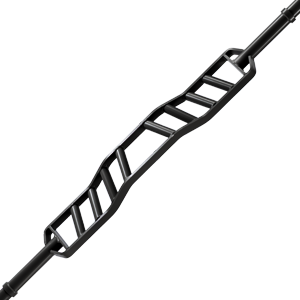
American Press Bar
A Swiss-style option for the upper body plan. Parallel and angled grips also give you options for rows and triceps work.
Assistance · Accommodating resistance
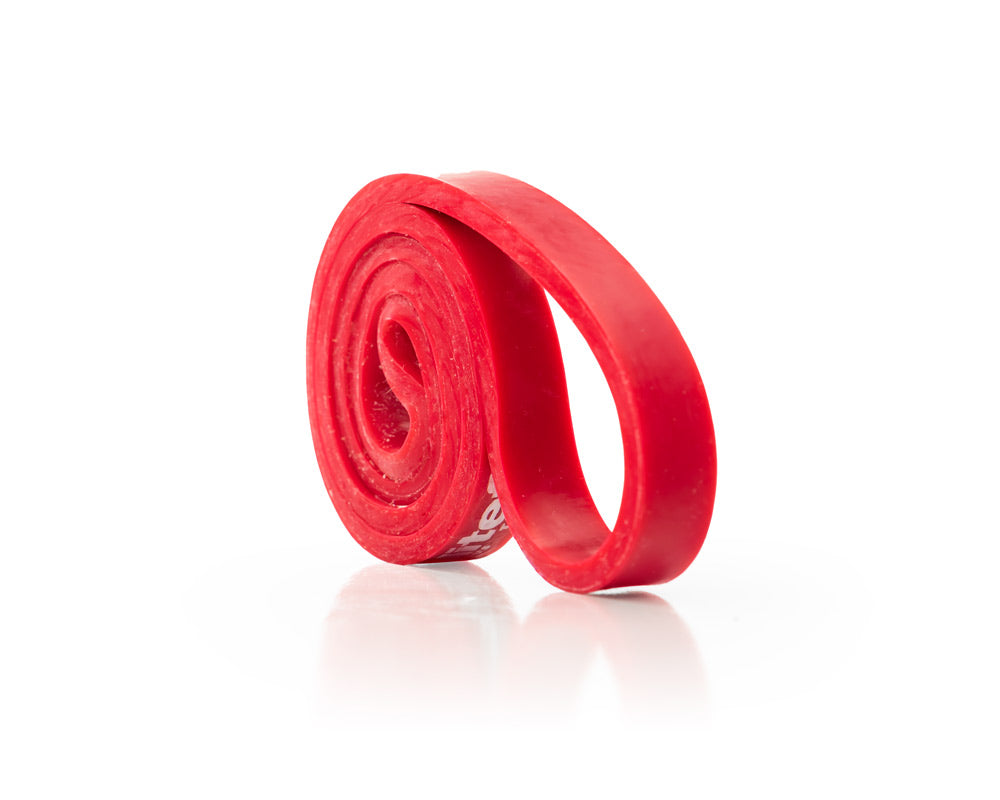
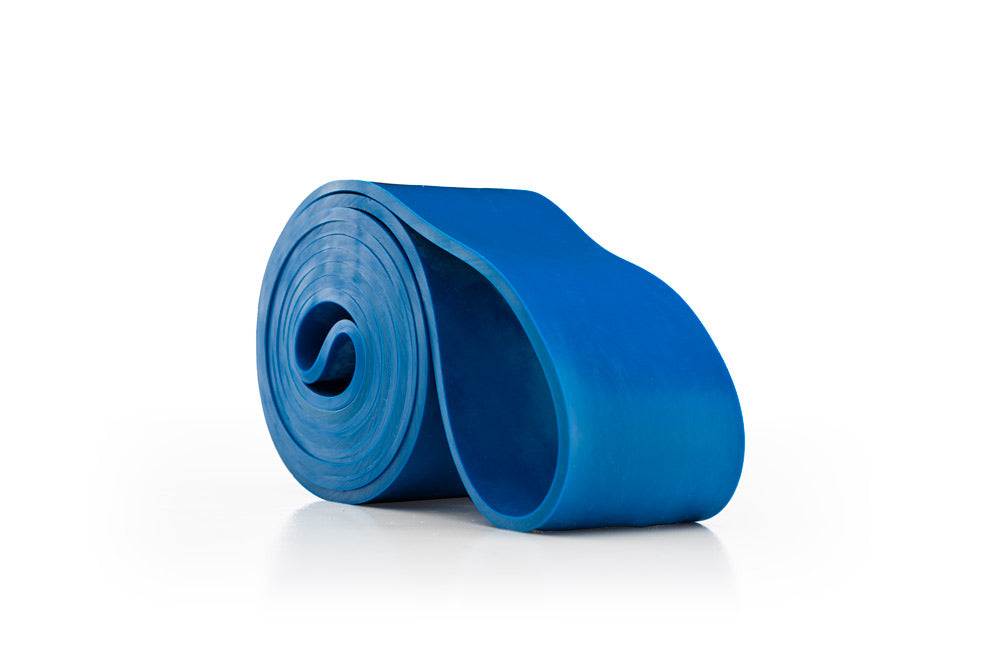
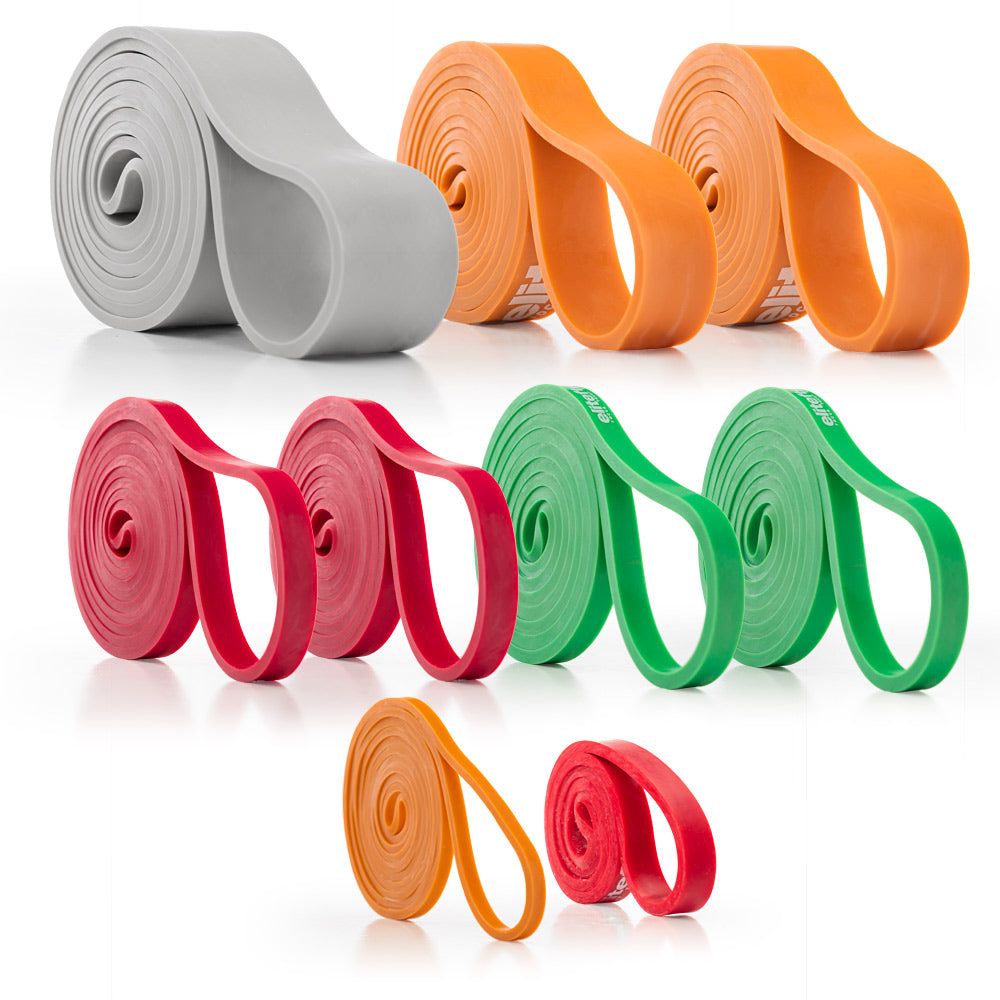
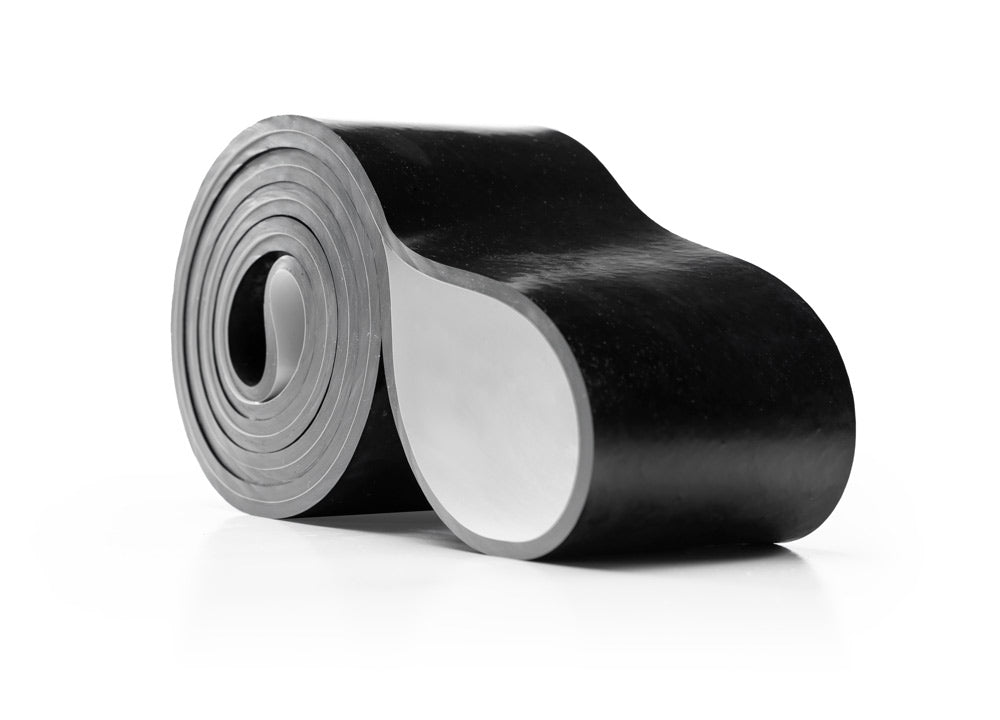
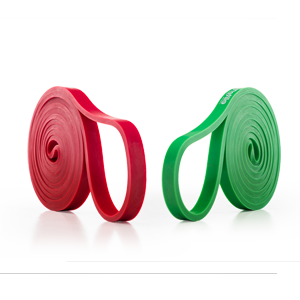
Pro Light Resistance Band
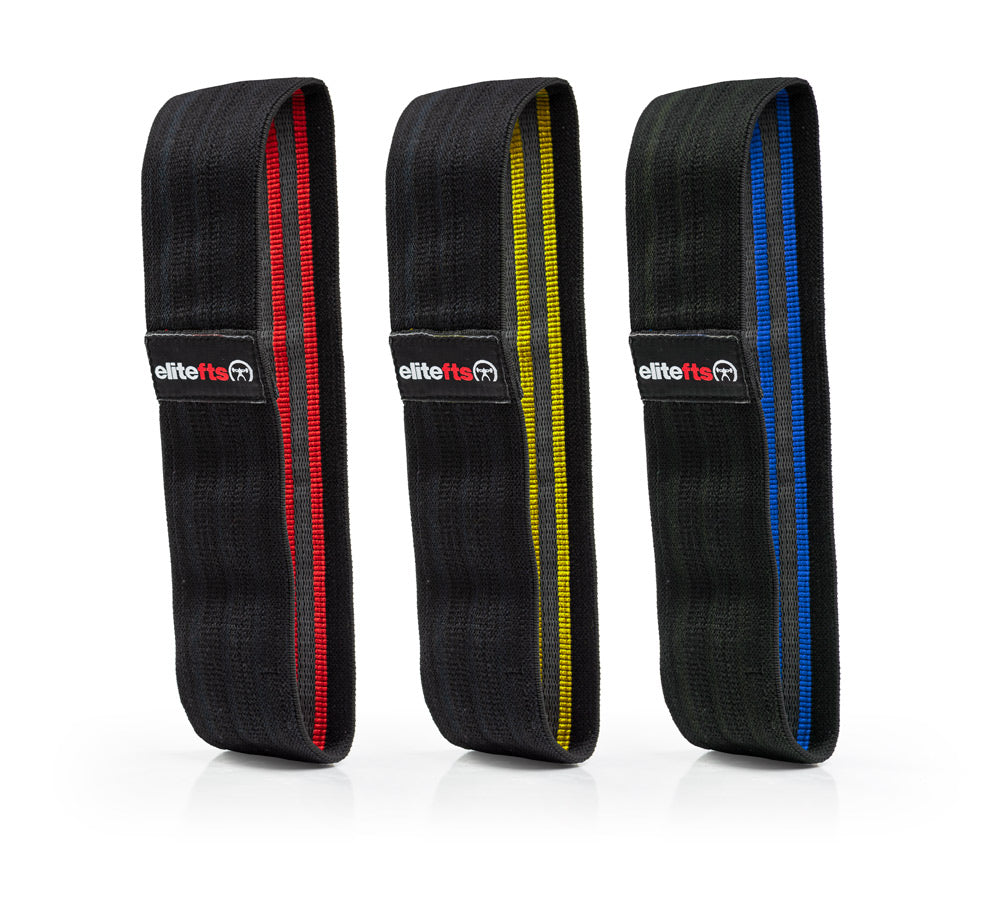
For assistance with work and accommodating resistance. Select the band tension and setup to suit the athlete and exercise. Sold individually.
Coaching References
References for the technical clarifications in this article.
- Kozinc et al. (2021): The difference between squat jump and countermovement jump in 770 male and female participants from different sports.
- Ashley Jones: Evolution of a System. CARE terminology and its contrast-training approach.
- Baz-Valle et al. (2019): Exercise variation, muscle thickness, maximal strength, and motivation.
- West et al. (2014): Responses to a backward sled drag training session.
- Australian Institute of Sport: Blood flow restriction training guidelines.