
TL;TR: Compression floss bands are flat wraps used with brief, controlled movement. They may help some lifters temporarily improve range of motion, but they are not a guaranteed fix for pain or an injury. Learn the application from a qualified healthcare professional, check your response, and keep the goal on better training rather than tighter wrapping.
You have seen bands hanging from a power rack, stretched under a bench, and used for rows and triceps extensions. Then you see a lifter with a wide strip of rubber wrapped around a knee. Same gym. Different job.
That wrap is a compression floss band. Before you add one to your gym bag, understand what you are trying to accomplish with it. Buying another tool is easy. Knowing when to use it, when to leave it alone, and whether it actually helped takes more thought.
What a floss band does
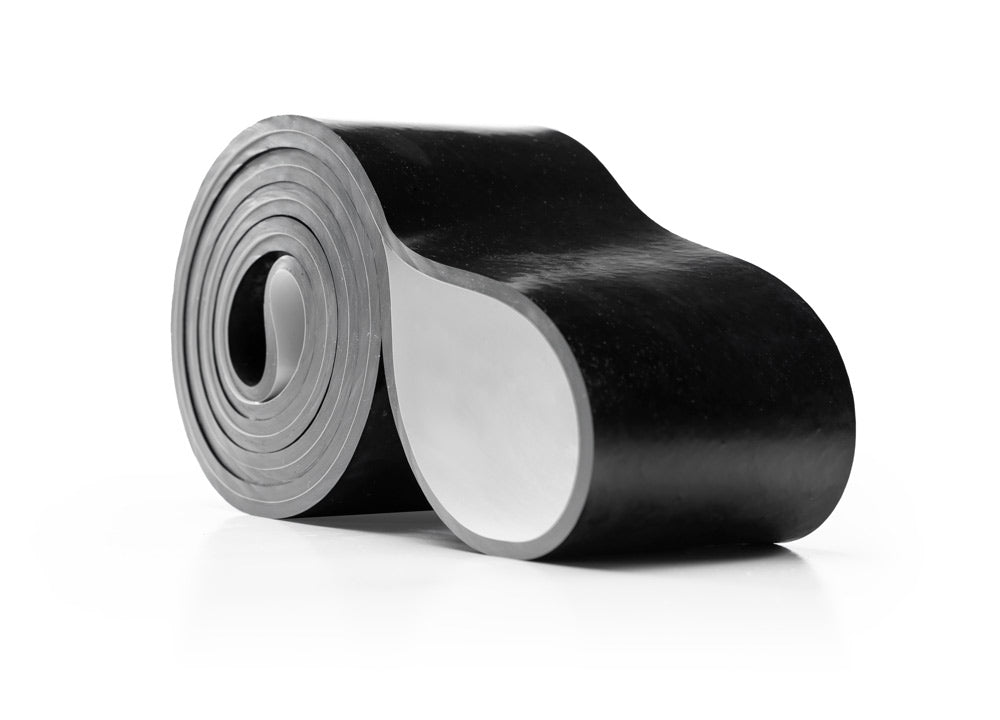
A floss band is a flat strip that wraps around a body region. The application combines compression with movement. Unlike the long bands you attach to a bar, the wrap is not there to add accommodating resistance to a lift.
In Band Built, Jason Colley introduces compression floss and discusses how it has been used in a clinical setting. The useful starting point for a lifter is understanding the purpose of the application before copying the movement. Clinical examples involving nerve symptoms, swelling, or tendon problems require individual assessment. They should not become a do-it-yourself injury protocol.
Use the guide to learn the vocabulary and see the possibilities. Use a qualified clinician to decide whether a particular application makes sense for your body.

Set a realistic expectation
A 2026 systematic review and meta-analysis combined 20 studies involving 480 healthy participants. It found a small immediate improvement in range of motion, but no significant pooled effects on strength, pain, sprinting, or jumping. The authors rated the evidence moderate quality.
That gives us a reasonable expectation: a possible short-term change in movement, not a promise to heal tissue or improve a total. Research on healthy participants also cannot tell you how to treat your particular injury.
If your warm-up feels better, pay attention. But separate what you noticed from what you can prove. “That movement felt easier today” is useful feedback. “This fixed my tendon” is a much bigger claim.
There is no reason to dress this up with promises about breaking up scar tissue or flushing toxins. The mechanisms remain uncertain. Keep your evaluation on something you can check.
Give the tool a specific job
Start with the movement you want to improve. Is there a restriction during an unloaded squat? Does an ankle movement feel different from one side to the other? Is a painful symptom making you change your technique? Those observations are useful, but pain and unexplained restrictions need assessment rather than a guess about where to wrap.
If a clinician determines flossing is appropriate, ask them to show you the exact application and movement. Ask how long to use it, what you should feel, and what would make you stop. Do not assume a demonstration for someone else is your prescription.
Then keep the comparison simple:
- Check the same comfortable movement before the application.
- Follow the specific application you were taught.
- Remove the wrap and check that movement again.
- Record whether anything meaningfully changed.
Use the same stance, depth, and effort when comparing. If you change everything at once, you will have a hard time knowing what helped. If there is no useful change, do not keep adding pressure and time hoping to force one.
Keep the safety rules ahead of the demonstration
These elitefts floss bands contain natural latex. Do not use them if you have a latex allergy. Remove the wrap immediately for numbness, tingling, unusual pain, or pale, blue, or cold skin. Do not push through those symptoms. Seek medical attention if they persist after removal.
Get medical guidance before use, especially with circulation problems, a history of blood clots, reduced sensation, diabetes, blood-thinning medication, recent surgery, an injury, or unexplained swelling. Avoid wrapping damaged or infected skin. This is not an exhaustive screening list.
A tighter wrap is not a better warm-up. A photo cannot tell you the pressure under a band. Color, width, stretch, and overlapping layers do not provide an individualized pressure measurement. Do not use a floss wrap as a substitute for properly prescribed and monitored blood-flow-restriction training.
Follow the current product instructions and the guidance you were given. Never treat a published time limit as a target you must endure. Remove the wrap sooner if anything feels wrong.

Watch the demonstrations with a purpose
The videos below give you examples to discuss with a qualified professional. Look at the equipment, the body region, and the movement being shown. Do not infer the right pressure or loading for yourself from the camera angle.
Watch elitefts Compression Floss Bands
Watch the additional floss-band demonstration
Choose the band for the application
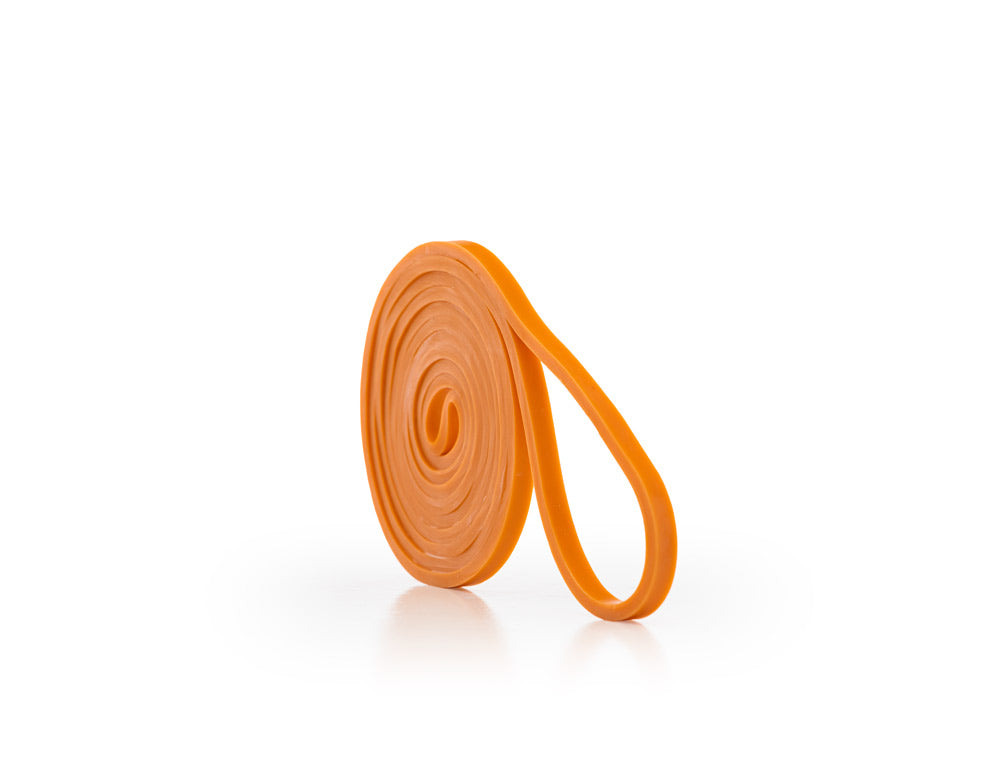
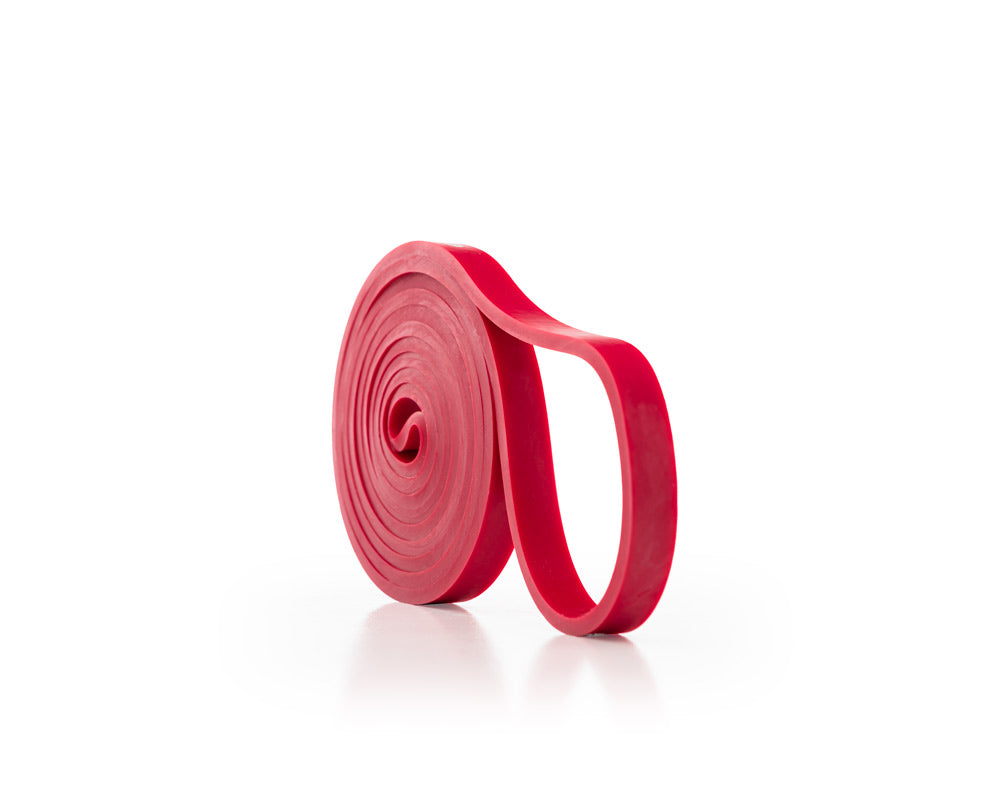
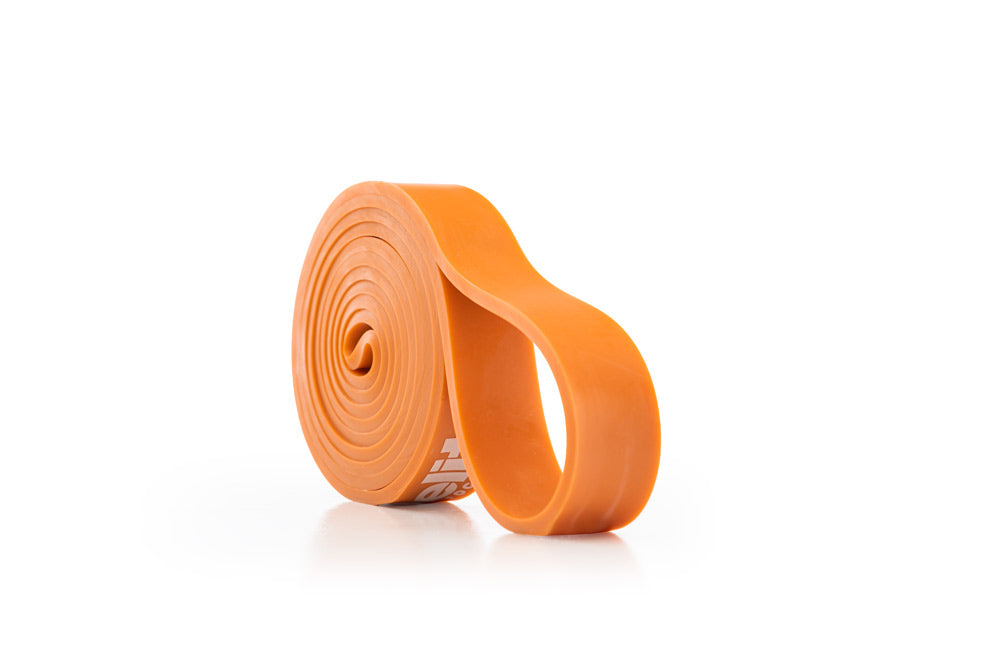
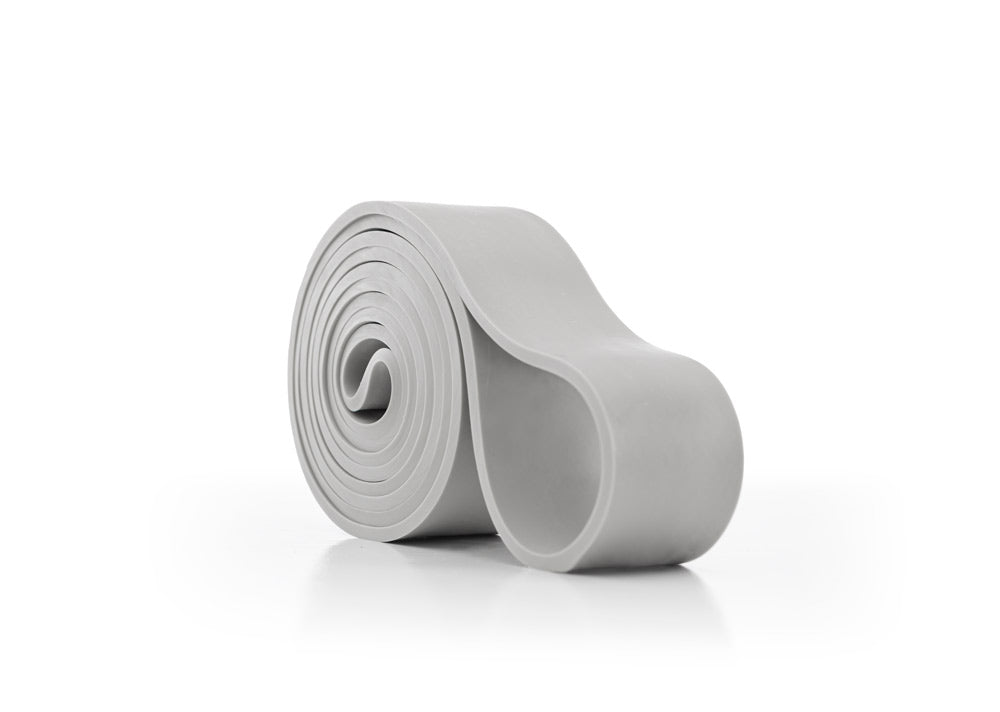
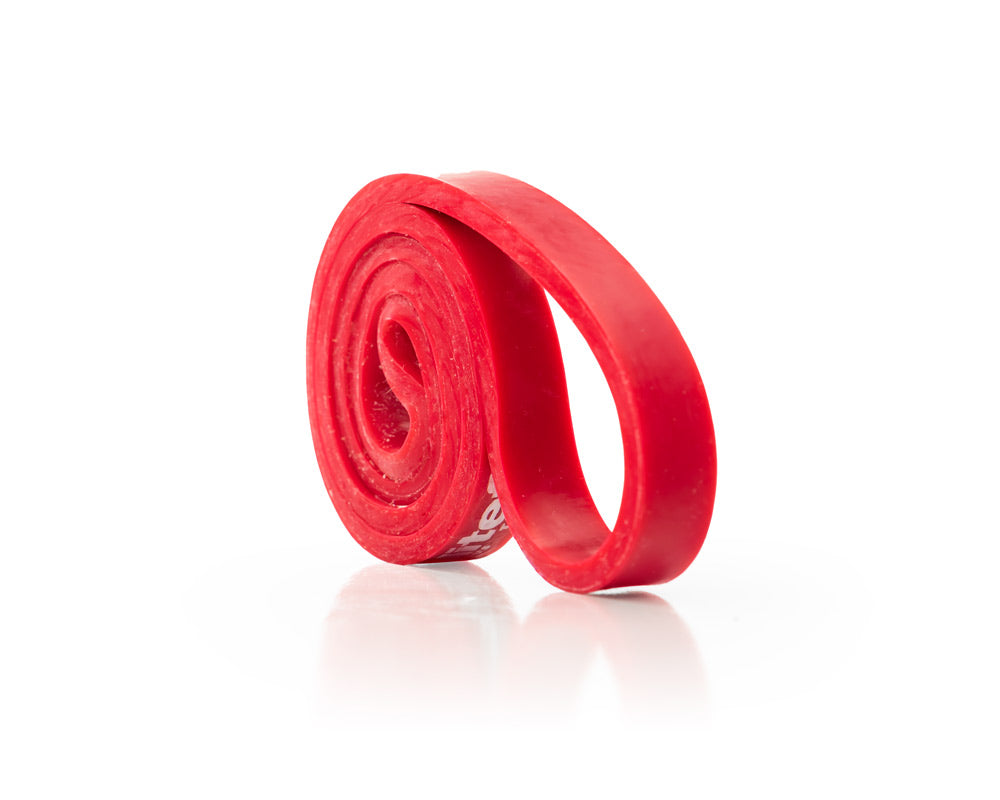
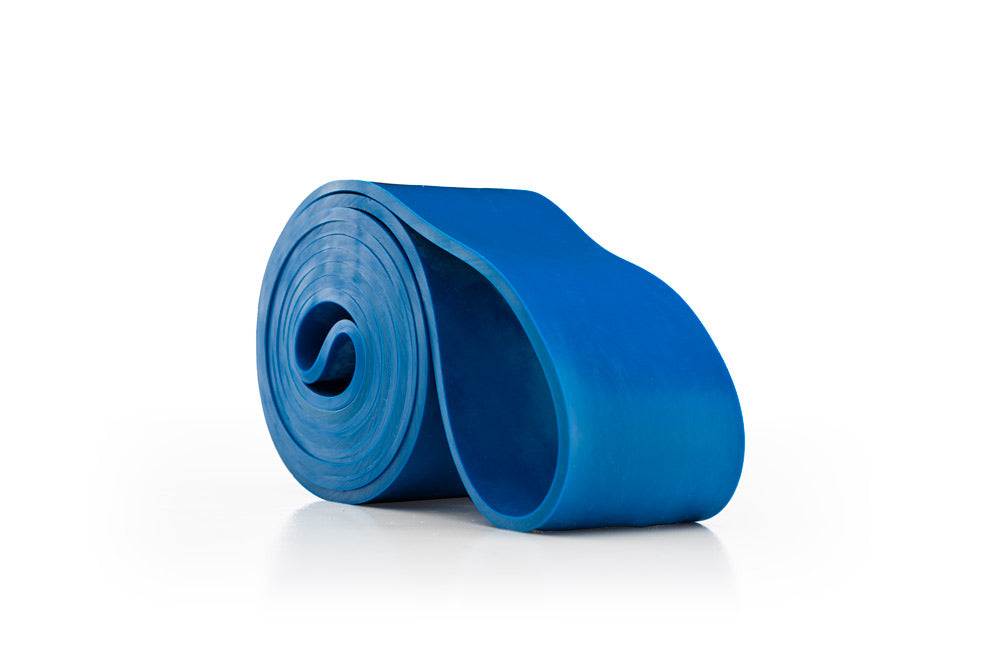
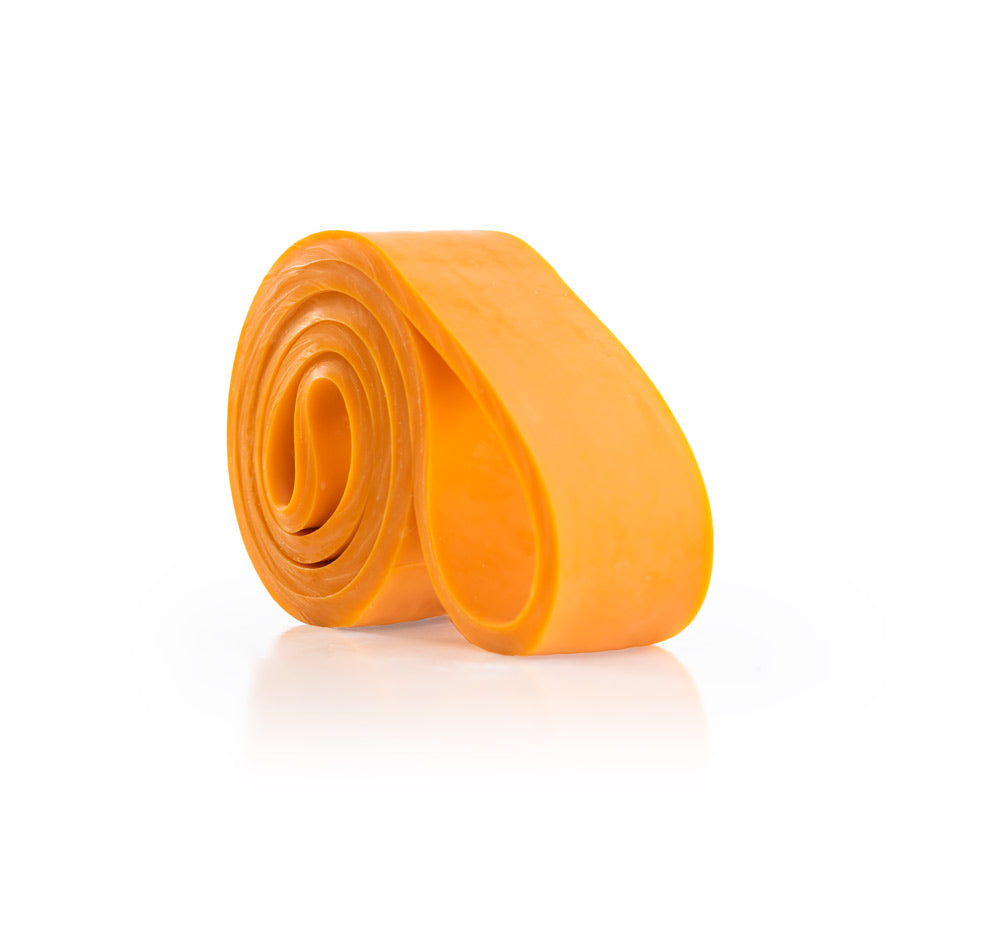
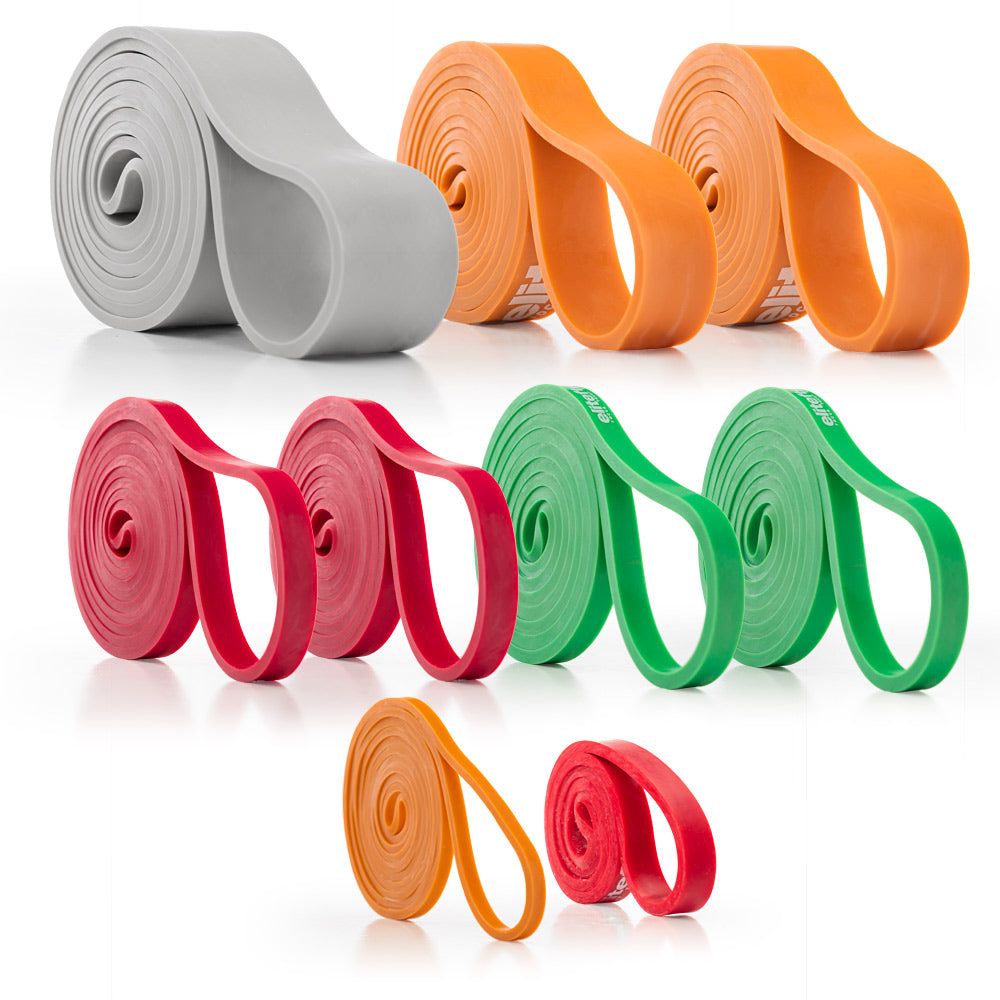
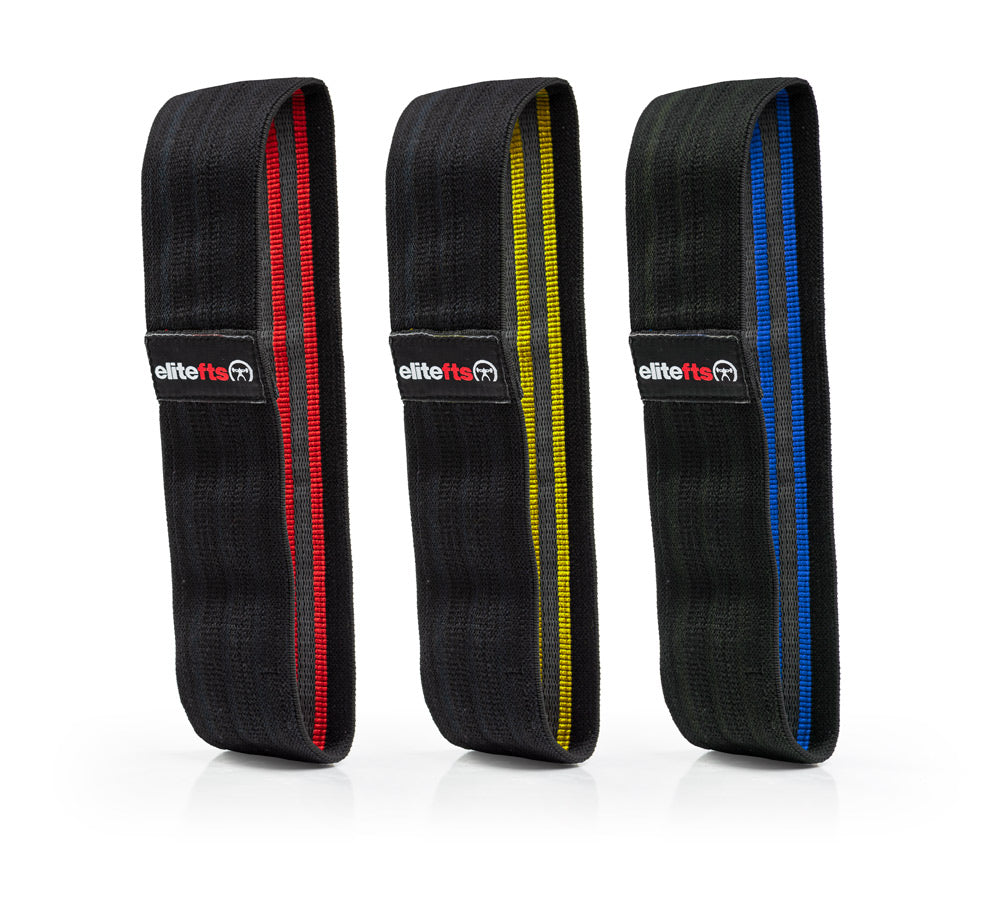
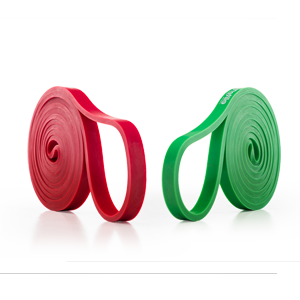
The current elitefts Pro Compression Floss Band Pack contains black, red, and blue wraps. The black and red bands are each 84 inches long and 2 inches wide. The blue Ultra is 165 inches long and 3 inches wide. All three are natural latex.
Extra length and width change how a band covers an area. They do not make the largest band the automatic choice. Confirm the current product specifications and select the appropriate wrap with the person teaching you the application.
Shop the Compression Floss Band Pack
Shop the Blue Ultra Compression Floss Band
Connect it to the rest of your training
Flossing should earn its place in your routine. If it is appropriate for you and produces a useful change, carry that into your normal warm-up and training plan. Feeling looser does not automatically mean you are ready for a heavier set.
Keep the other band tools in their proper roles. Long and short resistance bands can add loading, assistance, and exercise options. Compression floss involves a different application and different precautions.
Read how to choose and use long and short resistance bands, or continue into programming bands and chains for your lifting.
For the broader collection of band demonstrations and coaching material, Band Built brings compression floss, short-band work, traction, and resistance-band training into one guide. Keep its clinical examples in context and use professional guidance for symptoms or rehabilitation.
Know the job. Learn the application. Check the result. Your warm-up should help you get to the work, not become an endless search for another thing to wrap.
Further reading
- Yao and colleagues, 2026: Tissue Flossing systematic review and meta-analysis.
- Cheatham and Baker, 2024: Tissue Flossing clinical practice commentary. Proposed precautions and practice considerations, not an established universal protocol.
The header is a stylized editorial composition. Inline photographs show the supplied compression-floss application.