


Conjugate for HYROX: Why Organization Beats Volume
Most HYROX athletes are training wrong for the sport. Not because they lack effort. Because they have been sold the idea that HYROX is an endurance event with some strength stations bolted on.
Most HYROX athletes are training wrong for the sport.
Not because they lack effort. Because they have been sold the idea that HYROX is an endurance event with some strength stations bolted on. So they run more, add volume, grind through simulations, and wonder why they keep plateauing.
I have been a strength and conditioning coach for 25+ years — professional rugby league, international rugby union, and now HYROX at every level, from Elite 15 competitors and world record holders to first-time racers across the UK, US, Netherlands, France, Denmark, Singapore, UAE, and Thailand. The sport is different. The mistake is the same.
It is not happening in the gym. It is happening in how the week is organized.
HYROX sits in an uncomfortable middle ground.
It is not a strength sport. You are not going to squat your way to a podium. But it is not an endurance sport either. Athletes who come purely from running backgrounds hit the sleds and wall balls and fall apart.
For anyone unfamiliar: HYROX is a standardized indoor fitness race held in arenas globally. Every athlete completes the same course — 8 × 1 km runs, each followed immediately by one functional fitness station, always in the same order.
The eight stations in sequence: SkiErg (1000 m), sled push (50 m), sled pull (50 m), burpee broad jumps (80 m), rowing (1000 m), farmer’s carry (200 m), sandbag lunges (100 m), wall balls (100 reps). Total: 8 km of running plus all eight stations. Finish times range from under 60 minutes at elite level to 90 minutes and beyond for recreational athletes.
There are two individual categories — Open and Pro. The course and distances are identical. The weights are not. Open Men use the same weights as Pro Women. Elite 15 athletes compete at Pro weights. Beyond individual racing, HYROX also offers Doubles, Mixed Doubles, and Relay — but the individual race is the primary focus of this article.
| Station | Distance | W Open | W Pro | M Open | M Pro |
|---|---|---|---|---|---|
| SkiErg | 1000 m | — | — | — | — |
| Sled Push | 2 x 25 m | 102 kg* | 152 kg* | 152 kg* | 202 kg* |
| Sled Pull | 2 x 25 m | 78 kg* | 103 kg* | 103 kg* | 153 kg* |
| Burpee Broad Jump | 80 m | — | — | — | — |
| Row Erg | 1000 m | — | — | — | — |
| Farmer’s Carry | 200 m | 2 x 16 kg | 2 x 24 kg | 2 x 24 kg | 2 x 32 kg |
| Sandbag Lunges | 100 m | 10 kg | 20 kg | 20 kg | 30 kg |
| Wall Balls | 100 reps | 4 kg | 6 kg | 6 kg | 9 kg |
* Sled weights include the sled (approx. 30–40 kg). Source: HYROX Official Singles Rulebook Season 25/26.
The course never changes. The demands are entirely predictable. Which makes the programming failures even harder to excuse.
That format demands repeated high-force output under accumulating fatigue across predictable but punishing tasks — all connected by running laps that get progressively harder as the race goes on.
That middle ground is where most programming breaks down. Endurance-based approaches lack the strength foundation to handle the stations. Strength-based approaches lack the aerobic structure to sustain output across a 60 to 90 minute race. So what do most athletes do?
They try to do both. Badly.
Concurrent training gets the blame for poor organization.
There is a persistent idea in training that you cannot develop strength and aerobic capacity simultaneously — that one will always interfere with the other. The science behind this goes back to Hickson’s landmark 1980 study, which showed that combining heavy resistance training with high-volume endurance work could blunt strength adaptations. Wilson et al.’s 2012 meta-analysis confirmed the interference effect is real, but critically, it is highly dependent on training structure, volume, and recovery management.
The interference effect is not a reason to avoid concurrent training. It is a reason to organize it properly.
The typical HYROX athlete is not suffering from too much concurrent training. They are suffering from no structure at all. Here is what that looks like in practice:
- Heavy strength work followed immediately by high-volume conditioning circuits
- Running mechanics compromised because the legs are already cooked from squatting
- Zone 2 days that are not actually Zone 2 — just moderate intensity adding to cumulative fatigue
- HYROX simulations done weekly as if repetition of the race equals preparation for it
- No autoregulation, no recovery structure, no progression model
Everything lives in the same intensity band. The athlete is always carrying fatigue. They are never truly recovering and never truly maximal. They stall, wonder why, and add more volume.
That is not concurrent training failing. That is poor organization.
These are the mistakes that show up without fail, regardless of level.
Too Many HYROX Simulations
Simulations have a place. They are not a training method. Running a full HYROX sim every week or fortnightly is not programming — it is just repeatedly exposing yourself to race stress without the structural base to absorb or improve from it. A simulation is a test, not a training stimulus. Testing is not training. Simulations should be periodic and purposeful. Not used as the training stimulus itself.
Volume Addiction
More sessions. More kilometers. More time under fatigue. The HYROX space rewards the appearance of hard work, and social media accelerates this. The athletes I work with train less total volume than most people in their category. They also perform better. Volume is only useful when the quality of what is in it supports adaptation. Junk volume accumulates fatigue without building anything.
No Recovery or Autoregulation Built In
A training week with no planned easy days is not a tough program. It is a program waiting to break someone. Recovery is where adaptation happens. Joel Jamieson’s work on cardiac output and parasympathetic recovery underpins a significant part of how I structure low days — deliberate, easy, aerobic work that supports the CNS rather than taxes it further.
Random Selection of Exercises and Methods
HYROX athletes tend to accumulate training rather than structure it. A bit of CrossFit. Some running. A powerlifting program they found online. A HYROX-specific plan they bought on a platform. None of it connected, none of it sequenced, all of it fighting for the same recovery resources. The result is a lot of effort that produces very little adaptation.
No Weekly Structure
There is no separation of stress. High-demand sessions are placed back to back. Low-demand sessions do not exist. The week has no shape, which means the athlete has no predictability in how they respond to it. You cannot progress what you cannot organize.
High / Low Organization
The biggest change I made to how I program was not changing the exercises. It was organizing the stress.
Everything runs through a High / Low model — a concept developed by sprint coach Charlie Francis and adapted extensively for team sport and hybrid athletes.
High days are high CNS demand: max effort strength work, dynamic effort work, speed, power. These are the sessions that drive performance.
Low days are low CNS demand: Zone 2 aerobic work, technical work, recovery-biased sessions. These are the sessions that allow adaptation from the high days to actually happen.
Instead of living in the middle all week — moderate intensity, constant fatigue — you separate the stress clearly. High days hit hard. Low days stay genuinely easy. The gap between them is where the athlete improves.
The High / Low model solves the organization problem. Conjugate solves the development problem.
HYROX demands multiple physical qualities simultaneously: absolute strength, rate of force development, structural durability, and aerobic capacity. Linear periodization develops one quality at a time. Conjugate, as systematized by Louie Simmons at Westside Barbell, develops multiple qualities concurrently through rotating methods and exercise selection.
The issue with traditional Westside conjugate — four separate days of max effort lower, max effort upper, dynamic effort lower, dynamic effort upper — is that it leaves almost no room for the aerobic and sport-specific work a HYROX athlete needs. Unless you can train twice daily, the math does not work.
So I use a condensed version. Two full-body strength sessions per week built around opposite pairings, plus a dedicated HYROX-specific day.
Dynamic Effort Upper / Max Effort Lower
Dynamic Effort Lower / Max Effort Upper
HYROX-Specific Saturday
Sled work at 5–10% above competition weight, station practice, event simulation when appropriate
Low days fill the gaps: Zone 2 running or cycling at 60–70% max heart rate, mobility, parasympathetic recovery work.
If strength drops, everything in HYROX gets harder.
If strength drops, everything in HYROX gets harder. Sleds slow down. Wall balls break earlier. Running under fatigue deteriorates. Max effort work keeps strength progressing year-round without peaking for a single test.
One distinction worth making here because it gets misunderstood: weeks 1 and 2 on a given lift are submaximal. The athlete is learning the movement, building competency, accumulating quality reps. Week 3 is the true max effort — working to a 1RM or a genuine top set. This matters because throwing an athlete at a 1RM before they have earned the pattern is how you get injuries, not strength.
ME lower movements rotate across three categories: squatting variations (box squat, safety bar squat, cambered bar squat), pulling variations (trap bar deadlift, Romanian deadlift, rack pull from pins), and squat or pull from pins (pin squats, deadlifts pulled from varying heights). Each variation changes the positional demand, the sticking point, and the neural stimulus. The bar rotates too — straight bar, safety bar, cambered bar — so the pattern stays consistent while the load vector shifts.
ME upper follows the same logic. Pressing variations include floor press, close-grip bench, board press, and pin press from varying heights. The pin press in particular is underused in this space — starting from a dead stop at the sticking point builds exactly the kind of starting strength that transfers to the SkiErg, overhead carries, burpee broad jumps, and sled push and pull. Every station that requires force from a static or compromised position benefits from it.
The 3-week rotation manages repetition stress and keeps the nervous system fresh. You are never grinding the same pattern into the ground long enough for overuse to build or adaptation to stall.

This is where most HYROX programs miss.
The sport does not just require strength — it requires the ability to express force quickly, repeatedly, under fatigue. Rate of force development is the quality that bridges a strong squat to a fast sled push.
The box squat is my primary DE lower movement. It enforces a dead stop, eliminates the stretch reflex, and demands that the athlete generate force from nothing — exactly what happens when you reset on a sled push. Performed at 40–60% 1RM with maximal intent, every rep is a speed rep.
Bar and exercise rotation apply here too, on the same 3-week cycle. Straight bar box squat, safety bar box squat, cambered bar box squat — the variation rotates while the intent stays the same: move as fast as possible. Accommodating resistance rotates with it. Week 1 may use bands, week 2 chains, week 3 straight weight. Each changes the resistance curve and the demand on rate of force development through the full range. Bands accelerate the descent and punish deceleration at the top. Chains progressively load the lockout. Both teach the athlete to be aggressive through the entire movement, not just the initial drive.
Speed pulls rotate in alongside the box squat work — trap bar speed deadlifts, banded conventional pulls, speed sumo. The same principles apply: submaximal load, maximal intent, bar speed as the measure of output. This builds the hip extension power that transfers directly to the sled push drive and the running stride under fatigue.
DE upper follows the same principles: barbell bench press rotating across grip widths, bar variations, and pressing positions, with bands or chains cycling through. The goal throughout is bar speed, not load.
Structural work that does not make it into the main lifts.
Hip thrusts, inverted rows, rear dealt work, carries. This is tissue tolerance and structural balance — what keeps athletes holding form when they are 45 minutes into a race and the stations are getting heavier.
HYROX is predictable. The same movement patterns, the same loads, over and over throughout a training block and a race season. Without variation in the gym, overuse builds, performance stalls, and soft tissue breaks down. Rotating exercises every 2–3 weeks within the same category allows continuous progression without accumulating pattern-specific stress.

The system has been applied across elite and first-time athletes alike.
The athletes this system has been applied to include Tom Rodgers (Elite 15, 6th HYROX World Championships, 3x Pro Individual winner), Michael Sandbach (Elite 15, multiple Doubles World Records), and Ida Steensgaard (Elite 15, Red Bull athlete, 35% increase in power output over 14 months of structured programming — still a current client).
Beyond 1:1 coaching, the same principles underpin HYROX Strong, a self-guided program delivered through FITR that has taken over 100 athletes through structured HYROX programming across the UK, US, Netherlands, France, Denmark, Singapore, UAE, and Thailand. Elite to first-timer. In-person to self-guided. The structure is the same. So are the results.
A sample week
One non-negotiable before the week layout: VO2 max runs are paired with Day 1, threshold runs with Day 2. Running work is done first in the day if schedule allows. If sessions must be split, allow a minimum of 3 to 6 hours between them. If you cannot guarantee that separation, the run moves to its own day or comes out entirely. Stacking high CNS work without recovery between sessions is exactly the interference problem this structure is designed to avoid.

| Day | Type | Session |
|---|---|---|
| Monday | Low | Long easy aerobic run. Zone 2. Conversational pace. 60–70% max HR. If recovery is poor, swap to easy bike — same aerobic stimulus, no impact. |
| Tuesday | High — Day 1 |
AM: VO2 Max Run* VO2 max intervals. 1:1 work: rest. Example — 6x3 min at 95–100% max HR. PM: DE Upper / ME Lower* DE bench press (9x3, 40–60% 1RM, 3 grip variations) + band pull-apart. Box squat — sub-max weeks 1–2, true ME week 3 — superset with TKEs. Accessory: 3-point row, DB RDL, hammer curls. Finisher: heavy sled push 3x40m. *AM/PM order depends on athlete's priorities and schedule. Minimum 3–6 hours between sessions. Refuel between. |
| Wednesday | Low | Easy run + 30 min zone 2 bike. 60–70% max HR. If legs are heavy from Tuesday, bike only. |
| Thursday | High — Day 2 |
AM: Threshold Run* Threshold intervals. 85–90% max HR. Example — 3x10 min at threshold pace, 3 min easy between. PM: DE Lower / ME Upper* Box jumps (5x3) + banded hex bar speed deadlifts. Floor press — sub-max weeks 1–2, true ME week 3. Accessory: hip thrusts, inverted rows, rear dealt flyes. Carries: KB crossbody 4x40m. Finisher: rowing 500/400/300/200/100m, 1:1 work: rest. *AM/PM order depends on athlete's priorities and schedule. Minimum 3–6 hours between sessions. Refuel between. |
| Friday | Low | Zone 2 cyclical work 30–45 min. Bike preferred. Mobility and soft tissue work. This day exists to recover, not to accumulate. |
| Saturday | High — HYROX |
HYROX-Specific Session Sled push and pull at 5–10% above competition weight. Locked arms, drive through the floor, sustain 20m in one effort. This overload is intentional. Station work: SkiErg, row, wall balls, carries, burpee broad jumps. Practiced with intent — not as a conditioning circuit. Each station has a technical and output standard. Full simulation: every 6 weeks when needed. A test, not a training method. |
| Sunday | Low | Long easy recovery run or bike. Zone 2 only. If the week has been heavy, bike only and keep it under 45 minutes. |
High days: Tuesday, Thursday, Saturday. Everything else is genuinely low. There is no grey zone. The structure only works if the low days are actually low.
Build the training environment around the method.
These picks align with the actual training demands described in the article: box squat variations, dynamic effort work, accommodating resistance, sled overload, carries, and durability work.
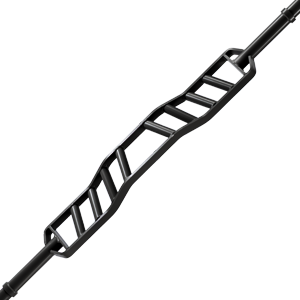
SS Yoke Bar
Ideal for safety bar squats, box squats, and shoulder-friendly lower-body max effort work.
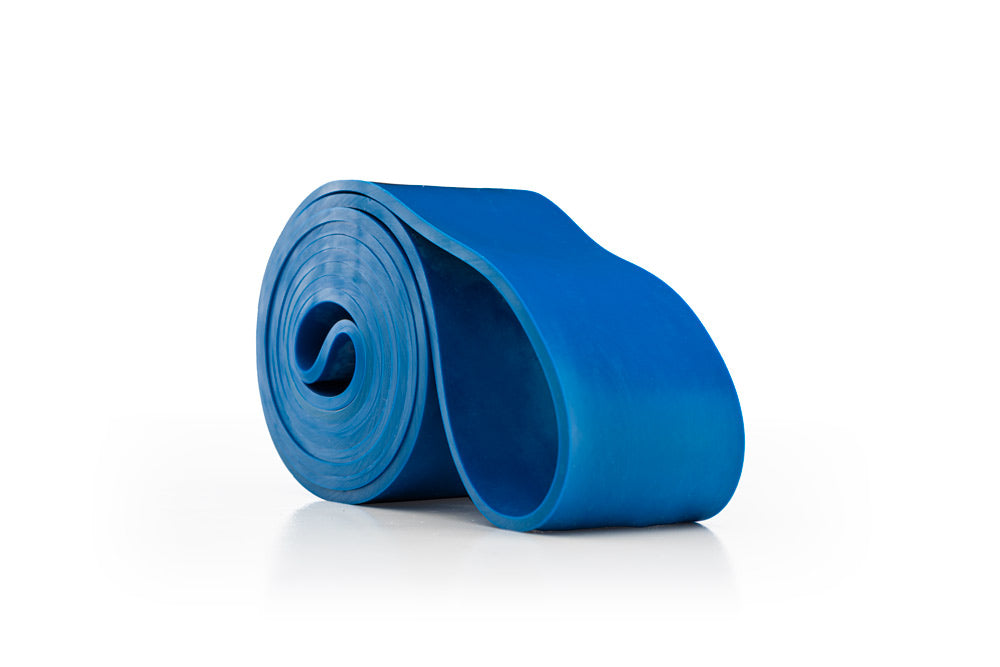
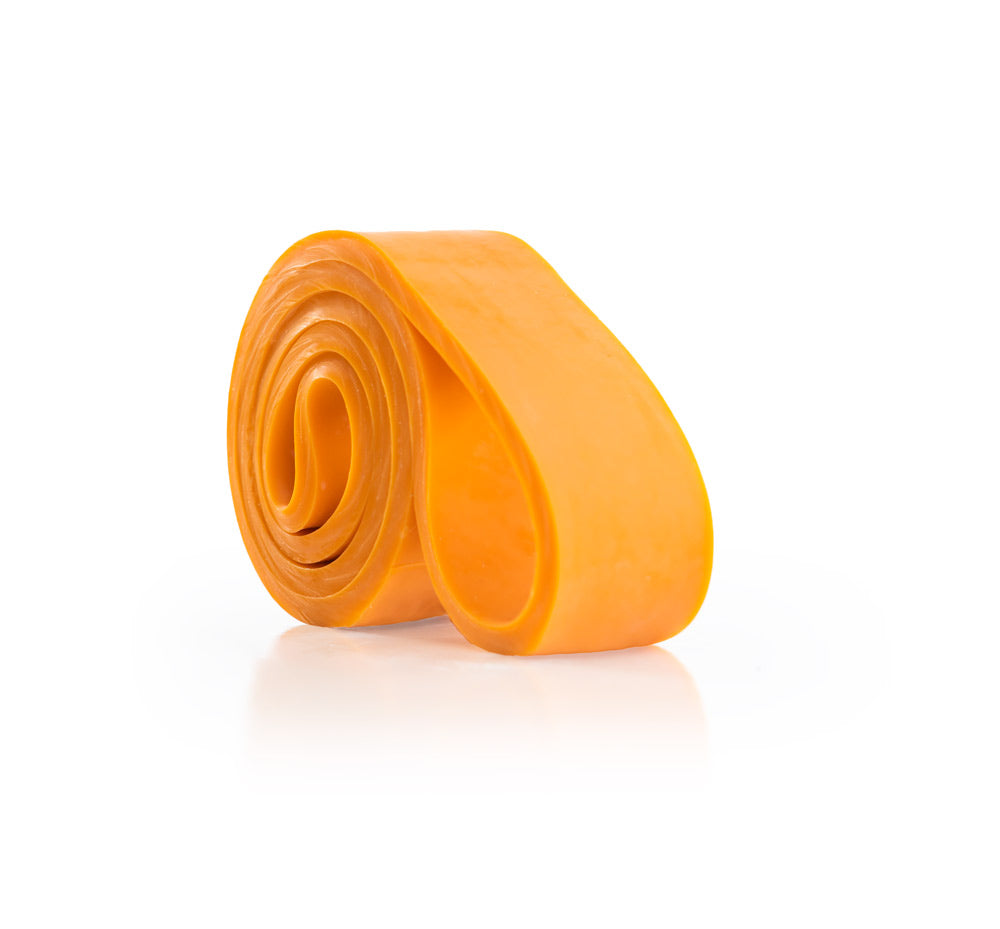
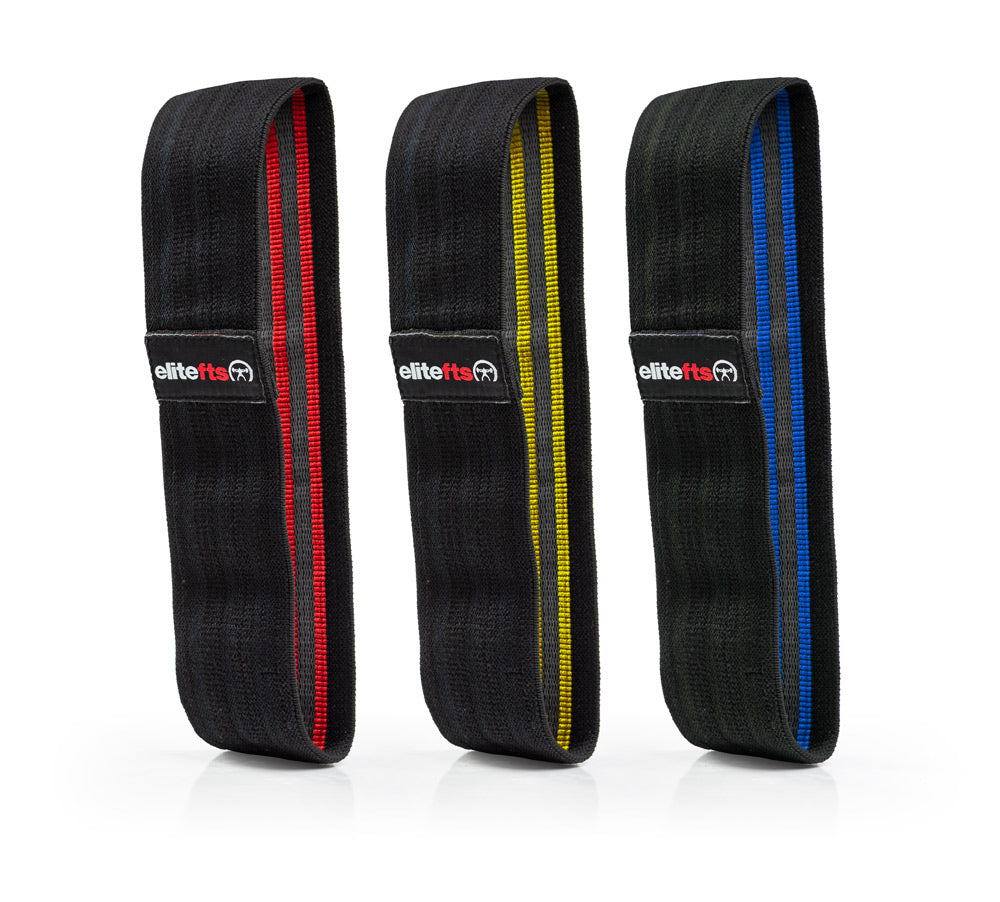
Shop the barPro Resistance Band Pack
Useful for banded speed pulls, accommodating resistance, warm-ups, and recovery circuits.
Get the band packPair of Chains
A clean way to rotate loading curves on DE bench and DE squat work.
View chainsProwler 2
Direct carryover for HYROX-style sled work, overload pushes, and brutally specific conditioning.
See the ProwlerKettlebells
Great for farmer’s carries, crossbody holds, trunk stability, and grip development under fatigue.
Browse kettlebellsSandbags
Useful for loaded lunges, bracing, and building resilience in awkward positions.
Shop sandbagsMost HYROX athletes don't have a fitness problem. They have an organization problem.
HYROX is an aerobic and strength endurance sport. It demands both qualities, developed properly, at the same time. The athletes who treat it as purely an endurance event leave strength on the table. The athletes who treat it as a strength sport fall apart on the runs. Neither works.
Conjugate doesn't solve HYROX by being complicated. It solves it by giving every quality its own lane and making sure those lanes don't crash into each other.
"Train both. Organize it properly. The times will follow."
APPENDIX: Sample Session Detail
The following sessions are illustrative examples of how the framework is applied in practice. Sets, reps, and loading parameters will vary based on the athlete’s training age, race calendar, and current block. These are not prescriptive — they are a reference point.
Day 1 — DE Upper / Sub-Max Lower (Week 1–2) / ME Lower (Week 3)
- 1a. Dynamic effort barbell bench press — 9 x 3 @ 40% 1RM plus 20–25% band tension, or 60% 1RM if no bands. Set every 60 seconds. Rotate grip: close / medium / wide across 3 sets each.
- 1b. Band pull-apart or face pull — 1 rep per set of bench. Rest 2–3 minutes between supersets.
- 2a. Box squat — 6 sets working up to a top set. Weeks 1–2: sub-maximal, stop 2–3 reps short of failure, prioritize pattern quality. Week 3: work to a true 1RM or top set.
- 2b. Terminal knee extension (TKE) — 10 each leg. Superset with squat. Rest 2–3 minutes between supersets.
- 3a. 3-point dumbbell row — 3 x 8–10. Rest 45 seconds.
- 3b. DB Romanian deadlift — 3 x 6–8. Rest 45 seconds.
- 3c. DB hammer curls — 3 x 10–12. Rest 45–60 seconds.
- 4. Heavy sled push — 3 x 40m. 60 seconds rest between sets. Locked arms, head straight, drive through the floor. Aim to sustain 20m in one effort.
Finisher (optional — can be done as a standalone session): Ski erg — 400m / 300m / 200m / 100m. Work: rest 1:1. Pace to finish strong.
Parasympathetic breathing cooldown: 10–15 breaths, 4 seconds nasal inhale / 2 seconds hold / 4 seconds exhale. Lying on back, feet elevated on bench or box.
Day 2 — DE Lower / ME Upper (Week 3) / Sub-Max Upper (Week 1–2)
- 1a. Box jump — 5 x 3. Soft landing. Reset fully between reps. Rest 30 seconds.
- 1b. Banded hex bar speed deadlift — 5 x 3. Maximal intent. Rest 30 seconds between supersets.
- 2. Barbell floor press — 6 sets working up to a top set. Weeks 1–2: sub-maximal, build pattern and pressing confidence. Week 3: true max effort top set. Rest 2–3 minutes between sets.
- 3a. Feet elevated hip thrust with hip circle — 3 x 15–20. Rest 30 seconds.
- 3b. Inverted row — 3 x 12–15, overhand grip. Rest 30 seconds.
- 3c. Chest supported rear dealt flyes — 3 x 12–15. Rest 30 seconds.
- 4. Kettlebell crossbody carries — 4 x 40m. 45 seconds rest between rounds.
Finisher (optional): Rowing — 500m / 400m / 300m / 200m / 100m. Work: rest1:1. Opposite erg to Day 1.
Parasympathetic breathing cooldown: same protocol as Day 1.
Saturday — HYROX-Specific Session
- Sled push — 3–5 x 40m at 5–10% above competition weight. 60–90 seconds rest. Full effort, locked arms, drive through the floor.
- Sled pull — 3–5 x 40m at 5–10% above competition weight. 60–90 seconds rest.
- Station practice: Ski erg, row, wall balls, sandbag lunges, farmers carry. Each practiced with technical intent and a target output standard — not as a circuit.
- Full simulation: every 6 weeks maximum. Placed after a de-load week. Used to benchmark, not to train.
References
- Hickson RC. Interference of strength development by simultaneously training for strength and endurance. European Journal of Applied Physiology. 1980;45(2–3):255–263.
- Wilson JM, Marin PJ, Rhea MR, et al. Concurrent training: a meta-analysis examining interference of aerobic and resistance exercises. Journal of Strength and Conditioning Research. 2012;26(8):2293–2307.
- Jamieson J. Ultimate MMA Conditioning. Performance Sports Inc; 2009. (BioForce HRV methodology and parasympathetic recovery protocols.)
- Francis C. The Charlie Francis Training System. TBOLI Publishing; 1992.
- Simmons L. The Westside Barbell Book of Methods. Westside Barbell; 2007.
- HYROX. Official Singles Rulebook Season 25/26. Available at: hyroxus.com/rulebook. Accessed April 2026. (Station weights, distances, and category standards verified against current season rulebook.)
Author bio
Ryan Gibney BSc Hons (S&C) | Westside Barbell Certified, BioForce CCC, PPSC, PN1, CPSC.
25+ years coaching experience across professional rugby league, international rugby union, and HYROX performance. Founder of Ryan Gibney Coaching.
www.ryangibney.com | @ryangibneycoaching