
A Simple System for Building Full-Body Strength and Power
Ashley Jones
A few years ago, I wrote an article for MILO outlining three exercises of a similar theme performed in sequence, with the load increasing from one movement to the next.
The rationale behind these triplets was simple: they allow athletes to perform short, intense workouts that develop full-body strength, power, and coordination.
Program Snapshot
Training Focus: Full-body strength and power
Movement Patterns: Pull, Push, Squat
Best For: Athletes needing efficient, high-impact strength sessions
Final Layer: CARE assistance works for durability and longevity
The Three Foundational Movements
The system revolves around three fundamental patterns:
- Pull
- Push
- Squat
When trained properly, these movements cover nearly every major strength quality needed for athletic performance: posterior chain strength, overhead power, leg drive, and upper-back development.
To perform these movements effectively, athletes should have access to quality barbells and plates:
Weekly Training Structure
Training Key: Pull, Push, Squat Rest
Option 1: Six-Day Rotation
| Day Training | Training Focus |
|---|---|
| Monday | Pull |
| Tuesday | Push |
| Wednesday | Squat |
| Thursday | Rest |
| Friday | Pull |
| Saturday | Push |
| Sunday | Squat |
Pulling Workouts
Pulling sessions emphasize Olympic lift variations, upper-back strength, and posterior chain development.
Main Pull Variations
- Power Snatch + Chin-Ups
- Squat Clean + Row Variation
- Squat Snatch + Row Variation
- Power Clean + Chin-Ups
- Snatch High Pull + Snatch Grip Deadlift
- Clean Pull + Clean Grip Deadlift
Pushing Workouts
Pushing sessions focus on overhead strength, shoulder health, and explosive pressing power.
Primary Strength Work
Push Press – Cluster Singles
- 3 sets × 5 reps
- 15 seconds rest between reps
Rack Split Jerk
- 5 sets × 1 rep
Squat Workouts
The squat session uses a triple sequence of movements that gradually increase load and intensity.
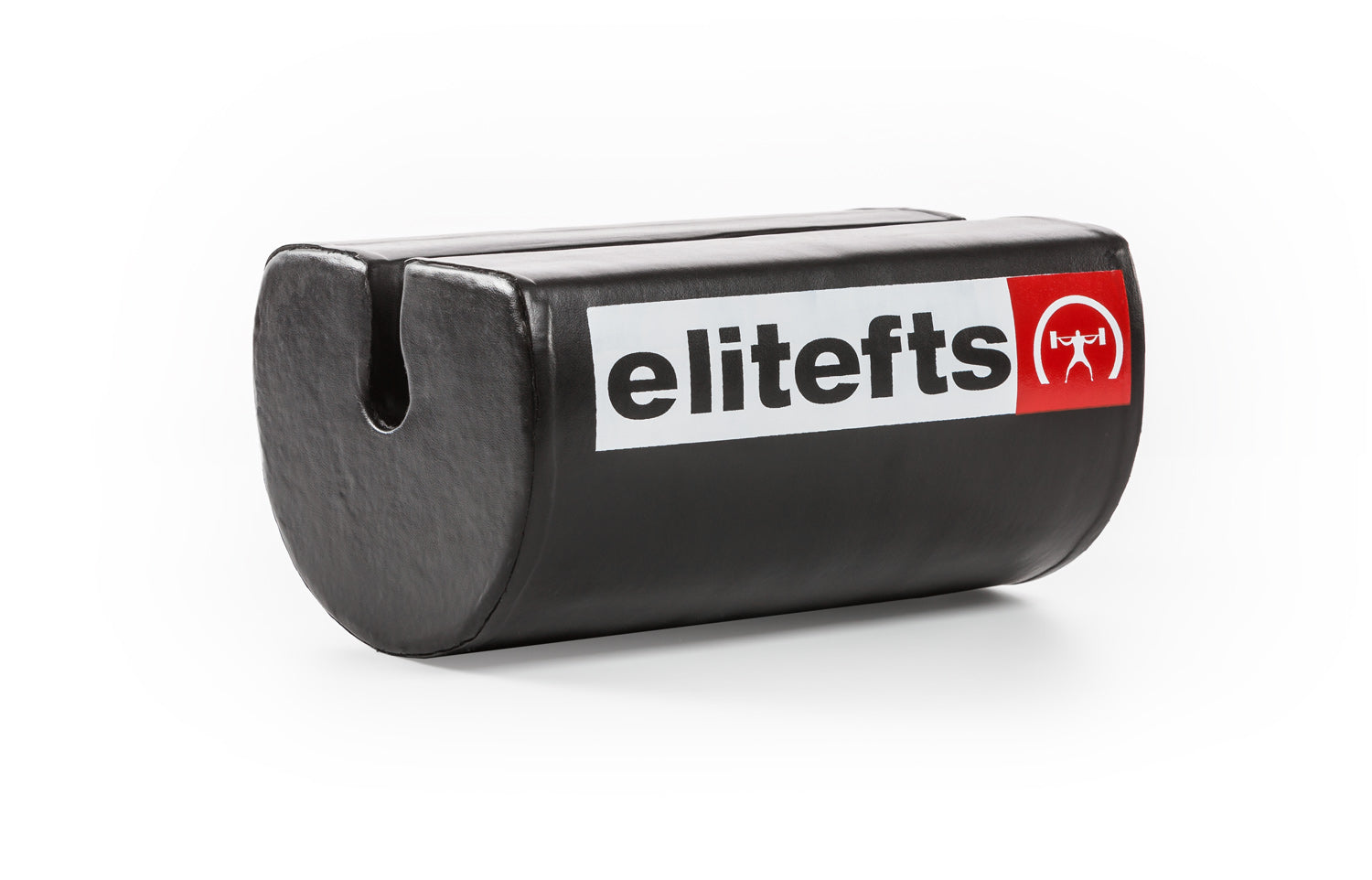
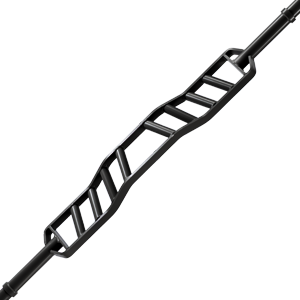
These specialty bars allow athletes to continue building squat strength while managing shoulder stress and improving stability.
Squat Progression
- Overhead Squat
- Front Squat
- Back Squat
Begin with an empty bar and progressively increase the load each set until three repetitions can no longer be achieved.
CARE: Individualized Assistance Work
The final component of the program is CARE, which focuses on targeted assistance activities tailored to individual needs.
Examples might include:
- Rotator cuff work
- Hamstring strengthening
- Core stability training
- Hip mobility drills
- Scapular stability exercises
Final Thoughts
The Pull, Push, Squat system offers a simple yet highly effective framework for strength development.
- Develop total-body strength
- Improve power and coordination
- Train frequently without excessive fatigue
- Address individual weaknesses through CARE programming
Pull. Push. Squat. Repeat.
Ashley Jones is a strength & conditioning coach with 30+ years in professional sport across seven countries, best known for his work in rugby from club to international levels—including two Rugby World Cups with teams from both hemispheres. He was named NSCA Professional Coach of the Year (2016) and received the NSCA Boyd Epley Lifetime Achievement Award (2023). He’s also a long-time Elitefts columnist